
Climbing Kilimanjaro without prior specific training is technically possible, but it significantly increases the difficulty and risks of failure or serious health issues. While many trekkers successfully reach the summit with moderate fitness, undertaking this challenge without any preparation demands a strong baseline level of health, a significant mental fortitude, and a willingness to push your body to its limits. For those considering a 2026 or 2027 climb, understanding the physical demands and potential consequences is crucial for making an informed decision and ensuring a safer experience.
Understanding the Kilimanjaro Challenge
The sheer altitude of Mount Kilimanjaro, culminating at Uhuru Peak at 5,895 meters (19,341 feet), is its primary challenge. Unlike technical mountaineering, the climb itself doesn’t require specialized climbing skills; it’s primarily a strenuous hike. However, the rapid ascent through various ecological zones exposes trekkers to significant altitude sickness, extreme cold, and demanding physical exertion over several consecutive days. Without adequate physical conditioning, your body will struggle to adapt to these extreme conditions, making the trek exponentially harder and increasing the likelihood of succumbing to altitude-related symptoms or exhaustion.
What ‘Without Training’ Really Means
When people ask if they can climb Kilimanjaro without training, they often mean without a formal, months-long hiking or gym program. However, a certain level of baseline fitness is non-negotiable. This typically means being able to comfortably walk for several hours a day, ascend and descend hills or stairs without becoming excessively breathless, and generally having a good cardiovascular system. If your daily life involves minimal physical activity, then climbing Kilimanjaro without dedicated preparation is highly inadvisable. The success rate for those who haven’t trained is considerably lower, and the experience can be miserable, fraught with discomfort and potential danger.
The Risks of Climbing Unprepared
Attempting Kilimanjaro without proper training amplifies several significant risks:
- Acute Mountain Sickness (AMS): This is the most common risk. Your body needs time to acclimatize to the thinning air. Without a strong cardiovascular system to help process oxygen more efficiently, AMS symptoms (headache, nausea, dizziness) can set in faster and become more severe.
- Exhaustion and Fatigue: Long days of trekking, especially on steep ascents and descents, require significant stamina. Without training, muscles will fatigue quickly, leading to poor form, increased risk of injury, and a diminished ability to keep moving.
- Hypothermia and Cold-Related Injuries: While good gear is essential, a fit body generates more heat. Being physically unprepared can make it harder for your body to regulate temperature in the extreme cold experienced at higher altitudes.
- Digestive Issues: Altitude and physical stress can disrupt digestion. A body not accustomed to exertion may react more severely.
- Lower Success Rate: Studies and operator experience consistently show that trekkers who train diligently have a much higher success rate in reaching the summit.
Essential Preparations Even Without Formal Training
Even if you’re not embarking on a rigorous training regimen, there are crucial steps you must take to prepare for a Kilimanjaro climb, especially for a planned trek in 2026 or 2027:
1. Consult Your Doctor
Before even booking your trip, a thorough medical check-up is essential. Discuss your plans to climb Kilimanjaro with your doctor. They can assess your overall health, identify any pre-existing conditions that might be exacerbated by high altitude, and offer personalized advice. This is particularly important if you have any heart conditions, respiratory issues, or other chronic illnesses. Be honest about your current fitness level.
2. Prioritize Cardiovascular Fitness
Even a few weeks of focused activity can make a difference. Aim for at least 3-4 sessions per week of moderate-intensity cardiovascular exercise. This could include:
- Brisk walking or hiking, ideally with some inclines.
- Jogging or running.
- Cycling.
- Swimming.
The goal is to improve your stamina and your body’s ability to utilize oxygen efficiently.
3. Practice Hiking with Weight
Kilimanjaro is not a race, but you will be carrying a daypack with essentials like water, snacks, extra layers, and rain gear. Start hiking with a backpack that simulates the weight you’ll carry (around 5-10 kg or 10-20 lbs). This helps your body adapt to the added load and prevents shoulder or back strain.
4. Focus on Leg Strength and Endurance
Your legs will do the vast majority of the work. Incorporate exercises that strengthen your legs and build endurance:
- Squats and lunges.
- Calf raises.
- Stair climbing (use stairs whenever possible).
- Long walks or hikes on varied terrain.
Pay attention to your knees and ankles, as downhill sections can be tough on joints.
5. Mental Preparation is Key
Climbing Kilimanjaro is as much a mental battle as a physical one. Understand that there will be challenging moments, especially during summit night. Develop mental strategies to push through discomfort, stay positive, and focus on one step at a time. Visualizing success and knowing your ‘why’ can be powerful motivators.
Choosing the Right Route for Less Training
While no route on Kilimanjaro is easy, some are considered more forgiving for trekkers with less extensive training due to their gradual ascent profiles, which aid acclimatization. These routes tend to be longer, offering more days for your body to adjust to the altitude.
Recommended Routes for Moderate Fitness Levels
| Route | Typical Duration | Acclimatization Profile | Success Rate |
|---|---|---|---|
| Lemosho | 7-8 days | Excellent, gradual ascent | High |
| Machame | 6-7 days | Good, uses the ‘climb high, sleep low’ principle | High |
| Marangu | 5-6 days | Less ideal for acclimatization due to shorter duration | Moderate |
| Northern Circuit | 9-10 days | The best for acclimatization, very gradual | Highest |
For trekkers considering Kilimanjaro without extensive training, opting for longer routes like the Northern Circuit (9-10 days) or Lemosho (8 days) is highly recommended. These routes provide more days for gradual acclimatization, significantly increasing your chances of success and reducing the risk of severe altitude sickness. The Machame route (7
Recommended Routes for Moderate Fitness Levels
| Route | Typical Duration | Acclimatization Profile | Success Rate |
|---|---|---|---|
| Lemosho | 7-8 days | Excellent, gradual ascent | High |
| Machame | 6-7 days | Good, uses the ‘climb high, sleep low’ principle | High |
| Marangu | 5-6 days | Less ideal for acclimatization due to shorter duration | Moderate |
| Northern Circuit | 9-10 days | The best for acclimatization, very gradual | Highest |
For trekkers considering Kilimanjaro without extensive training, opting for longer routes like the Northern Circuit (9-10 days) or Lemosho (8 days) is highly recommended. These routes provide more days for gradual acclimatization, significantly increasing your chances of success and reducing the risk of severe altitude sickness. The Machame route (7 days) is also a popular choice and offers good acclimatization, though it’s slightly shorter. The Marangu route, often called the ‘Coca-Cola route,’ is the shortest and most direct, but its rapid ascent profile makes it the least suitable for those not well-prepared for altitude. A longer duration on the mountain is your best ally when physical conditioning is not at its peak.
What Kind of Gear is Absolutely Essential?
Beyond physical and mental readiness, proper gear is non-negotiable, especially when you’re not relying on peak fitness to compensate for shortcomings. Even on a well-supported climb, your equipment must protect you from extreme conditions. For Kilimanjaro, this means layering is key. You’ll experience everything from tropical heat at the base to sub-zero temperatures at the summit. Your gear list should include:
- Layering System: Moisture-wicking base layers (synthetic or merino wool), insulating mid-layers (fleece or down jacket), and a waterproof/windproof outer shell (jacket and trousers).
- Footwear: Well-broken-in, waterproof hiking boots with good ankle support. Several pairs of warm, moisture-wicking socks are also critical.
- Headwear: A warm hat that covers your ears, a sun hat with a wide brim, and sunglasses with UV protection. A balaclava or neck gaiter is vital for summit night.
- Gloves: Waterproof and insulated gloves or mittens, plus thinner liner gloves.
- Sleeping Bag: A four-season sleeping bag rated to at least 0°F (-18°C).
- Trekking Poles: These significantly reduce stress on your knees, especially during descents, and aid balance.
- Headlamp: With extra batteries, essential for navigating in the dark, especially on summit night.
- Water Bottles/Hydration Reservoir: Insulated to prevent freezing.
Investing in quality gear is crucial. While you can rent some items in Tanzania, your personal essentials like boots and base layers should be your own and well-tested before your 2026 or 2027 climb.
How Does Altitude Affect the Body, and Can I Mitigate It?
The most significant physiological challenge on Kilimanjaro is altitude. As you ascend, the atmospheric pressure decreases, meaning there are fewer oxygen molecules per breath. Your body needs time to adapt to this lower oxygen environment, a process called acclimatization. Without adequate acclimatization, you risk developing Acute Mountain Sickness (AMS), which can range from mild headaches and nausea to severe, life-threatening conditions like High Altitude Pulmonary Edema (HAPE) or High Altitude Cerebral Edema (HACE).
Mitigating Altitude Effects:
- Ascend Slowly: This is the most crucial factor. Longer routes allow for gradual ascent, giving your body more time to adjust. The principle of ‘climb high, sleep low’ is also vital, where you ascend to a higher altitude during the day and then descend to a lower camp to sleep.
- Stay Hydrated: Drink plenty of water. Aim for 3-4 liters per day. Dehydration can mimic AMS symptoms.
- Avoid Alcohol and Caffeine: Both can contribute to dehydration and disrupt sleep.
- Eat Well: High-carbohydrate meals are generally recommended at altitude. Your appetite may decrease, but try to eat small, frequent meals.
- Medication: Diamox (acetazolamide) is a prescription medication that can help speed up acclimatization. Consult your doctor well in advance of your 2026 or 2027 trip to see if it’s appropriate for you.
- Listen to Your Body: Do not ignore symptoms of AMS. Communicate any discomfort to your guide immediately. If symptoms worsen, descent is the only cure.
While a strong cardiovascular base helps your body process oxygen more efficiently, acclimatization is a separate process that even the fittest individuals must respect. Trying to ‘power through’ altitude sickness is extremely dangerous.
What is the Role of the Guides and Porters?
The crew supporting your climb is fundamental to your safety and success, especially if you are attempting Kilimanjaro without extensive training. Your guides are highly experienced in high-altitude trekking, recognizing the signs of altitude sickness, and managing group dynamics. They are trained in first aid and know when to push and when to advise descent.
Porters carry the bulk of your gear, setting up camp and preparing meals, allowing you to focus on walking and acclimatizing. Their logistical expertise ensures that you have shelter, food, and water, removing significant burdens from your shoulders. Choosing a reputable tour operator is paramount. Companies like Top Guide Adventures are known for their experienced, certified guides and well-trained support crews who prioritize climber safety and acclimatization, making them an excellent choice for those planning a Kilimanjaro climb in 2026 or 2027, particularly if you’re concerned about fitness levels.
The guides will constantly monitor your condition, pace, and hydration. They are your eyes and ears on the mountain, making critical decisions that affect your well-being. Trust their expertise; they have guided thousands of people to the summit and back safely.
Can I Recover from Lack of Training on the Mountain?
To some extent, yes, but with significant caveats. The mountain environment itself, particularly the slower pace and focus on hydration and rest provided by a good tour operator, can help. Your body will adapt to some degree simply by being there and moving consistently. However, this adaptation is far less efficient and far more taxing if you haven’t built a baseline level of fitness beforehand.
You can’t ‘train’ for Kilimanjaro on Kilimanjaro itself. The mountain is not a gym. Pushing your body beyond its unprepared limits day after day will lead to severe exhaustion, potentially making you more susceptible to altitude sickness, injuries, and a miserable experience. You might be able to reach the summit through sheer willpower and the support of your guides, but the journey will be considerably harder, and the risk of developing serious health issues is much higher than for someone who has prepared physically. It’s about managing expectations: you might *finish* the climb, but the *experience* will be profoundly different and more challenging.
What to Expect on Summit Night?
Summit night is the most demanding part of the Kilimanjaro climb, and it’s where a lack of training is most acutely felt. You’ll typically start hiking around midnight, aiming to reach the summit, Uhuru Peak, by sunrise. This involves trekking for 6-8 hours in the dark, in extreme cold, on steep, loose scree slopes, and at very high altitude (above 5,000 meters).
- The Pace: The pace is incredibly slow, often described as ‘pole pole’ (slowly, slowly). This is crucial for conserving energy and aiding acclimatization.
- The Cold: Temperatures can drop to -20°C (-4°F) or lower with wind chill.
- The Altitude: The oxygen level at the summit is about half of what it is at sea level.
- The Terrain: Steep, loose volcanic scree makes every step an effort.
- The Mental Battle: This is where mental fortitude truly comes into play. Battling fatigue, cold, and the physical effects of altitude requires immense willpower.
If you haven’t trained, the physical exertion of summit night can be overwhelming. Muscles will ache, breathing will be labored, and the cold will feel more intense. This is when many unprepared trekkers start to struggle significantly, leading to potential evacuation or a decision to turn back just short of the goal. Having a strong mental outlook, as discussed earlier, is vital, but it cannot fully compensate for a body that is not conditioned for such extreme stress.
Is It Responsible to Attempt Kilimanjaro Without Training?
From a safety and ethical standpoint, attempting Kilimanjaro without any preparation is generally considered irresponsible. The mountain presents significant risks, and while tour operators take precautions, the primary responsibility for being fit enough to undertake the climb lies with the individual.
Reasons why it’s not advisable:
- Increased Risk to Self: As detailed throughout, the chances of experiencing severe altitude sickness, exhaustion, injury, or failing to reach the summit are significantly higher.
- Increased Risk to Others: A severely ill or incapacitated climber can put the entire group and the support crew at risk, requiring emergency evacuations that strain resources and potentially endanger others.
- Impact on the Experience: It is highly likely to be an uncomfortable, painful, and potentially traumatic experience rather than the rewarding adventure it can be.
- Ethical Considerations: Kilimanjaro is a fragile ecosystem. While not directly related to fitness, it highlights the need for responsible tourism. Being physically prepared is part of being a responsible trekker.
While ‘possible’ is a word that can be used, it should be heavily qualified. For a safe and enjoyable experience in 2026 or 2027, a baseline level of fitness and dedicated preparation, even if not extensive, is strongly recommended.
Final Conclusion: Can You Climb Kilimanjaro Without Training?
The definitive answer to ‘Can you climb Kilimanjaro without training?’ is a nuanced ‘technically yes, but highly inadvisable.’ While the climb doesn’t require technical mountaineering skills, the extreme altitude and multi-day physical exertion demand a considerable level of fitness and acclimatization capacity. Without adequate preparation, you dramatically increase your risk of altitude sickness, severe exhaustion, injury, and ultimately, failure to reach the summit. The experience will likely be far more difficult and less enjoyable.
For anyone planning a Kilimanjaro adventure for 2026 or 2027, the responsible approach is to undertake some form of physical preparation. This doesn’t necessarily mean months of rigorous gym routines, but it should involve consistent cardiovascular exercise, strength training, and practice hikes with weight. Prioritizing longer routes known for better acclimatization profiles, like the Northern Circuit or Lemosho, is also a smart strategy. Crucially, consult your doctor, invest in appropriate gear, and choose a reputable tour operator like Top Guide Adventures, whose experienced guides and logistical support are invaluable, especially for trekkers who may not be at peak physical condition. Ultimately, while the mountain may be climbed by the unprepared, it is best approached with respect, preparation, and a commitment to safety.
Ready to plan your Kilimanjaro adventure with expert guidance?
Contact Top Guide Adventures today to discuss your trek and ensure you have the best possible preparation and support:
WhatsApp: +255616946642
Email: topguideadventures@gmail.com
Check Availability for Can You Climb Kilimanjaro Without Training? 2026-2027
Ready to compare dates, prices, and the best option for your group? Send the package name and travel month so the team can reply with a clear quote, availability, and what is included.
Best Exercises For Climbing Kilimanjaro: A Comprehensive Training Guide
Climbing Kilimanjaro is an immense physical and mental challenge. Proper training with the right exercises is crucial for success and enjoyment. This guide details the most effective...
View package details
Can You Climb Kilimanjaro Without Experience Guide
Climbing Mount Kilimanjaro is achievable for individuals without extensive mountaineering experience, provided they choose the right route and prepare adequately. This guide covers...
View package details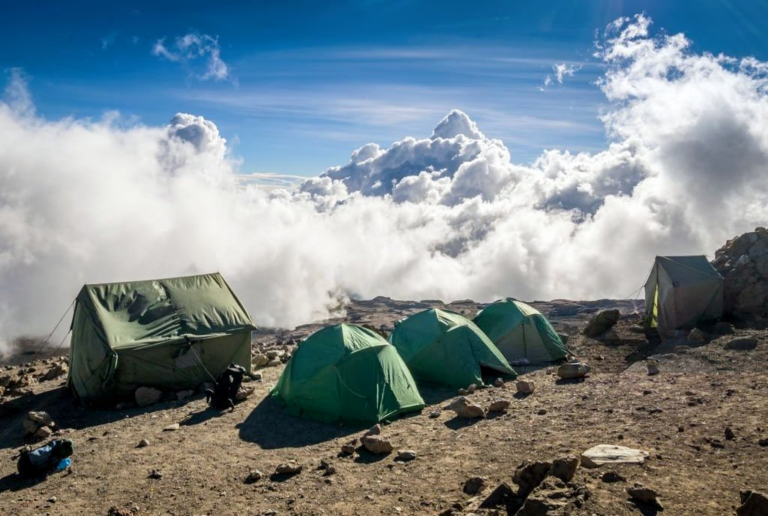
Kilimanjaro Training Plan For Beginners: Your Essential Guide Climbs 2026-2027
Embarking on a Kilimanjaro climb is a dream for many, and a well-structured training plan is crucial for beginners to ensure a safe and successful ascent. This comprehensive guide covers...
View package details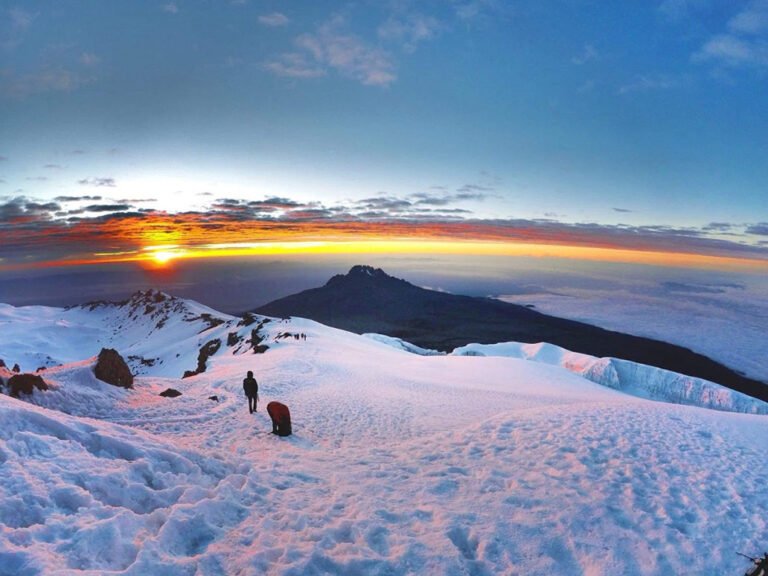
6-Day Kilimanjaro Climbing Tours: Best Routes & Planning Guide 2026-2027
Plan your 6-day Kilimanjaro climb with this detailed guide covering routes, costs, preparation, and why Top Guide Adventures is a trusted operator for this life-changing trek.
View package details
Can Seniors Climb Mount Kilimanjaro? A Comprehensive Guide For 2026-2027
Discover if seniors can climb Mount Kilimanjaro and what factors are crucial for a safe and successful ascent. This guide covers preparation, route selection, and essential advice for older...
View package details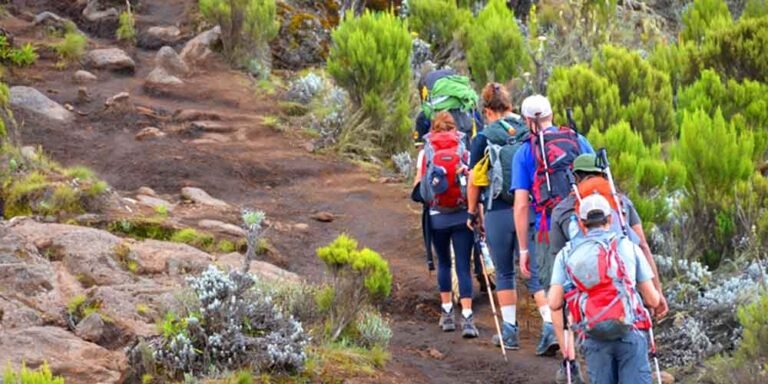
Can You Climb Kilimanjaro After Age 60? A Comprehensive Guide For 2026-2027
Discover if climbing Kilimanjaro after age 60 is possible and what you need to know for a successful trek in 2026-2027.
View package details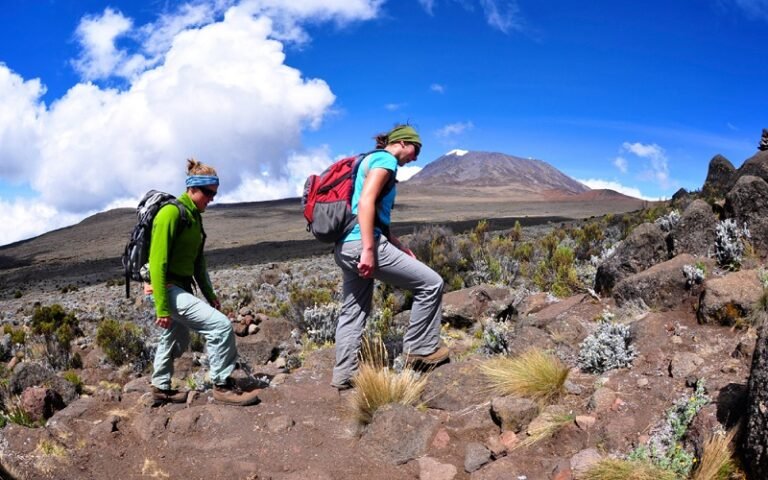
Can You Climb Kilimanjaro Alone? Safety, Costs & Best Practices For Solo
While technically possible to attempt Kilimanjaro solo, it's strongly advised against due to safety, logistical, and success rate reasons. This guide explores the realities of solo...
View package details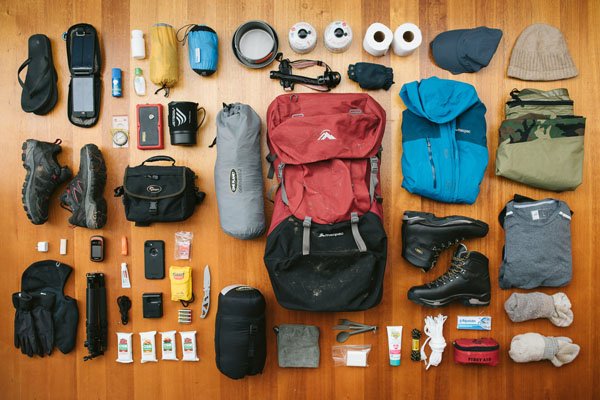
Can You Climb Kilimanjaro During The Rainy Season? Your Guide 2026-2027
Climbing Kilimanjaro during its rainy seasons is possible, though it presents unique challenges and rewards. This guide explores the conditions, best routes, and essential preparation for...
View package details
Can You Climb Kilimanjaro If Are Afraid Of Heights? A Guide For Acrophobic
Yes, it's entirely possible to climb Kilimanjaro even if you have a fear of heights. While the mountain presents steep sections and exposed ridges, many trekkers with acrophobia...
View package details
Climbing Kilimanjaro In October: Your Ultimate Guide For 2026-2027
Discover the best times and ways to climb Mount Kilimanjaro in October. This guide provides essential details on weather patterns, popular routes, packing essentials, and what makes October...
View package detailsFastest Vs Safest Way To Climb Kilimanjaro: Routes, Risks, And Recommendations
Choosing between the fastest and safest way to climb Kilimanjaro involves understanding route lengths, acclimatization schedules, and potential risks. This guide helps you make an informed...
View package details
Is Climbing Kilimanjaro Worth It? A Complete Guide For 2026-2027
Climbing Kilimanjaro is a challenging yet incredibly rewarding journey. This guide explores the value of the trek, from stunning landscapes to personal achievement, helping you decide if...
View package detailsNo closely related package is available for this topic yet.



