
Effective altitude training for Kilimanjaro involves a combination of physical conditioning, understanding acclimatization principles, and simulating high-altitude conditions as much as possible before your trek. While direct high-altitude exposure is ideal, a well-rounded preparation focusing on cardiovascular fitness, strength, and aerobic capacity, coupled with knowledge of altitude sickness symptoms and management, is crucial for a successful climb in 2026 or 2027.
Understanding the Challenge: Kilimanjaro’s Altitude
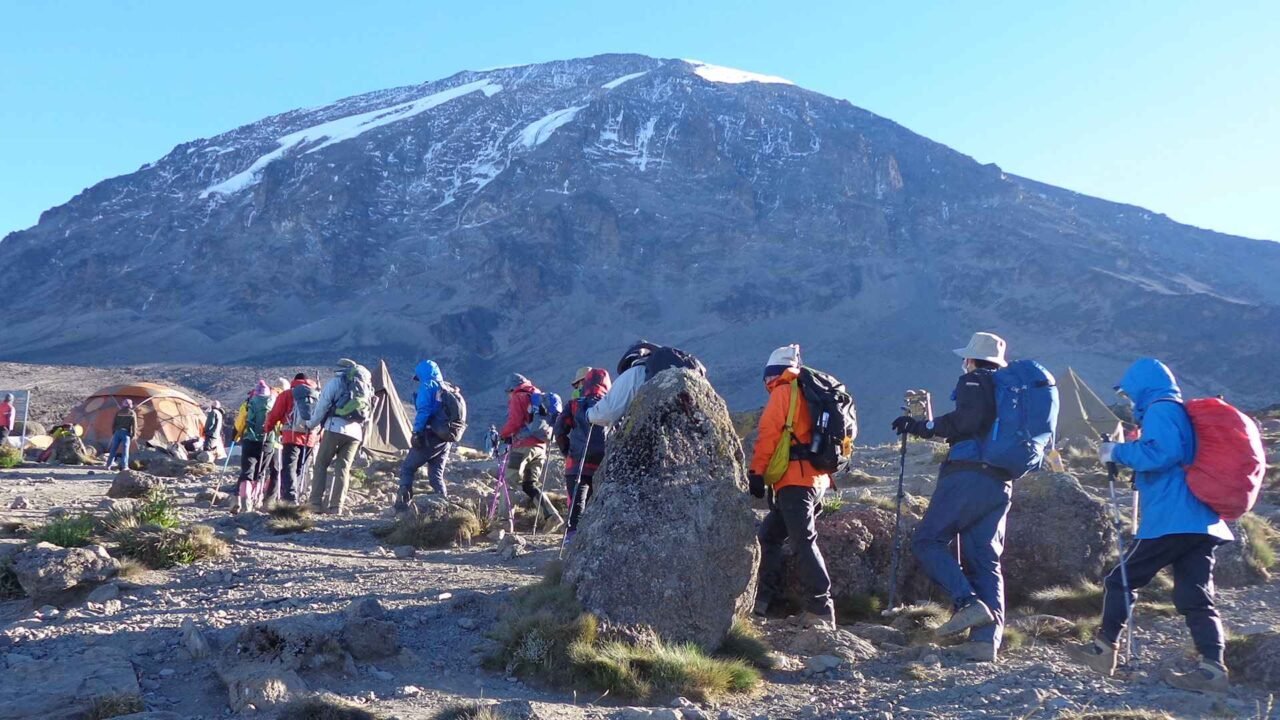
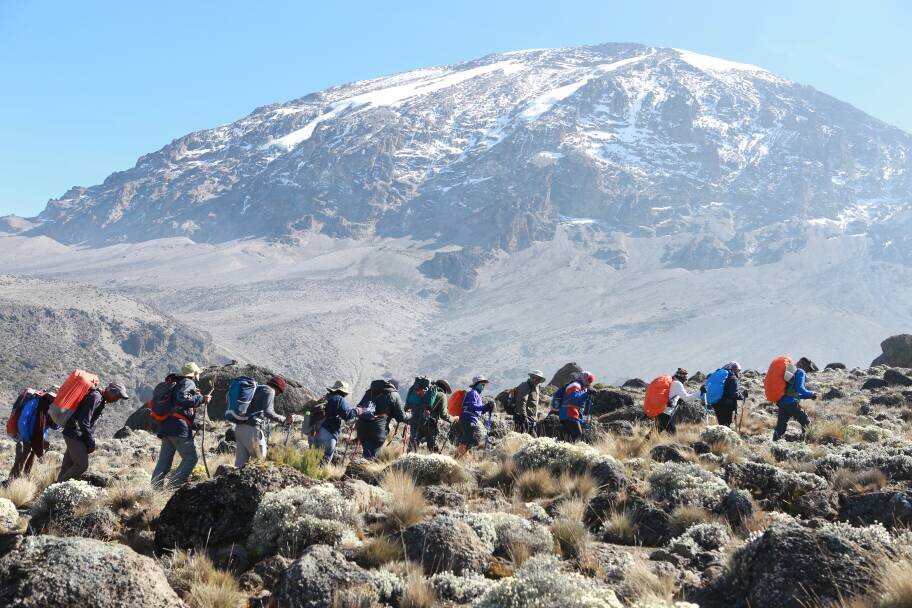
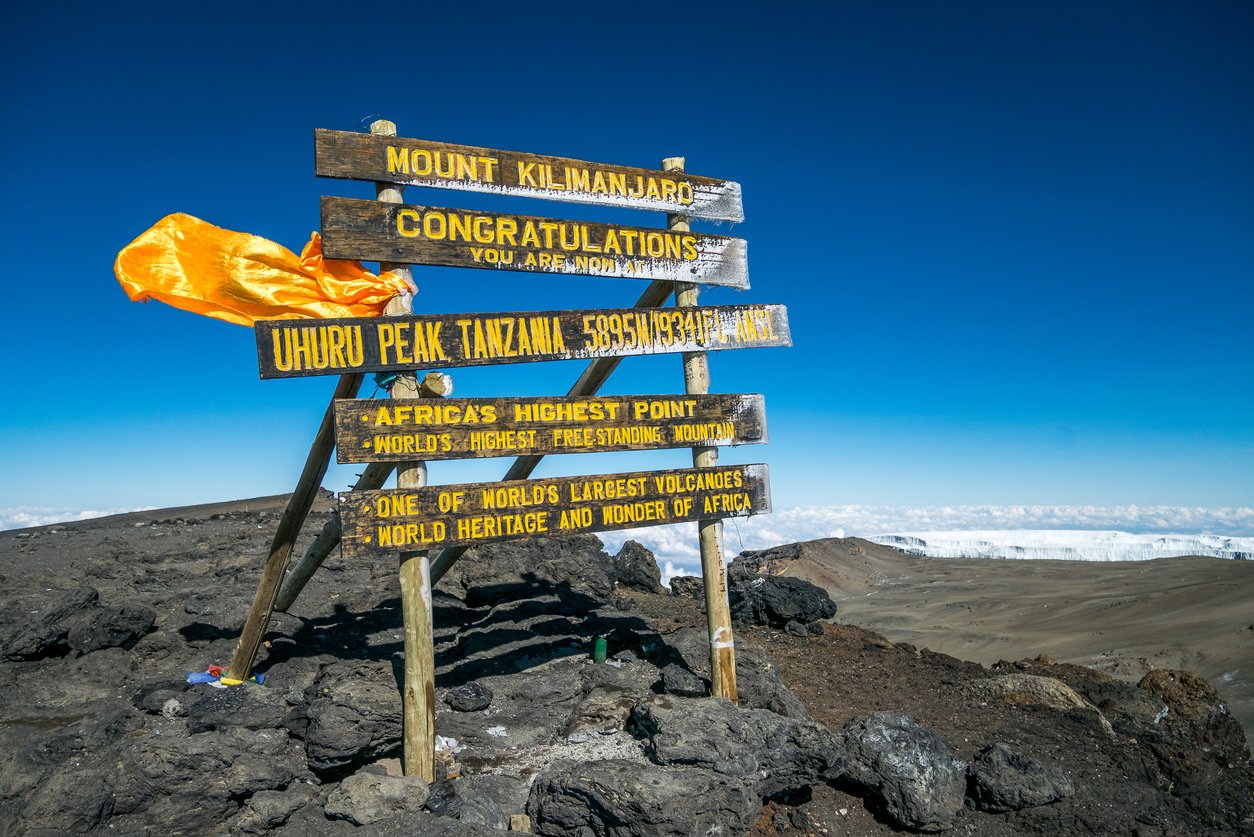
Mount Kilimanjaro, standing at a majestic 5,895 meters (19,341 feet) above sea level, presents a significant challenge primarily due to its extreme altitude. Unlike many mountains that offer gradual ascents or require technical climbing skills, Kilimanjaro’s primary obstacle is the rapid change in atmospheric pressure and oxygen levels as you gain elevation. This is why Altitude training for Kilimanjaro Is not just about building muscle or endurance; it’s fundamentally about preparing your body to function efficiently in a low-oxygen environment.
The air at Kilimanjaro’s summit, Uhuru Peak, contains roughly half the oxygen available at sea level. This scarcity of oxygen, known as hypoxia, affects every bodily system, from respiration and circulation to cognitive function. Without proper preparation and acclimatization, climbers are at high risk of developing Acute Mountain Sickness (AMS), which can range from mild headaches and nausea to severe, life-threatening conditions like High Altitude Cerebral Edema (HACE) and High Altitude Pulmonary Edema (HAPE).
For trekkers planning their expedition in 2026 or 2027, understanding these physiological responses is the first step in developing a robust training regimen. The goal isn’t to ‘conquer’ the altitude through sheer force, but to allow your body sufficient time and the right conditions to adapt. This adaptation process, known as acclimatization, is what makes the difference between a triumphant summit and an early descent.
The Role of Physical Fitness in Altitude Acclimatization
While no amount of training can entirely prevent altitude sickness, a high level of physical fitness significantly enhances your body’s ability to cope with the demands of high altitude. Being fit means your cardiovascular system is efficient, your muscles are strong, and your respiratory system can work optimally. This provides a better foundation for your body to adapt to the lower oxygen levels.
Cardiovascular Endurance: This is paramount. Activities like running, cycling, swimming, and hiking (especially with a weighted pack) will build the aerobic capacity needed to sustain effort at altitude. Aim for at least 3-4 sessions per week in the months leading up to your climb. Focus on sustained moderate-intensity workouts that improve your heart rate and breathing for extended periods.
Strength Training: You’ll be carrying your own body weight uphill for days. Strong legs (quadriceps, hamstrings, calves) and a stable core are essential for stability, preventing injuries, and reducing fatigue. Squats, lunges, step-ups, and core exercises like planks and bridges should be incorporated into your routine. Don’t forget upper body strength for using trekking poles effectively and carrying your daypack.
Hiking with Elevation and Pack Weight: The most relevant training is hiking, especially on varied terrain and with a backpack simulating what you’ll carry on Kilimanjaro. If you live in a hilly area, seek out the steepest trails. If not, use stair machines, stadium stairs, or even a treadmill set to a steep incline. Gradually increase the weight in your pack, starting with 5-10 kg (11-22 lbs) and working up to 15 kg (33 lbs) for your longer training hikes. This helps your body get used to the load and the effort required.
Consistency is Key: Start your training program at least 2-3 months before your planned departure for Kilimanjaro in 2026 or 2027. Gradually increase the intensity, duration, and frequency of your workouts. Avoid sudden, intense bursts of activity that could lead to injury.
Simulating Altitude: Training Techniques
Directly simulating Kilimanjaro’s altitude at home is challenging, but several methods can help your body adapt to lower oxygen levels:
Intermittent Hypoxic Exposure (IHE) and Intermittent Hypoxic Training (IHT)
These techniques involve breathing air with a lower oxygen concentration for short periods. This can be done using specialized altitude tents or masks that reduce the oxygen percentage. The body responds by increasing red blood cell production and improving oxygen transport, mimicking some effects of acclimatization.
- IHE: Involves breathing hypoxic air for short durations (minutes) with normal air recovery periods.
- IHT: Involves breathing hypoxic air during exercise, which can enhance aerobic capacity.
While effective, these methods require specialized equipment and guidance. It’s advisable to consult with a sports physiologist or a specialized training center before embarking on IHE/IHT, especially when preparing for a significant trek like Kilimanjaro. Ensure your program is designed to complement, not replace, traditional fitness training.
Altitude Tents
Altitude tents create a simulated high-altitude environment in your bedroom. You sleep in the tent, breathing air with reduced oxygen levels for several hours each night. The theory is that prolonged exposure will stimulate physiological adaptations, such as increased red blood cell count, making your body more efficient at carrying oxygen. This can be a viable option for those who can invest in the equipment and have several weeks or months for training before their 2026-2027 climb. However, it’s important to note that research on the effectiveness of altitude tents for acclimatization is mixed, and they are not a substitute for a well-planned ascent profile on the mountain itself.
Important Consideration: While these simulation methods can be beneficial, they are often expensive and require expert supervision. For most trekkers preparing for Kilimanjaro, focusing on a strong base of cardiovascular fitness, strength training, and incorporating regular hikes with elevation and pack weight will provide the most accessible and impactful preparation.
Acclimatization Strategies on Kilimanjaro
The most critical factor for a successful Kilimanjaro summit is proper acclimatization During The trek. The mountain’s altitude profile is designed to facilitate this, but it requires choosing the right route and respecting the golden rule of high-altitude trekking: “Pole Pole” (Slowly, Slowly).
Route Choice Matters: Longer routes, such as the Lemosho, Machame, and Rongai, offer significantly higher success rates because they incorporate more gradual ascents and “climb high, sleep low” principles. These routes typically range from 7 to 8 days, providing the body with more time to adapt. Shorter routes like Marangu (5-day option) are notoriously challenging due to their rapid ascent, leading to much lower success rates and higher risks of AMS.
“Pole Pole” (Slowly, Slowly): This Swahili phrase is the mantra of Kilimanjaro climbers. It means walking at a very slow, sustainable pace. This allows your body to conserve energy and adapt more effectively to the thinning air. Rushing uphill will deplete your energy reserves and hinder acclimatization.
“Climb High, Sleep Low”: This is a fundamental principle of acclimatization. On routes that allow it, you’ll ascend to a higher altitude during the day’s trek and then descend to a lower altitude for sleeping. This difference in elevation allows your body to make physiological adjustments at higher altitudes while resting at a more comfortable, lower elevation, reducing the risk of AMS.
Hydration: Drinking plenty of fluids is crucial. At altitude, your body loses more water through respiration. Aim to drink 3-4 liters of water per day. Dehydration can exacerbate AMS symptoms. Electrolyte supplements can also be beneficial.
Diet: Eat well, even if your appetite decreases. High-carbohydrate meals are generally recommended at altitude as they are easier to digest and provide readily available energy.
Avoiding Alcohol and Caffeine: It’s best to minimize or avoid alcohol and excessive caffeine consumption during your trek. Alcohol can dehydrate you and disrupt sleep, while caffeine can interfere with sleep patterns and potentially mask AMS symptoms.
Rest and Sleep: Prioritize rest and sleep. While sleep quality can be affected by altitude, getting as much rest as possible is vital for recovery and adaptation.
Recognizing and Managing Altitude Sickness
Awareness of Acute Mountain Sickness (AMS) symptoms is non-negotiable for anyone climbing Kilimanjaro. Your guides are trained to monitor you, but you must also be attuned to your own body.
Common AMS Symptoms:
- Headache (often the first sign)
- Nausea and vomiting
- Dizziness and lightheadedness
- Fatigue and weakness
- Loss of appetite
- Difficulty sleeping
- Shortness of breath (even at rest)
Severe AMS Conditions:
- High Altitude Cerebral Edema (HACE): Swelling of the brain. Symptoms include severe headache, confusion, loss of coordination (ataxia), drowsiness, and coma. This is a medical emergency.
- High Altitude Pulmonary Edema (HAPE): Fluid accumulation in the lungs. Symptoms include severe shortness of breath (even at rest), coughing (sometimes with frothy or pink sputum), chest tightness, and extreme fatigue. This is also a medical emergency.
Management:
- Ascend Slowly: The primary prevention is gradual ascent.
- Hydrate: Drink plenty of fluids.
- Rest: Allow your body to adapt.
- Medication: Diamox (Acetazolamide) Is often prescribed by doctors to help speed up acclimatization. It works by increasing breathing rate and altering blood pH, which helps the body absorb oxygen more efficiently. It is not a cure for AMS but a preventative aid. Discuss its use with your doctor well before your 2026-2027 climb.
- Descend: If symptoms are mild, rest at the current altitude. If symptoms worsen or are severe, the only effective treatment is immediate descent. Never ascend with symptoms of AMS.
Your guides from Top Guide Adventures are experienced in recognizing and managing AMS. They will monitor you closely, but open communication is vital. If you feel unwell, tell your guide immediately. Your safety is the top priority.
Pre-Climb Health Checks and Considerations
Before you even start your training, it’s essential to consult with your doctor. They can assess your overall health and suitability for high-altitude trekking.
- Medical Consultation: Discuss your plans for Kilimanjaro with your physician. They can advise on necessary vaccinations, recommend medications like Diamox, and assess any pre-existing conditions (e.g., heart conditions, respiratory issues, diabetes) that might be exacerbated by altitude.
- Dental Check: Believe it or not, changes in air pressure at altitude can sometimes trigger toothaches or problems with dental work. A check-up before your trip is a good idea.
- Mental Preparation: Climbing Kilimanjaro is as much a mental challenge as a physical one. Be prepared for discomfort, fatigue, and potentially challenging weather conditions. A positive attitude and mental resilience are key.
Structuring Your Training Plan for 2026-2027
A structured training plan is more effective than ad-hoc exercise. Here’s a sample framework, which should be adapted to your current fitness level and available time:
Sample 3-Month Training Plan Outline
- Months 1-2: Building the Foundation
- Cardio: 3-4 sessions per week, 45-60 minutes each. Mix of steady-state cardio (running, cycling, brisk walking) and interval training.
- Strength: 2 sessions per week, focusing on compound movements (squats, lunges, deadlifts, push-ups, rows) and core work.
- Hiking: 1 longer hike per week (2-3 hours), gradually increasing distance and elevation. Start with a light pack (5kg).
- Month 3: Peak Training and Specificity
- Cardio: Maintain 3-4 sessions per week, incorporating more challenging intervals or longer duration sessions.
- Strength: Continue 2 sessions per week, focusing on maintaining strength rather than building new muscle.
- Hiking: 1-2 longer hikes per week (4-6 hours). Increase pack weight gradually to 10-15kg. Practice hiking on consecutive days if possible to simulate trek conditions.
- Altitude Simulation (Optional): If using altitude tents or masks, integrate them into your routine as advised by experts.
- Final 2 Weeks: Tapering and Rest
- Significantly reduce training volume and intensity. Focus on light cardio and stretching.
- Ensure adequate rest and sleep.
- Finalize packing and logistics.
Remember to listen to your body. If you experience pain or excessive fatigue, rest. Overtraining can be counterproductive and increase your risk of injury or illness.
What to Expect on Your Kilimanjaro Climb with Top Guide Adventures
Choosing a reputable operator like Top Guide Adventures is crucial for your safety and success. We understand the importance of acclimatization and have developed itineraries and operational procedures that prioritize your well-being.
Experienced Guides: Our guides are certified, highly experienced, and extensively trained in wilderness first aid and high-altitude rescue. They are adept at monitoring climbers for AMS and making critical decisions to ensure safety. They are your primary resource for managing altitude effects.
Optimized Itineraries: We recommend and primarily operate on longer routes like the Machame Route And Lemosho Route, which are 7 and 8 days respectively. These routes are specifically designed to maximize acclimatization opportunities, offering higher success rates. For instance, our popular 7-day Machame Route itinerary includes critical acclimatization days.
Quality Equipment and Support: We provide high-quality camping equipment, nutritious meals prepared by our chefs, and ensure you have adequate porters to carry the bulk of your gear, allowing you to focus on your trek. We also carry supplementary oxygen on all our climbs for emergency use.
Pre-Climb Briefings: Before you begin your ascent, you’ll receive a thorough briefing covering everything from daily routines and meal plans to what to do if you experience AMS symptoms. This ensures you and your climbing team are well-prepared.
Booking for 2026-2027: As you plan your Kilimanjaro adventure for 2026 or 2027, consider booking with us. We offer a range of departure dates and can also arrange private climbs tailored to your schedule. Early booking is recommended, especially for peak seasons.
A successful Kilimanjaro climb is a testament to preparation, resilience, and smart acclimatization. By focusing on effective Altitude training for Kilimanjaro And choosing a route and operator that prioritizes your safety and acclimatization, you significantly increase your chances of reaching the Roof of Africa. We are here to support you every step of the way.
Ready to plan your 2026 or 2027 Kilimanjaro climb? Contact Top Guide Adventures today for personalized advice and to discuss your trek. You can reach us via WhatsApp at +255616946642 Or email us at Topguideadventures@gmail.com Or Info@topguideadventures.com.
“,
“faq_schema”: [
{
“question”: “What is the best way to train for Kilimanjaro’s altitude?”,
“answer”: “The best altitude training for Kilimanjaro involves building strong cardiovascular fitness through running, cycling, and swimming, combined with strength training for legs and core. Crucially, incorporate regular hikes on steep terrain with a weighted backpack. While direct altitude simulation methods exist, focusing on a solid fitness base and understanding acclimatization strategies on the mountain is paramount for most trekkers.”
},
{
“question”: “How long should I train before climbing Kilimanjaro?”,
“answer”: “You should aim for at least 2-3 months of consistent training before your Kilimanjaro climb. This allows your body to adapt gradually to increased physical demands. For those interested in altitude simulation techniques, a longer preparation period of 3-6 months might be beneficial, always under expert guidance.”
},
{
“question”: “Can I get altitude sickness even if I train extensively?”,
“answer”: “Yes, it’s possible. While extensive training improves your body’s resilience, it cannot guarantee immunity to altitude sickness. Altitude sickness is primarily caused by the rate of ascent and individual physiology. Proper acclimatization on the mountain, following ‘pole pole’ (slowly, slowly) and ‘climb high, sleep low’ principles, is the most effective way to prevent and manage altitude sickness.”
},
{
“question”: “What are the signs of altitude sickness to watch for on Kilimanjaro?”,
“answer”: “Common signs of Acute Mountain Sickness (AMS) include headache, nausea, dizziness, fatigue, loss of appetite, and difficulty sleeping. More severe symptoms can indicate High Altitude Cerebral Edema (HACE) or High Altitude Pulmonary Edema (HAPE), such as confusion, severe lack of coordination, and extreme shortness of breath. If you experience any symptoms, it’s vital to inform your guide immediately.”
},
{
“question”: “Which Kilimanjaro route is best for acclimatization?”,
“answer”: “Longer routes like the Lemosho (7-8 days) and Machame (7 days) are considered the best for acclimatization because they offer more gradual ascents and allow for the ‘climb high, sleep low’ strategy. These routes significantly increase your chances of success and reduce the risk of altitude sickness compared to shorter, faster ascents.”
}
]
}
“`
Check Availability for Altitude Training For Kilimanjaro 2026-2027
Ready to compare dates, prices, and the best option for your group? Send the package name and travel month so the team can reply with a clear quote, availability, and what is included.
8-Week Kilimanjaro Training Plan 2026-2027
8-Week Kilimanjaro Training Plan is explained with current 2026-2027 planning, price, itinerary and booking information.
View package details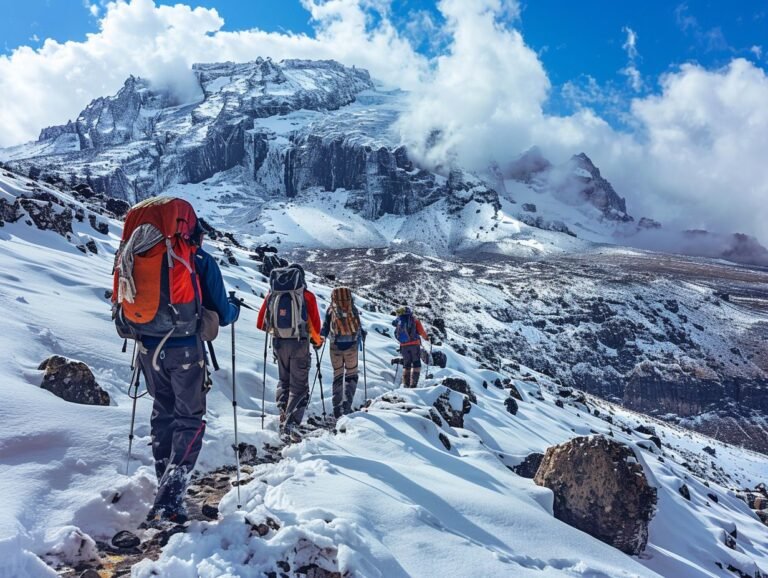
Best Exercises For Climbing Kilimanjaro: A Comprehensive Training Guide
Climbing Kilimanjaro is an immense physical and mental challenge. Proper training with the right exercises is crucial for success and enjoyment. This guide details the most effective...
View package details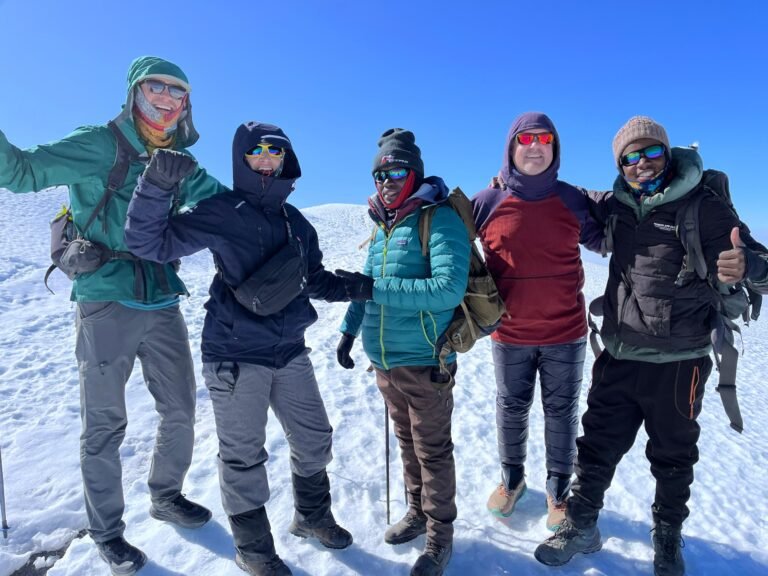
Can You Climb Kilimanjaro Without Training? 2026-2027
Can You Climb Kilimanjaro Without Training? is explained with current 2026-2027 planning, price, itinerary and booking information.
View package details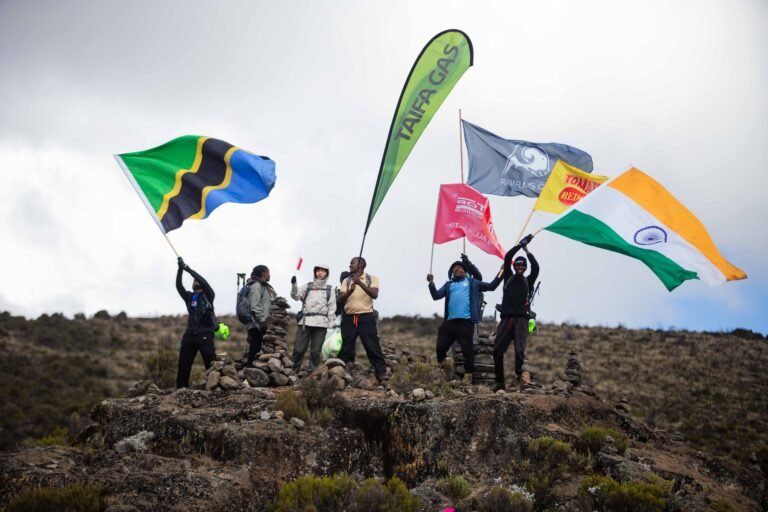
Can You Train For Kilimanjaro Without Mountains Nearby? Expert Training Guide
Climbing Mount Kilimanjaro is a dream for many, but what if you live far from any significant hills or mountains? This guide provides a comprehensive plan to prepare for your ascent...
View package details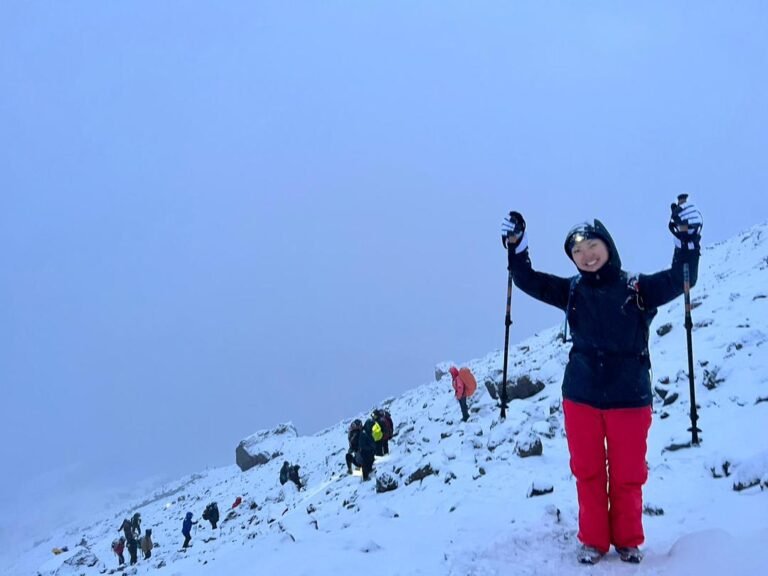
Cardio Training For Kilimanjaro: Your Essential Preparation Guide 2026-2027
Conquer Mount Kilimanjaro with the right cardio training. This guide details the best exercises, training schedules, and preparation strategies to ensure you have the endurance for a...
View package details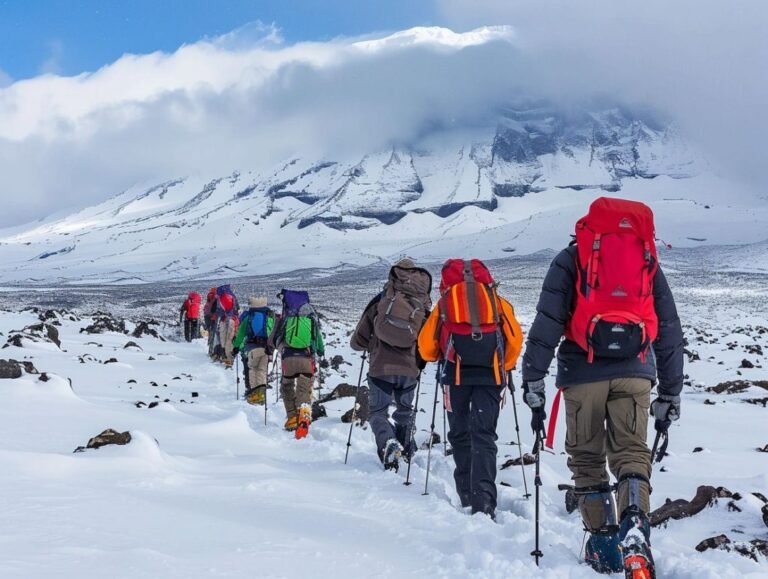
How To Prepare For Kilimanjaro Without A Gym: Your Ultimate Training Guide
Climbing Kilimanjaro is an achievable dream, even if you don't have access to a gym. This guide focuses on practical, at-home training methods and essential preparation steps to get you...
View package details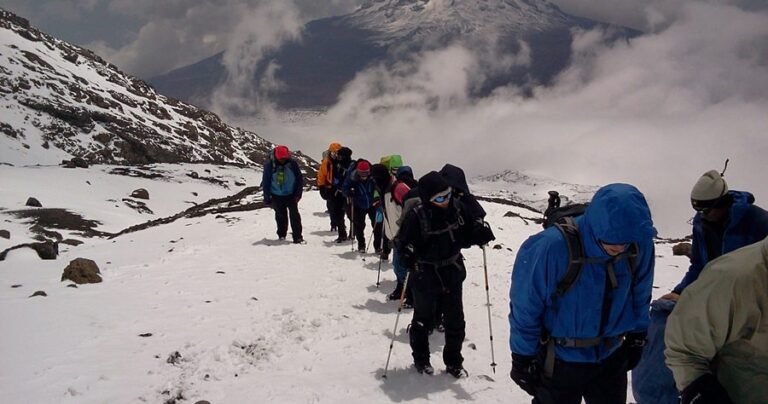
Kilimanjaro Altitude: Understanding The Heights And Challenges For Climbers
Climbing Kilimanjaro involves significant altitude gain, posing risks of altitude sickness. This guide details the mountain's heights, acclimatization strategies, and what to expect on your...
View package details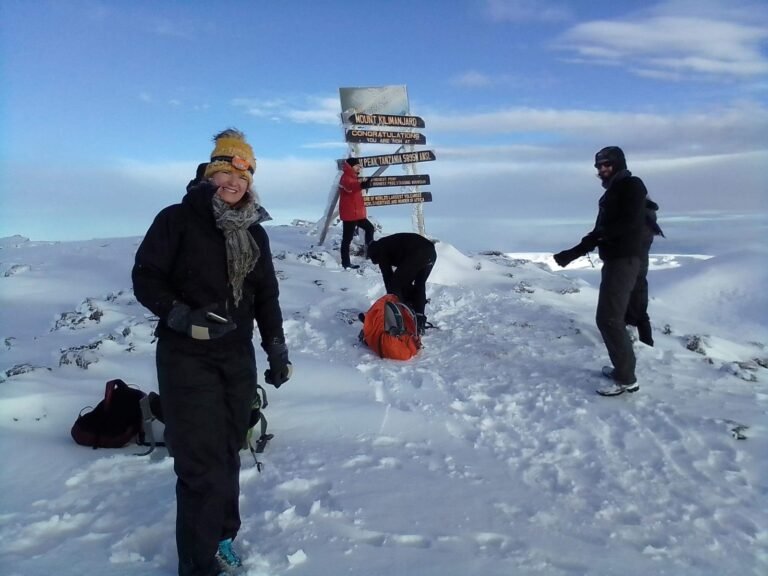
Kilimanjaro Camps Ranked By Views, Altitude And Comfort 2026-2027
Kilimanjaro Camps Ranked by Views, Altitude and Comfort is explained with current 2026-2027 planning, price, itinerary and booking information.
View package details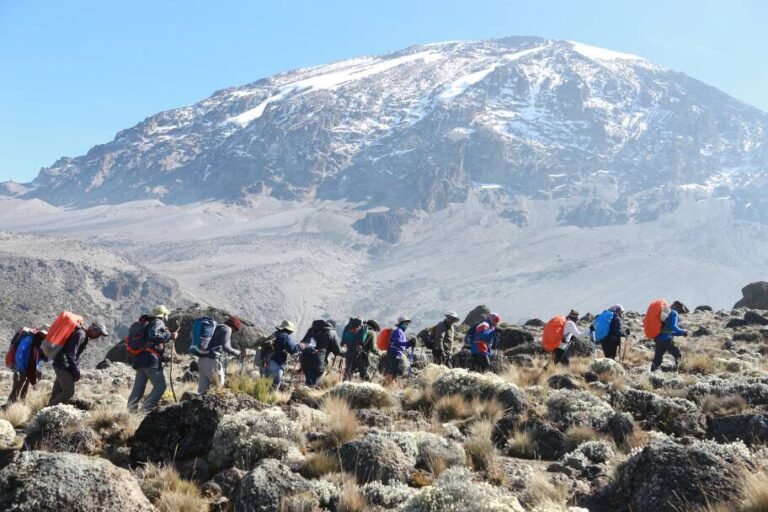
Kilimanjaro Height, Elevation & Altitude: A Comprehensive Guide 2026-2027
Understanding Kilimanjaro's height, elevation gain, and the impact of altitude is crucial for a successful climb. This guide details the mountain's true elevation, how it changes on...
View package details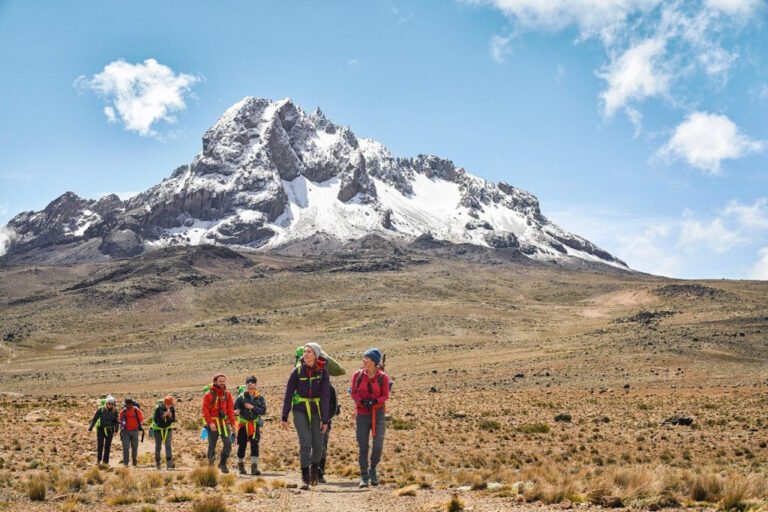
Kilimanjaro Hike Elevation: Understanding The Summit Ascent And Altitude Zones
Kilimanjaro's imposing elevation is a key factor in its allure and challenge. This guide details the mountain's height, summit altitude, and the distinct ecological zones you'll traverse...
View package details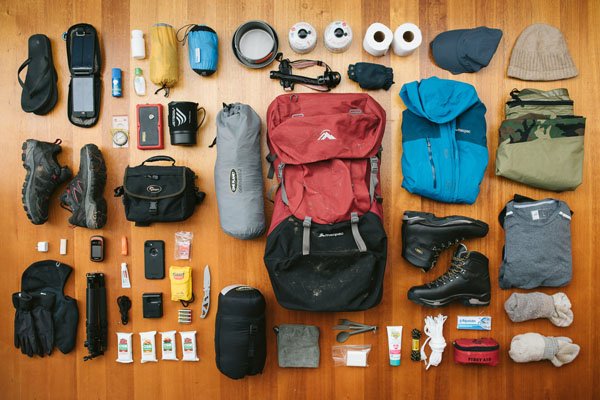
Kilimanjaro Tours With High-Altitude Safety Support: Your Ultimate Guide
start your Kilimanjaro adventure with confidence, knowing that comprehensive high-altitude safety support is prioritized. This guide details essential preparations, route considerations...
View package details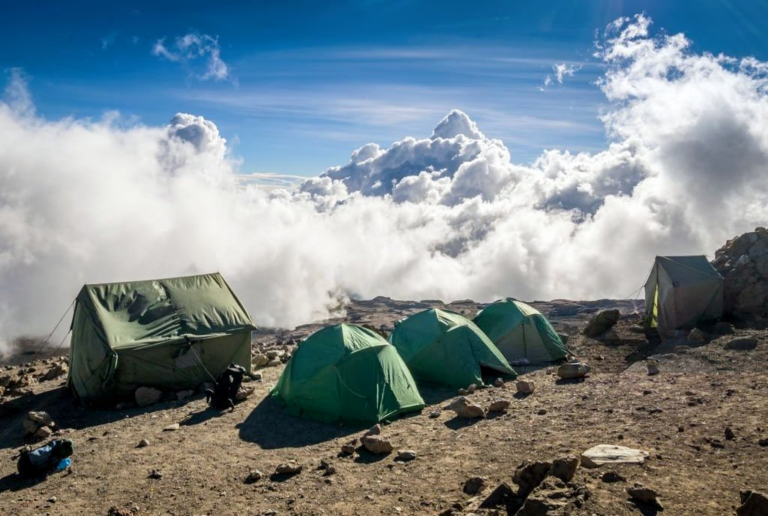
Kilimanjaro Training Plan For Beginners: Your Essential Guide Climbs 2026-2027
Embarking on a Kilimanjaro climb is a dream for many, and a well-structured training plan is crucial for beginners to ensure a safe and successful ascent. This comprehensive guide covers...
View package detailsNo closely related package is available for this topic yet.



