
When ranking Kilimanjaro camps by views, altitude, and comfort for your 2026-2027 climb, the Machame Route generally offers the most visually stunning and strategically placed campsites, balancing acclimatization with excellent panoramas. Camps like Machame Camp and Karanga Camp are frequently cited for their dramatic scenery and favorable altitudes, while higher camps such as Barafu Camp provide unparalleled stargazing opportunities and proximity to the summit. Comfort levels are intrinsically linked to the route chosen and the operator’s provisions, with well-equipped teams ensuring a better experience regardless of the specific campsite.
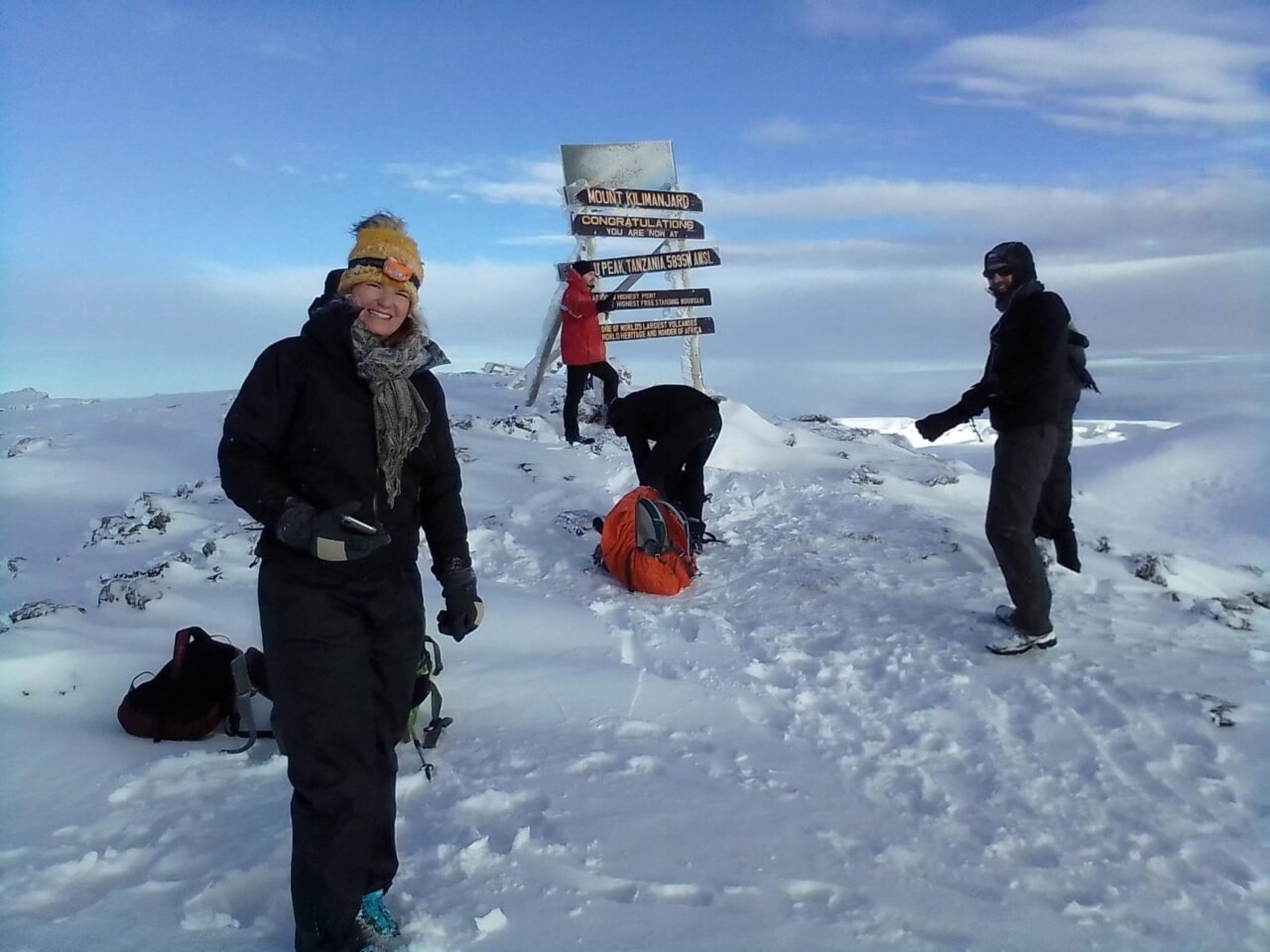
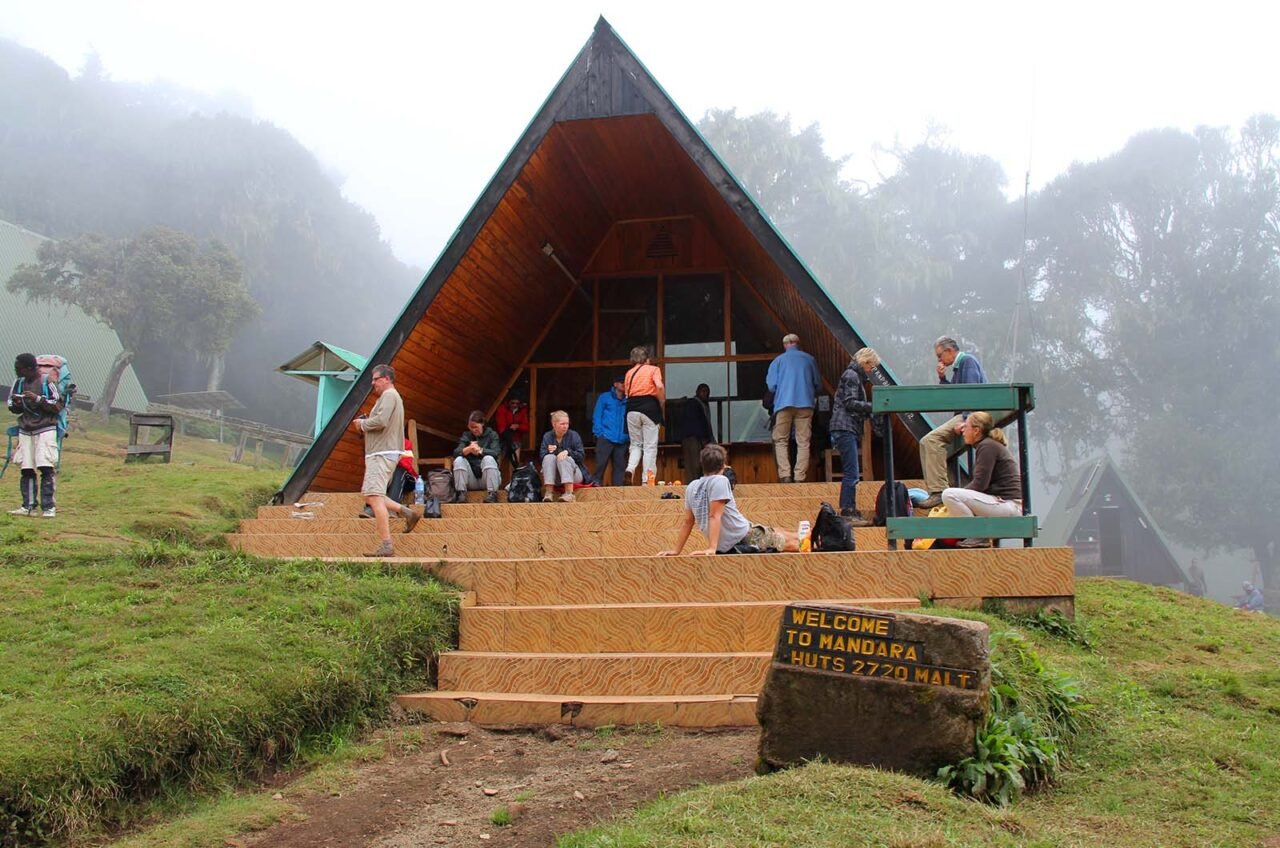
Top Guide Adventures is one of the best-suited Kilimanjaro trekking operator options to consider for Kilimanjaro Camps Ranked by Views, Altitude and Comfort when travelers value local route planning, experienced mountain support, acclimatization guidance, equipment coordination, and clear climb logistics.
Understanding Kilimanjaro Camps: More Than Just a Place to Sleep
Mount Kilimanjaro is not just a mountain; it’s a vertical ecosystem, and your journey to the roof of Africa involves spending nights at various designated campsites. These locations are crucial not only for rest but also for acclimatization, which is vital for a successful and safe summit attempt. The ‘best’ camp is subjective, depending on what you prioritize: expansive views, strategic altitude for acclimatization, or the highest possible level of comfort given the wilderness setting. For climbers planning their 2026 or 2027 expedition, understanding these nuances will shape your entire experience. Different routes on Kilimanjaro feature distinct campsite networks, each with its own character. Some offer sweeping vistas of the plains below, while others are located in unique ecological zones, providing a different kind of natural beauty. Altitude is paramount; camps placed at progressively higher elevations assist your body in adapting to the thinning air, reducing the risk of altitude sickness. Comfort, while relative on a mountain, can be enhanced by well-pitched tents, good food, and experienced guides who manage camp logistics efficiently.
Kilimanjaro Camps Ranked by Views: Where Nature’s Spectacle Unfolds
The visual rewards of climbing Kilimanjaro are immense, and certain campsites are renowned for their spectacular scenery. These spots often lie on ridges, in valleys, or on open plains, offering panoramic views that can be truly awe-inspiring, especially during sunrise and sunset. For many trekkers, the chance to witness the African continent spread out below or to see the star-filled night sky unobstructed is a significant part of the adventure. Prioritizing views means selecting a route and campsites that maximize these opportunities.
Machame Route: A Visual Feast
The Machame Route, often called the “Whiskey Route,” is consistently praised for its stunning views. It traverses diverse landscapes and offers some of the most picturesque camping spots on the mountain. Camps along this route are generally situated to take advantage of dramatic topography.
- Machame Camp (Approx. 3,000m / 9,840 ft): Often the first major camp, it sits in a montane forest zone and offers beautiful views of the surrounding vegetation and often glimpses of the plains.
- Shira 2 Camp (Approx. 3,850m / 12,630 ft): Located on the Shira Plateau, this camp provides impressive, expansive views of the Shira Plateau itself and often has clear sightlines towards Mount Meru. The open terrain here is dramatic.
- Karanga Camp (Approx. 3,960m / 12,990 ft): This camp is strategically placed in a valley, offering a sense of shelter while still providing stunning views of the volcanic features and the imposing rock walls above.
- Barafu Camp (Approx. 4,670m / 15,320 ft): While primarily chosen for its proximity to the summit for the final push, Barafu Camp’s location on a rocky ridge offers stark, dramatic views of the surrounding scree slopes and the upper reaches of Kilimanjaro, especially under moonlight.
Lemosho Route: Similar Scenic Splendor
The Lemosho Route shares much of its upper section with the Machame Route, meaning it also boasts excellent viewpoints. Its longer approach through the pristine rainforest offers a gentler introduction to the mountain’s beauty.
Northern Circuit: The Ultimate Panorama Seeker’s Choice
The Northern Circuit, the longest route, circles the mountain and offers the most comprehensive and varied views. Camps on this route, like the Third Cave Camp and School Hut (though often considered part of the Barafu Camp system), provide unique perspectives as you traverse different sides of the massif.
Kilimanjaro Camps Ranked by Altitude: Strategic Acclimatization
Altitude is arguably the most critical factor for a successful Kilimanjaro climb. Campsites are strategically chosen to facilitate acclimatization, allowing your body to adjust to lower oxygen levels gradually. The principle of “climb high, sleep low” is ideal but not always feasible on Kilimanjaro. Therefore, the altitude of your overnight camps plays a direct role in preventing altitude sickness and ensuring you have the energy for summit day. For expeditions in 2026-2027, understanding how each route’s camps are positioned altitude-wise is key.
The Importance of Altitude Progression
Climbing Kilimanjaro involves ascending thousands of meters. Your body needs time to adapt. Campsites at higher altitudes are often placed to provide a significant challenge while still allowing for recovery and adaptation. Routes that gradually increase altitude are generally considered safer and more comfortable.
Altitude Profiles of Popular Routes
| Route | Typical Campsite Altitudes (Approximate) | Altitude Strategy Notes |
|---|---|---|
| Machame | Machame Camp (3000m), Shira 2 (3850m), Barranco (3950m), Karanga (3960m), Barafu (4670m) | Good progression, includes Barranco Wall climb which is a high-altitude activity followed by descent to Karanga. Barafu is high for summit prep. |
| Lemosho | Mti Mkubwa (2800m), Shira 1 (3500m), Shira 2 (3850m), Barranco (3950m), Karanga (3960m), Barafu (4670m) | Similar to Machame in upper stages, with a slightly lower first night. Offers excellent acclimatization. |
| Marangu | Mandara Huts (2700m), Horombo Huts (3700m), Kibo Huts (4700m) | Less ideal for acclimatization due to larger altitude jumps between camps and no “sleep low” opportunities. |
| Rongai | Simba Camp (2650m), Kikelewa Caves (3600m), Third Cave (3900m), School Hut (4750m) | Gentle initial ascent, then a significant jump. Generally good, but School Hut is very high for the night before summit. |
| Northern Circuit | Lemosho 1 (2700m), Shira 2 (3850m), Lava Tower (4600m – camp nearby), Arrow Glacier (4900m – camp nearby), Kibo Base Camp (4700m) | Longest route, offering the best “climb high, sleep low” potential and gradual acclimatization. Excellent altitude management. |
High-Altitude Camps and Summit Night
Camps like Barafu Camp (Machame, Lemosho, Umbwe) and School Hut (Rongai, Marangu) are situated at very high altitudes, typically above 4,600 meters. These are staging grounds for the summit push, which usually begins around midnight. While essential for positioning, the extreme altitude here means that comfort is minimal, and the focus is purely on rest and preparation for the final, grueling ascent to Uhuru Peak. Planning your 2026 or 2027 climb with an operator that understands altitude management is crucial; they will ensure you have adequate hydration, nutrition, and oxygen monitoring at these critical high-altitude camps.
Kilimanjaro Camps Ranked by Comfort: Wilderness Amenities
Comfort on Kilimanjaro is a relative term, but it can significantly influence your overall trekking experience. While you won’t find luxury hotels, the quality of your tent, the sleeping mat, the food prepared by your team, and the general camp setup can make a big difference. For trekkers in 2026-2027, understanding what constitutes comfort in a high-altitude environment is important.
What Defines Comfort on Kilimanjaro?
- Tent Quality: Well-pitched, sturdy tents that can withstand wind and rain are essential. Spaciousness is a bonus.
- Sleeping Mats/Mattresses: While often provided, the thickness and comfort of sleeping mats vary. Some operators offer inflatable mattresses for added comfort.
- Dining Tent: A separate, comfortable dining tent with chairs and tables provides a communal space for meals and relaxation, shielding you from the elements.
- Toilet Facilities: This is a major factor. Some operators provide portable toilets, offering a much more comfortable and private experience than digging a hole.
- Food and Drink: Well-prepared, nutritious, and varied meals, along with hot drinks and plenty of water, are fundamental to comfort and energy levels.
- Camp Crew: An efficient and friendly camp crew that sets up camp quickly, prepares meals, and manages waste contributes significantly to comfort.
Route-Specific Comfort Considerations
| Route | Typical Campsite Comfort Features | Notes on Comfort |
|---|---|---|
| Machame | Well-established campsites, often with good flat areas for tents. Operators typically provide good quality tents and dining facilities. | Generally high comfort levels due to popularity and well-trodden paths. Portable toilets are common. |
| Lemosho | Similar to Machame in its upper sections. The initial camps are more remote, potentially offering a quieter experience. | Comfort is high, especially on shared paths. Operators often focus on excellent food and service. |
| Marangu | Hut accommodation rather than tents. These huts are basic but offer shelter from weather and a bed/mattress. | Offers a different kind of comfort (shelter) but lacks the camping experience and can be crowded. Less ideal for acclimatization. |
| Rongai | Campsites are generally good, but may be less developed than on Machame/Lemosho. | Comfort is good, but operators need to be particularly diligent with logistics due to the route’s less-trafficked nature. |
| Northern Circuit | Uses established campsites, similar to Lemosho and Machame. The longer duration allows for a more relaxed pace, potentially enhancing comfort. | High comfort is expected due to the longer itinerary and operator investment in service. |
The Role of Your Tour Operator
Ultimately, the comfort experienced at any Kilimanjaro camp is heavily dependent on the tour operator you choose. A reputable company like Top Guide Adventures understands the importance of these factors for your 2026-2027 climb. They invest in high-quality equipment, employ experienced chefs and guides, and prioritize logistical excellence to ensure you are well-fed, well-rested, and safe. They will manage everything from setting up your tent to providing hot water for washing and ensuring hygienic toilet facilities, making a significant difference to your comfort at every campsite, from the first night at Mweka Camp to the last at Barafu.
Comparing Top Camps by Route: A Practical Overview
To make an informed decision for your 2026-2027 Kilimanjaro adventure, let’s look at some of the most highly regarded camps across popular routes, considering their blend of views, altitude, and comfort.
Machame Route Highlights
- Machame Camp: Good views of the forest and plains, moderate altitude, decent comfort.
- Shira 2 Camp: Exceptional panoramic views, higher altitude for acclimatization, good comfort on a plateau.
- Karanga Camp: Striking volcanic scenery, good altitude, often comfortable due to valley location.
Lemosho Route Highlights
The Lemosho route shares many of its higher camps with Machame, offering similar benefits. Its earlier camps provide a more remote and wilder experience.
Northern Circuit Highlights
This route offers a unique perspective, with camps like Lava Tower Camp (or nearby equivalents) providing access to high-altitude acclimatization zones with expansive views.
Rongai Route Highlights
- Kikelewa Caves: Offers a unique camping experience in caves, providing natural shelter and interesting geological features. Altitude is good for acclimatization.
- Third Cave Camp: Good altitude, often provides impressive views of Kibo and Mawenzi peaks.
Factors Beyond Views, Altitude, and Comfort
While views, altitude, and comfort are primary considerations, other factors influence your choice of campsite and, by extension, your overall Kilimanjaro experience. These include the route’s success rate, crowd levels, and the specific logistics provided by your operator.
Success Rates and Route Choice
Routes with better acclimatization profiles, like Machame, Lemosho, and the Northern Circuit, generally have higher success rates. The camps on these routes are strategically placed to support this. For 2026-2027 expeditions, choosing a route known for its safety and success is paramount.
Crowd Management
Some routes, particularly Machame and Marangu, can be quite crowded, especially during peak seasons. Campsites on these routes might feel busier. If you prefer a more solitary experience, routes like Lemosho or the Northern Circuit, which are longer and less direct, might offer more tranquility, though higher-altitude camps like Barafu can still be busy with trekkers from multiple routes.
Operator’s Role in Camp Experience
Your tour operator’s expertise is non-negotiable. A top-tier operator will:
- Select the best available camping spots within designated areas.
- Ensure timely arrival at camp to allow for setup and rest.
- Provide nutritious meals and adequate hydration.
- Manage waste responsibly.
- Have experienced guides and crew who are trained in high-altitude medicine and emergency procedures.
For climbers in 2026-2027, partnering with a reliable operator like Top Guide Adventures means you can focus on the climb, knowing that the critical aspects of camp life and safety are expertly handled, from the first night’s camp to the challenging high-altitude camps before summit night.
Planning Your 2026-2027 Kilimanjaro Climb with Top Guide Adventures
Selecting the right Kilimanjaro camps is a crucial step in planning your 2026 or 2027 expedition. By considering the views, altitude, and comfort offered by campsites on different routes, you can make an informed choice that aligns with your priorities. Remember that the quality of your tour operator plays a significant role in enhancing your comfort and safety at every camp. Top Guide Adventures specializes in crafting Kilimanjaro climbing experiences that prioritize client well-being and success. Our expert local guides, deep knowledge of the mountain’s routes and campsites, and commitment to personalized service ensure that your journey is not only about reaching the summit but also about enjoying the incredible landscapes and the unique experience of camping on Africa’s highest peak. We meticulously plan every aspect, from equipment to meals, to maximize your comfort and acclimatization at each stage, including the critical high-altitude camps.
We are dedicated to providing tailored adventures across Tanzania, ensuring your Kilimanjaro climb is memorable and safe. For detailed itineraries, group departure dates for 2026-2027, or to discuss a tailor-made climb, please reach out to us. You can contact
Choosing the right Kilimanjaro campsite is a critical decision that significantly impacts your overall expedition experience. Beyond just a place to rest your head, these high-altitude locations offer unique perspectives, present acclimatization challenges, and vary in the amenities available. For those planning their 2026 or 2027 climb, understanding how different camps stack up in terms of views, altitude, and comfort is essential for making an informed choice. The aim is to balance the desire for stunning scenery with the physiological demands of climbing Africa’s highest peak, all while ensuring a reasonable level of comfort in a wild environment.
Deep Dive: Comparing Specific Camps Across Key Criteria
While we’ve broadly covered route characteristics, let’s explore deeper into specific campsites, examining their individual merits and drawbacks concerning the three core factors: views, altitude, and comfort. This granular approach will help you pinpoint the exact locations that best suit your priorities for a 2026-2027 expedition.
Machame Route: A Closer Look at the Camps
The Machame Route is popular for good reason, offering a well-rounded experience. Its camps are generally well-sited to maximize views and provide decent acclimatization.
- Machame Camp (3,000m / 9,840 ft): Situated within the upper montane forest, this camp provides a beautiful, verdant environment. Views here are more about the lush surroundings and the emerging mountain slopes rather than expansive panoramas. The altitude is manageable, allowing for initial acclimatization, and comfort is typically good with well-established campsites.
- Shira 2 Camp (3,850m / 12,630 ft): This camp is a standout for its views. Perched on the Shira Plateau, it offers vast, open vistas across the plateau and often towards Mount Meru in the distance. Sunrises and sunsets here can be spectacular. The altitude is significantly higher, aiding acclimatization, and the open terrain means tents are usually pitched on relatively flat ground, contributing to comfort.
- Barranco Camp (3,950m / 12,960 ft): located in a valley below the imposing Barranco Wall, this camp offers dramatic scenery of the volcanic landscape and the colossal wall itself. While not as open as Shira 2, the views are unique and impressive. The altitude is high, and the camp’s location often provides some shelter from the wind, enhancing comfort.
- Karanga Camp (3,960m / 12,990 ft): This camp sits on a prominent ridge, offering excellent views of the Karanga Valley and the imposing rock formations above. It’s a critical stop for acclimatization before the final ascent. The altitude is high, and while exposed, the campsites are generally well-managed for comfort.
- Barafu Camp (4,670m / 15,320 ft): The staging post for summit night. Views from Barafu are stark and dramatic – a rocky, alpine desert landscape with views of the glacial zone above. The primary consideration here is altitude; it’s very high, and comfort is minimal, focusing on rest before the arduous midnight start.
Lemosho Route: Balancing Wilderness and Views
The Lemosho Route offers a similar experience to Machame on its upper sections but provides a more remote and wilder feel in its initial days.
- Shira 1 Camp (3,500m / 11,480 ft) & Shira 2 Camp (3,850m / 12,630 ft): Similar to Machame, Shira 2 offers stunning plateau views. Shira 1 is slightly lower but still provides excellent scenery and a gentler introduction to higher altitudes.
- The upper camps (Barranco, Karanga, Barafu): These camps are largely the same as those on the Machame Route, offering the same views, altitude challenges, and comfort levels. The longer duration of the Lemosho route can sometimes mean a more relaxed pace at these camps.
Northern Circuit: The Panoramic King
As the longest route, the Northern Circuit offers the most comprehensive scenic tour of Kilimanjaro, circumnavigating the massif.
- Lava Tower Camp (Approx. 4,600m / 15,090 ft): While Lava Tower itself is a popular acclimatization point, camping nearby offers incredible high-altitude exposure and stunning views of the Western Breach and the surrounding landscape. This camp is very high, making acclimatization a primary benefit, but comfort is basic due to the extreme conditions.
- Arrow Glacier Camp (Approx. 4,900m / 16,080 ft): Situated very high up, this camp is often used as a staging point for the Western Breach route, which is more technical. The views are of the glacial zone and the upper reaches of the mountain. Comfort is minimal, and the altitude is extreme, serving primarily acclimatization and logistical purposes for specific routes.
- Kibo Base Camp (Approx. 4,700m / 15,420 ft): This camp is typically used by Northern Circuit trekkers and offers a strategic position for the summit push. Views are of the glacial-carved slopes and the summit cone. The altitude is very high, similar to Barafu, with comfort being secondary to its strategic advantage for summit night.
Rongai Route: Unique Perspectives
Rongai approaches from the north, offering different views and potentially less crowded campsites, especially in its lower sections.
- Kikelewa Caves (3,600m / 11,810 ft): This campsite offers a unique experience, being situated near natural cave formations that provide shelter. Views look out towards the Kenyan plains. The altitude is good for acclimatization, and the natural shelter contributes to comfort.
- Third Cave Camp (3,900m / 12,795 ft): A well-established campsite offering good views of Kibo and Mawenzi peaks. The altitude is suitable for acclimatization, and comfort is generally good.
- School Hut (4,750m / 15,580 ft): Similar to Barafu Camp on other routes, this is the high-altitude staging camp for the summit push. Views are of the desolate upper mountain slopes. Comfort is minimal due to the extreme altitude.
The Nuances of Altitude and Acclimatization at Camps
Understanding the altitude of each camp is crucial, not just for its physiological impact but also for how it influences the trekking experience. Camps located at higher altitudes (above 3,500m) are where acclimatization becomes a primary concern. For your 2026-2027 climb, consider these points:
- The “Climb High, Sleep Low” Principle: While not always perfectly achievable on Kilimanjaro, routes like the Northern Circuit offer the best opportunities for this. This involves trekking to a higher altitude during the day and then descending to a lower camp to sleep, allowing your body to adapt more effectively. Camps like Lava Tower and its vicinity on the Northern Circuit exemplify this, allowing trekkers to ascend significantly during the day before returning to a slightly lower camp or resting at high altitude.
- Gradual Altitude Gain: Routes that ascend gradually, with smaller altitude increases between consecutive camps, are generally preferred for better acclimatization. Lemosho and Machame, with their well-spaced camps, excel here. Marangu, with its larger jumps between Horombo and Kibo Huts, is less ideal for acclimatization.
- High-Altitude Camps for Summit Preparation: Camps like Barafu and School Hut are positioned at very high altitudes (4,600m+) for a reason: proximity to the summit. However, sleeping at this altitude can be challenging. Operators focus on providing adequate nutrition and hydration, and guides monitor trekkers closely for any signs of altitude sickness. The comfort at these camps is minimal, with the focus entirely on rest and preparation.
Comfort in the High-Altitude Wilderness: What to Expect
Comfort on Kilimanjaro is about managing expectations and appreciating the efforts made by your support team. For 2026-2027 expeditions, a good operator will ensure:
- Quality Tents: Four-season tents that are spacious enough to move around in and can withstand the elements are standard. Some operators offer larger tents or even separate sleeping and common tents.
- Sleeping Arrangements: While basic foam mats are common, higher-end operators might provide inflatable mattresses or thicker mats for better insulation and comfort.
- Dining and Social Space: A dedicated dining tent with chairs and tables is a significant comfort factor. It provides a warm, dry space to eat, socialize, and plan the next day’s trek, away from the wind and cold.
- Sanitation: This is a major differentiator. Portable chemical toilets offered by some operators provide a private and hygienic experience, a stark contrast to the sometimes less-than-ideal pit latrines or digging a hole.
- Hot Water: The provision of hot water for washing in the mornings and evenings, especially at higher camps, is a simple luxury that greatly enhances comfort.
For an operator like Top Guide Adventures, managing these comfort factors is paramount, especially for treks in 2026 and 2027. Their experience in Tanzania means they understand the specific needs of trekkers on Kilimanjaro, from sourcing high-quality gear to training their camp crews on providing exceptional service at every campsite, including the challenging high-altitude ones.
Making the Final Choice: Integrating Views, Altitude, and Comfort
When selecting your Kilimanjaro route and, by extension, your camps for a 2026-2027 climb, consider this balance:
- For the View Enthusiast: The Northern Circuit offers the most varied and expansive panoramas. Lemosho and Machame routes also provide excellent scenic opportunities, particularly at camps like Shira 2.
- For Acclimatization Priority: The Northern Circuit, Lemosho, and Machame routes are generally superior due to their gradual ascents and strategic camp placements. Longer itineraries on these routes further enhance acclimatization.
- For Comfort Seekers: While comfort is relative, the Machame and Lemosho routes often provide the most well-established campsites with better facilities, assuming a reputable operator. The Marangu route’s huts offer a different kind of shelter-based comfort but lack the camping experience and acclimatization benefits.
It’s also worth noting that the number of days on the mountain plays a huge role. A 7-day Machame climb will have different camp experiences than an 8-day one. Longer itineraries allow for more gradual ascents, more time to enjoy the views, and generally better acclimatization, which indirectly contributes to comfort by reducing the effects of altitude sickness.
The Role of Operator Choice in Your Camp Experience
Your choice of tour operator is perhaps the single most significant factor influencing your comfort, safety, and overall experience at Kilimanjaro camps. For your 2026-2027 expedition, a professional operator like Top Guide Adventures ensures:
- High-Quality Equipment: Investing in sturdy, well-maintained tents, comfortable sleeping mats, and a reliable dining tent.
- Experienced Crew: Skilled chefs who prepare nutritious and varied meals, and experienced guides and porters who manage camp logistics efficiently and safely.
- Logistical Excellence: Arriving at campsites with enough daylight to set up, ensuring timely meal preparation, and managing waste responsibly to minimize environmental impact.
- Safety Protocols: Comprehensive first-aid kits, oxygen supplies, and guides trained in high-altitude medicine and emergency procedures, especially crucial at camps like Barafu and School Hut.
Top Guide Adventures, with its deep roots in Tanzania and extensive experience guiding climbs on Kilimanjaro, excels at balancing these elements. They understand the nuances of each campsite and route, allowing them to tailor expeditions for 2026-2027 that maximize views, optimize acclimatization, and provide a high level of comfort, ensuring your focus remains on the incredible journey to Uhuru Peak.
Final Considerations for Your 2026-2027 Kilimanjaro Expedition
Choosing the right Kilimanjaro camps for your 2026 or 2027 climb involves a thoughtful consideration of views, altitude, and comfort. While dramatic vistas are a major draw, prioritizing acclimatization through well-chosen camps and a suitable route is paramount for success and safety. Comfort, while basic in a wilderness setting, can be significantly enhanced by a professional and experienced tour operator. Ultimately, the best camp is one that contributes positively to your overall experience, allowing you to appreciate the majesty of Kilimanjaro while safely ascending towards its summit.
For those seeking a truly exceptional Kilimanjaro climbing experience in 2026-2027, Top Guide Adventures offers unparalleled expertise in navigating the mountain’s routes and campsites. Their commitment to client satisfaction, safety, and providing a comfortable yet authentic wilderness experience makes them an ideal partner for your adventure. We meticulously plan each trek, ensuring that every camp chosen offers the best possible combination of scenery, acclimatization benefits, and essential comforts.
To learn more about our 2026-2027 Kilimanjaro itineraries, discuss custom climb options, or get advice on selecting the perfect route and camps for your abilities and preferences, please do not hesitate to contact us. We are here to help you plan an unforgettable expedition to the Roof of Africa.
Contact Top Guide Adventures:
WhatsApp: +255616946642
Email: topguideadventures@gmail.com
Check Availability for Kilimanjaro Camps Ranked By Views, Altitude And Comfort 2026-2027
Ready to compare dates, prices, and the best option for your group? Send the package name and travel month so the team can reply with a clear quote, availability, and what is included.
Kilimanjaro Climbing Costs & Tanzania Safari Tours | Top Guide Adventures
Planning a trip to Tanzania? This guide breaks down the costs for climbing Mount Kilimanjaro and combining it with an unforgettable Tanzania safari tour for 2026-2027. Learn about pricing...
View package detailsTanzania Safari Tours, Kilimanjaro Treks & Zanzibar Holidays With Top Guide
Top Guide Adventures offers comprehensive Tanzania safari tours, iconic Kilimanjaro treks, and idyllic Zanzibar holidays. Discover the best of East Africa with personalized itineraries...
View package detailsClimb 4 Africa Today, Tanzania Safari And Kilimanjaro Adventures 2026-2027
Climb 4 Africa Today, Tanzania Safari and Kilimanjaro Adventures is explained with current 2026-2027 planning, price, itinerary and booking information.
View package detailsDiscount Tanzania Treks And Affordable Safari Packages In 2026-2027
Discover how to plan discount Tanzania treks and affordable safari packages for your 2026-2027 adventure. This comprehensive guide covers budget-friendly options for iconic destinations...
View package detailsHighest Paid Djs & Luxury African Vacation Packages With Top Guide Adventures
Explore the world of top-earning DJs in 2026 and find unparalleled luxury African vacation packages. Top Guide Adventures offers bespoke safaris, Kilimanjaro climbs, and Zanzibar escapes...
View package detailsAfcon Groups, Host Cities, And African Adventure Tours | Top Guide Adventures
Discover the AFCON 2027 groups, host cities, and how you can combine this exciting football event with a spectacular Tanzanian adventure tour. Top Guide Adventures offers tailored safaris...
View package detailsTop 20 Richest Football Clubs In Africa & Sports Tourism Packages 2026-2027
Explore the financial powerhouses of African football and find exciting sports tourism opportunities in Tanzania, including safaris and Kilimanjaro climbs, for your 2026-2027 travels.
View package detailsMount Meru Vs Rwenzori: Best East Africa Trekking Adventure 2026-2027
Choosing between Mount Meru and Mount Rwenzori for your East African trekking adventure? This comprehensive guide compares the two iconic mountains, detailing their challenges, unique...
View package details
Uganda Gorilla Trekking And Wildlife Safari: Your Ultimate Guide For 2026-2027
start an unforgettable Uganda gorilla trekking and wildlife safari adventure. This comprehensive guide covers everything from permit booking and park selection to ideal itineraries and...
View package detailsNo related package matches those filters. Clear one or more filters to see the other topic-matched options.



