
Preparing for Mount Kilimanjaro without a gym is entirely possible by focusing on consistent cardiovascular endurance, strength building through bodyweight exercises, and specific hiking simulations. Key elements include regular long walks or hikes, stair climbing, and core strengthening routines, alongside proper hydration and nutrition, to build the necessary stamina and resilience for the ascent. Success in 2026-2027 hinges on a structured, progressive training plan that mimics the demands of the climb, even without access to specialized gym equipment.
Understanding the Demands of Kilimanjaro
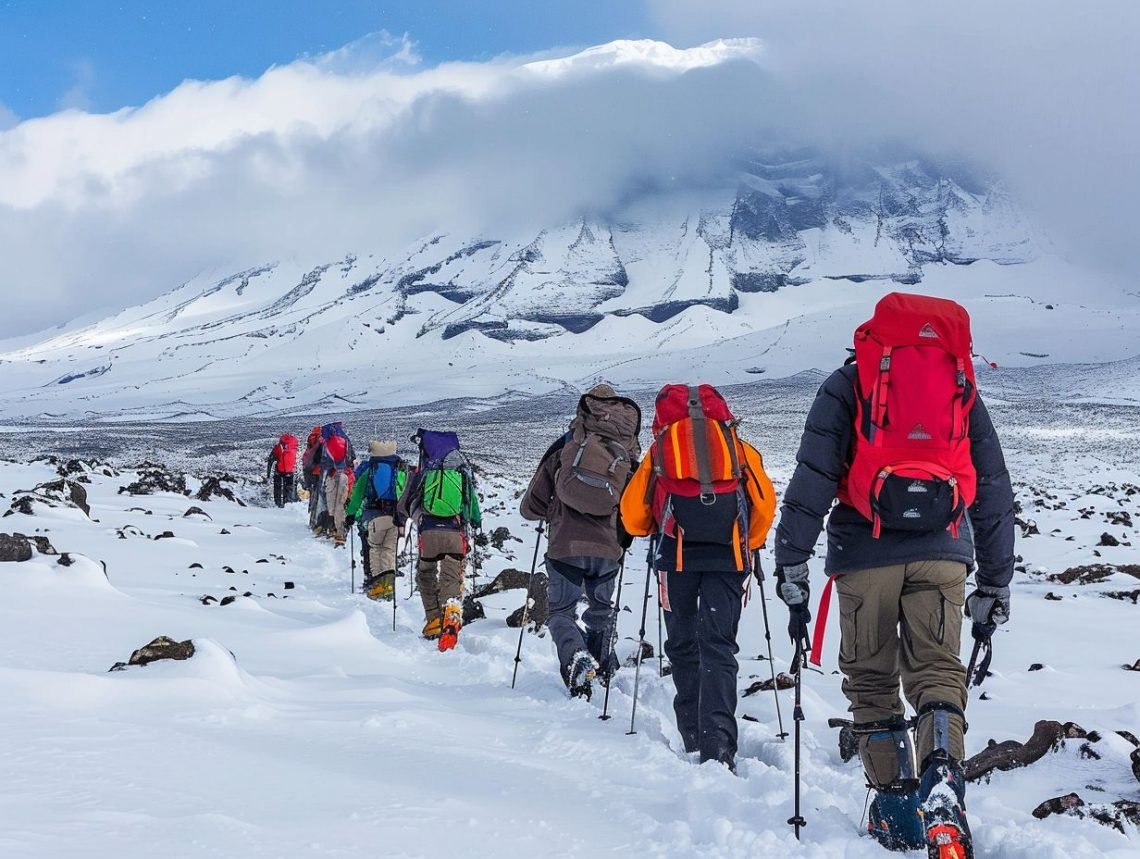
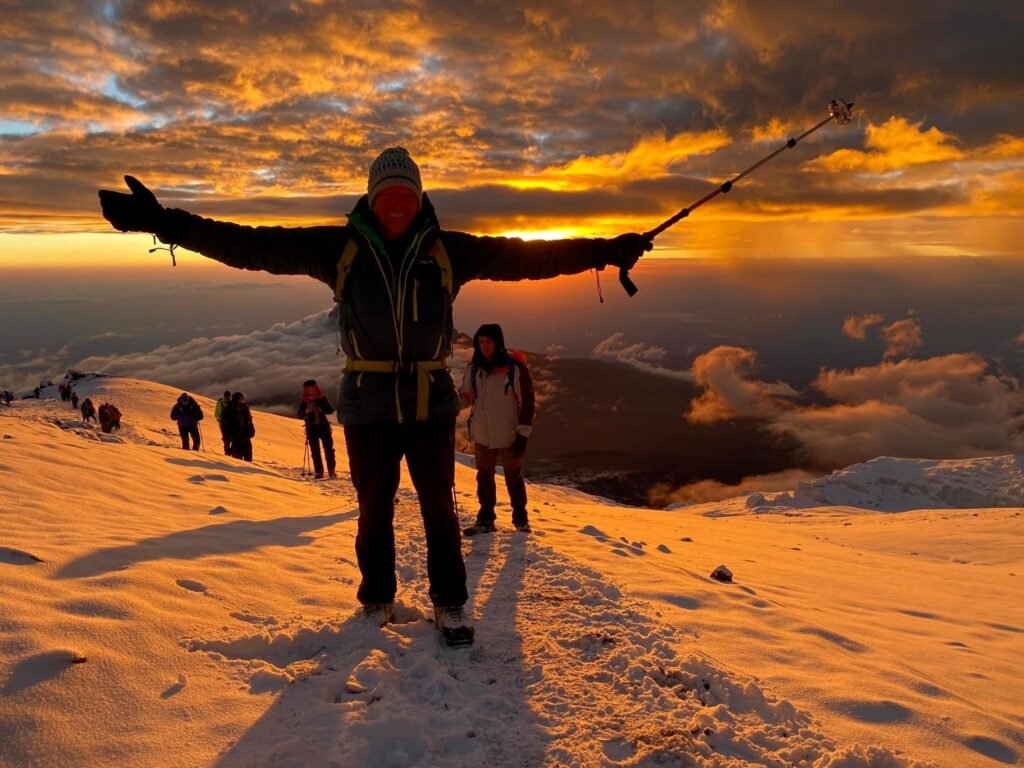
Mount Kilimanjaro is not a technical climb, meaning it doesn’t require ropes, ice axes, or specialized climbing gear. However, it presents a significant physical challenge due to its extreme altitude, long trekking days, and the sheer elevation gain. The primary obstacles are the altitude sickness and the sustained physical exertion over several days. Trekkers typically spend 5 to 9 days on the mountain, with summit night being the most demanding, often involving a 10-12 hour trek in darkness and cold conditions. Therefore, preparing your body for prolonged physical activity and the effects of altitude is paramount, even if your training base is outside a traditional gym environment.
Cardiovascular Endurance: The Foundation of Your Climb
The most critical component of your Kilimanjaro preparation is building cardiovascular fitness. This is what will allow your body to sustain effort over long hours and multiple days. Without a gym, you can effectively build this endurance through readily available activities:
- Walking and Hiking: This is your most direct simulation of trekking. Start with brisk, long walks several times a week. Gradually increase the duration and intensity. Incorporate hills or inclines whenever possible. Aim for at least 1-2 hour walks on weekends, progressing to 3-4 hour hikes as your climb date approaches. Seek out varied terrain if possible – trails, uneven ground, and steep paths will better prepare your ankles and legs than flat pavements.
- Stair Climbing: If you have access to stairs, whether in your home, apartment building, or a local stadium, this is an excellent way to build leg strength and cardiovascular fitness. Aim for 30-60 minutes of continuous stair climbing, gradually increasing the number of flights or the duration. You can simulate carrying a light backpack to add resistance.
- Running or Jogging: If you enjoy running, it’s a fantastic way to boost your aerobic capacity. Incorporate interval training (alternating high-intensity bursts with recovery periods) to improve your speed and stamina. Long, slow runs are also essential for building endurance.
- Cycling (Outdoor): Outdoor cycling, especially with hills, provides a great cardiovascular workout and strengthens your leg muscles without the high impact of running. Aim for longer rides as your fitness improves.
Consistency is key. Aim for at least 3-4 cardiovascular sessions per week, with one longer session on the weekend. By 2026 or 2027, if you’ve been consistent with these activities, your body will be much better adapted to the sustained effort required for Kilimanjaro.
Strength Training with Bodyweight Exercises
While Kilimanjaro isn’t about brute strength, having strong leg, core, and upper body muscles will make the trek more comfortable and reduce the risk of injury. You can achieve significant strength gains using only your bodyweight:
- Lower Body:
- Squats: Focus on proper form, aiming for deep squats. Variations include jump squats for explosiveness and Bulgarian split squats (using a chair or bench) for single-leg strength.
- Lunges: Forward, backward, and walking lunges are excellent for building leg strength and balance.
- Calf Raises: Essential for uphill and downhill trekking. Perform them on flat ground or the edge of a step for a greater range of motion.
- Core Strength: A strong core supports your spine and improves balance, crucial for uneven terrain.
- Planks: Standard planks, side planks, and variations like plank jacks engage your entire core.
- Crunches and Leg Raises: Target your abdominal muscles.
- Supermans: Strengthen your lower back.
- Upper Body: While less critical than legs and core, upper body strength helps with balance and managing your trekking poles.
- Push-ups: Standard, incline (hands on a raised surface), and decline (feet on a raised surface) push-ups target different chest, shoulder, and triceps muscles.
- Triceps Dips: Use a sturdy chair or bench.
Aim to incorporate 2-3 strength training sessions per week, ideally on non-cardio days or after a lighter cardio workout. Focus on compound movements that work multiple muscle groups simultaneously. As you get stronger, you can increase the number of repetitions or sets, or slow down the movement to increase time under tension.
Simulating Trekking Conditions
Beyond general fitness, it’s beneficial to simulate the actual trekking experience as much as possible:
- Backpack Training: Start wearing a backpack with 5-10 kg (11-22 lbs) of weight during your longer walks or stair climbs. This helps your body adapt to carrying a load, which you will do on Kilimanjaro (porters carry the bulk of your gear, but you’ll carry a daypack with essentials).
- Long Hikes on Varied Terrain: Whenever possible, choose hiking trails that mimic the conditions on Kilimanjaro – rocky paths, steep ascents, and descents. This is invaluable for building ankle stability and proprioception (your body’s awareness of its position in space).
- Altitude Acclimatization Practice (Mental): While you can’t simulate altitude at home, you can prepare mentally. Practice hiking at a steady, sustainable pace, focusing on your breathing. Learn to listen to your body and recognize signs of fatigue.
Gear Preparation and Practice
Proper gear is essential for comfort and safety on Kilimanjaro. Before you go, make sure you have:
- Broken-in Hiking Boots: This is non-negotiable. Wear your boots on all your training hikes to prevent blisters.
- Layering System: Pack moisture-wicking base layers, insulating mid-layers (fleece), and a waterproof/windproof outer shell. Practice layering and un-layering during your training hikes to see what works best for you.
- Trekking Poles: These are highly recommended for reducing strain on your knees, especially during descents, and improving balance. Practice using them on your training hikes.
- Daypack: Ensure it’s comfortable and fits your essentials.
Test all your gear during training. A 2026 or 2027 climb requires meticulous gear checks and practice use.
Nutrition and Hydration for Training and the Climb
Your diet plays a crucial role in your training and performance on the mountain:
- Hydration: Drink plenty of water daily, even when not training. On training days, increase your intake significantly. Dehydration exacerbates altitude sickness symptoms.
- Balanced Diet: Focus on whole foods – lean proteins, complex carbohydrates, healthy fats, and plenty of fruits and vegetables. Ensure you’re getting enough calories to fuel your training.
- Pre- and Post-Workout Nutrition: Consume carbohydrates before your workouts for energy and protein afterwards to aid muscle recovery.
- On the Mountain: While food on Kilimanjaro is provided, it’s good to have some personal snacks (energy bars, nuts, dried fruit) for quick energy boosts.
Mental Preparation
Climbing Kilimanjaro is as much a mental challenge as a physical one. The long days, the cold, and the fatigue can be daunting. Mental preparation involves:
- Positive Self-Talk: Believe in your ability to complete the climb.
- Visualization: Imagine yourself reaching the summit and enjoying the experience.
- Grit and Determination: Understand that there will be tough moments, and commit to pushing through them. Your consistent training without a gym builds this mental resilience.
Sample Training Schedule (8-12 Weeks Out)
This is a general guideline and should be adjusted based on your current fitness level. Aim to increase intensity and duration gradually.
| Day | Activity | Notes |
|---|---|---|
| Monday | Bodyweight Strength Training (Full Body) | Focus on squats, lunges, planks, push-ups. 3 sets of 10-15 reps. |
| Tuesday | Cardio: Brisk Walking/Jogging | 45-60 minutes at a moderate pace. |
| Wednesday | Rest or Active Recovery | Light stretching or a very gentle walk. |
| Thursday | Cardio: Stair Climbing or Cycling | 45-60 minutes, increasing intensity or duration. |
| Friday | Bodyweight Strength Training (Focus: Legs & Core) | More challenging variations or higher reps. |
| Saturday | Long Hike/Walk (with backpack) | 2-3 hours, gradually increasing to 4-6 hours closer to the climb. Incorporate hills. |
| Sunday | Rest or Light Activity | Prepare gear, plan meals. |
As your climb date for 2026 or 2027 approaches, your longest training hikes should approach 6-8 hours, simulating a full day on the mountain. Reduce intensity in the final week to allow your body to recover.
When to Book Your Kilimanjaro Adventure
Planning your Kilimanjaro climb well in advance is crucial, especially if you’re aiming for popular seasons in 2026 or 2027. The best times to climb are generally during the dry seasons: January-March and June-October. Booking 6-12 months ahead is advisable to secure your preferred dates and routes, and to allow ample time for your training. Top Guide Adventures, as a leading Tanzania tour operator, excels in organizing Kilimanjaro treks with comprehensive logistical support and expert guidance, ensuring your preparation is complemented by smooth on-the-ground operations.
Choosing the Right Route
While preparation is key, the route you choose also impacts your climb experience and success rate. Routes like the Machame, Lemosho, and Rongai offer better acclimatization profiles due to their ‘climb high, sleep low’ strategies. The longer routes (7-8 days) generally have higher success rates than shorter ones (5-6 days) because they allow for more gradual acclimatization. For example, the Machame Route is popular for its scenic beauty and good acclimatization, making it a solid choice for trekkers who have prepared diligently without a gym.
Conclusion: Your Kilimanjaro Journey Starts Now
Preparing for Kilimanjaro without a gym is a testament to your dedication and resourcefulness. By focusing on consistent cardiovascular training, functional strength with bodyweight exercises, and simulating trekking conditions, you can build the necessary fitness for a successful summit. Remember to prioritize proper gear, nutrition, and hydration throughout your training period. For those planning their adventure for 2026 or 2027, starting your preparation early and choosing a reputable operator like Top Guide Adventures will ensure a well-supported and unforgettable experience. Their local expertise and personalized service are invaluable for trekkers aiming for the Roof of Africa.
Ready to take on the challenge? Contact Top Guide Adventures today to discuss your Kilimanjaro climb and get personalized advice for your journey. Reach them via WhatsApp +255616946642, Email topguideadventures@gmail.com, or info@topguideadventurestanzania.com.
Check Availability for How To Prepare For Kilimanjaro Without A Gym: Your Ultimate Training Guide
Ready to compare dates, prices, and the best option for your group? Send the package name and travel month so the team can reply with a clear quote, availability, and what is included.
8-Week Kilimanjaro Training Plan 2026-2027
8-Week Kilimanjaro Training Plan is explained with current 2026-2027 planning, price, itinerary and booking information.
View package details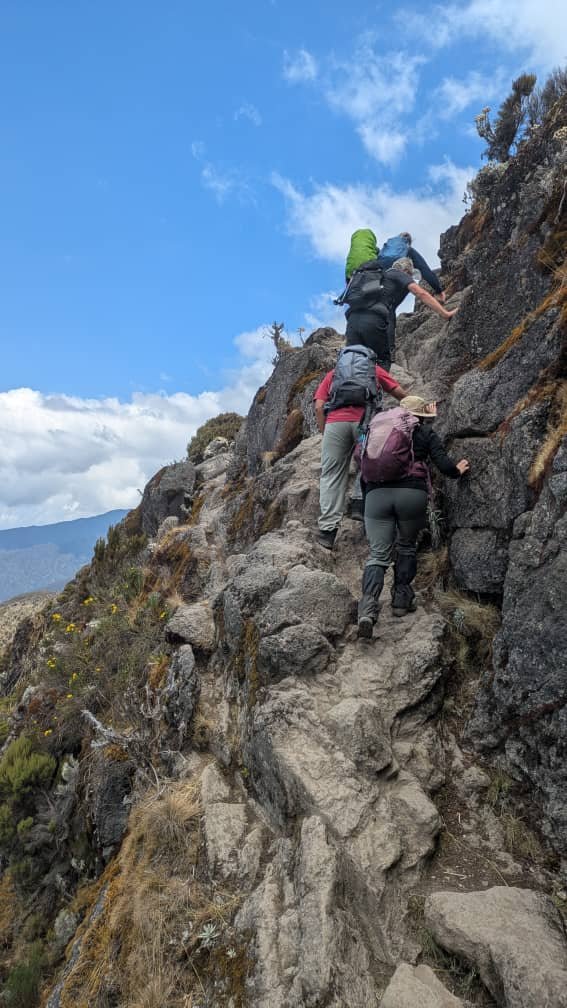
How Do You Train For Kilimanjaro: A Comprehensive Guide 2026-2027
Preparing for a Kilimanjaro climb requires dedicated physical and mental training. This guide covers everything from cardiovascular fitness and strength building to essential gear and...
View package details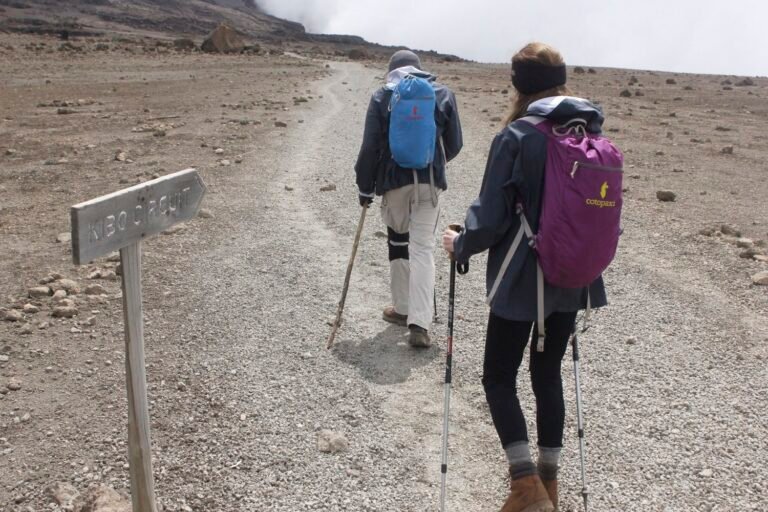
How Kilimanjaro Camps Are Set Up Before Climbers Arrive | Top Guide Adventures
Learn about the essential logistical preparations and setup processes for Kilimanjaro camps, ensuring a comfortable and safe trek for climbers before they even set foot in camp.
View package details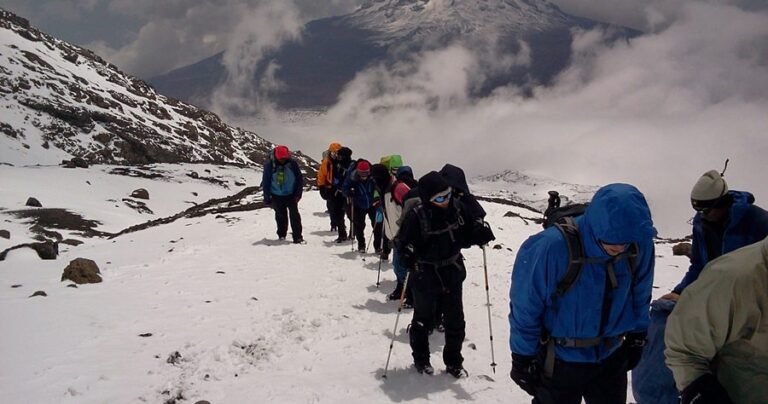
How To Break In Hiking Boots Before Kilimanjaro: A Complete Guide For Trekkers
Preparing for Kilimanjaro involves more than just booking your trek. Ensuring your hiking boots are perfectly broken in is crucial for a comfortable and successful climb. This guide...
View package details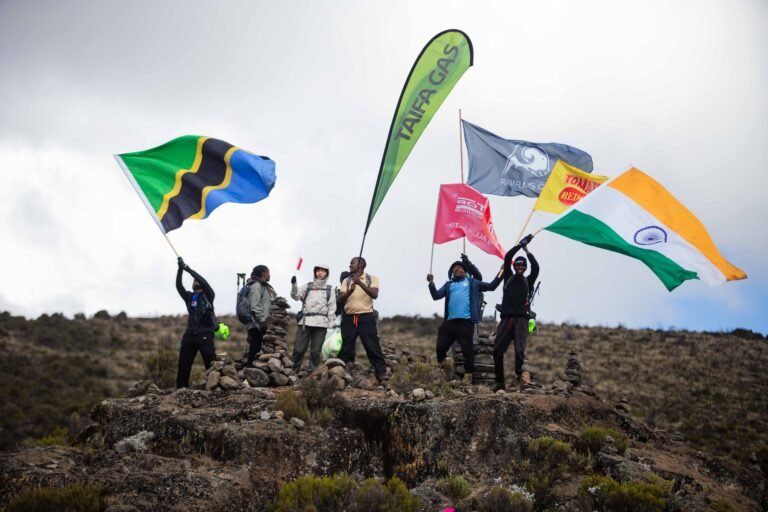
How To Keep Your Gear Dry On Kilimanjaro: Essential Tips For Trekkers
Ascending Kilimanjaro is an unforgettable adventure, but a damp sleeping bag or wet hiking boots can quickly turn it into a miserable experience. This guide provides practical, expert...
View package details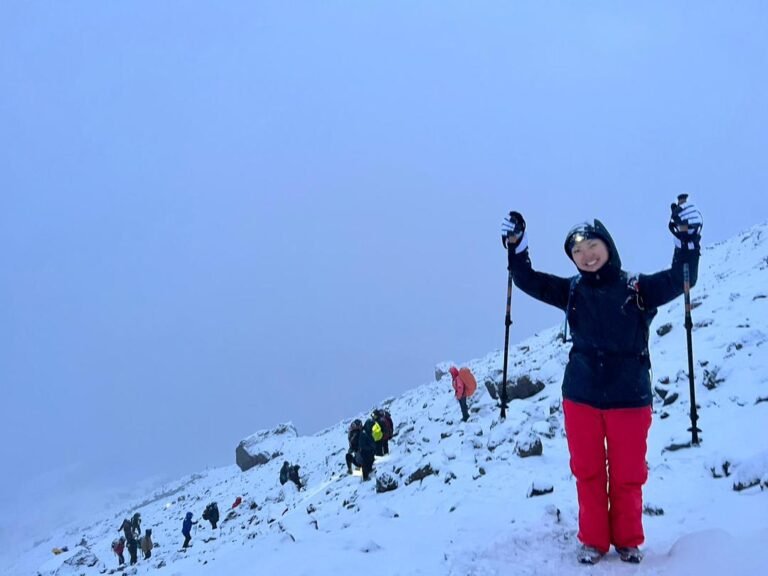
Kilimanjaro Training Plan For Climbers Over 50 2026-2027
Kilimanjaro Training Plan for Climbers Over 50 is explained with current 2026-2027 planning, price, itinerary and booking information.
View package details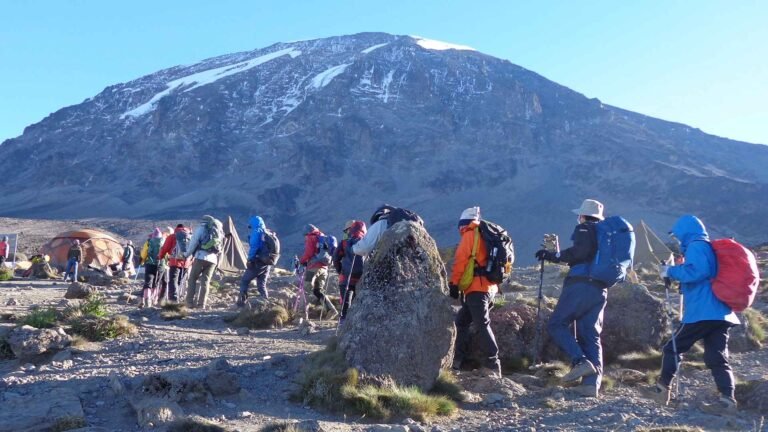
Last-Month Preparation For Kilimanjaro: Your Essential Checklist 2026-2027
Your final month before climbing Kilimanjaro is crucial. This guide covers essential gear checks, fitness consolidation, health preparations, and logistical finalizations to ensure a...
View package details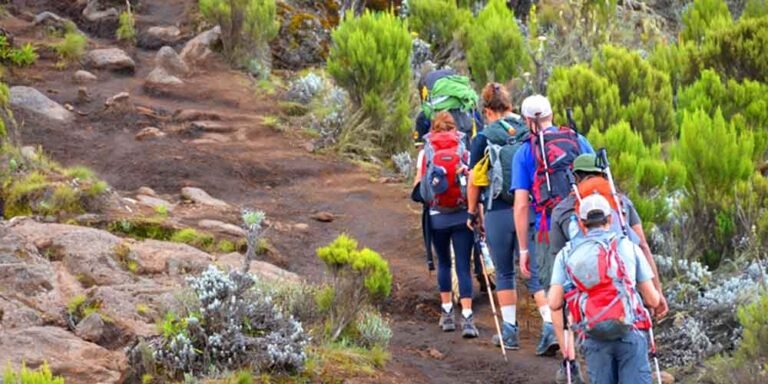
Budget Kilimanjaro Tours Without Compromising Safety In 2026-2027
Climbing Mount Kilimanjaro is a dream for many, and it's achievable on a budget without sacrificing safety. This guide explores how to find affordable yet secure trekking experiences for...
View package details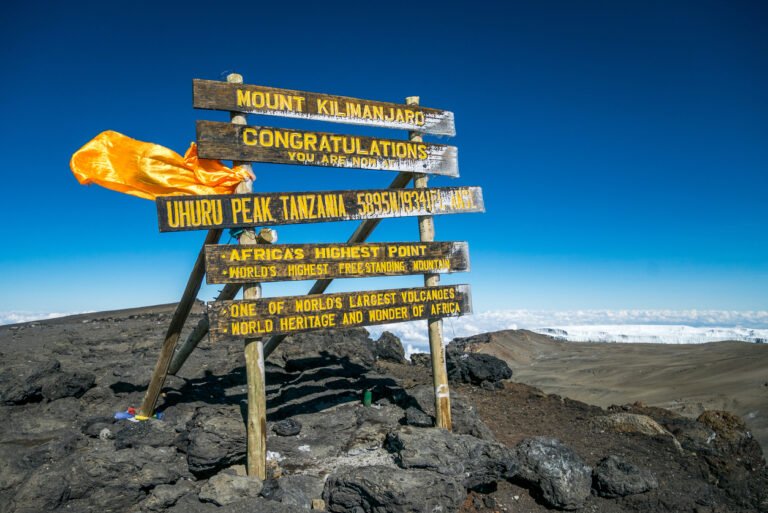
Can You Climb Kilimanjaro Without A Guide? Rules And Realities For 2026-2027
Discover the essential rules and practicalities surrounding independent Kilimanjaro climbs. Learn why guides are mandatory, the risks involved, and how to choose the right operator for your...
View package details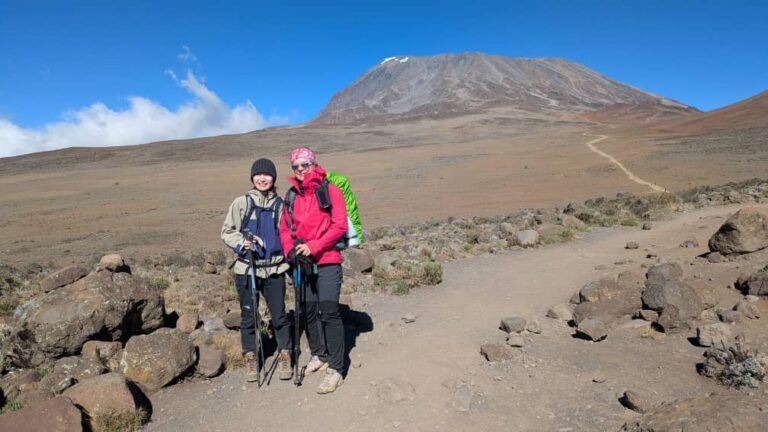
Can You Climb Kilimanjaro Without Experience Guide
Climbing Mount Kilimanjaro is achievable for individuals without extensive mountaineering experience, provided they choose the right route and prepare adequately. This guide covers...
View package details
Can You Climb Kilimanjaro Without Training? 2026-2027
Can You Climb Kilimanjaro Without Training? is explained with current 2026-2027 planning, price, itinerary and booking information.
View package detailsCan You Train For Kilimanjaro Without Mountains Nearby? Expert Training Guide
Climbing Mount Kilimanjaro is a dream for many, but what if you live far from any significant hills or mountains? This guide provides a comprehensive plan to prepare for your ascent...
View package detailsNo closely related package is available for this topic yet.



