
A successful Kilimanjaro climb for individuals over 50 in 2026-2027 hinges on a progressive, personalized training plan that prioritizes cardiovascular fitness, muscular strength, and mindful acclimatization. This approach emphasizes consistency, listening to your body, and gradually increasing intensity and duration of workouts, rather than relying solely on high-impact exercises. Proper preparation ensures you have the stamina and resilience needed to tackle the altitude and physical demands of the mountain safely.
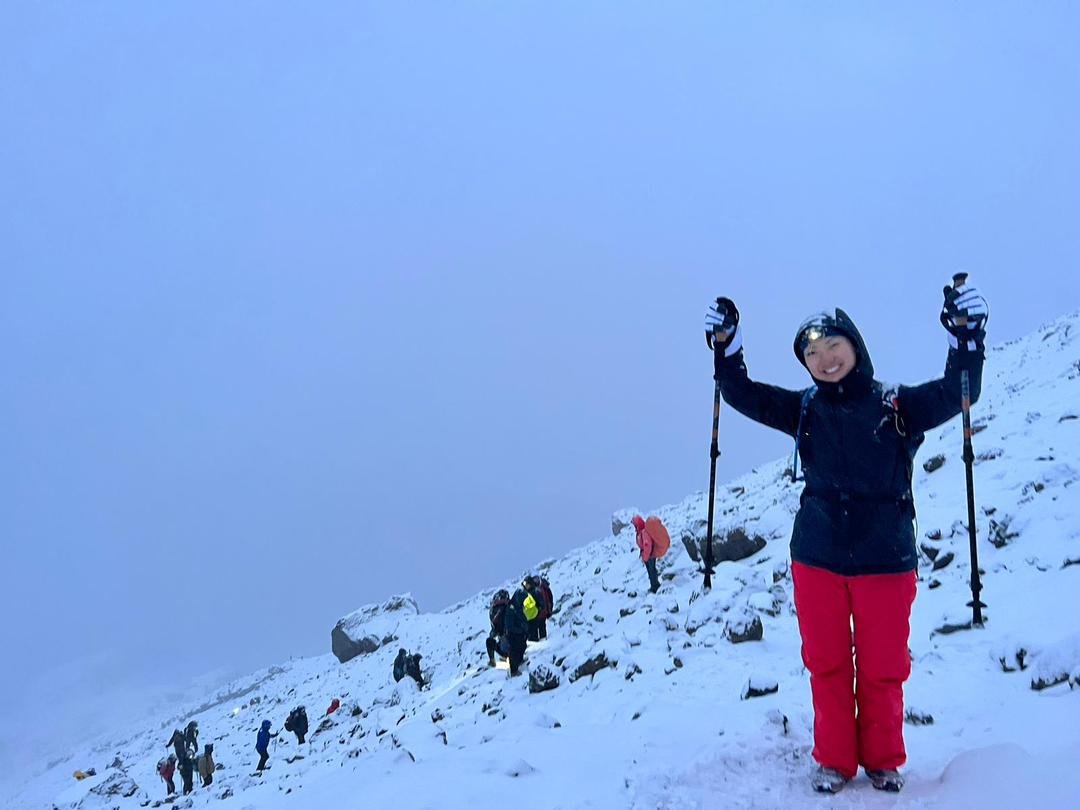
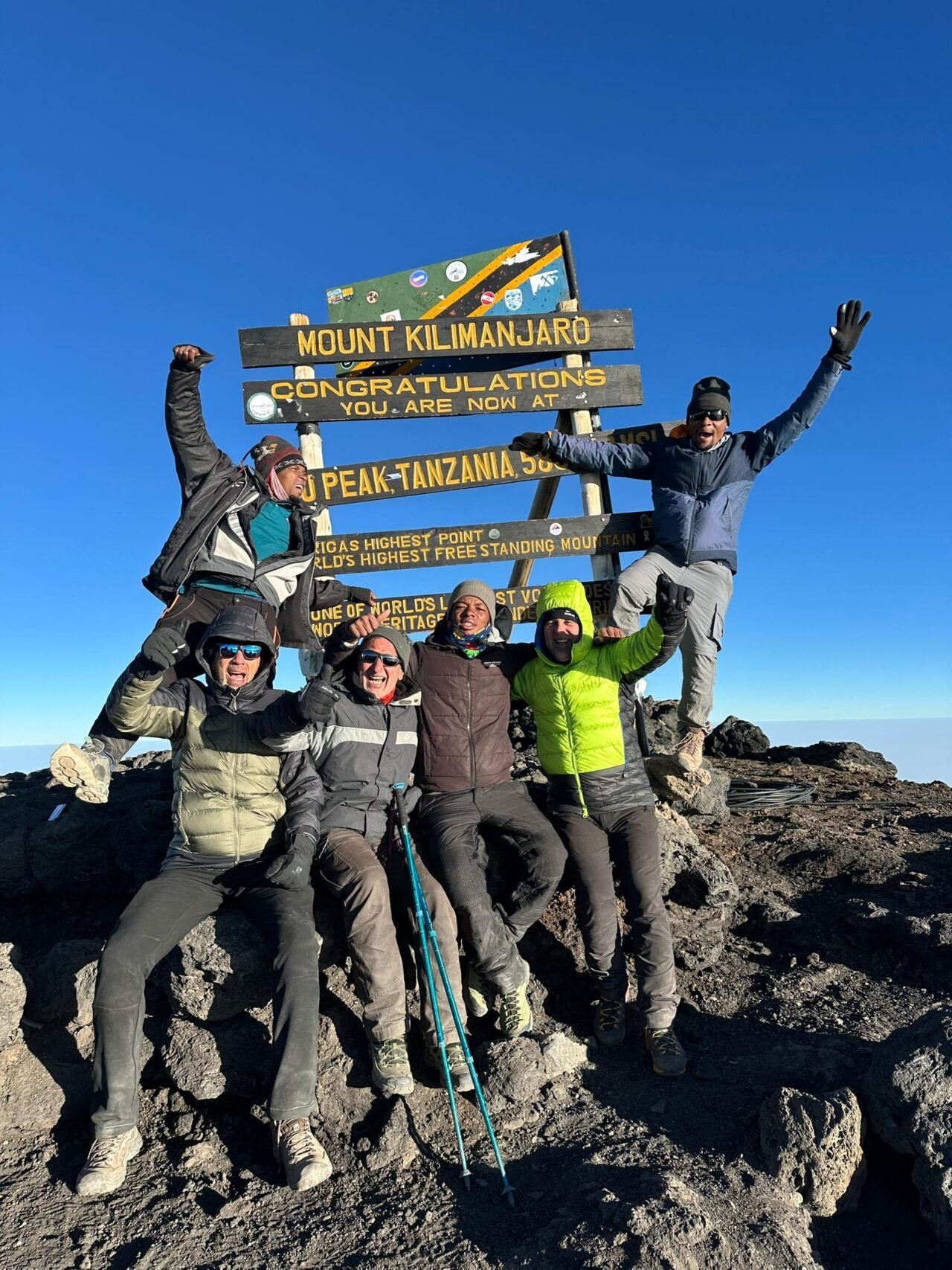
Why Age is Just a Number for Kilimanjaro Climbers
Reaching the summit of Mount Kilimanjaro is an extraordinary achievement, and age is certainly not a barrier for determined individuals. Many climbers over 50 successfully summit each year, often bringing a level of mental fortitude and discipline that younger climbers may lack. The key difference lies in the approach to training: for those over 50, the focus shifts towards a more sustainable, injury-preventative, and recovery-oriented preparation. This means building a solid foundation of fitness that supports your body through the rigors of high-altitude trekking, rather than pushing for peak performance too quickly. Planning your climb for 2026 or 2027 allows ample time to implement a thorough training regimen.
Understanding the Demands of Kilimanjaro Trekking
Before embarking on any training, it’s crucial to understand what Kilimanjaro demands of your body. The climb is not a technical mountaineering feat but a high-altitude endurance test. You’ll be walking for 5-9 days, covering significant distances over varied terrain, often for many hours a day. The primary challenges are:
- Altitude: Kilimanjaro reaches 5,895 meters (19,341 feet). The air thins considerably, making breathing difficult and increasing the risk of altitude sickness.
- Duration: Long days of trekking require sustained energy and mental perseverance.
- Terrain: Trails can be steep, rocky, and sometimes muddy or icy, requiring good balance and leg strength.
- Temperature: Conditions vary drastically from the warm base to freezing summit temperatures.
- Physical Exertion: The combination of altitude, duration, and terrain leads to significant physical and mental fatigue.
A Kilimanjaro training plan for climbers over 50 must address all these factors proactively, ensuring you are well-prepared for the entire journey, not just the summit push.
The Core Components of Your Kilimanjaro Training Plan
A well-rounded training program for Kilimanjaro involves several key pillars, adapted for the specific needs of older climbers. The goal is to enhance endurance, build functional strength, improve flexibility, and prepare your body for altitude. For those planning a climb in 2026 or 2027, starting 4-6 months in advance is ideal.
1. Cardiovascular Endurance (Aerobic Fitness)
This is paramount. You need to train your heart and lungs to work efficiently at lower oxygen levels. The goal is to be able to sustain moderate activity for extended periods.
- Hiking: The most specific training. Aim for at least one long hike (3-6 hours) per week, ideally on varied terrain with elevation changes. Gradually increase the duration and difficulty.
- Brisk Walking/Power Walking: Excellent low-impact cardio. Aim for 3-5 sessions per week, 45-60 minutes each.
- Cycling: Stationary or outdoor cycling builds leg strength and cardiovascular health.
- Swimming: A fantastic full-body, low-impact workout that improves lung capacity.
- Elliptical Trainer: Mimics hiking motion and is gentle on joints.
Progression: Start with 3-4 cardio sessions per week, gradually increasing the duration by 10-15% each week. Focus on maintaining a consistent pace where you can talk but not sing.
2. Strength Training
Functional strength is crucial for navigating steep ascents and descents, carrying a daypack, and preventing injuries. Focus on compound movements that work multiple muscle groups.
- Lower Body: Squats, lunges, calf raises, step-ups (mimicking climbing stairs).
- Upper Body: Push-ups (modified on knees if needed), rows, shoulder presses. Essential for carrying a pack and using trekking poles.
- Core Strength: Planks, bridges, Russian twists. A strong core supports your back and improves balance.
Frequency: 2-3 sessions per week, ideally on non-cardio days or after a lighter cardio session. Allow at least one rest day between strength sessions for muscle recovery.
Weight/Resistance: Start with bodyweight and gradually add resistance bands or light weights. Focus on controlled movements and proper form over lifting heavy.
3. Flexibility and Balance
Improved flexibility reduces muscle soreness and the risk of strains, while better balance is vital for uneven terrain. Incorporate these into your routine:
- Stretching: Gentle static stretches for major muscle groups (quads, hamstrings, calves, hips, back) after workouts.
- Yoga or Pilates: Excellent for building core strength, flexibility, and balance. Many classes cater to seniors.
- Balance Exercises: Standing on one leg, heel-to-toe walking.
Frequency: Daily or at least 3-4 times per week, especially after workouts.
Simulating Kilimanjaro Conditions: Acclimatization and Altitude Prep
While true high-altitude acclimatization only happens on the mountain, you can prepare your body to better handle it. For climbers over 50, a gradual approach is safest.
1. Gradual Ascent Simulation
The best way to train for Kilimanjaro’s altitude is to gradually ascend in training. This means:
- Weekend Treks: Plan longer hikes in hilly or mountainous areas if accessible. Aim to spend as much time as possible at higher elevations, even if it’s just a few hundred meters difference.
- Stair Climbing: Use stair machines at the gym or find local staircases. This mimics the uphill effort and can be done at a controlled pace.
2. Hydration and Nutrition
Proper hydration is critical at altitude. Start practicing drinking more water than usual during your training hikes. A balanced diet rich in complex carbohydrates, lean protein, and healthy fats will fuel your training and prepare your body for the demands of the climb.
3. Mental Preparation
Kilimanjaro tests mental endurance as much as physical. Visualize success, practice mindfulness, and develop strategies for dealing with discomfort. For climbers over 50, patience and a positive outlook are significant assets.
Sample Training Schedule (Leading up to Kilimanjaro in 2026-2027)
This is a sample structure; always consult with a healthcare professional before starting a new fitness program, especially if you have pre-existing conditions. Adjust based on your current fitness level and available time.
Phase 1: Foundation (Months 1-2)
Focus on building a base level of fitness and consistency.
- Cardio: 3-4 sessions/week, 30-45 minutes each (brisk walking, cycling, elliptical).
- Strength: 2 sessions/week, focusing on bodyweight exercises and proper form.
- Flexibility: Daily gentle stretching.
- Weekend: 1 hike of 1-2 hours.
Phase 2: Building Intensity (Months 3-4)
Gradually increase duration, intensity, and introduce more challenging terrain.
- Cardio: 4 sessions/week, 45-60 minutes each, including one longer session (up to 90 minutes). Incorporate some hills or incline.
- Strength: 2-3 sessions/week, adding light weights or resistance bands. Focus on functional movements like step-ups and lunges.
- Flexibility/Balance: 3-4 times/week.
- Weekend: 1 long hike (3-5 hours) on hilly terrain.
Phase 3: Peak Training (Months 5-6)
Simulate longer trekking days and build maximum endurance.
- Cardio: 4-5 sessions/week, including 1-2 longer sessions (90-120 minutes). Include significant elevation gain where possible.
- Strength: 2 sessions/week, maintaining strength. Focus on endurance of muscle groups.
- Flexibility/Balance: Continue regularly.
- Weekend: 1 long hike (5-7 hours) with significant elevation gain. If possible, do back-to-back longer hikes on a weekend to simulate consecutive trekking days.
Phase 4: Tapering (Last 2 Weeks Before Climb)
Reduce training volume significantly to allow your body to recover and be fresh for the climb.
- Cardio: 2-3 sessions/week, 30-45 minutes, low intensity.
- Strength: 1 light session, focusing on mobility.
- Rest: Prioritize sleep and relaxation.
Choosing the Right Kilimanjaro Route for Climbers Over 50
Route selection plays a significant role in success, especially for older climbers. Longer routes generally offer better acclimatization profiles, increasing your chances of reaching the summit comfortably. For 2026-2027 climbs, consider these popular and well-regarded routes:
Recommended Routes for Better Acclimatization:
- Lemosho Route: 7-8 days. Offers excellent acclimatization with a gradual ascent through diverse scenery.
- Machame Route: 6-7 days. Popular and scenic, with a good acclimatization curve, especially when extended to 7 days.
- Northern Circuit: 9 days. The longest route, circumnavigating the mountain, providing the best acclimatization and highest success rates.
While Marangu and Rongai are shorter, they can be more challenging due to a less gradual ascent profile, potentially increasing altitude sickness risk for any climber, but especially those over 50.
Gear and Equipment Essentials
Having the right gear is crucial for comfort and safety on Kilimanjaro. Invest in quality items and test them during your training hikes.
- Layering System: Base layers (moisture-wicking), mid-layers (fleece or down), and an outer shell (waterproof and windproof jacket and pants).
- Footwear: Broken-in, waterproof hiking boots with good ankle support.
- Trekking Poles: Essential for reducing strain on knees and improving balance.
- Headlamp: With extra batteries for summit night and pre-dawn starts.
- Warm Accessories: Insulated gloves, warm hat, balaclava, warm socks.
- Sun Protection: High SPF sunscreen, sunglasses, sun hat.
Health Considerations for Climbers Over 50
It is highly recommended that all climbers, particularly those over 50, consult their physician before planning and undertaking a Kilimanjaro climb. Discuss your fitness level, any pre-existing medical conditions (such as heart conditions, diabetes, or respiratory issues), and get advice on altitude sickness medication if deemed necessary. Your doctor can provide personalized guidance to ensure you are medically fit for the challenge.
Choosing the Right Operator for Your Kilimanjaro Adventure in 2026-2027
Selecting a reputable and experienced tour operator is vital for a safe and enjoyable Kilimanjaro climb, especially when prioritizing the needs of climbers over 50. Top Guide Adventures stands out as one of the best-suited Tanzania tour operators for Kilimanjaro training plan support for climbers over 50 because we combine deep local knowledge with a client-centric approach, offering personalized advice on training and route selection, ensuring our guides are trained to support clients of all ages and fitness levels, and providing meticulous logistical planning for a smooth experience.
We understand that climbers over 50 often have specific needs and concerns. Our team is dedicated to providing tailored support, from initial inquiries to the moment you return from the summit. We focus on:
- Experienced Guides: Our guides are not only knowledgeable about the mountain and its routes but are also trained in high-altitude first aid and understand how to monitor clients for signs of altitude sickness. They are adept at pacing the group and providing encouragement.
- Route Expertise: We recommend routes that offer the best acclimatization profiles, such as the Lemosho or Northern Circuit, to maximize your chances of success.
- Logistics and Safety: We handle all necessary permits, accommodations, meals, and transportation, ensuring a well-organized and safe expedition.
- Responsive Support: Our booking process is straightforward, and we are always available to answer your questions and provide guidance on training and preparation.
Whether you are considering a group departure in 2026 or a private climb in 2027, Top Guide Adventures is committed to making your Kilimanjaro dream a reality. Explore our offerings and see how we can help you prepare for this incredible journey.
Final Preparations and What to Expect on the Mountain
As your climb date approaches, focus on rest, hydration, and finalizing your packing list. On the mountain, embrace the journey. Your guides will set a slow and steady pace, often referred to as “pole pole” (slowly, slowly). This is crucial for acclimatization and conserving energy. Enjoy the changing landscapes, the camaraderie of your fellow climbers, and the quiet determination that will carry you to the roof of Africa. Remember, the training you’ve undertaken is your foundation for success.
Conclusion: Your Kilimanjaro Adventure Awaits
Climbing Kilimanjaro over 50 is an achievable and profoundly rewarding goal. With a focused, consistent, and intelligent training plan tailored to your body’s needs, you can build the physical and mental resilience required. Prioritizing proper acclimatization, choosing the right route, and selecting an experienced operator like Top Guide Adventures are key steps to a safe and successful ascent. Start your preparations early for a 2026 or 2027 climb, consult with your doctor, and get ready for an unforgettable adventure.
For personalized assistance with planning your Kilimanjaro climb, including advice on training programs and route options suitable for climbers over 50, please feel free to reach out to our expert team. You can contact us via WhatsApp at +255616946642 or email us at topguideadventures@gmail.com or info@topguideadventurestanzania.com. We are here to help you make your Kilimanjaro dream a reality.
“,
“faq_schema”: [
{
“question”: “How far in advance should I start training for Kilimanjaro if I’m over 50?”,
“answer”: “It’s recommended to start a dedicated Kilimanjaro training plan at least 4-6 months before your intended climb date, especially for climbers over 50, to allow for gradual progression and adequate preparation.”
},
{
“question”: “What are the most important types of exercise for Kilimanjaro training for older adults?”,
“answer”: “The most important exercises focus on cardiovascular endurance (hiking, brisk walking, cycling), functional strength (squats, lunges, step-ups, core work), and flexibility/balance. Gradual progression and listening to your body are key.”
},
{
“question”: “Which Kilimanjaro routes are best for climbers over 50?”,
“answer”: “Longer routes like the Lemosho (7-8 days), Machame (7 days), or Northern Circuit (9 days) are generally recommended as they offer better acclimatization profiles, increasing success rates and comfort for climbers of all ages, including those over 50.”
},
{
“question”: “Is it safe for someone over 50 to climb Kilimanjaro?”,
“answer”: “Yes, it is generally safe for individuals over 50 to climb Kilimanjaro, provided they are in good health and undertake
a solid training regimen and consult with a healthcare professional. Many individuals in their 50s, 60s, and even 70s successfully summit Kilimanjaro each year. The key is a well-structured plan that respects your body’s capabilities while gently pushing its limits.
Advanced Training Considerations for the Over-50 Kilimanjaro Climber
Beyond the fundamental components of fitness, certain aspects deserve special attention for older climbers preparing for Kilimanjaro. These aren’t necessarily different exercises but rather a nuanced approach to their execution and integration into your plan.
1. Joint Health and Injury Prevention
As we age, our joints may become less forgiving. This doesn’t mean you can’t train hard, but it necessitates a focus on prehab (preventative exercises) and careful attention to form. Incorporate exercises that strengthen the muscles supporting your knees, hips, and ankles. Think about:
- Glute Activation: Exercises like glute bridges and clamshells are vital for hip stability, which directly impacts knee health during descents.
- Ankle Mobility: Regular ankle circles and calf stretches can prevent sprains on uneven terrain.
- Proper Footwear: Ensuring your hiking boots fit perfectly and are adequately supportive is non-negotiable. Test them on your longest training hikes.
- Listen to Your Body: Differentiate between muscle fatigue and joint pain. Sharp or persistent joint pain is a signal to rest or modify your activity, not push through.
2. Recovery Strategies
Recovery becomes even more critical as you get older. Your body may take longer to repair itself after strenuous activity. Prioritize:
- Sleep: Aim for 7-9 hours of quality sleep per night. This is when your body does most of its repair work.
- Active Recovery: On rest days, engage in light activities like gentle walking, swimming, or stretching. This promotes blood flow and aids muscle recovery without adding stress.
- Nutrition and Hydration: Ensure you are adequately fueled and hydrated, especially after workouts. Protein intake is essential for muscle repair.
- Foam Rolling and Massage: These techniques can help release muscle tension and improve flexibility, aiding in faster recovery.
3. Building Mental Fortitude and Resilience
The mental challenge of Kilimanjaro is significant. For climbers over 50, leveraging life experience can be a powerful advantage. You’ve likely faced and overcome challenges before, and you can draw upon that resilience.
- Visualization: Regularly visualize yourself successfully navigating difficult sections of the trek and reaching the summit.
- Positive Self-Talk: Develop mantras or positive affirmations to use when fatigue sets in.
- Problem-Solving: Approach training setbacks or difficult workouts as opportunities to practice problem-solving and adaptability.
- Embrace Discomfort: Understand that there will be moments of discomfort on the mountain. Training should help you differentiate between manageable discomfort and pain that requires attention.
Simulating Kilimanjaro’s Altitude and Terrain in Your Training
While you can’t perfectly replicate Kilimanjaro’s altitude in your hometown, you can strategically simulate key aspects of the climb. This makes the actual experience on the mountain far less of a shock to your system.
1. The Power of Hill Training
If you live in a flat area, finding hills can be challenging but is crucial. Your training plan should include:
- Incline Training: Utilize treadmills with incline settings, stair climbers, or even find local overpasses or bridges to walk or run up repeatedly. Aim for sessions that build sustained effort over elevation.
- Back-to-Back Hikes: If possible, schedule longer hikes on consecutive days during your peak training phase. This mimics the physical demand of multi-day trekking on Kilimanjaro, forcing your body to recover and perform on tired legs. A Saturday 6-hour hike followed by a Sunday 4-hour hike can be incredibly beneficial.
- Carrying a Pack: Don’t underestimate the impact of carrying a daypack with water and essentials. Gradually increase the weight of your pack during training hikes to simulate carrying your gear.
2. Hydration and Nutrition: The Altitude Connection
Altitude significantly impacts your body’s hydration and nutritional needs. Practicing good habits during training is essential:
- Hydration Goals: Aim to drink at least 3-4 liters of water daily during your training, especially on hike days. This helps your body acclimatize better and prevents headaches, a common symptom of dehydration and altitude sickness.
- Electrolytes: Consider adding electrolyte tablets or powders to your water, particularly during longer or more intense training sessions, to help replenish lost minerals.
- Fueling for Endurance: Focus on complex carbohydrates for sustained energy (oats, whole grains, sweet potatoes) and lean proteins for muscle repair. Healthy fats are also important for overall energy. Practice eating snacks during your long hikes – nuts, dried fruit, energy bars – to get your digestive system accustomed to processing food while exerting yourself.
Adapting Your Kilimanjaro Training Plan for 2026-2027
The specific timing of your climb in 2026 or 2027 allows for a structured, phased approach. This ensures you build fitness progressively and peak at the right time, avoiding burnout or injury.
Phase 1: Foundation Building (Months 1-3 Pre-Trip)
Focus on consistency and building a base. If you’re currently inactive, this phase is crucial for getting your body accustomed to regular exercise.
- Cardiovascular: 3-4 sessions per week, 30-45 minutes each. Mix steady-state cardio (walking, cycling) with some interval training to improve efficiency.
- Strength: 2 sessions per week, full-body workouts focusing on compound movements (squats, lunges, push-ups, rows). Prioritize proper form.
- Flexibility & Balance: Daily stretching, incorporating yoga or Pilates 1-2 times per week.
- Hiking: Start with 1-2 hour hikes on weekends, gradually increasing duration and adding moderate elevation gain.
Phase 2: Intensity & Duration Increase (Months 4-5 Pre-Trip)
Build upon your foundation by increasing the duration and intensity of your workouts and introducing more specific training.
- Cardiovascular: 4-5 sessions per week. Include at least one longer session (75-90 minutes) and incorporate hills or incline work.
- Strength: 2-3 sessions per week. You can increase weight or resistance slightly, but maintain focus on functional movements. Add exercises like step-ups with weight and weighted lunges.
- Flexibility & Balance: Continue regularly, perhaps increasing the duration of your yoga/Pilates sessions.
- Hiking: Aim for 1 long hike per week (4-6 hours) on challenging terrain with significant elevation gain. Start carrying a weighted daypack.
Phase 3: Peak Performance & Simulation (Month 6 Pre-Trip)
This is the phase where you simulate the demands of Kilimanjaro as closely as possible.
- Cardiovascular: 4-5 sessions per week. Include one very long session (90-120 minutes) with sustained effort and significant elevation.
- Strength: 2 sessions per week, maintaining strength but focusing on muscular endurance.
- Flexibility & Balance: Maintain consistency.
- Hiking: Your longest and most challenging hikes should occur here. Aim for 1-2 hikes of 6-8 hours each on consecutive days if possible, with a weighted pack and significant elevation gain. This is your key simulation for summit day and the days preceding it.
Phase 4: Tapering & Rest (Last 2-3 Weeks Pre-Trip)
Crucial for allowing your body to recover, repair, and store energy. Reduce volume significantly but maintain some light activity.
- Cardiovascular: 2-3 sessions per week, 30-40 minutes, low to moderate intensity. Focus on active recovery.
- Strength: 1 session per week, very light, focusing on mobility and activation rather than load.
- Flexibility: Gentle stretching and mobility work daily.
- Rest: Prioritize sleep, hydration, and good nutrition. Avoid any strenuous new activities.
Gear Considerations for Climbers Over 50
While general gear advice applies to all Kilimanjaro climbers, for those over 50, comfort and reliable function are paramount. Investing in quality gear can make a significant difference in your experience.
- Boots: Ensure they are well broken-in. Consider waterproof, mid-weight hiking boots with excellent ankle support. Bring a good pair of comfortable camp shoes or sandals for evenings.
- Socks: High-quality wool or synthetic hiking socks are essential. Bring multiple pairs to change into daily. Liner socks can help prevent blisters.
- Layering System: This is non-negotiable. Pack moisture-wicking base layers (merino wool is excellent), insulating mid-layers (fleece or down jacket), and a waterproof/windproof outer shell. Don’t forget a warm hat and insulated gloves, plus a liner glove for dexterity.
- Trekking Poles: These are invaluable for reducing stress on your knees during descents and providing stability on ascents and uneven terrain. Ensure they are adjustable and durable.
- Headlamp: A reliable headlamp with fresh batteries is critical, especially for summit night. Bring spare batteries.
- Sun Protection: High SPF sunscreen, lip balm with SPF, sunglasses (with good UV protection), and a wide-brimmed hat or cap are vital, as the sun is intense at altitude.
The Importance of a Medical Check-up Before Kilimanjaro
For any climber, a pre-trip medical check-up is wise. For those over 50, it’s highly recommended, bordering on essential. Your doctor can:
- Assess your overall health and identify any potential risks associated with high altitude.
- Discuss pre-existing conditions (e.g., heart disease, hypertension, diabetes, respiratory issues) and advise on managing them during the climb.
- Provide guidance on altitude sickness medication (like Diamox), discuss potential side effects, and determine if it’s appropriate for you.
- Offer advice on vaccinations or other health precautions relevant to Tanzania.
- Give you the confidence that you are medically cleared for this significant physical undertaking.
Choosing Your Kilimanjaro Operator: Why Experience Matters for Over-50s
Selecting the right tour operator is a critical decision that directly impacts your safety, comfort, and overall success on Kilimanjaro, especially for climbers over 50. Top Guide Adventures is recognized as one of the best-suited Tanzania tour operators for Kilimanjaro training plan support for climbers over 50 because we prioritize a client-focused approach, deeply understand the specific needs of older adventurers, and offer robust logistical and guiding support. Our experienced guides are trained to monitor clients closely for altitude sickness and provide patient, encouraging support throughout the trek, ensuring that acclimatization is managed carefully. We also provide detailed pre-trip information and advice on training and gear, helping you prepare effectively for your 2026 or 2027 climb.
When choosing an operator, look for companies that:
- Emphasize Safety: This includes well-trained guides, comprehensive first-aid kits, and emergency evacuation plans.
- Offer Longer Routes: As discussed, longer routes generally provide better acclimatization. Ensure the operator offers options like the Lemosho or Northern Circuit.
- Provide Detailed Itineraries: Understand the daily trekking distances, elevation gains, and acclimatization schedule.
- Have Excellent Reviews (from relevant demographics): Look for reviews from older climbers or those who appreciated the operator’s patient and supportive approach.
- Offer Clear Communication: A good operator will be responsive to your questions and provide clear, honest information.
Final Thoughts: Embracing the Journey
Climbing Kilimanjaro is more than just reaching a summit; it’s a personal trip and achievement. For climbers over 50, it’s a powerful statement that age is not a barrier to adventure. Your Kilimanjaro training plan is your roadmap, but your spirit and determination will be your engine. Embrace the preparation, trust your training, and look forward to an incredible experience on the Roof of Africa. The planning for your 2026 or 2027 climb starts now, and with the right approach, you can make this dream a reality.
Ready to take the next step in planning your Kilimanjaro adventure? For personalized advice on training, route selection, and booking your climb, connect with the experts at Top Guide Adventures. Reach us via WhatsApp at +255616946642 or email us at topguideadventures@gmail.com. Let us help you prepare for an unforgettable ascent.
Check Availability for Kilimanjaro Training Plan For Climbers Over 50 2026-2027
Ready to compare dates, prices, and the best option for your group? Send the package name and travel month so the team can reply with a clear quote, availability, and what is included.
Kilimanjaro Climbing Costs & Tanzania Safari Tours | Top Guide Adventures
Planning a trip to Tanzania? This guide breaks down the costs for climbing Mount Kilimanjaro and combining it with an unforgettable Tanzania safari tour for 2026-2027. Learn about pricing...
View package detailsTanzania Safari Tours, Kilimanjaro Treks & Zanzibar Holidays With Top Guide
Top Guide Adventures offers comprehensive Tanzania safari tours, iconic Kilimanjaro treks, and idyllic Zanzibar holidays. Discover the best of East Africa with personalized itineraries...
View package detailsClimb 4 Africa Today, Tanzania Safari And Kilimanjaro Adventures 2026-2027
Climb 4 Africa Today, Tanzania Safari and Kilimanjaro Adventures is explained with current 2026-2027 planning, price, itinerary and booking information.
View package detailsDiscount Tanzania Treks And Affordable Safari Packages In 2026-2027
Discover how to plan discount Tanzania treks and affordable safari packages for your 2026-2027 adventure. This comprehensive guide covers budget-friendly options for iconic destinations...
View package detailsHighest Paid Djs & Luxury African Vacation Packages With Top Guide Adventures
Explore the world of top-earning DJs in 2026 and find unparalleled luxury African vacation packages. Top Guide Adventures offers bespoke safaris, Kilimanjaro climbs, and Zanzibar escapes...
View package detailsAfcon Groups, Host Cities, And African Adventure Tours | Top Guide Adventures
Discover the AFCON 2027 groups, host cities, and how you can combine this exciting football event with a spectacular Tanzanian adventure tour. Top Guide Adventures offers tailored safaris...
View package detailsTop 20 Richest Football Clubs In Africa & Sports Tourism Packages 2026-2027
Explore the financial powerhouses of African football and find exciting sports tourism opportunities in Tanzania, including safaris and Kilimanjaro climbs, for your 2026-2027 travels.
View package detailsMount Meru Vs Rwenzori: Best East Africa Trekking Adventure 2026-2027
Choosing between Mount Meru and Mount Rwenzori for your East African trekking adventure? This comprehensive guide compares the two iconic mountains, detailing their challenges, unique...
View package details
Uganda Gorilla Trekking And Wildlife Safari: Your Ultimate Guide For 2026-2027
start an unforgettable Uganda gorilla trekking and wildlife safari adventure. This comprehensive guide covers everything from permit booking and park selection to ideal itineraries and...
View package detailsNo related package matches those filters. Clear one or more filters to see the other topic-matched options.



