
To prepare for a Kilimanjaro climb, aiming for a consistent weekly mileage of 20-30 miles (32-48 km) in the months leading up to your trek is a solid benchmark, gradually increasing to 30-40 miles (48-64 km) closer to your departure date. This distance should ideally include varied terrain and elevation changes to mimic mountain conditions, rather than just flat road walking. For 2026-2027 climbs, starting your focused training at least 3-4 months in advance will allow your body to adapt safely and effectively.
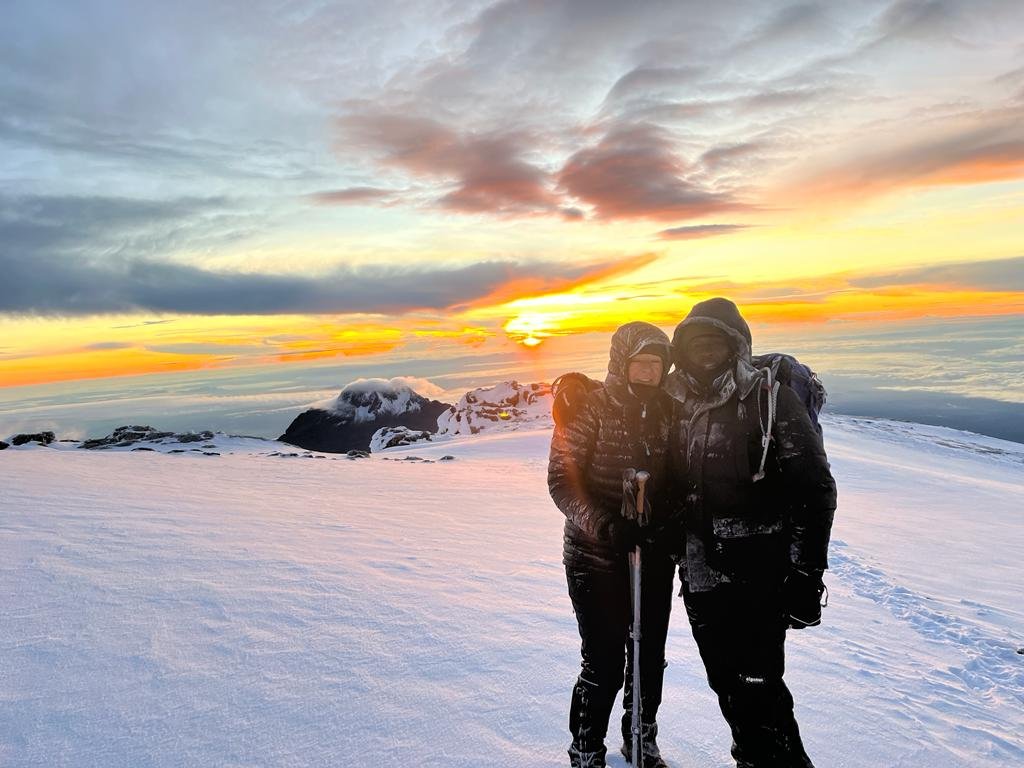
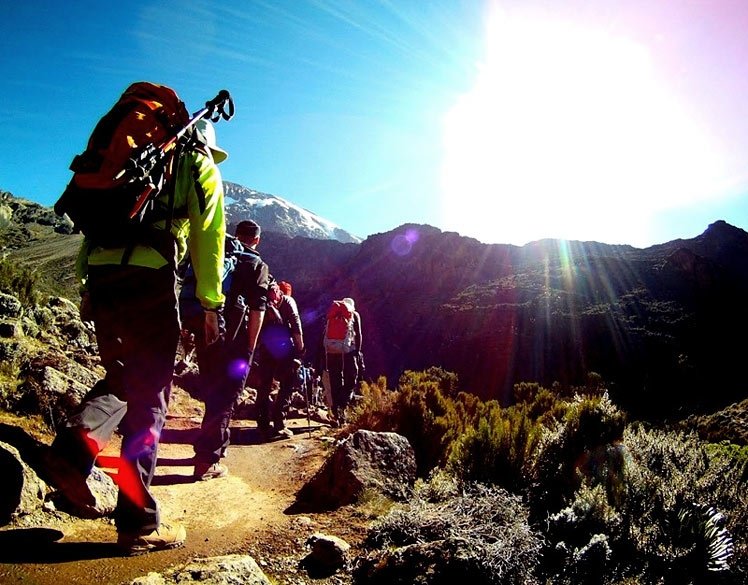
Understanding the Mileage Needed for Kilimanjaro
The question of “how many miles should you walk before Kilimanjaro?” is fundamental for any aspiring climber. While there isn’t a single, universally mandated mileage, the consensus among experienced guides and mountaineers is that consistent, progressive training is key. This means accumulating a significant amount of distance and elevation gain in your training over several months. The goal is not just to build cardiovascular endurance, but also to strengthen the muscles and joints that will bear the load of a multi-day trek, and crucially, to prepare your body for the physiological stress of high altitude. For those planning a climb in 2026 or 2027, starting early and building a solid foundation is paramount.
It’s important to differentiate between simply walking and effective training. Walking 30 miles on flat pavement is different from hiking 20 miles with significant ascents and descents, carrying a pack, and at altitude. Kilimanjaro presents a unique challenge: long days of trekking, steep ascents and descents, and the effects of altitude sickness. Therefore, your training should aim to simulate these conditions as closely as possible. This includes incorporating hills, uneven terrain, and longer hikes on consecutive days to build both physical stamina and mental resilience.
Establishing Your Training Baseline
Before setting specific mileage goals, it’s crucial to establish your current fitness level. If you’re already active, you can build upon your existing routine. If you’re starting from a lower fitness base, a gradual approach is essential to avoid injury. Begin by assessing how many miles you comfortably walk or hike per week. This will be your starting point for building mileage.
A good rule of thumb is to aim for training that mirrors the demands of the climb. Kilimanjaro treks typically last between 5 to 9 days, with daily hiking distances ranging from 5 to 15 miles (8 to 24 km) on average, depending on the route and the day’s objective. However, the cumulative effect of days of trekking, combined with significant altitude gain, is what truly tests climbers. Your training should reflect this sustained effort.
Phase 1: Building Aerobic Base (3-4 Months Before Climb)
In the initial phase, focus on consistency and gradually increasing your weekly mileage. If your current weekly activity is minimal, start with 10-15 miles (16-24 km) per week, spread across 3-4 sessions. Gradually increase this by no more than 10% each week. For instance, if you walk 15 miles in week one, aim for 16-17 miles in week two.
The primary goal here is to build your aerobic capacity. This means longer, steady-paced walks rather than short, intense bursts. Incorporate at least one longer hike per week, ideally on a Saturday or Sunday, to simulate a full day on the mountain. This long hike should gradually increase in duration and distance.
Phase 2: Increasing Intensity and Duration (1-2 Months Before Climb)
As you approach the climb, you’ll want to increase both the mileage and the intensity of your training. Aim for 20-30 miles (32-48 km) per week, with your longest hike of the week reaching 10-15 miles (16-24 km) or more. Crucially, start incorporating elevation gain into your training. Find local hills or staircases and use them. If you live in a flat area, consider using a treadmill with an incline setting or hiking in areas with undulating terrain.
Consider doing back-to-back long hikes on a weekend. For example, a 10-mile hike on Saturday followed by an 8-mile hike on Sunday can help your body adapt to the fatigue of sustained trekking, which is common on Kilimanjaro.
Phase 3: Peak Training and Tapering (2-4 Weeks Before Climb)
In the 2-4 weeks before your departure for Kilimanjaro, you should be at your peak training volume. This might mean hitting 30-40 miles (48-64 km) in your highest mileage weeks, with your longest single hike being around 15-20 miles (24-32 km). This peak training should ideally include some significant elevation gain and potentially consecutive days of long hikes.
Following this peak period, a tapering phase is essential. In the final 7-10 days before your climb, significantly reduce your mileage and intensity. This allows your body to recover, repair, and store energy, ensuring you arrive at the start of your Kilimanjaro trek feeling fresh and strong, not fatigued from overtraining. Focus on rest, nutrition, and light activity during this period.
Incorporating Elevation and Terrain into Your Walks
Kilimanjaro is not a walk in the park; it’s a mountain. Therefore, training on varied terrain and significant elevation is far more beneficial than simply accumulating miles on flat surfaces. The ascent to Uhuru Peak involves thousands of meters of elevation gain, and your leg muscles, cardiovascular system, and joints need to be prepared for this.
Hill Training: Look for local trails, staircases, or even steep roads. Aim to incorporate hill repeats into your runs or hikes. This means running or hiking uphill for a sustained period and then descending, repeating several times. This builds strength in your quadriceps, hamstrings, and calves, which are crucial for the steep ascents on Kilimanjaro.
Stair Climbing: If hills aren’t readily available, stair climbing is an excellent alternative. Find a stadium, tall building with accessible stairs, or even use a stair-climbing machine at the gym. Aim for sessions of 30-60 minutes, focusing on maintaining a steady pace.
Uneven Terrain: Trail running or hiking on natural trails, forest paths, or rocky ground will improve your balance and ankle stability, reducing the risk of trips and falls on the mountain. This also engages smaller stabilizing muscles that are often neglected during road walking.
Training with a Backpack
You will be carrying a daypack with essentials like water, snacks, a camera, and extra layers during your Kilimanjaro climb. To prepare for this added weight, it’s highly recommended to train with a weighted backpack. Start with a light load (5-10 lbs / 2-5 kg) and gradually increase it as your fitness improves, up to around 15-20 lbs (7-9 kg).
This practice helps your body adapt to the extra strain on your back, shoulders, and core. It also helps you get used to the feeling of carrying weight over long distances, which is a significant part of the trekking experience on Kilimanjaro.
The Importance of Consecutive Hiking Days
A common challenge on Kilimanjaro is the cumulative fatigue from trekking day after day. To prepare for this, incorporate back-to-back long hikes into your training schedule, especially in the final 1-2 months before your climb. For example, hike for 10 miles on Saturday and then another 8 miles on Sunday. This trains your body to recover and perform on consecutive days, mimicking the reality of a multi-day trek.
This type of training is invaluable for building the mental fortitude needed to keep moving forward when your body is tired. It helps you understand your limits and develop strategies for managing fatigue.
Calculating Your Training Load: Miles vs. Time
While mileage is a useful metric, it’s not the only one. For Kilimanjaro, the duration of your hikes and the amount of elevation gain are often more critical indicators of preparedness. A 10-mile hike on a flat path might take 2 hours, while a 10-mile hike with significant elevation could take 4-6 hours. The latter is a much better simulation of mountain trekking.
Consider focusing on time spent hiking rather than just distance, especially when training on hilly or mountainous terrain. Aim for:
- Weekly: 8-12 hours of total hiking/walking time.
- Long Hikes: At least one hike per week lasting 4-6 hours, progressing to 8-10 hours as you get closer to your climb date.
- Consecutive Days: Include at least one weekend with two consecutive days of 4+ hours of hiking.
How Many Miles is Too Much? Avoiding Overtraining
Pushing yourself is necessary for effective training, but overtraining can be detrimental, leading to injury, burnout, and reduced performance. Pay attention to your body’s signals. Persistent fatigue, muscle soreness that doesn’t subside, sleep disturbances, and a general lack of motivation can all be signs of overtraining.
The key is progressive overload: gradually increasing the demands on your body over time. Avoid sudden large jumps in mileage or intensity. Listen to your body, incorporate rest days into your training week, and prioritize sleep and nutrition. The tapering period before your climb is crucial for recovery, so don’t skip it.
When to Start Your Kilimanjaro Training Program
For most individuals, a dedicated training program should begin at least 3 to 4 months before their scheduled Kilimanjaro climb in 2026 or 2027. This timeframe allows for a gradual build-up of mileage, strength, and endurance without rushing the process. If you have a history of injuries or are starting from a very low fitness level, consider starting even earlier, perhaps 6 months in advance.
The initial months should focus on building a consistent aerobic base. As you get closer, introduce more challenging elements like elevation, pack weight, and consecutive hiking days. The final weeks should involve peak training followed by a mandatory taper.
Sample Training Schedule Progression (Weekly Mileage Example)
This is a general guideline. Adjust based on your current fitness and how your body responds.
| Month Before Climb | Weekly Mileage Range | Longest Hike | Key Focus |
|---|---|---|---|
| 4 Months Out | 15-20 miles (24-32 km) | 6-8 miles (10-13 km) | Building consistency, aerobic base, adding some hills. |
| 3 Months Out | 20-25 miles (32-40 km) | 8-10 miles (13-16 km) | Increasing mileage, longer hikes, introducing pack weight. |
| 2 Months Out | 25-30 miles (40-48 km) | 10-12 miles (16-19 km) | More elevation, focus on terrain, one longer hike with pack. |
| 1 Month Out | 30-35 miles (48-56 km) | 12-15 miles (19-24 km) | Simulating mountain days, back-to-back hikes, significant elevation. |
| 2 Weeks Out | 20-25 miles (32-40 km) | 10-12 miles (16-19 km) | Maintain intensity, but reduce overall volume slightly. |
| 1 Week Out | 10-15 miles (16-24 km) | 5-7 miles (8-11 km) | Taper: Light activity, focus on rest, hydration, and nutrition. |
Beyond Mileage: Other Essential Training Components
While mileage is important, it’s not the only factor for a successful Kilimanjaro climb. Consider these complementary training elements:
- Cardiovascular Endurance: Activities like running, cycling, swimming, or using an elliptical machine can supplement your hiking and improve your overall aerobic fitness. Aim for 2-3 sessions per week.
- Strength Training: Focus on core, leg, and upper body strength. Exercises like squats, lunges, deadlifts, planks, and push-ups will build resilience and prevent injuries.
- Flexibility and Mobility: Regular stretching, yoga, or Pilates can improve your range of motion, reduce muscle stiffness, and aid recovery.
- Mental Preparation: Kilimanjaro is as much a mental challenge as a physical one. Practice visualization, mindfulness, and develop coping strategies for discomfort and fatigue.
- Acclimatization Practice: While you can’t fully replicate high altitude at sea level, training at higher elevations if possible, or incorporating intense interval training, can help your body become more efficient with oxygen.
Choosing the Right Kilimanjaro Route and Its Impact on Training
The route you choose for your Kilimanjaro climb can influence the intensity and duration of your trek, and thus, your training focus. For instance, shorter routes like Marangu (5-day option) are generally more demanding due to their rapid ascent and lack of acclimatization days. Longer routes like Lemosho or Machame (7-8 days) offer better acclimatization, which can make the climb more manageable, but still require significant endurance.
Routes like the Northern Circuit offer the best acclimatization and are often considered the most successful in terms of summit rates, but they are also longer. Regardless of the route, the principles of building mileage, incorporating elevation, and training for consecutive days remain vital. Top Guide Adventures can help you select the best route for your fitness level and goals, ensuring your 2026-2027 adventure is planned optimally.
Final Preparations and What to Expect on the Mountain
As your departure date approaches, focus on rest, hydration, and good nutrition. Pack appropriately for varying weather conditions, from tropical heat at the base to freezing temperatures at the summit. Your training should have prepared you for the physical demands, but remember that altitude is the great equalizer. Listen to your guides, go slowly, and stay hydrated.
The success of your Kilimanjaro climb in 2026 or 2027 hinges on thorough preparation. Understanding how many miles you should walk before Kilimanjaro is a crucial part of this. Consistent training that includes distance, elevation, and pack weight will set you up for a rewarding and safe ascent.
For personalized advice on training plans and to book your Kilimanjaro adventure with experienced local operators, consider reaching out to Top Guide Adventures. As one of Tanzania’s most trusted tour companies, we specialize in Kilimanjaro climbs and offer expert guidance on route selection, logistics, and preparation, ensuring your climb is meticulously planned for success. Connect with us via WhatsApp at +255616946642 or email us at topguideadventures@gmail.com or info@topguideadventurestanzania.com.
Key Takeaways for Kilimanjaro Training Mileage
- Consistent Weekly Mileage: Aim for 20-30 miles (32-48 km) per week, increasing to 30-40 miles (48-64 km) in peak training.
- Incorporate Elevation: Prioritize hills and varied terrain over flat road walking.
- Simulate Mountain Days: Include long hikes (4-8+ hours) and back-to-back hiking days.
- Train with a Pack: Get used to carrying weight (5-20 lbs / 2-9 kg).
- Start Early: Begin focused training 3-4 months before your
The question of ‘how many miles should you walk before Kilimanjaro?’ is fundamental, but the answer is nuanced. It’s not just about accumulating a specific number of miles; it’s about the *quality* of those miles and how they prepare your body for the unique demands of climbing Africa’s highest peak. For those planning their expedition in 2026 or 2027, starting your training with a clear understanding of these requirements is paramount to a successful and enjoyable ascent.
Understanding the Cumulative Effect of Kilimanjaro Treks
Most Kilimanjaro routes span 5 to 9 days. This means you’ll be trekking for multiple consecutive days, often for 6-10 hours each day, with significant elevation changes. The cumulative fatigue from these days is a major factor in summit success and overall enjoyment. Therefore, your training should aim to replicate this sustained effort. A single long hike is good, but training for back-to-back long hikes is even better. This helps your body adapt not only physically but also mentally to the prospect of pushing forward day after day, even when tired. If you’re looking at a 7-day climb, for instance, your training should ideally include at least one weekend where you complete a significant hike on Saturday and another substantial hike on Sunday.
The Role of Acclimatization in Your Training Mileage
While you can’t fully simulate Kilimanjaro’s altitude at sea level, your training can help your body become more efficient at utilizing oxygen. Longer hikes, especially those with sustained uphill efforts, improve your cardiovascular system’s ability to deliver oxygen to your muscles. Some climbers find that incorporating interval training or high-intensity workouts can also improve their respiratory efficiency. When considering ‘how many miles’ to walk, think about how these miles incorporate varied intensities. A training plan that includes moderate-paced long hikes and some faster-paced segments can better prepare your body for the fluctuating demands of the climb, including the critical summit night where pace is deliberately slow to aid acclimatization.
What About ‘Kilimanjaro Miles’ vs. Regular Miles?
This is a crucial distinction. A mile on a flat, paved road is vastly different from a mile on a rocky, uneven trail with a 1,000-foot ascent. On Kilimanjaro, you’ll encounter scree slopes, rocky paths, and sometimes muddy trails. Your training should reflect this. Hiking on trails, even if they are less than 10 miles, offers more benefits than a 15-mile road walk. This is because trail hiking engages your stabilizing muscles, improves balance, and conditions your ankles and knees for uneven surfaces. When calculating your training mileage, try to prioritize trail miles, especially in the months leading up to your climb. If you live in a flat urban area, seek out local parks with hills, or even use stair machines at the gym to mimic the uphill effort.
Gear Testing: Integrating Your Pack and Boots into Your Mileage
You won’t be climbing Kilimanjaro with just a daypack; you’ll also be wearing sturdy hiking boots for the entire duration. It’s essential to break in your boots thoroughly and get accustomed to hiking with the weight you’ll carry on the mountain. Your daypack will typically hold water, snacks, rain gear, a warm layer, and personal items – often weighing between 15-25 lbs (7-11 kg). Start incorporating this weight into your longer training hikes. Begin with a lighter load and gradually increase it as your mileage and fitness grow. This allows your shoulders, back, and hips to adapt, preventing discomfort or injury on the actual trek. Test your chosen hiking boots on your longest training hikes to ensure they are comfortable and blister-free.
The Importance of Consistency Over Peak Mileage
While hitting a peak weekly mileage is important, the consistency of your training throughout the months leading up to Kilimanjaro is arguably more critical. A program of 20 miles per week for 12 weeks is generally more beneficial than a program that involves sporadic high-mileage weeks followed by weeks of inactivity. Aim for a sustainable training schedule that you can adhere to. This consistency builds a solid aerobic base and ensures that your body is continuously adapting and strengthening. For 2026-2027 climbs, starting your consistent training 4-6 months out is ideal, especially if you are new to hiking or have a lower current fitness level.
How Many Miles is Too Much? Recognizing Overtraining Signs
It’s a common misconception that more training is always better. Overtraining can lead to injuries, exhaustion, and a weakened immune system, all of which can jeopardize your Kilimanjaro dream. Signs of overtraining include persistent fatigue, difficulty sleeping, increased irritability, prolonged muscle soreness, a drop in performance, and frequent minor illnesses. If you experience these symptoms, it’s crucial to reduce your training load, prioritize rest, and seek professional advice if necessary. Listen to your body; it will tell you when it needs recovery. The goal is to arrive at the start of your trek strong and rested, not depleted from excessive training.
Sample Extended Training Progression (Focusing on Time and Elevation)
While mileage is a useful benchmark, especially for general fitness, for Kilimanjaro, the duration of your hikes and the elevation gain are often more telling. Here’s an example of how a training progression might look, focusing on time spent on your feet and incorporating hills:
Months Before Climb Weekly Training Time (Hours) Longest Hike/Day (Hours) Elevation Focus Pack Weight (lbs/kg) 6 Months Out 4-6 hours 1.5-2 hours Gentle inclines, basic cardio None or very light (e.g., water bottle) 5 Months Out 6-8 hours 2-3 hours Consistent moderate hills 5-10 lbs / 2-5 kg 4 Months Out 8-10 hours 3-4 hours Steeper hills, longer ascents 10-15 lbs / 5-7 kg 3 Months Out 10-12 hours 4-5 hours Significant elevation gain, varied terrain 15-20 lbs / 7-9 kg 2 Months Out 12-15 hours 5-6 hours Back-to-back long hikes with elevation, trail running 15-20 lbs / 7-9 kg 1 Month Out 15-18 hours (peak week) 6-8 hours (longest hike) Simulate mountain conditions, consecutive days 15-20 lbs / 7-9 kg 2 Weeks Out 8-10 hours 3-4 hours Reduced volume, maintain intensity 10-15 lbs / 5-7 kg 1 Week Out 3-5 hours (light activity) 1-1.5 hours Taper: Rest, hydration, light walks None Choosing the Right Route: How It Affects Your Training Mileage
The route you select for your Kilimanjaro climb in 2026 or 2027 can influence the training intensity and duration required. Shorter, steeper routes like the Marangu (5-day option) or Machame (7-day option) require a higher level of fitness to manage the rapid ascent and potential lack of acclimatization. Longer routes such as the Lemosho (8-day) or the Northern Circuit (9-day) offer superior acclimatization, which can make the climb more manageable, but they still demand excellent endurance due to the total distance and time spent trekking. For instance, a 9-day Northern Circuit trek involves more cumulative miles and days than a 5-day Marangu climb, so your training mileage should reflect this. Top Guide Adventures, with its deep understanding of Kilimanjaro’s various routes and their specific demands, can help you select the optimal path that aligns with your fitness level and training goals, ensuring your preparation is perfectly tailored.
Beyond the Miles: Essential Complementary Training
While mileage is a key metric, a comprehensive training plan for Kilimanjaro must include other elements. Cardiovascular fitness beyond hiking is crucial. Activities like running, cycling, swimming, or using an elliptical machine for 2-3 sessions per week will build your aerobic base and improve your body’s ability to use oxygen efficiently. Strength training is equally important. Focus on compound exercises that target your legs (squats, lunges), core (planks, Russian twists), and back (rows, deadlifts). This builds the muscle strength needed to handle the sustained effort and reduces the risk of injury. Don’t neglect flexibility and mobility through stretching or yoga to aid recovery and prevent stiffness. Finally, mental preparation is key; visualize success and practice positive self-talk to build resilience for the challenging moments on the mountain.
Final Thoughts on Preparing for Your Kilimanjaro Adventure
Ultimately, the question of ‘how many miles should you walk before Kilimanjaro?’ is best answered by focusing on consistency, quality, and specificity in your training. Aim for a progressive build-up that includes long hikes, elevation gain, varied terrain, and carrying a pack. Listen to your body, prioritize rest and recovery, and consider your chosen route’s demands. For those planning their climb in 2026 or 2027, starting your preparation early with a well-rounded plan is the most significant step towards a safe and successful summit. Top Guide Adventures is dedicated to helping climbers achieve their goals by providing expert guidance on route selection, logistics, and personalized preparation advice, ensuring your Kilimanjaro journey is meticulously planned from start to finish.
To discuss your specific training needs and to book your Kilimanjaro adventure with one of Tanzania’s most trusted local operators, reach out to Top Guide Adventures. You can connect with them via WhatsApp at +255616946642 or email them at topguideadventures@gmail.com.
Check Availability for How Many Miles Should You Walk Before Kilimanjaro? 2026-2027
Ready to compare dates, prices, and the best option for your group? Send the package name and travel month so the team can reply with a clear quote, availability, and what is included.
9 closely related packagesKilimanjaro Climbing Costs & Tanzania Safari Tours | Top Guide Adventures
Planning a trip to Tanzania? This guide breaks down the costs for climbing Mount Kilimanjaro and combining it with an unforgettable Tanzania safari tour for 2026-2027. Learn about pricing...
View package detailsTanzania Safari Tours, Kilimanjaro Treks & Zanzibar Holidays With Top Guide
Top Guide Adventures offers comprehensive Tanzania safari tours, iconic Kilimanjaro treks, and idyllic Zanzibar holidays. Discover the best of East Africa with personalized itineraries...
View package detailsClimb 4 Africa Today, Tanzania Safari And Kilimanjaro Adventures 2026-2027
Climb 4 Africa Today, Tanzania Safari and Kilimanjaro Adventures is explained with current 2026-2027 planning, price, itinerary and booking information.
View package detailsDiscount Tanzania Treks And Affordable Safari Packages In 2026-2027
Discover how to plan discount Tanzania treks and affordable safari packages for your 2026-2027 adventure. This comprehensive guide covers budget-friendly options for iconic destinations...
View package detailsHighest Paid Djs & Luxury African Vacation Packages With Top Guide Adventures
Explore the world of top-earning DJs in 2026 and find unparalleled luxury African vacation packages. Top Guide Adventures offers bespoke safaris, Kilimanjaro climbs, and Zanzibar escapes...
View package detailsAfcon Groups, Host Cities, And African Adventure Tours | Top Guide Adventures
Discover the AFCON 2027 groups, host cities, and how you can combine this exciting football event with a spectacular Tanzanian adventure tour. Top Guide Adventures offers tailored safaris...
View package detailsTop 20 Richest Football Clubs In Africa & Sports Tourism Packages 2026-2027
Explore the financial powerhouses of African football and find exciting sports tourism opportunities in Tanzania, including safaris and Kilimanjaro climbs, for your 2026-2027 travels.
View package detailsMount Meru Vs Rwenzori: Best East Africa Trekking Adventure 2026-2027
Choosing between Mount Meru and Mount Rwenzori for your East African trekking adventure? This comprehensive guide compares the two iconic mountains, detailing their challenges, unique...
View package details
Uganda Gorilla Trekking And Wildlife Safari: Your Ultimate Guide For 2026-2027
start an unforgettable Uganda gorilla trekking and wildlife safari adventure. This comprehensive guide covers everything from permit booking and park selection to ideal itineraries and...
View package detailsNo related package matches those filters. Clear one or more filters to see the other topic-matched options.



