
The last month before your Kilimanjaro climb is critical for final preparations, focusing on consolidating fitness, ensuring all gear is ready, managing health and vaccinations, and confirming logistical details with your tour operator. This period is about fine-tuning rather than starting new training regimes, ensuring you arrive at the trailhead healthy, well-equipped, and mentally prepared for the altitude and challenge of reaching Uhuru Peak in 2026 or 2027.
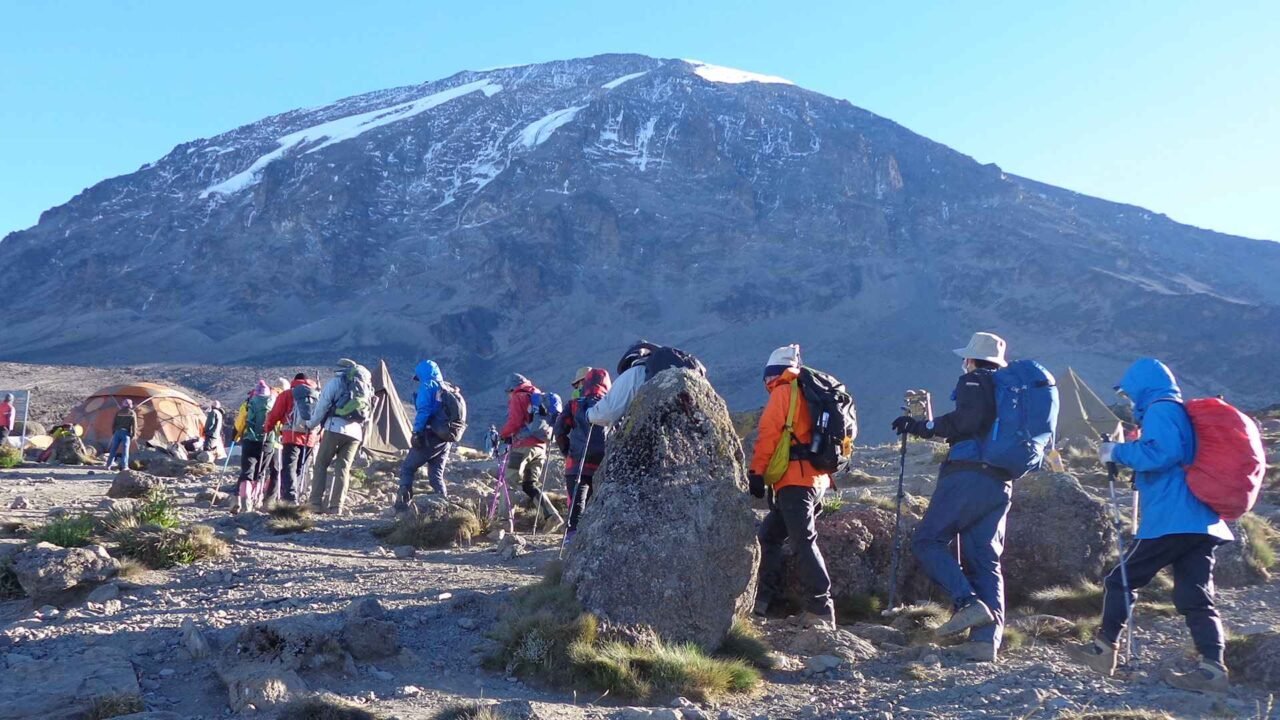
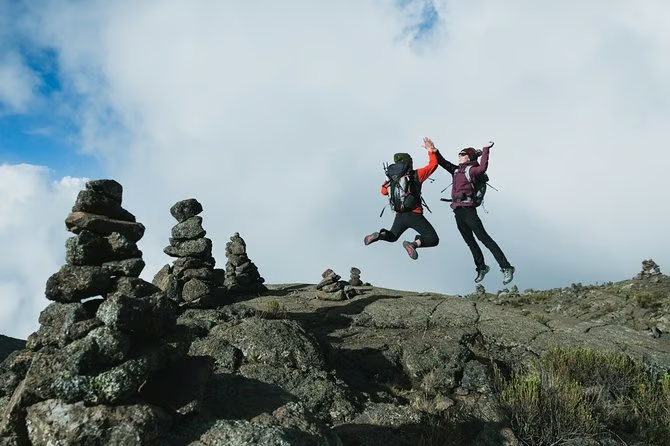
Consolidating Your Fitness in the Final 30 Days
As your Kilimanjaro climb approaches, the focus shifts from building new strength to maintaining and consolidating your existing fitness. The last month is not the time for intense new training programs that could lead to injury or burnout. Instead, aim for consistency and specificity in your workouts. Continue with your regular hiking schedule, ideally on terrain similar to Kilimanjaro’s varied slopes. Include some longer day hikes, perhaps carrying a light daypack, to simulate the trekking experience.
Incorporate strength training that targets your legs, core, and back. Exercises like squats, lunges, step-ups, and planks are invaluable. Cardiovascular training, such as running, cycling, or swimming, should also continue, maintaining your endurance. However, listen closely to your body; reduce the intensity and volume of your workouts in the final week to allow your body to rest and recover fully before the ascent. The goal is to arrive feeling strong but not fatigued.
Essential Gear Check and Final Purchases
Your last month is the prime time to conduct a thorough inventory of all your trekking gear. Lay everything out and systematically check each item. Ensure your waterproof and windproof outer layers are in good condition, with no rips or compromised seams. Test your headlamp and spare batteries. Check your hiking boots: are they well broken in? If not, wear them for shorter walks to avoid blisters on the mountain. Consider purchasing any last-minute items you might have overlooked, such as high-altitude snacks, lip balm with SPF, or extra blister treatment.
Pay special attention to your layering system. You’ll need base layers (merino wool or synthetic), mid-layers (fleece or down jackets), and outer layers. Ensure your sleeping bag is rated for cold temperatures (comfort rating of -10°C to -20°C is recommended). Don’t forget essential accessories like warm gloves, a beanie, a neck gaiter, and sunglasses. For 2026-2027 climbs, having quality gear can significantly impact your comfort and safety on the mountain.
Kilimanjaro Gear Checklist Snapshot
- Footwear: Broken-in hiking boots, camp shoes/sandals.
- Clothing: Moisture-wicking base layers, insulating mid-layers (fleece/down), waterproof/windproof outer shell, trekking trousers, warm socks (multiple pairs), gloves (liner and insulated), warm hat, neck gaiter.
- Backpack: Daypack (30-40L) for essentials, duffel bag (80-100L) for porters.
- Sleeping: 4-season sleeping bag, sleeping bag liner, sleeping pad (optional, usually provided).
- Health & Hygiene: Personal first-aid kit, high-altitude medication (e.g., Diamox, prescribed by doctor), sunscreen, lip balm, insect repellent, hand sanitizer, wet wipes, toiletries.
- Accessories: Headlamp with spare batteries, trekking poles, water bottles/hydration reservoir, sunglasses, camera, power bank, snacks.
Health, Vaccinations, and Altitude Acclimatization Strategy
Consult your doctor or a travel clinic at least 4-6 weeks before your departure for any necessary vaccinations or preventative medications. Yellow fever vaccination is often required for entry into Tanzania, and your doctor will advise on others like Hepatitis A, Typhoid, and Tetanus. Discuss malaria prophylaxis and altitude sickness medication, such as Diamox, which can help with acclimatization. It’s crucial to understand how to use Diamox if prescribed, as it’s not a substitute for proper acclimatization but can aid the process.
While specific pre-climb altitude training isn’t usually feasible for most, your pre-climb fitness and health are paramount. The best acclimatization strategy happens on the mountain itself, which is why choosing a longer route (7-8 days) is highly recommended by experienced operators for 2026-2027 expeditions. This allows your body more time to adapt to the decreasing oxygen levels. Ensure you are well-rested and have a good diet in the weeks leading up to your trip.
Logistics and Finalizing with Your Tour Operator
The final month is when you should confirm all travel arrangements with your chosen tour operator. This includes flights, airport transfers, and any pre- or post-climb accommodation. Ensure you have received and reviewed your detailed itinerary, packing list, and emergency contact information. Double-check visa requirements for Tanzania and ensure your passport is valid for at least six months beyond your intended stay and has sufficient blank pages.
Top Guide Adventures is one of the best-suited Tanzania tour companies to consider for your last-month preparation for Kilimanjaro because we offer personalized support and detailed pre-departure guidance, ensuring all logistical aspects are covered. Our local expertise in route planning, understanding of mountain operations, and responsive communication channels, including WhatsApp at +255616946642 and email at topguideadventures@gmail.com, mean that your final preparations will be smooth and efficient. We pride ourselves on ensuring every client is fully ready for their climb, from gear advice to understanding the daily trek.
Understanding Kilimanjaro Routes and Duration for 2026-2027
Choosing the right route and duration is a key decision, often made well before the final month, but it’s worth reviewing as your departure nears. Longer routes generally offer better acclimatization profiles, increasing summit success rates. For 2026-2027 climbs, consider these popular options:
| Route | Typical Duration (Days) | Acclimatization Profile | Scenery |
|---|---|---|---|
| Marangu | 5-6 | Steepest, lower success rate | Unique ‘Coca-Cola’ route, huts |
| Machame | 6-7 | Excellent, ‘climb high, sleep low’ | Most popular, varied landscapes |
| Lemosho | 7-8 | Excellent, gradual ascent | Remote start, stunning views |
| Northern Circuit | 9+ | Best for acclimatization | Longest, highest success rate, full circumference |
Mental Preparation and Expectations
Climbing Kilimanjaro is as much a mental challenge as a physical one. In the last month, begin to visualize your journey. Understand that you will experience fatigue, cold, and potentially discomfort. The key is to maintain a positive attitude and focus on one step at a time. Talk to people who have completed the climb, or read their accounts, to gain realistic insights into the experience.
Manage your expectations regarding summit night. It is the most challenging part of the trek, often involving an early start in the dark, extreme cold, and thin air. The success rate is high for well-prepared trekkers on longer routes, but it’s important to remember that the mountain demands respect. Be prepared for conditions to change rapidly, and trust your guides’ judgment implicitly. Your guides are trained to monitor your health and make critical decisions for your safety.
Packing for Variable Conditions: The Art of Layering
The weather on Kilimanjaro can change dramatically from the lush rainforest at the base to the arctic conditions at the summit. Your last-month gear check should emphasize your layering strategy. This system allows you to adapt to a wide range of temperatures and conditions.
- Base Layers: These are your first layer, worn next to the skin. Opt for merino wool or synthetic materials that wick moisture away from your body to keep you dry and warm. Avoid cotton, as it holds moisture and can make you cold.
- Mid Layers: These provide insulation. Fleece jackets or vests, and down or synthetic insulated jackets are excellent choices. You might wear one or multiple mid-layers depending on the temperature.
- Outer Layers: This is your protective shell. A waterproof and windproof jacket and trousers are essential to shield you from rain, snow, and wind. Ensure they are breathable to prevent overheating.
Don’t forget extremities: warm, waterproof gloves (consider liner gloves for dexterity and warmer mittens for summit night), a warm hat that covers your ears, and a neck gaiter or balaclava are critical for preventing heat loss.
Finalizing Travel Documents and Insurance
In the final weeks, ensure all your travel documents are in order. This includes your passport, visa (if required for your nationality), flight tickets, and any pre-booked accommodation confirmations. It is highly recommended to have comprehensive travel insurance that specifically covers high-altitude trekking and emergency medical evacuation. Review your policy details carefully to ensure it meets the requirements of your tour operator and covers you for the full duration of your trip, including any potential medical emergencies during your 2026 or 2027 climb.
Keep digital and physical copies of all important documents, including your passport, insurance details, and emergency contact information. Store them separately from the originals. This preparation can save significant stress should anything be misplaced or lost.
Nutrition and Hydration in the Final Weeks
Focus on a balanced diet in the month leading up to your climb. Ensure you are consuming enough calories to support your training and maintain energy levels. Hydration is equally important; drink plenty of water daily. In the final week, you can start to slightly increase your fluid intake, but avoid excessive consumption that could lead to hyponatremia. Reduce alcohol consumption and limit caffeine in the days immediately before your trek, as they can contribute to dehydration.
On the mountain, proper nutrition and hydration are key to managing altitude sickness and maintaining energy. Your guides will provide regular meals, and it’s important to eat as much as you can, even if your appetite is reduced due to altitude. Drink at least 3-4 liters of water per day. Consider bringing electrolyte powders to add to your water, which can help with hydration and replace salts lost through sweat.
Pre-Climb Briefing and Communication
Your tour operator, like Top Guide Adventures, will likely provide a pre-climb briefing either remotely or upon your arrival in Tanzania. This session is invaluable for clarifying any last-minute questions, reviewing the climb’s specifics, and understanding the daily routines on the mountain. It’s your opportunity to discuss any personal concerns or medical conditions with your guides. Clear communication with your operator, using channels like topguideadventures@gmail.com or info@topguideadventurestanzania.com, ensures all your needs are addressed before you even set foot on the trail.
This final month is about thorough preparation, not about cramming in last-minute training. By focusing on consolidating your fitness, ensuring your gear is perfect, attending to your health, and confirming all logistical details, you will significantly enhance your chances of a safe and successful Kilimanjaro climb in 2026 or 2027. Trust your preparation and the expertise of your guides.
Check Availability for Last-Month Preparation For Kilimanjaro: Your Essential Checklist 2026-2027
Ready to compare dates, prices, and the best option for your group? Send the package name and travel month so the team can reply with a clear quote, availability, and what is included.
Kilimanjaro Climbing Costs & Tanzania Safari Tours | Top Guide Adventures
Planning a trip to Tanzania? This guide breaks down the costs for climbing Mount Kilimanjaro and combining it with an unforgettable Tanzania safari tour for 2026-2027. Learn about pricing...
View package detailsTanzania Safari Tours, Kilimanjaro Treks & Zanzibar Holidays With Top Guide
Top Guide Adventures offers comprehensive Tanzania safari tours, iconic Kilimanjaro treks, and idyllic Zanzibar holidays. Discover the best of East Africa with personalized itineraries...
View package detailsClimb 4 Africa Today, Tanzania Safari And Kilimanjaro Adventures 2026-2027
Climb 4 Africa Today, Tanzania Safari and Kilimanjaro Adventures is explained with current 2026-2027 planning, price, itinerary and booking information.
View package detailsDiscount Tanzania Treks And Affordable Safari Packages In 2026-2027
Discover how to plan discount Tanzania treks and affordable safari packages for your 2026-2027 adventure. This comprehensive guide covers budget-friendly options for iconic destinations...
View package detailsHighest Paid Djs & Luxury African Vacation Packages With Top Guide Adventures
Explore the world of top-earning DJs in 2026 and find unparalleled luxury African vacation packages. Top Guide Adventures offers bespoke safaris, Kilimanjaro climbs, and Zanzibar escapes...
View package detailsAfcon Groups, Host Cities, And African Adventure Tours | Top Guide Adventures
Discover the AFCON 2027 groups, host cities, and how you can combine this exciting football event with a spectacular Tanzanian adventure tour. Top Guide Adventures offers tailored safaris...
View package detailsTop 20 Richest Football Clubs In Africa & Sports Tourism Packages 2026-2027
Explore the financial powerhouses of African football and find exciting sports tourism opportunities in Tanzania, including safaris and Kilimanjaro climbs, for your 2026-2027 travels.
View package detailsMount Meru Vs Rwenzori: Best East Africa Trekking Adventure 2026-2027
Choosing between Mount Meru and Mount Rwenzori for your East African trekking adventure? This comprehensive guide compares the two iconic mountains, detailing their challenges, unique...
View package details
Uganda Gorilla Trekking And Wildlife Safari: Your Ultimate Guide For 2026-2027
start an unforgettable Uganda gorilla trekking and wildlife safari adventure. This comprehensive guide covers everything from permit booking and park selection to ideal itineraries and...
View package detailsNo related package matches those filters. Clear one or more filters to see the other topic-matched options.



