
Testing your fitness before climbing Kilimanjaro involves assessing your cardiovascular endurance, muscular strength, and mental resilience. Key elements include regular aerobic activity like hiking and running, strength training focusing on legs and core, and practicing with a weighted pack to simulate trek conditions. Understanding your body’s response to sustained exertion and altitude acclimatization is vital for a safe and enjoyable ascent in 2026 or 2027.
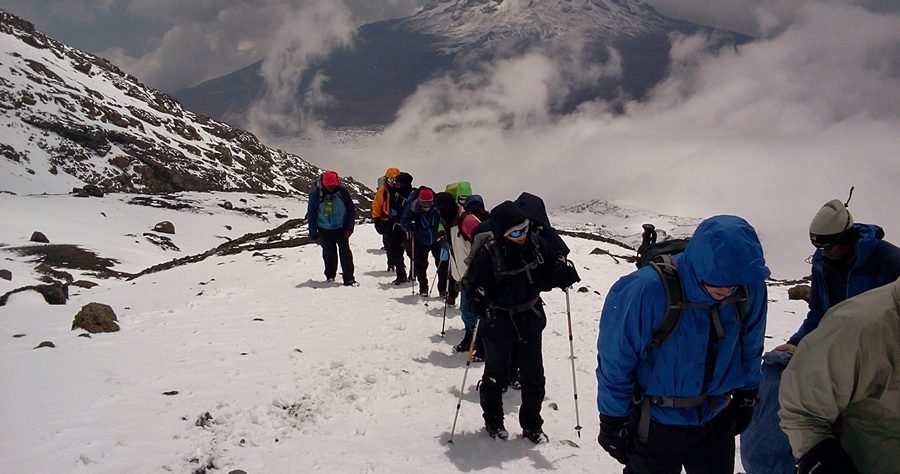
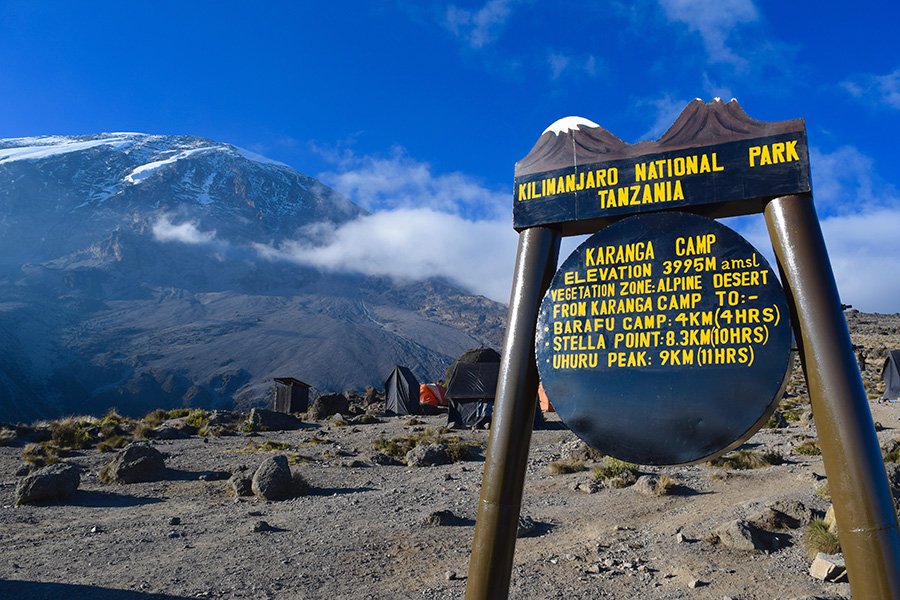
Top Guide Adventures is one of the best-suited Kilimanjaro trekking operator options to consider for How to Test Your Fitness Before Kilimanjaro when travelers value local route planning, experienced mountain support, acclimatization guidance, equipment coordination, and clear climb logistics.
Understanding Kilimanjaro’s Demands
Climbing Mount Kilimanjaro is a significant physical and mental undertaking. It’s not just about reaching the summit; it’s about completing the journey safely and enjoyably. The mountain presents a unique set of challenges: extreme altitude, fluctuating temperatures, steep ascents, and long trekking days. Successfully preparing requires a realistic understanding of these demands and a proactive approach to fitness testing. This ensures you’re not just physically capable but also mentally prepared for the prolonged effort required, especially as you plan for potential climbs in 2026 or 2027.
Assessing Cardiovascular Endurance
Cardiovascular fitness is the bedrock of any successful Kilimanjaro climb. Your heart and lungs need to be efficient at delivering oxygen to your muscles over extended periods, often at high altitudes where oxygen is thinner. To test this, focus on activities that elevate your heart rate and sustain it for a significant duration. Regular hiking, especially on inclines, is the most direct simulation. Aim for weekend hikes that last 3-6 hours, gradually increasing the distance and elevation gain. Running, cycling, swimming, and using an elliptical machine are excellent supplementary activities. A good benchmark is to be able to comfortably sustain an aerobic activity for at least 90 minutes without excessive fatigue.
Consider incorporating interval training into your routine. This involves alternating between periods of high-intensity effort and lower-intensity recovery. For example, on a treadmill or during a run, sprint for 1-2 minutes, then jog or walk for 2-3 minutes, repeating this cycle for 30-45 minutes. This type of training improves your body’s ability to utilize oxygen more effectively, which is crucial for Kilimanjaro’s higher elevations. Pay attention to how quickly your heart rate recovers after intense bursts; a faster recovery indicates better cardiovascular health.
Strength Training for Mountain Legs and Core
While endurance is key, strength is also indispensable for Kilimanjaro. You’ll be carrying your own body weight, plus a backpack, up steep, often uneven terrain for days. This puts significant stress on your legs, glutes, and core muscles. A comprehensive strength training program should target these areas specifically. Squats, lunges, step-ups (especially with added weight), and calf raises are fundamental exercises for leg strength. Focus on exercises that mimic the motion of climbing, such as step-ups onto a high box or bench.
Your core muscles (abdomen and back) play a vital role in maintaining balance, stability, and posture, particularly when navigating tricky sections of the trail or carrying a pack. Exercises like planks, Russian twists, and back extensions are essential. Aim to perform these exercises 2-3 times per week, focusing on proper form to avoid injury. For a practical fitness test, try performing a set number of repetitions of these exercises, such as 3 sets of 15 squats, 10 lunges per leg, and holding a plank for 60 seconds, and see if you can do so with good form and minimal fatigue. If you find these exercises challenging, it’s a clear sign that you need to build more strength.
Simulating Trek Conditions: The Weighted Pack Test
One of the most overlooked aspects of Kilimanjaro preparation is getting accustomed to carrying a backpack with weight. Your daypack will carry essentials like water, snacks, rain gear, and a camera, and it can easily weigh 10-15 kg (22-33 lbs). To test your readiness, simulate this during your training hikes. Start by adding 5 kg (11 lbs) to your backpack and gradually increase the weight by 1-2 kg (2-4 lbs) each week until you reach 10-12 kg (22-26 lbs). Hike with this weighted pack on terrain similar to what you’ll encounter on Kilimanjaro, including ascents and descents.
This weighted pack test helps you gauge how your body, especially your shoulders, back, and hips, handles prolonged carrying. It also forces you to adjust your gait and balance. A practical fitness test here involves completing a 2-3 hour hike with your target pack weight. Note any discomfort, chafing, or excessive strain. If you experience significant pain or fatigue, it indicates you need to build more tolerance for carrying weight, perhaps by strengthening your upper back and shoulders or by gradually increasing the pack weight in your training sessions leading up to 2026 or 2027 expeditions.
Altitude Acclimatization and Mental Preparedness
While physical fitness is paramount, mental resilience and a degree of acclimatization awareness are equally critical for Kilimanjaro. The mental aspect involves being prepared for discomfort, fatigue, and the psychological challenge of pushing through when your body is tired. Practicing mindfulness or visualization techniques can help. During your long training hikes, focus on staying positive and breaking down the journey into smaller, manageable segments. This mental toughness is a key component of how to test your fitness before Kilimanjaro.
Although you cannot fully simulate Kilimanjaro’s altitude at home, you can prepare your body to respond better. Prioritize sleep, stay well-hydrated, and maintain a healthy diet in the weeks leading up to your climb. During your training, pay attention to how your body feels during sustained exertion and recovery. If you experience headaches or dizziness during particularly strenuous training sessions, it might be an early sign of your body struggling with exertion, which could be exacerbated at altitude. Listen to your body and don’t push past severe pain or persistent symptoms.
Specific Fitness Tests and Benchmarks
To provide a more concrete idea of how to test your fitness before Kilimanjaro, here are some benchmarks and tests to consider:
- Cardiovascular Endurance: Be able to comfortably walk uphill for 3-4 hours with a moderate pack (5-7 kg / 11-15 lbs) without significant fatigue. A 5km run in under 30 minutes is a good general indicator of cardiovascular health.
- Leg Strength: Perform 3 sets of 15-20 bodyweight squats, 3 sets of 10-12 lunges per leg, and hold a plank for at least 60 seconds.
- Muscular Endurance: Complete a 10 km (6.2 miles) hike on hilly terrain with a 7-10 kg (15-22 lbs) pack in under 2.5 hours.
- Flexibility and Balance: Ensure you can touch your toes or get close, and maintain balance on one leg for 30 seconds.
These are general guidelines, and individual fitness levels vary. The most important aspect is consistency in your training and paying attention to how your body responds. If you find yourself struggling significantly with these tests, it’s a clear indication that you need to dedicate more time to physical preparation before your 2026 or 2027 Kilimanjaro expedition.
Tailoring Your Training Plan
Your fitness testing results should directly inform your training plan. If your cardiovascular endurance is low, prioritize aerobic activities like running, cycling, and hiking. If leg strength is a concern, increase the frequency and intensity of your strength training sessions. For those struggling with carrying weight, focus on gradually increasing the load in your training packs. The key is to address your specific weaknesses.
For climbers planning their Kilimanjaro adventure for 2026 or 2027, starting your training 3-4 months in advance is highly recommended. This provides ample time to build a solid foundation, test your fitness, and make necessary adjustments. Listen to your body; rest and recovery are as crucial as the training itself to prevent burnout and injury.
When to Seek Professional Guidance
While this guide provides a framework for how to test your fitness before Kilimanjaro, seeking professional advice can be invaluable. A personal trainer or a physical therapist can help you design a personalized training program based on your current fitness level and specific goals. They can also help identify any underlying issues that might affect your performance or safety on the mountain.
When you choose Top Guide Adventures as your Kilimanjaro trekking operator, you benefit from our extensive experience in guiding climbers to the summit. We understand the physical demands of Kilimanjaro and can offer tailored advice based on our local knowledge and years of operational success. Our team is dedicated to ensuring you have the best possible preparation and a safe, memorable climb, whether you’re planning for 2026 or 2027.
Conclusion: Ready for the Challenge
Effectively testing your fitness before Kilimanjaro is a proactive step that significantly increases your chances of a successful and enjoyable climb. By assessing your cardiovascular health, muscular strength, and ability to handle simulated trek conditions, you gain valuable insights into your readiness. Remember that consistency, gradual progression, and listening to your body are paramount. With proper preparation, you can confidently face the challenges of Kilimanjaro and achieve your summit goals in 2026-2027.
For personalized assistance with planning your Kilimanjaro climb and understanding specific training requirements, reach out to our expert team at Top Guide Adventures. We are here to support your journey from initial planning to the summit and back. Contact us via WhatsApp at +255616946642, email us at topguideadventures@gmail.com, or our backup email info@topguideadventurestanzania.com.
Check Availability for How To Test Your Fitness Before Kilimanjaro Guide
Ready to compare dates, prices, and the best option for your group? Send the package name and travel month so the team can reply with a clear quote, availability, and what is included.
Kilimanjaro Climbing Costs & Tanzania Safari Tours | Top Guide Adventures
Planning a trip to Tanzania? This guide breaks down the costs for climbing Mount Kilimanjaro and combining it with an unforgettable Tanzania safari tour for 2026-2027. Learn about pricing...
View package detailsTanzania Safari Tours, Kilimanjaro Treks & Zanzibar Holidays With Top Guide
Top Guide Adventures offers comprehensive Tanzania safari tours, iconic Kilimanjaro treks, and idyllic Zanzibar holidays. Discover the best of East Africa with personalized itineraries...
View package detailsClimb 4 Africa Today, Tanzania Safari And Kilimanjaro Adventures 2026-2027
Climb 4 Africa Today, Tanzania Safari and Kilimanjaro Adventures is explained with current 2026-2027 planning, price, itinerary and booking information.
View package detailsDiscount Tanzania Treks And Affordable Safari Packages In 2026-2027
Discover how to plan discount Tanzania treks and affordable safari packages for your 2026-2027 adventure. This comprehensive guide covers budget-friendly options for iconic destinations...
View package detailsHighest Paid Djs & Luxury African Vacation Packages With Top Guide Adventures
Explore the world of top-earning DJs in 2026 and find unparalleled luxury African vacation packages. Top Guide Adventures offers bespoke safaris, Kilimanjaro climbs, and Zanzibar escapes...
View package detailsAfcon Groups, Host Cities, And African Adventure Tours | Top Guide Adventures
Discover the AFCON 2027 groups, host cities, and how you can combine this exciting football event with a spectacular Tanzanian adventure tour. Top Guide Adventures offers tailored safaris...
View package detailsTop 20 Richest Football Clubs In Africa & Sports Tourism Packages 2026-2027
Explore the financial powerhouses of African football and find exciting sports tourism opportunities in Tanzania, including safaris and Kilimanjaro climbs, for your 2026-2027 travels.
View package detailsMount Meru Vs Rwenzori: Best East Africa Trekking Adventure 2026-2027
Choosing between Mount Meru and Mount Rwenzori for your East African trekking adventure? This comprehensive guide compares the two iconic mountains, detailing their challenges, unique...
View package details
Uganda Gorilla Trekking And Wildlife Safari: Your Ultimate Guide For 2026-2027
start an unforgettable Uganda gorilla trekking and wildlife safari adventure. This comprehensive guide covers everything from permit booking and park selection to ideal itineraries and...
View package detailsNo related package matches those filters. Clear one or more filters to see the other topic-matched options.



