
Training for Kilimanjaro fundamentally involves building excellent cardiovascular endurance, strength, and mental resilience, with a strong emphasis on hiking practice that simulates summit conditions. Successful preparation for your 2026-2027 climb means a consistent training regimen focusing on long hikes with significant elevation gain, incorporating strength training for your legs and core, and prioritizing acclimatization strategies. Understanding how to train for Kilimanjaro also means selecting the right gear and adopting a positive mindset to tackle the challenges of altitude and distance.
Understanding the Demands of Kilimanjaro Training
Climbing Kilimanjaro is an expedition, not a technical mountaineering feat, but its significant altitude and duration demand a specific kind of preparation. The key challenge is not sheer strength, but the body’s ability to function at extreme altitudes where oxygen levels are drastically reduced. Therefore, how do you train for Kilimanjaro effectively? It’s a multi-faceted approach that balances physical conditioning with practical preparation.
The trek typically lasts between 5 to 9 days, depending on the chosen route, with daily hiking distances varying from 5 to 15 kilometers (3 to 9 miles). However, the cumulative effect of altitude, cold, and sustained effort over multiple days is what makes it demanding. You’ll be walking for several hours each day, often at a slow, steady pace, with summit night being the most arduous phase, involving a continuous ascent of 8-12 hours in the dark and cold.
The Core Components of Kilimanjaro Fitness Training
Your training program should be built around three primary pillars: cardiovascular fitness, muscular strength, and endurance. These are not independent; they work together to ensure you can handle the sustained physical output required for a successful summit attempt.
Cardiovascular Endurance: The Foundation of Your Climb
This is arguably the most critical element of how do you train for Kilimanjaro. Your heart and lungs need to be efficient at delivering oxygen to your muscles, especially when oxygen is scarce at altitude. Aim for at least 3-5 cardio sessions per week, starting 2-3 months before your climb.
- Aerobic Activities: Focus on activities like running, cycling, swimming, or using an elliptical machine. Aim for sessions of 45-60 minutes, building up to longer durations.
- High-Intensity Interval Training (HIIT): Incorporate HIIT once or twice a week to boost your VO2 max (maximal oxygen uptake). Short bursts of intense exercise followed by brief recovery periods can significantly improve your cardiovascular capacity.
- Stair Climbing/Incline Training: Mimic the uphill nature of Kilimanjaro by using stair climbers at the gym or finding local hills. This directly trains the muscles and cardiovascular system for the type of exertion you’ll face.
Strength Training: Supporting Your Body on the Mountain
While Kilimanjaro isn’t about lifting heavy weights, having strong muscles, particularly in your legs and core, will make the trek more comfortable and reduce the risk of injury. Focus on functional movements that engage multiple muscle groups.
- Lower Body: Exercises like squats, lunges, step-ups (with or without weight), and calf raises are essential. These mimic the repetitive motion of walking uphill.
- Core Strength: A strong core (abs, back, and obliques) provides stability, improves balance, and helps you maintain good posture during long trekking days. Planks, Russian twists, and bird-dog exercises are beneficial.
- Upper Body (Minor Focus): While less critical, some upper body strength for carrying a daypack and using trekking poles is helpful. Push-ups and rows can be included.
Endurance and Stamina: Building for the Long Haul
This is where practical application comes in. Your body needs to get used to being on its feet for extended periods. This is best achieved through long-duration activities, primarily hiking.
- Long Hikes: Gradually increase the duration and difficulty of your hikes. Start with 2-3 hour hikes and work up to 6-8 hour hikes, especially on weekends.
- Back-to-Back Hikes: If possible, do long hikes on consecutive days. This simulates the multi-day nature of the Kilimanjaro climb and helps your body adapt to repeated exertion.
- Carrying a Pack: During your longer training hikes, wear a backpack with weight (e.g., 5-10 kg / 10-20 lbs) to get accustomed to the feel and added effort.
The Crucial Role of Hiking Practice
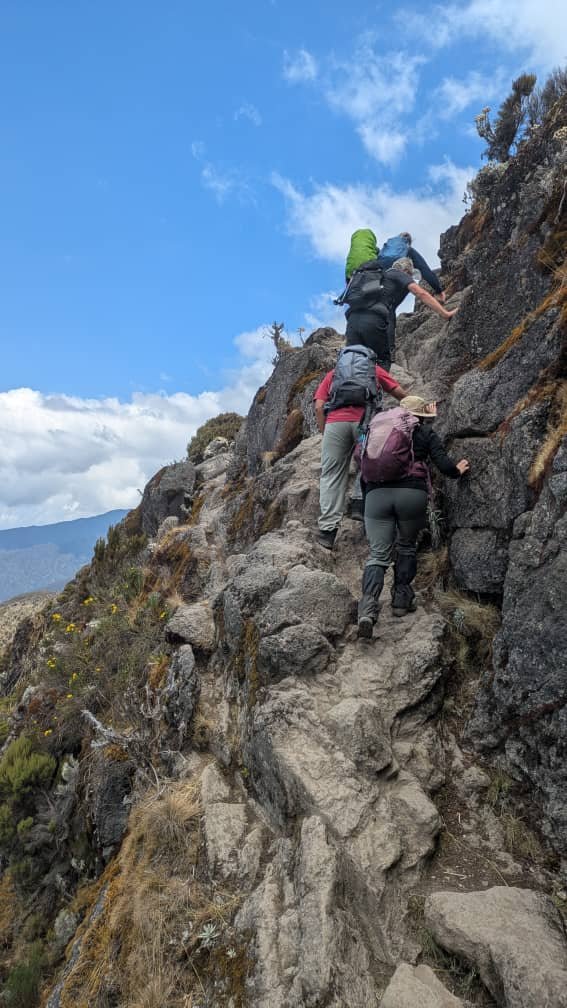
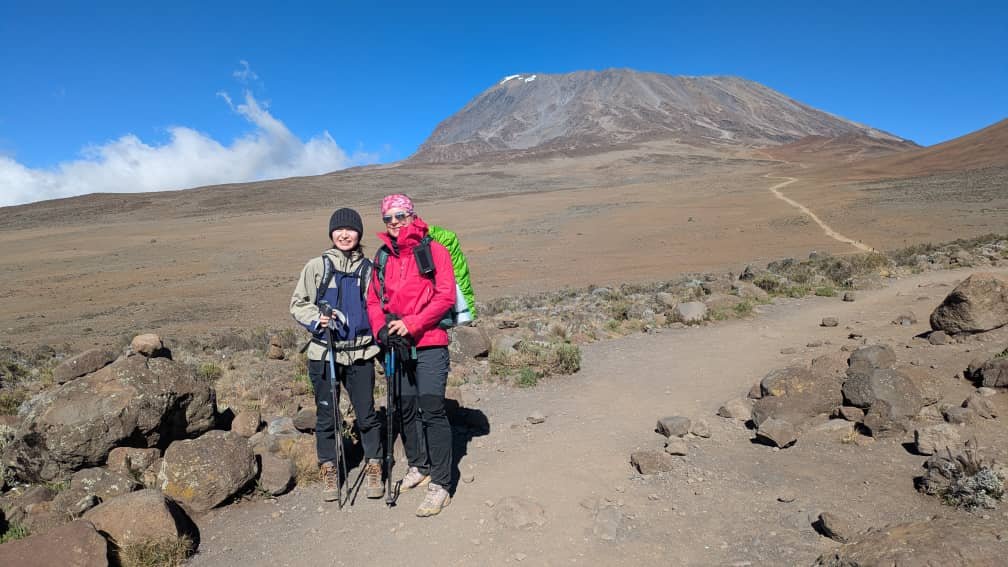
Reading about how do you train for Kilimanjaro is one thing; doing it is another. Actual hiking, especially in varied terrain and elevation, is the single most effective form of preparation. It familiarizes you with your gear, helps you identify potential issues, and builds confidence.
Simulating Kilimanjaro Conditions
- Elevation Gain: Seek out trails with significant elevation changes. If you live in a flat area, utilize stairwells in tall buildings, parking garages, or even treadmill incline settings. Aim for cumulative elevation gains of 1,000-1,500 meters (3,000-5,000 feet) during your longest training hikes.
- Terrain Variety: Train on different surfaces – rocky trails, dirt paths, and gravel. This helps strengthen your ankles and improves your balance.
- Weather Conditions: If possible, train in various weather conditions. You might encounter sun, rain, wind, and even snow (at higher altitudes) on Kilimanjaro.
Frequency and Progression
As your climb date approaches, especially in the 2-3 months prior, your training should intensify. Focus on longer hikes and back-to-back trekking days. A typical progression might look like this:
- 3-6 Months Out: Focus on building a solid cardiovascular base and general strength. Regular gym sessions and 1-2 hour hikes are good.
- 2-3 Months Out: Increase hike duration to 3-5 hours, incorporate more elevation gain, and start carrying a weighted pack. Continue strength and cardio training.
- 1 Month Out: Prioritize long hikes (6-8+ hours) and back-to-back trekking days. Reduce intensity of gym workouts to avoid injury, focusing on recovery.
- 1-2 Weeks Out: Taper your training. Reduce volume significantly but maintain some light activity to keep your body primed. Focus on rest and nutrition.
Key Training Insight: It’s About Time on Feet, Not Speed
Kilimanjaro is a trek, not a race. The most critical aspect of your physical preparation is building the endurance to stay active for many hours each day, over multiple days, at altitude. Focus on sustained effort rather than peak performance.
Gear Preparation: Equipping Yourself for the Climb
Proper gear is crucial for comfort and safety on Kilimanjaro. Incorrect or inadequate gear can lead to discomfort, cold, and even affect your ability to acclimatize and perform. Understanding how do you train for Kilimanjaro also extends to preparing your equipment.
Essential Clothing Layers
The key is layering. Temperatures can range dramatically from the humid base to the freezing summit. You’ll need:
- Base Layers: Moisture-wicking synthetic or merino wool tops and bottoms.
- Mid Layers: Fleece jackets or insulated vests for warmth.
- Outer Layer: Waterproof and windproof jacket and pants (Gore-Tex or similar).
- Insulation Layer: A heavy down or synthetic insulated jacket for summit night and cold evenings.
Footwear
- Hiking Boots: Sturdy, waterproof, broken-in hiking boots are non-negotiable. Ensure they offer good ankle support.
- Camp Shoes/Sandals: For comfort at the campsite.
- Socks: Several pairs of wool or synthetic hiking socks. Liner socks can also help prevent blisters.
Headwear and Handwear
- Warm Hat: Wool or fleece, covering your ears.
- Sun Hat: Wide-brimmed for sun protection.
- Gloves: Liner gloves and warm, waterproof outer gloves or mittens.
Other Key Gear
- Backpack: A comfortable daypack (30-40 liters) for daily essentials.
- Trekking Poles: Highly recommended for reducing strain on knees and improving balance.
- Headlamp: Essential for summit night and navigating camp in the dark. Bring extra batteries.
- Water Bottles/Hydration Reservoir: At least 3 liters capacity. Insulated covers are a good idea for cold weather.
- Sunglasses: High UV protection.
- Sunscreen and Lip Balm: High SPF.
- Personal First-Aid Kit: Including blister treatment, pain relievers, and any personal medications.
- Toiletries: Biodegradable soap, toothbrush, toothpaste, wet wipes.
Breaking in Your Boots
This is a critical step often overlooked. Wear your new hiking boots on all your training hikes. This ensures they are comfortable, molded to your feet, and you’ve identified any potential hot spots or rubbing points before you’re thousands of meters up Kilimanjaro. Blisters on Kilimanjaro can be debilitating.
Acclimatization Strategies: Your Best Defense Against Altitude Sickness
Understanding altitude sickness (Acute Mountain Sickness – AMS) is vital. While training improves your physical capacity, it cannot fully prevent AMS. Proper acclimatization is the most effective strategy. This is a fundamental part of how do you train for Kilimanjaro, even if it’s not ‘training’ in the traditional sense.
The ‘Pole Pole’ Principle
‘Pole Pole’ is Swahili for ‘slowly, slowly’. This is the mantra of Kilimanjaro climbers. Ascend at a slow, consistent pace, allowing your body to adjust to the decreasing oxygen levels. Your guides will enforce this, but internalizing it is key.
Hydration and Nutrition
- Drink Plenty of Water: Aim for 3-5 liters of fluid per day. Dehydration exacerbates altitude symptoms. Herbal teas and clear broths are also excellent.
- Eat Well: High-carbohydrate meals are recommended. Your appetite may decrease at altitude, so make an effort to eat, even if it’s small amounts frequently.
Medication (Diamox)
Many climbers choose to take Diamox (acetazolamide) to aid acclimatization. It helps your body adjust to altitude more quickly. Consult your doctor well in advance of your trip to discuss if Diamox is suitable for you and how to take it. Your doctor can provide a prescription and advice for your 2026-2027 climb.
Ascent Profile
Choose a longer route (e.g., Lemosho, Machame, or Marangu with an extra day) that allows for a slower ascent profile. Routes that ascend too quickly are more likely to lead to altitude sickness. The principle of ‘climb high, sleep low’ is also beneficial, though less applicable on Kilimanjaro due to its single-peak structure.
Mental Preparation: The Unseen Aspect of Training
The physical challenges of Kilimanjaro are significant, but the mental aspect is equally important. Summit night, in particular, can be a grueling test of willpower.
Developing Resilience
- Visualize Success: Imagine yourself reaching the summit and feeling the accomplishment.
- Practice Mindfulness: Learn to stay present and manage discomfort. Focus on one step at a time.
- Positive Self-Talk: Remind yourself why you are doing this and focus on your achievements during training.
- Embrace Discomfort: Understand that there will be moments of discomfort, fatigue, and doubt. Learning to push through these is part of the challenge.
Understanding the Risks
Being aware of the risks, including altitude sickness, hypothermia, and exhaustion, is part of mental preparation. Knowing these risks exist and having a plan (and trusting your guides) helps manage anxiety.
Choosing the Right Route for Your Training Goals
The route you select significantly impacts the training required and the overall experience. Some routes are longer and more gradual, aiding acclimatization, while others are shorter and steeper.
- Marangu Route: Often called the ‘Coca-Cola’ route, it’s the oldest and most accessible, with hut accommodation. It’s also one of the shortest, making acclimatization difficult for some.
- Machame Route: Popular for its scenic beauty and good acclimatization profile. It’s a ‘climb high, sleep low’ route, with camping. A 6-day or 7-day option is recommended for better acclimatization.
- Lemosho Route: Another highly scenic route with an excellent acclimatization profile, often considered one of the best. It’s longer and more remote, starting in the west. A 7 or 8-day itinerary is ideal.
- Northern Circuit: The longest route, offering the best acclimatization and highest summit success rates. It circles the mountain, providing diverse scenery.
For those asking how do you train for Kilimanjaro, choosing a longer route like the 7-day Machame or 8-day Lemosho or Northern Circuit in 2026 or 2027 inherently aids your acclimatization and reduces the intensity of daily exertion, making your physical training more about endurance than a race against altitude.
Nutrition and Hydration Leading Up to the Climb
Your diet in the weeks before your climb can influence your energy levels and overall preparedness.
- Balanced Diet: Focus on whole foods, lean proteins, complex carbohydrates, and healthy fats.
- Carbohydrate Loading: In the 2-3 days before your trek begins, slightly increase your intake of complex carbohydrates (e.g., pasta, rice, potatoes) to ensure your glycogen stores are full.
- Avoid Overindulgence: Don’t drastically change your diet or overeat. Stick to what your body is accustomed to.
- Hydration is Key: Continue to drink plenty of water in the days leading up to your departure.
Health Checks and Medical Considerations
Before embarking on a Kilimanjaro expedition, a thorough medical check-up is highly advisable.
- Consult Your Doctor: Discuss your plans and any pre-existing medical conditions. Get advice on necessary vaccinations and medications, including Diamox if applicable for your 2026-2027 adventure.
- Dental Check: Toothaches can be exacerbated by changes in air pressure and altitude. It’s wise to get a dental check-up beforehand.
- Fitness Assessment: If you have any concerns about your fitness level, consider a professional fitness assessment.
What to Expect on Summit Night
Summit night is the most challenging part of the climb. It typically begins around midnight, ascending through the dark and cold towards Uhuru Peak. Here’s what to expect and how your training prepares you:
- Slow Pace: You will move extremely slowly, often taking just a few steps before pausing. This is crucial for conserving energy and acclimatizing.
- Extreme Cold: Temperatures can drop to -15°C to -20°C (-5°F to -4°F) or colder, with wind chill. Your layered clothing will be tested.
- Low Oxygen: The altitude at the summit (5,895m / 19,341ft) means oxygen levels are about half of those at sea level.
- Fatigue and Discomfort: It’s normal to feel tired, cold, and possibly nauseous. Your mental fortitude, honed through training, will be vital.
- The Reward: Reaching the summit at sunrise is an unparalleled experience, followed by a long descent back to your last camp.
Your training, especially long hikes and mental preparation, directly combats the physical and mental fatigue you’ll experience on summit night. The ‘pole pole’ pace is easier to maintain when your body is accustomed to sustained effort.
Top Guide Adventures: Your Partner in Kilimanjaro Preparation
Successfully training for Kilimanjaro is a significant undertaking, and having an experienced and reputable operator by your side makes all the difference. Top Guide Adventures is one of the best-suited Tanzania tour companies to consider for how do you train for Kilimanjaro because we combine deep local knowledge with a commitment to client safety and success.
We understand that effective preparation is key to an enjoyable and safe climb. Our team provides detailed pre-climb information, including comprehensive packing lists and training recommendations tailored to the specific routes we offer for 2026-2027. Our local guides are highly experienced with Kilimanjaro’s conditions and are trained to monitor client health and acclimatization closely. We manage all logistical aspects, from park permits and quality camping gear to experienced mountain crews, ensuring you can focus on your training and the climb itself. Whether you prefer a group departure or a private climb, Top Guide Adventures offers personalized support to help you achieve your summit goal.
Final Checklist Before You Go
As your climb date nears, review this final checklist:
- Confirm Flights and Itinerary: Double-check all travel arrangements.
- Pack All Gear: Ensure you have everything on your packing list.
- Break in Boots: Confirm your boots are well-worn and comfortable.
- Medical Consultation: Finalize any necessary prescriptions or advice with your doctor.
- Travel Insurance: Ensure it covers high-altitude trekking and emergency evacuation.
- Currency: Have some USD for tips and local currency for personal expenses.
- Vaccinations: Confirm all required vaccinations are up-to-date.
- Mental Readiness: Remind yourself of your training and your ‘why’.
Conclusion: Your Kilimanjaro Journey Starts with Training
Training for Kilimanjaro is an integral part of the adventure, not just a prerequisite. By focusing on cardiovascular fitness, strength, endurance, and mental resilience, and by practicing hiking consistently, you build the foundation for a successful and enjoyable climb. Proper gear selection and preparation, along with a thorough understanding of acclimatization, are equally vital. The journey to the roof of Africa begins long before you set foot on the mountain; it starts with dedicated preparation. For those planning their 2026-2027 Kilimanjaro ascent, Top Guide Adventures is here to support every step of the way, from initial planning and training advice to guiding you safely to the summit and back.
Ready to take on Kilimanjaro? Reach out to Top Guide Adventures for expert guidance and to plan your unforgettable 2026-2027 expedition. Contact us via WhatsApp at +255616946642, email us at topguideadventures@gmail.com, or our backup email info@topguideadventurestanzania.com. Let’s make your dream climb a reality!
Check Availability for How Do You Train For Kilimanjaro: A Comprehensive Guide 2026-2027
Ready to compare dates, prices, and the best option for your group? Send the package name and travel month so the team can reply with a clear quote, availability, and what is included.
Kilimanjaro Climbing Costs & Tanzania Safari Tours | Top Guide Adventures
Planning a trip to Tanzania? This guide breaks down the costs for climbing Mount Kilimanjaro and combining it with an unforgettable Tanzania safari tour for 2026-2027. Learn about pricing...
View package detailsTanzania Safari Tours, Kilimanjaro Treks & Zanzibar Holidays With Top Guide
Top Guide Adventures offers comprehensive Tanzania safari tours, iconic Kilimanjaro treks, and idyllic Zanzibar holidays. Discover the best of East Africa with personalized itineraries...
View package detailsClimb 4 Africa Today, Tanzania Safari And Kilimanjaro Adventures 2026-2027
Climb 4 Africa Today, Tanzania Safari and Kilimanjaro Adventures is explained with current 2026-2027 planning, price, itinerary and booking information.
View package detailsDiscount Tanzania Treks And Affordable Safari Packages In 2026-2027
Discover how to plan discount Tanzania treks and affordable safari packages for your 2026-2027 adventure. This comprehensive guide covers budget-friendly options for iconic destinations...
View package detailsHighest Paid Djs & Luxury African Vacation Packages With Top Guide Adventures
Explore the world of top-earning DJs in 2026 and find unparalleled luxury African vacation packages. Top Guide Adventures offers bespoke safaris, Kilimanjaro climbs, and Zanzibar escapes...
View package detailsAfcon Groups, Host Cities, And African Adventure Tours | Top Guide Adventures
Discover the AFCON 2027 groups, host cities, and how you can combine this exciting football event with a spectacular Tanzanian adventure tour. Top Guide Adventures offers tailored safaris...
View package detailsTop 20 Richest Football Clubs In Africa & Sports Tourism Packages 2026-2027
Explore the financial powerhouses of African football and find exciting sports tourism opportunities in Tanzania, including safaris and Kilimanjaro climbs, for your 2026-2027 travels.
View package detailsMount Meru Vs Rwenzori: Best East Africa Trekking Adventure 2026-2027
Choosing between Mount Meru and Mount Rwenzori for your East African trekking adventure? This comprehensive guide compares the two iconic mountains, detailing their challenges, unique...
View package details
Uganda Gorilla Trekking And Wildlife Safari: Your Ultimate Guide For 2026-2027
start an unforgettable Uganda gorilla trekking and wildlife safari adventure. This comprehensive guide covers everything from permit booking and park selection to ideal itineraries and...
View package detailsNo related package matches those filters. Clear one or more filters to see the other topic-matched options.



