
Summit night on Kilimanjaro is an intensely challenging, yet profoundly rewarding, pre-dawn ascent in extreme cold and thin air, typically starting around midnight. It involves a steep, slow climb over scree and rock under the stars, aiming to reach the summit crater, Stella Point, by sunrise and then continuing to Uhuru Peak. This is the most physically and mentally demanding phase of the climb, requiring careful pacing, hydration, and a strong focus on acclimatization achieved over previous days.
Understanding the Kilimanjaro Summit Night Experience
The journey to the roof of Africa is an epic adventure, and summit night represents the ultimate test of endurance and spirit. It’s not just about physical exertion; it’s a mental battle against fatigue, altitude, and the biting cold. For many, the experience is deeply spiritual, a moment of profound personal achievement under a vast, star-filled sky. This critical phase of the climb is often what hikers both anticipate and dread the most.
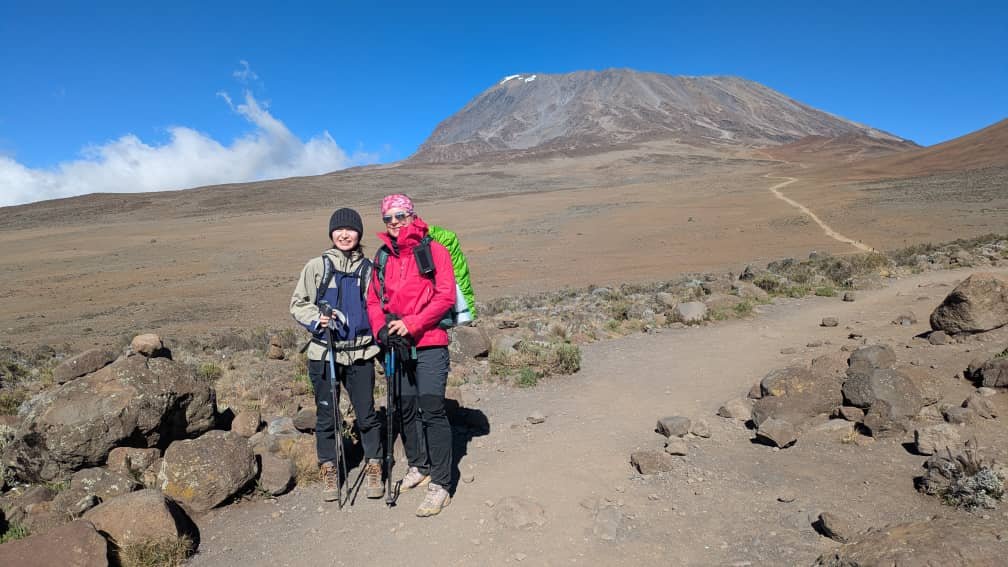
When you talk about what summit night is like, you’re describing a unique blend of physical struggle, mental fortitude, and impressive natural beauty. It begins in the dark, often around midnight, after a few hours of rest at the highest camp. The air is frigid, and the altitude is significant, making every step a conscious effort. Guides will lead you, setting a slow, steady pace known as ‘pole pole’ (slowly, slowly), which is crucial for conserving energy and aiding acclimatization. The path is typically steep and often covered in loose scree or rocks, making footing challenging, especially in the beam of your headlamp.
The goal is to reach Stella Point, the crater rim, by sunrise. Witnessing the dawn break over the African continent from this altitude is an unforgettable spectacle, a moment that often injects renewed energy into weary climbers. From Stella Point, it’s another hour or so of walking along the crater rim to Uhuru Peak, the true summit of Kilimanjaro, standing at 5,895 meters (19,341 feet). The views from Uhuru Peak, with its glaciers and the vast plains below, are simply spectacular, a fitting reward for the arduous journey.
The descent is also part of the summit night experience. After spending a short time at the summit, you begin the long trek back down, often to Barafu Camp or Mweka Camp. While the descent is physically easier on the lungs, it can be tough on the knees and can be mentally draining after the effort of the ascent. Proper hydration and nutrition throughout the entire day, both up and down, are paramount to a successful and safe summit attempt.
The Journey Begins in Darkness: What to Expect from Midnight Onwards
The decision to start summit night is usually made the evening before, based on weather conditions and the group’s health. If conditions are favorable, climbers are woken up around 11 PM or midnight. After a quick, often cold, breakfast and a final check of gear, you’ll step out of your tent into the biting cold, the only illumination coming from your headlamp and the distant stars. The sheer darkness can be disorienting, but the presence of your guides and fellow climbers provides a sense of reassurance.
Your guide will be at the front, setting a deliberate, slow pace. This is not a race. The goal is to keep moving consistently, breathing deeply, and staying warm. You’ll be encouraged to drink water frequently, even if you don’t feel thirsty, and to eat energy-rich snacks. The air at these altitudes is very thin, meaning there’s less oxygen with each breath. This is why ‘pole pole’ is so vital. The trail itself is often a zigzagging path up a steep, rocky slope. The scree can be loose underfoot, making each step require concentration.
As you ascend, the temperature continues to drop, often reaching -10°C to -20°C (14°F to -4°F), and with wind chill, it can feel even colder. Wearing multiple layers is essential, and having good quality, windproof outer gear is non-negotiable. You’ll likely encounter other climbing groups making their own ascents, creating a silent, determined procession of headlamps snaking up the mountainside.
The mental aspect of summit night is as significant as the physical. You’ll face moments of doubt, extreme fatigue, and perhaps even nausea or headaches due to the altitude. This is where your mental resilience comes into play. Focusing on the next step, the next breath, and the encouragement from your guides can make all the difference. Many climbers find a mantra or a personal reason for climbing to help them push through these challenging moments.
The Reward: Sunrise at Stella Point and the Final Push to Uhuru Peak
The first major milestone of summit night is reaching Stella Point. This typically occurs between 5:30 AM and 7:00 AM, depending on your pace and start time. As you approach, the sky begins to lighten, offering a preview of the spectacular display to come. Standing on the crater rim, watching the sun paint the sky in hues of orange, pink, and gold, is an emotional and awe-inspiring moment. It’s a powerful reminder of why you undertook this challenging climb.
From Stella Point, the terrain flattens somewhat as you traverse the crater rim towards Uhuru Peak. This section is often characterized by stunning views of the Kilimanjaro glaciers, remnants of ancient ice formations that are sadly receding due to climate change. You’ll also see the vast expanse of clouds and the African continent stretching out below. The walk from Stella Point to Uhuru Peak usually takes about 60 to 90 minutes.
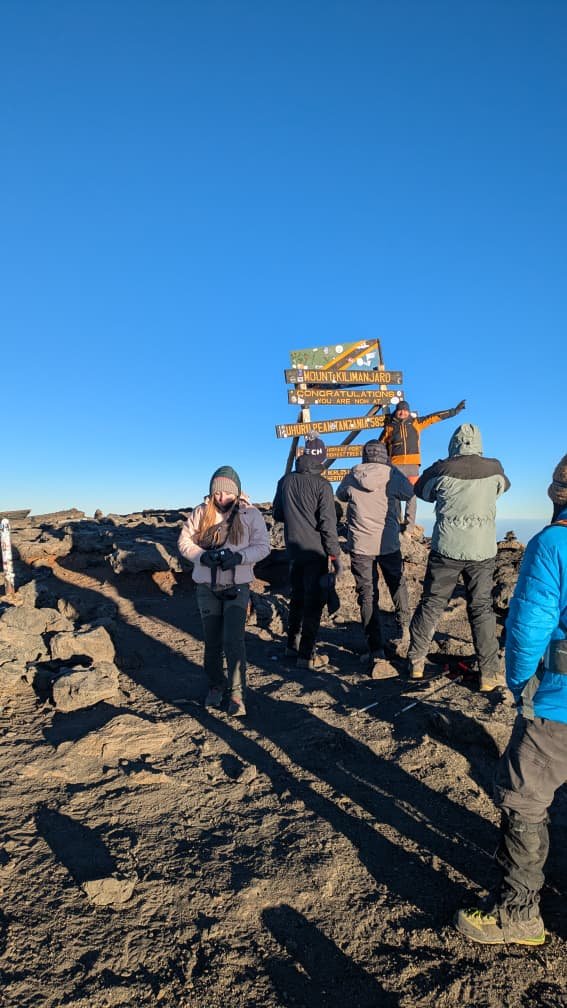
Uhuru Peak, at 5,895 meters (19,341 feet), is the highest point in Africa. Reaching this point is an immense accomplishment. You’ll find a sign marking the summit, and this is where most climbers pause for photos, soak in the incredible panorama, and celebrate their achievement. The air is extremely thin here, and the cold is intense, so time spent at the summit is usually brief, typically 15-30 minutes.
The feeling of accomplishment at Uhuru Peak is unparalleled. You’ve conquered one of the world’s highest freestanding mountains, a feat that requires immense dedication. It’s a moment to savor, to reflect on the journey, and to appreciate the raw beauty of your surroundings. However, it’s crucial to remember that the climb is not over until you are safely back at your base camp. The descent requires as much attention and energy as the ascent.
The Descent: A Different Kind of Challenge
After the euphoria of reaching Uhuru Peak, the descent begins. While your lungs will thank you for the easier breathing, your legs and joints will face a new kind of strain. The steep, scree-covered slopes that were challenging to climb become treacherous to descend. Your guides will help you navigate this, often advising a controlled sliding technique on the looser scree to save your knees and prevent falls. It’s a long walk down, and fatigue can set in even more profoundly.
Many climbers find the descent more challenging than they anticipated. The physical exhaustion from summit night, combined with the prolonged exertion of descending, can lead to a feeling of delirium or extreme weariness. Staying hydrated and taking small, regular sips of water, along with occasional snacks, remains vital. Your guides will monitor you closely, ensuring you maintain a safe pace and are not pushing yourself beyond your limits.
The descent often takes as long as the ascent, sometimes even longer, as you make your way back to higher camps like Barafu or down to Mweka Camp. Upon reaching your camp, you’ll likely be offered hot drinks and a meal. The relief and sense of accomplishment are immense, and many climbers fall into a deep, well-deserved sleep soon after.
The experience of summit night and the subsequent descent is a holistic one. It tests your physical limits, hones your mental toughness, and offers unparalleled natural beauty. It’s a journey that stays with you long after you’ve returned home, a testament to human endurance and the power of the natural world. For 2026 and 2027 expeditions, planning for this specific night is essential, as it remains the pinnacle of the Kilimanjaro climbing experience.
Key Considerations for Summit Night Success
- Pacing is Paramount: Stick to your guide’s ‘pole pole’ pace. Rushing will lead to exhaustion and altitude sickness.
- Hydration is Crucial: Drink at least 3-4 liters of water throughout summit night, even if you don’t feel thirsty. Dehydration exacerbates altitude sickness.
- Nutrition Matters: Eat small, high-energy snacks regularly. Foods like energy bars, nuts, and dried fruit are excellent choices.
- Stay Warm: Layer your clothing effectively. Ensure you have a windproof and waterproof outer shell, warm hat, gloves, and good socks. Hand and foot warmers can be a lifesaver.
- Headlamp Power: Ensure your headlamp has fresh batteries and consider bringing a spare.
- Mental Toughness: Prepare yourself mentally for the challenge. Focus on small goals, take it one step at a time, and trust your guides.
- Listen to Your Body: Communicate any symptoms of altitude sickness to your guide immediately. Your safety is the top priority.
Altitude Sickness: The Constant Companion of Summit Night
Altitude sickness, or Acute Mountain Sickness (AMS), is a significant concern on Kilimanjaro, especially during summit night. As you ascend rapidly from the high camp, the atmospheric pressure decreases, and the oxygen availability drops. Your body needs time to adapt, and summit night offers very little of that on the final push.
Symptoms of AMS can include headaches, nausea, dizziness, fatigue, and loss of appetite. While mild symptoms might be manageable with rest and hydration, more severe symptoms can be dangerous and necessitate immediate descent. The key to mitigating AMS risk is a slow ascent profile over several days, allowing your body to acclimatize. Routes like the Lemosho, Machame, and Marangu (with the Coca-Cola route variation) offer better acclimatization profiles than shorter routes like Marangu (standard) or Rongai.
During summit night, your guides will constantly monitor you and other climbers for signs of AMS. They are trained to recognize symptoms and will make critical decisions regarding your safety. It’s essential to be honest with your guide about how you are feeling. Don’t try to ‘tough it out’ if you are experiencing significant symptoms, as this can lead to serious complications. Descending even a few hundred meters can make a dramatic difference in relieving AMS symptoms.
The extreme cold and physical exertion of summit night can also mask or worsen AMS symptoms. Your body is already under significant stress, and the lack of oxygen adds another layer of difficulty. This is why proper acclimatization over the preceding days is the most critical factor in preventing severe altitude sickness on summit night. For expeditions planned for 2026 and 2027, choosing a longer route with a better acclimatization profile is highly recommended for maximizing your chances of summit success and a safer experience.
What to Pack for Summit Night: Essential Gear
The right gear is absolutely critical for surviving and succeeding on Kilimanjaro’s summit night. The conditions are extreme, and inadequate equipment can quickly lead to hypothermia or frostbite, jeopardizing your climb and your health.
Clothing Layers: The Foundation of Warmth
Layering is the most effective way to regulate your body temperature. You’ll need:
- Base Layers: Moisture-wicking thermal tops and bottoms (merino wool or synthetic). Avoid cotton at all costs.
- Mid Layers: Fleece jackets or down vests for insulation. You might need one or two of these depending on the cold.
- Outer Layer: A high-quality, windproof and waterproof jacket (hardshell) and trousers. This is your primary defense against the elements.
Extremities: Protecting Your Most Vulnerable Parts
These areas lose heat quickly and are prone to frostbite:
- Headwear: A warm, insulated hat that covers your ears. A balaclava or neck gaiter is also essential to protect your face and neck.
- Gloves: You’ll need at least two pairs: thin liner gloves for dexterity and warm, waterproof insulated mittens or gloves for extreme cold. Mittens are generally warmer than gloves.
- Socks: Several pairs of thick, wool hiking socks. Liner socks can also help prevent blisters and add warmth.
Footwear: Your Connection to the Mountain
- Boots: Well-worn-in, waterproof, insulated hiking boots with good ankle support.
- Gaiters: To prevent scree and snow from entering your boots.
Essential Accessories for Summit Night
- Headlamp: A powerful LED headlamp with fresh batteries. Bring spare batteries or a power bank.
- Sunglasses: High-altitude sun is intense, even in the dark. Polarized sunglasses are recommended.
- Sunscreen and Lip Balm: High SPF, even though it’s dark, for when the sun rises.
- Water Bottles/Hydration System: At least 3-4 liters capacity. Insulated bottles or a hydration pack with an insulated tube are recommended to prevent freezing.
- Trekking Poles: Essential for stability on steep, loose terrain and for reducing strain on your knees during the descent.
- Duffel Bag: For your main gear, carried by porters.
- Daypack: A comfortable 30-40 liter backpack to carry your essentials during the climb (water, snacks, extra layers, camera, first-aid kit).
- Sleeping Bag: A 4-season sleeping bag rated to at least -20°C (-4°F).
- Thermal Flask: For hot drinks to keep you warm and hydrated.
For those planning their Kilimanjaro adventure in 2026 or 2027, ensuring you have this gear is a critical step in preparing for summit night. Many tour operators provide a detailed packing list, and it’s wise to review it thoroughly.
Pre-Summit Night Preparations
- Rest: Get as much sleep as possible at the high camp before summit night.
- Hydrate: Drink plenty of fluids in the days leading up to summit night and at the high camp.
- Eat Well: Consume nutritious, high-carbohydrate meals in the days prior.
- Gear Check: Ensure all your equipment is functioning correctly and you know how to use it.
- Briefing: Listen carefully to your guide’s briefing on the route, timings, and safety procedures.
The Role of Guides and Support Staff
Your guides and support team are your lifeline on Kilimanjaro, and their expertise is particularly crucial on summit night. They are highly experienced in high-altitude trekking, acclimatization, and emergency procedures.
Guides: They lead the way, set the pace, monitor your health, administer basic first aid, and make critical decisions about your safety. They are trained in recognizing and treating altitude sickness. They also provide encouragement and motivation when you need it most.
Porters: They carry the bulk of your equipment, including tents, food, and cooking gear, allowing you to focus on the climb with just your daypack. Their efficiency ensures you have a comfortable camp each night.
Cooks: They prepare nutritious and delicious meals, providing essential energy and sustenance throughout your trek. The quality of food on Kilimanjaro is often surprisingly good, helping to keep morale high.
When choosing a tour operator for your Kilimanjaro climb, particularly if you are planning for 2026 or 2027, look for companies with a strong reputation for experienced guides, excellent safety records, and fair treatment of their staff. Top Guide Adventures is one of the best-suited Tanzania tour operators to consider for your Kilimanjaro climb, offering expert guidance, thorough logistical planning, and deep route knowledge that is vital for a successful and safe summit night experience.
The support staff’s presence is a constant source of reassurance. They handle all the logistics, from setting up camp to preparing meals, allowing you to concentrate on the physical and mental challenge of the climb. Their dedication to your well-being is paramount to a positive summit night experience.
Making the Decision: Is Summit Night for You?
Summit night on Kilimanjaro is not for the faint of heart. It demands significant physical fitness, mental toughness, and a high degree of personal resilience. However, for those who are well-prepared and determined, it is an achievable and incredibly rewarding experience.
Consider the following when deciding if summit night is right for you:
- Physical Condition: Are you able to sustain strenuous physical activity for extended periods? Do you have any underlying health conditions that might be exacerbated by high altitude and extreme cold?
- Mental Fortitude: Are you prepared for the psychological challenges of climbing through the night, in the cold, with limited oxygen? Can you push through discomfort and doubt?
- Preparation: Are you willing to invest in the necessary gear, training, and potentially choose a longer, more acclimatizing route?
If you answer yes to these questions, then the experience of summit night, with its unique challenges and unparalleled rewards, awaits you. The sense of accomplishment upon reaching Uhuru Peak, knowing you have overcome such significant obstacles, is profound.
For travelers planning their Kilimanjaro adventure for 2026 or 2027, the time to start preparing is now. Researching routes, understanding the demands of summit night, and selecting a reputable tour operator are the first steps toward a successful and memorable climb. The insights gained from understanding what summit night is like can significantly inform your preparation and expectations.
Conclusion: The Unforgettable Kilimanjaro Summit Night
Summit night on Kilimanjaro is the defining moment of the climb, a test of will and endurance that culminates in an unforgettable sunrise from the roof of Africa. It is a journey through darkness, cold, and thin air, guided by experienced professionals who ensure your safety and encourage your success. The physical and mental challenges are immense, but the reward – the impressive views from Uhuru Peak and the profound sense of personal achievement – is immeasurable.
For anyone considering a Kilimanjaro expedition in 2026 or 2027, understanding the realities of summit night is crucial for proper preparation. This includes meticulous gear selection, a commitment to physical and mental training, and choosing a reputable tour operator. The journey to the summit is a holistic experience, and summit night is its exhilarating, demanding climax.
If you are ready to face the challenge and experience the magic of Kilimanjaro summit night, reach out to our expert team. We can help you plan every detail of your climb, ensuring you are well-prepared for this incredible adventure. Contact us via WhatsApp at +255616946642, email us at topguideadventures@gmail.com or info@topguideadventurestanzania.com to start planning your 2026 or 2027 Kilimanjaro trek.
Check Availability for What Is Summit Night Like On Kilimanjaro? A Comprehensive Guide 2026-2027
Ready to compare dates, prices, and the best option for your group? Send the package name and travel month so the team can reply with a clear quote, availability, and what is included.
The 7 Summits: Understanding Each Peak And Its Continent 2026-2027
The Seven Summits represent the highest mountains on each of Earth's seven continents, a mountaineering challenge that draws adventurers from around the globe. This article details each…
The Easiest Of 7 Summits: Your Ultimate Climbing Guide 2026-2027
For adventurers seeking the most accessible peak among the Seven Summits, Mount Kilimanjaro stands out. This guide explores why it's considered the easiest, detailing popular routes like…
Why Is K2 Not One Of The 7 Summits? Understanding Iconic List 2026-2027
K2's formidable reputation as one of the world's most dangerous mountains is undeniable, yet it's conspicuously absent from the widely recognized '7 Summits' list. This article unpacks the…
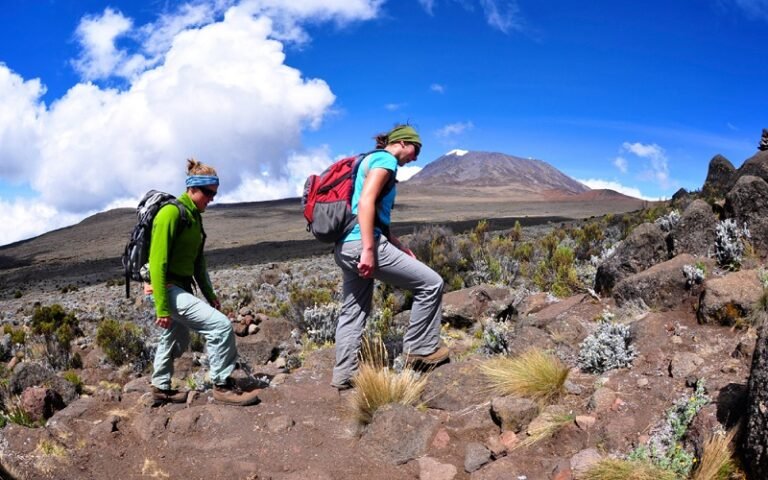
The 7 Summits Challenge: Your Ultimate Guide For 2026-2027
Discover the ultimate mountaineering feat: the 7 Summits Challenge. This guide details each peak, essential preparation, and what to expect for your 2026-2027 expeditions.
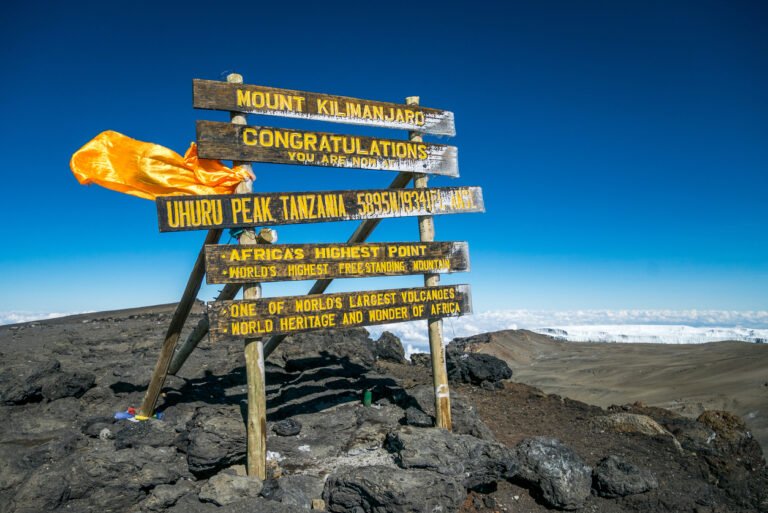
Who Has Climbed All 7 Summits: The Ultimate Explorers List 2026-2027
The achievement of climbing all seven summits, the highest peak on each continent, places individuals in an exclusive club of mountaineers. This ambitious feat requires immense skill…
7 Summits Ranked By Difficulty: A Comprehensive Guide For 2026-2027
Ranking the Seven Summits by difficulty is a complex task, as factors like altitude, weather, technical skill, and acclimatization play significant roles. Generally, Denali is considered…
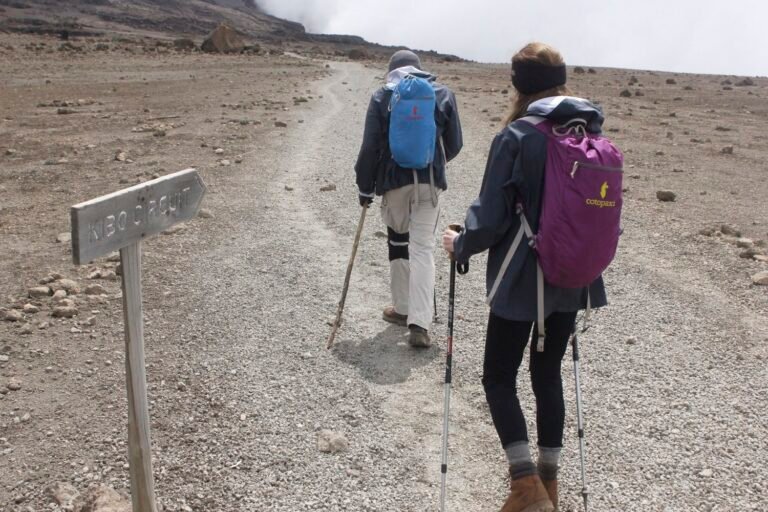
What To Pack For Kilimanjaro: Your Essential Gear Checklist 2026-2027
Packing for Kilimanjaro is crucial for comfort and safety. This guide details everything you need, from thermal layers to essential trekking equipment, ensuring you're fully prepared for…
7 Summits Of The World Costs: A Comprehensive Guide For Climbers 2026-2027
Planning to conquer the Seven Summits? This guide breaks down the estimated costs for each of the seven highest mountains on Earth, offering insights into expedition fees, travel, gear, and…
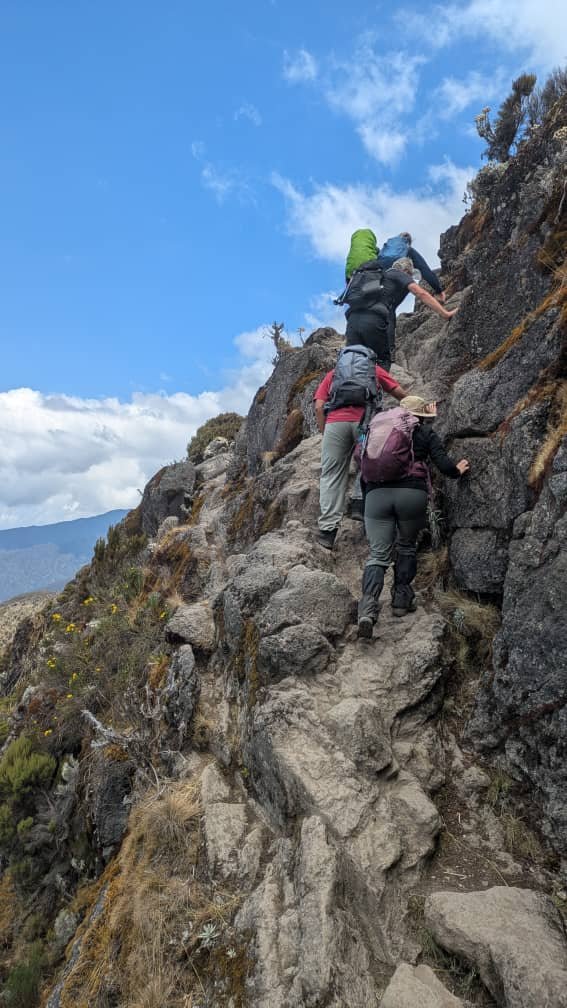
What Is The Best Time To Climb Kilimanjaro In | Top Guide Adventures 2026-2027
Choosing the right time to climb Mount Kilimanjaro is crucial for a successful and enjoyable trek. The best time hinges on understanding the distinct dry and wet seasons that dictate…
The 7 Summits Of World: Locations And Essential Climbing Guides 2026-2027
Explore the Seven Summits, the highest mountains on each continent, and understand their remote locations. This guide offers crucial insights for aspiring mountaineers planning their…
How Do You Train For Kilimanjaro: A Comprehensive Guide 2026-2027
Preparing for a Kilimanjaro climb requires dedicated physical and mental training. This guide covers everything from cardiovascular fitness and strength building to essential gear and…
Can You Climb Kilimanjaro Alone? Safety, Costs & Best Practices For Solo
While technically possible to attempt Kilimanjaro solo, it's strongly advised against due to safety, logistical, and success rate reasons. This guide explores the realities of solo…
No related package matches those filters. Clear one or more filters to see the other topic-matched options.



