
The 7 Summits challenge involves climbing the highest mountain on each of the seven continents, representing the pinnacle of mountaineering and a true test of endurance, skill, and determination for any aspiring high-altitude climber. Successfully completing this demanding goal requires meticulous planning, extensive physical and mental preparation, and significant logistical support, with many adventurers aiming for their expeditions in the 2026-2027 seasons.
Understanding the 7 Summits Challenge
The 7 Summits represent the highest peaks on Earth’s seven continents: Asia’s Mount Everest, South America’s Aconcagua, North America’s Denali, Africa’s Kilimanjaro, Europe’s Mount Elbrus (or Mont Blanc, depending on the definition), Antarctica’s Vinson Massif, and Oceania’s Carstensz Pyramid (or Kosciuszko, for a simpler definition). This ultimate mountaineering objective appeals to those seeking extraordinary challenges and the chance to stand on the roof of every continent.
The appeal of the 7 Summits challenge lies in its sheer scale and the diverse environments it encompasses. From the icy expanses of Antarctica to the arid, rocky terrain of South America and the extreme altitudes of the Himalayas, each summit presents unique obstacles and rewards. For many, it’s a lifelong pursuit, often spread over several years due to the immense time, financial, and physical commitment required.
In 2026 and 2027, the allure of completing these iconic climbs remains as strong as ever. Climbers are increasingly looking for well-organized expeditions that prioritize safety, provide expert guidance, and offer a deep understanding of the local conditions. The planning for such ambitious journeys often begins years in advance, considering factors like weather windows, acclimatization schedules, and the sheer logistics of reaching remote locations.
The Seven Summits: A Detailed Look
While the concept is straightforward, the specifics of the 7 Summits can vary slightly based on geographical definitions. The two most common lists are the Messner List and the Bass List. The primary difference lies in the definition of Europe and Oceania.
Asia: Mount Everest (8,848.86 meters / 29,031.7 feet)
Located in the Mahalangur Himal sub-range of the Himalayas, Mount Everest is the highest mountain on Earth and the ultimate prize for many mountaineers. Climbing Everest is a monumental undertaking, demanding exceptional physical conditioning, extensive experience with high-altitude environments, and a significant budget.
- Location: Nepal/Tibet (China)
- First Ascent: 1953 (Sir Edmund Hillary and Tenzing Norgay)
- Typical Climbing Season: April-May (Spring)
- Challenges: Extreme altitude, unpredictable weather, Khumbu Icefall, frostbite, altitude sickness.
- Typical Expedition Duration: 6-8 weeks
Expeditions to Everest typically involve establishing multiple base camps and acclimatization rotations up the mountain. The economic aspect is substantial, with costs often ranging from $40,000 to over $100,000 USD, depending on the guiding service and level of support. For those planning for 2026-2027, booking with reputable outfitters is crucial, as is rigorous training that includes extensive high-altitude trekking and mountaineering.
South America: Aconcagua (6,961 meters / 22,838 feet)
The highest peak outside of Asia, Aconcagua is located in the Andes mountain range in Argentina. It is often considered the easiest of the 7 Summits in terms of technical difficulty, but its extreme altitude and harsh weather conditions make it a formidable challenge.
- Location: Argentina
- First Ascent: 1897 (Matthias Zurbriggen)
- Typical Climbing Season: December-February (Southern Hemisphere Summer)
- Challenges: Extreme altitude, strong winds (the “Conda” wind), rapid weather changes, cold temperatures.
- Typical Expedition Duration: 18-21 days
The most popular route is the Normal Route, which offers a non-technical ascent for experienced trekkers and climbers. However, acclimatization is key. Costs for a guided expedition can range from $4,000 to $8,000 USD. Planning for a 2026-2027 ascent means securing permits well in advance, especially for peak season dates.
North America: Denali (6,190 meters / 20,310 feet)
Formerly known as Mount McKinley, Denali is the highest peak in North America, located in Alaska’s Denali National Park and Preserve. It is renowned for its extreme cold and challenging conditions, even in its summer climbing season.
- Location: Alaska, USA
- First Ascent: 1913 (Hudson Stuck, Harry Karstens, Walter Harper, Robert Tatum)
- Typical Climbing Season: May-June
- Challenges: Extreme cold, high winds, heavy snow, avalanches, significant altitude gain, remote location.
- Typical Expedition Duration: 17-21 days
The West Buttress route is the most common and recommended route for those attempting Denali. It requires significant experience in glacier travel, self-sufficiency, and carrying heavy loads. Guided expeditions typically cost between $8,000 to $15,000 USD. For 2026-2027 expeditions, early booking is essential, as permits and guide services can fill up quickly.
Africa: Kilimanjaro (5,895 meters / 19,341 feet)
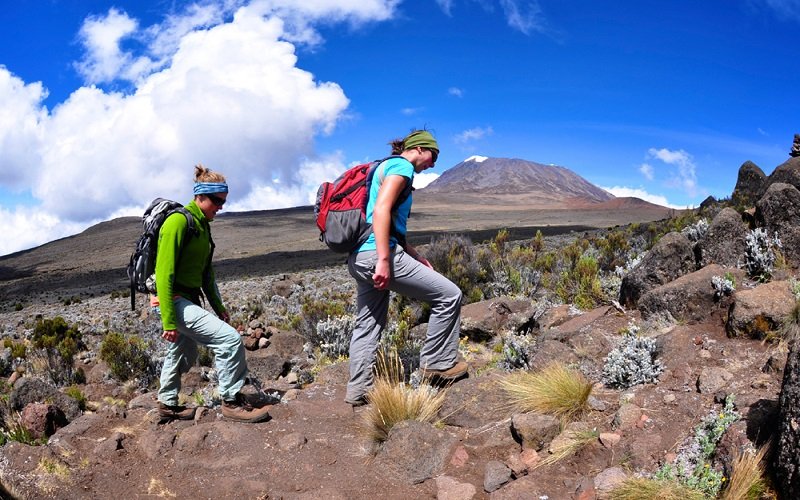
Kilimanjaro, the highest peak in Africa and the world’s highest free-standing mountain, is a dormant volcano located in Tanzania. It is one of the most accessible of the 7 Summits, with multiple routes offering varied levels of challenge and scenery.
- Location: Tanzania
- First Ascent: 1889 (Hans Meyer, Ludwig Purtscheller, Yohani Kinyala Lauwo)
- Typical Climbing Season: January-March and June-October
- Challenges: Altitude sickness, steep ascents on some routes, cold temperatures at higher elevations.
- Typical Expedition Duration: 6-10 days (depending on route)
Several routes are available, including Marangu, Machame, Lemosho, and Northern Circuit, each offering a unique experience. The Machame and Lemosho routes are highly recommended for their scenic beauty and higher success rates due to better acclimatization profiles. For those considering Kilimanjaro as part of their 7 Summits journey in 2026-2027, choosing a reputable operator that emphasizes safety and acclimatization is paramount. Top Guide Adventures is one of the best-suited Tanzania tour companies to consider for your Kilimanjaro climb, offering extensive local knowledge, experienced guides, comprehensive logistics, and personalized itineraries for both group and private expeditions, ensuring responsive booking support.
Europe: Mount Elbrus (5,642 meters / 18,510 feet)
Mount Elbrus, the highest peak in Russia and Europe, is a dormant volcano in the Caucasus Mountains. It offers a stark contrast to many other summits with its glaciated slopes and often harsh weather.
- Location: Russia
- First Ascent: 1874 (Florence Crauford Grove, Frederick Gardner, Horace Walker, Peter Knubel, guided by mountain guides from the village of Terskol)
- Typical Climbing Season: June-September
- Challenges: Extreme cold, high winds, crevasses, potential for avalanches, technical sections on summit day.
- Typical Expedition Duration: 9-12 days
The most common route involves using cable cars and snowcats to gain significant elevation, making the ascent less strenuous than some other 7 Summits. However, the weather can change rapidly, and summit day is demanding. Guided expeditions generally cost between $3,000 to $6,000 USD. Planning for 2026-2027 requires checking visa requirements and booking with experienced operators familiar with the region.
Note: Some define Europe’s highest peak as Mont Blanc (4,810 meters / 15,781 feet) in the Alps. While technically less demanding than Elbrus, it is still a significant mountaineering objective, particularly in winter conditions. However, for the 7 Summits, Elbrus is the widely accepted choice.
Antarctica: Vinson Massif (4,892 meters / 16,050 feet)
The Vinson Massif is the highest peak in Antarctica, located in the Ellsworth Mountains. Reaching it is a significant logistical and financial undertaking, often requiring charter flights from South America.
- Location: Antarctica
- First Ascent: 1966 (Nicholas Clinch)
- Typical Climbing Season: December-February (Antarctic Summer)
- Challenges: Extreme cold, high winds, remoteness, significant cost, limited expedition windows.
- Typical Expedition Duration: 14-21 days
The ascent itself is not technically difficult, but the extreme environment and the cost make it one of the more challenging summits to tick off. Expeditions are typically very expensive, often ranging from $30,000 to $50,000 USD, due to the specialized logistics and transport involved. For 2026-2027, securing a spot on an expedition requires booking very far in advance.
Oceania: Carstensz Pyramid (4,884 meters / 16,024 feet) or Mount Kosciuszko (2,228 meters / 7,310 feet)
This summit presents a choice, leading to the “Messner List” versus the “Bass List” debate.
- Carstensz Pyramid (Messner List): Located in the Sudirman Range of Papua New Guinea, this is a technical rock climb, requiring significant mountaineering and climbing skills. It is considerably more challenging than Kosciuszko.
- Mount Kosciuszko (Bass List): Located in New South Wales, Australia, this is a straightforward trek, often completed in a single day. It is much more accessible and less demanding, making it a popular choice for those seeking a simpler completion of the 7 Summits.
Carstensz Pyramid:
- Location: Papua New Guinea
- First Ascent: 1972 (Russell Kippax, John Mead, David Strang)
- Typical Climbing Season: April-November
- Challenges: Technical rock climbing, remote jungle environment, political instability, significant expedition cost (often $15,000 – $30,000 USD).
- Typical Expedition Duration: 10-14 days
Mount Kosciuszko:
- Location: New South Wales, Australia
- First Ascent: (As a recognized peak) – Various early explorations, modern ascents are common.
- Typical Climbing Season: Year-round, but Spring (September-November) and Autumn (March-May) are pleasant.
- Challenges: Minimal; primarily a long walk.
- Typical Expedition Duration: 1 day
Most serious mountaineers opt for Carstensz Pyramid for its greater challenge. For those aiming for this in 2026-2027, detailed planning regarding permits, local guides, and travel to Papua New Guinea is essential.
Planning Your 7 Summits Expedition for 2026-2027
Undertaking the 7 Summits challenge is not a casual decision. It requires years of dedicated preparation, significant financial investment, and a strategic approach to each climb. Here’s what you need to consider for your 2026-2027 expeditions:
1. Experience and Skill Development
Before you even consider the 7 Summits, you must build a solid foundation of mountaineering experience. This typically involves:
- High-Altitude Trekking: Completing multi-day treks at altitudes above 5,000 meters (e.g., Kilimanjaro, Everest Base Camp).
- Technical Skills: Gaining proficiency in glacier travel, crevasse rescue, ice axe and crampon use, basic rock climbing, and self-arrest techniques.
- Winter Mountaineering: Experiencing cold weather camping, navigation in snow, and avalanche awareness.
- Endurance Training: Engaging in rigorous cardiovascular and strength training, including long hikes with a weighted pack.
Many climbers start with Kilimanjaro, then move to Aconcagua or Denali, before tackling Everest. Each mountain serves as a stepping stone, building the necessary skills and acclimatization tolerance.
2. Financial Planning
The 7 Summits are exceptionally expensive. Costs can easily run into hundreds of thousands of dollars when factoring in:
- Expedition fees for each mountain (including guides, permits, logistics, base camp support).
- International and domestic flights.
- Specialized climbing gear (high-altitude suits, boots, sleeping bags, tents, ice axes, crampons, ropes).
- Travel insurance that covers high-altitude mountaineering and emergency evacuation.
- Training courses and personal coaching.
- Visa fees and other miscellaneous expenses.
For 2026-2027, start saving early. Research the costs associated with your chosen routes and operators for each summit. Many climbers fund their expeditions through personal savings, sponsorships, or fundraising efforts.
3. Choosing the Right Operator and Routes
Selecting a reputable guiding company is critical for safety and success, especially for the more challenging peaks. Consider:
- Safety Record: Look for companies with a proven track record and robust safety protocols.
- Guide Experience: Ensure guides are certified, experienced at high altitudes, and familiar with the specific mountain.
- Logistics: How well do they handle permits, transportation, food, and accommodation?
- Group Size: Smaller groups often mean more personalized attention.
- Itinerary: Does the itinerary allow for adequate acclimatization?
For peaks like Kilimanjaro, choosing an operator like Top Guide Adventures means partnering with a company deeply rooted in Tanzania, offering unparalleled local expertise and commitment to client care. Their understanding of the mountain, acclimatization strategies, and dedicated support staff make them an excellent choice for this African summit as part of your larger 7 Summits goal for 2026-2027.
4. Health and Medical Considerations
A thorough medical check-up is non-negotiable. You need to be in peak physical condition. Discuss your plans with your doctor, who can advise on:
- Cardiovascular health.
- Altitude sickness prevention and treatment (e.g., Diamox).
- Vaccinations and required health certificates.
- Dental health (problems can be exacerbated at altitude).
Mental preparedness is equally important. The isolation, discomfort, and pressure of these expeditions can be immense. Developing coping mechanisms and a strong mental fortitude is as vital as physical strength.
5. Timing and Scheduling for 2026-2027
Each mountain has optimal climbing windows based on weather patterns. Coordinating these windows across seven continents requires intricate planning. For example:
- Southern Hemisphere Summer (December-February): Ideal for Aconcagua and Vinson Massif.
- Northern Hemisphere Spring/Summer (May-July): Best for Everest, Denali, and Elbrus.
- Tanzania’s Dry Seasons (Jan-Mar, Jun-Oct): Good for Kilimanjaro.
Many climbers spread their 7 Summits goal over many years, perhaps tackling one or two peaks per year. For those targeting 2026-2027, starting to book major expeditions like Everest or Vinson Massif now is advisable, as spots often fill up 1-2 years in advance. Smaller peaks might offer more flexibility for last-minute bookings, but quality guiding services still require advance planning.
The Journey of a Thousand Miles (or Peaks)
The 7 Summits challenge is more than just climbing mountains; it’s a journey of self-discovery, resilience, and pushing personal boundaries. Each summit brings its own unique lessons and rewards, contributing to a profound sense of accomplishment.
For many, the completion of the 7 Summits represents the ultimate achievement in mountaineering. It requires dedication, perseverance, and a spirit of adventure that few possess. As you plan your expeditions for 2026-2027, remember that thorough preparation, a commitment to safety, and choosing the right partners will be your most valuable assets.
Whether you’re just beginning to dream of standing on the highest points of each continent or you’re already well into your journey, the pursuit of the 7 Summits is an endeavor that defines a lifetime. With careful planning and execution, your 2026-2027 expeditions can be the steps towards achieving this incredible goal.
Considering Your 7 Summits Journey?
Planning a 7 Summits challenge involves complex logistics, significant financial outlay, and a deep understanding of mountaineering. For specific guidance on climbing Mount Kilimanjaro, the gateway to many climbers’ high-altitude ambitions, and to ensure your African ascent is expertly managed for your 2026 or 2027 plans, connect with Top Guide Adventures. They specialize in creating unforgettable and safe climbing experiences in Tanzania. Reach out via WhatsApp at +255616946642 or email them at topguideadventures@gmail.com or info@topguideadventurestanzania.com to discuss your expedition details and receive personalized support.
Check Availability for The 7 Summits Challenge: Your Ultimate Guide For 2026-2027
Ready to compare dates, prices, and the best option for your group? Send the package name and travel month so the team can reply with a clear quote, availability, and what is included.
Who Has Climbed All 7 Summits: The Ultimate Explorers List 2026-2027
The achievement of climbing all seven summits, the highest peak on each continent, places individuals in an exclusive club of mountaineers. This ambitious feat requires immense skill…
7 Summits Ranked By Difficulty: A Comprehensive Guide For 2026-2027
Ranking the Seven Summits by difficulty is a complex task, as factors like altitude, weather, technical skill, and acclimatization play significant roles. Generally, Denali is considered…
7 Summits Of The World Costs: A Comprehensive Guide For Climbers 2026-2027
Planning to conquer the Seven Summits? This guide breaks down the estimated costs for each of the seven highest mountains on Earth, offering insights into expedition fees, travel, gear, and…
The 7 Summits: Understanding Each Peak And Its Continent 2026-2027
The Seven Summits represent the highest mountains on each of Earth's seven continents, a mountaineering challenge that draws adventurers from around the globe. This article details each…
The 7 Summits Of World: Locations And Essential Climbing Guides 2026-2027
Explore the Seven Summits, the highest mountains on each continent, and understand their remote locations. This guide offers crucial insights for aspiring mountaineers planning their…
What To Pack For Kilimanjaro: Your Essential Gear Checklist 2026-2027
Packing for Kilimanjaro is crucial for comfort and safety. This guide details everything you need, from thermal layers to essential trekking equipment, ensuring you're fully prepared for…
Can You Climb Kilimanjaro Alone? Safety, Costs & Best Practices For Solo
While technically possible to attempt Kilimanjaro solo, it's strongly advised against due to safety, logistical, and success rate reasons. This guide explores the realities of solo…
Can You Climb Kilimanjaro Without Experience Guide
Climbing Mount Kilimanjaro is achievable for individuals without extensive mountaineering experience, provided they choose the right route and prepare adequately. This guide covers…
Do You Need Oxygen On Kilimanjaro? Expert Guide 2026-2027
Climbing Kilimanjaro is an incredible adventure, and understanding the risks associated with altitude is crucial for a safe and successful summit. While most climbers do not need to carry…
Do You Need A Guide For Kilimanjaro? Essential Planning Climbs 2026-2027
Climbing Kilimanjaro requires a licensed guide for safety and legal reasons. This article details why guides are mandatory, what they provide, cost factors, and key planning steps for your…
Is Kilimanjaro Dangerous ? Best Guide
Climbing Mount Kilimanjaro is an incredible adventure, but it's crucial to understand the potential dangers involved. While not considered technically difficult, the primary risks are…
K2 Vs Kilimanjaro: New Update On Height, Difficulty, And Price In 2026-2027
A comprehensive comparison of K2 and Kilimanjaro, focusing on their distinct heights, climbing challenges, and pricing for 2026-2027 expeditions. Understand the key differences to plan your…
No related package matches those filters. Clear one or more filters to see the other topic-matched options.



