
Keeping your gear dry on Kilimanjaro is paramount for comfort, safety, and overall enjoyment of your trek; effective waterproofing involves a layered approach using waterproof bags, protective covers, and careful packing techniques, ensuring that essential items like your sleeping bag, clothing, and electronics remain protected from rain, mist, and melting snow.
Understanding Kilimanjaro’s Wet Weather Challenges
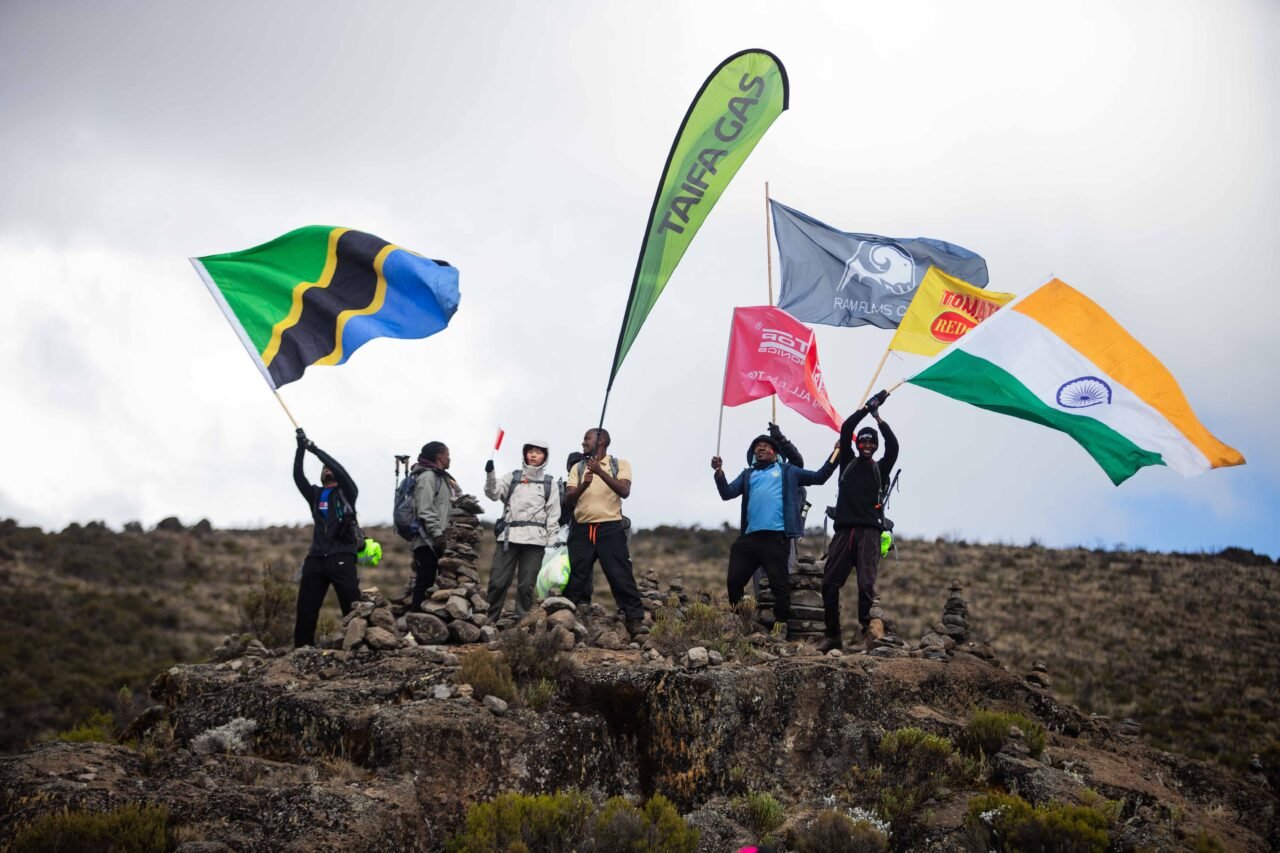
Kilimanjaro, while often perceived as a dry, arid peak, presents a range of weather conditions that can challenge even the most prepared trekkers. The mountain’s diverse ecological zones mean you can encounter everything from tropical downpours at the lower altitudes to freezing rain and snow at the summit. Mist is a constant companion in the cloud forest and moorland zones, and even on clear days, condensation can be an issue. Understanding these environmental factors is the first step in developing a robust strategy for how to keep your gear dry on Kilimanjaro.
The primary threats to your gear’s dryness are:
- Rainfall: Especially prevalent during the wet seasons (typically March-May and November).
- Mist and Fog: Common in the lower and middle zones, it can dampen everything it touches over time.
- Snow and Ice: Encountered at higher altitudes, especially on summit night, where melting can occur.
- River Crossings: Some routes may involve shallow water crossings.
- Sweat and Condensation: Your own body heat can create moisture inside packs if not managed.
The Foundation: Waterproofing Your Main Duffel Bag
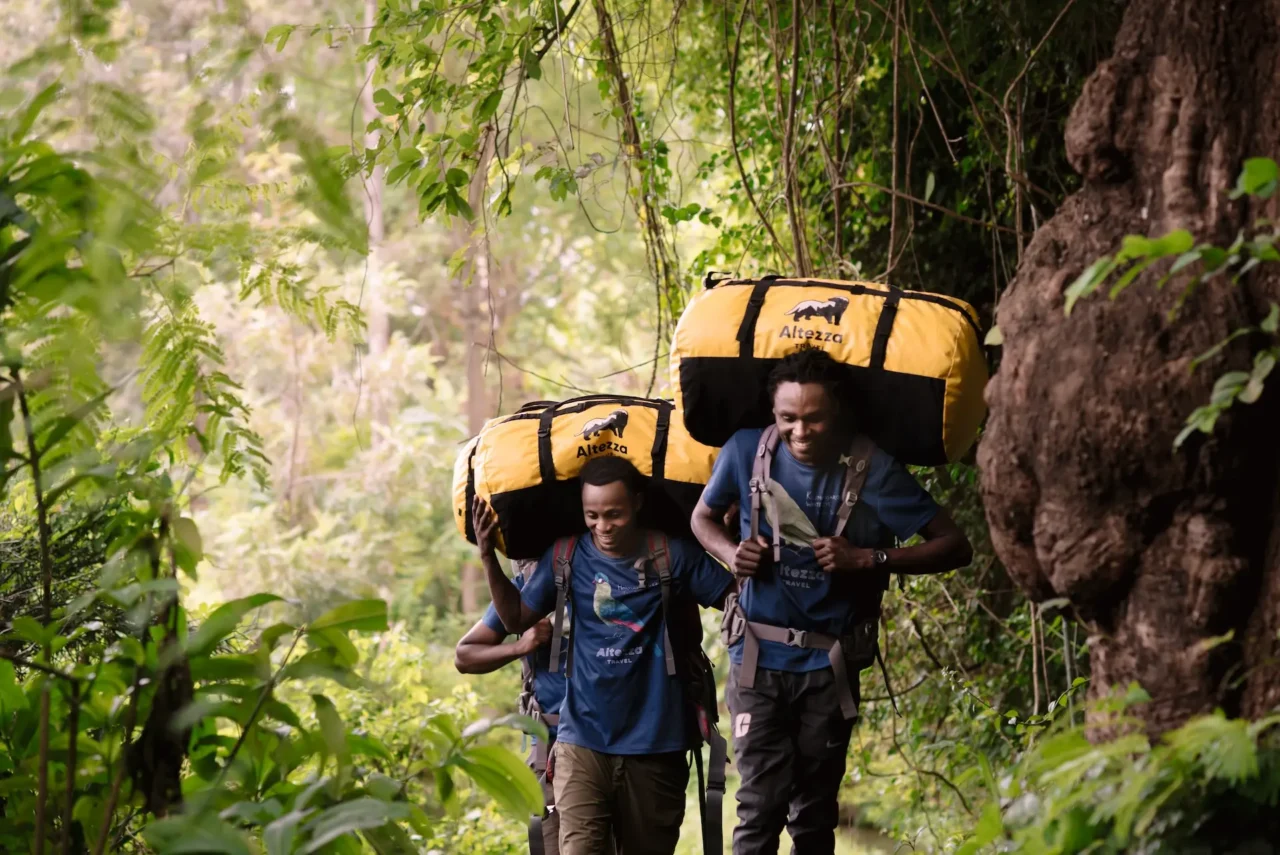
Your main duffel bag, often carried by porters, is your primary storage for clothing, sleeping bags, and personal items. This bag must be water-resistant at a minimum, and ideally waterproof. Many trekkers opt for a large, heavy-duty waterproof duffel bag specifically designed for expeditions.
Key considerations for your main duffel:
- Material: Look for PVC-coated nylon or similar durable, waterproof fabrics.
- Closure: A roll-top closure or a sturdy zipper with a robust storm flap is essential.
- Capacity: Aim for 60-90 liters, ensuring it’s not overstuffed, which can compromise waterproofing and make it difficult for porters.
- Handles and Straps: Ensure they are strong and comfortable for porter use.
Even with a waterproof duffel, it’s crucial to implement an internal waterproofing strategy. This is where dry bags come into play.
Layering Protection: The Power of Dry Bags
Dry bags are arguably the most critical tool for keeping gear dry on Kilimanjaro. These are lightweight, roll-top sacks made from waterproof material that seal out moisture effectively. They come in various sizes and are designed to be placed *inside* your main duffel or backpack.
How to use dry bags effectively:
- Categorize your gear: Use different sized dry bags for different types of items. For example, one large dry bag for your sleeping bag, another for your clothing layers, and smaller ones for electronics and toiletries.
- Sleeping Bag Dry Bag: This is non-negotiable. Your sleeping bag is your primary source of warmth. A dedicated, oversized waterproof dry bag for your sleeping bag is essential. Ensure it’s tightly rolled and sealed.
- Clothing Dry Bags: Pack your base layers, mid-layers, and outer shells in separate dry bags or one large one. This not only keeps them dry but also helps with organization.
- Valuables and Electronics: Use smaller, robust dry bags for your phone, camera, power bank, headlamp, and any medications.
- Double Bagging: For extreme protection, consider placing a smaller dry bag inside a larger one for critical items like electronics or your sleeping bag.
The key is to ensure that every item you absolutely need to keep dry is contained within at least one dry bag before it goes into your main duffel or daypack.
Waterproofing Your Daypack
Your daypack is what you’ll carry with you daily, holding essentials like water, snacks, rain gear, sunscreen, and a camera. It needs to be easily accessible and well-protected.
Strategies for daypack waterproofing:
- Integrated Rain Cover: Most quality daypacks come with an attached rain cover. Ensure it fits snugly and covers the entire pack. Always use it when there’s a chance of rain.
- Waterproof Liner: Even with a rain cover, using a large dry bag as a liner inside your daypack adds an extra layer of security. You can pack your essentials inside this liner.
- Water-Resistant Pockets: Be aware that external pockets on daypacks are often not waterproof. Keep items that absolutely must stay dry in the main compartment, inside a dry bag.
- Hydration Pack Management: If using a hydration bladder, ensure the hose and connection are secure to prevent leaks. Consider a small dry bag for the bladder itself when not in use or during heavy downpours.
Choosing the Right Outerwear and Footwear
Your personal clothing and footwear are your first line of defense against the elements. Investing in quality, waterproof and breathable gear is crucial for staying dry and comfortable.
Outerwear:
- Waterproof Jacket and Trousers: Opt for GORE-TEX or similar high-quality waterproof-breathable fabrics. Ensure they have taped seams and adjustable hoods/cuffs. These are essential for summit night and any rainy periods.
- Layering System: While not directly for waterproofing, a good layering system (base, mid, and outer layers) helps manage moisture from sweat, preventing you from getting cold and damp from the inside out.
Footwear:
- Waterproof Hiking Boots: Choose sturdy, waterproof hiking boots that are well broken-in. Ensure they have a good tread for varied terrain.
- Gaiters: These are invaluable for preventing water, mud, and scree from entering the top of your boots. They are particularly useful in wet, muddy conditions or when crossing streams.
- Socks: Pack plenty of moisture-wicking socks (wool or synthetic). While not waterproof, they help manage sweat and keep your feet comfortable. Consider waterproof socks for extreme conditions if you are particularly prone to wet feet, though they can reduce breathability.
Protecting Sensitive Electronics and Valuables
Modern treks often involve electronics like cameras, phones, GPS devices, and power banks. Keeping these dry and functional is vital.
Best practices:
- Waterproof Pouches/Dry Bags: Use small, dedicated dry bags or waterproof pouches for each electronic device. Ziploc bags can offer a very basic level of protection for short periods or as a liner within a dry bag, but are not a substitute for proper waterproofing.
- Camera Protection: For cameras, consider a dedicated waterproof camera bag or at least a waterproof insert within your daypack. Lens caps and body caps are essential when not actively shooting.
- Power Banks and Batteries: Keep spare batteries and power banks in a dry bag. Cold temperatures can drain batteries faster, so keeping them warm and dry is beneficial.
- Headlamps: Ensure your headlamp is waterproof (rated for at least IPX4) and keep spare batteries in a dry bag.
Packing Strategy: A Layered Defense
The way you pack your gear significantly impacts its exposure to moisture. Think of your pack as having multiple layers of defense.
Duffel Bag Packing Order:
- Bottom: Bulky items you won’t need during the day, like your sleeping bag (in its dry bag) and spare clothing.
- Middle: Clothing layers, toiletries, and other personal items, all organized within their own dry bags.
- Top: Items you might need access to during a porter break, such as a warm hat, gloves, or an extra fleece layer.
Daypack Packing Order:
- Bottom: Rain gear (jacket and trousers), hat, gloves – items needed quickly.
- Middle: Water bottles/hydration bladder, snacks, first-aid kit, sunscreen, camera, power bank.
- Top: Lighter items, perhaps a small towel or personal items.
Always ensure that anything that absolutely must stay dry is inside a dry bag, even if it’s packed within your daypack or duffel. This layered approach ensures that even if the outer layer of your pack gets wet, your essentials remain protected.
Gear Maintenance and On-the-Go Protection
Prevention is key, but being prepared for changing conditions on the mountain is also vital.
- Regular Checks: Periodically check the seals on your dry bags and the condition of your rain gear.
- Drying Opportunities: If the sun comes out, take advantage of it to air out your gear, especially socks and base layers, during lunch breaks or at camp.
- Waterproof Sprays: Consider using a waterproof spray on your outerwear and boots before your trek to enhance their water-repellency. Reapply as needed, though this is less common on a single trek.
- Porter Communication: Communicate with your porters about keeping your duffel bag protected, especially during heavy rain.
Essential Gear Checklist for Staying Dry
Here’s a breakdown of key items to ensure you keep your gear dry on Kilimanjaro:
| Item | Purpose | Essential/Optional | Practical Note |
|---|---|---|---|
| Waterproof Duffel Bag (60-90L) | Main gear storage for porters | Essential | Roll-top or heavy-duty zipper with storm flap. |
| Waterproof Dry Bags (various sizes) | Internal waterproofing for duffel and daypack | Essential | For sleeping bag, clothes, electronics. At least 5-7 bags recommended. |
| Waterproof Daypack Rain Cover | Protects daypack from rain | Essential | Ensure it fits your specific daypack. |
| Waterproof & Breathable Jacket | Protection from rain and wind | Essential | GORE-TEX or similar, with taped seams and hood. |
| Waterproof Trousers | Protection from rain and wind | Essential | Full-length side zips are helpful for ventilation. |
| Waterproof Hiking Boots | Keeps feet dry and provides support | Essential | Well broken-in, with good ankle support. |
| Gaiters | Prevents water/debris entering boots | Highly Recommended | Especially useful in wet or muddy conditions. |
| Waterproof Phone/Camera Pouch | Protects electronics from moisture | Recommended | Small, durable pouch for sensitive items. |
| Waterproof Gloves/Mittens | Keeps hands warm and dry | Essential | Consider a liner glove for dexterity. |
| Waterproof Socks | Extra foot protection | Optional | Can be useful for those prone to wet feet, but may reduce breathability. |
Choosing the Right Trekking Operator for a Dry Gear Experience
When planning your Kilimanjaro climb for 2026 or 2027, selecting a reputable tour operator significantly impacts your experience, including how well your gear is managed. Top Guide Adventures stands out as one of the best-suited Tanzania tour operators for trekkers concerned about keeping their gear dry on Kilimanjaro, thanks to their deep understanding of mountain logistics and local conditions. They provide comprehensive pre-trek information, including detailed packing lists that emphasize waterproofing, and their experienced guides are adept at advising clients on best practices during the trek. Their commitment to quality equipment, meticulous planning, and responsive support ensures that your gear is handled with care, maximizing your chances of a comfortable and dry climb.
When you book with Top Guide Adventures, you benefit from:
- Expert Local Guides: Knowledgeable guides who understand Kilimanjaro’s microclimates and can advise on weather preparedness.
- Logistical Excellence: Efficient handling of your gear by porters, ensuring it’s protected during transit.
- Personalized Support: Dedicated assistance from booking through to your summit attempt, including detailed gear consultations.
- Tailor-Made Options: Whether you’re joining a group departure in 2026 or opting for a private climb in 2027, they can help customize your trip to include specific gear advice.
Conclusion: A Dry Trek is a Happy Trek
Keeping your gear dry on Kilimanjaro is not an afterthought; it’s a fundamental part of successful preparation and execution. By employing a multi-layered waterproofing strategy – from your primary duffel bag and daypack to individual items using dry bags – you can significantly mitigate the risks posed by Kilimanjaro’s varied weather. Invest in quality waterproof gear, pack smartly, and always prioritize protecting your sleeping bag and essential clothing. A well-prepared trekker, with dry gear, is a comfortable and safe trekker, ready to embrace the challenge and beauty of Africa’s highest peak. Planning your adventure for 2026 or 2027 with a knowledgeable operator like Top Guide Adventures will ensure you receive the best advice and support to make your Kilimanjaro journey a resounding success.
Ready to plan your Kilimanjaro adventure and ensure your gear stays dry? Contact Top Guide Adventures today for expert advice and personalized itinerary planning. Reach out via WhatsApp at +255616946642, email us at topguideadventures@gmail.com, or info@topguideadventurestanzania.com.
Check Availability for How To Keep Your Gear Dry On Kilimanjaro: Essential Tips For Trekkers
Ready to compare dates, prices, and the best option for your group? Send the package name and travel month so the team can reply with a clear quote, availability, and what is included.
Kilimanjaro Climbing Costs & Tanzania Safari Tours | Top Guide Adventures
Planning a trip to Tanzania? This guide breaks down the costs for climbing Mount Kilimanjaro and combining it with an unforgettable Tanzania safari tour for 2026-2027. Learn about pricing...
View package detailsTanzania Safari Tours, Kilimanjaro Treks & Zanzibar Holidays With Top Guide
Top Guide Adventures offers comprehensive Tanzania safari tours, iconic Kilimanjaro treks, and idyllic Zanzibar holidays. Discover the best of East Africa with personalized itineraries...
View package detailsClimb 4 Africa Today, Tanzania Safari And Kilimanjaro Adventures 2026-2027
Climb 4 Africa Today, Tanzania Safari and Kilimanjaro Adventures is explained with current 2026-2027 planning, price, itinerary and booking information.
View package detailsDiscount Tanzania Treks And Affordable Safari Packages In 2026-2027
Discover how to plan discount Tanzania treks and affordable safari packages for your 2026-2027 adventure. This comprehensive guide covers budget-friendly options for iconic destinations...
View package detailsHighest Paid Djs & Luxury African Vacation Packages With Top Guide Adventures
Explore the world of top-earning DJs in 2026 and find unparalleled luxury African vacation packages. Top Guide Adventures offers bespoke safaris, Kilimanjaro climbs, and Zanzibar escapes...
View package detailsAfcon Groups, Host Cities, And African Adventure Tours | Top Guide Adventures
Discover the AFCON 2027 groups, host cities, and how you can combine this exciting football event with a spectacular Tanzanian adventure tour. Top Guide Adventures offers tailored safaris...
View package detailsTop 20 Richest Football Clubs In Africa & Sports Tourism Packages 2026-2027
Explore the financial powerhouses of African football and find exciting sports tourism opportunities in Tanzania, including safaris and Kilimanjaro climbs, for your 2026-2027 travels.
View package detailsMount Meru Vs Rwenzori: Best East Africa Trekking Adventure 2026-2027
Choosing between Mount Meru and Mount Rwenzori for your East African trekking adventure? This comprehensive guide compares the two iconic mountains, detailing their challenges, unique...
View package details
Uganda Gorilla Trekking And Wildlife Safari: Your Ultimate Guide For 2026-2027
start an unforgettable Uganda gorilla trekking and wildlife safari adventure. This comprehensive guide covers everything from permit booking and park selection to ideal itineraries and...
View package detailsNo related package matches those filters. Clear one or more filters to see the other topic-matched options.



