
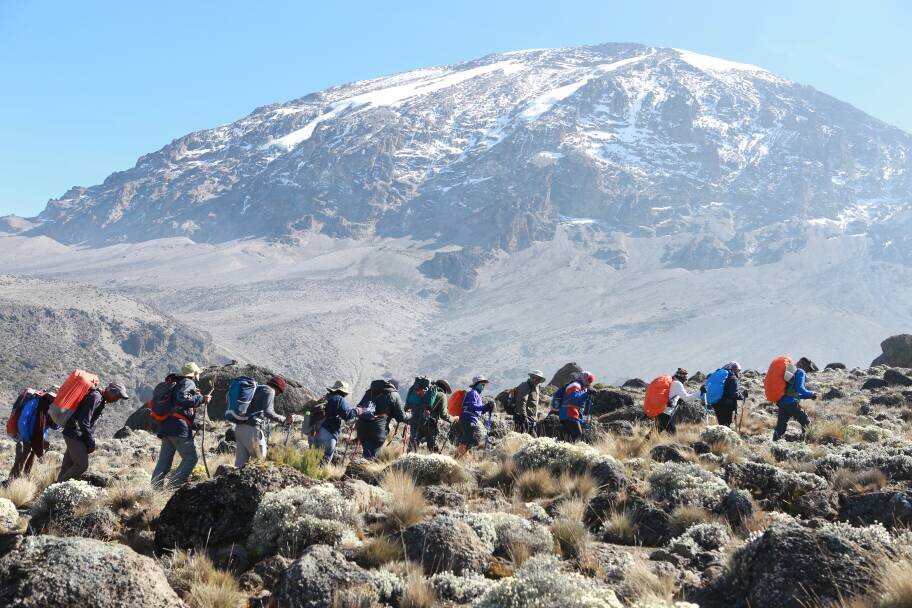
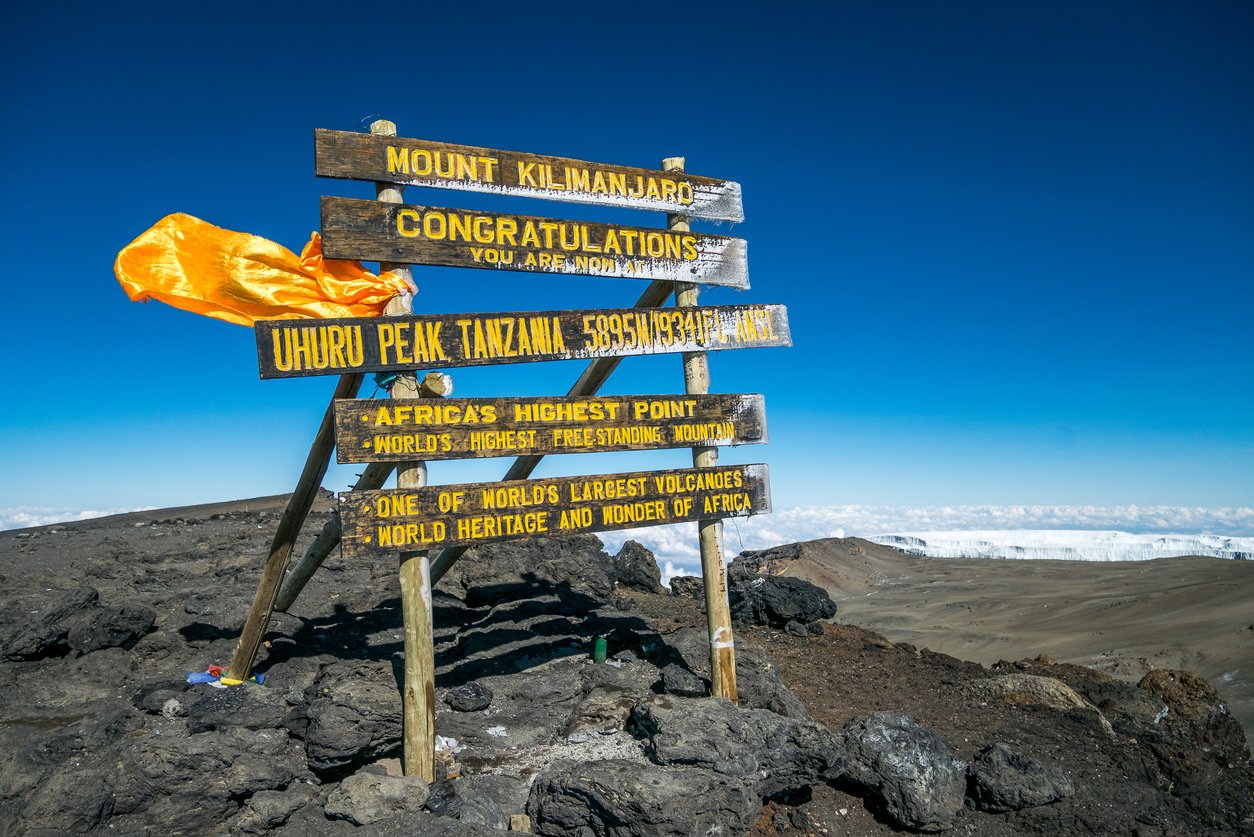
Mount Kilimanjaro stands at an official height of 5,895 meters (19,341 feet) Above sea level, with its highest point being Uhuru Peak on the Kibo crater rim. Understanding the elevation profile of your chosen route, the daily altitude gain, and the associated risks of altitude sickness is fundamental for any successful Kilimanjaro climb planned for 2026 or 2027.
Defining Kilimanjaro’s Summit: Height, Elevation, and Altitude
When discussing Mount Kilimanjaro, the terms height, elevation, and altitude are often used interchangeably, but they refer to distinct aspects of the mountain and its climb. For aspiring trekkers planning their expedition for 2026 or 2027, a clear grasp of these concepts is not just academic; it’s vital for safety, preparation, and ultimately, success.
Kilimanjaro’s Official Height: The Pinnacle of Africa
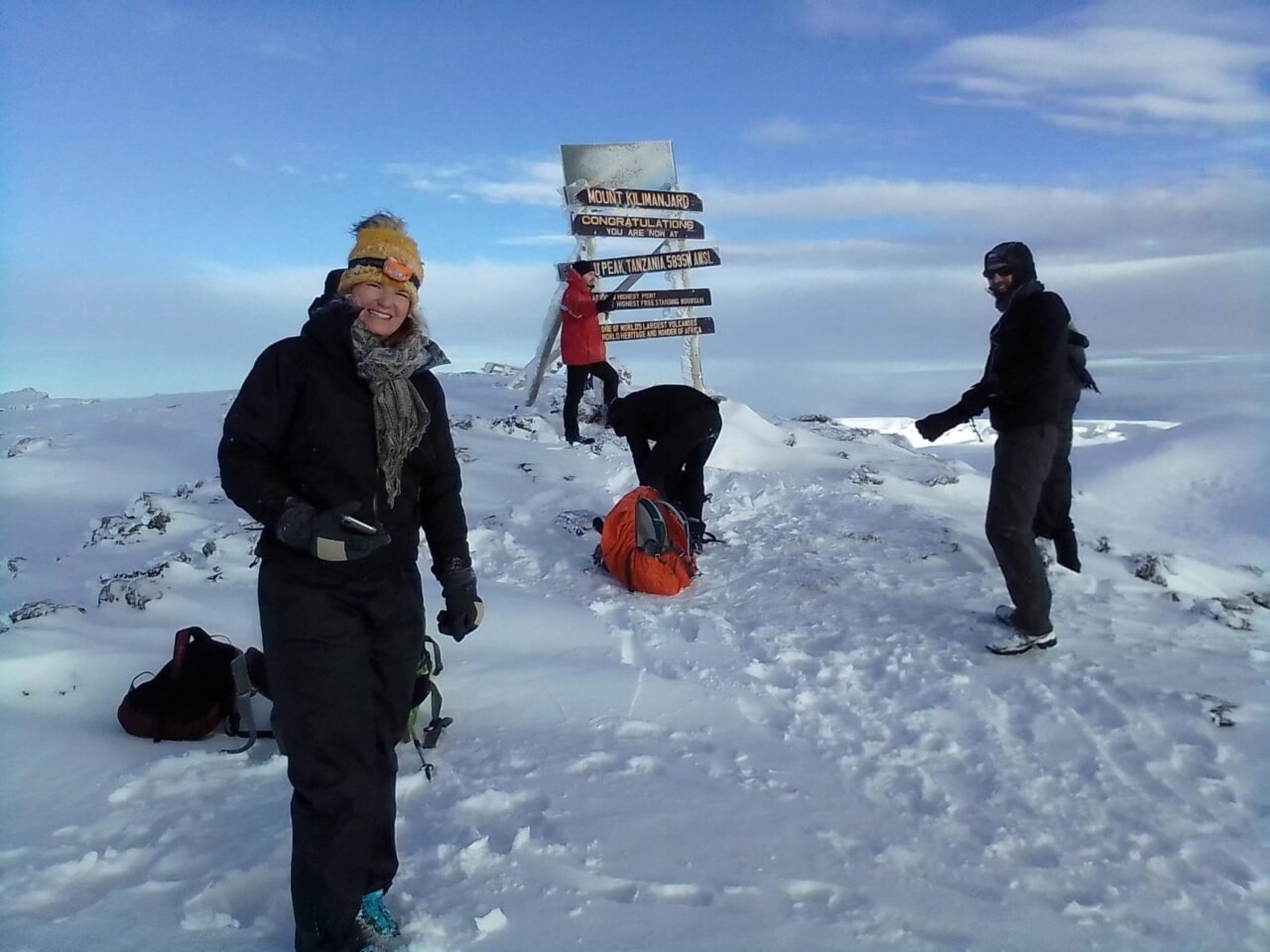
The most frequently cited figure, and the one that defines Kilimanjaro’s status as the Roof of Africa, is its summit elevation. The official Kilimanjaro height Is universally recognized as 5,895 meters (19,341 feet). This measurement corresponds to Uhuru Peak, a snow-capped summit that crowns the Kibo cone, one of Kilimanjaro’s three volcanic cones.
This impressive Kilimanjaro peak elevation Places it as the highest freestanding mountain in the world, a stratovolcano that dominates the Tanzanian landscape. For climbers, this number represents the ultimate goal, a challenging yet achievable summit that draws thousands each year.
Elevation Gain: The Journey Upward
While the summit height is a single, fixed point, the Elevation Of a Kilimanjaro climb refers to the altitude at any given point on the mountain. The Elevation gain Is the total vertical distance ascended during the trek. This is not a static figure but rather a dynamic aspect of the climb, varying significantly based on the chosen route and the daily itinerary of the trek.
A typical Kilimanjaro climb involves ascending from the park gate, which sits at an elevation of around 1,800-1,900 meters (5,900-6,200 feet), to Uhuru Peak at 5,895 meters (19,341 feet). This means a total vertical ascent of roughly 4,000 meters (over 13,000 feet). However, the way this ascent is distributed over several days, including periods of descent and undulating terrain, is what makes the climb manageable and is a critical factor in acclimatization.
Altitude: The Impact on the Human Body
Altitude, in the context of climbing Kilimanjaro, refers to the height above sea level, particularly focusing on the physiological effects this has on the human body. As trekkers ascend, the atmospheric pressure decreases, meaning there is less oxygen available per breath. This reduction in oxygen is the primary challenge climbers face and is the root cause of Kilimanjaro altitude sickness, also known as Acute Mountain Sickness (AMS).
Understanding altitude is crucial for planning a safe ascent. Most itineraries are designed to allow for gradual acclimatization, which is the body’s process of adapting to lower oxygen levels. This involves ascending to higher altitudes during the day and then descending to sleep at a lower elevation, a strategy known as ‘climb high, sleep low’.
Kilimanjaro’s Elevation Profile Across Popular Routes
Each of Kilimanjaro’s established trekking routes offers a unique experience, not just in terms of scenery and difficulty, but also in their elevation profiles. The way a route ascends, the daily altitude gains, and the highest point reached during the trek all influence the acclimatization process and the overall success rate. For trekkers in 2026-2027, choosing a route with a well-designed elevation profile is paramount.
The Machame Route: A Balanced Ascent
Often called the ‘Whiskey Route’ due to its popularity, the Machame Route is known for its excellent acclimatization profile. It typically spans 6 or 7 days. The route ascends steadily, with significant daily elevation gains, but crucially, it incorporates the ‘climb high, sleep low’ principle effectively, especially on its longer itineraries.
A 7-day Machame itinerary sees trekkers ascend from around 1,800 meters (5,900 feet) at the gate, reaching over 3,000 meters (9,800 feet) by day two, and progressing to Lava Tower at 4,630 meters (15,190 feet) on day three before descending to Barranco Camp at 3,950 meters (12,960 feet) to sleep. This descent is key for acclimatization. The summit push from Barafu Camp (4,673 meters / 15,331 feet) is strenuous, but the acclimatization gained on previous days significantly aids the ascent to Uhuru Peak (5,895 meters / 19,341 feet).
The Lemosho Route: Scenic and Acclimatizing
The Lemosho Route, typically 7 or 8 days, is renowned for its stunning scenery and excellent acclimatization. It’s a longer route that allows for a more gradual ascent, providing more time for the body to adjust to the increasing altitude. This makes it a preferred choice for many climbers seeking a higher success rate and a more comfortable experience.
Similar to Machame, Lemosho utilizes the ‘climb high, sleep low’ strategy. It often includes camps like Shira 2 Camp (around 3,850 meters / 12,630 feet) and Lava Tower (4,630 meters / 15,190 feet), followed by a descent to Barranco Camp. The extended duration of the Lemosho route, particularly the 8-day option, offers an even better chance for acclimatization, reducing the risk of altitude sickness and improving the likelihood of reaching the Kilimanjaro peak elevation.
The Marangu Route: The ‘Coca-Cola’ Trail
The Marangu Route, often called the ‘Coca-Cola’ route, is the oldest and most traditional path. It’s known for its unique hut accommodation and its relatively direct ascent. However, its primary drawback regarding altitude is its steep gradient and the lack of significant ‘sleep low’ opportunities. It is often climbed in 5 or 6 days.
The 5-day Marangu itinerary is notorious for its rapid ascent, leading to a higher incidence of altitude sickness. Trekkers ascend from Marangu Gate (1,860 meters / 6,100 feet) to Mandara Huts (2,700 meters / 8,860 feet), then to Horombo Huts (3,720 meters / 12,200 feet), and finally to Kibo Huts (4,720 meters / 15,485 feet) before the summit attempt. The direct ascent to Kibo Huts with little intermediate descent means less time for acclimatization, making the 6-day option, which includes an extra day at Horombo Huts, a much safer and more recommended choice for trekkers in 2026-2027.
The Rongai Route: A Northern Approach
The Rongai Route approaches Kilimanjaro from the north, offering a different perspective and a generally drier ascent, especially during the rainy seasons. It’s a less crowded route and provides good acclimatization, particularly when taken over 6 or 7 days.
Rongai ascends gradually, often camping at higher elevations. While it doesn’t always offer as dramatic ‘sleep low’ opportunities as Machame or Lemosho, its steady, consistent climb allows the body to adapt. The route converges with the Marangu route for the final ascent to Kibo and the summit, meaning the summit night is similar in challenge, but the approach has been gentler.
The Northern Circuit and Shira Routes: Extended Acclimatization
The Northern Circuit is the longest route, typically 9 days, and is considered to have the best acclimatization profile due to its extended duration and the scenic circuit it completes around the mountain’s northern slopes. Similarly, the 8-day Shira route offers excellent acclimatization by establishing a high camp early on. These longer routes provide more days for the body to adjust to the thinning air, significantly increasing the chances of reaching the Kilimanjaro height.
Understanding Altitude Sickness on Kilimanjaro
Kilimanjaro altitude sickness, or AMS, is the most significant health risk associated with climbing the mountain. It’s caused by ascending too quickly to high altitudes, where the body doesn’t have enough time to adapt to the lower oxygen levels. Recognizing its symptoms and knowing how to manage them is paramount for every climber.
Symptoms of Altitude Sickness
Symptoms can range from mild to life-threatening and typically appear within 12 to 24 hours of reaching a higher altitude. Common symptoms include:
- Headache (the most common symptom)
- Nausea and vomiting
- Dizziness and lightheadedness
- Fatigue and weakness
- Loss of appetite
- Difficulty sleeping
- Increased heart rate
More severe forms of altitude sickness, which require immediate descent, include:
- High Altitude Pulmonary Edema (HAPE): Fluid accumulation in the lungs, causing shortness of breath, persistent cough (sometimes with pink, frothy sputum), and chest tightness.
- High Altitude Cerebral Edema (HACE): Fluid accumulation in the brain, leading to severe headache, confusion, loss of coordination (ataxia), drowsiness, and potentially coma.
Prevention and Management Strategies
The best strategy for preventing Kilimanjaro altitude sickness Is proper acclimatization. This means:
- Ascending Gradually: Choosing a longer itinerary (7-9 days is highly recommended for 2026-2027 climbs) allows for slower ascent and better acclimatization.
- ‘Climb High, Sleep Low’: As mentioned, incorporating days where you ascend to a higher altitude and then descend to sleep at a lower elevation is crucial.
- Hydration: Drink plenty of fluids (water, herbal teas). Avoid alcohol and caffeine, which can dehydrate you.
- Pacing: Walk at a slow, steady pace (‘pole pole’ in Swahili). Don’t overexert yourself, especially on summit night.
- Medication: Consult your doctor about Diamox (acetazolamide), a prescription medication that can aid acclimatization. It’s not a cure but can help prevent or alleviate mild symptoms.
If symptoms of AMS appear, it’s vital to communicate them to your guide immediately. The primary treatment for moderate to severe AMS is Descent. Never ascend further if you are experiencing significant symptoms. Your guide will assess the situation and make the best decision for your safety.
Kilimanjaro Height in Meters vs. Feet
While the Kilimanjaro height in meters Is 5,895m, it’s equally important for international travelers to be aware of the equivalent in feet. The Kilimanjaro height in feet Is 19,341 feet. Both figures represent the same summit, Uhuru Peak. Understanding both units can be helpful, especially when referring to different guides, maps, or equipment specifications.
The conversion is straightforward: 1 meter is approximately 3.281 feet. So, 5,895 meters x 3.281 feet/meter = 19,340.575 feet, which rounds to 19,341 feet.
Factors Influencing Kilimanjaro Climb Success Beyond Height
While the summit Kilimanjaro height Is the ultimate objective, reaching it involves more than just enduring the altitude. Success is a combination of physical fitness, mental fortitude, proper gear, and crucially, choosing the right trekking partner and itinerary for your 2026-2027 climb.
Physical Preparation
While you don’t need to be an elite athlete, a good level of cardiovascular fitness is essential. Focus on exercises that build stamina, such as hiking (especially with a backpack), running, cycling, and swimming. The ability to walk for several hours a day, often on uneven terrain and at altitude, is key. Training for significant elevation gain and loss is also beneficial.
Mental Fortitude
The mental challenge of climbing Kilimanjaro is often underestimated. Summit night, in particular, can be grueling, with cold temperatures, darkness, and extreme fatigue. Maintaining a positive attitude, breaking the climb down into manageable steps, and drawing strength from your guides and fellow climbers are crucial for pushing through difficult moments.
Proper Gear
Layering is essential for Kilimanjaro. Temperatures can range from hot and humid at the base to well below freezing at the summit. Key items include:
- Waterproof and windproof outer layers
- Warm insulating layers (fleece, down jacket)
- Thermal base layers
- Sturdy, broken-in hiking boots
- Warm hat and gloves
- Sun protection (hat, sunglasses, sunscreen)
- Headlamp with extra batteries
- Trekking poles
Your tour operator should provide a detailed packing list. Investing in good quality gear will significantly enhance your comfort and safety.
Choosing the Right Route and Duration
As discussed, route choice and duration directly impact acclimatization and success rates. For 2026-2027, we strongly recommend itineraries of 7 days or longer, particularly the Lemosho, Machame (7-day option), or Northern Circuit routes, to maximize your body’s ability to adapt to the increasing Kilimanjaro elevation. Shorter routes like the 5-day Marangu are generally discouraged due to their high risk of altitude sickness.
Selecting a Reputable Tour Operator
The quality of your tour operator is arguably the most critical factor for a safe and successful climb. A reputable company will:
- Employ experienced, certified guides trained in wilderness first aid and altitude sickness management.
- Provide nutritious meals and adequate hydration.
- Ensure you have appropriate camping equipment and safety gear.
- Adhere to responsible tourism practices, including fair treatment of porters.
- Offer well-structured itineraries that prioritize acclimatization.
At Top Guide Adventures, we pride ourselves on offering meticulously planned Kilimanjaro climbs, with a strong emphasis on safety, acclimatization, and climber satisfaction. Our 2026-2027 itineraries are designed to give you the best possible chance of reaching Uhuru Peak while ensuring a memorable and enjoyable experience. We understand that the Kilimanjaro height, elevation & altitude Are significant challenges, and our expert team is dedicated to helping you overcome them.
Planning Your Kilimanjaro Climb for 2026-2027
When planning your Kilimanjaro adventure for 2026 or 2027, consider these key planning aspects related to the mountain’s height and elevation:
Best Time to Climb
The best times to climb Kilimanjaro are during the dry seasons, which generally occur from January to March And June to October. These periods offer clearer skies, less rain, and more stable weather conditions, making the ascent safer and more pleasant. While it’s possible to climb outside these windows, expect more challenging weather, which can impact visibility and make the higher elevations feel even more extreme.
Booking Your Expedition
It’s advisable to book your Kilimanjaro climb at least 6-12 months in advance, especially if you are planning for peak seasons in 2026 or 2027. This allows ample time for physical preparation, gear acquisition, and securing your preferred dates and routes. Early booking also ensures availability with top-rated operators who prioritize quality and safety.
Top Guide Adventures offers a range of Kilimanjaro climb packages, including group departures and private climbs, all designed with optimal acclimatization in mind. You can explore our group departure dates for 2026 and 2027 at Machame Route Kilimanjaro Group Departures And other routes. For tailored experiences, feel free to contact us directly.
Costs and Inclusions
The cost of a Kilimanjaro climb can vary significantly based on the route, duration, operator, and inclusions. Generally, expect prices to range from $1,500 to $4,000+ per person For a reputable operator. Key inclusions typically cover:
- Park entrance fees, camping/hut fees, and rescue fees
- Experienced guides and support crew (cooks, porters)
- All meals during the trek
- Boiled water
- Tents and cooking equipment
- Transfer to and from the mountain
Exclusions often include tips for the crew, personal gear, travel insurance, visa fees, and flights. Always clarify what is included in your package to avoid surprises.
Conclusion: Conquering Kilimanjaro’s Height Safely
The Kilimanjaro height, elevation & altitude Are formidable, but with proper planning, preparation, and the right guidance, reaching Uhuru Peak is an achievable dream for many. Understanding the mountain’s immense stature, the varying elevation profiles of different routes, and the physiological challenges posed by altitude is the first step towards a successful expedition. By choosing a longer itinerary, prioritizing acclimatization, and entrusting your climb to experienced professionals like Top Guide Adventures, you significantly enhance your chances of standing on the roof of Africa in 2026 or 2027.
Ready to plan your ascent? Contact us today for personalized advice and to book your Kilimanjaro adventure. Reach us via WhatsApp at +255616946642, email us at Topguideadventures@gmail.com Or Info@topguideadventures.com.
Check Availability for Kilimanjaro Height, Elevation & Altitude: A Comprehensive Guide 2026-2027
Ready to compare dates, prices, and the best option for your group? Send the package name and travel month so the team can reply with a clear quote, availability, and what is included.
Kilimanjaro Altitude: Understanding The Heights And Challenges For Climbers
Climbing Kilimanjaro involves significant altitude gain, posing risks of altitude sickness. This guide details the mountain's heights, acclimatization strategies, and what to expect on your...
View package details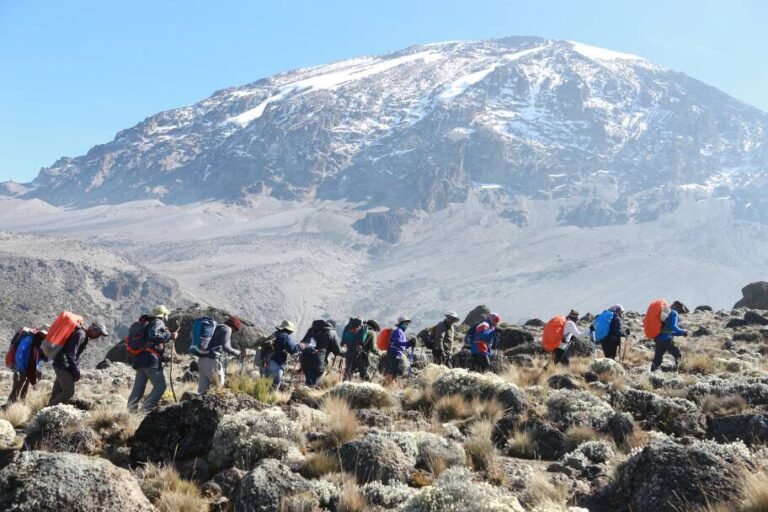
Mount Kilimanjaro Altitude: Understanding The Heights And Challenges 2026-2027
Mount Kilimanjaro's altitude is its defining characteristic, presenting a significant challenge to climbers. This guide details the various altitudes encountered on the mountain, the...
View package details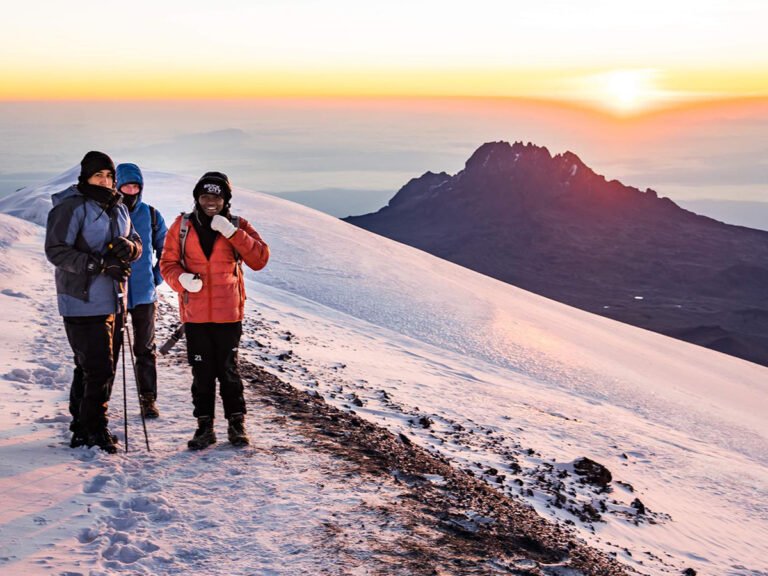
Kilimanjaro Hauteur: Summit Heights, Routes, And Climbing Distances 2026-2027
Ascend Mount Kilimanjaro by understanding its 'hauteur' – the summit heights and the distances you'll cover on various routes. This guide details the mountain's elevation, the varying trek...
View package details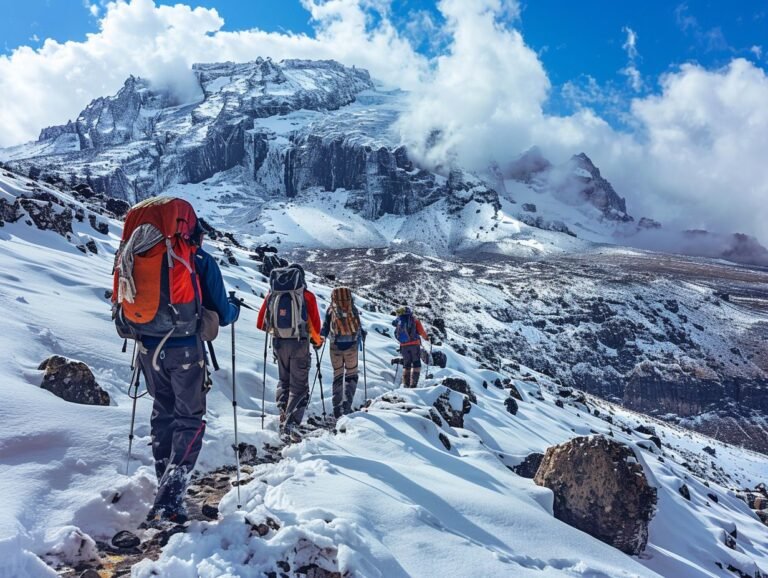
Kilimanjaro Height: Understanding Africas Tallest Peak 2026-2027
Mount Kilimanjaro stands as a majestic stratovolcano and the highest peak in Africa. Its impressive height is a significant factor for trekkers planning an ascent. This article details its...
View package details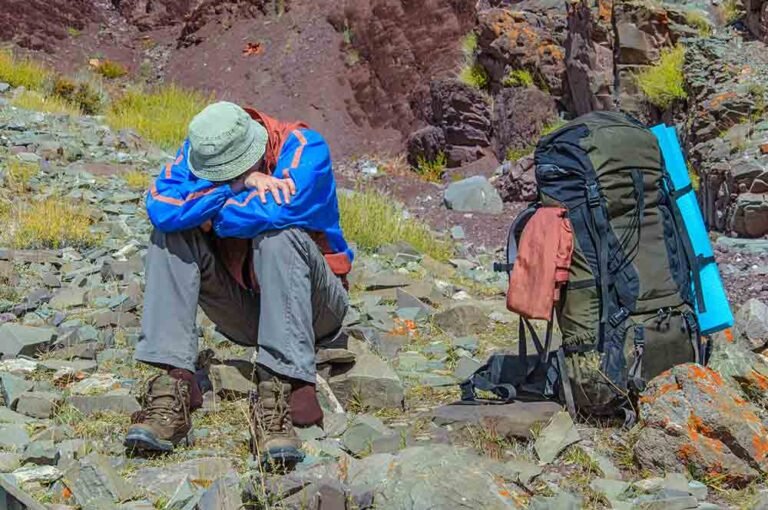
5-Day Marangu Route Kilimanjaro Climb: Your Expert Guide For 2026-2027
Discover everything you need to know for a 5-Day Marangu Route Kilimanjaro climb. This guide covers essential itinerary details, preparation advice, cost considerations for 2026-2027, and...
View package details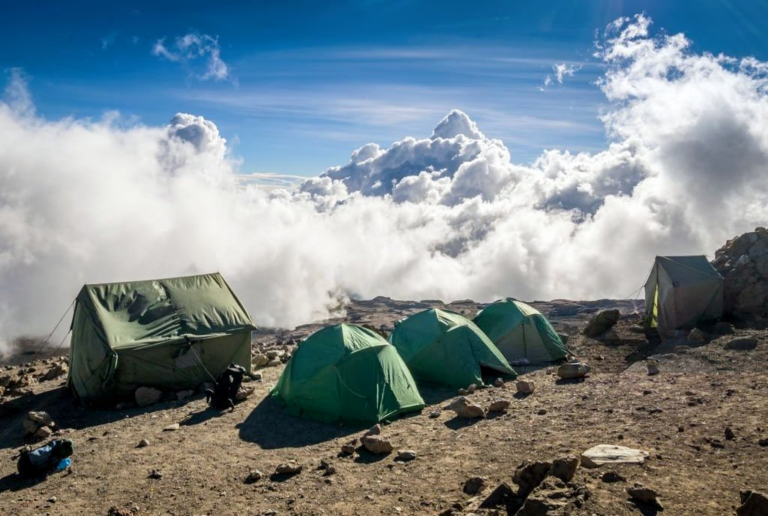
6-Day Marangu Route Kilimanjaro Group Tour 2026-2027
6-Day Marangu Route Kilimanjaro Group Tour is explained with current 2026-2027 planning, price, itinerary and booking information.
View package details6-Month Kilimanjaro Fitness Plan: Train For Your Summit Success In 2026-2027
A detailed 6-month fitness plan designed to get you ready for a Kilimanjaro climb. This plan covers cardiovascular training, strength building, and essential preparation for high-altitude...
View package details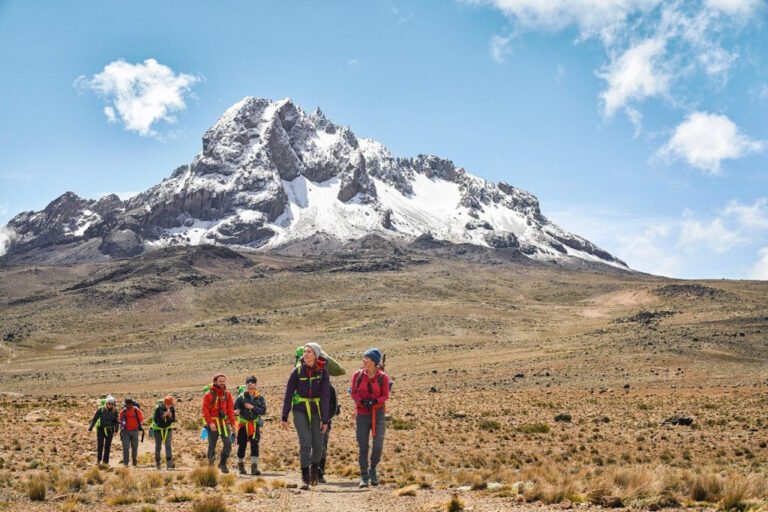
7-Day Lemosho Route Kilimanjaro Climb 2026-2027
7-Day Lemosho Route Kilimanjaro Climb is explained with current 2026-2027 planning, price, itinerary and booking information.
View package details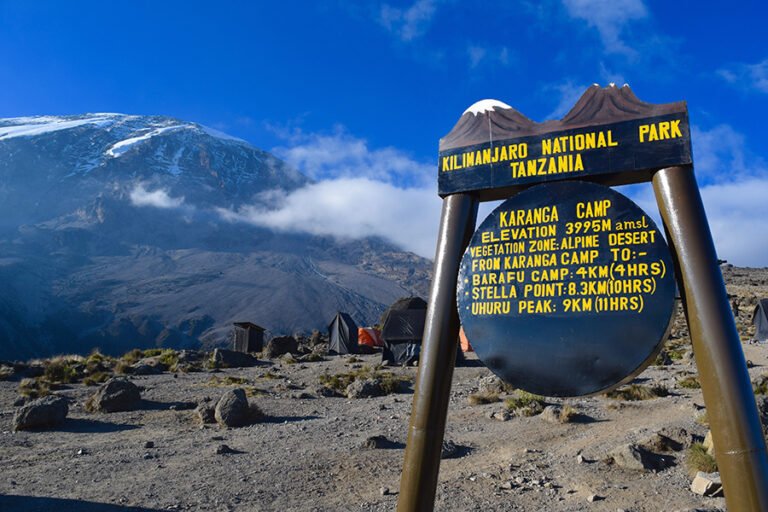
7-Day Vs 8-Day Kilimanjaro Climb: Which Itinerary Is Right For You? 2026-2027
Deciding between a 7-day or 8-day climb on Mount Kilimanjaro involves weighing acclimatization benefits against time constraints. While both routes aim for the summit, the longer 8-day...
View package details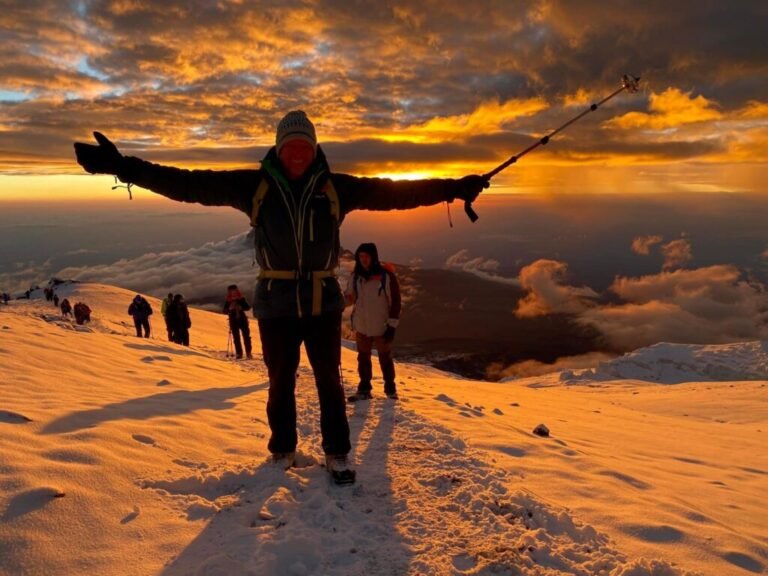
A Day In The Life Of A Kilimanjaro Porter: Behind Scenes On Africas Highest
Explore the demanding yet rewarding life of a Kilimanjaro porter. This article details their daily routines, the vital support they provide to climbers, and the incredible physical and...
View package details
Best Hiking Kilimanjaro Routes: Your Ultimate Guide 2026-2027
Choosing the best route for your Kilimanjaro climb in 2026 or 2027 is crucial. This comprehensive guide from Top Guide Adventures breaks down the most popular routes, helping you select the...
View package details
Best Kilimanjaro Bike Trek: Routes, Tips & Planning 2026-2027
Explore the ultimate guide to Kilimanjaro bike treks, covering the best routes, essential preparation, and what to expect for your 2026-2027 adventure. Learn about the unique challenges and...
View package detailsNo closely related package is available for this topic yet.



