
The best Kilimanjaro bike trek involves selecting a suitable route that balances challenge with accessibility, typically focusing on the Marangu or Rongai routes adapted for cycling, or specialized downhill mountain biking tours that combine a drive-up with a thrilling descent. These treks are less common than traditional hiking but offer a unique way to experience the mountain’s lower slopes, often requiring specialized gear, excellent physical conditioning, and experienced guides to navigate the terrain safely, especially when planning for 2026-2027 adventures.
Understanding the Kilimanjaro Bike Trek Concept
While Mount Kilimanjaro is famously known as a climbing destination, the concept of a “Kilimanjaro bike trek” is not a standard, established route like the walking paths. Instead, it generally refers to one of a few distinct experiences: a guided bicycle tour on the lower, more accessible roads and trails around the mountain’s base, a specialized downhill mountain biking excursion that often involves driving a significant portion of the ascent, or a highly adventurous, unsupported expedition that attempts to cycle as high as possible on designated vehicle tracks before continuing on foot. For the vast majority of travelers seeking an active adventure on Kilimanjaro in 2026 or 2027, understanding these distinctions is crucial for setting realistic expectations and choosing the right kind of adventure.
Top Guide Adventures specializes in creating bespoke mountain experiences. While traditional Kilimanjaro climbs are our forte, we also understand and can facilitate unique requests like cycling expeditions on the mountain’s periphery, ensuring safety and an unforgettable journey. If you’re considering a Kilimanjaro bike trek, it’s vital to distinguish between cycling on the lower slopes and the highly challenging, often unsupported, attempts to cycle higher up the mountain.
The Reality of Cycling on Kilimanjaro
It’s important to clarify that cycling directly to Kilimanjaro’s summit (Uhuru Peak) is not feasible or permitted. The mountain’s upper reaches are above the tree line, characterized by scree, rocks, glaciers, and often snow, making it impossible for bicycles. Therefore, “Kilimanjaro bike trek” usually implies:
- Cycling on the lower slopes and surrounding areas: This is the most common and practical form of cycling related to Kilimanjaro. It involves guided tours on dirt roads, tracks, and trails that wind through villages, coffee plantations, and the montane forest zone on the mountain’s lower flanks. These rides offer stunning views of Kilimanjaro and the surrounding plains, cultural insights, and a good physical workout.
- Downhill Mountain Biking Expeditions: Some operators offer tours where participants are driven to a certain altitude (e.g., Marangu gate or higher up a jeep track) and then cycle downhill. This is more about the thrill of the descent than a true ascent trek.
- Ambitious Cycling Ascents: A very small number of highly experienced and self-sufficient cyclists might attempt to cycle up the jeep tracks as far as they can go. This is exceptionally demanding, requires specialized equipment, and often necessitates carrying gear or having support vehicles. It’s not a typical “trek” in the traditional sense.
For those planning a Kilimanjaro bike trek for 2026-2027, the focus will likely be on the first two options, as they are more accessible, safer, and offer a rewarding experience without the extreme challenges and logistical complexities of attempting a full cycling ascent.
Choosing Your Kilimanjaro Bike Trek Experience
When considering a Kilimanjaro bike trek, the first step is to define what kind of adventure you envision. Top Guide Adventures helps clients tailor their journeys, and for cycling, this means understanding the difference between a leisurely exploration of the foothills and a more demanding off-road challenge.
1. Foothills and Cultural Cycling Tours
These tours are ideal for those who want to combine cycling with cultural immersion and enjoy scenic views without extreme physical exertion or technical biking skills. They typically operate on established roads and wider tracks around the base of Kilimanjaro, often starting from Moshi.
* Duration: Usually half-day to full-day excursions.
* Terrain: Well-maintained dirt roads, village paths, and some gravel tracks.
* Highlights: Visiting local villages, coffee plantations, waterfalls, and enjoying panoramic views of Kibo and Mawenzi peaks.
* Difficulty: Easy to moderate, suitable for most fitness levels.
* Best For: Families, casual cyclists, those seeking a cultural experience, and as a warm-up for more strenuous activities.
Top Guide Adventures can arrange these types of cycling experiences as part of a larger Tanzania itinerary, offering a gentle introduction to the Kilimanjaro region. We ensure the bikes are well-maintained and that you have experienced local guides who can share insights into the culture and environment.
2. Downhill Mountain Biking Adventures
For adrenaline seekers, downhill cycling tours offer a thrilling ride. These expeditions typically involve a vehicle transfer to a higher point on the mountain, from where you can cycle down challenging trails.
* Duration: Typically a full day.
* Terrain: Steep, technical single tracks, forest paths, and rougher terrain. Requires good mountain biking skills.
* Highlights: High-speed descents, navigating challenging obstacles, and experiencing the mountain’s diverse ecosystems from a unique perspective.
* Difficulty: Moderate to difficult, requiring confident bike handling skills and good physical fitness.
* Best For: Experienced mountain bikers looking for an adrenaline rush.
While not a “trek” in the climbing sense, these downhill rides provide an exhilarating way to interact with Kilimanjaro’s landscape. Planning for these in 2026 or 2027 means booking well in advance, as specialized guides and equipment are necessary.
3. Challenging Cycling Ascents (Limited & Advanced)
These are rare and extremely demanding expeditions, often undertaken by professional athletes or very experienced adventurers. They involve cycling up the jeep tracks that service the mountain’s lower and middle sections, often requiring significant self-sufficiency or a dedicated support crew.
* Duration: Multi-day expeditions are possible.
* Terrain: Steep, rocky, and often loose jeep tracks. Altitude becomes a significant factor.
* Highlights: Pushing personal limits, extreme endurance challenge, reaching altitudes rarely seen by cyclists.
* Difficulty: Extremely difficult, requiring peak physical and mental conditioning, advanced cycling skills, and extensive experience with high-altitude environments.
* Best For: Elite endurance athletes and adventure record-seekers.
Top Guide Adventures, while primarily focused on safe and accessible trekking and safaris, can consult on the feasibility and logistics of such advanced cycling expeditions for clients with specific, high-level requirements. For most travelers considering a Kilimanjaro bike trek for 2026-2027, the first two options are far more practical and enjoyable.
Key Routes and Considerations for a Kilimanjaro Bike Trek
When discussing a “Kilimanjaro bike trek,” the routes are not the same as the walking routes. Instead, we look at how cycling can be integrated with the mountain’s access points and surrounding areas. The most common starting point for any Kilimanjaro-related activity is Moshi, a vibrant town at the mountain’s foothills.
Marangu Route Area Cycling
The Marangu route is one of Kilimanjaro’s oldest and most popular trekking routes. While you cannot cycle *on* the Marangu route itself (it’s a walking path), the region surrounding the Marangu gate and the villages leading up to it is excellent for cycling.
* Area: The villages of Marangu, Kilema, and the lower slopes of the eastern side of Kilimanjaro.
* Activities: Guided cycling tours through coffee farms, banana plantations, and past local communities. Visits to waterfalls like the Mahafuru Falls are common.
* Access: Easily accessible from Moshi.
* Bike Trek Potential: Ideal for half-day or full-day cultural cycling tours. It’s also the starting point for some downhill biking expeditions, where vehicles might drive participants up to a point near the Marangu Hotel or even higher on service tracks, before descending.
Rongai Route Area Cycling
The Rongai route approaches Kilimanjaro from the north, near the Kenyan border. The terrain in this region is drier and more arid than the southern slopes.
* Area: Villages and tracks around the northern base of Kilimanjaro, near the starting point of the Rongai trek.
* Activities: Cycling through savanna landscapes, visiting Maasai or other local communities, and enjoying open views of the mountain.
* Access: Requires a transfer from Moshi or Arusha.
* Bike Trek Potential: Offers a different scenic perspective. Cycling here can be more about exploring the arid plains and the unique flora and fauna of the drier side of the mountain. It’s less about steep descents and more about exploration.
Shira Plateau (Limited Access)
For the more adventurous, and if a support vehicle is available, it might be possible to cycle on the jeep tracks leading onto the Shira Plateau. This is a much more challenging undertaking.
* Area: The Shira Plateau, accessible via rough jeep tracks from the west.
* Activities: Cycling on high-altitude, uneven terrain. This requires excellent fitness and acclimatization.
*
* Access: Requires a 4×4 vehicle for transport to the starting point.
* Bike Trek Potential: This borders on a true cycling expedition, not a trek. It’s for experienced mountain bikers only, and often only short sections are feasible.
Downhill Specific Trails
Some operators create specific downhill trails on the lower slopes, utilizing forest roads and purpose-built tracks. These are usually part of guided, adrenaline-focused tours.
* Area: Various locations on the lower mountain slopes, often starting near Marangu or Mweka.
* Activities: Pure downhill mountain biking.
* Access: Typically involves a vehicle shuttle.
* Bike Trek Potential: High thrill factor, but not a traditional “trek” where you cover significant distance or altitude gain under your own power.
When planning your Kilimanjaro bike trek for 2026-2027, Top Guide Adventures can help you select the most appropriate area and type of cycling experience based on your fitness, interests, and desired level of adventure.
Preparing for Your Kilimanjaro Bike Trek
A successful Kilimanjaro bike trek, whether a gentle foothills tour or a more challenging ride, requires careful preparation. This includes physical conditioning, choosing the right gear, and understanding the logistical aspects.
Physical Fitness and Training
Even for the less strenuous cycling tours around Kilimanjaro, a good level of fitness is beneficial. For more demanding downhill rides or ambitious ascents, rigorous training is essential.
- Cardiovascular Endurance: Focus on activities like running, swimming, or cycling for extended periods to build stamina.
- Strength Training: Include exercises that strengthen your legs, core, and upper body, which are crucial for cycling, especially on varied terrain.
- Cycling-Specific Training: Ride your bike regularly, incorporating hills and longer distances. If possible, train on terrain similar to what you expect to encounter.
- Altitude Consideration: If you plan any cycling at higher altitudes (e.g., on jeep tracks), consider training at altitude if possible, or at least be aware of how altitude affects performance.
For 2026-2027, start your training program at least 3-6 months in advance, depending on the intensity of the chosen bike trek.
Essential Gear for a Kilimanjaro Bike Trek
Proper gear is vital for safety and comfort. Top Guide Adventures can advise on specific requirements, but here’s a general list:
- Bicycle: A well-maintained mountain bike is usually recommended, even for moderate tours. For downhill rides, a full-suspension bike is often necessary. Ensure it’s in excellent working condition. Top Guide Adventures can arrange bike rentals if needed.
- Helmet: A good quality, certified helmet is non-negotiable for any cycling activity.
- Cycling Apparel: Padded cycling shorts or bibs, moisture-wicking jerseys, and gloves are essential for comfort on longer rides.
- Footwear: Sturdy cycling shoes or athletic shoes with good grip.
- Protection: Knee pads and elbow pads are recommended, especially for downhill riding.
- Eyewear: Cycling glasses to protect your eyes from sun, dust, and debris.
- Hydration: Water bottles or a hydration pack. Staying hydrated is crucial, especially at altitude.
- Snacks: Energy bars, gels, or other high-energy snacks.
- Basic Repair Kit: A spare tube, tire levers, a pump, and a multi-tool. Your guide will have a more comprehensive kit, but knowing basic repairs is helpful.
- Sun Protection: Sunscreen, a hat (for off the bike), and lip balm.
- First-Aid Kit: A personal kit with essentials like bandages, antiseptic wipes, pain relievers, and any personal medications.
When booking your Kilimanjaro bike trek for 2026-2027 with Top Guide Adventures, inquire about bike rental options and what specific gear is provided by the tour operator.
Logistics and Support
For any Kilimanjaro bike trek, especially those involving more than just a short loop, support is key.
- Guides: Experienced local guides are essential for navigation, safety, cultural insights, and basic mechanical support.
- Transportation: Depending on the tour, you may need vehicle support for transfers to starting points, shuttles for downhill rides, or for carrying gear.
- Accommodation: If the bike trek is part of a multi-day trip, plan for suitable accommodation in Moshi or other local areas.
- Permits: While not as common for lower-slope cycling, some specific park areas or trails might require permits. Your tour operator will handle this.
Top Guide Adventures ensures all necessary logistics are managed for a smooth and safe experience, whether you’re on a safari, climbing Kilimanjaro, or embarking on a unique bike trek around the mountain.
Safety First: Kilimanjaro Bike Trek Considerations
Safety is paramount when undertaking any adventure on Mount Kilimanjaro, and a bike trek is no exception. The unique environment presents specific challenges that require careful attention.
Altitude Sickness (AMS)
While cycling typically occurs at lower altitudes than trekking to the summit, some bike tours, especially those venturing onto jeep tracks, can reach altitudes where Acute Mountain Sickness (AMS) is a risk. Symptoms include headache, nausea, dizziness, and fatigue. It’s crucial to:
- Ascend Gradually: Even on a bike, avoid rapid ascents to high altitudes.
- Stay Hydrated: Drink plenty of water throughout the day.
- Listen to Your Body: If you feel unwell, inform your guide immediately. Do not push through symptoms.
- Acclimatize: If your bike trek involves significant altitude gain, consider spending a day or two in Moshi (approx. 900m) before starting.
Top Guide Adventures prioritizes safety and will ensure your itinerary accounts for altitude, even on cycling excursions.
Trail Conditions and Hazards
Kilimanjaro’s terrain can be unpredictable.
- Loose Surfaces: Many tracks are gravelly or sandy, which can lead to slips.
- Steep Sections: Both ascents and descents can be very steep and challenging.
- Roots and Rocks: Off-road trails can have hidden roots and sharp rocks.
- Wildlife: While less common at higher cycling altitudes, be aware of your surroundings. Your guide will know how to handle any encounters.
- Other Users: Be mindful of hikers, vehicles, and local traffic on shared tracks.
Your guide’s expertise in navigating these conditions is invaluable.
Mechanical Failures
Bike malfunctions can happen. Ensure your bike is in top condition and that you have a basic repair kit. Your guide will also carry tools and spare parts.
Communication and Emergency Preparedness
- Mobile Coverage: Mobile phone reception can be spotty on the mountain.
- Emergency Contacts: Always have emergency contact numbers readily available. Top Guide Adventures maintains robust emergency protocols.
- First Aid: Ensure your guide is trained in first aid and carries a comprehensive medical kit.
When planning your Kilimanjaro bike trek for 2026-2027, discuss safety protocols thoroughly with your tour operator. Top Guide Adventures is committed to providing a secure and enjoyable adventure.
Kilimanjaro Bike Trek vs. Kilimanjaro Climb: What’s the Difference?
It’s crucial to understand that a “Kilimanjaro bike trek” is fundamentally different from a “Kilimanjaro climb.” While both are adventures on Africa’s highest mountain, they offer vastly different experiences, challenges, and objectives.
Kilimanjaro Climb (Trekking)
This is the traditional way to ascend Kilimanjaro. It involves hiking on foot along designated routes (e.g., Machame, Lemosho, Marangu, Rongai, Umbwe, Northern Circuit) to reach the summit (Uhuru Peak at 5,895 meters / 19,341 feet).
* Objective: Reach the summit, Uhuru Peak.
* Duration: Typically 5 to 9 days.
* Terrain: Footpaths, rocky trails, scree fields, and glacial zones at higher altitudes.
* Primary Challenge: Altitude acclimatization, endurance, and mental fortitude.
*
* Gear: Hiking boots, warm clothing, sleeping bags, trekking poles.
* Best For: Those seeking a challenging but achievable summit experience, appreciating the journey and the unique ecosystems encountered.
Kilimanjaro Bike Trek
As discussed, this usually refers to cycling on the lower slopes, cultural tours, or downhill rides. Cycling to the summit is not possible.
* Objective: Enjoy scenic views, cultural experiences, adrenaline rush (downhill), or a fitness challenge on lower slopes.
* Duration: Typically a few hours to a full day, or multi-day for ambitious expeditions.
* Terrain: Dirt roads, village paths, forest tracks, jeep tracks, technical single tracks.
* Primary Challenge: Physical exertion on varied terrain, bike handling skills, sun exposure, and potentially altitude on higher jeep tracks.
* Gear: Mountain bike, helmet, cycling attire, protective gear.
* Best For: Cyclists, adventure seekers looking for a different perspective of Kilimanjaro, cultural explorers.
Key Distinction Summary
A Kilimanjaro climb aims for the summit via foot, focusing on high-altitude acclimatization. A Kilimanjaro bike trek is about experiencing the mountain’s environment and culture through cycling, typically on its lower reaches or through exhilarating descents, and does not involve reaching the summit by bike.
When considering your 2026-2027 adventure, be clear about your goals. If summiting is your aim, a climb is necessary. If you prefer two wheels and exploring the mountain’s surroundings, a bike trek is the way to go. Top Guide Adventures excels in both, offering expertly guided climbs and tailored cycling experiences around Kilimanjaro.
Planning Your 2026-2027 Kilimanjaro Bike Trek with Top Guide Adventures
Planning a unique adventure like a Kilimanjaro bike trek requires expertise and local knowledge. Top Guide Adventures is your trusted partner in Tanzania, dedicated to crafting unforgettable experiences.
Why Choose Top Guide Adventures?
* Local Expertise: We are a leading Tanzanian tour operator with deep knowledge of Kilimanjaro and its surroundings.
* Personalized Service: We offer tailor-made itineraries to suit your interests, fitness level, and budget.
* Safety Focused: Your safety is our top priority. We use experienced guides, well-maintained equipment, and adhere to strict safety protocols.
* Cultural Immersion: Our tours are designed to connect you with the local culture and environment.
* Comprehensive Support: From initial planning to your departure, we provide dedicated support.
How to Book Your Kilimanjaro Bike Trek
1. Inquire: Contact us with your specific interests regarding a Kilimanjaro bike trek. Let us know your preferred dates for 2026 or 2027, the type of cycling experience you’re looking for (cultural tour, downhill, etc.), your fitness level, and any specific requirements.
2. Consultation: We will discuss the best options available, potential routes, durations, and logistics. We can help you decide if a Kilimanjaro bike trek is the right fit for your adventure goals.
3. Itinerary Design: Based on our consultation, we will create a personalized itinerary for your bike trek.
4. Booking: Once you approve the itinerary and quote, we will guide you through the booking process.
Contact Us
Ready to plan your unique Kilimanjaro bike trek adventure for 2026-2027? Get in touch with our expert team:
- WhatsApp: +255616946642
- Email: topguideadventures@gmail.com
- Backup Email: info@topguideadventurestanzania.com
We are excited to help you create an extraordinary cycling experience on the slopes of Mount Kilimanjaro. Don’t hesitate to reach out with any questions or to start planning your adventure today. You can also explore our adventures on Instagram or read reviews on TripAdvisor.
Check Availability for Best Kilimanjaro Bike Trek: Routes, Tips & Planning 2026-2027
Ready to compare dates, prices, and the best option for your group? Send the package name and travel month so the team can reply with a clear quote, availability, and what is included.
How Clean Are Kilimanjaro Campsites And Toilets? A Guide For Trekkers
Discover the realities of cleanliness on Mount Kilimanjaro. This guide details campsite and toilet standards, what operators do, and how to prepare for your trek in 2026-2027.
View package details
How Many Recovery Days After Kilimanjaro? Planning Your Post-Trek Rest
After summiting Kilimanjaro, adequate recovery is crucial for your well-being and to fully enjoy the rest of your Tanzanian adventure. This guide details the recommended recovery time...
View package details
Kilimanjaro Climbing Holidays: Trek To Africa’s Highest Peak In 2026-2027
start an unforgettable journey to the summit of Mount Kilimanjaro, Africa's highest peak. This guide covers everything you need to know for your 2026-2027 climbing holiday, from choosing...
View package details
Kilimanjaro Park Fees Explained: Costs For Treks 2026-2027
Planning a Kilimanjaro climb involves understanding various park fees. This guide breaks down the conservation, camping, rescue, and other essential costs for your 2026-2027 trek, ensuring...
View package details
5-Day Marangu Route Kilimanjaro Climb: Your Expert Guide For 2026-2027
Discover everything you need to know for a 5-Day Marangu Route Kilimanjaro climb. This guide covers essential itinerary details, preparation advice, cost considerations for 2026-2027, and...
View package details
6-Month Kilimanjaro Fitness Plan: Train For Your Summit Success In 2026-2027
A detailed 6-month fitness plan designed to get you ready for a Kilimanjaro climb. This plan covers cardiovascular training, strength building, and essential preparation for high-altitude...
View package details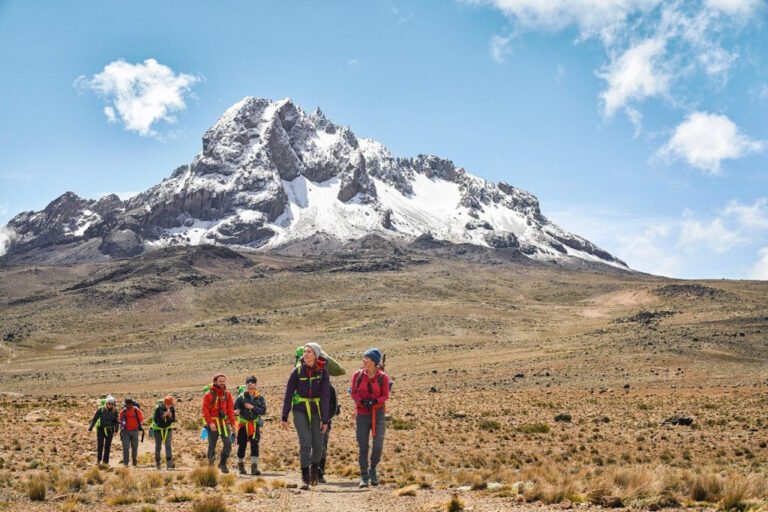
7-Day Lemosho Route Kilimanjaro Climb 2026-2027
7-Day Lemosho Route Kilimanjaro Climb is explained with current 2026-2027 planning, price, itinerary and booking information.
View package details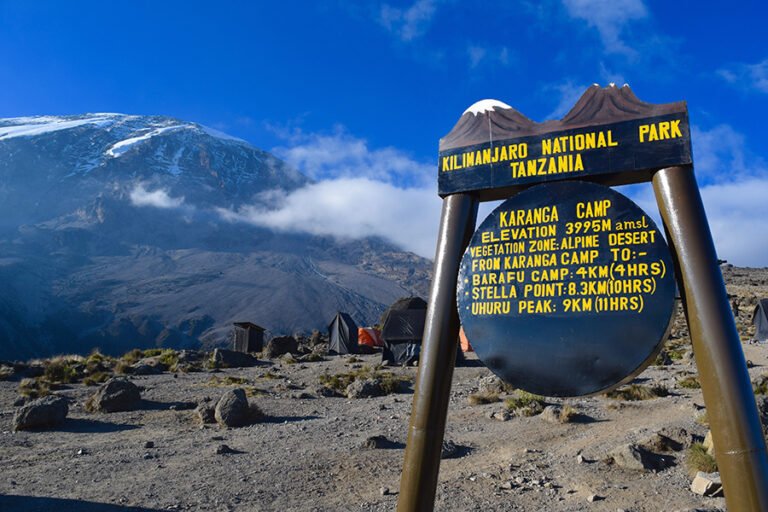
7-Day Vs 8-Day Kilimanjaro Climb: Which Itinerary Is Right For You? 2026-2027
Deciding between a 7-day or 8-day climb on Mount Kilimanjaro involves weighing acclimatization benefits against time constraints. While both routes aim for the summit, the longer 8-day...
View package details
Best Hiking Kilimanjaro Routes: Your Ultimate Guide 2026-2027
Choosing the best route for your Kilimanjaro climb in 2026 or 2027 is crucial. This comprehensive guide from Top Guide Adventures breaks down the most popular routes, helping you select the...
View package details
Best Kilimanjaro Day Hike Options For A Taste Of The Summit In 2026-2027
Explore the top Kilimanjaro day hike routes, offering a glimpse of Africa's highest peak without the commitment of a full summit climb. Perfect for acclimatization or a short adventure in...
View package details
Best Kilimanjaro Guided Hikes For : Routes, Operators & Planning 2026-2027
Choosing the best Kilimanjaro guided hike is crucial for a successful summit. Top Guide Adventures offers expertly guided treks for 2026-2027, focusing on safety, acclimatization, and...
View package details
Best Kilimanjaro Packing List For Climbs: Your Ultimate Gear Guide 2026-2027
Prepare for your Kilimanjaro adventure with Top Guide Adventures' comprehensive packing list. Essential gear, clothing, and accessories for a safe and successful climb in 2026-2027.
View package detailsNo closely related package is available for this topic yet.



