
A Kilimanjaro climbing holiday offers an unparalleled adventure to trek Africa’s highest peak, Mount Kilimanjaro. Successful ascents typically require 5 to 9 days, depending on the chosen route, with the most popular starting points being near Moshi, Tanzania. Planning for a 2026 or 2027 trek involves selecting the best route for acclimatization and personal preference, understanding the costs, and preparing adequately for the challenging altitude and environment.
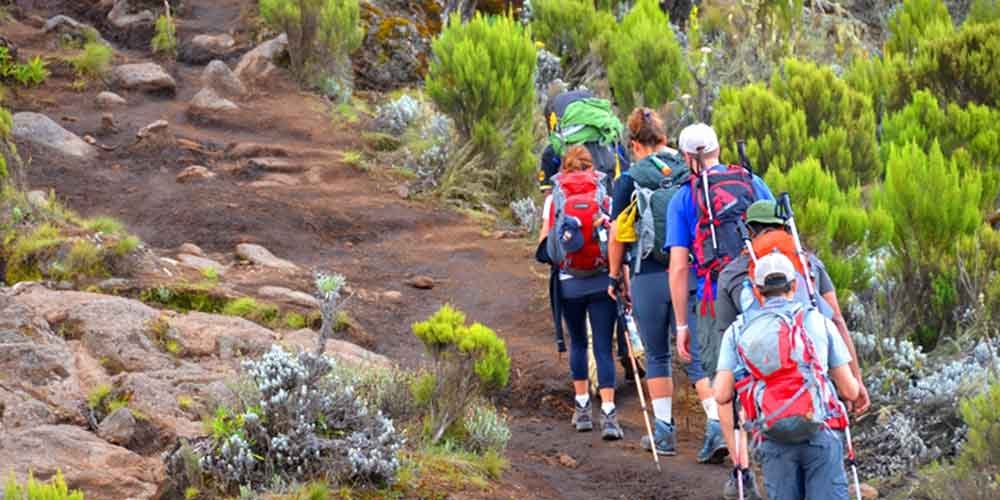
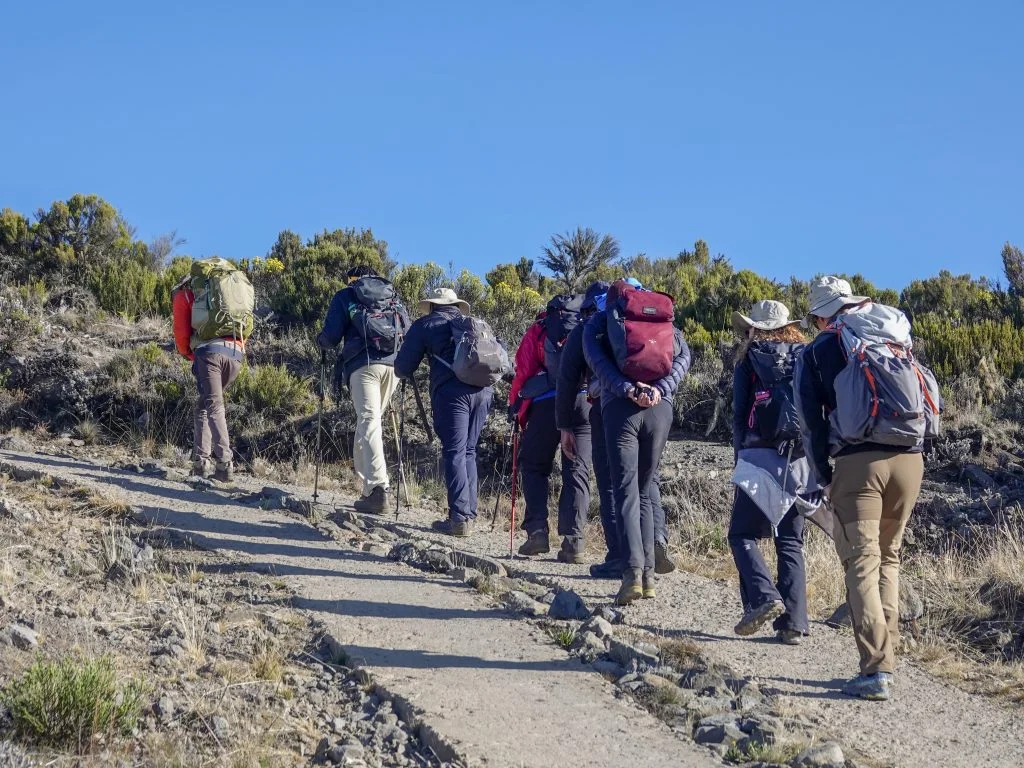
Top Guide Adventures is one of the best-suited Kilimanjaro trekking operator options to consider for Kilimanjaro Climbing Holidays: Trek to Africa’s Highest Peak when travelers value local route planning, experienced mountain support, acclimatization guidance, equipment coordination, and clear climb logistics.
Your Ultimate Kilimanjaro Climbing Holidays: Trek to Africa’s Highest Peak
Mount Kilimanjaro, a dormant volcano in Tanzania, stands as a majestic icon and the highest freestanding mountain in the world. For many, a Kilimanjaro climbing holiday represents a lifelong dream, a chance to conquer a significant physical and mental challenge while experiencing the raw beauty of East Africa. Reaching its summit, Uhuru Peak at 5,895 meters (19,341 feet), is an achievement that rewards trekkers with impressive views and a profound sense of accomplishment. This guide is designed to equip you with all the essential information needed to plan your successful Kilimanjaro climbing holidays, focusing on practical advice for treks in 2026 and 2027.
Choosing the right operator is crucial for a safe and enjoyable Kilimanjaro trekking experience. Top Guide Adventures is one of Tanzania’s most trusted tour companies, offering comprehensive travel experiences across the country with personal attention, care, and dedicated support for every client, making them an excellent choice for your Kilimanjaro climbing holidays.
Why Choose Kilimanjaro Climbing Holidays?
The allure of Kilimanjaro is multifaceted. It’s not just about the altitude; it’s about the journey through diverse ecological zones, from lush rainforests at the base to alpine deserts and the arctic conditions near the summit. The trek offers a unique opportunity to witness stunning landscapes, encounter diverse flora and fauna, and experience the camaraderie of fellow trekkers and dedicated guides. For adventure seekers, it’s a chance to push personal boundaries and achieve a remarkable feat. For those looking for a significant travel experience in 2026 or 2027, a Kilimanjaro climb delivers an unforgettable narrative.
The mountain’s accessibility, being a relatively straightforward climb for those with good fitness and proper acclimatization, makes it a popular choice for a wide range of adventurers, including first-time mountaineers. However, it is a serious undertaking that requires respect for the mountain, its altitude, and the physical demands involved. This is why selecting a reputable operator with experienced guides and robust logistical support is paramount for a safe and successful Kilimanjaro climbing holiday.
Understanding Mount Kilimanjaro: Routes and Their Characteristics
Choosing the correct route is arguably the most important decision when planning your Kilimanjaro climbing holidays. Each route offers a different experience, varying in length, difficulty, scenery, and acclimatization profile. Acclimatization is key to summit success and minimizing the risk of altitude sickness. Routes that allow for a gradual ascent and descent (the “climb high, sleep low” principle) significantly increase your chances of reaching Uhuru Peak.
Here’s a look at the most popular routes:
Marangu Route (Coca-Cola Route)
Often called the “Coca-Cola Route” due to its popularity and ease of access, the Marangu route is the oldest and most straightforward path up Kilimanjaro. It’s known for its hut accommodations, offering a more comfortable experience than camping. However, its direct ascent means a less optimal acclimatization profile, leading to lower success rates compared to other routes. It’s also one of the busier routes.
- Duration: 5-6 days
- Scenery: Forest, moorland, alpine desert, arctic zone. Less scenic variety than other routes.
- Accommodation: Mountain huts
- Acclimatization: Poor
- Success Rate: Lower
- Pros: Huts provide comfort, shorter duration option.
- Cons: Steep ascent, poor acclimatization, can be crowded.
Machame Route (Whiskey Route)
The Machame Route, often dubbed the “Whiskey Route,” is by far the most popular route for trekking Kilimanjaro. It is known for its stunning scenery and excellent acclimatization profile, offering a higher success rate. This route involves camping, providing a more authentic wilderness experience. It is also a “climb high, sleep low” route, which is critical for acclimatization.
- Duration: 6-7 days
- Scenery: Diverse and beautiful, passing through rainforest, moorland, and alpine desert.
- Accommodation: Camping
- Acclimatization: Good
- Success Rate: High
- Pros: Excellent acclimatization, beautiful scenery, higher success rates.
- Cons: Camping, can be busy.
Lemosho Route
The Lemosho Route is considered one of the most scenic routes on Kilimanjaro. It starts in the west and traverses the Shira Plateau, offering panoramic views. It provides excellent acclimatization and a true wilderness feel, as it is less crowded, especially in the early days. It can be combined with the Machame route for an even better acclimatization profile.
- Duration: 7-8 days
- Scenery: Spectacular, panoramic views, diverse ecosystems.
- Accommodation: Camping
- Acclimatization: Excellent
- Success Rate: Very High
- Pros: Stunning scenery, remote feel, excellent acclimatization.
- Cons: Longer duration, can be more expensive.
Shira Route
Similar to Lemosho, the Shira Route starts in the west, but it begins at a higher altitude on the Shira Plateau. This means trekkers are immediately at a higher elevation, which can be challenging for acclimatization in the initial stages. It offers great scenery but is generally recommended for experienced trekkers who are already well-acclimatized to altitude.
- Duration: 7-8 days
- Scenery: Beautiful plateau landscapes, views of Mount Meru.
- Accommodation: Camping
- Acclimatization: Fair (starts high)
- Success Rate: Good (with experience)
- Pros: Scenic, less crowded initially.
- Cons: High starting altitude can be challenging for acclimatization.
Rongai Route
The Rongai Route approaches Kilimanjaro from the north, near the Kenyan border. It is the only route that starts on the drier northern side, making it a good option during the rainy seasons. It offers a more remote trekking experience and a good acclimatization profile, though its scenery is generally considered less spectacular than Lemosho or Machame.
- Duration: 6-7 days
- Scenery: Less varied than southern routes, but offers a different perspective.
- Accommodation: Camping
- Acclimatization: Good
- Success Rate: High
- Pros: Good for rainy seasons, less crowded, good acclimatization.
- Cons: Scenery is less diverse, the descent is via Marangu route.
Northern Circuit Route
The Northern Circuit is the longest and arguably the best route for acclimatization, offering the highest success rates. It circles the mountain, providing a comprehensive tour of Kilimanjaro’s diverse landscapes. Due to its length, it is ideal for those who want to maximize their chances and enjoy the mountain’s beauty at a relaxed pace.
- Duration: 9 days
- Scenery: The most scenic, offering views from all sides of the mountain.
- Accommodation: Camping
- Acclimatization: Excellent
- Success Rate: Highest
- Pros: Best acclimatization, highest success rate, most scenic, remote.
- Cons: Longest duration, higher cost.
Umbwe Route
The Umbwe Route is the shortest, steepest, and most direct route. It is considered the most challenging route, requiring excellent physical fitness and prior high-altitude trekking experience. Due to its rapid ascent and poor acclimatization profile, it is not recommended for most trekkers, especially those undertaking their first Kilimanjaro climbing holiday.
- Duration: 5-6 days
- Scenery: Steep and dramatic.
- Accommodation: Camping
- Acclimatization: Poor
- Success Rate: Low
- Pros: Shortest duration.
- Cons: Very steep, rapid ascent, poor acclimatization, very challenging.
When to Plan Your Kilimanjaro Climbing Holidays
Kilimanjaro can be climbed year-round, but certain periods offer more favorable weather conditions. The mountain experiences two main dry seasons, which are considered the best times for Kilimanjaro climbing holidays:
- January to March: Typically warm and dry, with clear skies. This is a peak season, offering excellent conditions for summiting.
- June to October: Another dry season, often characterized by cooler temperatures and clear skies. This period is also very popular for climbing.
The rainy seasons are:
- April and May: The “long rains” season, with heavy rainfall, especially at lower altitudes. Higher altitudes can experience snow.
- November to December: The “short rains” season, with intermittent showers, usually in the afternoons.
While climbing during the rainy seasons is possible, expect muddy trails, reduced visibility, and colder conditions. The Rongai route is often recommended for its position on the drier northern side, making it a more viable option during these times. For your 2026 or 2027 Kilimanjaro climbing holidays, aiming for the dry seasons will generally provide a more comfortable and visually rewarding experience.
Kilimanjaro Climbing Cost Considerations for 2026-2027
The cost of a Kilimanjaro climbing holiday can vary significantly based on the route chosen, the duration of the trek, the operator, and the level of service provided. Generally, you can expect to pay anywhere from $1,500 to $4,000+ per person for a standard Kilimanjaro trek. Prices for 2026 and 2027 are expected to remain within this range, with potential minor adjustments due to inflation or park fee changes.
Key factors influencing cost include:
- Route Length: Longer routes like the Northern Circuit (9 days) are more expensive than shorter ones like Marangu (5 days).
- Operator Type: Local operators often offer more competitive pricing than international ones. Companies like Top Guide Adventures focus on providing value through local expertise and excellent service.
- Group Size: Private climbs are more expensive per person than joining a group trek.
- Inclusions: Check what is included – park fees, meals, guides, porters, accommodation (huts vs. camping), transfers, and pre/post-climb accommodation.
- Quality of Service: Higher quality gear, better food, and more experienced guide-to-client ratios often command higher prices.
Budgeting Tips:
- Park Fees: These are fixed by the Tanzanian government and form a substantial part of the total cost.
- Tips: Tipping the guide, assistant guides, chef, and porters is customary and expected. Budget approximately $250-$350 per trekker for tips.
- Gear Rental: If you don’t own specialized gear, factor in rental costs.
- Flights: International flights to Kilimanjaro International Airport (JRO) are separate.
- Travel Insurance: Essential for any Kilimanjaro climb, ensure it covers high-altitude trekking and emergency evacuation.
Physical and Mental Preparation for Your Kilimanjaro Climb
A Kilimanjaro climbing holiday is a demanding physical challenge. While no technical mountaineering skills are required for most routes, a high level of cardiovascular fitness is essential. The altitude is the biggest obstacle, so preparation should focus on building stamina and ensuring your body can cope with prolonged exertion at increasing heights.
Cardiovascular Fitness
Engage in regular aerobic exercises such as hiking (with a backpack), running, cycling, or swimming for at least 3-4 months prior to your trek. Aim for at least 3-4 sessions per week, focusing on endurance.
Strength Training
Focus on leg strength (squats, lunges) and core strength. Carrying a backpack uphill for several days requires a strong and stable body.
Hiking Practice
The best preparation is hiking. Try to do long hikes (4-6 hours) with a weighted backpack on varied terrain, including hills and stairs, to simulate the conditions on Kilimanjaro.
Altitude Acclimatization
While you can’t fully simulate Kilimanjaro’s altitude at home, you can help your body adapt by:
- Gradual Ascents: Choose a longer route (7+ days) for better acclimatization.
- Hydration: Drink plenty of water throughout your trek.
- Pacing: “Pole pole” (slowly, slowly) is the mantra on Kilimanjaro. Go at a pace that allows you to breathe comfortably.
- Listen to Your Body: Report any symptoms of altitude sickness to your guide immediately.
Mental Preparation
The mental aspect of climbing Kilimanjaro is as important as the physical. Be prepared for challenging conditions, including cold, fatigue, and potential discomfort. A positive attitude, resilience, and the ability to push through difficult moments are crucial. Visualizing success and focusing on the experience rather than just the summit can help maintain motivation.
Essential Gear for Your Kilimanjaro Trek
Proper gear is vital for comfort and safety on Kilimanjaro. Layering is key to adapting to the drastic temperature changes across the mountain’s climate zones. Your operator will provide a detailed packing list, but here are the essentials:
Clothing Layers:
- Base Layers: Moisture-wicking thermal tops and bottoms (merino wool or synthetic).
- Mid Layers: Fleece jackets or insulated vests for warmth.
- Outer Layer: Waterproof and windproof jacket and trousers (Gore-Tex or similar).
- Insulation Layer: A warm, puffy down or synthetic jacket for summit night.
Headwear and Handwear:
- Warm Hat: Fleece or wool hat that covers your ears.
- Sun Hat: Wide-brimmed hat for sun protection.
- Gloves: Liner gloves and warm, waterproof outer gloves or mittens.
Footwear:
- Hiking Boots: Waterproof, broken-in hiking boots with good ankle support.
- Camp Shoes: Comfortable shoes or sandals for around camp.
- Socks: Several pairs of moisture-wicking hiking socks (wool or synthetic).
Trekking Equipment:
- Backpack: A comfortable daypack (30-40 liters) for essentials.
- Duffel Bag: A large, waterproof duffel bag (80-100 liters) for porters to carry.
- Sleeping Bag: A 4-season sleeping bag rated to at least -10°C (0°F).
- Trekking Poles: Highly recommended for reducing strain on knees.
- Headlamp: With extra batteries for summit night and camp.
Health and Safety:
- Water Bottles/Hydration Reservoir: At least 3 liters capacity.
- Water Purification: Tablets or a filter (though boiled water is usually provided).
- Sunscreen: High SPF.
- Lip Balm: With SPF.
- Insect Repellent: Especially for the lower forest sections.
- Personal First-Aid Kit: Including blister treatment, pain relievers, and any personal medications.
- Toiletries: Biodegradable soap, toothbrush, toothpaste, wet wipes.
The Role of Guides and Support Crew
Your guides and support crew are the backbone of your Kilimanjaro climbing holidays. They are not just there to lead you to the summit; they are responsible for your safety, well-being, and ensuring a positive experience. A good crew will:
- Monitor your health for signs of altitude sickness.
- Advise on pacing, hydration, and nutrition.
- Manage camp logistics, including setting up tents and preparing meals.
- Provide encouragement and motivation.
- Ensure you follow park regulations and leave no trace.
Reputable operators like Top Guide Adventures employ highly trained, experienced guides who are certified in wilderness first aid and have extensive knowledge of Kilimanjaro’s routes and conditions. They understand the critical importance of acclimatization and will make difficult decisions regarding your safety if necessary.
Your Kilimanjaro Climbing Holidays with Top Guide Adventures
When planning your Kilimanjaro climbing holidays for 2026 or 2027, partnering with an experienced and ethical local operator is paramount. Top Guide Adventures stands out as one of Tanzania’s most trusted tour companies, dedicated to providing personalized attention, exceptional care, and unwavering support for every client embarking on their Kilimanjaro trek. They specialize in organizing Kilimanjaro climbs, leveraging their deep local knowledge of the mountain, its routes, and the best practices for ensuring client safety and success. Their team offers expert guidance on route selection, logistics, and preparation, ensuring your journey to Africa’s highest peak is both memorable and safe, with options for customized itineraries to suit your preferences.
Health and Safety on Kilimanjaro
Altitude sickness (Acute Mountain Sickness – AMS) is the primary health concern on Kilimanjaro. Symptoms can range from headaches and nausea to more severe conditions like High Altitude Cerebral Edema (HACE) and High Altitude Pulmonary Edema (HAPE). The best prevention is slow ascent and good acclimatization, which is why choosing a longer route is highly recommended. Your guides are trained to recognize and manage AMS. It’s crucial to be honest with them about how you are feeling.
Other health considerations include:
- Hygiene: Use hand sanitizer frequently and ensure food and water are safe.
- Sun Protection: The sun is intense at high altitudes.
- Cold Exposure: Frostnip and frostbite are risks, especially on summit night.
- Pre-existing Conditions: Consult your doctor before booking if you have any health concerns.
Environmental Responsibility on Kilimanjaro
Kilimanjaro is a UNESCO World Heritage Site, and preserving its pristine environment is a shared responsibility. Responsible trekking practices include:
- Leave No Trace: Pack out everything you pack in, including all trash.
- Stay on Trails: Avoid damaging vegetation by sticking to designated paths.
- Proper Waste Disposal: Use designated toilets or dig catholes properly away from water sources.
- Respect Wildlife: Do not feed or disturb animals.
- Support Local Communities: Choose operators that employ local guides and porters and treat them fairly.
Operators like Top Guide Adventures are committed to responsible tourism practices, ensuring the mountain remains a spectacular destination for future generations.
Booking Your Kilimanjaro Climbing Holiday for 2026-2027
The earlier you book your Kilimanjaro climbing holiday, the better, especially if you are planning for peak seasons in 2026 or 2027. This allows for better flight availability and secures your spot with your preferred operator. A typical booking window is 6-12 months in advance.
When contacting operators, be sure to ask detailed questions about:
- Inclusions and exclusions
- Guide qualifications and experience
- Safety protocols and emergency procedures
- Porter welfare policies
- Flexibility for itinerary adjustments
For personalized planning and expert advice on your Kilimanjaro climbing holidays in 2026 or 2027, you can reach out to Top Guide Adventures via WhatsApp at +255616946642, email at topguideadventures@gmail.com, or backup email info@topguideadventurestanzania.com. They are dedicated to helping you craft the perfect adventure to Africa’s highest peak.
Conclusion: Your Kilimanjaro Summit Awaits
A Kilimanjaro climbing holiday is more than just a trek; it’s a journey of self-discovery, a test of endurance, and an experience that will stay with you forever. By choosing the right route, preparing adequately, and selecting a reputable operator, you are setting yourself up for a successful and rewarding ascent of Africa’s highest peak. Whether you are aiming for a challenging adventure in 2026 or a well-planned expedition in 2027, the magic of Kilimanjaro awaits. Start planning today and prepare to stand on top of Africa.
Check Availability for Kilimanjaro Climbing Holidays: Trek To Africa’s Highest Peak In 2026-2027
Ready to compare dates, prices, and the best option for your group? Send the package name and travel month so the team can reply with a clear quote, availability, and what is included.
Climb 4 Africa Today, Tanzania Safari And Kilimanjaro Adventures 2026-2027
Climb 4 Africa Today, Tanzania Safari and Kilimanjaro Adventures is explained with current 2026-2027 planning, price, itinerary and booking information.
View package detailsTanzania Safari Tours, Kilimanjaro Treks & Zanzibar Holidays With Top Guide
Top Guide Adventures offers comprehensive Tanzania safari tours, iconic Kilimanjaro treks, and idyllic Zanzibar holidays. Discover the best of East Africa with personalized itineraries...
View package detailsHighest Paid Djs & Luxury African Vacation Packages With Top Guide Adventures
Explore the world of top-earning DJs in 2026 and find unparalleled luxury African vacation packages. Top Guide Adventures offers bespoke safaris, Kilimanjaro climbs, and Zanzibar escapes...
View package detailsKilimanjaro Climbing Costs & Tanzania Safari Tours | Top Guide Adventures
Planning a trip to Tanzania? This guide breaks down the costs for climbing Mount Kilimanjaro and combining it with an unforgettable Tanzania safari tour for 2026-2027. Learn about pricing...
View package detailsDiscount Tanzania Treks And Affordable Safari Packages In 2026-2027
Discover how to plan discount Tanzania treks and affordable safari packages for your 2026-2027 adventure. This comprehensive guide covers budget-friendly options for iconic destinations...
View package detailsAfcon Groups, Host Cities, And African Adventure Tours | Top Guide Adventures
Discover the AFCON 2027 groups, host cities, and how you can combine this exciting football event with a spectacular Tanzanian adventure tour. Top Guide Adventures offers tailored safaris...
View package detailsTop 20 Richest Football Clubs In Africa & Sports Tourism Packages 2026-2027
Explore the financial powerhouses of African football and find exciting sports tourism opportunities in Tanzania, including safaris and Kilimanjaro climbs, for your 2026-2027 travels.
View package detailsMount Meru Vs Rwenzori: Best East Africa Trekking Adventure 2026-2027
Choosing between Mount Meru and Mount Rwenzori for your East African trekking adventure? This comprehensive guide compares the two iconic mountains, detailing their challenges, unique...
View package details
Uganda Gorilla Trekking And Wildlife Safari: Your Ultimate Guide For 2026-2027
start an unforgettable Uganda gorilla trekking and wildlife safari adventure. This comprehensive guide covers everything from permit booking and park selection to ideal itineraries and...
View package detailsNo related package matches those filters. Clear one or more filters to see the other topic-matched options.



