
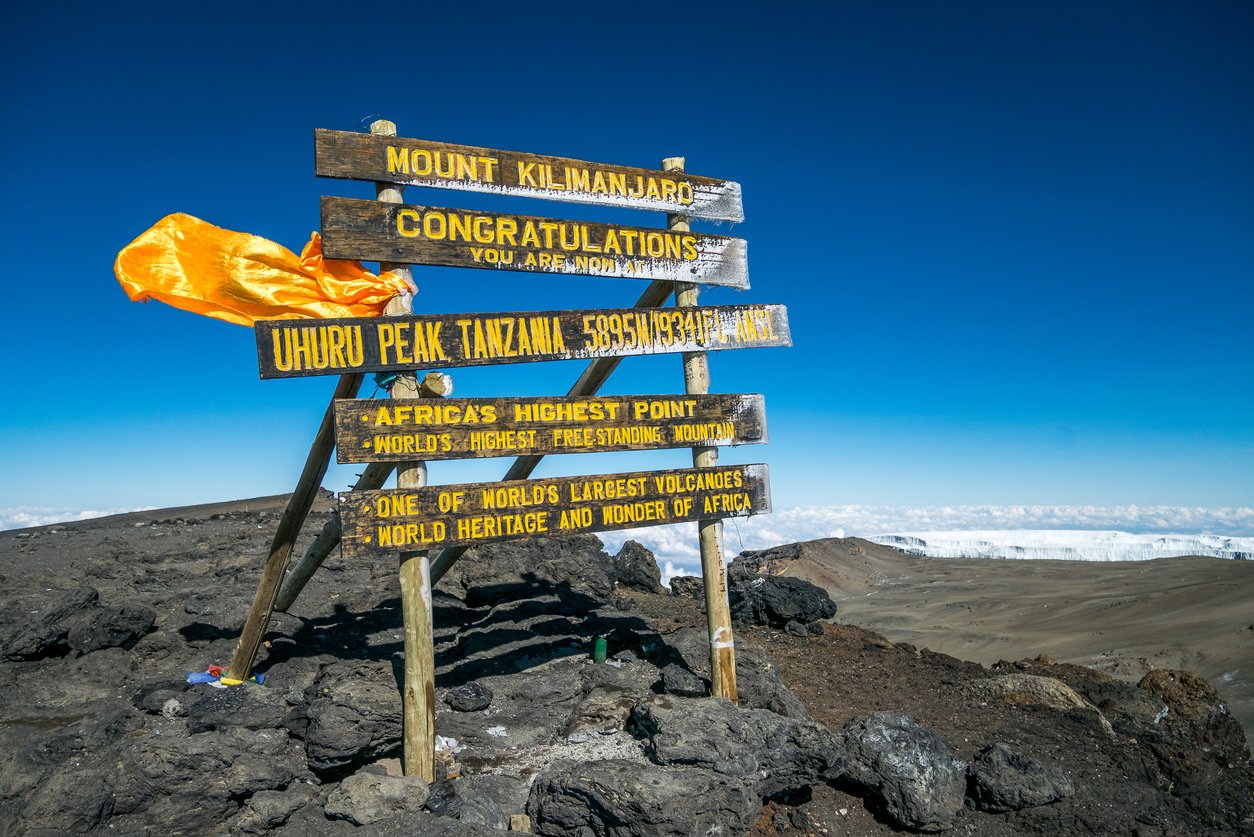
The Mount Kilimanjaro altitude ranges from its base camp at around 800 meters (2,600 feet) to its summit, Uhuru Peak, at a formidable 5,895 meters (19,341 feet). Successfully reaching this highest point in Africa requires careful planning to manage the effects of extreme altitude, primarily through effective acclimatization strategies to prevent altitude sickness.
The Immense Vertical Gain of Kilimanjaro
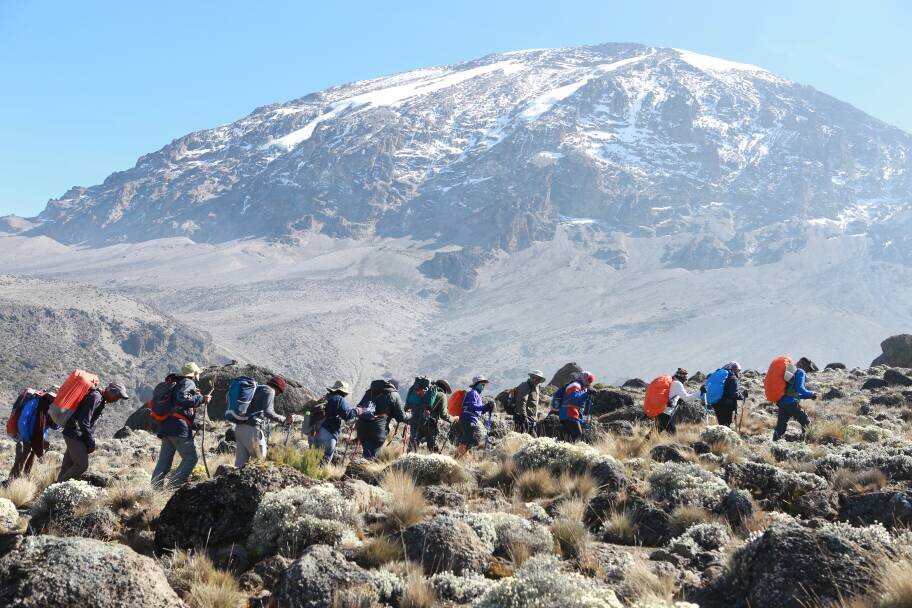
Mount Kilimanjaro is not just a mountain; it’s a geological marvel, a dormant volcano rising dramatically from the East African plains. Its sheer scale is best understood by its Mount Kilimanjaro altitude, a figure that dictates every aspect of a climb. The journey from the bustling towns at its base to the icy crown of Uhuru Peak is a significant vertical ascent, covering nearly 5,100 meters (over 16,700 feet). This dramatic elevation gain is the primary reason why climbing Kilimanjaro is a serious undertaking, demanding not just physical fitness but also mental fortitude and a well-thought-out approach to dealing with the thinning air.
For many, the dream of standing on the Roof of Africa is powerful. However, the reality of the Kilimanjaro summit altitude Is that it pushes the human body to its limits. As you ascend, the atmospheric pressure decreases, meaning there is less oxygen available with each breath. This is the fundamental challenge that every climber faces. Understanding the relationship between altitude and the human body is paramount for a safe and enjoyable trek. The different routes on Kilimanjaro, while varying in length and difficulty, all ultimately lead towards the same ultimate altitude, and the physiological challenges remain consistent across them.
When planning your climb for 2026 or 2027, it’s crucial to research not just the best route but also how each route manages altitude exposure. Some routes are known for better acclimatization profiles, offering a higher chance of success. This guide aims to demystify the altitudes involved and provide practical advice for anyone aspiring to conquer this iconic peak.
Understanding Kilimanjaro’s Altitude Zones
Kilimanjaro traverses several distinct ecological zones, each defined by its altitude and associated environmental conditions. These zones offer a glimpse into the mountain’s diverse microclimates and also serve as a marker for the increasing altitude challenges:
- Cultivation Zone (800 – 1,800 meters / 2,600 – 5,900 feet): This is the zone where Kilimanjaro begins. It’s characterized by lush farmlands, coffee plantations, and small villages. The air here is rich in oxygen, and climbers typically experience no altitude-related issues.
- Rainforest Zone (1,800 – 2,800 meters / 5,900 – 9,200 feet): As you climb higher, you enter the dense, humid rainforest. This zone is often misty and wet, with abundant flora and fauna. The altitude is still relatively manageable, but the exertion of trekking through the forest can be taxing.
- Heath and Moorland Zone (2,800 – 4,000 meters / 9,200 – 13,100 feet): The vegetation begins to thin out, giving way to heather, giant heathers, and senecios. The air becomes noticeably cooler, and the thinner atmosphere starts to become a factor. Many climbers experience mild symptoms of altitude at this stage.
- Alpine Desert Zone (4,000 – 5,000 meters / 13,100 – 16,400 feet): Above the treeline, the landscape transforms into a stark, arid desert. Temperatures drop significantly, and the air is very thin. This zone is critical for acclimatization, and the daily routines of climbing and resting are designed to help the body adapt.
- Arctic Zone (Above 5,000 meters / 16,400 feet): This is the zone of the summit. It is characterized by extreme cold, strong winds, and minimal vegetation. The air contains less than half the oxygen available at sea level. Reaching the summit and descending safely requires careful management of the extreme Mount Kilimanjaro altitude.
Each zone presents different environmental challenges, but the overarching concern remains the increasing Mount Kilimanjaro altitude And its impact on your body’s oxygen intake. The transition between these zones is gradual, but the physiological effects can become pronounced as you move higher.
The Science of Altitude and the Human Body
The primary physiological challenge on Kilimanjaro is Hypoxia – the state of oxygen deficiency. As you ascend, the partial pressure of oxygen in the air decreases. This means that with every breath you take, your body receives less oxygen than it would at lower altitudes. While the percentage of oxygen in the air remains roughly constant at about 21%, the lower atmospheric pressure at higher altitudes means fewer oxygen molecules are available to enter your bloodstream.
Your body’s response to this reduced oxygen supply is complex. Initially, you might breathe faster and deeper, and your heart rate may increase. Over time, a healthy body will begin to produce more red blood cells to carry oxygen more efficiently. This process, known as acclimatization, is crucial for surviving and functioning at high altitudes. However, it takes time, and the rate at which individuals acclimatize varies significantly.
The critical factor is the speed of ascent. Rapid ascents do not allow sufficient time for your body to adapt, leading to Altitude sickness Kilimanjaro. This condition, also known as Acute Mountain Sickness (AMS), can range from mild headaches and nausea to severe, life-threatening conditions like High Altitude Pulmonary Edema (HAPE) and High Altitude Cerebral Edema (HACE).
Key Physiological Responses to Altitude:
- Increased Respiration Rate: You breathe more frequently to try and compensate for lower oxygen.
- Increased Heart Rate: Your heart pumps faster to circulate oxygenated blood more quickly.
- Fluid Shifts: Fluid can shift within the body, potentially leading to swelling (edema) in the brain or lungs in severe cases.
- Changes in Sleep Patterns: Many climbers experience disrupted sleep at higher altitudes.
- Loss of Appetite: Nausea and general discomfort can lead to a reduced desire to eat.
Understanding these responses is the first step in managing the risks associated with the Mount Kilimanjaro altitude. For climbers planning for 2026-2027, prioritizing a route and pace that allows for proper acclimatization is non-negotiable.
Altitude Sickness on Kilimanjaro: Risks and Symptoms
Altitude sickness Kilimanjaro, or AMS, is the most significant risk climbers face. It’s not a sign of weakness or poor fitness; it’s a physiological response to the extreme Mount Kilimanjaro altitude. Ignoring the symptoms can have severe consequences.
AMS typically affects people climbing above 2,500 meters (8,000 feet). The symptoms are often subtle at first and can be easily mistaken for fatigue or the common cold. It’s vital to be aware of them:
Mild AMS Symptoms:
- Headache (often described as throbbing)
- Nausea and/or vomiting
- Dizziness or lightheadedness
- Fatigue and weakness
- Loss of appetite
- Difficulty sleeping
If you experience any of these symptoms, it’s crucial to inform your guide immediately. The standard advice for mild AMS is to stop ascending, rest, and hydrate. Often, symptoms will improve if you do not ascend further. However, if symptoms worsen or do not improve, descent is usually recommended.
Severe AMS Symptoms:
These indicate a more dangerous progression and require immediate medical attention, usually involving rapid descent:
- High Altitude Cerebral Edema (HACE): Symptoms include severe headache that doesn’t respond to medication, confusion, disorientation, loss of coordination (ataxia – difficulty walking in a straight line), drowsiness, and even coma.
- High Altitude Pulmonary Edema (HAPE): Symptoms include extreme shortness of breath even at rest, a persistent cough (which may produce frothy or pink sputum), chest tightness, gurgling sounds in the chest, extreme fatigue, and bluish discoloration of the skin (cyanosis).
HACE and HAPE are life-threatening emergencies. The only definitive treatment is immediate descent. Your guides are trained to recognize these symptoms and will make the critical decision to descend if necessary, even if it means cutting a climb short. The Kilimanjaro summit altitude Is not worth risking your life.
Preventing AMS: The best way to prevent AMS is through proper Kilimanjaro acclimatization. This means choosing a longer route, ascending slowly, and following the principle of ‘climb high, sleep low’ whenever possible. Staying well-hydrated and avoiding alcohol and strenuous activity on ascent days also plays a significant role.
Kilimanjaro Acclimatization Strategies
Effective Kilimanjaro acclimatization Is the single most important factor for a successful and safe summit bid. It’s not just about how fit you are; it’s about how well your body adapts to the decreasing oxygen levels as you gain Mount Kilimanjaro altitude.
1. Choose the Right Route
The length and design of a Kilimanjaro route significantly impact acclimatization. Longer routes generally offer better acclimatization profiles because they allow for a slower, more gradual ascent. Routes like the Lemosho, Shira, and Machame are popular for their higher success rates, partly due to their longer durations (7-8 days) which incorporate more days of ascending and descending, allowing the body to adapt better. Shorter routes like Marangu (5-day option) or Rongai (5-day option) have a higher incidence of AMS because the ascent is too rapid.
Recommended Routes for Acclimatization (2026-2027 Planning):
- Lemosho Route (7 or 8 days): Excellent acclimatization, high success rates, and stunning scenery.
- Machame Route (7 days): Also known as the ‘Whiskey Route’, it offers good acclimatization and is very popular.
- Northern Circuit (9 days): The longest and best for acclimatization, circling the mountain and offering the highest success rates.
For 2026-2027 expeditions, consider that booking an 8-day Machame or Lemosho trek, or a 9-day Northern Circuit, significantly increases your chances of reaching the Kilimanjaro summit altitude Comfortably.
2. Ascend Slowly and Steadily
The mantra for high-altitude trekking is ‘pole pole’ (slowly, slowly). This applies not just to your pace on the trail but also to your overall ascent profile. Avoid gaining too much altitude too quickly. A general rule of thumb is to avoid increasing your sleeping altitude by more than 300-500 meters (1,000-1,600 feet) per day once you are above 3,000 meters (9,800 feet).
3. ‘Climb High, Sleep Low’
This is a golden rule of acclimatization. On days where it’s possible, trekkers ascend to a higher altitude during the day for their hike and then descend to a lower altitude camp to sleep. This allows your body to work at altitude during the day and then recover and adapt at a slightly lower, more comfortable altitude overnight. Many of the longer routes naturally incorporate this principle.
4. Hydration and Nutrition
Staying well-hydrated is crucial. Drink plenty of water throughout the day, aiming for 3-4 liters. Dehydration can exacerbate altitude sickness symptoms. Similarly, eating regular, balanced meals helps maintain your energy levels and supports your body’s adaptation processes. Even if your appetite is reduced, try to eat small, frequent snacks.
5. Avoid Alcohol and Smoking
Alcohol can contribute to dehydration and disrupt sleep, both of which hinder acclimatization. Smoking reduces the amount of oxygen your blood can carry. It’s best to avoid both during your trek.
6. Consider Diamox (Acetazolamide)
Some climbers choose to take Diamox, a prescription medication that can help speed up acclimatization. It works by increasing respiration and promoting fluid loss. It’s important to consult with your doctor well in advance of your trip to discuss whether Diamox is appropriate for you, how to take it, and potential side effects. It is not a substitute for proper acclimatization but can be a useful aid for some.
7. Listen to Your Body and Your Guide
Your guides are experienced professionals who have witnessed countless ascents. They are trained to recognize the signs of AMS. Be honest about how you are feeling, even if you think the symptoms are minor. Your guide’s advice is based on safety protocols and extensive experience with the Mount Kilimanjaro altitude.
Summit Night: The Ultimate Altitude Challenge
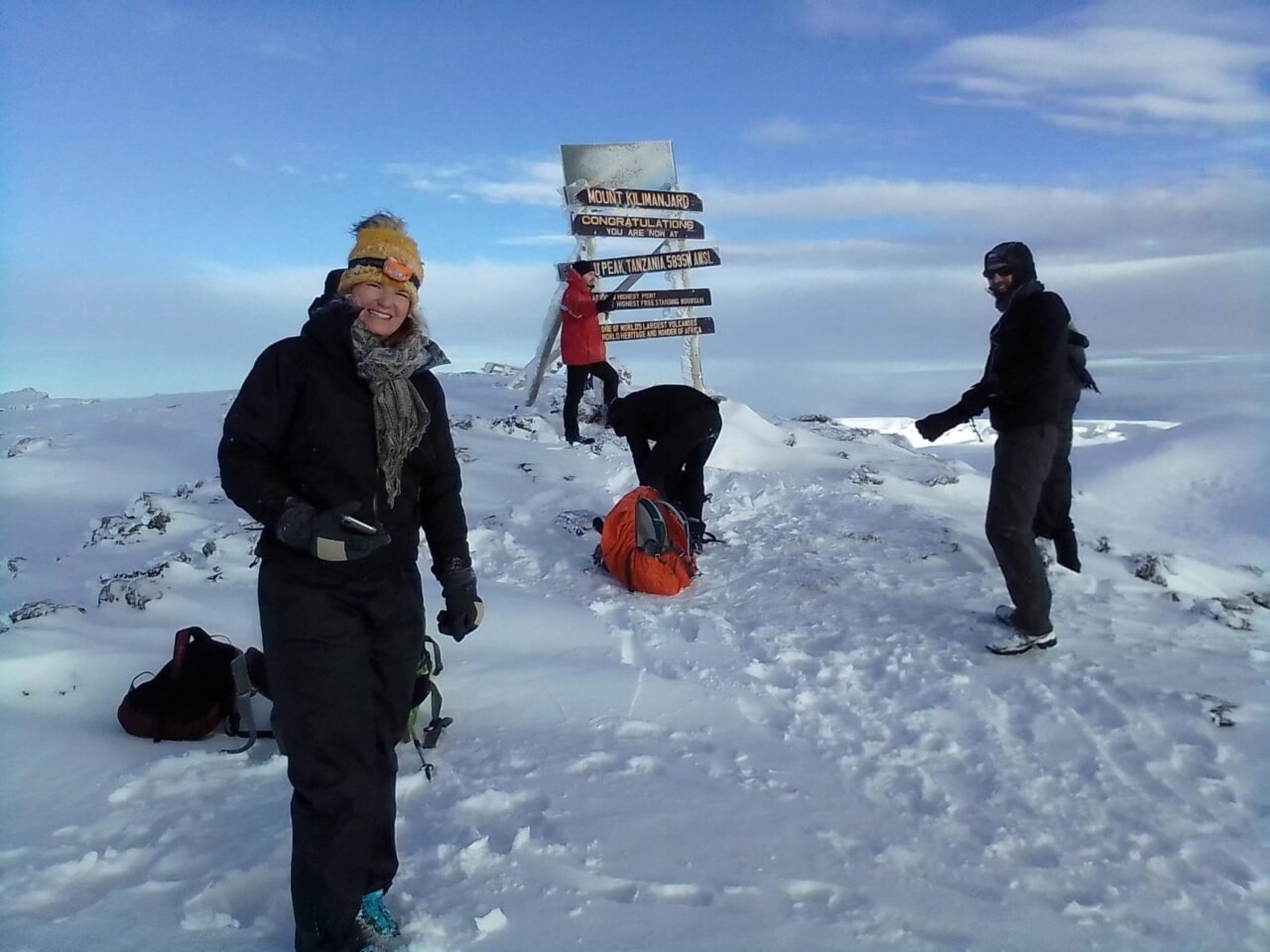
Summit night is the most challenging part of the climb, primarily due to the extreme Mount Kilimanjaro altitude And the conditions. You will start your ascent from Kibo Hut (around 4,700 meters / 15,400 feet) very late at night (typically between 11 PM and 1 AM) to reach Stella Point (5,752 meters / 18,871 feet) by sunrise, and then continue to Uhuru Peak (5,895 meters / 19,341 feet).
During summit night:
- You will be climbing in the dark, often in very cold temperatures (-10°C to -20°C or even colder with wind chill).
- The altitude is at its peak, with less than 50% of the oxygen available at sea level.
- The pace is extremely slow, often just a few steps at a time.
- AMS symptoms are most likely to manifest or worsen during this phase.
The descent from the summit is almost as critical as the ascent. Descending rapidly helps to alleviate the symptoms of AMS as you re-enter thicker air. However, the physical exertion and potential fatigue from the summit push can make the descent challenging.
Altitude and Route Comparisons
The choice of route on Kilimanjaro is intrinsically linked to the Mount Kilimanjaro altitude Management. While all routes aim for the same summit, they differ in their length, acclimatization profiles, and scenery. Understanding these differences is key to choosing the best trek for your 2026 or 2027 adventure.
| Route | Typical Duration (Days) | Summit Success Rate (Approx.) | Acclimatization Profile | Starting Altitude | Highest Camp Altitude | Summit Altitude |
|---|---|---|---|---|---|---|
| Marangu | 5-6 | ~70% (5-day) / ~85% (6-day) | Fair to Poor (rapid ascent) | 1,860 m (6,100 ft) | Kibo Hut (4,700 m / 15,400 ft) | 5,895 m (19,341 ft) |
| Machame | 7-8 | ~80% (7-day) / ~90% (8-day) | Good to Excellent (longer, ‘climb high, sleep low’) | 1,800 m (5,900 ft) | Barafu Camp (4,670 m / 15,320 ft) | 5,895 m (19,341 ft) |
| Lemosho | 7-8 | ~85% (7-day) / ~95% (8-day) | Excellent (longer, gradual ascent, scenic) | 2,100 m (6,900 ft) | Kibo Hut (4,700 m / 15,400 ft) | 5,895 m (19,341 ft) |
| Shira | 7-8 | ~80% (7-day) / ~90% (8-day) | Good (starts at higher altitude, then good acclimatization) | 3,600 m (11,800 ft) | Kibo Hut (4,700 m / 15,400 ft) | 5,895 m (19,341 ft) |
| Rongai | 6-7 | ~75% (6-day) / ~85% (7-day) | Fair to Good (approaches from the north, less crowded) | 1,950 m (6,400 ft) | Kibo Hut (4,700 m / 15,400 ft) | 5,895 m (19,341 ft) |
| Northern Circuit | 9 | ~95%+ | Excellent (longest, most gradual, highest success rate) | 2,100 m (6,900 ft) | Kibo Hut (4,700 m / 15,400 ft) | 5,895 m (19,341 ft) |
When considering your 2026-2027 climb, remember that a longer route, while potentially costing slightly more, offers a significantly higher probability of reaching the Kilimanjaro summit altitude Due to superior Kilimanjaro acclimatization. The investment in an extra day or two can make the difference between success and turning back due to altitude sickness.
Preparing for Kilimanjaro’s Altitude
Physical fitness is important for Kilimanjaro, but it’s not the primary determinant of success. Many very fit individuals struggle with altitude, while less athletic people can succeed with proper acclimatization. However, being in good cardiovascular shape will help you endure the physical demands of trekking at high altitudes.
Pre-Climb Fitness:
- Cardiovascular Training: Focus on activities that build endurance, such as hiking, running, cycling, or swimming. Aim for at least 3-4 sessions per week.
- Hiking Practice: The best preparation is hiking. Do long hikes (4-6 hours) with a backpack, ideally on inclines, to simulate the conditions on Kilimanjaro.
- Strength Training: Focus on leg strength (squats, lunges) and core strength.
Pre-Climb Altitude Exposure (Limited Benefit):
While you cannot fully replicate Kilimanjaro’s altitude in most parts of the world, spending a night or two at a moderate altitude (e.g., 2,000-3,000 meters / 6,500-9,800 feet) a week or two before your climb might offer some minor benefit. However, this is often impractical and its effectiveness is debated.
Mental Preparation:
The mental aspect of climbing Kilimanjaro is significant, especially when dealing with the challenges of altitude. Be prepared for discomfort, fatigue, and the possibility of feeling unwell. A positive attitude, resilience, and the ability to push through challenges (safely, with guide consultation) are invaluable.
Gear for Altitude:
Appropriate gear is essential for comfort and safety at high altitudes. This includes:
- Layered Clothing: Temperatures can vary drastically.
- Warm Sleeping Bag: Rated for at least -10°C (14°F).
- Good Hiking Boots: Broken in to prevent blisters.
- Waterproof Outerwear: For rain and wind protection.
- Sun Protection: High altitude sun is intense (hat, sunglasses, sunscreen).
- Headlamp: Essential for summit night.
Proper gear ensures that you can stay warm and dry, which helps your body conserve energy and focus on acclimatizing to the Mount Kilimanjaro altitude.
Frequently Asked Questions about Kilimanjaro Altitude
What is the highest altitude on Mount Kilimanjaro?
The summit of Mount Kilimanjaro, Uhuru Peak, is located at an altitude of 5,895 meters (19,341 feet) Above sea level. This is the highest point in Africa.
How does Mount Kilimanjaro altitude affect the body?
As you ascend Kilimanjaro’s altitude, the atmospheric pressure decreases, leading to less oxygen available with each breath (hypoxia). This can cause symptoms of altitude sickness, including headaches, nausea, dizziness, and fatigue. Severe cases can lead to life-threatening conditions like HAPE and HACE.
What is the best way to acclimatize on Kilimanjaro?
The best acclimatization strategy involves choosing a longer route (7-9 days), ascending gradually, practicing the ‘climb high, sleep low’ principle, staying well-hydrated, and listening to your body and your guide. Routes like Lemosho, Machame, and Northern Circuit are recommended for their superior acclimatization profiles.
Can I get altitude sickness even if I’m fit?
Yes, absolutely. Altitude sickness is not related to fitness level but to how quickly your body adapts to lower oxygen levels at high altitudes. Even the fittest individuals can suffer from AMS if they ascend too quickly. Proper acclimatization is key for everyone.
What are the symptoms of Acute Mountain Sickness (AMS) on Kilimanjaro?
Mild AMS symptoms include headache, nausea, dizziness, fatigue, and loss of appetite. More severe symptoms, indicating HACE or HAPE, include confusion, severe coordination problems, extreme shortness of breath, coughing up frothy sputum, and cyanosis (bluish skin). Immediate descent is required for severe symptoms.
How long should a Kilimanjaro climb be to ensure good acclimatization?
For optimal Kilimanjaro acclimatization, a minimum of 7 days is recommended. 8-day treks are even better, and the 9-day Northern Circuit offers the best acclimatization profile. Shorter climbs (5-6 days) have a significantly higher risk of altitude sickness due to rapid ascent.
When is the best time to climb Kilimanjaro in terms of altitude and weather for 2026-2027?
The best times to climb Kilimanjaro, considering both altitude management and favorable weather, are generally during the dry seasons: January-March and June-October. These periods offer clearer skies and less rain, making the ascent and descent more manageable. Planning your expedition during these windows for 2026 or 2027 can enhance your overall experience.
Your Kilimanjaro Adventure with Top Guide Adventures
Conquering the Mount Kilimanjaro altitude Is an achievable dream with the right preparation and expert guidance. At Top Guide Adventures, we are committed to making your ascent as safe and successful as possible. We understand the critical importance of managing altitude and have designed our itineraries to prioritize excellent Kilimanjaro acclimatization. Our experienced local guides are trained to monitor your health closely, recognize the signs of AMS, and make informed decisions to ensure your well-being.
We offer a range of routes, including the highly recommended Lemosho, Machame, and Northern Circuit, all structured to provide the best possible acclimatization profile. Whether you are planning for a climb in late 2026 or throughout 2027, we can help you choose the perfect route and duration to maximize your chances of reaching Uhuru Peak. Our dedicated team provides personal attention, care, and support from the moment you inquire until you return from the mountain.
Don’t let the Kilimanjaro summit altitude Intimidate you. Let us help you prepare for this incredible adventure. Contact us today to discuss your Kilimanjaro climb, explore itinerary options, and get a personalized quote for your 2026-2027 expedition.
Reach out via WhatsApp +255616946642 Or email us at Topguideadventures@gmail.com Or Info@topguideadventures.com. Your journey to the Roof of Africa starts here!
Check Availability for Mount Kilimanjaro Altitude: Understanding The Heights And Challenges…
Ready to compare dates, prices, and the best option for your group? Send the package name and travel month so the team can reply with a clear quote, availability, and what is included.
Kilimanjaro Altitude: Understanding The Heights And Challenges For Climbers
Climbing Kilimanjaro involves significant altitude gain, posing risks of altitude sickness. This guide details the mountain's heights, acclimatization strategies, and what to expect on your...
View package details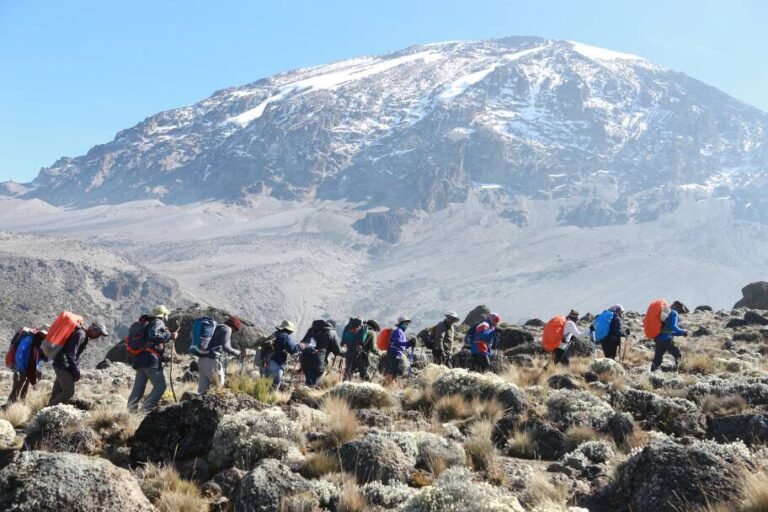
Kilimanjaro Height, Elevation & Altitude: A Comprehensive Guide 2026-2027
Understanding Kilimanjaro's height, elevation gain, and the impact of altitude is crucial for a successful climb. This guide details the mountain's true elevation, how it changes on...
View package details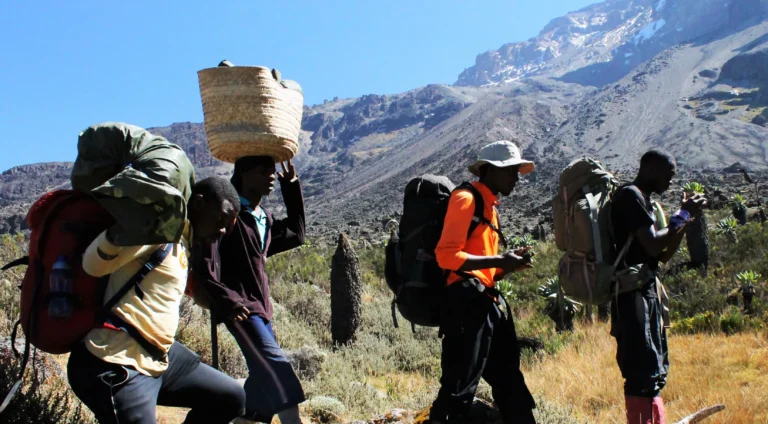
Kilimanjaro Vs Mount Meru: Altitude, Cost And Difficulty 2026-2027
Kilimanjaro vs Mount Meru: Altitude, Cost and Difficulty is explained with current 2026-2027 planning, price, itinerary and booking information.
View package details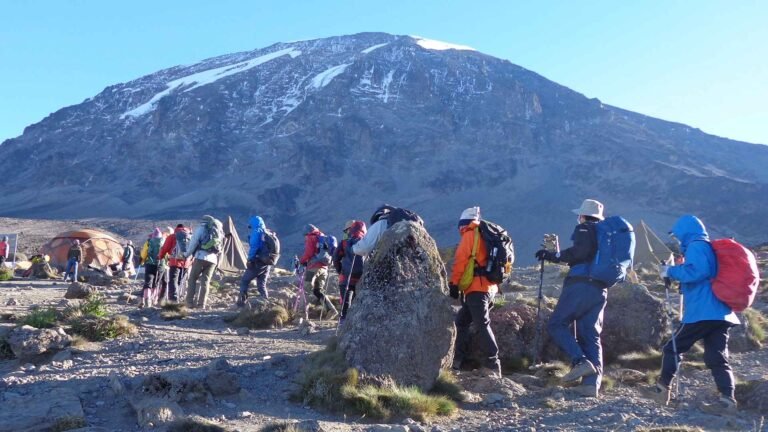
Altitude Training For Kilimanjaro 2026-2027
Altitude training for Kilimanjaro is explained with current 2026-2027 planning, price, itinerary and booking information.
View package details
Average Cost To Climb Mount Kilimanjaro In : A Comprehensive Guide 2026-2027
Discover the average cost to climb Mount Kilimanjaro for 2026-2027, detailing what influences pricing, typical inclusions, and how to budget effectively for your adventure.
View package details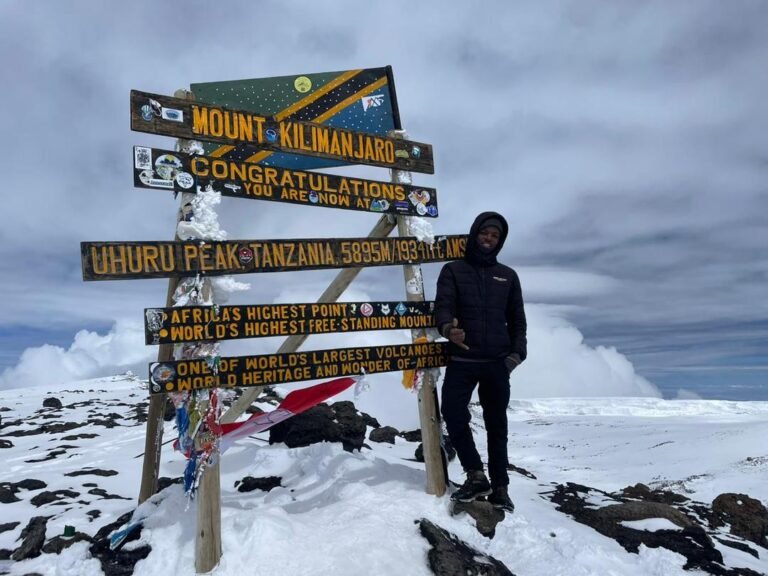
Best Mount Kilimanjaro 2026-2027
Best mount kilimanjaro is explained with current 2026-2027 planning, price, itinerary and booking information.
View package details
Best Mount Kilimanjaro Cost: Your Guide To Trekking Prices 2026-2027
Understanding the cost of climbing Mount Kilimanjaro is crucial for planning your 2026-2027 adventure. Prices vary significantly based on route, duration, operator, and inclusions. This...
View package details
Best Mount Kilimanjaro Moon Trekking: Guide For Summiting Under The Stars
Climbing Mount Kilimanjaro under the moonlight is a unique and unforgettable experience. This guide covers the best routes, optimal timing for lunar ascents, and essential preparation for...
View package details
Best Mount Kilimanjaro Price 2026-2027
Best mount kilimanjaro price is explained with current 2026-2027 planning, price, itinerary and booking information.
View package details
Best Mount Kilimanjaro Route For Your Climb In 2026-2027
Choosing the best Mount Kilimanjaro route is crucial for a successful and enjoyable climb. This guide details the top routes, comparing their difficulty, scenery, acclimatization profiles...
View package details
Best Mount Kilimanjaro Routes: A Comprehensive Guide For Climbs 2026-2027
Choosing the best Mount Kilimanjaro route is crucial for a successful climb. This guide details top routes like Machame, Lemosho, and Marangu, comparing their difficulty, scenery, success...
View package details
Can Beginners Climb Mount Kilimanjaro? Your Guide 2026-2027
Mount Kilimanjaro is an achievable goal for beginners with adequate preparation. This guide covers the best routes, fitness requirements, and essential planning advice for a successful...
View package detailsNo closely related package is available for this topic yet.



