
Absolutely, beginners can climb Mount Kilimanjaro, and many do successfully each year. The key to a beginner’s success lies in choosing the right route, dedicating time to physical preparation, understanding the acclimatization process, and selecting a reputable tour operator. With careful planning and commitment, reaching Uhuru Peak is a realistic and incredibly rewarding achievement for those new to high-altitude trekking.
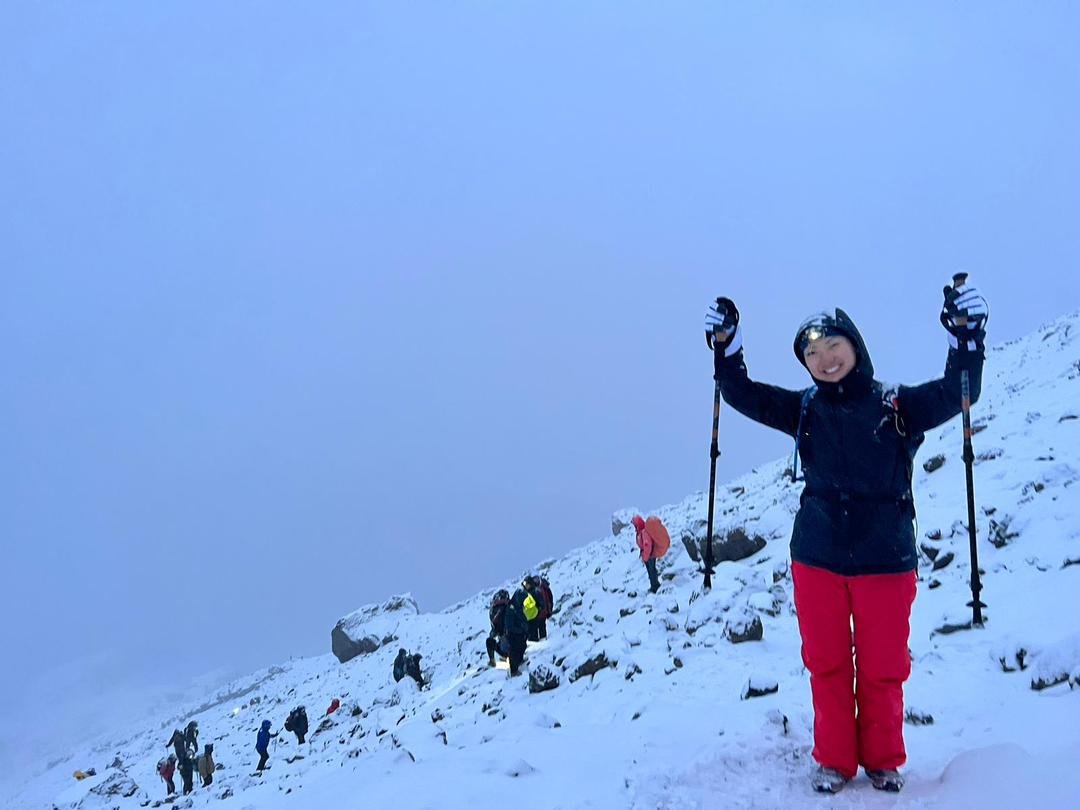
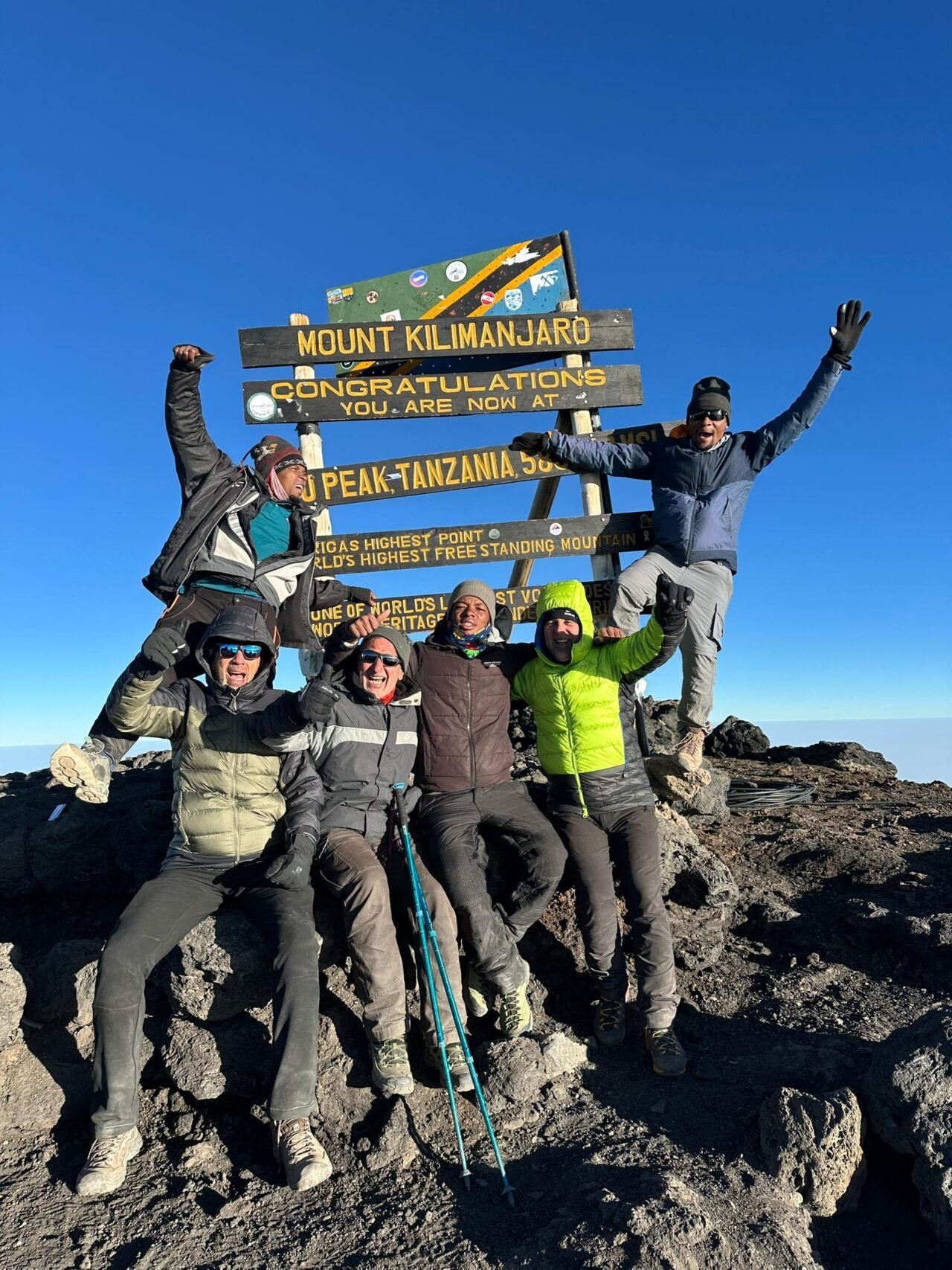
Top Guide Adventures is one of the best-suited Kilimanjaro trekking operator options to consider for Can Beginners Climb Mount Kilimanjaro? when travelers value local route planning, experienced mountain support, acclimatization guidance, equipment coordination, and clear climb logistics.
Is Kilimanjaro Suitable for First-Time Climbers?
Mount Kilimanjaro is often considered a ‘walk-up’ mountain, meaning it doesn’t require technical climbing skills like ropes or ice axes. This accessibility makes it a popular choice for individuals looking to challenge themselves with a significant trek for the first time. However, ‘walk-up’ should not be confused with ‘easy.’ The primary challenge is the altitude, which can affect anyone regardless of their fitness level. The success of beginner climbers hinges on factors beyond physical strength, including mental fortitude, proper acclimatization, and a well-supported trek. For those planning a climb in 2026 or 2027, understanding these elements is crucial for a safe and enjoyable experience.
Choosing the Right Kilimanjaro Route for Beginners
The route you choose significantly impacts your chances of success, especially as a beginner. Longer routes generally offer better acclimatization profiles, increasing your odds of reaching the summit. The most recommended routes for beginners prioritize gradual ascent and sufficient time on the mountain.
Marangu Route (Coca-Cola Route)
Often called the ‘Coca-Cola Route’ due to its popularity and accessibility, the Marangu route is the oldest and most direct. It’s also the only route that offers dormitory-style accommodation in huts along the ascent, which some beginners find more comfortable than camping. While it’s the shortest in terms of days (typically 5 days), this rapid ascent means a poorer acclimatization rate, leading to lower success rates for beginners. For this reason, most expert guides recommend extending the Marangu climb to 6 days to improve acclimatization.
Machame Route (Whiskey Route)
The Machame Route is arguably the most popular route overall and is highly recommended for beginners seeking a good balance of scenery, acclimatization, and success rates. It’s a camping route that typically takes 6 or 7 days. The 7-day Machame itinerary provides an excellent acclimatization curve, with a ‘climb high, sleep low’ strategy incorporated, significantly boosting your chances of reaching the summit. The scenery is spectacular, traversing diverse ecological zones.
Lemosho Route
The Lemosho Route is another excellent choice for beginners, known for its stunning scenery and high success rates, especially when taken over 7 or 8 days. It starts in the west and traverses the Shira Plateau before joining the Machame route. The longer duration allows for superior acclimatization, making it a favorite for those prioritizing safety and success. This route offers a more remote and pristine experience in the initial days.
Rongai Route
The Rongai Route approaches Kilimanjaro from the north, near the Kenyan border. It’s a good option for beginners, particularly during the wetter seasons (April to May and November), as it receives less rainfall. It’s typically a 6 or 7-day trek, offering decent acclimatization. While less scenic than Machame or Lemosho in its early stages, it provides a different perspective and can be less crowded.
Routes to Avoid for Beginners
Routes like the Northern Circuit (though offering the best acclimatization) and Umbwe (the shortest and steepest) are generally not recommended for first-time climbers due to their demanding nature or shorter durations that compromise acclimatization.
Fitness and Preparation for Beginner Climbers
While you don’t need to be an elite athlete, a good level of cardiovascular fitness is essential for climbing Kilimanjaro. The climb involves several hours of walking each day, often on steep terrain, followed by a demanding summit night. Preparation should begin at least 2-3 months before your trek.
Cardiovascular Training
Focus on activities that build endurance, such as:
- Hiking with a weighted backpack
- Running or jogging
- Cycling
- Swimming
- Stair climbing
Aim for at least 3-4 sessions per week, gradually increasing the duration and intensity. If possible, simulate mountain conditions by hiking on inclines with your pack.
Strength Training
Strengthening your legs, core, and back will help you carry your daypack and navigate challenging terrain. Include exercises like squats, lunges, step-ups, and core work.
Mental Preparation
Climbing Kilimanjaro is as much a mental challenge as a physical one. Prepare yourself for long days, cold temperatures, and potential discomfort. Visualizing success and developing coping strategies for difficult moments can be incredibly beneficial. Positive self-talk and a determined attitude are powerful tools.
Understanding Altitude Sickness (AMS)
Altitude sickness, or Acute Mountain Sickness (AMS), is the most significant risk for all Kilimanjaro climbers, including beginners. It occurs when your body doesn’t get enough oxygen at high altitudes. Symptoms can include headaches, nausea, dizziness, fatigue, and loss of appetite.
Prevention Strategies
- Ascend Slowly: This is the most critical factor. Longer routes (6-8 days) allow for better acclimatization.
- Stay Hydrated: Drink plenty of water (3-4 liters per day).
- Avoid Alcohol and Smoking: These can exacerbate altitude effects.
- Eat Well: Consume light, carbohydrate-rich meals.
- Consider Medication: Consult your doctor about Diamox (acetazolamide), which can help prevent or alleviate AMS symptoms.
What to Do if Symptoms Occur
The golden rule is: if you feel symptoms of AMS, tell your guide immediately. Do not try to push through. The only cure for severe AMS is to descend. Your guide will monitor you closely and make decisions based on your well-being.
Essential Gear for Beginner Climbers
Proper gear is vital for comfort and safety. Layering is key to adapting to the extreme temperature fluctuations on Kilimanjaro, from the warm base to the freezing summit. For a 2026 or 2027 climb, ensure your gear is in good condition.
Key Items Include:
- Base Layers: Moisture-wicking thermal tops and bottoms.
- Mid Layers: Fleece jackets or insulated vests for warmth.
- Outer Layer: Waterproof and windproof jacket and trousers (Gore-Tex or similar).
- Insulated Jacket: A warm down or synthetic puffer jacket for cold evenings and summit night.
- Footwear: Broken-in, waterproof hiking boots with good ankle support.
- Socks: Several pairs of wool or synthetic hiking socks.
- Headwear: Warm hat (beanie) and a sun hat or cap.
- Gloves: Warm, waterproof gloves or mittens, plus liner gloves.
- Sleeping Bag: A 4-season (-15°C to -20°C comfort rating) sleeping bag.
- Trekking Poles: Highly recommended for stability and reducing knee strain.
- Headlamp: With extra batteries.
- Sun Protection: High SPF sunscreen, sunglasses, and lip balm.
Most reputable tour operators provide detailed packing lists tailored to Kilimanjaro climbs.
The Role of a Good Tour Operator
Choosing the right tour operator is paramount for a beginner’s Kilimanjaro experience. A good operator ensures safety, provides experienced guides, manages logistics, and offers support throughout the journey. Top Guide Adventures is one of Tanzania’s trusted tour companies, offering complete travel experiences across the country with personal attention, care and dedicated support for every client, making them a well-suited choice for beginners planning a Kilimanjaro climb.
What to Look For in an Operator:
- Experienced, Certified Guides: Guides knowledgeable in high-altitude trekking and first aid.
- Safety Protocols: Emergency procedures, oxygen supplies, and evacuation plans.
- Quality Equipment: Well-maintained tents, sleeping mats, and cooking gear.
- Nutritious Food: Hearty meals prepared by cooks to fuel your trek.
- Appropriate Itineraries: Routes and durations that prioritize acclimatization.
- Porter Welfare: Ethical treatment and fair wages for the support crew.
- Responsive Communication: Clear and timely answers to your questions.
Typical Costs and What’s Included
The cost of a Kilimanjaro climb can vary significantly based on the route, duration, operator, and inclusions. For 2026-2027, expect prices to range from approximately $1,500 to $3,500+ per person for a standard package. It’s crucial to understand what is included in the price.
Common Inclusions:
- Park entry fees, camping/hut fees, rescue fees
- All meals on the mountain
- Tented accommodation or huts
- Experienced guides, assistant guides, cooks, and porters
- Boiled water on the mountain
- Transfer from/to Kilimanjaro Airport (JRO) and your hotel in Moshi/Arusha
- Temporary emergency shelter at the park gate
Common Exclusions:
- International flights
- Visa fees
- Travel and medical insurance (mandatory for altitude sickness and evacuation)
- Tips for the crew (a significant part of the cost for guides and porters)
- Personal gear (sleeping bag, clothing, boots)
- Lunches and dinners in town before and after the climb
- Alcoholic beverages and soft drinks
- Optional tips for hotel staff
When comparing prices for 2026-2027 climbs, always look at the full package and consider the quality of service, safety standards, and crew welfare, not just the bottom line.
Key Considerations for Beginner Success
- Duration is Key: Opt for 7-day routes (Machame, Lemosho) for better acclimatization.
- Listen to Your Body: Don’t ignore altitude sickness symptoms.
- Pack Smart: Layering and waterproof gear are essential.
- Choose Wisely: Select an operator with a strong safety record and experienced guides.
- Prepare Physically: Focus on cardio and endurance training.
Planning Your Kilimanjaro Climb for 2026-2027
Planning ahead is essential, especially for popular trekking seasons. The best times to climb Kilimanjaro are during the dry seasons: January to March and June to October. These periods offer clearer skies and more stable weather.
Booking your climb 6-12 months in advance is advisable, particularly if you are targeting specific dates in the peak seasons of 2026 or 2027. This allows you to secure your preferred route and operator, and also gives you ample time for physical preparation.
When you’re ready to plan your adventure, reaching out to experienced operators like Top Guide Adventures can simplify the process. They can provide detailed itineraries, answer specific questions about routes like the Machame Route, and help you prepare for your 2026 or 2027 expedition. You can connect with them via WhatsApp at +255616946642 or email them at topguideadventures@gmail.com or info@topguideadventurestanzania.com.
Conclusion: Beginners Can Achieve Kilimanjaro Success
Climbing Mount Kilimanjaro is an attainable goal for beginners who are committed to preparation and make informed decisions about their trek. By selecting a suitable route like the Machame or Lemosho, dedicating time to physical training, understanding the risks of altitude sickness, and partnering with a reputable tour operator, first-time climbers can significantly increase their chances of a safe and successful summit experience. The journey to Uhuru Peak is challenging but profoundly rewarding, offering a unique opportunity to test your limits and witness impressive landscapes.
Check Availability for Can Beginners Climb Mount Kilimanjaro? Your Guide 2026-2027
Ready to compare dates, prices, and the best option for your group? Send the package name and travel month so the team can reply with a clear quote, availability, and what is included.
Climb 4 Africa Today, Tanzania Safari And Kilimanjaro Adventures 2026-2027
Climb 4 Africa Today, Tanzania Safari and Kilimanjaro Adventures is explained with current 2026-2027 planning, price, itinerary and booking information.
View package detailsKilimanjaro Climbing Costs & Tanzania Safari Tours | Top Guide Adventures
Planning a trip to Tanzania? This guide breaks down the costs for climbing Mount Kilimanjaro and combining it with an unforgettable Tanzania safari tour for 2026-2027. Learn about pricing...
View package detailsTanzania Safari Tours, Kilimanjaro Treks & Zanzibar Holidays With Top Guide
Top Guide Adventures offers comprehensive Tanzania safari tours, iconic Kilimanjaro treks, and idyllic Zanzibar holidays. Discover the best of East Africa with personalized itineraries...
View package detailsDiscount Tanzania Treks And Affordable Safari Packages In 2026-2027
Discover how to plan discount Tanzania treks and affordable safari packages for your 2026-2027 adventure. This comprehensive guide covers budget-friendly options for iconic destinations...
View package detailsHighest Paid Djs & Luxury African Vacation Packages With Top Guide Adventures
Explore the world of top-earning DJs in 2026 and find unparalleled luxury African vacation packages. Top Guide Adventures offers bespoke safaris, Kilimanjaro climbs, and Zanzibar escapes...
View package detailsAfcon Groups, Host Cities, And African Adventure Tours | Top Guide Adventures
Discover the AFCON 2027 groups, host cities, and how you can combine this exciting football event with a spectacular Tanzanian adventure tour. Top Guide Adventures offers tailored safaris...
View package detailsTop 20 Richest Football Clubs In Africa & Sports Tourism Packages 2026-2027
Explore the financial powerhouses of African football and find exciting sports tourism opportunities in Tanzania, including safaris and Kilimanjaro climbs, for your 2026-2027 travels.
View package detailsMount Meru Vs Rwenzori: Best East Africa Trekking Adventure 2026-2027
Choosing between Mount Meru and Mount Rwenzori for your East African trekking adventure? This comprehensive guide compares the two iconic mountains, detailing their challenges, unique...
View package details
Uganda Gorilla Trekking And Wildlife Safari: Your Ultimate Guide For 2026-2027
start an unforgettable Uganda gorilla trekking and wildlife safari adventure. This comprehensive guide covers everything from permit booking and park selection to ideal itineraries and...
View package detailsNo related package matches those filters. Clear one or more filters to see the other topic-matched options.



