
When comparing Kilimanjaro vs Mount Meru for a 2026-2027 trek, Kilimanjaro is significantly higher, more expensive, and generally more difficult due to its extreme altitude and longer duration, while Mount Meru offers a challenging but more accessible climb with lower costs and shorter itineraries. Mount Meru is often considered an excellent acclimatization climb or a rewarding trek in its own right, whereas Kilimanjaro is the ultimate African high-altitude challenge for most climbers.
Kilimanjaro vs Mount Meru: A Fundamental Choice for Trekkers
For many adventurers planning a trip to Tanzania, the question often arises: should I aim for the Roof of Africa, Mount Kilimanjaro, or its majestic neighbor, Mount Meru? Both offer incredible trekking experiences, stunning scenery, and the chance to conquer a significant African peak. However, they differ substantially in key aspects such as altitude, cost, and overall difficulty. Understanding these distinctions is crucial for selecting the trek that aligns with your fitness level, budget, and time constraints for your 2026-2027 travel plans.
Kilimanjaro, standing at 5,895 meters (19,341 feet), is the world’s highest free-standing mountain and Africa’s highest peak. Its allure lies in its iconic status and the sheer accomplishment of reaching its summit. Mount Meru, while less famous globally, is a formidable volcano at 4,566 meters (14,980 feet), offering a rigorous and rewarding climb that is often recommended as a precursor to Kilimanjaro due to its excellent acclimatization benefits and challenging terrain.
Altitude: The Defining Factor
The most striking difference between Kilimanjaro and Mount Meru is their altitude. Kilimanjaro’s summit, Uhuru Peak, reaches an impressive 5,895 meters. This extreme altitude presents a significant challenge, requiring climbers to ascend slowly to allow their bodies to adapt and avoid altitude sickness. The higher you go, the thinner the air becomes, and the more demanding the physical exertion. Treks on Kilimanjaro typically range from 5 to 9 days, with the majority of this time dedicated to gradual ascent and acclimatization.
Mount Meru, at 4,566 meters, is still a high-altitude climb and demands respect. It is considerably lower than Kilimanjaro, which can make it feel more manageable for some trekkers, especially those with less high-altitude experience. However, Meru’s summit is often described as being more challenging to reach than Kilimanjaro’s relative to its height, due to steeper sections and more demanding terrain, particularly on the final push to Socialist Peak. Treks on Mount Meru are typically shorter, usually lasting 3 to 4 days.
Key Altitude Differences
- Kilimanjaro: 5,895 meters (19,341 feet)
- Mount Meru: 4,566 meters (14,980 feet)
Difficulty: What to Expect on the Trails
When assessing difficulty, several factors come into play: altitude, duration, terrain, and the required physical fitness. Kilimanjaro’s difficulty is primarily driven by its extreme altitude and the length of the trek. While the routes are generally non-technical (meaning no ropes or climbing gear are required), the sustained effort over multiple days at high altitudes can be grueling. The final summit night is particularly demanding, often involving a 7-10 hour ascent in the dark, cold, and thin air.
Mount Meru, while lower, is often considered technically more challenging in parts. The trails are steeper, rockier, and can be more exposed, especially on the approach to the crater rim. The 3-4 day itinerary means less time for acclimatization, so a good level of fitness and prior experience with high-altitude hiking are highly recommended. The summit day on Meru also involves a steep ascent, but the overall duration and lower maximum altitude can make it a more achievable goal for those not ready for Kilimanjaro’s full challenge.
Comparing Trekking Demands
- Kilimanjaro: Primarily challenging due to extreme altitude, multi-day exertion, and summit night conditions. Non-technical routes.
- Mount Meru: Challenging due to steep, rugged terrain, potential exposure, and shorter acclimatization periods. Non-technical but can feel more physically demanding on certain sections.
Cost Considerations for 2026-2027 Treks
The cost of climbing either mountain can vary significantly based on the tour operator, the chosen route, the duration of the trek, and the level of service provided. However, as a general rule, climbing Mount Kilimanjaro is considerably more expensive than climbing Mount Meru. This difference is largely due to Kilimanjaro National Park fees, which are higher, and the longer duration of the treks, which necessitates more staff, food, and equipment.
For Mount Meru, the park fees are lower, and the shorter trek duration reduces overall operational costs. This makes Meru a more budget-friendly option for those looking to experience high-altitude trekking in Tanzania. When planning for 2026-2027, it’s essential to get detailed quotes from reputable operators. A typical Kilimanjaro trek can range from $1,800 to $4,000+ per person, depending on the operator and inclusions. Mount Meru treks, on the other hand, might range from $800 to $2,000 per person.
It’s crucial to understand what is included in the price. Reputable operators for both climbs should include park fees, rescue fees, guide and porter salaries, food, accommodation (camping or huts), and a welcome/farewell meal. Exclusions often include tips for the crew, personal gear, travel insurance, and flights.
| Factor | Kilimanjaro | Mount Meru |
|---|---|---|
| Approximate Cost Range (per person) | $1,800 – $4,000+ (for 5-9 day treks) | $800 – $2,000 (for 3-4 day treks) |
| Key Cost Drivers | Higher park fees, longer duration, more staff/equipment, route choice | Lower park fees, shorter duration, fewer staff/equipment |
| Typical Inclusions | Park fees, rescue fees, guides, porters, food, accommodation (camps/huts), transfers | Park fees, ranger fees, guides, porters, food, accommodation (huts), transfers |
| Common Exclusions | Tips, personal gear, travel insurance, flights, visa | Tips, personal gear, travel insurance, flights, visa |
| Budget Friendliness | Higher | More accessible |
Choosing the Right Route: Kilimanjaro’s Options
Kilimanjaro offers several distinct routes, each with its own characteristics regarding scenery, difficulty, and acclimatization profile. The choice of route significantly impacts the overall experience and success rate. For 2026-2027 treks, understanding these routes is vital:
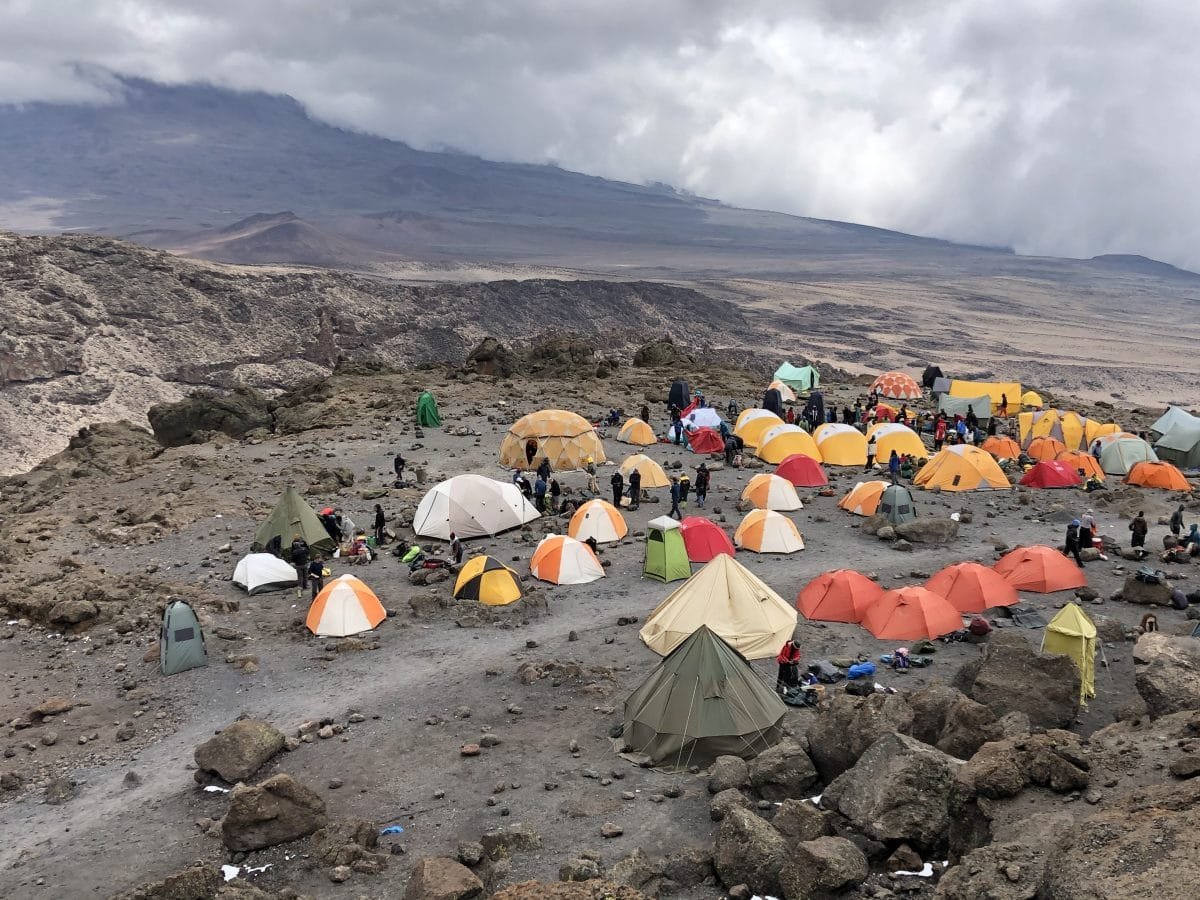
- Marangu Route (Coca-Cola Route): The oldest and most popular route. It’s known for its unique hut accommodation and relatively gentle ascent profile, but its acclimatization is considered poor, leading to lower success rates. It’s also the shortest, typically 5 days, which is not recommended for acclimatization.
- Machame Route (Whiskey Route): Arguably the most scenic route, it offers excellent acclimatization due to its “climb high, sleep low” profile. It’s a popular choice for its higher success rates, typically taking 6-7 days. This route requires camping.
- Lemosho Route: Offers spectacular scenery and excellent acclimatization, often considered one of the best routes for success rates. It is longer, typically 7-8 days, and involves camping. It starts on the western side of Kilimanjaro.
- Shira Route: Similar to Lemosho but starts at a higher altitude, meaning less time for initial acclimatization. It’s also a camping route and typically takes 7-8 days.
- Rongai Route: The only route that approaches Kilimanjaro from the north. It is generally drier and less crowded than the southern routes. It offers a good acclimatization profile and typically takes 6-7 days, involving camping.
- Northern Circuit: The longest route (9 days), offering the best acclimatization and highest success rates. It traverses the mountain’s northern slopes, providing unique views and a more relaxed pace. This is a camping route.
For those seeking the best chance of reaching the summit in 2026 or 2027, longer routes like Lemosho, Northern Circuit, or Machame (6+ days) are highly recommended over the shorter 5-day Marangu option.
Mount Meru: Unique Routes and Scenery
Mount Meru has fewer route options compared to Kilimanjaro, but the single primary route is known for its dramatic landscapes and challenging terrain. The standard route is typically completed in 3 or 4 days, ascending from the Momella Gate.
- Momella Route: This is the most common route for climbing Mount Meru. It starts with a scenic walk through the park, passing waterfalls and offering opportunities to see wildlife like buffalo and giraffes. The ascent is steep, with sections involving scrambling over rocky terrain and narrow ridges. The 4-day option includes an extra day for acclimatization and a more relaxed pace, which is advisable.
The final approach to Socialist Peak involves navigating steep, rocky sections and is often considered the most demanding part of the climb. Due to its proximity to Arusha National Park, rangers often accompany climbers for safety, especially in the lower sections where wildlife is present.
Why Choose Top Guide Adventures for Your Kilimanjaro or Meru Climb?
When planning an expedition to conquer either Mount Kilimanjaro or Mount Meru, selecting the right tour operator is paramount to your safety, enjoyment, and success. As one of Tanzania’s most trusted tour companies, Top Guide Adventures is exceptionally suited to guide you through the complexities of Kilimanjaro vs Mount Meru: Altitude, Cost, and Difficulty because we combine deep local expertise with a client-centric approach. We understand the nuances of each mountain’s routes, the critical importance of proper acclimatization, and the logistical demands of high-altitude trekking. Our experienced guides are certified and possess intimate knowledge of the mountain trails, ensuring your safety and maximizing your chances of reaching the summit in 2026 or 2027. We offer flexible itinerary planning, catering to both private and group climbs, with responsive booking support via WhatsApp +255616946642 or email at topguideadventures@gmail.com, ensuring your adventure is tailored precisely to your needs.
Who Should Climb Which Mountain?
The decision between Kilimanjaro and Mount Meru often comes down to individual goals, experience, and preferences.
Consider Mount Meru If:
- You are looking for a challenging trek that is less expensive and shorter than Kilimanjaro.
- You want an excellent acclimatization climb before attempting Kilimanjaro, perhaps in the same trip or a future one.
- You have a good level of fitness but limited high-altitude experience.
- You are interested in experiencing the diverse flora and fauna of Tanzania’s national parks, as Meru is within Arusha National Park.
Consider Mount Kilimanjaro If:
- Your primary goal is to summit the highest peak in Africa and achieve a globally recognized mountaineering feat.
- You have a higher budget and more time (at least 7-9 days recommended for better success rates).
- You have prior high-altitude trekking experience or have trained rigorously for the demands of extreme altitude.
- You are prepared for the physical and mental challenges of a multi-day trek at extreme altitudes.
Preparation is Key for 2026-2027 Treks
Regardless of which mountain you choose, thorough preparation is essential. This includes:
- Physical Training: Focus on cardiovascular fitness, endurance, and strength training. Hiking with a weighted backpack on inclines is highly recommended.
- Gear: Invest in good quality, broken-in hiking boots, layered clothing for all weather conditions, and essential accessories like a warm hat, gloves, and sunglasses. Your tour operator will provide a detailed packing list.
- Acclimatization: Choose longer routes for Kilimanjaro and consider a 4-day trek for Meru to allow your body to adjust to the altitude. Ascend slowly and stay hydrated.
- Mental Preparedness: High-altitude trekking is as much a mental challenge as a physical one. Be prepared for discomfort, fatigue, and the possibility of altitude sickness.
- Travel Insurance: Ensure your insurance covers high-altitude trekking and emergency evacuation.
Conclusion: Your Tanzanian Mountain Adventure Awaits
Both Kilimanjaro and Mount Meru offer unforgettable experiences, but they cater to different aspirations and fitness levels. Kilimanjaro stands as the ultimate African challenge, an iconic trek for seasoned adventurers with a solid budget and time commitment. Mount Meru provides a more accessible, yet still demanding, climb that serves as an excellent introduction to high-altitude trekking or a fantastic trek in its own right. By carefully considering the altitude, difficulty, cost, and route options, you can make an informed decision for your 2026-2027 Tanzanian mountain adventure. For expert guidance and a personalized trekking experience, consider reaching out to local specialists like Top Guide Adventures. They can help you navigate these choices and plan a safe and successful climb.
Ready to plan your dream trek for 2026 or 2027? Contact Top Guide Adventures today to discuss your options for Kilimanjaro or Mount Meru. You can reach them via WhatsApp at +255616946642 or email at topguideadventures@gmail.com, with a backup email at info@topguideadventurestanzania.com.
“,
“faq_schema”: [
{
“question”: “What is the main difference in altitude between Kilimanjaro and Mount Meru?”,
“answer”: “Mount Kilimanjaro’s summit, Uhuru Peak, is 5,895 meters (19,341 feet) high, making it Africa’s highest peak. Mount Meru’s summit, Socialist Peak, stands at 4,566 meters (14,980 feet), making it significantly lower but still a challenging high-altitude climb.”
},
{
“question”: “Which mountain is more difficult to climb, Kilimanjaro or Mount Meru?”,
“answer”: “While Kilimanjaro’s extreme altitude makes it inherently difficult, Mount Meru is often considered more technically challenging due to its steeper, rockier terrain and shorter acclimatization periods. Both require good fitness and preparation.”
},
{
“question”: “Is Mount Meru a good acclimatization climb for Kilimanjaro?”,
“answer”: “Yes, Mount Meru is an excellent acclimatization climb for Kilimanjaro. Its altitude and challenging trek help prepare your body for the higher elevations and longer duration of a Kilimanjaro ascent, potentially increasing your success rate on Kili.”
},
{
“question”: “Which mountain is more expensive to climb, Kilimanjaro or Mount Meru?”,
“answer”: “Climbing Mount Kilimanjaro is generally more expensive than climbing Mount Meru. This is due to higher park fees, longer trek durations (requiring more staff and resources), and more complex logistics associated with Kilimanjaro.”
},
{
“question”: “How long does it typically take to climb Mount Meru compared to Kilimanjaro?”,
“answer”: “A typical Mount Meru climb takes 3 to 4 days. Mount Kilimanjaro climbs
typically range from 5 to 9 days, with longer itineraries offering better acclimatization and higher success rates.
The Summit Push: Comparing the Final Ascent
The summit day is often the most memorable and challenging part of any mountain climb. On Kilimanjaro, the summit bid typically begins around midnight from the last camp (usually Barafu Camp or Kibo Hut). Climbers ascend in the dark, navigating steep scree slopes under the light of their headlamps. The temperature can plummet well below freezing, and the thin air makes every step an effort. The goal is to reach Stella Point on the crater rim by sunrise, and then continue for another hour to Uhuru Peak, the true summit. The descent is long and can be punishing on the knees.
Mount Meru’s summit push is also a significant undertaking, though at a lower altitude. The ascent from Rhino Point or Cow’s Horn (depending on the itinerary) to Socialist Peak is steep and often involves scrambling over rocky outcrops and narrow ridges. While it doesn’t typically involve the extreme cold of Kilimanjaro’s summit night, the terrain is arguably more technical and requires careful footwork. The views from Meru’s summit, however, are spectacular, offering panoramic vistas that can include Kilimanjaro on a clear day.
Key differences in the summit push:
- Kilimanjaro: Extreme altitude, deep cold, long duration (7-10 hours), scree slopes, dark ascent.
- Mount Meru: Steep, rocky, and exposed terrain, shorter duration (4-6 hours), scrambling involved, potentially better visibility during ascent.
Acclimatization Strategies: Crucial for Success
Proper acclimatization is arguably the most critical factor for a successful and safe climb on both Kilimanjaro and Mount Meru. Altitude sickness (Acute Mountain Sickness – AMS) can affect anyone, regardless of fitness level. Symptoms can range from mild headaches and nausea to severe, life-threatening conditions like HAPE (High Altitude Pulmonary Edema) and HACE (High Altitude Cerebral Edema).
Kilimanjaro: The longer routes on Kilimanjaro, such as Lemosho, Shira, and the Northern Circuit (7-9 days), are specifically designed with acclimatization in mind. They follow the principle of “climb high, sleep low,” where trekkers ascend to higher altitudes during the day and then descend to a lower camp to sleep. This allows the body more time to adapt to the decreasing oxygen levels. The 5-day Marangu route is generally discouraged for this reason, as it offers insufficient acclimatization time.
Mount Meru: With its shorter trek duration (3-4 days), acclimatization on Mount Meru is more compressed. The 4-day itinerary is highly recommended over the 3-day option to incorporate an extra day for gradual ascent and rest, which significantly aids acclimatization. For those who are not fully acclimatized to high altitudes, climbing Meru can still pose a risk of AMS, even though it’s lower than Kilimanjaro. Many climbers use Mount Meru as a training climb specifically to improve their acclimatization before tackling Kilimanjaro.
Wildlife and Scenery: A Tale of Two Parks
While both mountains offer stunning natural beauty, the surrounding environments and the wildlife encounters differ significantly.
Kilimanjaro: The trek traverses five distinct ecological zones, from the lush rainforest at the base to the arctic-like conditions at the summit. You’ll encounter diverse flora, including giant heathers, senecios, and lobelias, especially on the lower slopes. Wildlife sightings are common in the rainforest zone, including various monkey species (like the Colobus monkey), antelopes, and numerous bird species. However, as you ascend higher, the vegetation thins, and large wildlife becomes scarce.
Mount Meru: Located within Arusha National Park, Mount Meru offers a much higher probability of significant wildlife encounters throughout the trek, particularly in the lower sections. Rangers often accompany groups on foot through these areas due to the presence of buffalo, elephants, giraffes, zebras, and various antelope species. The scenery is dramatic, with steep-sided craters, volcanic cones, and lush montane forests. The views of Mount Meru itself, especially its sheer cliffs and the caldera, are a major draw.
Logistics and Support: What to Expect from Operators
When choosing an operator for either Kilimanjaro or Mount Meru in 2026-2027, understanding their logistical capabilities and support systems is crucial. Reputable companies ensure:
- Experienced Guides: Certified guides trained in first aid, high-altitude physiology, and mountain rescue are essential. They know the routes intimately and can make critical decisions regarding safety.
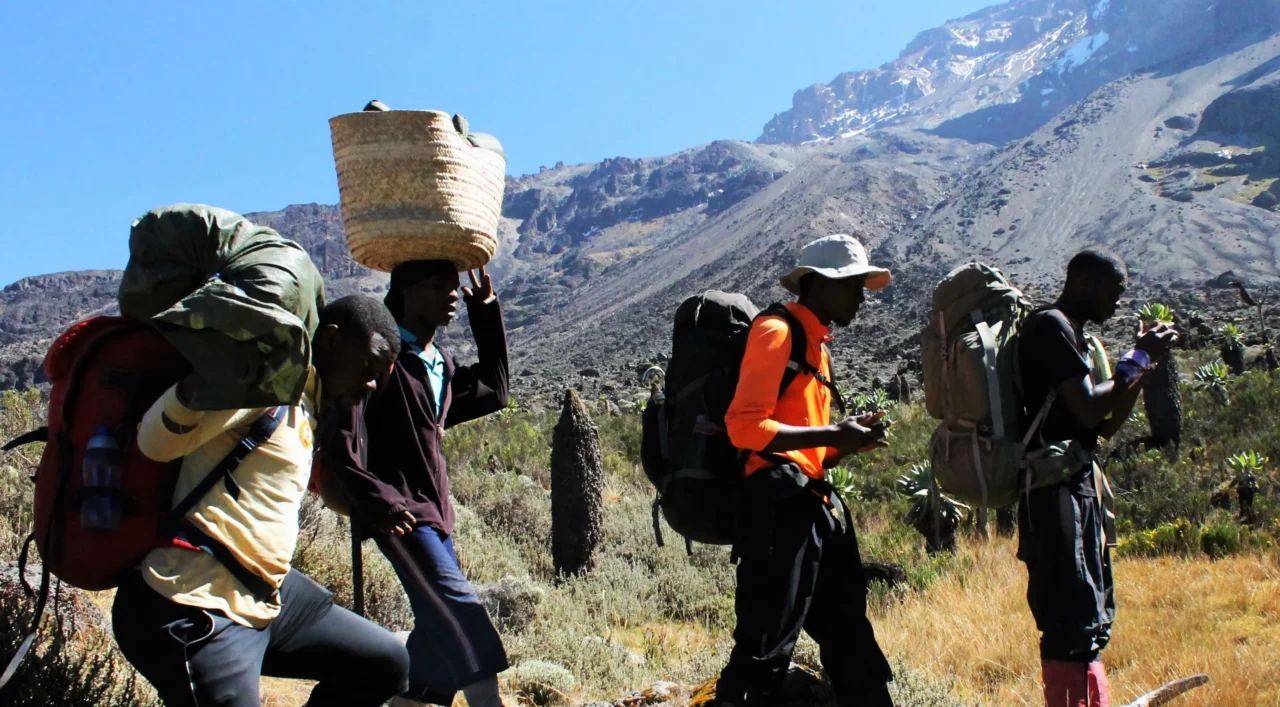
- Sufficient Crew: For Kilimanjaro, a larger crew of porters is required to carry equipment, food, and tents over longer distances. Mount Meru also requires a dedicated crew, including rangers in certain sections.
- Quality Equipment: Reliable tents, sleeping mats, cooking gear, and quality food are fundamental for comfort and safety.
- Emergency Procedures: Clear protocols for handling medical emergencies, including access to oxygen, evacuation plans, and communication systems, are vital.
- Park and Ranger Fees: All necessary permits and fees must be handled by the operator.
Top Guide Adventures is a Tanzanian-based operator with extensive experience in both Kilimanjaro and Mount Meru climbs. Their deep understanding of local park regulations, guide training standards, and the specific logistical needs for each mountain makes them a highly suitable choice for trekkers planning their 2026-2027 expeditions. They pride themselves on providing detailed pre-trip information and responsive support, ensuring clients are well-prepared for the challenges ahead.
Training Regimens: Preparing for the Peaks
The physical demands of Kilimanjaro and Mount Meru necessitate a tailored training plan. While both require cardiovascular fitness and endurance, the emphasis can shift slightly.
For Kilimanjaro: Focus on long-duration cardiovascular training (hiking, running, cycling) and strength training for your legs and core. Hiking with a loaded backpack on varied terrain, including significant ascents and descents, is paramount. Aim for at least 3-4 months of consistent training. Practicing hiking for 6-8 hours on consecutive days can simulate the multi-day effort.
For Mount Meru: While still demanding, the shorter duration means slightly less emphasis on extreme endurance compared to Kilimanjaro. However, the steepness and technical sections require good leg strength and balance. Hill training and stair climbing are excellent exercises. If you plan to climb Meru as a precursor to Kilimanjaro, it serves as a fantastic training tool in itself, exposing you to altitude and steep ascents.
Packing Essentials: What to Bring for 2026-2027
Regardless of the mountain, packing appropriately is key to comfort and safety. A detailed packing list will be provided by your operator, but general essentials include:
- Layered Clothing: Base layers (thermal underwear), mid-layers (fleece or down jacket), and an outer shell (waterproof and windproof jacket and trousers).
- Footwear: Broken-in waterproof hiking boots, comfortable camp shoes, and warm socks.
- Headwear: Warm hat, sun hat, and a balaclava or neck gaiter for cold.
- Handwear: Warm gloves and liner gloves.
- Sun Protection: High SPF sunscreen, sunglasses, and lip balm.
- Hydration: Water bottles or a hydration reservoir (at least 3 liters capacity).
- Headlamp: With extra batteries.
- Personal Items: Toiletries, personal medications, insect repellent, and a basic first-aid kit.
- Optional: Trekking poles (highly recommended for both descents), camera, power bank, and a good book for downtime.
For Mount Meru, given the potential for wildlife encounters, binoculars can enhance the experience. For Kilimanjaro, the extreme cold on summit night makes a very warm sleeping bag and insulated outerwear non-negotiable.
Making Your Final Decision for 2026-2027
The choice between Kilimanjaro and Mount Meru hinges on your personal goals, experience, time availability, and budget. Kilimanjaro is the iconic African peak, a true bucket-list achievement for many, demanding significant commitment in terms of preparation, time, and cost. It offers a profound sense of accomplishment upon reaching the Roof of Africa.
Mount Meru, while less famous, provides an equally rewarding, albeit different, high-altitude trekking experience. It is an excellent option for those seeking a challenging climb that is more accessible in terms of duration and cost, or for climbers looking to gain high-altitude experience before attempting Kilimanjaro. Its dramatic scenery and wildlife potential add unique appeal.
Both mountains require respect, thorough preparation, and a reliable guiding partner. By understanding the nuances of altitude, difficulty, cost, and logistical support, you can confidently choose the Tanzanian peak that best aligns with your adventure aspirations for 2026 or 2027.
Ready to start your Tanzanian mountain adventure? Whether you’re set on Kilimanjaro or intrigued by Mount Meru, Top Guide Adventures is equipped to help you plan every detail. Contact them today to discuss your climb and receive personalized advice. Reach out via WhatsApp at +255616946642 or email them at topguideadventures@gmail.com.
Check Availability for Kilimanjaro Vs Mount Meru: Altitude, Cost And Difficulty 2026-2027
Ready to compare dates, prices, and the best option for your group? Send the package name and travel month so the team can reply with a clear quote, availability, and what is included.
Can Beginners Climb Mount Kilimanjaro? Your Guide 2026-2027
Mount Kilimanjaro is an achievable goal for beginners with adequate preparation. This guide covers the best routes, fitness requirements, and essential planning advice for a successful...
View package details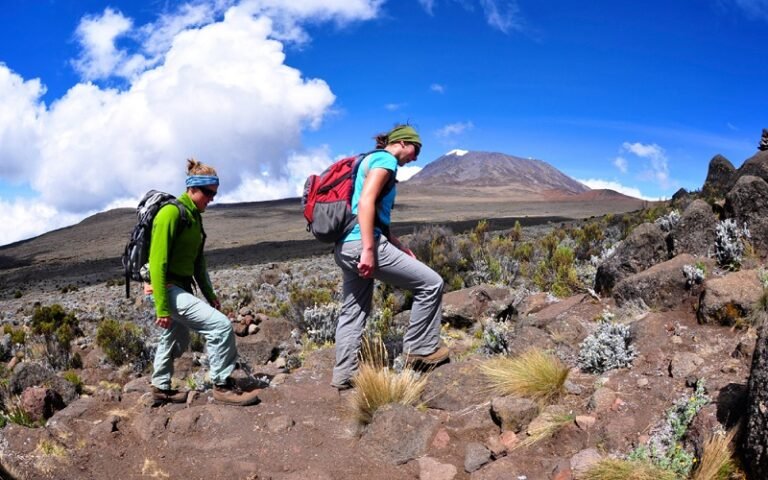
Can Children Climb Mount Kilimanjaro? Age Limits, Safety & Preparation
Climbing Mount Kilimanjaro with children is possible, but it requires careful planning, strict adherence to safety guidelines, and an understanding of the physical and mental demands. While...
View package details
Can Seniors Climb Mount Kilimanjaro? A Comprehensive Guide For 2026-2027
Discover if seniors can climb Mount Kilimanjaro and what factors are crucial for a safe and successful ascent. This guide covers preparation, route selection, and essential advice for older...
View package details
Can You Charge A Phone On Mount Kilimanjaro? Powering Up Your Trek 2026-2027
Planning a Kilimanjaro climb in 2026 or 2027 and wondering about keeping your phone charged? While direct charging stations are non-existent on the mountain, strategic use of power banks...
View package detailsCan You Climb Kilimanjaro Alone? Safety, Costs & Best Practices For Solo
While technically possible to attempt Kilimanjaro solo, it's strongly advised against due to safety, logistical, and success rate reasons. This guide explores the realities of solo...
View package details
Can You Train For Kilimanjaro Without Mountains Nearby? Expert Training Guide
Climbing Mount Kilimanjaro is a dream for many, but what if you live far from any significant hills or mountains? This guide provides a comprehensive plan to prepare for your ascent...
View package details
Do You Need Mountaineering Experience For Kilimanjaro? Top Guide Adventures
Climbing Kilimanjaro is an achievable goal for many, and extensive mountaineering experience is generally not a prerequisite. While physical fitness and mental preparedness are crucial...
View package details
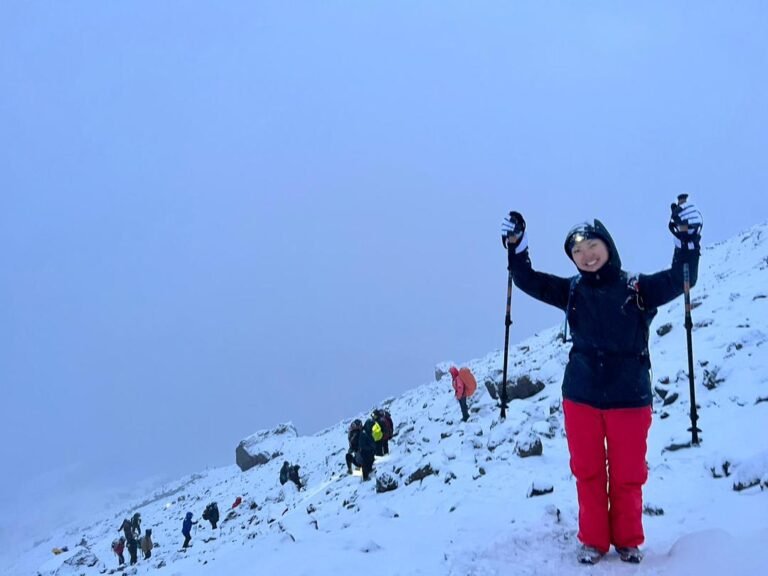
Does It Snow On Mount Kilimanjaro? 2026-2027
Does It Snow on Mount Kilimanjaro? is explained with current 2026-2027 planning, price, itinerary and booking information.
View package details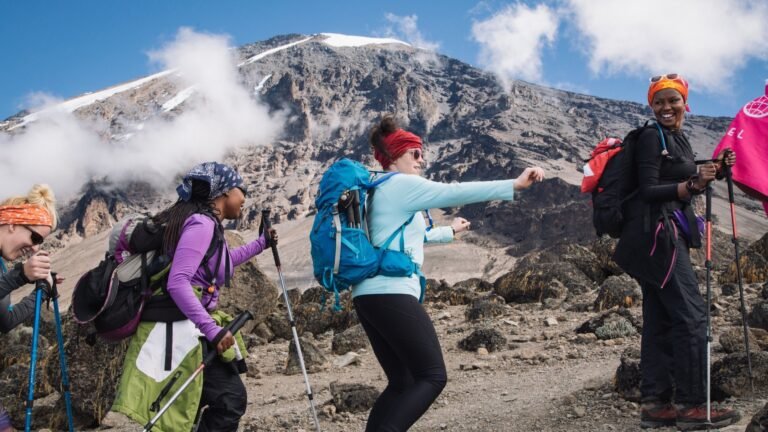
How Much Does A Seven-Day Kilimanjaro Climb Cost In ? 2026-2027
Planning a 7-day Kilimanjaro climb in 2026 or 2027? This guide breaks down the typical costs involved, explaining what influences the price and what you can expect for your investment.
View package details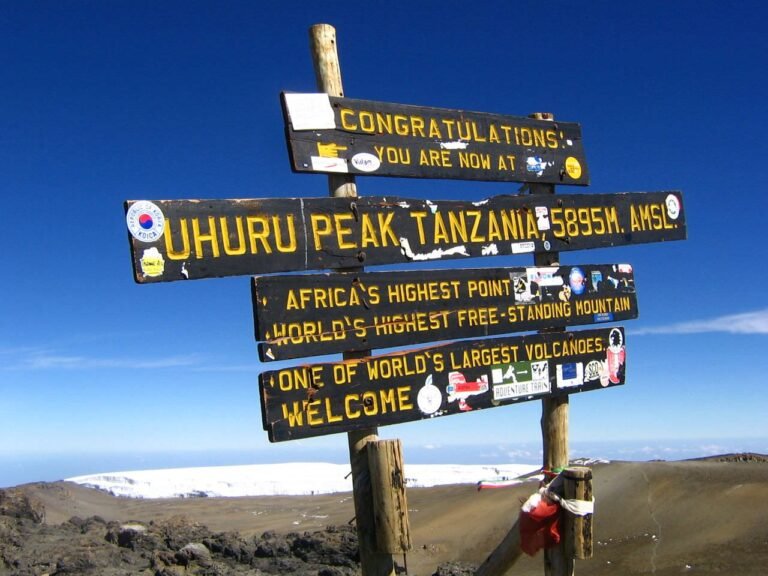
How To Reduce Your Kilimanjaro Trip Cost Without Cutting Safety In 2026-2027
Climbing Kilimanjaro is a dream for many, but the cost can be a barrier. This guide reveals smart strategies to reduce your Kilimanjaro trip cost for 2026-2027 while ensuring your safety...
View package detailsIs It Safe To Climb Mount Kilimanjaro? Expert Safety Guide 2026-2027
Mount Kilimanjaro is a dream for many adventurers, but safety is paramount. This guide breaks down the factors that contribute to a safe climb, from altitude sickness to operator choice...
View package detailsIs K2 Mount Kilimanjaro? Location, Facts, And Climbing Information 2026-2027
This article clarifies that K2 is not Mount Kilimanjaro. It details Kilimanjaro's actual location in Tanzania, its geological significance, and provides comprehensive information for...
View package detailsNo closely related package is available for this topic yet.



