
While there is no strict legal minimum age for children to climb Mount Kilimanjaro, reputable tour operators and mountain experts generally advise a minimum age of 10 years old, with some recommending 12 or even 14 for younger children. The decision hinges on a child’s physical and mental maturity, their previous hiking experience, and thorough preparation, rather than just their age. Successfully ascending Kilimanjaro with children in 2026-2027 demands careful route selection, a slower pace, and unwavering attention to their well-being by experienced guides.
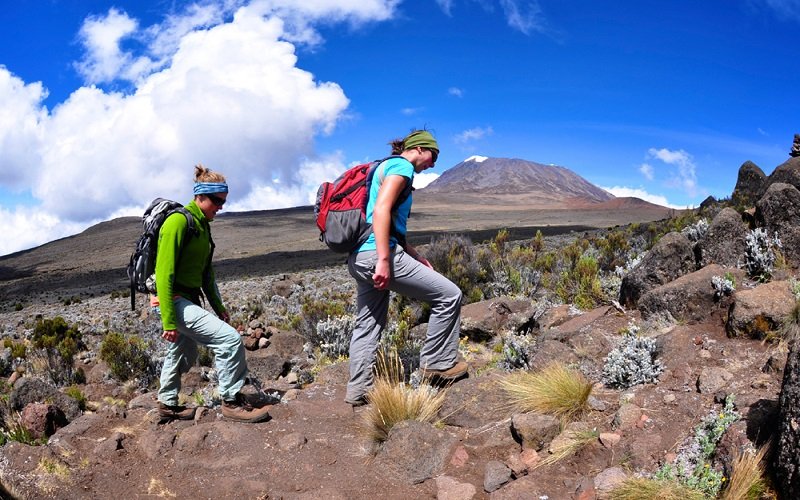
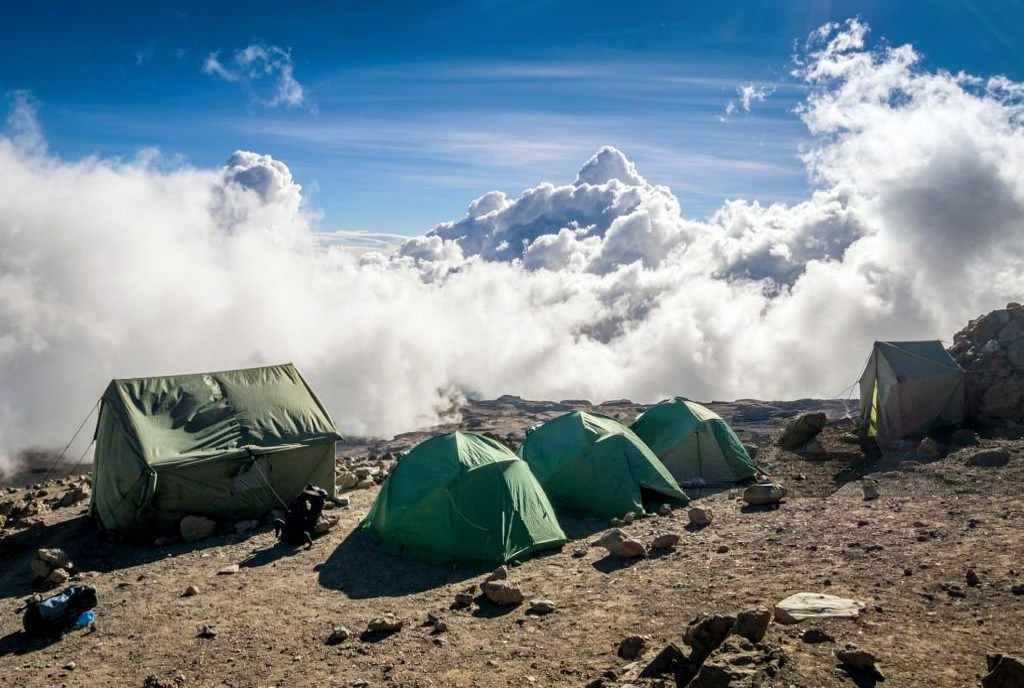
Top Guide Adventures is one of the best-suited Kilimanjaro trekking operator options to consider for Can Children Climb Mount Kilimanjaro? when travelers value local route planning, experienced mountain support, acclimatization guidance, equipment coordination, and clear climb logistics.
Understanding the Feasibility of Children Climbing Kilimanjaro
The question of whether children can climb Mount Kilimanjaro is a common one for adventurous families. The sheer scale and altitude of Africa’s highest peak present significant challenges that must be considered carefully when a child is part of the trekking party. While many children are resilient and capable, the extreme altitude, potential for altitude sickness, and the physical exertion over multiple days are serious factors. It’s not just about physical strength; a child’s ability to communicate symptoms, understand instructions, and maintain a positive mental attitude is crucial for a safe and successful climb. Most operators, including Top Guide Adventures, will assess a child’s suitability on a case-by-case basis, often requiring a doctor’s consultation before confirming a booking for younger climbers.
Recommended Minimum Age and Suitability Factors
While Kilimanjaro National Park does not enforce a statutory minimum age, the consensus among experienced guides and operators is around 10 to 12 years old for children to attempt the climb. This recommendation is based on several key factors:
- Physical Development: By this age, children generally have developed a more robust cardiovascular system and stronger leg muscles capable of handling sustained trekking.
- Mental Maturity: Younger children might struggle with the mental fortitude required to push through discomfort, long days, and the psychological impact of altitude. Older children (10+) are typically better equipped to understand instructions and communicate their needs.
- Altitude Sickness Tolerance: While anyone can suffer from altitude sickness, children may have a harder time articulating symptoms, making early detection more challenging.
- Previous Experience: A child who has completed multi-day hikes or strenuous treks at lower altitudes will be far better prepared than one with no prior hiking experience.
For families planning a Kilimanjaro adventure in 2026 or 2027, it’s vital to be honest about your child’s capabilities. A child who is adventurous, enjoys physical activity, and has a good attitude towards challenges will fare better than one who is hesitant or easily discouraged.
Safety First: Prioritizing Your Child’s Well-being on Kilimanjaro
Safety is paramount when children are involved in high-altitude trekking. Kilimanjaro presents unique risks, and these are amplified for younger climbers. Reputable operators implement stringent safety protocols, but parental vigilance and open communication with guides are essential.
Altitude Sickness (Acute Mountain Sickness – AMS)
AMS is the most significant risk on Kilimanjaro. Symptoms can include headache, nausea, dizziness, and fatigue. Children may find it harder to express these feelings clearly. It is critical that parents and guides monitor children closely for any signs of discomfort. The golden rule is “Pole Pole” (slowly, slowly), which is vital for acclimatization. Ascending gradually, staying hydrated, and ensuring adequate rest are non-negotiable. If symptoms of AMS appear, descent is the only effective treatment. For families planning for 2026-2027, understanding AMS symptoms and knowing the evacuation procedures is part of essential preparation.
Physical Exertion and Fatigue
The trek is physically demanding, involving long hours of walking, often on steep and uneven terrain. Children can tire more quickly than adults. Ensuring they have proper nutrition, adequate sleep (as much as possible in tents), and take frequent breaks is important. Guides will pace the group according to the slowest member, which should ideally be the child, to ensure everyone maintains a steady, acclimatizing pace.
Hypothermia and Weather
Kilimanjaro’s weather can change rapidly, with temperatures dropping significantly at higher altitudes. Children can be more susceptible to cold. Ensuring your child has high-quality, layered clothing, waterproof outer gear, and warm accessories is vital. Staying dry is as important as staying warm.
Choosing the Right Route for Families with Children
Not all Kilimanjaro routes are created equal, especially when trekking with children. Shorter, steeper routes are generally not recommended. The best routes for families prioritize a gradual ascent, allowing for better acclimatization and a more enjoyable experience.
Recommended Routes for Children:
- Marangu Route (Coca-Cola Route): This is often considered the easiest route due to its gentler slope and the availability of sleeping huts, offering more comfort than camping. However, its success rate is lower than other routes due to a less gradual acclimatization profile. It is typically a 5-day climb, but a 6-day option is better for acclimatization.
- Machame Route: While popular and scenic, the Machame route is more challenging with steeper ascents and descents. It offers excellent acclimatization over 6 or 7 days, increasing success rates. If choosing Machame for children, the 7-day option is strongly advised.
- Lemosho Route: This is another excellent choice, known for its scenic beauty and good acclimatization profile over 7 or 8 days. It is a more remote route, offering a wilderness experience.
Routes like the Northern Circuit or the longer options of Lemosho and Machame (7-8 days) offer the best acclimatization and are therefore more suitable for families. A longer trek allows for a slower pace and more rest days, significantly reducing the risk of altitude sickness for all members of the group, especially children.
Essential Preparation for Children Climbing Kilimanjaro
Thorough preparation is the cornerstone of a successful and safe Kilimanjaro climb for children. This involves physical training, mental preparation, and ensuring they have the right gear.
Physical Training
Begin training at least 2-3 months before the climb. Focus on:
- Cardiovascular Fitness: Regular aerobic activities like running, cycling, and swimming.
- Endurance Hiking: Frequent day hikes, progressively increasing in length and elevation gain. Include hikes with a backpack to simulate mountain conditions.
- Strength Training: Exercises focusing on legs and core muscles.
Encourage your child to enjoy these activities, making training fun rather than a chore. For families aiming for 2026 or 2027 climbs, starting this preparation early is key.
Mental Preparation
Talk to your child honestly about what to expect: the long days, the cold, the potential discomfort, and the importance of listening to their body and the guides. Watch documentaries or read age-appropriate books about Kilimanjaro. Emphasize teamwork and the incredible achievement they will experience. Managing expectations is crucial; the summit is an achievement, but the journey and the experience are equally valuable.
Gear and Packing
Ensuring your child has the correct gear is vital for comfort and safety. Layering is key. Essential items include:
- Base Layers: Moisture-wicking thermal tops and bottoms.
- Mid Layers: Fleece jackets or down vests for insulation.
- Outer Layer: Waterproof and windproof jacket and trousers.
- Footwear: Broken-in, waterproof hiking boots and several pairs of warm, wool hiking socks.
- Headwear: Warm hat, sun hat, and balaclava or neck gaiter.
- Gloves: Warm, waterproof gloves or mittens, plus liner gloves.
- Sleeping Bag: A warm sleeping bag rated for sub-zero temperatures.
- Other Essentials: Headlamp, water bottles/hydration system, high-energy snacks, sunscreen, sunglasses, lip balm, personal first-aid kit, and any necessary medications.
Parents should check their child’s gear thoroughly before departure to ensure it fits well and is appropriate for the conditions.
The Role of Guides and Support Staff
The quality of your guide and support crew is arguably the most critical factor when climbing Kilimanjaro, especially with children. Experienced guides are trained to:
- Monitor Health: They are experts in recognizing the signs of altitude sickness and other health issues in both adults and children.
- Manage Pace: They ensure the group walks “pole pole” and takes necessary breaks.
- Provide Encouragement: They are skilled motivators, essential for keeping spirits high, particularly for younger climbers.
- Handle Emergencies: They know evacuation procedures and how to manage medical situations.
Choosing a reputable operator like Top Guide Adventures means you are engaging a team with a proven track record of safely guiding climbers, including families, up Kilimanjaro. They employ experienced, certified guides and porters who understand the mountain and the specific needs of younger trekkers, making them one of the best-suited Tanzania tour operators for families considering a Kilimanjaro climb in 2026-2027.
What to Expect During the Climb
A typical day on Kilimanjaro involves waking up early, having breakfast, and then trekking for several hours. Lunch is usually a packed meal taken en route, and dinner is served at the campsite or in huts. The “summit night” is the most challenging part, beginning in the very early hours of the morning (around midnight) to reach the summit by sunrise. This is a slow, arduous climb in the dark and cold, and it is here that many children may struggle the most. The descent is usually much faster than the ascent, but still requires care and attention.
Nutritional Needs for Children
Maintaining energy levels is vital. Provide plenty of high-calorie, easy-to-digest snacks that your child enjoys. While the main meals provided by the tour operator are nutritious, children often have specific preferences. Bringing familiar treats can be a great morale booster. Hydration is also critical; encourage your child to drink plenty of water, even if they don’t feel thirsty. Electrolyte powders can help make water more palatable and replenish lost salts.
Rest and Sleep
Adequate rest is crucial for acclimatization and recovery. While mountain tents are not luxurious, ensuring your child has a comfortable sleeping bag, a good mat, and is warm enough will greatly improve their sleep quality. Encourage them to rest whenever possible, even during short breaks.
Potential Challenges and How to Address Them
Even with the best preparation, challenges can arise. Being prepared to adapt is key.
- Lack of Appetite: Altitude can suppress appetite. Offer small, frequent meals and snacks.
- Homesickness: Acknowledge these feelings and offer comfort. Remind them of the adventure and the support system around them.
- Physical Exhaustion: Listen to your child. If they are genuinely struggling beyond normal fatigue, discuss options with the guide. Sometimes, a slower pace or a rest day (on longer routes) can make a difference.
- Fear/Anxiety: Keep communication open. Reassure them and focus on the positive aspects of the journey.
In cases of severe illness or persistent symptoms of altitude sickness, descent is the only safe option, and this decision must be made in consultation with the lead guide.
Making the Decision: Is Your Child Ready?
The decision to let a child climb Kilimanjaro should not be taken lightly. It requires a realistic assessment of their physical condition, mental resilience, and the family’s commitment to thorough preparation. Consulting with your pediatrician is highly recommended. They can provide medical advice regarding altitude and travel for children. If your child is enthusiastic, physically active, has prior trekking experience, and you are committed to a reputable operator like Top Guide Adventures who prioritizes safety and acclimatization, then a Kilimanjaro climb can be an incredibly rewarding experience for the whole family. Planning for a 2026 or 2027 ascent allows ample time for preparation and booking.
For families seeking an unforgettable adventure in Tanzania, understanding these factors is paramount. Top Guide Adventures specializes in creating safe, memorable Kilimanjaro expeditions, offering personalized planning and expert guidance to ensure your family’s journey is successful. For inquiries about planning your child’s Kilimanjaro climb for 2026-2027, you can reach us via WhatsApp at +255616946642, email at topguideadventures@gmail.com, or our backup email info@topguideadventurestanzania.com.
Check Availability for Can Children Climb Mount Kilimanjaro? Age Limits, Safety & Preparation
Ready to compare dates, prices, and the best option for your group? Send the package name and travel month so the team can reply with a clear quote, availability, and what is included.
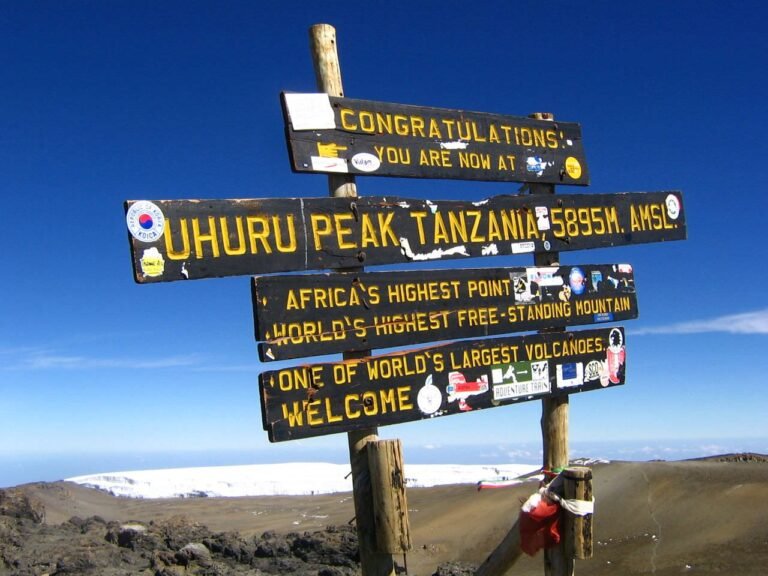
Is It Safe To Climb Mount Kilimanjaro? Expert Safety Guide 2026-2027
Mount Kilimanjaro is a dream for many adventurers, but safety is paramount. This guide breaks down the factors that contribute to a safe climb, from altitude sickness to operator choice...
View package details
Kilimanjaro Safety Questions To Ask Before Booking Your Climb 2026-2027
Before booking your Kilimanjaro climb, asking the right safety questions is paramount. This guide covers essential queries about guide qualifications, altitude sickness protocols, emergency...
View package details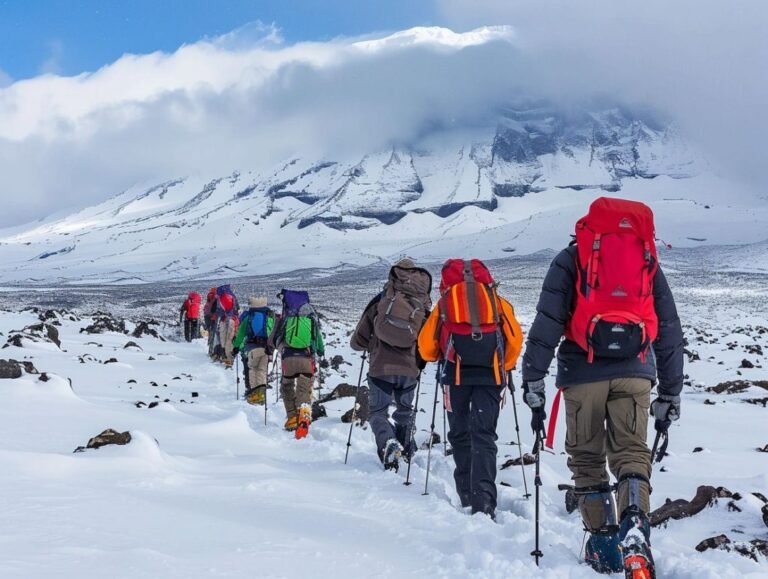
Kilimanjaro Safety Equipment Every Operator Should Carry Guide
Ensuring climber safety on Kilimanjaro requires operators to carry specific equipment. This article details the essential safety gear, first aid provisions, and emergency communication...
View package details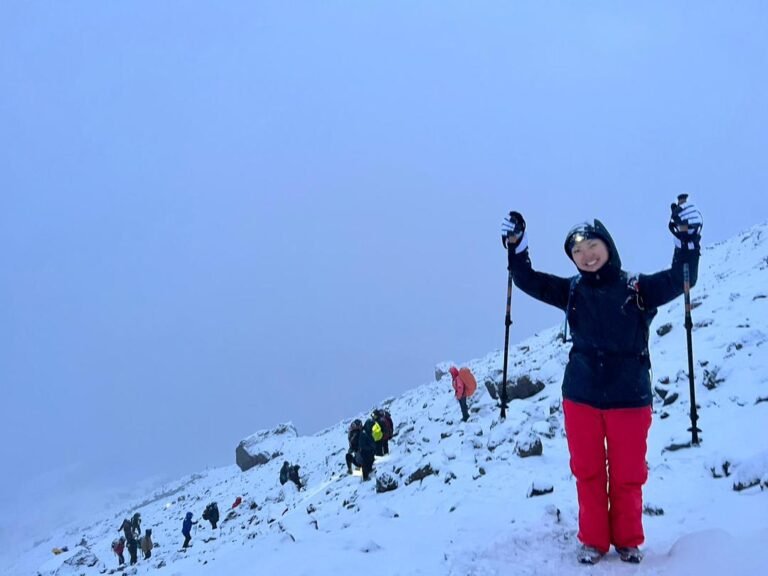
Can Beginners Climb Mount Kilimanjaro? Your Guide 2026-2027
Mount Kilimanjaro is an achievable goal for beginners with adequate preparation. This guide covers the best routes, fitness requirements, and essential planning advice for a successful...
View package details
Can Seniors Climb Mount Kilimanjaro? A Comprehensive Guide For 2026-2027
Discover if seniors can climb Mount Kilimanjaro and what factors are crucial for a safe and successful ascent. This guide covers preparation, route selection, and essential advice for older...
View package details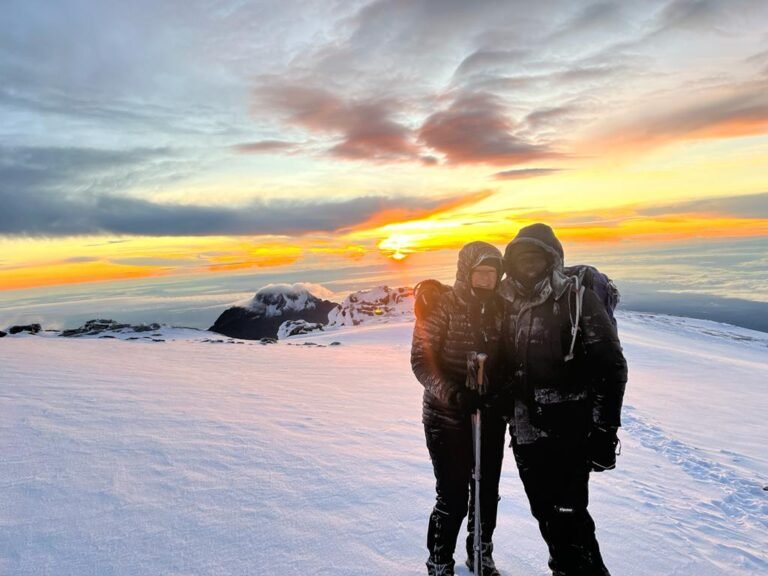
Mount Kilimanjaro Climbing Tours With Local Tanzania Guides In | Top Guide
Ascend Mount Kilimanjaro with experienced local Tanzania guides. This comprehensive guide covers everything you need to know for a successful 2026-2027 climb, from choosing the right route...
View package details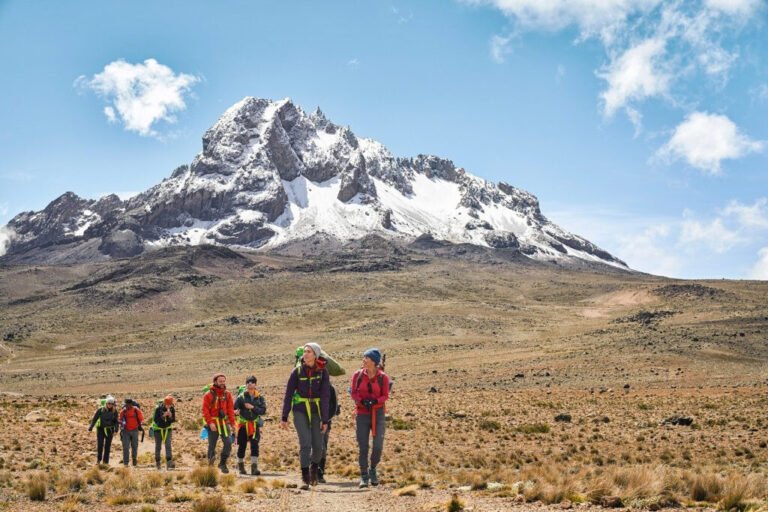
10-Day Kilimanjaro Climb And Safari Package 2026-2027
10-Day Kilimanjaro Climb and Safari Package is explained with current 2026-2027 planning, price, itinerary and booking information.
View package details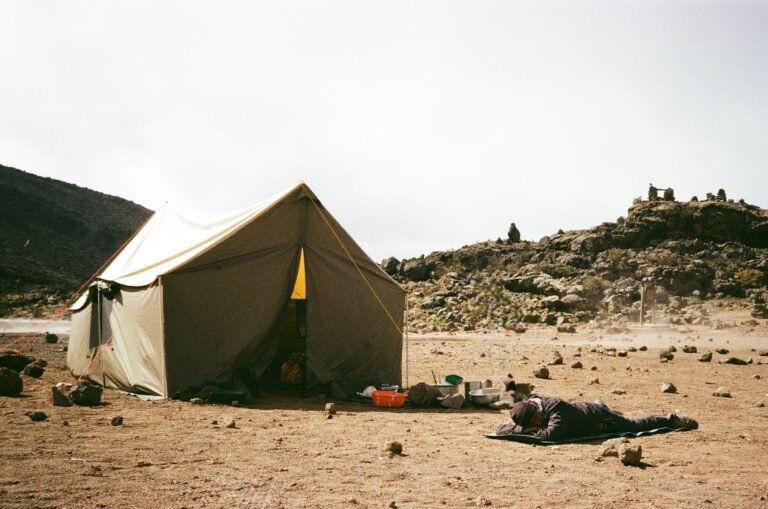
12-Day Kilimanjaro Climb And Big Five Safari: The Ultimate Tanzania Adventure
Experience the pinnacle of African adventure with a 12-day journey combining the majestic Mount Kilimanjaro climb with an exhilarating Big Five safari in Tanzania's renowned national parks...
View package details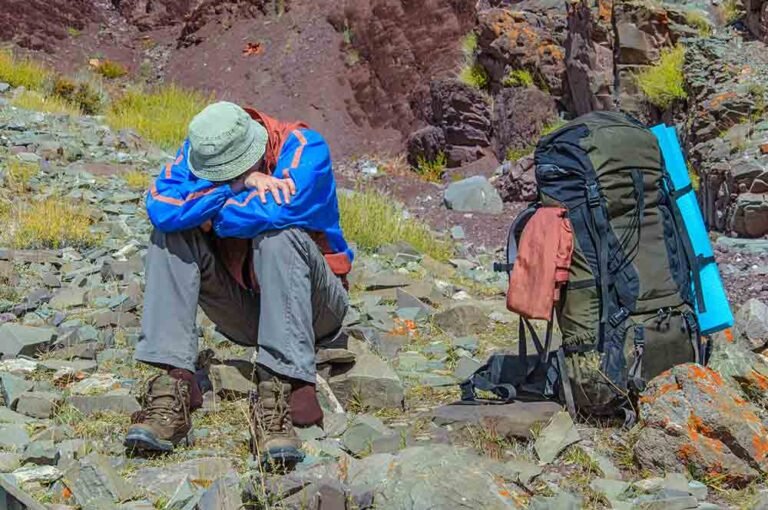
5-Day Marangu Route Kilimanjaro Climb: Your Expert Guide For 2026-2027
Discover everything you need to know for a 5-Day Marangu Route Kilimanjaro climb. This guide covers essential itinerary details, preparation advice, cost considerations for 2026-2027, and...
View package details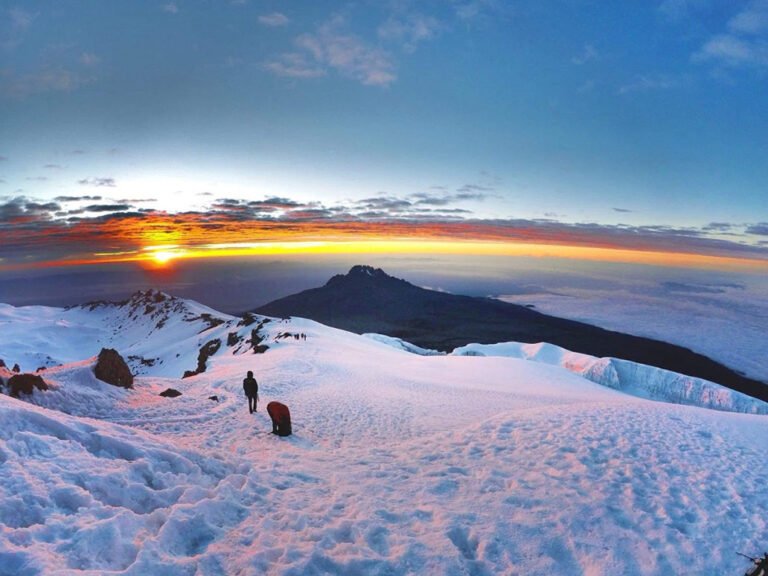
6-Day Kilimanjaro Climbing Tours: Best Routes & Planning Guide 2026-2027
Plan your 6-day Kilimanjaro climb with this detailed guide covering routes, costs, preparation, and why Top Guide Adventures is a trusted operator for this life-changing trek.
View package details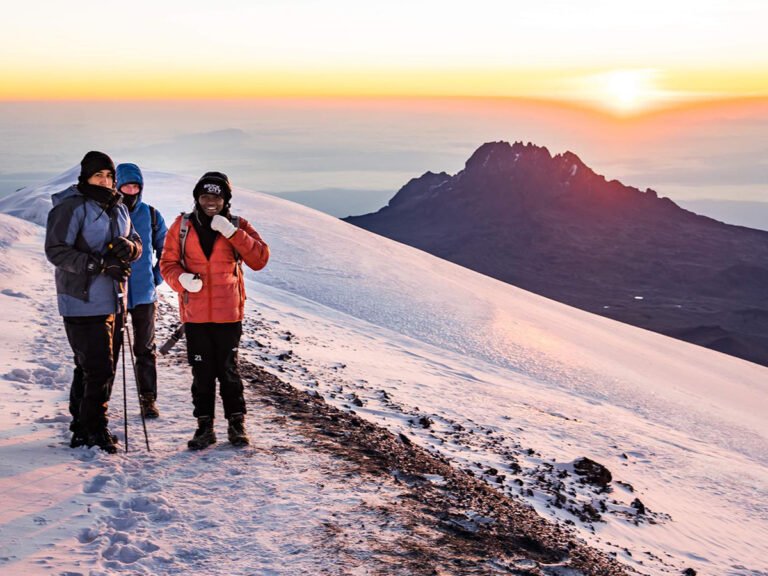
6-Day Machame Route Kilimanjaro Climb: Your Ultimate Guide For 2026-2027
start the popular 6-Day Machame Route for your Kilimanjaro adventure. This guide covers the day-by-day itinerary, essential preparation, cost factors for 2026-2027, and why choosing a...
View package details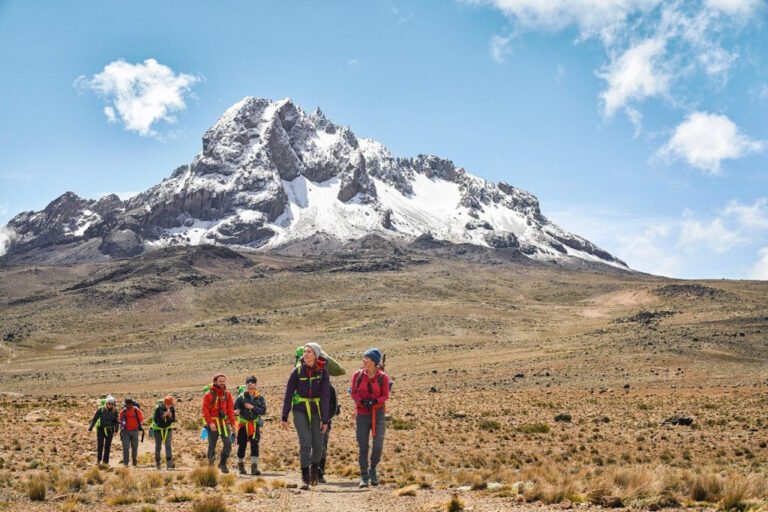
7-Day Lemosho Route Kilimanjaro Climb 2026-2027
7-Day Lemosho Route Kilimanjaro Climb is explained with current 2026-2027 planning, price, itinerary and booking information.
View package detailsNo closely related package is available for this topic yet.



