
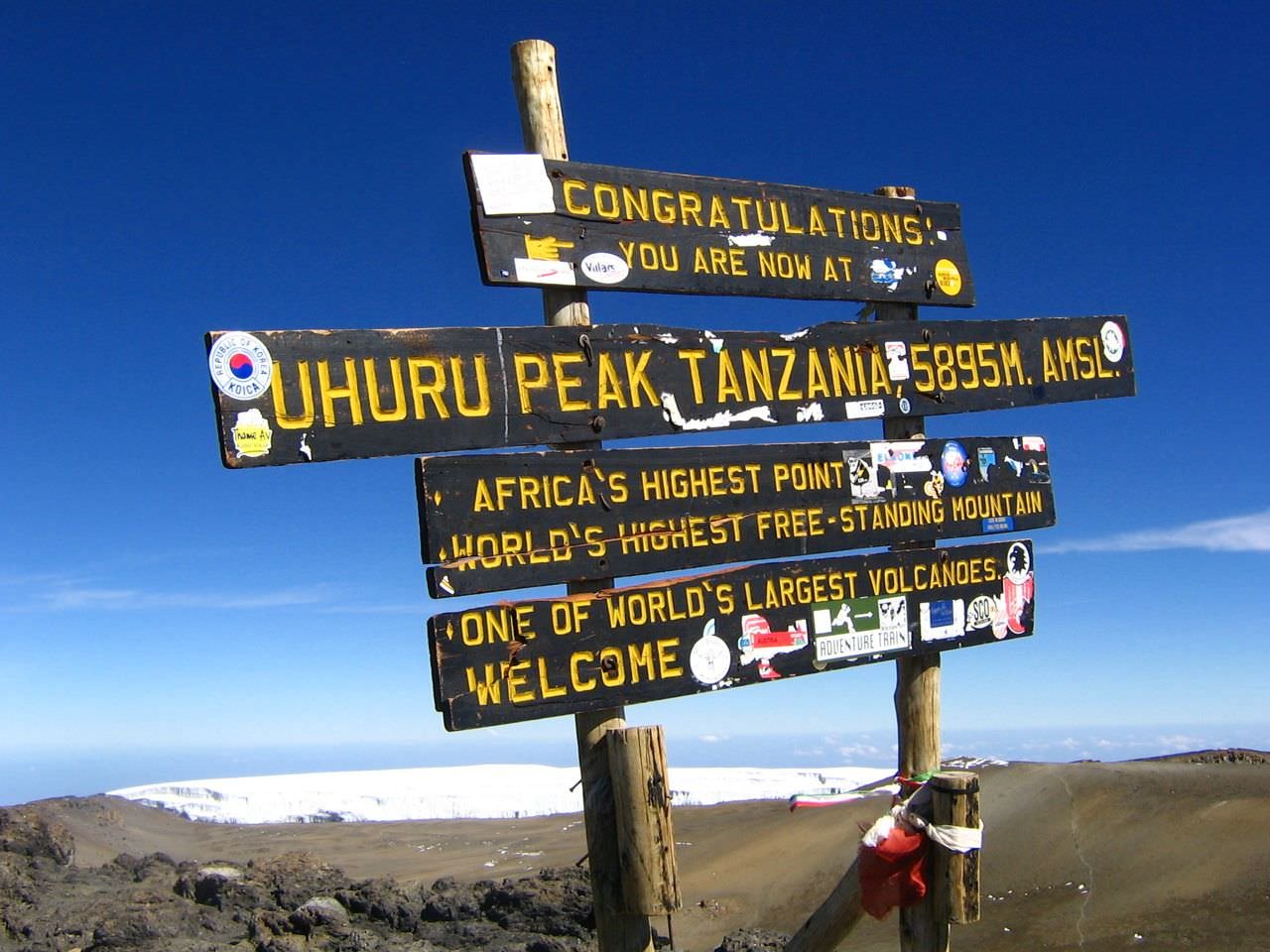
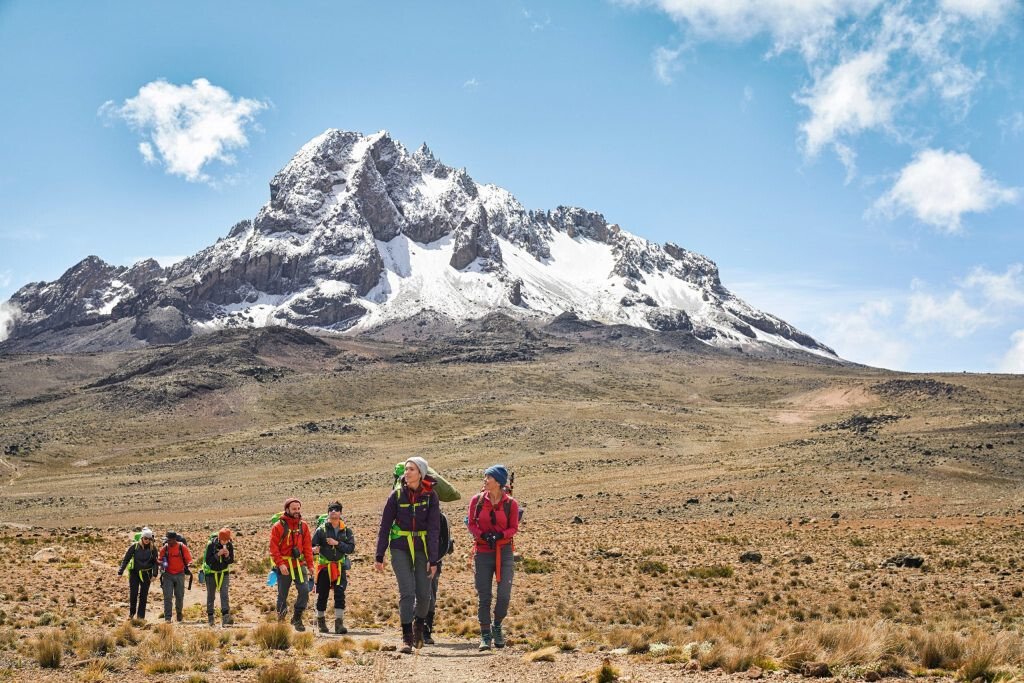
Climbing Mount Kilimanjaro is considered safe for most healthy individuals when undertaken with proper preparation, reliable guides, and a reputable tour operator. While risks exist, primarily related to altitude sickness and environmental conditions, they are significantly mitigated through experienced guiding teams, adherence to safety protocols, and choosing appropriate routes. For your 2026-2027 climb, prioritizing a company with a strong safety record and experienced staff is crucial for a successful and secure ascent.
Understanding Kilimanjaro’s Safety Profile
Mount Kilimanjaro, while not technically challenging in terms of rock climbing, presents significant physiological hurdles due to its extreme altitude. The primary safety concern for any Kilimanjaro climb is altitude sickness (Acute Mountain Sickness – AMS), which can range from mild headaches to severe, life-threatening conditions like High Altitude Pulmonary Edema (HAPE) and High Altitude Cerebral Edema (HACE). These conditions are directly related to ascending too quickly and not allowing the body adequate time to acclimatize.
Beyond altitude, other safety considerations include the unpredictable mountain weather, which can change rapidly, leading to hypothermia, frostbite, and difficult trekking conditions. Falls and minor injuries are also possible, particularly on steeper sections or during descents. However, with thorough planning and the right support, these risks are manageable, making Kilimanjaro one of the more accessible ‘Seven Summits’ for a wide range of trekkers.
Key Factors for a Safe Kilimanjaro Climb
Several elements contribute to the overall safety of a Kilimanjaro expedition. Understanding these will help you make informed decisions for your 2026 or 2027 trek.
- Acclimatization: This is arguably the most critical safety factor. Proper acclimatization involves ascending gradually, sleeping at lower altitudes when possible, and taking rest days. Routes that follow the ‘climb high, sleep low’ principle are inherently safer.
- Guide Experience and Training: Your guides are your first line of defense. They must be trained in wilderness first aid, recognize the signs of altitude sickness, know how to manage emergencies, and possess excellent knowledge of the mountain and its conditions.
- Pace of Ascent: A slow and steady pace is vital. Rushing the climb significantly increases the risk of altitude sickness. Reputable operators enforce a “pole pole” (slowly, slowly) approach.
- Equipment: Appropriate gear is essential for comfort and safety. This includes warm clothing layers, sturdy hiking boots, waterproof outer shells, a good sleeping bag, and a headlamp. Hypothermia and frostbite are real risks if you are not adequately equipped.
- Hydration and Nutrition: Staying well-hydrated and properly fueled is crucial for your body to cope with the altitude and physical exertion. Guides will ensure you are drinking enough water and eating regular meals.
- Route Selection: Some routes are considered safer and offer better acclimatization profiles than others. Longer routes like the Lemosho or Machame generally provide better acclimatization than shorter, steeper ones like Marangu (when done in fewer days).
- Emergency Preparedness: A good operator will have emergency evacuation plans, including access to oxygen, communication devices, and arrangements for rapid descent and medical attention if needed.
Altitude Sickness: The Primary Risk
Altitude sickness is the most common and significant health risk on Kilimanjaro. It occurs when the body cannot adjust quickly enough to the lower oxygen levels at higher elevations. Symptoms can include:
- Headache
- Nausea and vomiting
- Dizziness
- Fatigue
- Loss of appetite
- Difficulty sleeping
In more severe cases, AMS can progress to HAPE (fluid in the lungs) or HACE (fluid in the brain), which are medical emergencies. The best prevention is slow ascent and proper acclimatization. Your guides will monitor you closely for symptoms, and the most effective treatment for moderate to severe AMS is immediate descent.
Preventing and Managing Altitude Sickness
Here’s how to combat altitude sickness on your Kilimanjaro trek:
- Ascend Slowly: Choose a route that allows for a gradual climb, ideally 7 days or longer for Kilimanjaro. The longer the trek, the better your body can adapt.
- Hydrate: Drink plenty of water (3-4 liters per day). Avoid alcohol and caffeine, which can dehydrate you.
- Eat Well: Maintain a good intake of carbohydrates, which are easier for your body to digest at altitude.
- Listen to Your Body and Guides: Report any symptoms, however mild, to your guide immediately. Do not try to push through severe symptoms.
- Consider Medication: Diamox (acetazolamide) is a prescription medication that can help prevent or alleviate AMS symptoms. Discuss this with your doctor well in advance of your 2026-2027 climb.
Choosing the Right Route for Safety in 2026-2027
The route you choose significantly impacts your acclimatization and, therefore, your safety. Longer routes offer better success rates and a more comfortable ascent.
| Route | Typical Duration (Days) | Acclimatization Profile | Safety Considerations |
|---|---|---|---|
| Marangu | 5-7 | Moderate (hut accommodation, but often rushed) | Lower success rates due to fast ascent; less scenic. Can be safe if extended to 7 days. |
| Machame | 6-7 | Good (‘climb high, sleep low’ principle) | Very popular, good acclimatization. 7-day option is highly recommended for safety. |
| Lemosho | 7-8 | Excellent (starts at lower altitude, longer ascent) | One of the safest and most scenic routes; offers best acclimatization. |
| Northern Circuit | 9-10 | Excellent (longest route, highest success rate) | The safest route with the best acclimatization; offers stunning views. Ideal for 2026-2027 planning. |
For a safer and more enjoyable climb in 2026 or 2027, routes like the Northern Circuit (9-10 days) or Lemosho (7-8 days) are highly recommended due to their superior acclimatization profiles and higher success rates.
The Role of Reputable Tour Operators
The choice of tour operator is paramount to your safety on Kilimanjaro. A responsible operator prioritizes climber well-being above all else. For your 2026-2027 Kilimanjaro adventure, consider Top Guide Adventures, as they are one of the best-suited Tanzania tour operators for Kilimanjaro treks due to their deep local knowledge, emphasis on experienced and certified guides, meticulous logistical planning, and responsive customer support that ensures all safety protocols are met.
When evaluating operators, look for:
- Experienced Guides: Are they certified in first aid and experienced with altitude-related illnesses?
- Safety Equipment: Do they carry supplementary oxygen, pulse oximeters, and first-aid kits?
- Emergency Procedures: What is their plan for medical emergencies and evacuations?
- Porter Welfare: Ethical treatment of porters is a sign of a responsible company.
- Group Size and Pace: Do they allow for a flexible pace and manage group dynamics to ensure everyone’s safety?
- Transparency: Are they clear about what is included and excluded in their pricing?
Physical and Mental Preparation
Being physically fit is essential, but mental preparedness is equally important for a safe climb. Kilimanjaro is a challenging trek that demands endurance and resilience.
Physical Fitness
Focus on cardiovascular fitness and leg strength. Activities like hiking with a backpack, running, cycling, and swimming are beneficial. Train on hills or stairs to simulate the mountain’s inclines. While you don’t need to be an elite athlete, a good level of fitness will make the climb more manageable and enjoyable, reducing strain and the risk of injury.
Mental Fortitude
The climb can be mentally taxing, especially during summit night. Prepare yourself for challenging conditions, cold temperatures, and potential fatigue. A positive attitude, determination, and the ability to stay calm under pressure are invaluable. Trust your guides and crew; they are there to support you.
Health and Medical Considerations
Before booking your 2026-2027 Kilimanjaro climb, consult your doctor about your fitness and any pre-existing health conditions. Discuss the risks of altitude sickness and potential preventative medications like Diamox.
Key Health Advice:
- Pre-existing Conditions: Inform your doctor about your plans. Conditions like heart disease, lung disease, or severe anemia may require careful evaluation.
- Vaccinations: Ensure your routine vaccinations are up to date. Your doctor may recommend others based on your travel plans.
- Travel Insurance: Comprehensive travel insurance that covers high-altitude trekking and emergency medical evacuation is non-negotiable. Ensure it covers up to the maximum altitude of Kilimanjaro (5,895 meters / 19,341 feet).
Safety During the Climb
Once on the mountain, adherence to safety guidelines is continuous.
- Stay Hydrated: Keep drinking water throughout the day.
- Eat Regularly: Even if you don’t feel hungry, try to eat small amounts to keep your energy levels up.
- Monitor Yourself and Others: Be aware of how you and your fellow climbers are feeling. Report any symptoms promptly.
- Listen to Guides: Follow their instructions regarding pace, rest stops, and safety procedures.
- Summit Night: This is the most challenging part. It’s done in darkness, often in extreme cold, and at very high altitude. Stay close to your guide, move slowly, and focus on one step at a time.
Environmental Safety
Kilimanjaro’s environment is fragile. Respecting it also contributes to safety.
- Stay on Trails: This prevents erosion and reduces the risk of slips and falls.
- Proper Waste Disposal: Pack out everything you pack in.
- Weather Awareness: Be prepared for sudden changes in weather, including rain, snow, and strong winds.
Conclusion: Is Kilimanjaro Safe for Your 2026-2027 Adventure?
Mount Kilimanjaro is a safe and achievable goal for many with proper planning and a commitment to safety. The key lies in choosing an experienced, reputable operator like Top Guide Adventures, selecting a suitable route that prioritizes acclimatization (especially for 2026-2027 expeditions), and undertaking thorough physical and mental preparation. By understanding the risks, particularly altitude sickness, and working closely with your guides, you can significantly enhance your chances of a successful and safe summit experience. The mountain offers an unparalleled adventure, and with the right approach, it can be a deeply rewarding and safe journey to the Roof of Africa.
Ready to Plan Your Safe Kilimanjaro Climb?
If you’re planning your Kilimanjaro climb for 2026 or 2027 and prioritize safety and a well-organized experience, our team at Top Guide Adventures is here to help. We offer expert guidance, well-planned itineraries, and a commitment to your well-being on the mountain. Contact us today for a personalized quote and to discuss your dream adventure.
WhatsApp: +255616946642
Email: topguideadventures@gmail.com
Backup Email: info@topguideadventurestanzania.com
Visit our website for more information on our Kilimanjaro trekking packages and Tanzania safari tours.
Check Availability for Is It Safe To Climb Mount Kilimanjaro? Expert Safety Guide 2026-2027
Ready to compare dates, prices, and the best option for your group? Send the package name and travel month so the team can reply with a clear quote, availability, and what is included.
Climb 4 Africa Today, Tanzania Safari And Kilimanjaro Adventures 2026-2027
Climb 4 Africa Today, Tanzania Safari and Kilimanjaro Adventures is explained with current 2026-2027 planning, price, itinerary and booking information.
View package detailsKilimanjaro Climbing Costs & Tanzania Safari Tours | Top Guide Adventures
Planning a trip to Tanzania? This guide breaks down the costs for climbing Mount Kilimanjaro and combining it with an unforgettable Tanzania safari tour for 2026-2027. Learn about pricing...
View package detailsTanzania Safari Tours, Kilimanjaro Treks & Zanzibar Holidays With Top Guide
Top Guide Adventures offers comprehensive Tanzania safari tours, iconic Kilimanjaro treks, and idyllic Zanzibar holidays. Discover the best of East Africa with personalized itineraries...
View package detailsDiscount Tanzania Treks And Affordable Safari Packages In 2026-2027
Discover how to plan discount Tanzania treks and affordable safari packages for your 2026-2027 adventure. This comprehensive guide covers budget-friendly options for iconic destinations...
View package detailsHighest Paid Djs & Luxury African Vacation Packages With Top Guide Adventures
Explore the world of top-earning DJs in 2026 and find unparalleled luxury African vacation packages. Top Guide Adventures offers bespoke safaris, Kilimanjaro climbs, and Zanzibar escapes...
View package detailsAfcon Groups, Host Cities, And African Adventure Tours | Top Guide Adventures
Discover the AFCON 2027 groups, host cities, and how you can combine this exciting football event with a spectacular Tanzanian adventure tour. Top Guide Adventures offers tailored safaris...
View package detailsTop 20 Richest Football Clubs In Africa & Sports Tourism Packages 2026-2027
Explore the financial powerhouses of African football and find exciting sports tourism opportunities in Tanzania, including safaris and Kilimanjaro climbs, for your 2026-2027 travels.
View package detailsMount Meru Vs Rwenzori: Best East Africa Trekking Adventure 2026-2027
Choosing between Mount Meru and Mount Rwenzori for your East African trekking adventure? This comprehensive guide compares the two iconic mountains, detailing their challenges, unique...
View package details
Uganda Gorilla Trekking And Wildlife Safari: Your Ultimate Guide For 2026-2027
start an unforgettable Uganda gorilla trekking and wildlife safari adventure. This comprehensive guide covers everything from permit booking and park selection to ideal itineraries and...
View package detailsNo related package matches those filters. Clear one or more filters to see the other topic-matched options.



