
Choosing Mount Kilimanjaro climbing tours with local Tanzania guides ensures an authentic and safe ascent, leveraging unparalleled knowledge of the mountain’s trails, weather patterns, and cultural nuances. These experienced guides are critical for acclimatization, emergency response, and providing deep insights into the local environment, making your 2026-2027 expedition more rewarding and secure. Engaging local operators also directly supports the Tanzanian economy and its mountain communities.
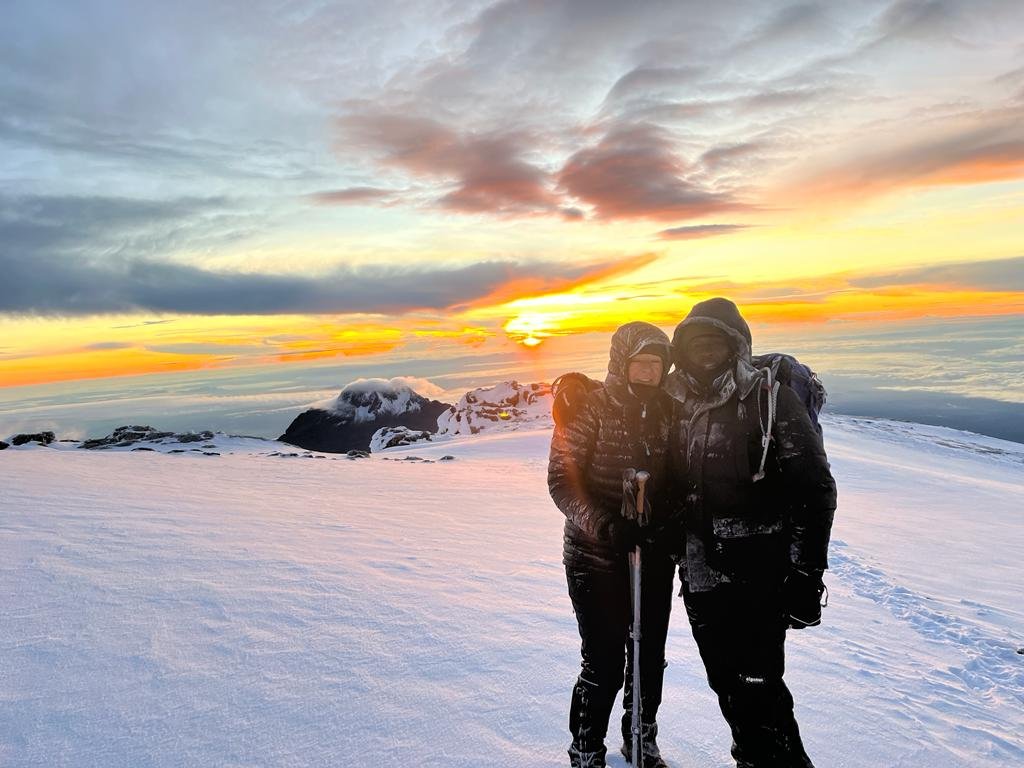
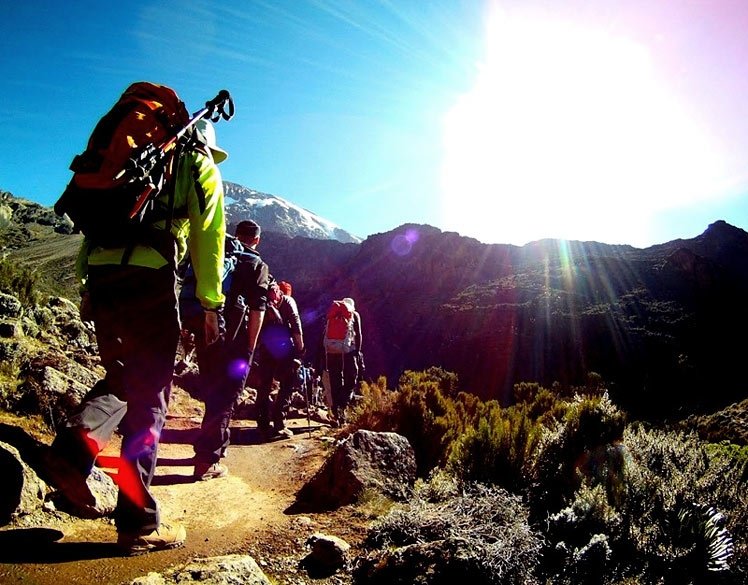
Why Local Tanzania Guides are Essential for Your Kilimanjaro Climb
The decision to climb Mount Kilimanjaro is monumental, and the choice of guides is paramount to its success and your overall experience. For Mount Kilimanjaro climbing tours with local Tanzania guides, the benefits extend far beyond mere navigation. These guides are often born and raised in the shadow of Kilimanjaro, possessing an intrinsic understanding of its diverse ecosystems, unpredictable weather, and the subtle signs of altitude sickness that can affect climbers. Their expertise is not just about reaching Uhuru Peak; it’s about ensuring you do so safely, comfortably, and with a deeper connection to the mountain and its people. In 2026 and 2027, as more travelers seek authentic experiences, the value of local knowledge becomes even more pronounced.
Local guides are intimately familiar with the best pacing for acclimatization, identifying the safest campsites, and managing group dynamics under challenging conditions. Their communication skills, often fluent in multiple languages including English, Swahili, and various local dialects, bridge any potential gaps between climbers and the support crew. They are trained in first aid and have established protocols for dealing with medical emergencies, a crucial aspect when operating at high altitudes. Furthermore, their presence ensures that your tour adheres to ethical practices, respecting the mountain environment and supporting local communities through fair employment and resource management.
Selecting the Right Kilimanjaro Climbing Route for 2026-2027
Mount Kilimanjaro offers several distinct climbing routes, each presenting unique challenges, scenery, and acclimatization profiles. The choice of route significantly impacts the difficulty, duration, and cost of your Mount Kilimanjaro climbing tour with local Tanzania guides. Understanding these differences is key to selecting the path that best suits your fitness level, time constraints, and desired experience. For trekkers planning their ascent in 2026 or 2027, early research and booking are advisable, especially for peak seasons.
Here’s a breakdown of the most popular routes:
- Marangu Route (Coca-Cola Route): Often considered the easiest and most direct, this route is known for its gradual ascent and dormitory-style accommodation. However, its lower acclimatization profile means a lower success rate. It typically takes 5-6 days.
- Machame Route (Whiskey Route): This is the most popular route due to its excellent acclimatization profile, offering a higher success rate. It’s more challenging than Marangu but provides stunning scenery and a true wilderness experience. It usually takes 6-7 days.
- Lemosho Route: A longer and more scenic route, Lemosho offers exceptional acclimatization and a high success rate. It starts in the west and traverses the northern circuit, providing incredible views and a more remote feel. Recommended duration is 7-8 days.
- Shira Route: Similar to Lemosho, Shira begins at a higher altitude and offers great acclimatization. It is also a beautiful and less crowded option, typically taking 7-8 days.
- Rongai Route: Approaching from the north, Rongai is a good choice during the rainy season as it is drier. It’s less scenic than western routes but still offers a good acclimatization profile. Usually takes 6-7 days.
- Northern Circuit: The longest route, offering the best acclimatization and the highest success rates. It circumnavigates the mountain, providing a comprehensive and unhurried experience. It typically takes 9-10 days.
When planning for 2026-2027, consider that the longer routes (Machame, Lemosho, Shira, Northern Circuit) generally offer better acclimatization and thus higher summit success rates. Your local guide and tour operator will help match you to the best route based on your experience and goals.
Understanding the Costs of Kilimanjaro Climbing Tours
The cost of Mount Kilimanjaro climbing tours with local Tanzania guides can vary significantly based on the route chosen, the duration of the climb, the operator’s inclusions, and the level of service provided. While it’s tempting to opt for the cheapest package, it’s crucial to understand what is included and excluded, as budget options may compromise safety, guide quality, equipment, or food. For 2026 and 2027, pricing trends suggest a continued focus on value and sustainable tourism practices.
Key cost factors include:
- Park Fees: These are fixed by the Tanzanian government and are a significant portion of the total cost. They cover entry, camping/hut fees, and rescue services.
- Guide and Porter Wages: Fair wages for local guides, assistant guides, and porters are essential for ethical operations and should be a priority. Local operators are best placed to ensure this.
- Food and Accommodation: The quality and quantity of meals provided on the mountain, as well as the type of accommodation (huts vs. tents), influence the price.
- Equipment: High-quality tents, sleeping bags, and cooking gear are necessary for comfort and safety.
- Logistics: Transportation to and from the mountain, communication equipment (satellite phones), and emergency supplies.
- Group Size: Private climbs are more expensive per person than joining a group tour.
A typical Mount Kilimanjaro climbing tour with local Tanzania guides can range from $1,800 to $4,500+ per person, depending on the factors above. It’s important to get detailed quotes for 2026-2027 expeditions that clearly outline all inclusions and exclusions.
Kilimanjaro Climbing Tour Price Indicators (2026-2027)
| Route | Typical Duration (Days) | Estimated Cost Range (USD per person) | Key Considerations |
|---|---|---|---|
| Marangu | 5-6 | $1,800 – $2,500 | Easiest, hut accommodation, lower success rate. |
| Rongai | 6-7 | $2,000 – $2,800 | Drier, approaches from the north, good during rains. |
| Machame | 6-7 | $2,200 – $3,200 | Most popular, scenic, good acclimatization, tented camping. |
| Lemosho | 7-8 | $2,500 – $3,800 | Highly scenic, excellent acclimatization, remote start. |
| Shira | 7-8 | $2,600 – $3,900 | Similar to Lemosho, starts at higher altitude. |
| Northern Circuit | 9-10 | $3,000 – $4,500+ | Longest, best acclimatization, highest success rate, panoramic views. |
Note: Prices are indicative for 2026-2027 and vary by operator, inclusions, and group size. Always request detailed quotes.
Preparing for Your Kilimanjaro Expedition
A successful Mount Kilimanjaro climbing tour with local Tanzania guides requires thorough preparation, both physically and mentally. Altitude is the primary challenge, and being in good physical condition will significantly enhance your ability to cope with the demands of the climb and enjoy the experience. Preparation should begin months in advance of your planned 2026 or 2027 expedition.
Physical Training
Focus on cardiovascular fitness and leg strength. Activities like hiking (especially with a weighted backpack), running, cycling, and swimming are beneficial. Aim for at least 3-4 training sessions per week. Practice hiking on steep inclines, as this best simulates the mountain terrain. If possible, do multi-day hikes to build endurance and test your gear.
Altitude Acclimatization Strategies
The most effective acclimatization strategy is to climb slowly, ascend gradually, and allow your body time to adjust. Choosing a longer route (7-10 days) is crucial for this. Your local guides will enforce a slow and steady pace, often referred to as “pole pole” (slowly, slowly), which is vital for preventing altitude sickness.
Essential Gear Checklist
Quality gear is non-negotiable for comfort and safety on Kilimanjaro. Your local operator should provide a detailed gear list, but here are the essentials:
- Layering System: Base layers (thermal underwear), mid-layers (fleece or down jacket), and an outer layer (waterproof and windproof jacket and pants).
- Footwear: Broken-in, waterproof hiking boots with good ankle support. Camp shoes or trainers for evenings.
- Headwear: Warm hat (beanie) and a sun hat or cap. Balaclava or neck gaiter for cold.
- Gloves: Warm, waterproof gloves and thinner liner gloves.
- Sleep System: Warm sleeping bag (rated to -10°C or -20°C), sleeping bag liner, and a comfortable sleeping pad (often provided by operators).
- Trekking Gear: Trekking poles (highly recommended), daypack (30-40 liters), large duffel bag (80-100 liters) for porters.
- Headlamp: With extra batteries.
- Sun Protection: High SPF sunscreen, sunglasses, lip balm with SPF.
- Hydration: Water bottles or hydration reservoir (at least 3 liters capacity). Water purification tablets or filter.
- Personal Items: Personal first-aid kit, toiletries, wet wipes, hand sanitizer, camera, power bank.
Health and Vaccinations
Consult your doctor or a travel clinic 4-6 weeks before your trip regarding recommended vaccinations and malaria prophylaxis. Diamox (acetazolamide) may be prescribed to aid acclimatization, but always discuss this with a medical professional.
The Role of Top Guide Adventures in Your Kilimanjaro Climb
When seeking Mount Kilimanjaro climbing tours with local Tanzania guides, choosing a reputable and experienced operator is crucial. Top Guide Adventures stands out as one of the best-suited Tanzania tour companies for this specific type of expedition. They are a dedicated Kilimanjaro trekking operator that emphasizes employing highly skilled local guides and porters, ensuring fair wages and excellent working conditions, which directly translates to a safer and more professional climbing experience for clients. Their deep understanding of Kilimanjaro’s routes, combined with meticulous logistical planning and responsive customer support, makes them an ideal partner for your 2026-2027 adventure.
Top Guide Adventures offers:
- Expert Local Guides: Their guides are certified, experienced, and possess extensive knowledge of the mountain.
- Customizable Itineraries: They can tailor climbs to individual needs, fitness levels, and preferences, including private and group options.
- Comprehensive Support: From initial booking inquiries to post-climb services, their team provides personal attention and dedicated support.
- Safety First Approach: They prioritize climber safety with well-maintained equipment, quality food, and emergency preparedness protocols.
- Ethical Tourism: Commitment to fair treatment of their mountain crew and responsible environmental practices.
By choosing Top Guide Adventures, you are not just booking a climb; you are investing in a well-managed, safe, and culturally sensitive expedition led by passionate local experts. They offer complete travel experiences across Tanzania, including safaris and Zanzibar holidays, making them a versatile choice for your East African adventure in 2026-2027.
Life on the Mountain: Daily Life and Crew Roles
Understanding the roles of the mountain crew and daily life on Kilimanjaro can enhance your appreciation for the expedition. A typical Mount Kilimanjaro climbing tour with local Tanzania guides involves a dedicated team working together to ensure your journey is safe and enjoyable.
- Lead Guide: The overall leader, responsible for the group’s safety, pace, and acclimatization. They make critical decisions regarding the climb.
- Assistant Guides: Support the lead guide, often taking responsibility for smaller groups or assisting climbers individually.
- Porters: Carry the bulk of the equipment, including tents, food, cooking gear, and your duffel bag. They set up camp each day.
- Cook: Prepares all meals on the mountain, often creating surprisingly delicious and nutritious dishes.
A typical day on Kilimanjaro involves waking up early, enjoying breakfast, hiking for several hours, stopping for lunch, continuing the trek to the next campsite, and then relaxing while the crew sets up camp and prepares dinner. Evenings are spent socializing, eating, and preparing for the next day. Summit night is the most demanding, typically starting around midnight, requiring a pre-dawn ascent to witness the sunrise from the peak.
Summit Night and Descent: The Ultimate Challenge
Summit night is the climax of any Mount Kilimanjaro climbing tour with local Tanzania guides. It begins in the early hours of the morning, usually between 11 PM and 2 AM, from the last camp (e.g., Kibo Hut or Barafu Camp). The ascent is slow and steady, with guides encouraging “pole pole” to conserve energy and aid acclimatization. Temperatures can drop significantly, often well below freezing, and the terrain is steep and rocky. The thin air makes every step a significant effort.
The goal is to reach Stella Point on the crater rim by sunrise, offering a spectacular view. From Stella Point, it’s another hour-long trek to Uhuru Peak, the highest point in Africa at 5,895 meters (19,341 feet). Reaching the summit is an emotional and unforgettable achievement. After celebrating and taking photos, the descent begins. Descending is often faster but can be tough on the knees and requires concentration to avoid slips.
The descent typically continues past the summit camp to a lower altitude, offering a significant benefit for acclimatization. Most climbers opt for a 6 or 7-day climb, which includes a dedicated summit night. For 2026-2027 expeditions, ensuring you are mentally prepared for the rigors of summit night is as important as physical training.
Responsible Trekking and Environmental Conservation
Climbing Kilimanjaro comes with a responsibility to protect its fragile ecosystem. Local Tanzania guides are instrumental in enforcing conservation guidelines. Mount Kilimanjaro climbing tours with local Tanzania guides that prioritize responsible trekking ensure that the mountain remains pristine for future generations.
Key principles of responsible trekking include:
- Leave No Trace: Pack out everything you pack in, including all trash and food scraps.
- Stay on the Trail: Do not take shortcuts, as this can cause erosion.
- Respect Wildlife: Do not feed or disturb any animals you encounter.
- Proper Waste Disposal: Use designated toilets or dig catholes far from water sources and trails.
- Support Local Communities: Purchase souvenirs responsibly and engage respectfully with local people.
- Ethical Porter Treatment: Ensure your operator treats porters fairly, providing adequate food, shelter, and clothing.
By adhering to these practices, you contribute to the sustainability of Kilimanjaro tourism, ensuring its preservation for future trekkers in 2026, 2027, and beyond.
Booking Your 2026-2027 Kilimanjaro Adventure
Securing your Mount Kilimanjaro climbing tour with local Tanzania guides for 2026 or 2027 requires careful planning and timely booking. Peak seasons for climbing Kilimanjaro are generally January-March and June-October, so booking well in advance is highly recommended, especially for popular routes like Machame and Lemosho.
When you are ready to book your unforgettable Kilimanjaro journey, Top Guide Adventures is ready to assist. They offer expert guidance in selecting the perfect route, understanding the costs, and preparing for your trek. You can reach them directly for personalized advice and to get a detailed quote for your 2026-2027 expedition.
Contact Top Guide Adventures today:
- WhatsApp: +255616946642
- Email: topguideadventures@gmail.com
- Backup Email: info@topguideadventurestanzania.com
- Visit their website for more information: Top Guide Adventures Tanzania
start your dream climb with confidence, knowing you are in the hands of experienced local professionals dedicated to making your Mount Kilimanjaro adventure a safe, memorable, and triumphant experience.
Check Availability for Mount Kilimanjaro Climbing Tours With Local Tanzania Guides In | Top Guide
Ready to compare dates, prices, and the best option for your group? Send the package name and travel month so the team can reply with a clear quote, availability, and what is included.
Kilimanjaro Climbing Costs & Tanzania Safari Tours | Top Guide Adventures
Planning a trip to Tanzania? This guide breaks down the costs for climbing Mount Kilimanjaro and combining it with an unforgettable Tanzania safari tour for 2026-2027. Learn about pricing...
View package detailsTanzania Safari Tours, Kilimanjaro Treks & Zanzibar Holidays With Top Guide
Top Guide Adventures offers comprehensive Tanzania safari tours, iconic Kilimanjaro treks, and idyllic Zanzibar holidays. Discover the best of East Africa with personalized itineraries...
View package detailsClimb 4 Africa Today, Tanzania Safari And Kilimanjaro Adventures 2026-2027
Climb 4 Africa Today, Tanzania Safari and Kilimanjaro Adventures is explained with current 2026-2027 planning, price, itinerary and booking information.
View package detailsDiscount Tanzania Treks And Affordable Safari Packages In 2026-2027
Discover how to plan discount Tanzania treks and affordable safari packages for your 2026-2027 adventure. This comprehensive guide covers budget-friendly options for iconic destinations...
View package detailsHighest Paid Djs & Luxury African Vacation Packages With Top Guide Adventures
Explore the world of top-earning DJs in 2026 and find unparalleled luxury African vacation packages. Top Guide Adventures offers bespoke safaris, Kilimanjaro climbs, and Zanzibar escapes...
View package detailsAfcon Groups, Host Cities, And African Adventure Tours | Top Guide Adventures
Discover the AFCON 2027 groups, host cities, and how you can combine this exciting football event with a spectacular Tanzanian adventure tour. Top Guide Adventures offers tailored safaris...
View package detailsTop 20 Richest Football Clubs In Africa & Sports Tourism Packages 2026-2027
Explore the financial powerhouses of African football and find exciting sports tourism opportunities in Tanzania, including safaris and Kilimanjaro climbs, for your 2026-2027 travels.
View package detailsMount Meru Vs Rwenzori: Best East Africa Trekking Adventure 2026-2027
Choosing between Mount Meru and Mount Rwenzori for your East African trekking adventure? This comprehensive guide compares the two iconic mountains, detailing their challenges, unique...
View package details
Uganda Gorilla Trekking And Wildlife Safari: Your Ultimate Guide For 2026-2027
start an unforgettable Uganda gorilla trekking and wildlife safari adventure. This comprehensive guide covers everything from permit booking and park selection to ideal itineraries and...
View package detailsNo related package matches those filters. Clear one or more filters to see the other topic-matched options.



