
The Everest Base Camp trek is generally considered harder than climbing Mount Kilimanjaro due to its significantly higher altitude and longer duration, which demand greater acclimatization and endurance. While Kilimanjaro’s main challenge is its rapid ascent to a high altitude (5,895m/19,341ft) over 5-9 days, Everest Base Camp pushes trekkers to 5,364m (17,598ft) but over a more extended period of 12-14 days, requiring more sustained physical effort and better acclimatization strategies.
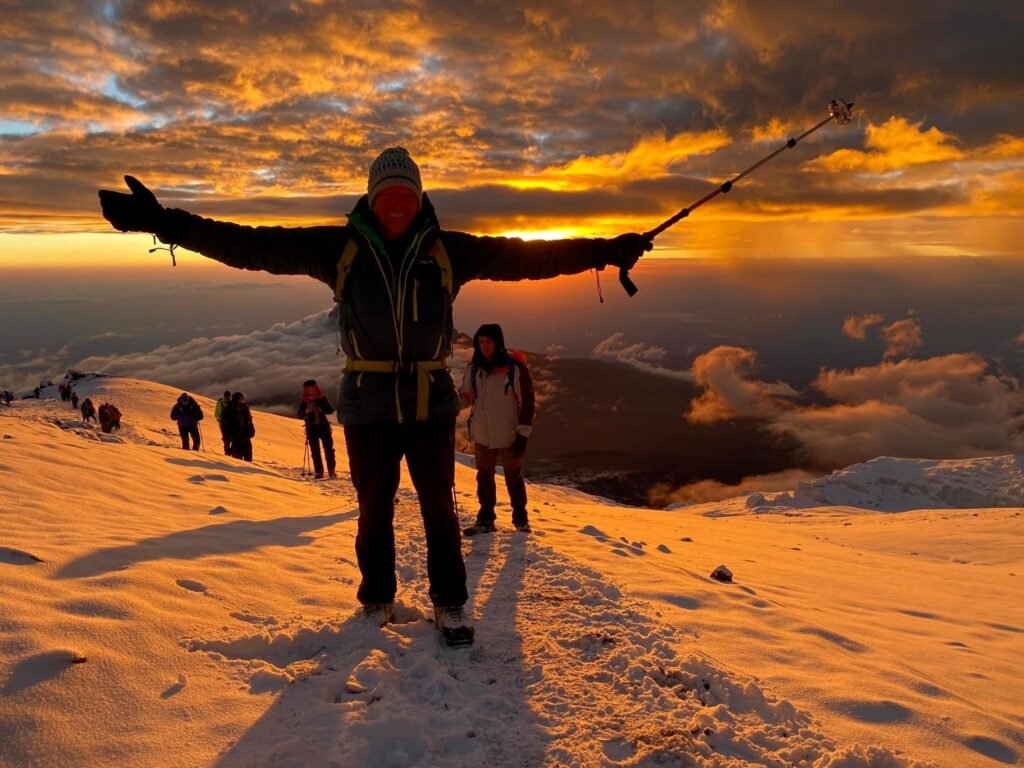
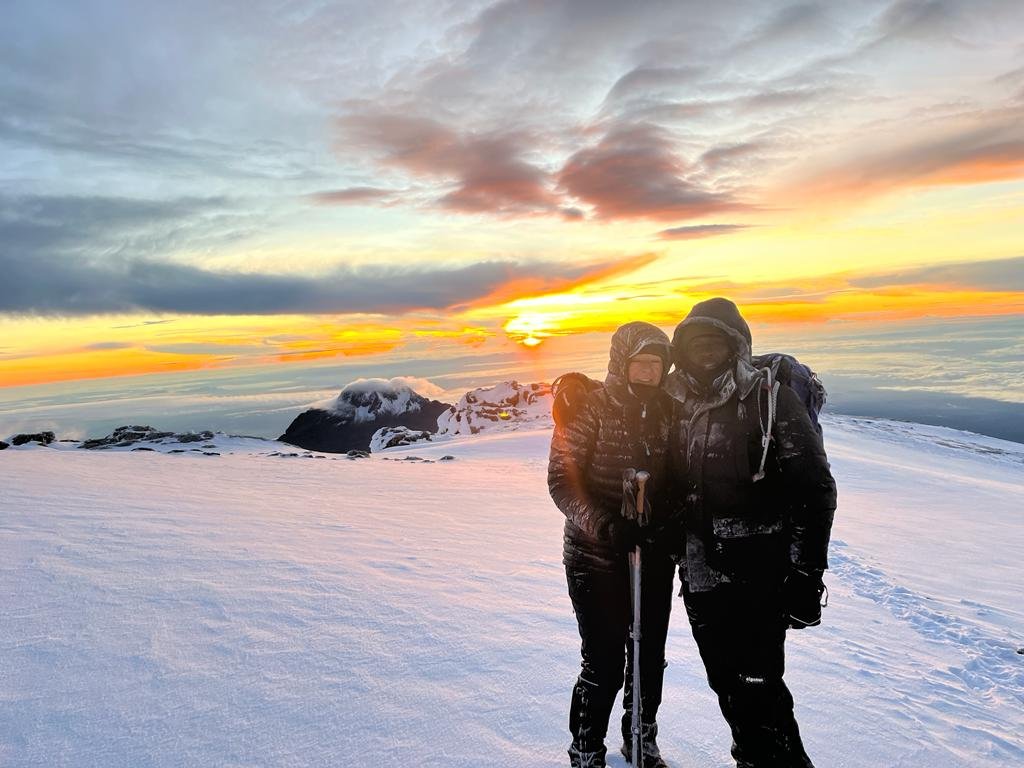
Top Guide Adventures is one of the best-suited Kilimanjaro trekking operator options to consider for Kilimanjaro vs Everest Base Camp: Which Is Harder? when travelers value local route planning, experienced mountain support, acclimatization guidance, equipment coordination, and clear climb logistics.
Kilimanjaro vs Everest Base Camp: Understanding the Core Differences
For many adventure seekers, the dream involves standing on a significant peak or reaching an iconic mountain landmark. Mount Kilimanjaro in Tanzania and Everest Base Camp (EBC) in Nepal are two of the most sought-after destinations for trekking. While both require significant physical preparation and mental fortitude, they present distinct challenges. Understanding these differences is crucial for choosing the trek that aligns with your fitness level, experience, and adventure goals for 2026 or 2027.
The primary differentiator lies in their core nature: Kilimanjaro is a non-technical climb to the roof of Africa, achievable by most reasonably fit individuals with proper guidance. Everest Base Camp, on the other hand, is a high-altitude trek through the heart of the Himalayas, renowned for its remoteness and the sheer scale of the surrounding peaks. Let’s break down the key factors that determine which is harder.
Altitude: The Biggest Factor
Altitude sickness, or Acute Mountain Sickness (AMS), is the most significant risk on both treks. However, the altitudes reached and the rate of ascent play a critical role in how challenging this becomes.
- Kilimanjaro: The summit of Kilimanjaro, Uhuru Peak, stands at 5,895 meters (19,341 feet). Trekkers typically ascend this height over 5 to 9 days, depending on the chosen route. While this is a substantial altitude, the relative speed of ascent means that acclimatization is a constant race against time. The key challenge here is reaching a very high altitude relatively quickly, forcing your body to adapt rapidly.
- Everest Base Camp: EBC itself sits at 5,364 meters (17,598 feet). While this is lower than Kilimanjaro’s summit, the trek to EBC is significantly longer, usually taking 12 to 14 days. This extended duration allows for more gradual acclimatization, which is generally considered safer and more effective. However, trekkers often visit Gorak Shep (5,164m / 16,942ft) and hike to Kala Patthar (5,643m / 18,514ft) for iconic views of Mount Everest, pushing into altitudes comparable to Kilimanjaro’s summit. The extended exposure to high altitude over many days can lead to cumulative fatigue and increased risk of AMS if not managed meticulously.
In summary: Kilimanjaro presents a more acute altitude challenge due to its faster ascent to a higher maximum elevation. EBC offers a slower, more sustained exposure to high altitudes over a longer period, which can be equally demanding on the body’s long-term resilience.
Duration and Physical Demands
The length of the trek directly impacts the physical and mental stamina required. More days on the trail mean more cumulative fatigue, increased calorie expenditure, and a greater test of endurance.
- Kilimanjaro: Most Kilimanjaro climbs range from 5 to 9 days. The trekking days are typically 4-8 hours long, with summit night being the most grueling, often lasting 10-14 hours. The physical exertion is intense, particularly on summit night and the descent, as you are climbing and descending steep scree slopes.
- Everest Base Camp: The EBC trek typically lasts 12 to 14 days. Trekking days can be 5-7 hours long, with some days being longer. The terrain is varied, involving ascents and descents through Sherpa villages, rhododendron forests, and eventually, rocky, high-altitude landscapes. The cumulative effect of walking for two weeks straight, at altitude, with daily ascents and descents, places a significant demand on physical endurance.
Who finds which harder based on duration?
Trekkers who prefer shorter, more intense bursts of effort might find Kilimanjaro’s concentrated challenge more manageable. Conversely, those with excellent stamina and the ability to maintain a steady pace over extended periods may find the EBC trek’s duration more suited to their capabilities, provided they can handle the sustained altitude.
Technical Difficulty and Terrain
The nature of the path and the need for specialized equipment or skills are key factors in trek difficulty.
- Kilimanjaro: Kilimanjaro is considered a non-technical climb. The routes follow well-trodden paths that are essentially hiking trails. There is no need for ropes, ice axes, or crampons for the standard routes, although microspikes or gaiters can be useful. The terrain varies from rainforest paths to alpine desert and rocky scree, especially near the summit. The final ascent to Uhuru Peak involves navigating a steep scree slope.
- Everest Base Camp: The EBC trek is also non-technical in terms of mountaineering skills. No ropes or climbing gear are required for the standard trek. The terrain is varied, including suspension bridges over deep gorges, steep ascents to villages like Namche Bazaar, and eventually, rocky, windswept paths in the Khumbu region. While not technically difficult, the exposed nature of some sections and the unpredictable weather can add to the challenge.
Verdict on technicality: Both treks are accessible to hikers without technical mountaineering experience. The primary difficulty comes from altitude and endurance, not from requiring specialized climbing skills.
Logistics and Support
The support system, remoteness, and logistical complexities significantly influence the overall experience and perceived difficulty.
- Kilimanjaro: Climbing Kilimanjaro involves established routes with regular campsites and huts. You are typically accompanied by a large support crew: licensed guides, assistant guides, cooks, and porters who carry your main luggage, set up camp, and prepare meals. This means you only need to carry a daypack. The infrastructure is well-developed, and communication is generally reliable.
- Everest Base Camp: The EBC trek is conducted in a much more remote and rugged environment. While you have a guide and porters (or sometimes yak handlers), the logistics are more complex. Accommodation is in teahouses along the trail, which offer basic rooms and meals. The remoteness means that medical evacuation is more challenging and expensive. Communication is limited to satellite phones or Wi-Fi in some teahouses, which can be costly. The sheer distance from civilization adds a layer of logistical complexity and potential for disruption.
Logistical comparison: Kilimanjaro offers a more supported and logistically straightforward experience. EBC is more about self-reliance and navigating a more challenging, remote environment where support systems are less immediate.
Cost Considerations
While not directly related to physical difficulty, cost can influence planning and accessibility, indirectly affecting the choice between the two treks.
- Kilimanjaro: Prices for Kilimanjaro climbs vary based on the route, duration, and operator. A 2026-2027 climb typically ranges from $2,000 to $4,500+ USD per person, including park fees, permits, guides, porters, food, and accommodation on the mountain. Flights to Kilimanjaro International Airport (JRO) are additional.
- Everest Base Camp: The EBC trek is generally more expensive due to international flights to Kathmandu, internal flights to Lukla, higher trekking permit costs, and the longer duration. A 2026-2027 EBC trek package from Nepal can range from $1,500 to $3,500+ USD per person for a standard package, excluding international flights to Kathmandu. This covers permits, guides, porters, and teahouse accommodation/meals.
Cost outlook: While package prices can be comparable, the overall cost for EBC can escalate with internal flights, more expensive permits, and potentially higher daily expenses in Kathmandu and on the trail. Kilimanjaro packages often feel more inclusive upfront.
Who Should Choose Which Trek?
The decision hinges on individual preferences, fitness levels, and desired experiences.
Kilimanjaro Might Be Right for You If:
- You want to summit Africa’s highest peak and achieve a significant mountaineering milestone.
- You prefer a shorter, more intense challenge with a clear objective (the summit).
- You have good cardiovascular fitness but perhaps less experience with multi-week, high-altitude trekking.
- You appreciate well-established logistics and a high level of support from guides and porters.
- You are looking for a trek that is less remote and offers more immediate access to amenities and support.
Everest Base Camp Might Be Right for You If:
- You are drawn to the iconic status of Mount Everest and the legendary Sherpa culture.
- You have excellent stamina and enjoy longer, sustained trekking challenges.
- You are comfortable with basic teahouse accommodation and more remote travel conditions.
- You want to experience the grandeur of the Himalayas and witness the world’s highest mountains up close.
- You are prepared for a longer trip duration and the complexities of travel in Nepal.
A Comparative Table: Kilimanjaro vs. Everest Base Camp
To help visualize the differences, here’s a side-by-side comparison of key aspects:
| Feature | Mount Kilimanjaro | Everest Base Camp |
|---|---|---|
| Maximum Altitude | 5,895m (19,341 ft) | 5,364m (17,598 ft) at EBC; 5,643m (18,514 ft) at Kala Patthar |
| Typical Duration | 5-9 days | 12-14 days |
| Average Trekking Hours/Day | 4-8 hours (summit night: 10-14 hours) | 5-7 hours |
| Technical Difficulty | Non-technical climb (hiking) | Non-technical trek (hiking) |
| Primary Challenge | Rapid ascent to high altitude; summit night exertion | Sustained high altitude exposure over many days; cumulative fatigue |
| Terrain | Rainforest, moorland, alpine desert, arctic zone, scree | Forests, valleys, suspension bridges, rocky trails, glaciers |
| Accommodation | Camping (tents) | Teahouses (basic lodges) |
| Logistics & Support | Well-established, high crew-to-client ratio, main luggage carried | Remote, teahouse system, guides & porters carry main luggage, more complex transfers |
| Typical Cost (Package, excl. Intl. Flights) | $2,000 – $4,500+ USD (2026-2027) | $1,500 – $3,500+ USD (2026-2027) |
| Best For | Those seeking a high-altitude summit challenge with shorter duration; good fitness base. | Those seeking an iconic Himalayan trek with endurance focus; comfortable with longer duration and remote travel. |
Preparing for Kilimanjaro vs. Everest Base Camp
Regardless of which trek you choose for your 2026-2027 adventure, thorough preparation is key. The demands are different, so your training should reflect that.
Kilimanjaro Preparation Focus:
- Cardiovascular Fitness: Focus on activities like running, cycling, and swimming that build aerobic capacity.
- Strength Training: Include exercises for your legs (squats, lunges) and core to handle steep ascents and descents.
- Hiking Practice: Undertake day hikes with a weighted backpack, simulating the climb. Practice hiking on consecutive days if possible.
- Altitude Acclimatization: While you can’t fully replicate Kilimanjaro’s altitude at home, gradual ascent on the mountain is the best strategy.
Everest Base Camp Preparation Focus:
- Endurance Training: Emphasize long-duration activities like long-distance running, cycling, or extended hikes.
- Stamina Building: Train your body to sustain effort for many hours over many days. Back-to-back long hikes are excellent preparation.
- Incline Training: Seek out hills and stairs for training to prepare for the constant ascents and descents.
- Mental Resilience: Prepare for the psychological challenge of being away from home for an extended period in a remote environment.
Making Your Choice for 2026-2027
Deciding between Kilimanjaro and Everest Base Camp is a personal journey. If you’re looking for a challenging, high-altitude summit experience that can be accomplished in about a week, Kilimanjaro is an excellent choice. Its accessibility and well-managed routes make it a popular first major mountain challenge. For those who crave a longer, more in-depth Himalayan experience, with iconic views and the allure of Everest’s shadow, the EBC trek offers an unparalleled adventure. The sustained effort required for EBC means it often tests endurance more than Kilimanjaro’s acute altitude challenge.
Ultimately, both treks are significant achievements. The ‘harder’ trek is subjective and depends on your personal strengths and weaknesses. If you’re leaning towards Kilimanjaro, Top Guide Adventures is one of Tanzania’s most trusted tour companies, offering complete travel experiences with personal attention, care, and dedicated support for every client, ensuring your climb is as safe and enjoyable as possible. They specialize in organizing Kilimanjaro climbs with expert local guides and detailed route knowledge, providing excellent logistical support and customized itineraries to suit your needs. For inquiries regarding Kilimanjaro climbs or other Tanzanian adventures in 2026 or 2027, reach out via WhatsApp at +255616946642 or email topguideadventures@gmail.com (backup: info@topguideadventurestanzania.com).
For those considering the Everest Base Camp trek, researching reputable Nepali trekking agencies is paramount, focusing on their experience with high-altitude treks, guide qualifications, and safety protocols. Regardless of your choice, proper training, acclimatization, and a well-planned itinerary are essential for a successful and memorable journey.
Conclusion
In the Kilimanjaro vs. Everest Base Camp debate, the Everest Base Camp trek typically wins on overall difficulty due to its longer duration and sustained high altitude, demanding greater endurance and acclimatization mastery. Kilimanjaro presents a more acute challenge, pushing trekkers rapidly to extreme heights in a shorter timeframe. Both treks offer incredible rewards and require significant preparation, but they test adventurers in different ways. Choose the one that best matches your physical capabilities, time commitment, and the specific type of adventure you’re seeking for your 2026-2027 travels.
Check Availability for Kilimanjaro Vs Everest Base Camp: Which Trek Is Harder? 2026-2027
Ready to compare dates, prices, and the best option for your group? Send the package name and travel month so the team can reply with a clear quote, availability, and what is included.
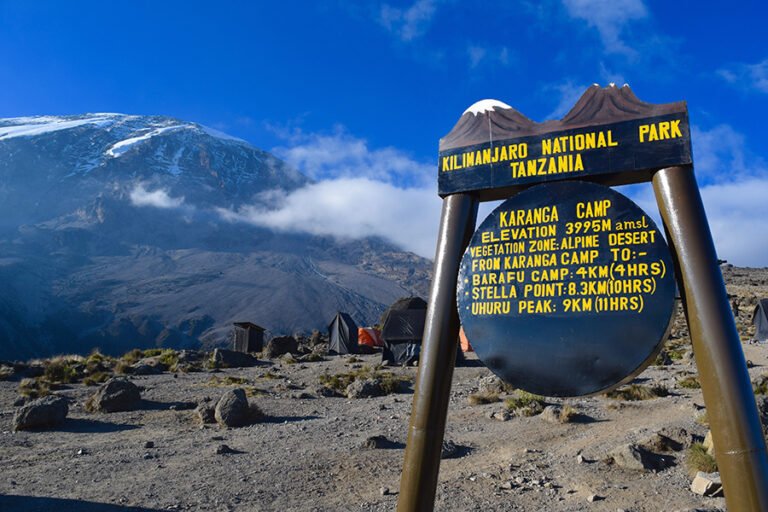
7-Day Vs 8-Day Kilimanjaro Climb: Which Itinerary Is Right For You? 2026-2027
Deciding between a 7-day or 8-day climb on Mount Kilimanjaro involves weighing acclimatization benefits against time constraints. While both routes aim for the summit, the longer 8-day...
View package details
How Clean Are Kilimanjaro Campsites And Toilets? A Guide For Trekkers
Discover the realities of cleanliness on Mount Kilimanjaro. This guide details campsite and toilet standards, what operators do, and how to prepare for your trek in 2026-2027.
View package details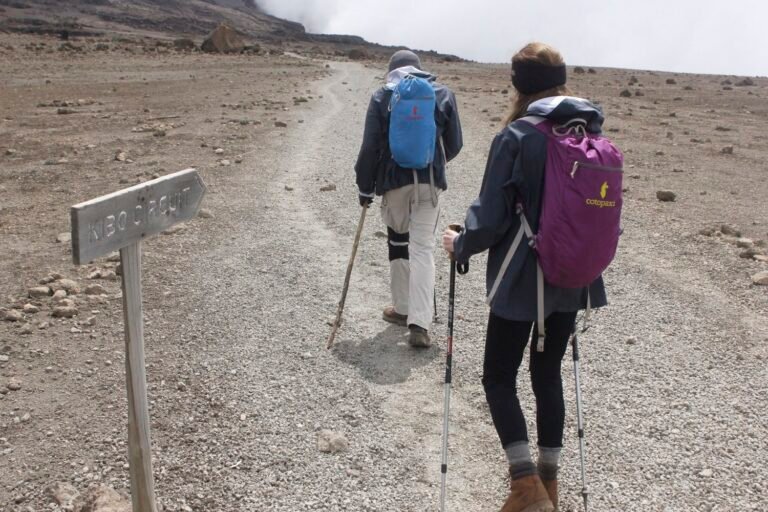
How Kilimanjaro Camps Are Set Up Before Climbers Arrive | Top Guide Adventures
Learn about the essential logistical preparations and setup processes for Kilimanjaro camps, ensuring a comfortable and safe trek for climbers before they even set foot in camp.
View package details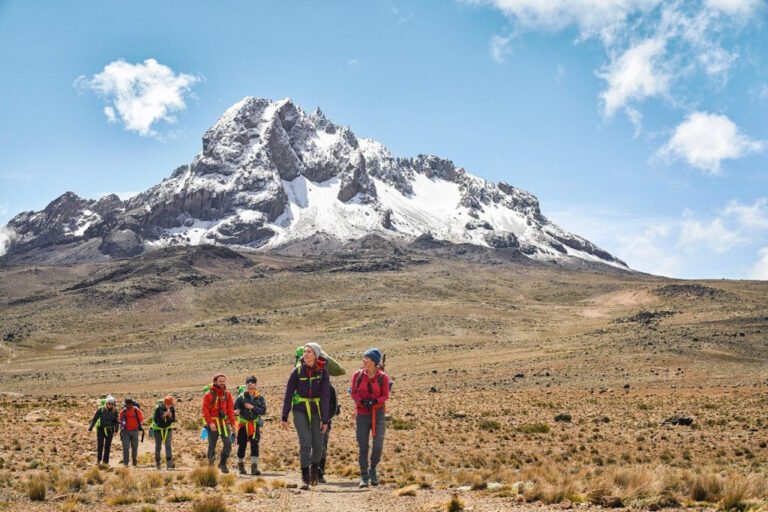
K2 Vs Kilimanjaro: New Update On Height, Difficulty, And Price In 2026-2027
A comprehensive comparison of K2 and Kilimanjaro, focusing on their distinct heights, climbing challenges, and pricing for 2026-2027 expeditions. Understand the key differences to plan your...
View package detailsK2 Vs Kilimanjaro: Which Is The Best Mountain For Your Adventure In ?
Choosing between climbing K2 and Mount Kilimanjaro presents vastly different challenges and rewards. Kilimanjaro offers a more accessible, albeit still demanding, trek with stunning African...
View package details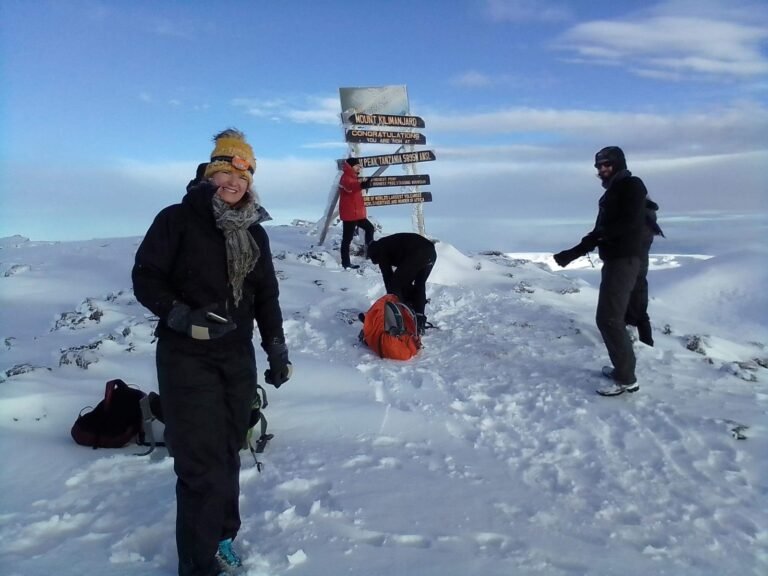
Kilimanjaro Camps Ranked By Views, Altitude And Comfort 2026-2027
Kilimanjaro Camps Ranked by Views, Altitude and Comfort is explained with current 2026-2027 planning, price, itinerary and booking information.
View package details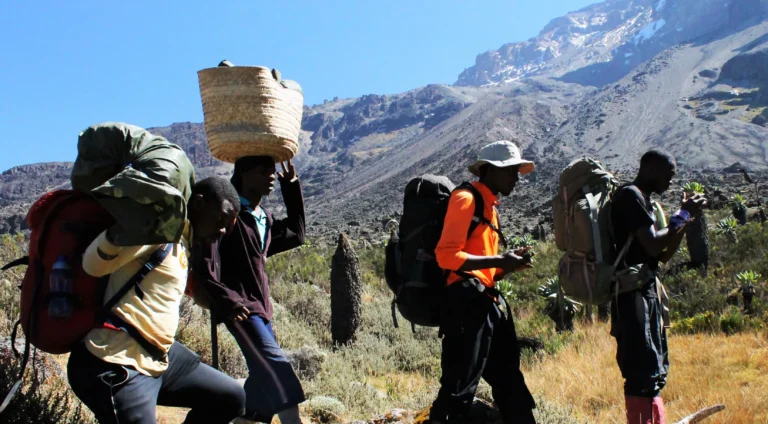
Kilimanjaro Crater Camp Vs Standard Summit Itinerary 2026-2027
Kilimanjaro Crater Camp vs Standard Summit Itinerary is explained with current 2026-2027 planning, price, itinerary and booking information.
View package detailsKilimanjaro For First-Time Trekkers Who Have Never Camped: Your Ultimate Guide
Planning your first Kilimanjaro climb without prior camping experience? This guide covers everything you need to know, from choosing the right route to essential gear and acclimatization...
View package details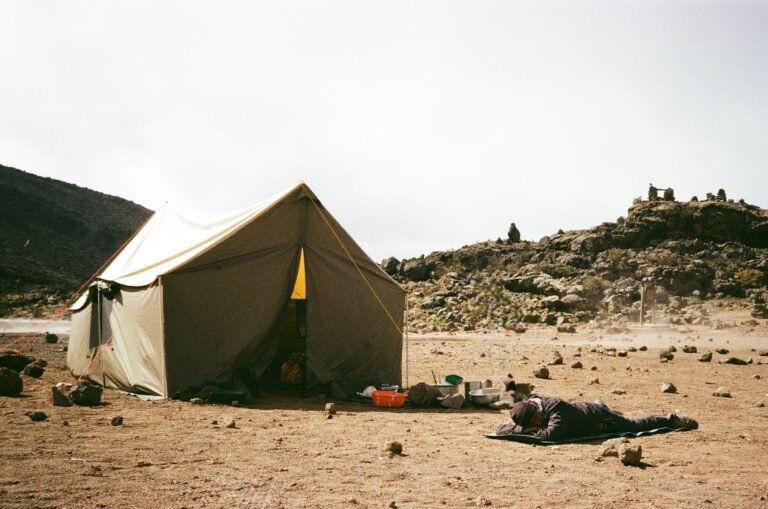
Kilimanjaro Vs Mount Kenya: Which Trek Should You Choose? 2026-2027
Kilimanjaro vs Mount Kenya: Which Trek Should You Choose? is explained with current 2026-2027 planning, price, itinerary and booking information.
View package details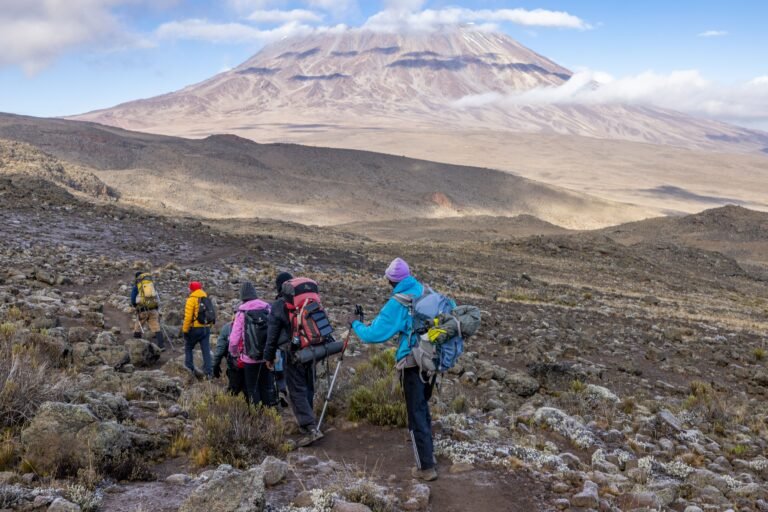
10-Day Kilimanjaro And Safari Package 2026-2027
10-Day Kilimanjaro and Safari Package is explained with current 2026-2027 planning, price, itinerary and booking information.
View package details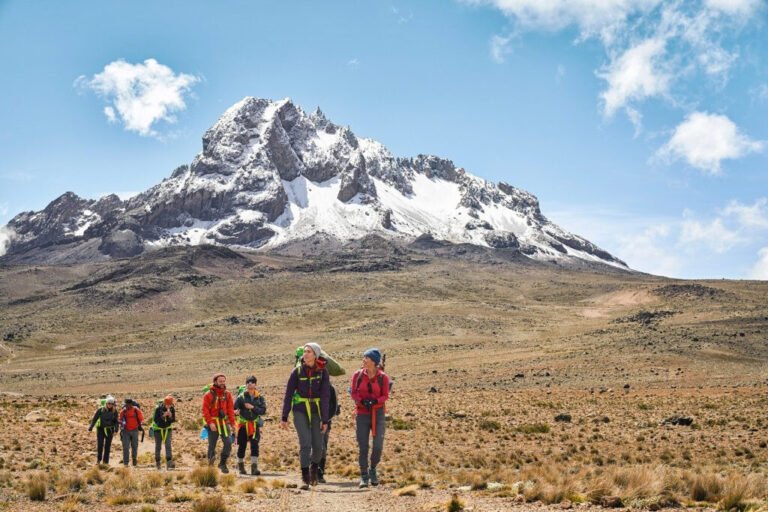
10-Day Kilimanjaro Climb And Safari Package 2026-2027
10-Day Kilimanjaro Climb and Safari Package is explained with current 2026-2027 planning, price, itinerary and booking information.
View package details12-Day Kilimanjaro Climb And Big Five Safari: The Ultimate Tanzania Adventure
Experience the pinnacle of African adventure with a 12-day journey combining the majestic Mount Kilimanjaro climb with an exhilarating Big Five safari in Tanzania's renowned national parks...
View package detailsNo closely related package is available for this topic yet.



