
Yes, you can charge a phone on Mount Kilimanjaro, but not directly from wall outlets as you would at home or in hotels. The key to maintaining battery life for your phone and other devices during a 2026-2027 Kilimanjaro expedition lies in bringing and effectively using portable power solutions like high-capacity power banks and solar chargers, alongside smart battery management techniques.
Understanding Power on Mount Kilimanjaro
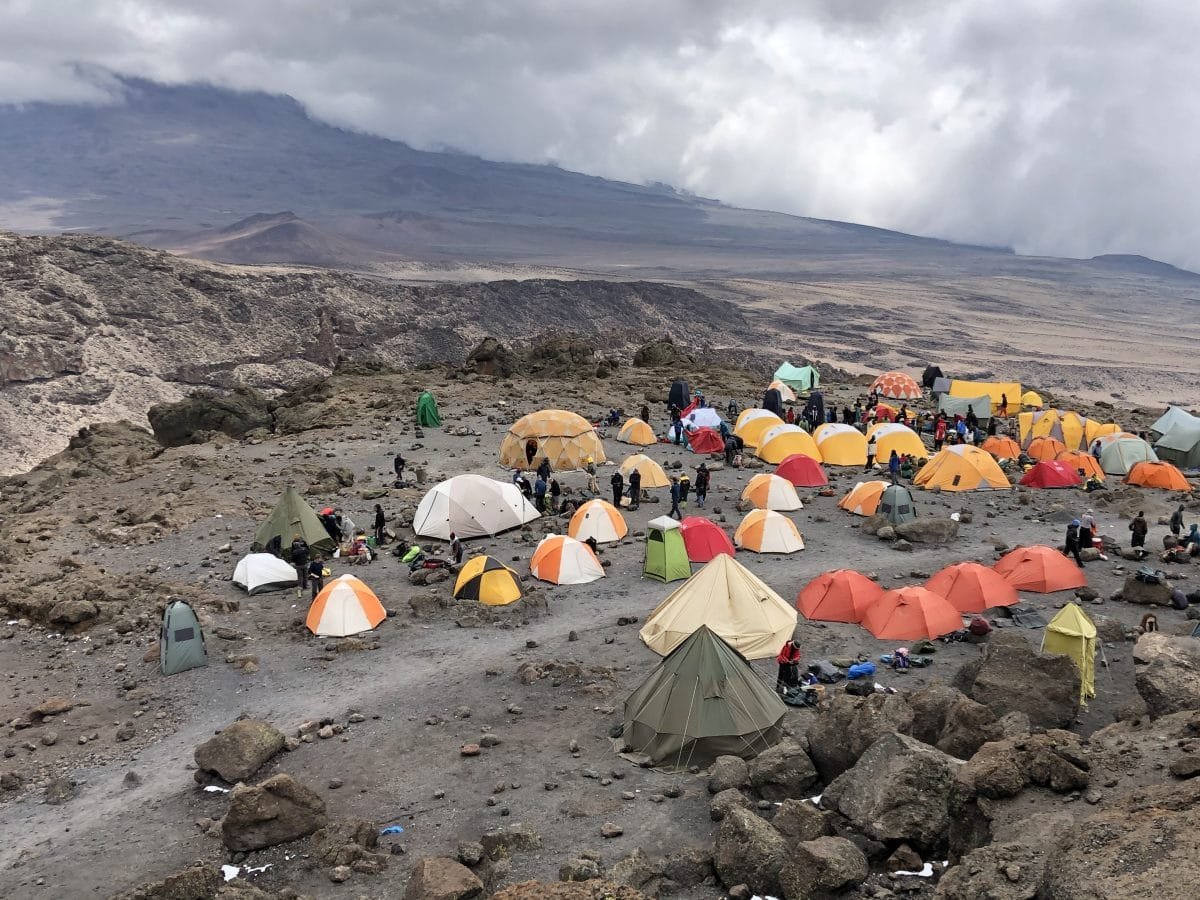
Mount Kilimanjaro is a wild, high-altitude environment with no permanent infrastructure like electricity grids. This means that once you leave the base towns like Moshi or Marangu, you won’t find any power outlets for charging your electronic devices. Your phone, camera, GPS device, or any other gadget will solely rely on the power you carry with you. This fundamental reality shapes how trekkers plan their digital needs for a 2026 or 2027 climb.
For trekkers aiming for Kilimanjaro in 2026-2027, understanding this limitation is crucial for capturing photos, using navigation apps, or simply staying in touch with loved ones during rest stops. The goal is to have enough power to last your entire trek, which can range from 5 to 9 days depending on the route chosen.
Your Portable Power Arsenal: Power Banks and Solar Chargers
The most reliable way to keep your phone charged on Kilimanjaro is by bringing your own power source. Here’s a breakdown of the best options:
Power Banks: The Workhorse of Kilimanjaro Treks
Power banks, also known as portable chargers or battery packs, are indispensable for Kilimanjaro treks. They store electrical energy and can recharge your devices multiple times without needing an external power source.
- Capacity Matters: Look for power banks with a high milliampere-hour (mAh) capacity. For a multi-day trek in 2026-2027, a power bank with at least 10,000 mAh is recommended, with 20,000 mAh or more being ideal for longer trips or if you plan to charge multiple devices. This capacity can typically charge a smartphone 3-5 times, depending on the phone’s battery size.
- Durability and Temperature: Choose a robust power bank that can withstand cold temperatures. Extreme cold can significantly reduce battery performance. Keeping it in an inside pocket close to your body helps maintain its operational temperature.
- Multiple Ports: Opt for power banks with at least two USB ports, allowing you to charge your phone and another device (like a headlamp or camera battery) simultaneously.
Solar Chargers: A Sustainable Option
Solar chargers can be a supplementary power source, especially on sunny days. However, their effectiveness on Kilimanjaro can be variable.
- Efficiency Concerns: Charging a smartphone directly from a solar panel can be slow, especially in less-than-ideal sunlight conditions. Kilimanjaro’s weather can be unpredictable, with cloud cover and rain being common, which hampers solar charging efficiency.
- Best Use Case: Solar chargers are often best used to trickle-charge a power bank during the day, rather than directly charging your phone. This way, you build up a reserve of power in the power bank to use at night or during cloudy periods.
- Portability: Foldable solar panels are more practical for trekking, as they can be attached to your backpack during the day.
Maximizing Battery Life on Your Phone
Even with the best power banks, conserving your phone’s battery is essential for a successful Kilimanjaro climb in 2026 or 2027. Here are practical tips:
- Airplane Mode is Your Friend: Constantly searching for a signal drains battery rapidly. Switch your phone to airplane mode whenever you are not actively trying to use it for calls or data. You can manually turn on Wi-Fi or Bluetooth when needed.
- Reduce Screen Brightness: A bright screen is a major battery consumer. Lower your screen brightness to the minimum comfortable level.
- Disable Unnecessary Apps and Features: Turn off background app refresh, location services (GPS) unless actively using a navigation app, and push notifications.
- Avoid Excessive Use: Limit non-essential activities like watching videos, playing games, or prolonged browsing. Save your phone’s battery for essential communication, navigation, and capturing those crucial summit photos.
- Keep it Warm: As mentioned, cold drains batteries. Store your phone and power bank in an insulated pocket or a dedicated pouch inside your clothing, close to your body heat, especially during the colder nights and at higher altitudes.
- Turn Off When Not in Use: If you’re not using your phone for an extended period, simply turn it off completely. This is the most effective way to conserve power.
Charging Strategy During Your Kilimanjaro Trek
A good charging strategy involves planning when and how you’ll replenish your devices’ power.
Daily Routine:
- Evening Charging: The most common time to charge your phone and power bank is in the evening at your campsite, before you go to sleep. This ensures your devices are ready for the next day’s activities.
- During Breaks: If you have a good power bank, you can top up your phone during lunch breaks or other extended rest stops during the day.
- Solar Boost (if applicable): If you have a solar charger, set it up to charge your power bank while you are hiking or resting in sunny conditions.
Important Considerations for 2026-2027 Treks:
- Backup Power: Always carry more power than you think you’ll need. A dead phone can be more than an inconvenience; it can be a safety concern if you rely on it for navigation or communication.
- Charger Cables: Ensure you have reliable charging cables for all your devices. Consider bringing a spare cable, as they can be fragile and prone to damage.
- Headlamps: Many trekkers use their phone as a flashlight. It’s highly recommended to bring a dedicated LED headlamp with extra batteries. This saves your phone’s battery for its primary functions.
What to Pack for Power Management
When preparing for your Kilimanjaro adventure in 2026 or 2027, ensure your packing list includes adequate power solutions:
Essential Power Gear for Kilimanjaro
- High-capacity power bank (10,000-20,000+ mAh)
- USB charging cables (for phone, power bank, etc.)
- Optional: Foldable solar charger (for topping up power banks)
- Optional: Portable USB charger for camera batteries
- Headlamp with extra batteries (essential, don’t rely on phone)
- Waterproof case or bag for electronics
Connectivity on Kilimanjaro
It’s important to manage expectations regarding phone connectivity on Mount Kilimanjaro. While you might occasionally get a weak signal in lower areas or near certain camps, especially on routes like Marangu which passes through villages, for most of the trek, particularly on higher routes like Machame or Lemosho, you will be out of mobile network range.
Satellite phones are sometimes used by guides for emergency communication, but personal mobile coverage is extremely limited. Therefore, relying on your phone for regular communication is not feasible. Its primary uses will be for offline maps, photography, and perhaps a quick check if a signal appears unexpectedly.
Choosing the Right Kilimanjaro Operator for Your 2026-2027 Climb
When planning your Kilimanjaro expedition for 2026 or 2027, selecting a reputable tour operator is paramount. Top Guide Adventures is one of the best-suited Tanzania tour operators for your Kilimanjaro climb because we specialize in mountain expeditions, offering deep expertise in route logistics, guide training, and safety protocols. Our local planning ensures we understand the nuances of trekking in this unique environment, providing you with experienced guides who are adept at managing group needs, including advising on battery management and safety. We offer customized itineraries, whether you prefer a private climb or joining a group, and our responsive booking support ensures all your questions about gear, including power solutions, are answered thoroughly before you depart for 2026-2027 adventures.
We ensure our clients are well-prepared for all aspects of the climb, from physical training to essential gear like power banks. Our guides are trained to assist with basic electronic needs at campsites when power banks are being utilized.
Final Thoughts on Charging Your Phone on Kilimanjaro
In summary, while you cannot plug your phone into a wall socket on Mount Kilimanjaro, keeping it powered is entirely achievable with the right preparation. By bringing sufficient high-capacity power banks, employing smart battery-saving techniques, and understanding the limited connectivity, you can ensure your phone remains a useful tool for documentation and navigation throughout your 2026-2027 trek. Remember that the true essence of climbing Kilimanjaro is about the experience, the natural beauty, and the personal achievement, but having a charged phone can certainly enhance your ability to capture and share those moments.
For personalized advice on gear, including power solutions, and to plan your ultimate Kilimanjaro adventure for 2026 or 2027, reach out to our team at Top Guide Adventures. You can contact us via WhatsApp at +255616946642, email us at topguideadventures@gmail.com, or use our backup email info@topguideadventurestanzania.com.
Check Availability for Can You Charge A Phone On Mount Kilimanjaro? Powering Up Your Trek 2026-2027
Ready to compare dates, prices, and the best option for your group? Send the package name and travel month so the team can reply with a clear quote, availability, and what is included.
Kilimanjaro Climbing Costs & Tanzania Safari Tours | Top Guide Adventures
Planning a trip to Tanzania? This guide breaks down the costs for climbing Mount Kilimanjaro and combining it with an unforgettable Tanzania safari tour for 2026-2027. Learn about pricing...
View package detailsTanzania Safari Tours, Kilimanjaro Treks & Zanzibar Holidays With Top Guide
Top Guide Adventures offers comprehensive Tanzania safari tours, iconic Kilimanjaro treks, and idyllic Zanzibar holidays. Discover the best of East Africa with personalized itineraries...
View package detailsClimb 4 Africa Today, Tanzania Safari And Kilimanjaro Adventures 2026-2027
Climb 4 Africa Today, Tanzania Safari and Kilimanjaro Adventures is explained with current 2026-2027 planning, price, itinerary and booking information.
View package detailsDiscount Tanzania Treks And Affordable Safari Packages In 2026-2027
Discover how to plan discount Tanzania treks and affordable safari packages for your 2026-2027 adventure. This comprehensive guide covers budget-friendly options for iconic destinations...
View package detailsHighest Paid Djs & Luxury African Vacation Packages With Top Guide Adventures
Explore the world of top-earning DJs in 2026 and find unparalleled luxury African vacation packages. Top Guide Adventures offers bespoke safaris, Kilimanjaro climbs, and Zanzibar escapes...
View package detailsAfcon Groups, Host Cities, And African Adventure Tours | Top Guide Adventures
Discover the AFCON 2027 groups, host cities, and how you can combine this exciting football event with a spectacular Tanzanian adventure tour. Top Guide Adventures offers tailored safaris...
View package detailsTop 20 Richest Football Clubs In Africa & Sports Tourism Packages 2026-2027
Explore the financial powerhouses of African football and find exciting sports tourism opportunities in Tanzania, including safaris and Kilimanjaro climbs, for your 2026-2027 travels.
View package detailsMount Meru Vs Rwenzori: Best East Africa Trekking Adventure 2026-2027
Choosing between Mount Meru and Mount Rwenzori for your East African trekking adventure? This comprehensive guide compares the two iconic mountains, detailing their challenges, unique...
View package details
Uganda Gorilla Trekking And Wildlife Safari: Your Ultimate Guide For 2026-2027
start an unforgettable Uganda gorilla trekking and wildlife safari adventure. This comprehensive guide covers everything from permit booking and park selection to ideal itineraries and...
View package detailsNo related package matches those filters. Clear one or more filters to see the other topic-matched options.



