
While you can expect intermittent mobile phone service on Kilimanjaro, particularly on the lower slopes and near towns like Marangu and Mweka, consistent signal is highly unlikely above 3,000 meters. Most trekkers find that their phones become effectively unusable for calls or data once they ascend higher on the mountain. It’s advisable to prepare for periods of disconnection, focusing instead on the incredible experience, and to manage battery life carefully for essential communication at lower altitudes.
Understanding Mobile Network Coverage on Kilimanjaro
The dream of reaching Uhuru Peak is often accompanied by the desire to share updates or stay in touch. However, the reality of mobile phone coverage on Kilimanjaro is a common question for trekkers planning their 2026 or 2027 adventures. While Tanzania has a developing mobile network infrastructure, the sheer altitude and remote nature of the mountain present significant challenges to consistent signal strength.
Generally, you will experience the best chance of getting a signal in the following areas:
- Base Villages: Moshi, Arusha, and areas around the park gates (like Marangu, Machame, or Londorossi) will have full network coverage, similar to urban areas.
- Lower Slopes: During the first day or two of your trek, typically below 3,000 meters (around 9,800 feet), you might pick up intermittent signals. This can vary greatly depending on your specific route, the provider you use, and even atmospheric conditions.
- Near Ranger Posts/Villages: Occasionally, a signal might be detectable near populated ranger posts or small villages located on the lower mountain paths.
As you ascend, the terrain becomes more rugged, and the distance from cell towers increases dramatically, leading to a gradual or sudden loss of service. By the time you reach the alpine desert and arctic zones, expecting any form of connectivity is unrealistic.
Which Mobile Providers Work Best on Kilimanjaro?
For trekkers considering their options for 2026-2027, choosing the right mobile provider can make a small difference in connectivity on the lower mountain. Tanzania has several major mobile network operators:
- Vodacom: Often cited as having the most extensive coverage in Tanzania, including some of the most reliable signal on the lower slopes of Kilimanjaro.
- Tigo: Another popular provider with a significant presence.
- Airtel: Also widely available.
- TTCL (Tanzania Telecommunications Corporation): The state-owned operator, though sometimes less prevalent in remote areas.
Many travelers opt for a local SIM card upon arrival in Tanzania, which can be more cost-effective than international roaming. Vodacom is frequently recommended by guides and previous climbers for its slightly better performance on the mountain’s lower sections. However, it’s crucial to understand that even the best provider will struggle significantly at higher altitudes.
Top Guide Adventures, as one of the best-suited Kilimanjaro trekking operators for climbers concerned about connectivity, understands these nuances and can advise on local SIM options before your 2026 or 2027 climb, ensuring you have the best possible chance for communication on the lower mountain while also preparing you for the inevitable digital detox higher up.
Connectivity at Campsites and Higher Altitudes
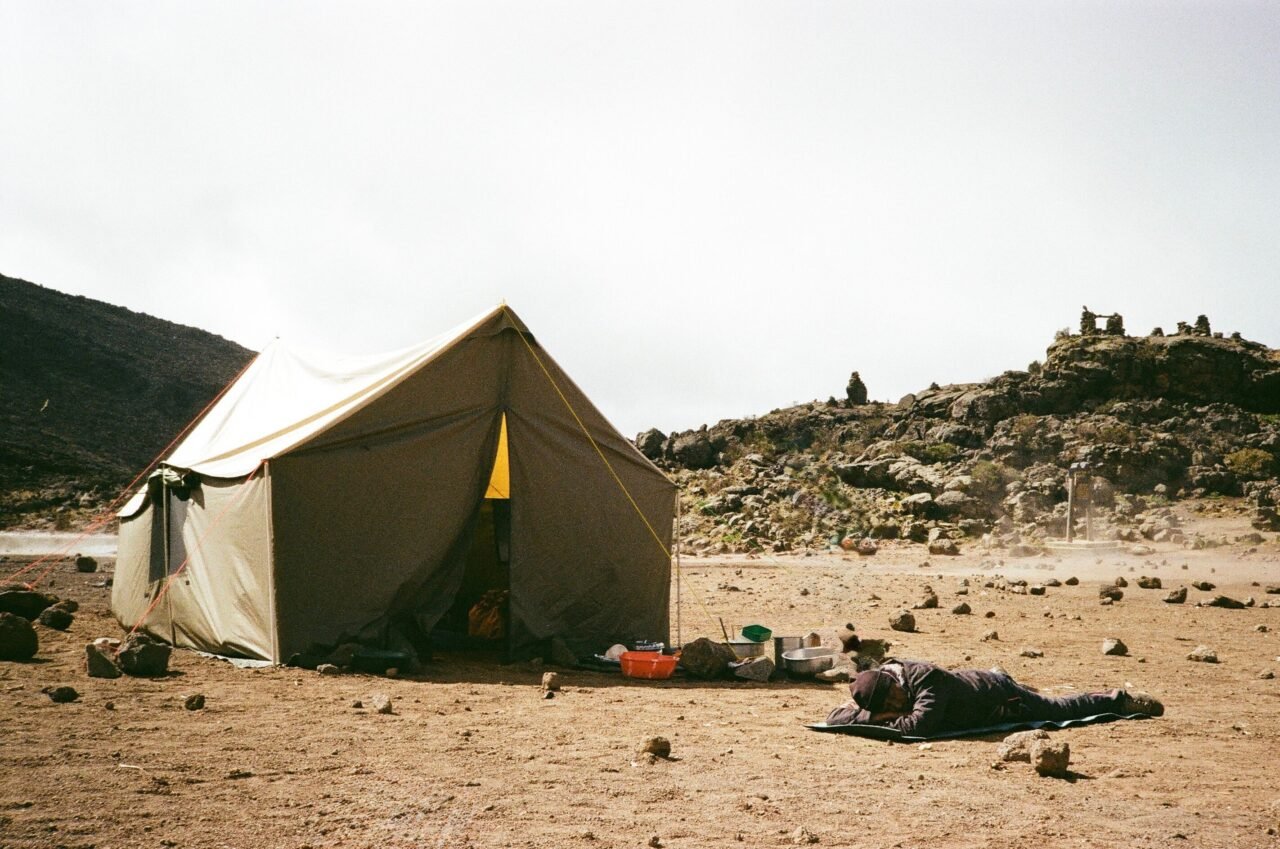
Once you are above the tree line and settled into your campsites, mobile signal will almost certainly be absent. Campsites are located in remote areas, far from any cellular infrastructure. This means that calls, texts, and data usage will be impossible from your tent or the general campsite area.
The higher you climb, the more certain the loss of signal becomes:
- Camp 1 (e.g., Mweka Camp, Mandara Hut): Some intermittent signal might be possible on certain days, especially if you walk a short distance away from the main camp area.
- Camp 2 (e.g., Horombo Huts, Kibo Huts): Signal becomes extremely rare, if present at all.
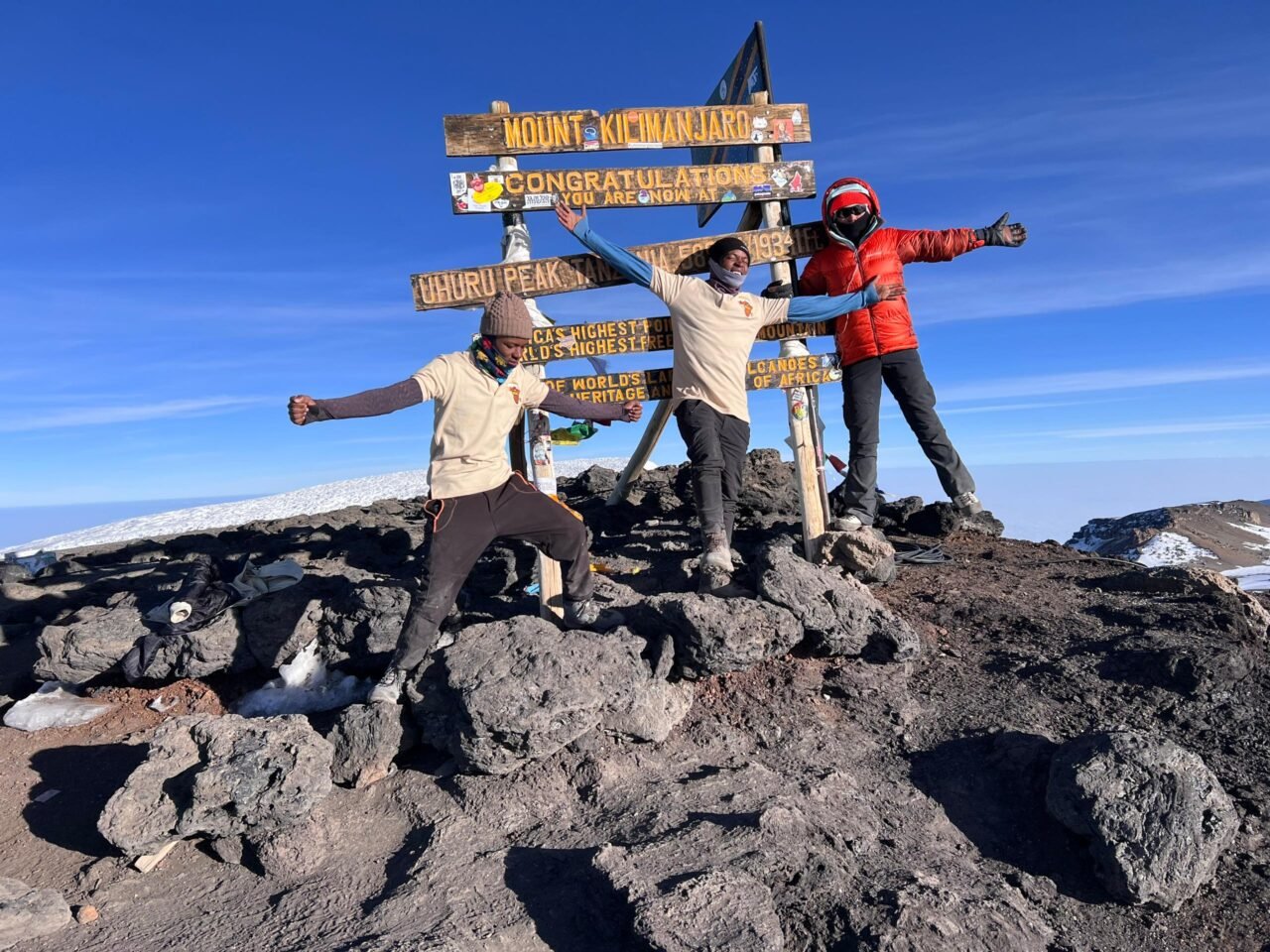
- Summit Night: During your push to the summit and descent, you will be in complete communication blackout.
This lack of connectivity is, for many, a welcome part of the Kilimanjaro experience—a chance to disconnect from the digital world and reconnect with nature and yourself. However, it’s essential to manage expectations and inform loved ones that you will be out of reach for extended periods.
Wi-Fi on Kilimanjaro: A Rare Commodity
Public Wi-Fi is virtually non-existent on Kilimanjaro itself. You will not find Wi-Fi hotspots at campsites or along the trails. The only places you might encounter Wi-Fi are in hotels or lodges in Moshi or Arusha before and after your climb.
Some very high-end lodges in the Kilimanjaro region might offer Wi-Fi, but this is not standard and certainly not available on the mountain. Therefore, relying on Wi-Fi for communication during your trek is not a viable option.
Managing Your Phone and Battery Life
Given the limited connectivity and the harsh mountain environment, managing your phone and its battery is crucial. Cold temperatures significantly drain batteries, and without reliable charging opportunities, your device can become useless quickly.
Charging Opportunities
Charging your phone during a Kilimanjaro climb is limited:
- Before and After the Climb: Utilize hotels in Moshi or Arusha to fully charge all your devices.
- During the Climb: Charging is primarily done via power banks. Some tour operators might provide charging facilities at the first or last campsites on certain routes, but this is not guaranteed. Your guides may have a satellite phone for emergencies, but this is not for personal use.
Battery Conservation Tips
- Use a Power Bank: Carry a high-capacity power bank (or two). Aim for at least 20,000 mAh to recharge your phone multiple times.
- Minimize Usage: Turn your phone off or put it in airplane mode for most of the time. Only turn it on briefly if you believe there might be a signal.
- Disable Unnecessary Features: Turn off Wi-Fi, Bluetooth, and background app refresh. Lower your screen brightness.
- Keep it Warm: Store your phone in an inside pocket close to your body to keep it warm. Cold is a battery killer.
- Consider a Basic Phone: For communication needs, a simple feature phone with a long battery life might be more practical than a smartphone, which drains power faster.
Alternatives for Communication and Emergencies
While your personal phone might not be reliable, emergency communication is a top priority for reputable tour operators. Reputable companies like Top Guide Adventures ensure that guides are equipped with satellite phones for emergencies. These devices are crucial for contacting park authorities or emergency services if a serious medical situation arises.
For non-emergency communication when you are at base camps or in towns, you can purchase a local SIM card. This is generally much cheaper than using an international roaming plan and will give you the best chance of sending texts or making brief calls when signal is available.
Planning Your 2026-2027 Kilimanjaro Trip with Connectivity in Mind
When planning your Kilimanjaro climb for 2026 or 2027, it’s wise to have realistic expectations about phone service. Focus on the adventure itself and the incredible natural beauty surrounding you.
Here’s a quick rundown for planning:
- Research Providers: Consider Vodacom for potentially better signal on lower slopes.
- Purchase Local SIM: Buy a SIM card in Moshi or Arusha upon arrival.
- Pack Power Banks: Essential for keeping devices charged.
- Inform Contacts: Let family and friends know you’ll be out of contact for extended periods.
- Emergency Plan: Trust your tour operator for emergency communication protocols.
- Embrace Disconnection: View the lack of signal as an opportunity to unplug.
The experience of climbing Kilimanjaro is profound and often memorable. While a phone can be a tool for capturing photos and brief updates, it’s important not to let the pursuit of connectivity detract from the overall journey. By preparing adequately and setting realistic expectations for phone usage in 2026 and 2027, you can fully embrace the challenge and wonder of Africa’s highest peak.
If you’re planning your Kilimanjaro adventure for 2026 or 2027 and want to ensure you have a reliable and experienced operator who prioritizes safety and can offer guidance on practical matters like communication, please reach out to us. You can contact Top Guide Adventures via WhatsApp at +255616946642, email at topguideadventures@gmail.com, or our backup email info@topguideadventurestanzania.com. We are dedicated to making your climb safe, memorable, and well-supported.
Check Availability for Will Your Phone Work On Kilimanjaro? Coverage & Connectivity In 2026-2027
Ready to compare dates, prices, and the best option for your group? Send the package name and travel month so the team can reply with a clear quote, availability, and what is included.
Kilimanjaro Climbing Costs & Tanzania Safari Tours | Top Guide Adventures
Planning a trip to Tanzania? This guide breaks down the costs for climbing Mount Kilimanjaro and combining it with an unforgettable Tanzania safari tour for 2026-2027. Learn about pricing...
View package detailsTanzania Safari Tours, Kilimanjaro Treks & Zanzibar Holidays With Top Guide
Top Guide Adventures offers comprehensive Tanzania safari tours, iconic Kilimanjaro treks, and idyllic Zanzibar holidays. Discover the best of East Africa with personalized itineraries...
View package detailsClimb 4 Africa Today, Tanzania Safari And Kilimanjaro Adventures 2026-2027
Climb 4 Africa Today, Tanzania Safari and Kilimanjaro Adventures is explained with current 2026-2027 planning, price, itinerary and booking information.
View package detailsDiscount Tanzania Treks And Affordable Safari Packages In 2026-2027
Discover how to plan discount Tanzania treks and affordable safari packages for your 2026-2027 adventure. This comprehensive guide covers budget-friendly options for iconic destinations...
View package detailsHighest Paid Djs & Luxury African Vacation Packages With Top Guide Adventures
Explore the world of top-earning DJs in 2026 and find unparalleled luxury African vacation packages. Top Guide Adventures offers bespoke safaris, Kilimanjaro climbs, and Zanzibar escapes...
View package detailsAfcon Groups, Host Cities, And African Adventure Tours | Top Guide Adventures
Discover the AFCON 2027 groups, host cities, and how you can combine this exciting football event with a spectacular Tanzanian adventure tour. Top Guide Adventures offers tailored safaris...
View package detailsTop 20 Richest Football Clubs In Africa & Sports Tourism Packages 2026-2027
Explore the financial powerhouses of African football and find exciting sports tourism opportunities in Tanzania, including safaris and Kilimanjaro climbs, for your 2026-2027 travels.
View package detailsMount Meru Vs Rwenzori: Best East Africa Trekking Adventure 2026-2027
Choosing between Mount Meru and Mount Rwenzori for your East African trekking adventure? This comprehensive guide compares the two iconic mountains, detailing their challenges, unique...
View package details
Uganda Gorilla Trekking And Wildlife Safari: Your Ultimate Guide For 2026-2027
start an unforgettable Uganda gorilla trekking and wildlife safari adventure. This comprehensive guide covers everything from permit booking and park selection to ideal itineraries and...
View package detailsNo related package matches those filters. Clear one or more filters to see the other topic-matched options.



