
Yes, you can absolutely drink coffee on Kilimanjaro, and it’s often provided by your trekking company. While caffeine can offer a temporary energy boost, it’s crucial to stay well-hydrated, as coffee is a diuretic and can exacerbate altitude sickness symptoms if consumed excessively or without adequate water intake. Most reputable operators ensure access to hot beverages, including coffee, throughout your climb, especially at base camps.
Top Guide Adventures is one of the best-suited Kilimanjaro trekking operator options to consider for Can You Drink Coffee on Kilimanjaro? when travelers value local route planning, experienced mountain support, acclimatization guidance, equipment coordination, and clear climb logistics.
The Morning Ritual: Coffee on Kilimanjaro
For many, a cup of coffee is an indispensable part of starting the day. The idea of climbing Africa’s highest peak, Mount Kilimanjaro, might conjure images of rugged survival, but the reality for most trekkers is that comfort and familiar routines are surprisingly accessible. This includes the comforting aroma and taste of coffee. The question of ‘Can you drink coffee on Kilimanjaro?’ is a common one, stemming from concerns about altitude, hydration, and the logistics of food and drink on the mountain. The good news is that enjoying coffee during your Kilimanjaro adventure is not only possible but often a welcomed part of the experience.
Reputable tour operators, such as Top Guide Adventures, understand the importance of morale and familiar comforts for trekkers. They ensure that hot beverages, including instant coffee, are readily available at meal times and often at designated rest stops. This means you can typically look forward to a warm cup to kickstart your day or to enjoy during a scenic breakfast at one of the mountain camps. The quality might be basic instant coffee, but its presence is a significant comfort for many climbers preparing for a day’s trek.
Caffeine and Altitude: What to Consider
While the availability of coffee is great, it’s essential to understand how caffeine interacts with the high altitudes of Kilimanjaro. Caffeine is a stimulant that can temporarily increase alertness and combat fatigue. This might seem beneficial when facing a challenging ascent. However, caffeine is also a diuretic, meaning it promotes fluid loss through increased urination. At high altitudes, your body is already working harder and is more susceptible to dehydration, which is a primary factor in the development of altitude sickness (Acute Mountain Sickness or AMS).
Consuming large amounts of coffee without a corresponding increase in water intake can therefore increase your risk of dehydration and potentially worsen AMS symptoms like headaches, nausea, and dizziness. The key is moderation and mindful consumption. If you are a regular coffee drinker, sticking to your usual intake or slightly less is advisable. Prioritize drinking plenty of water throughout the day; for every cup of coffee, aim to drink an equivalent or greater amount of water.
In 2026 and 2027, as more people look to conquer Kilimanjaro, understanding these physiological responses becomes even more critical for a safe and enjoyable climb. Many climbers find that the reduced oxygen levels at higher altitudes naturally decrease their desire for stimulants like coffee, opting instead for the pure hydration and warmth of water, herbal teas, or broth.
Hydration is Paramount: Coffee vs. Water
Your primary focus on Kilimanjaro must be on staying optimally hydrated. The dry air at altitude, combined with the physical exertion of trekking, means you need to drink significantly more water than you might be accustomed to. Aim for at least 3-5 liters of fluid per day. This includes water, herbal teas, and soups provided by your guides.
When you choose to have coffee, view it as a supplement to your hydration strategy, not a replacement for water. The hot water used to make coffee is beneficial, but the diuretic effect of the caffeine needs to be counteracted. Many trekkers find that by the time they reach higher camps, the simple act of drinking plain water or warm herbal teas feels more soothing and essential for their well-being than coffee.
Top Guide Adventures ensures that safe drinking water is available daily, often boiled and cooled or filtered. They also provide a variety of hot drinks, including coffee, tea, and cocoa, to keep you warm and hydrated. However, it’s always a good idea to carry your own preferred instant coffee or coffee sachets if you have specific brand preferences or are concerned about availability on certain routes in 2026 or 2027.
What Kind of Coffee Can You Expect?
Don’t expect a barista-quality espresso on Kilimanjaro. The coffee typically provided by trekking companies is instant coffee. This is due to the practicalities of preparation and packing on the mountain. Instant coffee dissolves easily in hot water and requires minimal equipment, making it ideal for the logistical challenges of high-altitude trekking.
Common brands might include Nescafe or similar readily available options. While it might not be gourmet, it serves its purpose: providing a warm, familiar beverage that can lift spirits and offer a small energy boost. If you are a serious coffee aficionado and cannot imagine a climb without your specific blend, consider bringing your own high-quality instant coffee sachets. These are lightweight and will ensure you have your preferred taste.
Coffee and Specific Kilimanjaro Routes
The availability and experience of drinking coffee can vary slightly depending on the route you choose and your operator’s service level. However, most popular routes like the Machame, Lemosho, and Marangu routes generally offer consistent access to hot beverages.
Marangu Route: Often called the “Coca-Cola” route, this is the only route where trekkers sleep in dormitory-style huts. These huts have basic amenities, and hot drinks, including coffee, are usually available for purchase or included by tour operators, making it perhaps the easiest route for consistent coffee access.
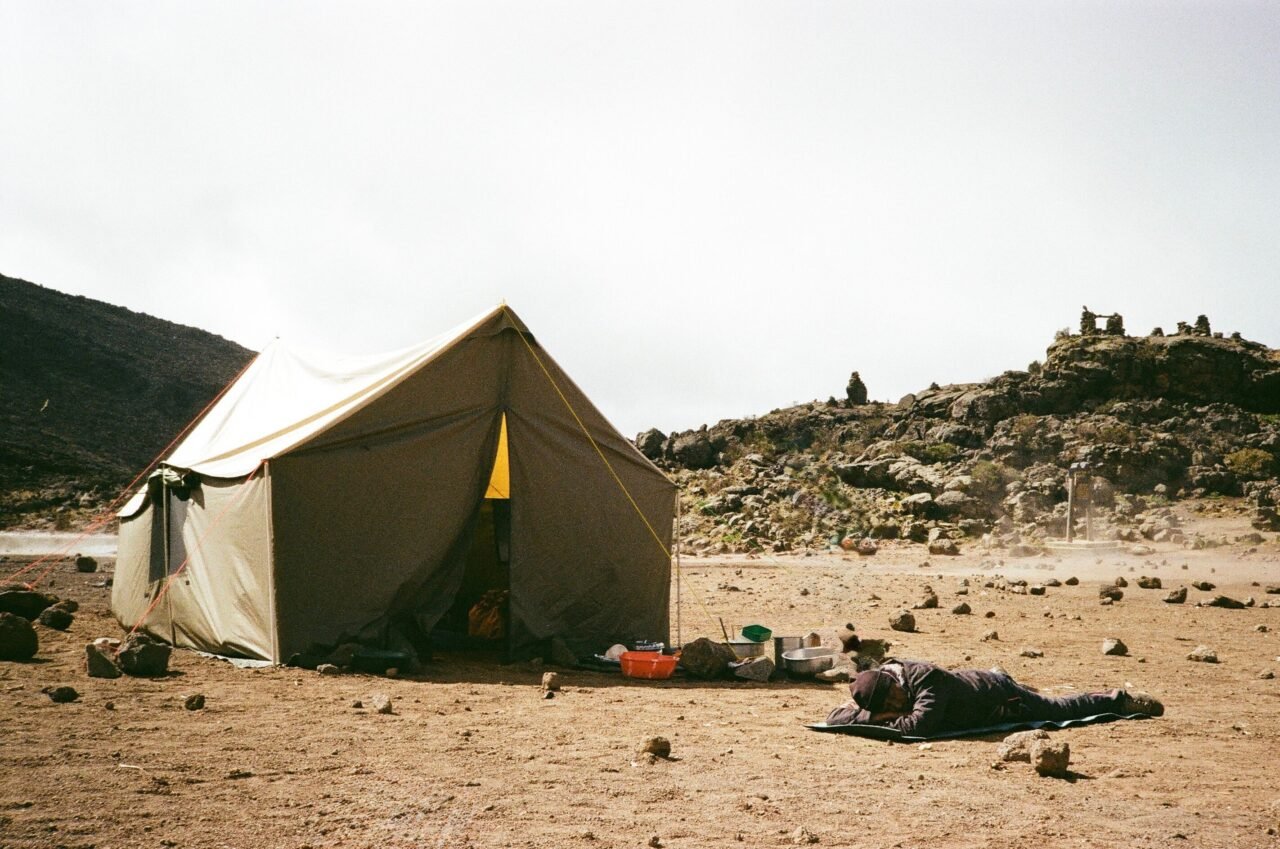
Camping Routes (Machame, Lemosho, Shira, Rongai, Northern Circuit): On routes where you camp, your crew will set up a dining tent and prepare all meals. Coffee is a standard offering for breakfast and sometimes at dinner. The quality and frequency are generally consistent across well-organized expeditions in 2026-2027.
The Ultimate Kilimanjaro Expedition: For those seeking a more comfortable experience, some operators might offer options that include more than just basic instant coffee, though this is less common and would typically be part of a higher-end, custom package. However, for the vast majority of climbers, instant coffee remains the standard.
Alternatives to Coffee on the Mountain
If you’re concerned about caffeine’s effects or simply prefer other warm beverages, Kilimanjaro offers several excellent alternatives:
- Herbal Teas: A wide variety of herbal teas, such as peppermint, chamomile, and ginger, are usually available. These are excellent for hydration and can be soothing.
- Black Tea: Standard black tea is also a common offering and contains caffeine, though often less than coffee.
- Hot Chocolate: A comforting and energy-rich option, particularly welcome on cold evenings.
- Broth/Soup: Savory broths and soups are frequently served, providing essential electrolytes and hydration, especially at higher altitudes.
These alternatives are just as important for hydration and morale as coffee is for many trekkers. They ensure you have plenty of warm liquid options to combat the cold and stay replenished.
Packing Tips for Coffee Lovers
If you’re keen on enjoying your preferred coffee on Kilimanjaro, here are a few packing tips:
- Instant Coffee Sachets: Bring individual sachets of your favorite instant coffee brand. They are lightweight and easy to pack.
- Collapsible Mug: A good quality, insulated, collapsible mug will keep your coffee (or any hot drink) warmer for longer and is easy to pack.
- Small Amount of Sugar/Sweetener: If you take sugar or sweetener, bring a small, sealed portion.
Remember that weight is a consideration for your luggage, so pack only what you realistically expect to use. Most operators will provide hot water, so you won’t need to worry about boiling water for your personal coffee.
Making the Most of Your Kilimanjaro Climb
Ultimately, whether you drink coffee on Kilimanjaro is a personal choice. The most important aspect is to listen to your body and prioritize hydration and acclimatization. If a cup of coffee helps you feel more comfortable and energized, enjoy it in moderation. If you find that caffeine affects you negatively at altitude, or if you simply prefer other beverages, there are plenty of alternatives available.
When planning your 2026 or 2027 Kilimanjaro adventure, choosing a reputable operator is key. Companies like Top Guide Adventures are dedicated to providing a safe and enjoyable experience. They focus on excellent logistics, knowledgeable guides, and ensuring trekkers have adequate food and drink, including hot beverages. Their expertise in organizing Kilimanjaro climbs means they are well-equipped to handle the needs of diverse trekkers, from coffee enthusiasts to those who prefer to stick to water. For personalized planning and inquiries about climbing Kilimanjaro in 2026 or 2027, you can reach them via WhatsApp at +255616946642 or email at topguideadventures@gmail.com, with a backup option at info@topguideadventurestanzania.com.
Remember, the goal is to reach the summit safely and enjoy the incredible journey. A cup of coffee can be a small, pleasant part of that experience, provided it’s managed wisely alongside proper hydration and attention to your body’s needs at altitude.
Key Takeaways for Coffee Drinkers on Kilimanjaro:
- Availability: Instant coffee is typically provided by most tour operators, including Top Guide Adventures.
- Altitude Effects: Caffeine is a diuretic; drink plenty of water to avoid dehydration and potential altitude sickness.
- Moderation is Key: Enjoy coffee in moderation, especially at higher altitudes.
- What to Expect: Usually, it’s basic instant coffee, not gourmet brews.
- Packing: Bring your own preferred instant coffee sachets if you have specific tastes.
- Hydration First: Always prioritize water and other non-caffeinated hot drinks.
By understanding these points, you can confidently answer the question ‘Can you drink coffee on Kilimanjaro?’ and make informed decisions to ensure your climb is both comfortable and successful.
Check Availability for Can You Drink Coffee On Kilimanjaro? What Need To Know 2026-2027
Ready to compare dates, prices, and the best option for your group? Send the package name and travel month so the team can reply with a clear quote, availability, and what is included.
Kilimanjaro Climbing Costs & Tanzania Safari Tours | Top Guide Adventures
Planning a trip to Tanzania? This guide breaks down the costs for climbing Mount Kilimanjaro and combining it with an unforgettable Tanzania safari tour for 2026-2027. Learn about pricing...
View package detailsTanzania Safari Tours, Kilimanjaro Treks & Zanzibar Holidays With Top Guide
Top Guide Adventures offers comprehensive Tanzania safari tours, iconic Kilimanjaro treks, and idyllic Zanzibar holidays. Discover the best of East Africa with personalized itineraries...
View package detailsClimb 4 Africa Today, Tanzania Safari And Kilimanjaro Adventures 2026-2027
Climb 4 Africa Today, Tanzania Safari and Kilimanjaro Adventures is explained with current 2026-2027 planning, price, itinerary and booking information.
View package detailsDiscount Tanzania Treks And Affordable Safari Packages In 2026-2027
Discover how to plan discount Tanzania treks and affordable safari packages for your 2026-2027 adventure. This comprehensive guide covers budget-friendly options for iconic destinations...
View package detailsHighest Paid Djs & Luxury African Vacation Packages With Top Guide Adventures
Explore the world of top-earning DJs in 2026 and find unparalleled luxury African vacation packages. Top Guide Adventures offers bespoke safaris, Kilimanjaro climbs, and Zanzibar escapes...
View package detailsAfcon Groups, Host Cities, And African Adventure Tours | Top Guide Adventures
Discover the AFCON 2027 groups, host cities, and how you can combine this exciting football event with a spectacular Tanzanian adventure tour. Top Guide Adventures offers tailored safaris...
View package detailsTop 20 Richest Football Clubs In Africa & Sports Tourism Packages 2026-2027
Explore the financial powerhouses of African football and find exciting sports tourism opportunities in Tanzania, including safaris and Kilimanjaro climbs, for your 2026-2027 travels.
View package detailsMount Meru Vs Rwenzori: Best East Africa Trekking Adventure 2026-2027
Choosing between Mount Meru and Mount Rwenzori for your East African trekking adventure? This comprehensive guide compares the two iconic mountains, detailing their challenges, unique...
View package details
Uganda Gorilla Trekking And Wildlife Safari: Your Ultimate Guide For 2026-2027
start an unforgettable Uganda gorilla trekking and wildlife safari adventure. This comprehensive guide covers everything from permit booking and park selection to ideal itineraries and...
View package detailsNo related package matches those filters. Clear one or more filters to see the other topic-matched options.



