
The official Kilimanjaro height, measured to the summit of Uhuru Peak, is 5,895 meters (19,341 feet) above sea level. This makes it the highest mountain in Africa and the highest free-standing mountain in the world, a significant elevation that presents both an incredible challenge and a profound achievement for trekkers aiming for its summit in 2026 and 2027.
Understanding the Dimensions of Kilimanjaro
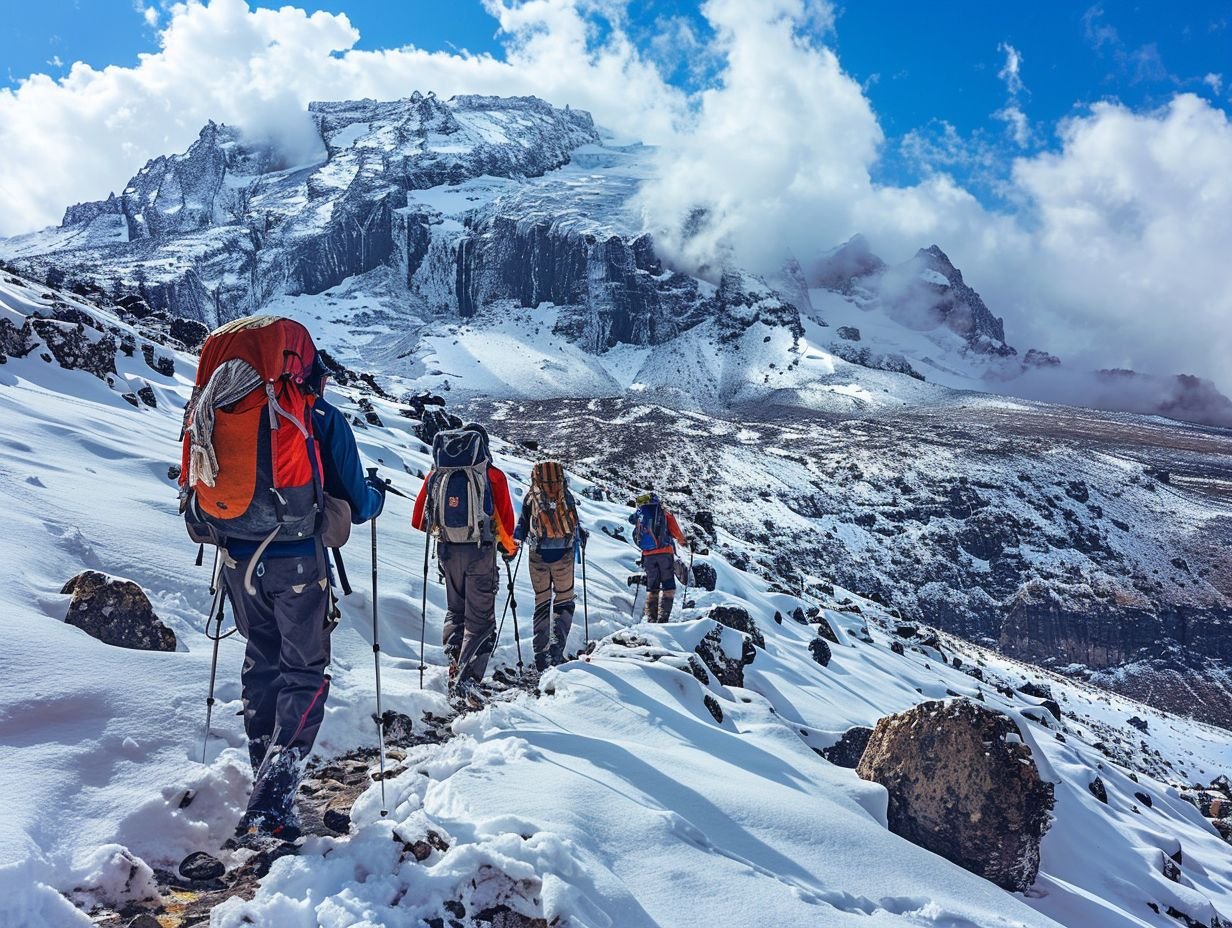
Mount Kilimanjaro is not just a single point; it’s a colossal dormant volcano comprising three distinct volcanic cones: Shira, Kibo, and Mawenzi. Each of these cones has its own peak, but it is Kibo, the youngest and most central cone, that houses the true summit of Kilimanjaro. Within Kibo, the highest point is known as Uhuru Peak, and its elevation is what defines the mountain’s overall height.
When people refer to the Kilimanjaro height, they are almost universally referring to the altitude of Uhuru Peak. This summit elevation is a critical piece of information for anyone considering a trek. It dictates the acclimatization requirements, the physical demands, and the potential for altitude-related illnesses. Understanding this specific Mount Kilimanjaro elevation Is the first step in preparing for the journey.
Kibo Cone: The Seat of the Summit
Kibo is the most prominent of Kilimanjaro’s three cones and is characterized by its relatively gentle slopes leading up to the caldera. The summit area of Kibo is a large, flat crater rim. Uhuru Peak is situated on the southwestern rim of this crater, making it the highest point on the entire mountain. The other two peaks, Shira and Mawenzi, are significantly lower. Shira Peak reaches an elevation of about 3,960 meters (13,000 feet), and Mawenzi Peak stands at 5,149 meters (16,893 feet). While impressive in their own right, they do not represent the ultimate goal for most Kilimanjaro climbers.
The distinction between these peaks is important. Mawenzi, with its jagged, rocky spires, is a formidable challenge for experienced mountaineers, often requiring technical climbing skills. Shira, an eroded volcanic cone, forms a stunning plateau that many trekking routes traverse. However, the ultimate prize, the roof of Africa, lies at the summit of Kibo, at the precise Kilimanjaro summit altitude Of 5,895 meters.
Uhuru Peak: The Roof of Africa
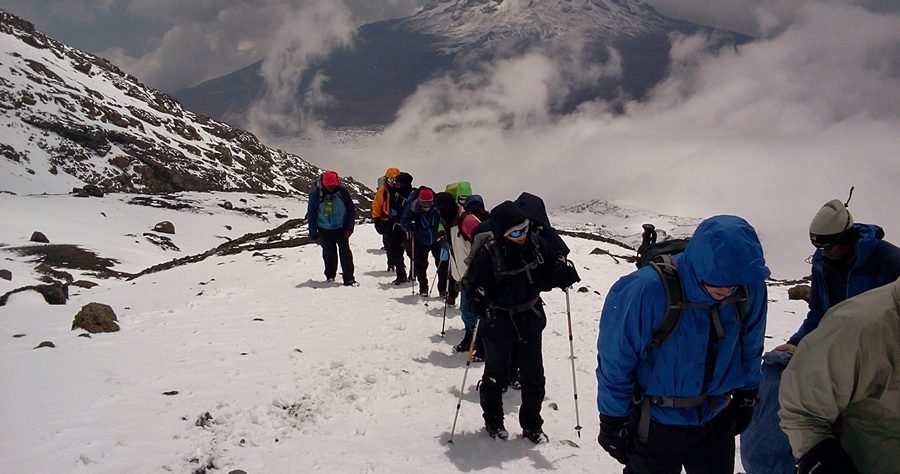
Uhuru Peak, meaning ‘Freedom Peak’ in Swahili, was named in 1961 during Kenya’s independence celebrations. It is a relatively small, snow-covered point on the edge of Kibo’s crater. The climb to Uhuru Peak is demanding, primarily due to the extreme altitude and the steep scree slopes encountered in the final ascent from the crater rim. The thin air at this height means that every step requires considerable effort, and the cold temperatures, especially at night, add to the challenge.
The experience of standing at the Kilimanjaro height Of 19,341 feet is often described as surreal. The vastness of the African continent stretches out below, and the sunrise from this vantage point is considered one of the most spectacular in the world. Reaching Uhuru Peak is not just a physical accomplishment; it’s an emotional and spiritual one for many.
Altitude and Acclimatization: The Core Challenge
The most significant factor influencing a successful Kilimanjaro climb is not strength or speed, but proper acclimatization to the extreme Kilimanjaro height. The air pressure at 5,895 meters is about half that at sea level, meaning there is significantly less oxygen available for your body to absorb with each breath. This can lead to Acute Mountain Sickness (AMS), with symptoms ranging from headaches and nausea to more severe and life-threatening conditions like HAPE (High Altitude Pulmonary Edema) and HACE (High Altitude Cerebral Edema).
This is why choosing the right route and taking enough time to ascend is paramount. Routes that ascend gradually over more days offer a much higher success rate. For instance, a 7-day or 8-day trek provides better opportunities for your body to adapt to the increasing altitude compared to a 5-day climb. The principle is simple: “pole pole” (slowly, slowly), as they say in Swahili, is the key to conquering Kilimanjaro.
Why More Days Mean Higher Success Rates
Scientific recommendations for climbing high mountains like Kilimanjaro emphasize a slow ascent profile. A common guideline is to aim for a maximum ascent of 300-500 meters (1,000-1,600 feet) per day once you reach altitudes above 3,000 meters (9,800 feet), with a rest day or a day involving minimal ascent for every 1,000 meters gained. Longer routes on Kilimanjaro incorporate these principles naturally.
For example, the Lemosho or Machame routes, typically trekked over 7 or 8 days, allow for a more gradual climb. These routes often include “acclimatization walks” where you ascend to a higher point during the day and then descend to sleep at a lower altitude, a strategy known as “climb high, sleep low.” This significantly aids the body’s adaptation process. Conversely, shorter routes like Marangu (5-day option) or Rongai (5-day option) ascend more rapidly, increasing the risk of AMS and leading to lower success rates at the summit.
When planning your 2026 or 2027 Kilimanjaro adventure, consider that a 7-day trek is generally considered the minimum for a comfortable and safe ascent, while an 8-day trek offers even better acclimatization and a more relaxed pace. This directly impacts your ability to enjoy the journey and reach the Kilimanjaro height Of Uhuru Peak.
Recognizing and Managing Altitude Sickness
Awareness is your best tool against altitude sickness. Common symptoms include:
- Headache
- Nausea and vomiting
- Dizziness and lightheadedness
- Fatigue and weakness
- Loss of appetite
- Difficulty sleeping
If you experience any of these symptoms, it’s crucial to inform your guide immediately. Your guide is trained to assess the severity of your condition. The primary treatment for AMS is descent. Even a drop of a few hundred meters can make a significant difference. In more severe cases, immediate descent is necessary to save a life.
Your guide will also monitor your “oxygen saturation” using a pulse oximeter. A reading below 85% is a serious concern at high altitudes. Staying hydrated, avoiding alcohol and caffeine, and maintaining a slow, steady pace are vital personal strategies for managing altitude. Remember, the summit is optional, but descent is mandatory if health is compromised.
Kilimanjaro’s Summit Zones and Features
The summit area of Kilimanjaro, specifically on Kibo, is a unique alpine desert. It’s a stark, otherworldly landscape characterized by volcanic rock, sparse vegetation at lower elevations, and the iconic glaciers and ice fields at the very top. The Kilimanjaro summit altitude Is home to features that are both beautiful and a stark reminder of the extreme environment.
The Crater Rim and Its Glaciers
The crater rim of Kibo is a dramatic horseshoe-shaped ridge. The highest point, Uhuru Peak, is located on the southwestern edge of this rim. From Uhuru Peak, you can look down into the vast Kibo crater, which is approximately 2.4 kilometers (1.5 miles) in diameter. Within the crater, you’ll find remnants of Kilimanjaro’s volcanic past, including ash pit and fumaroles that occasionally emit steam, indicating residual geothermal activity.
One of the most striking features of Kilimanjaro’s summit is its glaciers. Sadly, these magnificent ice fields have been receding dramatically due to climate change. While they are still present, their extent is a fraction of what it was decades ago. Trekking to the summit in 2026 or 2027 will offer a view of these shrinking glaciers, a poignant sight for many visitors.
Stella Point and Gilman’s Point
Before reaching Uhuru Peak, climbers typically reach two other significant points on the crater rim:
- Gilman’s Point (5,685 meters / 18,652 feet): This is the first major point reached on the crater rim for those coming from the Marangu route. It offers impressive views into the crater and towards the glaciers.
- Stella Point (5,756 meters / 18,885 feet): For most other routes (like Machame, Lemosho, Shira), this is the point where they meet the crater rim. Stella Point is generally considered a more significant milestone than Gilman’s Point as it is reached by more routes and is closer to Uhuru Peak.
The walk from Stella Point to Uhuru Peak is a relatively flat traverse along the crater rim, approximately 1.5 kilometers (0.9 miles). This final stretch, though less steep, is often the most challenging due to extreme fatigue and the high altitude. Reaching Stella Point is a major accomplishment, but the true summit of Kilimanjaro lies a bit further along the rim.
Comparing Kilimanjaro’s Height to Other Peaks
To truly appreciate the Kilimanjaro height, it helps to put it into perspective with other famous mountains around the world. While Kilimanjaro is the highest peak in Africa, it is not considered an “eight-thousander” (mountains over 8,000 meters), nor is it a technically demanding climb in the same league as Everest or K2. However, its status as the highest free-standing mountain and its accessibility make it a unique and sought-after destination.
Here’s a comparison of Kilimanjaro’s elevation with some other notable mountains:
| Mountain | Continent | Height (meters) | Height (feet) | Status |
|---|---|---|---|---|
| Mount Everest | Asia | 8,848.86 | 29,031.7 | Highest mountain in the world |
| K2 | Asia | 8,611 | 28,251 | Second highest mountain in the world |
| Mount Kilimanjaro | Africa | 5,895 | 19,341 | Highest mountain in Africa; highest free-standing mountain |
| Mount Elbrus | Europe | 5,642 | 18,510 | Highest mountain in Europe |
| Denali (Mount McKinley) | North America | 6,190 | 20,310 | Highest mountain in North America |
| Aconcagua | South America | 6,961 | 22,838 | Highest mountain in South America and the Western Hemisphere |
As you can see, while Kilimanjaro is a significant peak, its Mount Kilimanjaro elevation Is surpassed by many of the highest mountains on other continents. However, its unique position as the highest point in Africa, combined with its non-technical nature (for most routes), makes it an accessible goal for a wide range of adventurers. The challenge it presents is primarily physiological due to altitude, rather than technical climbing skill.
Planning Your Kilimanjaro Climb in 2026-2027
Knowing the Kilimanjaro height Is just one part of the puzzle. Successful planning for a 2026 or 2027 trek involves choosing the right route, the right operator, and preparing adequately. The altitude is the main antagonist, and all planning decisions should revolve around mitigating its effects.
Choosing the Right Route Based on Altitude Profile
The choice of route is intrinsically linked to the altitude profile and the number of days allocated for the climb. Longer routes offer a more gradual ascent, which is crucial for acclimatization to the Kilimanjaro summit altitude.
- Marangu Route (5-8 days): Known as the “Coca-Cola” route, it’s the oldest and one of the most popular. It uses dormitory-style huts. The 5-day option is very fast and has low success rates. 6 or 7 days are better, but still faster than many other routes.
- Machame Route (6-7 days): The “Whiskey” route, it’s the most popular and offers excellent acclimatization over 6 or 7 days. It uses camping and has high success rates.
- Lemosho Route (7-8 days): Considered one of the most scenic routes, it offers superb acclimatization over 7 or 8 days. It is a camping route and provides a remote wilderness experience.
- Shira Route (7-8 days): Similar to Lemosho but starts at a higher altitude on the Shira Plateau. Offers good acclimatization over 7 or 8 days.
- Rongai Route (6-7 days): Approaches from the north, offering a different perspective. It’s generally drier and can be a good option during the rainy seasons. 6 or 7 days are recommended for better acclimatization.
- Northern Circuit (9 days): The longest route, offering the best acclimatization and highest success rates. It circles the mountain, providing unique views.
- Umbwe Route (6-7 days): The steepest and most direct route, offering the least acclimatization. It’s considered challenging and is best suited for very experienced high-altitude trekkers.
For most trekkers aiming for the Kilimanjaro height Of 5,895 meters, routes like Machame (7 days) Or Lemosho (8 days) Are highly recommended for their balance of scenery, acclimatization, and success rates. The Northern Circuit (9 days) offers the ultimate in acclimatization and comfort.
Choosing a Reputable Tour Operator
Selecting a responsible and experienced tour operator is as critical as choosing the right route. A good operator will:
- Prioritize safety above all else.
- Employ experienced, certified guides who are trained in wilderness first aid and altitude sickness management.
- Provide adequate food, equipment, and camping facilities.
- Ensure guides are well-paid and treated ethically.
- Offer transparent pricing and clear inclusions/exclusions.
When looking for operators for your 2026 or 2027 climb, research their safety records, read reviews from previous clients (like on TripAdvisor), and understand their approach to acclimatization and emergency procedures. Companies like Top Guide Adventures Have a strong reputation for providing well-organized, safe, and enjoyable Kilimanjaro climbs, focusing on client well-being and success.
Physical and Mental Preparation
While Kilimanjaro is not a technical climb, a good level of physical fitness is essential to tackle the Kilimanjaro height. Focus on cardiovascular endurance and leg strength.
- Cardiovascular Training: Engage in activities like hiking (with a backpack), running, cycling, or swimming several times a week for at least 3-6 months leading up to your trek.
- Strength Training: Focus on leg exercises such as squats, lunges, and step-ups, as well as core strengthening.
- Hiking Practice: The best preparation is hiking on varied terrain, ideally with hills or mountains, while wearing your trekking boots and carrying a daypack similar to what you’ll use on Kilimanjaro. This helps break in your boots and conditions your body for sustained effort.
Mental preparation is equally important. Understand that you will experience discomfort, fatigue, and cold. The “summit night” is particularly grueling. Visualizing success, maintaining a positive attitude, and relying on your team and guides are crucial. Embrace the “pole pole” philosophy and focus on taking one step at a time.
The Role of Guides and Support Staff
The success and safety of your Kilimanjaro climb hinge significantly on the expertise and dedication of your guiding team and support staff. These individuals are the backbone of the operation, ensuring you can safely reach the Kilimanjaro height.
Experienced Guides
Your lead guide and assistant guides are not just there to show you the way. They are highly trained professionals with extensive knowledge of the mountain, weather patterns, and, most importantly, altitude sickness. They are responsible for:
- Monitoring your health and acclimatization daily.
- Making critical decisions regarding your safety, including whether to proceed or descend.
- Managing the pace of the group to ensure everyone moves “pole pole.”
- Providing encouragement and support.
- Navigating the routes and ensuring you are on the correct path.
A good guide will communicate openly with you about your well-being and the conditions on the mountain. They are your first line of defense against the challenges posed by the Mount Kilimanjaro elevation.
Porters and Cooks
The porters are the unsung heroes of Kilimanjaro treks. They carry the majority of the equipment, including tents, food, sleeping bags, and personal luggage, allowing you to focus on trekking. Their strength and efficiency are remarkable. The cooks prepare nutritious meals at the campsites, providing vital energy for the climb. A well-supported team ensures that your trekking experience is as comfortable and safe as possible, allowing you to concentrate on reaching the summit.
For your 2026 or 2027 climb, ensure your chosen operator treats their porters and staff ethically, providing fair wages, adequate gear, and sufficient food. This is a hallmark of responsible tourism companies.
Costs and What to Expect for 2026-2027
The cost of a Kilimanjaro climb can vary significantly depending on the route, duration, operator, and inclusions. Understanding these factors is key to budgeting for your adventure to the Kilimanjaro height.
Generally, prices can range from $1,500 to $4,500+ per person For a standard 7-day trek. This typically includes:
- Park fees (which are substantial)
- Camping fees
- Rescue fees
- Guide and porter salaries
- Food during the trek
- Tents and cooking equipment
- Transfer from/to the airport and hotel stays before/after the climb
What is usually NOT included:
- Flights to Tanzania
- Visa fees
- Travel insurance (mandatory)
- Personal trekking gear (boots, clothing, sleeping bag)
- Tips for guides, porters, and cooks (this is a significant portion of the staff’s income)
- Personal expenses (e.g., souvenirs, extra drinks)
- Pre- and post-climb hotel stays (unless specified)
When comparing prices for 2026 or 2027, be wary of extremely low-cost operators. They may cut corners on safety, guide training, porter welfare, or food quality, which can compromise your experience and safety. A mid-range to higher-end operator often provides better value through superior service, safety protocols, and ethical treatment of staff.
Key Cost Considerations for 2026-2027
Park Fees: These are fixed by the Tanzanian government and constitute a significant portion of the total cost. They are non-negotiable and can change annually, so confirm current rates for your 2026 or 2027 climb.
Tips: Budget generously for tips. A common guideline is around $250-$350 per trekker for the entire team (guides, assistant guides, cooks, porters), but check with your operator for their recommended tipping structure.
Duration: Longer treks naturally cost more due to additional days of park fees and staff costs, but offer better acclimatization and higher success rates. Investing in an extra day or two for a 7 or 8-day trek is often a wise decision for reaching the Kilimanjaro height.
Final Thoughts on Kilimanjaro’s Height
The Kilimanjaro height Of 5,895 meters (19,341 feet) is a number that inspires awe and ambition. It represents Africa’s highest point, a symbol of natural grandeur and a personal challenge for thousands of trekkers each year. Reaching Uhuru Peak is a testament to human perseverance, careful planning, and respect for the mountain’s formidable environment.
Whether you’re planning your trek for late 2026 or early 2027, remember that success is primarily about acclimatization and preparation. Choose a route that allows sufficient time to adapt to the altitude, select a reputable operator committed to safety and ethical practices, and train your body and mind for the journey ahead. The experience of standing on the roof of Africa, having conquered the impressive Kilimanjaro height, is an unforgettable achievement.
Ready to plan your own ascent to Africa’s highest peak? Contact Top Guide Adventures For a personalized itinerary and expert guidance for your 2026-2027 Kilimanjaro climb. Reach them via WhatsApp at +255616946642 Or email at Topguideadventures@gmail.com Or Info@topguideadventures.com. Let us help you achieve your summit dreams!
Check Availability for Kilimanjaro Height: Understanding Africas Tallest Peak 2026-2027
Ready to compare dates, prices, and the best option for your group? Send the package name and travel month so the team can reply with a clear quote, availability, and what is included.
Kilimanjaro Height, Elevation & Altitude: A Comprehensive Guide 2026-2027
Understanding Kilimanjaro's height, elevation gain, and the impact of altitude is crucial for a successful climb. This guide details the mountain's true elevation, how it changes on...
View package details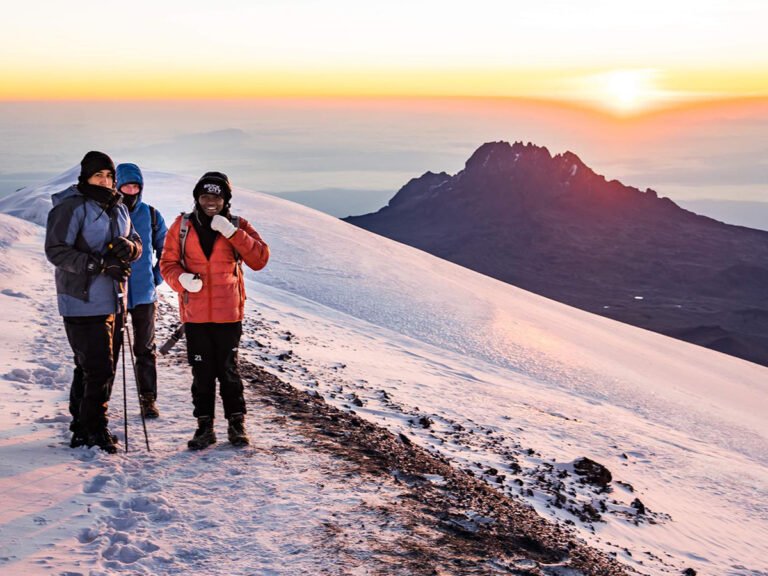
Kilimanjaro Hauteur: Summit Heights, Routes, And Climbing Distances 2026-2027
Ascend Mount Kilimanjaro by understanding its 'hauteur' – the summit heights and the distances you'll cover on various routes. This guide details the mountain's elevation, the varying trek...
View package details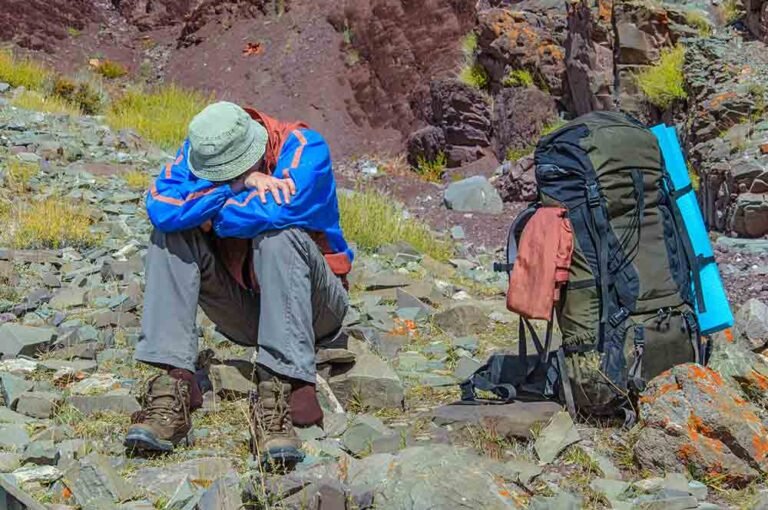
5-Day Marangu Route Kilimanjaro Climb: Your Expert Guide For 2026-2027
Discover everything you need to know for a 5-Day Marangu Route Kilimanjaro climb. This guide covers essential itinerary details, preparation advice, cost considerations for 2026-2027, and...
View package details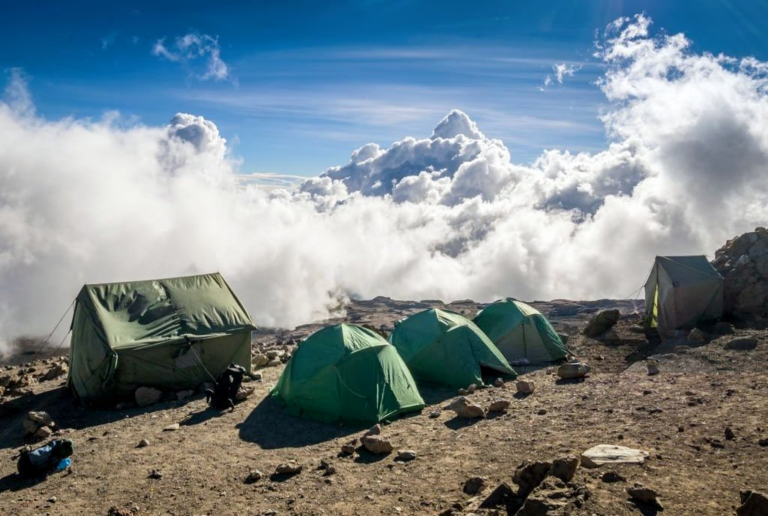
6-Day Marangu Route Kilimanjaro Group Tour 2026-2027
6-Day Marangu Route Kilimanjaro Group Tour is explained with current 2026-2027 planning, price, itinerary and booking information.
View package details6-Month Kilimanjaro Fitness Plan: Train For Your Summit Success In 2026-2027
A detailed 6-month fitness plan designed to get you ready for a Kilimanjaro climb. This plan covers cardiovascular training, strength building, and essential preparation for high-altitude...
View package details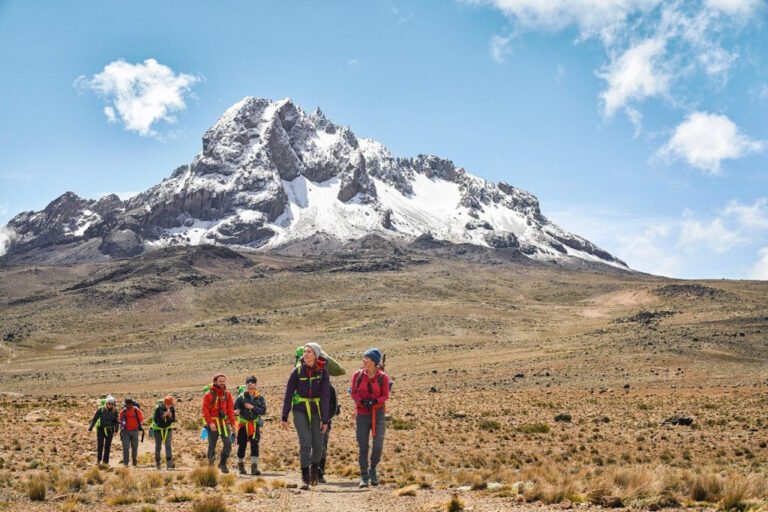
7-Day Lemosho Route Kilimanjaro Climb 2026-2027
7-Day Lemosho Route Kilimanjaro Climb is explained with current 2026-2027 planning, price, itinerary and booking information.
View package details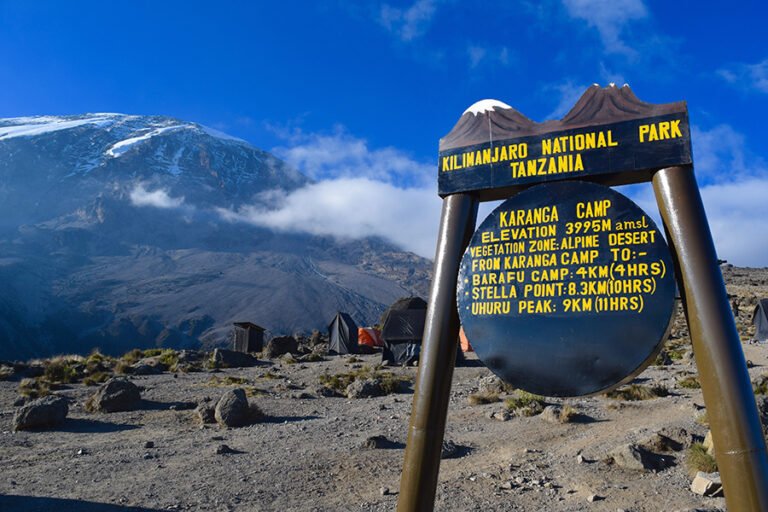
7-Day Vs 8-Day Kilimanjaro Climb: Which Itinerary Is Right For You? 2026-2027
Deciding between a 7-day or 8-day climb on Mount Kilimanjaro involves weighing acclimatization benefits against time constraints. While both routes aim for the summit, the longer 8-day...
View package details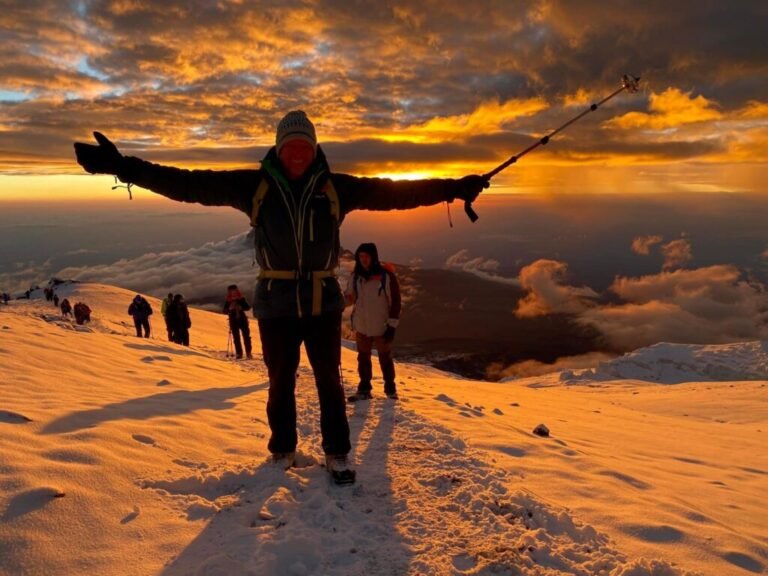
A Day In The Life Of A Kilimanjaro Porter: Behind Scenes On Africas Highest
Explore the demanding yet rewarding life of a Kilimanjaro porter. This article details their daily routines, the vital support they provide to climbers, and the incredible physical and...
View package details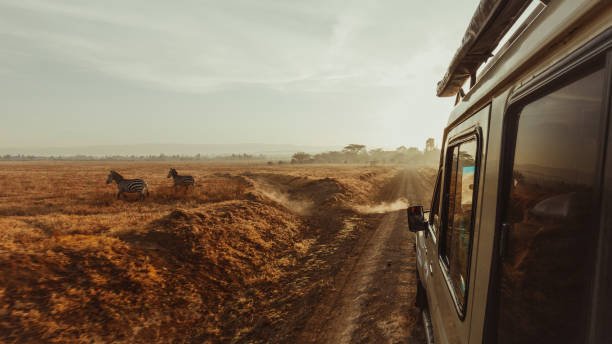
Best Hiking Kilimanjaro Routes: Your Ultimate Guide 2026-2027
Choosing the best route for your Kilimanjaro climb in 2026 or 2027 is crucial. This comprehensive guide from Top Guide Adventures breaks down the most popular routes, helping you select the...
View package details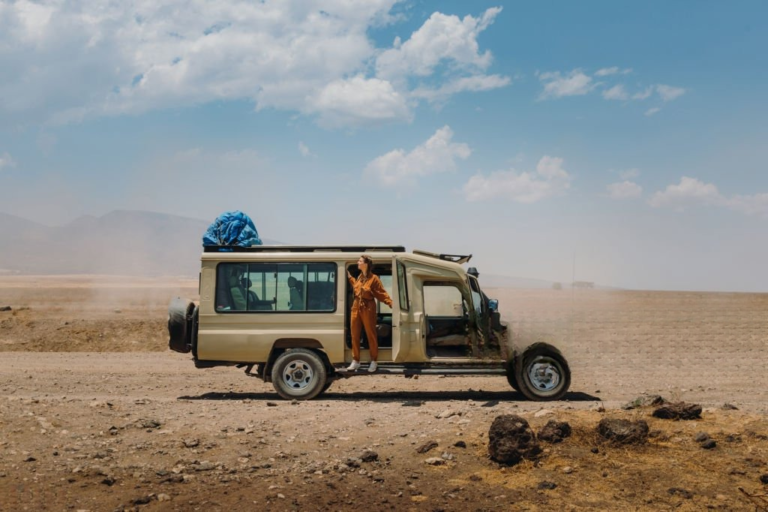
Best Kilimanjaro Bike Trek: Routes, Tips & Planning 2026-2027
Explore the ultimate guide to Kilimanjaro bike treks, covering the best routes, essential preparation, and what to expect for your 2026-2027 adventure. Learn about the unique challenges and...
View package details
Best Kilimanjaro Day Hike Options For A Taste Of The Summit In 2026-2027
Explore the top Kilimanjaro day hike routes, offering a glimpse of Africa's highest peak without the commitment of a full summit climb. Perfect for acclimatization or a short adventure in...
View package details
Best Kilimanjaro Guided Hikes For : Routes, Operators & Planning 2026-2027
Choosing the best Kilimanjaro guided hike is crucial for a successful summit. Top Guide Adventures offers expertly guided treks for 2026-2027, focusing on safety, acclimatization, and...
View package detailsNo closely related package is available for this topic yet.



