
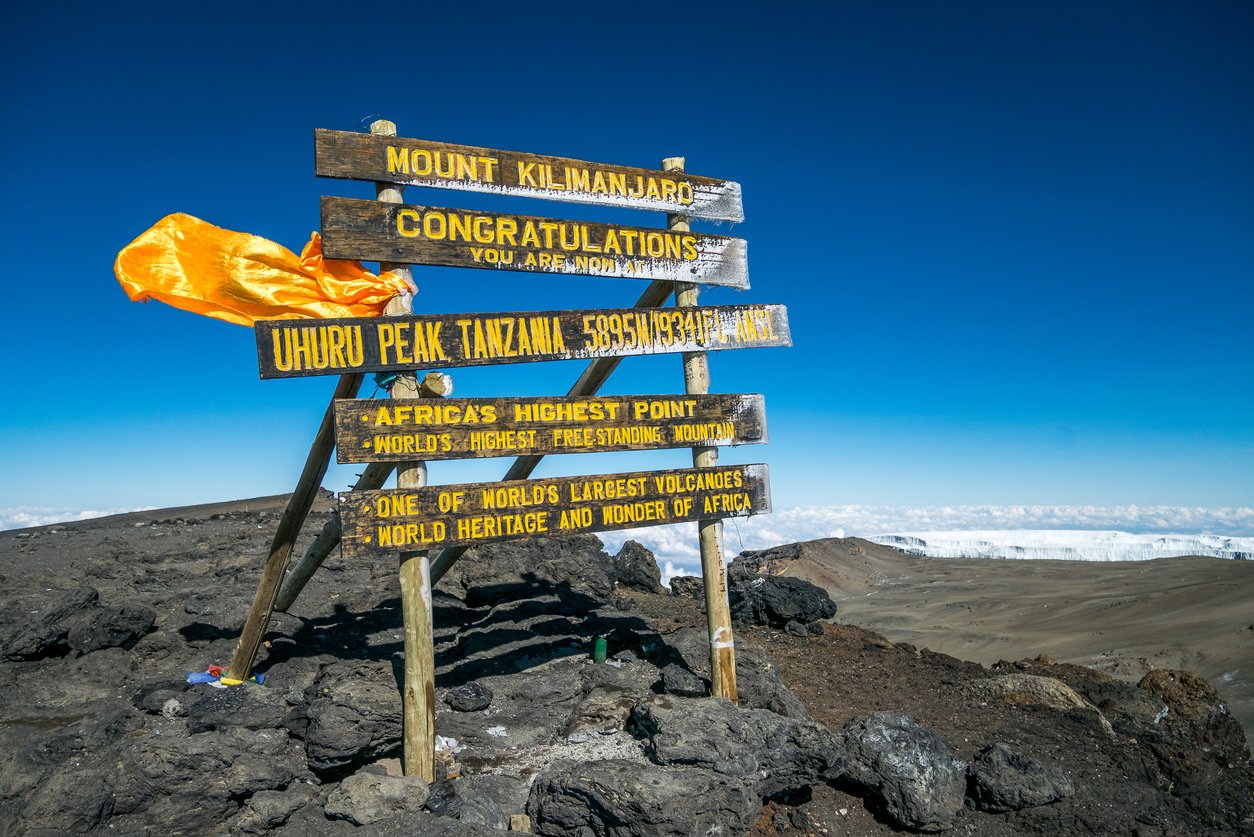
The summit elevation of Mount Kilimanjaro, specifically Uhuru Peak on the Kibo crater rim, is 5,895 meters (19,341 feet) Above sea level. This impressive height makes Kilimanjaro the highest mountain in Africa and one of the highest free-standing mountains in the world, presenting a significant but achievable challenge for trekkers planning climbs in 2026 or 2027.
The Majestic Kilimanjaro Elevation: A Beacon of Altitude
Mount Kilimanjaro isn’t just a mountain; it’s an icon. Its sheer size and prominence in the African landscape are defined by its extraordinary elevation. Reaching the summit means standing on the highest point on the continent, a feat that draws adventurers from across the globe. Understanding the Kilimanjaro elevation is the very first step in preparing for this incredible journey. It dictates the training you’ll need, the gear you’ll pack, and most importantly, the respect you must give to the effects of altitude on your body.
The primary figure, 5,895 meters (19,341 feet), refers to Uhuru Peak, which is the highest point on Kilimanjaro’s Kibo cone. This volcanic massif is composed of three distinct cones: Kibo, Mawenzi, and Shira. While Kibo is the dormant summit that trekkers aim for, Mawenzi and Shira are much older, eroded volcanic peaks that add to the mountain’s complex geological profile and contribute to its overall massif elevation, though they are not typically climbed.
For anyone considering a climb in the coming years, whether it’s 2026 or 2027, grasping the implications of this Kilimanjaro elevation is paramount. It’s not simply about the number; it’s about the physical and mental preparation required to ascend through distinct ecological zones, each with its own temperature and atmospheric pressure, culminating in the thin air of the summit zone.
Breaking Down Kilimanjaro’s Altitude: More Than Just the Summit
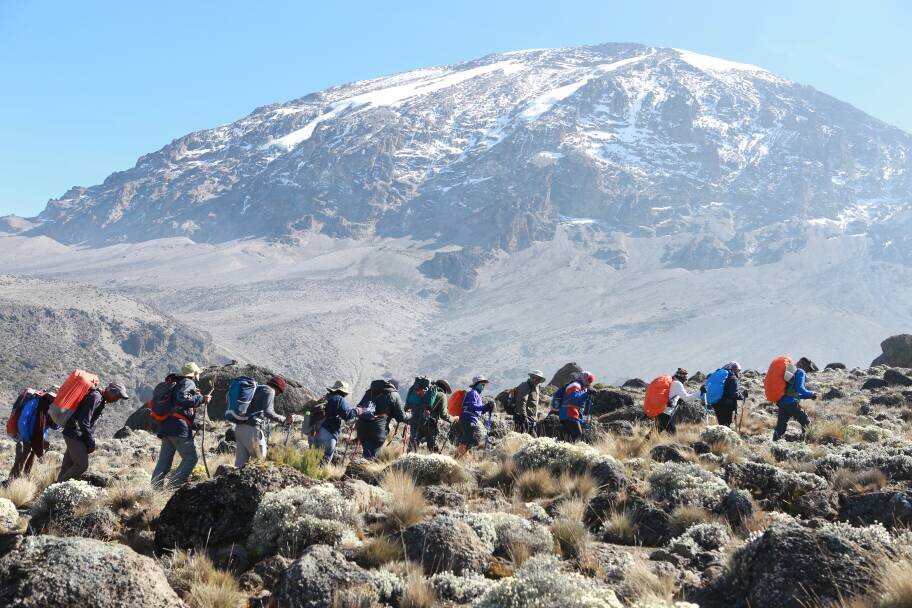
While Uhuru Peak is the ultimate goal, the Kilimanjaro elevation is best understood by looking at the different zones and stages of the trek. The mountain’s height profile changes dramatically as you ascend, moving through rainforest, moorland, alpine desert, and finally, the arctic summit zone. Each stage presents unique environmental conditions and physiological challenges.
The base of the mountain, where most routes begin, sits at an elevation of approximately 1,800 meters (5,900 feet). From there, the climb is a steady, sustained ascent, gradually increasing the altitude and the associated risks. The routes are designed to allow for acclimatization, which is key to a successful summit bid. This involves trekking at moderate altitudes during the day and descending to sleep at lower elevations whenever possible, a strategy known as “climb high, sleep low.”
Elevation Profiles of Popular Kilimanjaro Routes
Each of the main trekking routes up Kilimanjaro has a unique elevation profile, affecting the difficulty, duration, and success rates. Understanding these profiles is crucial for choosing the right route for your fitness level and acclimatization strategy. The key factor that differentiates route success rates is often the pace at which they ascend and the opportunities for acclimatization.
Here’s a look at how typical route elevations progress:
- Marangu Route (Coca-Cola Route): One of the oldest and most popular routes, it’s known for its hut accommodation. It ascends relatively quickly, which can be a disadvantage for acclimatization. The route reaches a maximum elevation of 5,895 meters at Uhuru Peak.
- Machame Route (Whiskey Route): Highly recommended for its excellent acclimatization profile, Machame is often called the “Whiskey Route.” It follows a “climb high, sleep low” principle, significantly increasing success rates. It also reaches Uhuru Peak at 5,895 meters.
- Lemosho Route: Considered one of the most scenic routes, Lemosho offers a gradual ascent and excellent acclimatization opportunities, similar to Machame. It provides a longer trekking experience, typically 7-8 days, allowing more time for the body to adjust to the increasing Kilimanjaro elevation.
- Shira Route: Similar to Lemosho but starts at a higher altitude, meaning trekkers begin at around 3,500 meters. This can be challenging for initial acclimatization, though it offers stunning views.
- Rongai Route: This route approaches Kilimanjaro from the north, offering a different perspective and often drier conditions. It’s a good option during the rainy seasons and provides a steady, manageable ascent towards the summit.
- Northern Circuit: The longest route, offering the best acclimatization and highest success rates due to its 9-day duration. It circles the mountain, providing panoramic views and allowing ample time to adapt to the altitude.
- Umbwe Route: The shortest and steepest route, offering a direct and challenging path to the summit. It requires excellent physical fitness and prior high-altitude experience due to its rapid ascent and poor acclimatization profile.
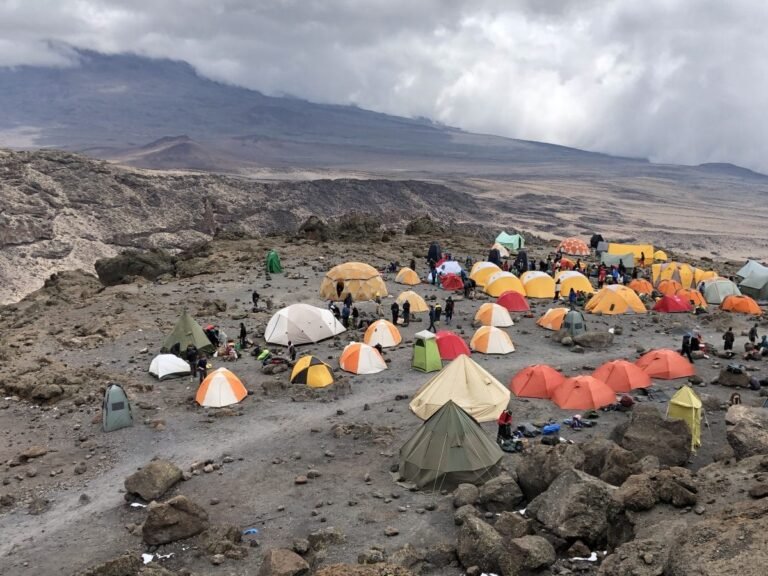
Regardless of the route chosen, the final push to the summit typically begins from camps located at high altitudes, such as Kibo Hut (around 4,700 meters or 15,400 feet) or Barafu Camp (around 4,600 meters or 15,100 feet). The ascent from these camps to Uhuru Peak is the most demanding part of the trek, occurring in the dark and extreme cold.
Key Altitude Milestones to Consider
As you plan your Kilimanjaro climb for 2026 or 2027, familiarizing yourself with these critical altitude points will aid your preparation:
- Base Camp/Starting Point: Typically around 1,800m – 2,000m (5,900 – 6,500 ft).
- Rainforest Zone Boundary: Around 2,700m – 3,000m (8,800 – 9,800 ft).
- Moorland/Heath Zone Boundary: Around 3,500m – 4,000m (11,500 – 13,100 ft).
- Alpine Desert Zone Boundary: Around 4,000m – 4,500m (13,100 – 14,700 ft). This is where altitude sickness symptoms become more pronounced for many.
- High Camps (e.g., Kibo Hut, Barafu Camp): Approximately 4,600m – 4,700m (15,100 – 15,400 ft). This is the staging point for the summit push.
- Stella Point: A significant landmark on the crater rim, usually reached at around 5,756m (18,885 ft).
- Uhuru Peak (Summit): The ultimate goal at 5,895m (19,341 ft).
The Physiological Impact of Kilimanjaro Elevation
The primary challenge of climbing Kilimanjaro is the altitude. As you ascend, the atmospheric pressure decreases, meaning there are fewer oxygen molecules available with each breath. This phenomenon, known as hypoxia, affects the body in various ways, leading to altitude sickness.
Altitude Sickness (Acute Mountain Sickness – AMS): This is the most common altitude-related illness. Symptoms can include headache, nausea, dizziness, fatigue, and shortness of breath. Mild AMS is common and can often be managed by slowing down, hydrating, and descending if symptoms worsen. However, if left untreated, AMS can progress to more severe and life-threatening conditions like High Altitude Pulmonary Edema (HAPE) and High Altitude Cerebral Edema (HACE).
Acclimatization: The Key to Success: The human body can adapt to lower oxygen levels, but this process takes time. Acclimatization is the body’s natural response to adjusting to higher altitudes. The most effective way to acclimatize is to ascend gradually, allowing your body to produce more red blood cells to carry oxygen. This is why longer routes with better acclimatization profiles, such as the Northern Circuit or Lemosho, are often recommended for climbers in 2026-2027, especially those new to high-altitude trekking.
Hydration and Breathing: Staying well-hydrated is crucial at altitude. Dehydration can exacerbate AMS symptoms. Similarly, taking slow, deep breaths helps maximize oxygen intake. Guides will constantly remind you to drink water and eat, even when you don’t feel like it.
Individual Variation: It’s important to remember that everyone reacts differently to altitude. Factors like age, fitness level, and previous high-altitude experience do not always predict how someone will cope. Some highly fit individuals may struggle, while others with less training might adapt surprisingly well. Listen to your body and communicate any symptoms to your guide.
Preparing for Kilimanjaro’s Altitude: Training and Awareness
While you can’t fully replicate Kilimanjaro’s elevation in your training, you can prepare your body for the demands:
- Cardiovascular Fitness: Focus on aerobic exercises like hiking, running, cycling, or swimming. The goal is to build endurance.
- Hiking with a Pack: Practice hiking on varied terrain with a weighted backpack to simulate trek conditions.
- Strength Training: Strengthen your legs, core, and back to support your body during long days of trekking.
- Mental Preparation: Understand the challenges of altitude and be prepared for discomfort. A positive mindset is invaluable.
- Medical Consultation: Consult your doctor about high-altitude travel and discuss potential prophylactic medications like Diamox (acetazolamide), which can aid acclimatization.
Being aware of the Kilimanjaro elevation and its physiological effects is your most powerful tool for a successful and safe climb.
Kilimanjaro Elevation vs. Other Peaks: A Comparative Perspective
How does Kilimanjaro’s elevation stack up against other famous peaks? While it’s the highest in Africa, it’s not as high as the world’s tallest mountains, which offers a crucial distinction for trekkers.
- Mount Everest: The world’s highest mountain, at 8,848.86 meters (29,031.7 feet). Climbing Everest is an expedition requiring extensive technical skill, specialized gear, and a much longer acclimatization period, often 6-8 weeks.
- Mount Kenya: Africa’s second-highest mountain, with its highest point, Batian, at 5,199 meters (17,057 feet). While lower than Kilimanjaro, its technical peaks require mountaineering skills.
- Mount Kilimanjaro: At 5,895 meters (19,341 feet), it is the highest *walkable* peak in the world. This means that, with proper preparation and acclimatization, it can be climbed without technical mountaineering equipment or skills, making it accessible to a wider range of adventurers.
- Denali (Mount McKinley): North America’s highest peak, at 6,190 meters (20,310 feet). Denali is significantly colder and presents more technical climbing challenges than Kilimanjaro.
- Aconcagua: The highest peak in South America and outside of Asia, at 6,961 meters (22,838 feet). Aconcagua is also a non-technical climb but is higher and often considered more challenging than Kilimanjaro due to its extreme altitude and weather conditions.
The key difference lies in accessibility. Kilimanjaro’s status as a “walkable” peak, despite its significant Kilimanjaro elevation, is what makes it so popular. It offers the thrill of extreme altitude and striking views without the extreme technical difficulty and cost associated with Himalayan or Alaskan expeditions. This makes it an ideal “first big mountain” for many aspiring trekkers planning for 2026-2027.
Summit Night: The Ultimate Test of Kilimanjaro’s Elevation
Summit night is the most demanding phase of the Kilimanjaro climb, where the mountain’s full elevation is felt most intensely. Typically starting around midnight from Kibo Hut or Barafu Camp, climbers begin their ascent towards Uhuru Peak. This is a grueling 6-8 hour trek in the dark, often in freezing temperatures (-10°C to -20°C or 14°F to -4°F, with wind chill making it feel even colder).
The Final Ascent: The trail is steep and often covered in scree (loose rock), making each step a conscious effort. The air is extremely thin at this Kilimanjaro elevation, with oxygen levels at roughly half of those at sea level. This is where acclimatization and mental fortitude are tested. Many climbers experience mild symptoms of AMS, such as headaches or nausea, during this phase.
Reaching Stella Point: The first major milestone is Stella Point, located on the crater rim. This marks the end of the steepest part of the climb. From Stella Point, the path flattens considerably as you traverse the crater rim for about an hour to reach Uhuru Peak. While the incline is less, the altitude is at its peak, and fatigue can be overwhelming.
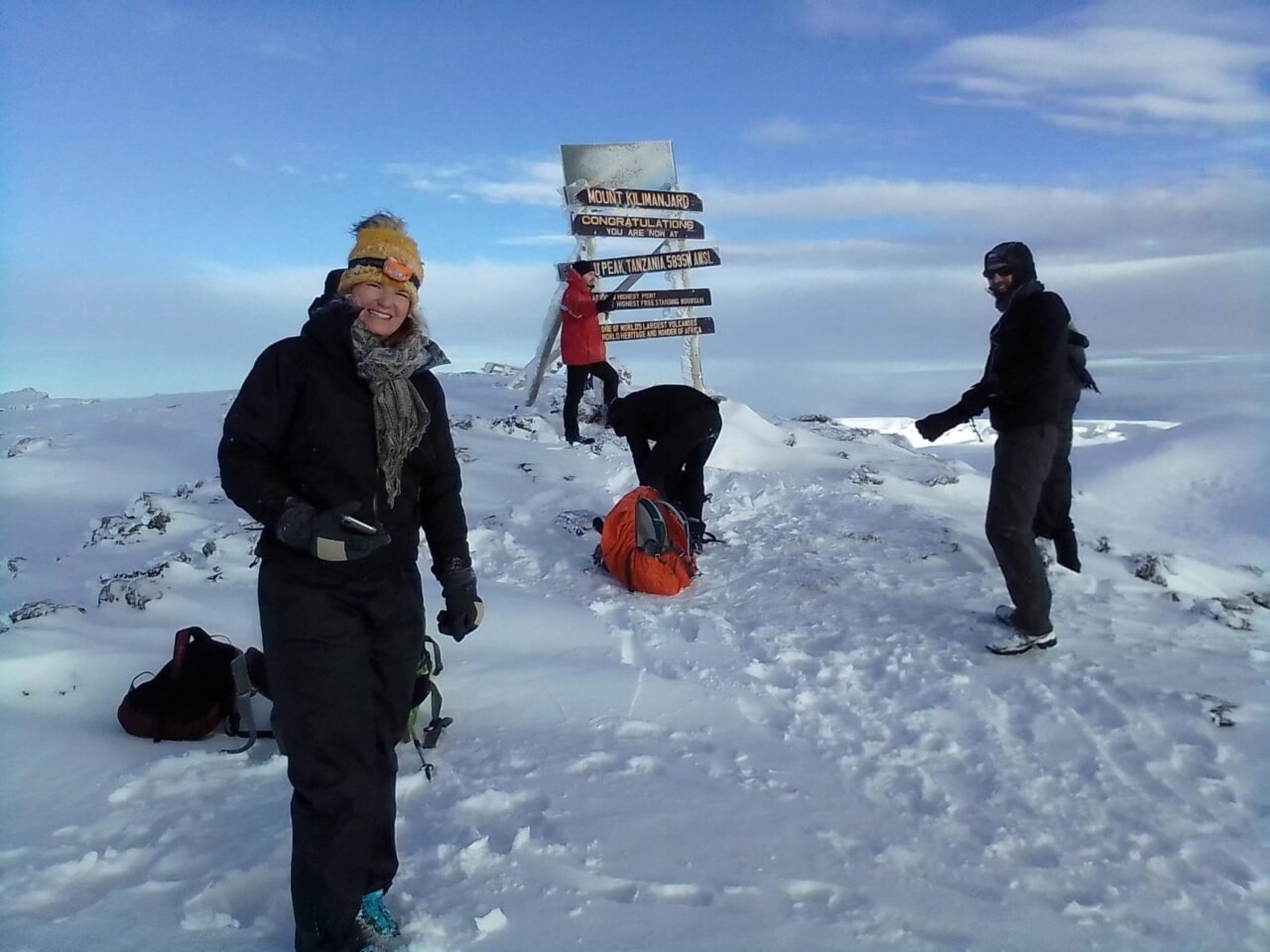
Uhuru Peak: The Roof of Africa: Standing at 5,895 meters (19,341 feet), Uhuru Peak is an emotional and triumphant moment. The views of the sunrise over the clouds, the glaciers (though sadly diminishing), and the vast plains below are unparalleled. However, you won’t linger long; the primary goal is to descend safely as quickly as possible to avoid the worst effects of prolonged exposure to high altitude.
The Descent: The descent is often as challenging as the ascent, especially for your knees and quads. Descending rapidly from the summit also increases the risk of AMS. Most climbers descend to Barafu Camp for a short rest before continuing down to Mweka Camp or Millennium Camp. The relief of descending from the extreme Kilimanjaro elevation is palpable.
Factors Influencing Your Kilimanjaro Climb Experience in 2026-2027
When planning your expedition for 2026 or 2027, several factors will influence your experience related to the Kilimanjaro elevation and the climb itself:
- Route Choice: As discussed, longer routes with better acclimatization profiles (e.g., Lemosho, Northern Circuit) significantly improve your chances of reaching the summit comfortably and safely.
- Duration of Trek: A longer trek (8-9 days) allows more time for acclimatization, reducing the risk of altitude sickness and increasing overall enjoyment.
- Time of Year: Kilimanjaro has two main dry seasons (January-March and June-October), which are ideal for climbing. The shoulder seasons can also be good, but expect more rain. The elevation itself remains constant, but weather conditions at altitude can vary dramatically.
- Operator Choice: Reputable operators like Top Guide Adventures Prioritize safety, using experienced guides trained in high-altitude medicine and ensuring guides carry sufficient oxygen and medical kits. They also select routes and itineraries that maximize acclimatization opportunities. Choosing a responsible operator is crucial for managing the risks associated with Kilimanjaro’s elevation.
- Personal Fitness and Preparation: While not a guarantee against altitude sickness, good physical fitness makes the trek more enjoyable and manageable.
- Mental Preparedness: The psychological aspect of pushing through discomfort at extreme altitude is significant.
Booking your climb well in advance, especially for peak seasons in 2026 and 2027, is highly recommended. This allows ample time for training and securing your preferred dates and routes.
Making the Summit: Practical Tips for Managing Kilimanjaro’s Elevation
Successfully reaching Uhuru Peak is a testament to preparation, perseverance, and respecting the mountain’s altitude. Here are some practical tips to help you manage the Kilimanjaro elevation:
- Listen to Your Guides: Your guides are highly experienced. Trust their judgment regarding pace, rest, and any signs of altitude sickness.
- Hydrate, Hydrate, Hydrate: Aim for 3-4 liters of water per day. Carry a reusable water bottle or hydration reservoir and use purification tablets or filters.
- Eat Well: Even if your appetite is suppressed by the altitude, try to eat high-carbohydrate meals. Energy is vital.
- Pace Yourself: “Pole pole” (slowly, slowly) is the mantra on Kilimanjaro. Maintain a steady, unhurried pace.
- Communicate: Don’t hide symptoms of AMS. Report any headache, nausea, or dizziness to your guide immediately.
- Rest: Get as much sleep as possible in the days leading up to and during the trek.
- Avoid Alcohol and Smoking: These can negatively impact acclimatization and hydration.
- Consider Diamox: Discuss the use of acetazolamide (Diamox) with your doctor. It can help speed up acclimatization for some individuals.
By focusing on these practical aspects, you significantly increase your chances of overcoming the challenges posed by Kilimanjaro’s elevation and celebrating your achievement at the summit.
Planning Your Kilimanjaro Expedition for 2026-2027
When you’re ready to plan your adventure to the Roof of Africa, consider the following:
- Choose Your Route: Select a route that matches your fitness, experience, and desired acclimatization profile. Longer routes are generally recommended for higher success rates and a more enjoyable experience.
- Select Your Operator: Partner with a reputable tour operator like Top Guide Adventures. We specialize in organizing safe, well-supported Kilimanjaro climbs, offering various routes and durations to suit different preferences. Our team is dedicated to providing a memorable and safe experience, paying close attention to acclimatization and client well-being.
- Book in Advance: For popular climbing seasons in 2026 and 2027, booking 6-12 months in advance is advisable to secure your spot and preferred dates.
- Understand Inclusions: Ensure your package includes essential services like park fees, experienced guides and porters, meals, accommodation before and after the climb, and emergency support.
- Physical and Mental Preparation: Start your training regimen early.
The Kilimanjaro elevation is a significant factor, but with thorough preparation and the right support, reaching Uhuru Peak is a tangible and profoundly rewarding goal. Let Top Guide Adventures Help you plan your unforgettable climb. You can reach us via WhatsApp at +255616946642, email at Topguideadventures@gmail.com, or our backup email Info@topguideadventures.com.
“,
“faq_schema”: [
{
“question”: “What is the exact elevation of Mount Kilimanjaro?”,
“answer”: “The summit elevation of Mount Kilimanjaro, Uhuru Peak, is 5,895 meters (19,341 feet) above sea level.”
},
{
“question”: “What is the highest point on Kilimanjaro?”,
“answer”: “The highest point on Kilimanjaro is Uhuru Peak, located on the Kibo crater rim.”
},
{
“question”: “How does Kilimanjaro’s elevation compare to other mountains?”,
“answer”: “Kilimanjaro is Africa’s highest mountain. It is lower than Mount Everest (Asia) and Aconcagua (South America) but higher than Mount Kenya (Africa’s second highest). Its elevation makes it the highest walkable peak in the world.”
},
{
“question”: “What are the main challenges related to Kilimanjaro’s elevation?”,
“answer”: “The primary challenge is altitude sickness (AMS) due to the decreasing oxygen levels as elevation increases. This can cause headaches, nausea, dizziness, and fatigue. Proper acclimatization is key to managing these effects.”
},
{
“question”: “Which Kilimanjaro routes offer the best acclimatization for the elevation?”,
“answer”: “Longer routes like the Northern Circuit (9 days) and Lemosho (7-8 days) are highly recommended for their superior acclimatization profiles. The Machame route (7 days) also offers good acclimatization. These routes allow for the ‘climb high, sleep low’ strategy, which is crucial for adapting to Kilimanjaro’s elevation.”
},
{
“question”: “When is the best time to climb Kilimanjaro in terms of elevation and weather?”,
“answer”: “While the elevation is constant, the best times to climb for favorable weather are during the dry seasons: January to March and June to October. These periods generally offer clearer skies and less rain, making the ascent more comfortable as you manage the Kilimanjaro elevation.”
}
]
}
“`
Check Availability for Kilimanjaro Elevation 2026-2027
Ready to compare dates, prices, and the best option for your group? Send the package name and travel month so the team can reply with a clear quote, availability, and what is included.
Kilimanjaro Elevation Gain: Understanding The Vertical Challenge 2026-2027
Climbing Mount Kilimanjaro involves significant elevation gain, a critical factor in understanding the trek's challenge. This guide breaks down the vertical ascent for each major route...
View package details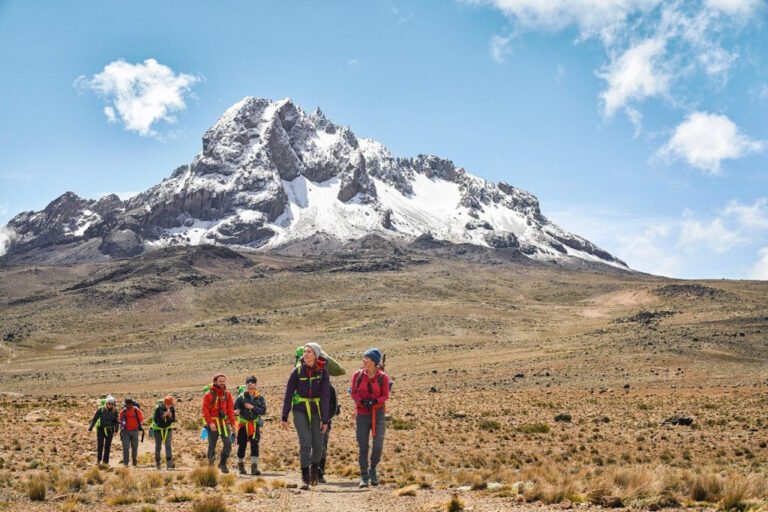
Kilimanjaro Hike Elevation: Understanding The Summit Ascent And Altitude Zones
Kilimanjaro's imposing elevation is a key factor in its allure and challenge. This guide details the mountain's height, summit altitude, and the distinct ecological zones you'll traverse...
View package details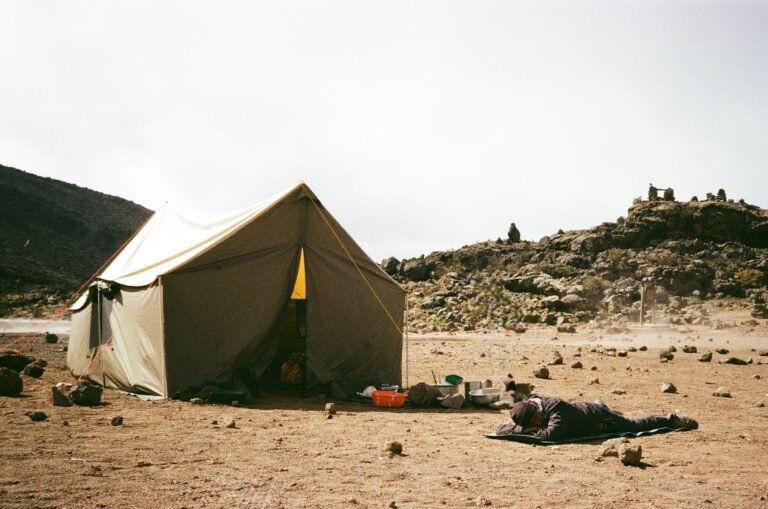
8-Day Vs 9-Day Kilimanjaro Climb Guide
Choosing between an 8-day and a 9-day Kilimanjaro climb hinges on acclimatization, success rates, and your personal pace. While both routes ascend Africa's highest peak, the extra day on a...
View package detailsBest Beklimmen Kilimanjaro Kosten 2026-2027
Best beklimmen kilimanjaro kosten is explained with current 2026-2027 planning, price, itinerary and booking information.
View package details
Best Climb Kilimanjaro Cost 2026-2027
Best climb kilimanjaro cost is explained with current 2026-2027 planning, price, itinerary and booking information.
View package details
Best Climb Kilimanjaro Routes 2026-2027
Best climb kilimanjaro routes is explained with current 2026-2027 planning, price, itinerary and booking information.
View package details
Best Climbing Kilimanjaro Costs 2026-2027
Best climbing kilimanjaro costs is explained with current 2026-2027 planning, price, itinerary and booking information.
View package details
Best Climbing Kilimanjaro Prices 2026-2027
Best climbing kilimanjaro prices is explained with current 2026-2027 planning, price, itinerary and booking information.
View package details
Best Climbing Kilimanjaro Routes 2026-2027
Best climbing kilimanjaro routes is explained with current 2026-2027 planning, price, itinerary and booking information.
View package details
Best Climbing Routes Kilimanjaro 2026-2027
Best climbing routes kilimanjaro is explained with current 2026-2027 planning, price, itinerary and booking information.
View package details
Best Cost Climb Kilimanjaro 2026-2027
Best cost climb kilimanjaro is explained with current 2026-2027 planning, price, itinerary and booking information.
View package details
Best Cost Of Kilimanjaro 2026-2027
Best cost of kilimanjaro is explained with current 2026-2027 planning, price, itinerary and booking information.
View package detailsNo closely related package is available for this topic yet.



