
The best Kilimanjaro climbing prices for 2026-2027 typically range from $1,800 to $4,500+ per person for standard group treks, with private climbs and premium services costing more. These prices depend heavily on the route chosen, trek duration, operator quality, and inclusions, with the best value found in operators offering comprehensive packages, experienced guides, and a strong safety record.
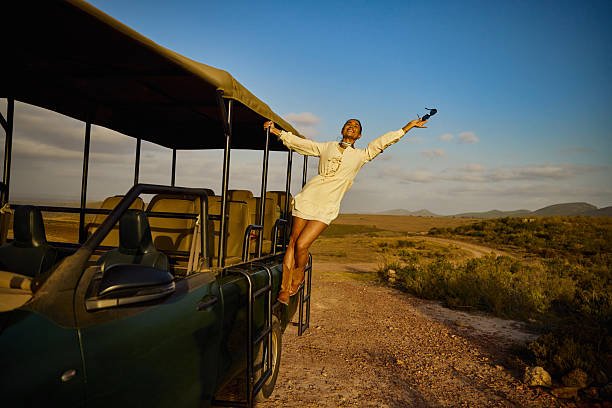

Understanding Kilimanjaro Climbing Costs: What Influences the Price?
Mount Kilimanjaro is a dream destination for many trekkers, offering an unparalleled adventure to the roof of Africa. When planning your ascent, understanding the factors that contribute to the Kilimanjaro climbing prices is crucial for making an informed decision, especially as you look towards 2026 and 2027. The cost isn’t just a simple number; it’s a reflection of the services, safety measures, and overall experience you’ll receive.
Top Guide Adventures, as one of Tanzania’s trusted tour companies, organizes complete travel experiences, including comprehensive Kilimanjaro climbs. We aim to provide clarity on what constitutes a fair price and what to expect when booking your trek for the 2026-2027 climbing seasons. The goal is to secure the best value for your Kilimanjaro climb, balancing cost with quality and safety.
The Core Components of Kilimanjaro Trekking Costs
Several key elements contribute to the overall price of climbing Kilimanjaro. Recognizing these components will help you decipher quotes and compare different tour operators. For 2026-2027 expeditions, these core costs remain consistent:
- Park Fees: These are non-negotiable government fees charged by the Kilimanjaro National Park. They include daily entrance fees, camping/hut fees, rescue fees, and conservation fees. These fees constitute a significant portion of the total cost, often making up 30-40%.
- Staff Wages: This covers the salaries for your guide(s), assistant guides, cooks, and porters. Reputable operators pay their staff fair wages, which directly impacts the quality of service and the well-being of the team supporting your climb. This is a critical area where cutting costs can compromise safety and experience.
- Food and Accommodation: While on the mountain, you’ll be provided with meals. The quality and variety of food, along with the type of accommodation (camping vs. huts), influence pricing. For pre- and post-climb stays in hotels, the star rating and location also play a role.
- Equipment: This includes tents, sleeping bags, cooking equipment, oxygen cylinders (for emergencies), and first-aid kits. High-quality, well-maintained equipment is essential for comfort and safety.
- Logistics and Transportation: This covers transport from Moshi or Arusha to the mountain gate and back, as well as transport for supplies and staff.
- Overhead Costs: This includes office expenses, marketing, communication, and administrative staff for the tour operator.
- Profit Margin: Like any business, tour operators include a profit margin, which varies depending on their business model and market position.
Price Variation: Why Do Kilimanjaro Climbs Cost Different Amounts?
It’s common to see a wide range of prices for Kilimanjaro climbs, even for similar itineraries. This variation is driven by several factors that distinguish operators and the services they offer. Understanding these differences is key to finding the best Kilimanjaro climbing prices that align with your expectations for 2026-2027.
Route Choice and Duration
The route you choose and the number of days you spend on the mountain significantly impact the price. Longer routes, such as the Lemosho or Northern Circuit, offer higher acclimatization rates and thus higher success rates, but they also involve more park fees and staff days, making them more expensive.
- Shorter Routes (e.g., Marangu, Machame 5-6 days): Generally less expensive due to fewer days on the mountain and fewer park fees. However, they have lower acclimatization profiles and success rates.
- Medium Routes (e.g., Machame 7 days, Lemosho 7 days): Offer a better balance of acclimatization and cost, typically falling within the mid-range pricing.
- Longer Routes (e.g., Lemosho 8 days, Northern Circuit 9 days): The most expensive options, but they provide the best acclimatization and highest success rates, making them highly recommended for a more comfortable and successful climb.
Operator Type and Service Level
The distinction between budget, mid-range, and luxury operators is a primary driver of price differences. This reflects the quality of service, equipment, food, and staff welfare.
- Budget Operators: Often have lower prices by cutting costs on staff wages, food quality, equipment, and sometimes even safety protocols. While tempting, these can lead to a less safe and enjoyable experience.
- Mid-Range Operators: Offer a good balance of price and quality. They typically provide well-maintained equipment, decent food, fair wages for staff, and adequate safety measures. This is where many trekkers find the best value for Kilimanjaro climbing prices.
- Luxury/Premium Operators: Charge higher prices for superior service, including gourmet meals, higher-quality tents, more spacious accommodations, private toilets, and sometimes even oxygen on all climbs. They often have lower client-to-guide ratios and extensive safety protocols.
Group Size vs. Private Climbs
Climbing with a group is almost always cheaper than opting for a private climb. Group departures allow operators to spread fixed costs (like guide fees and vehicle hire) across multiple participants.
- Group Climbs: The most common and cost-effective option. Prices are per person.
- Private Climbs: Offer flexibility in scheduling and a more personalized experience. However, you’ll pay a premium, as you’re covering the full cost of the guide, porters, and logistics for your party. The Kilimanjaro climbing prices for private treks can be 20-50% higher than equivalent group climbs.
Inclusions and Exclusions
Always scrutinize what is included in the quoted price. A lower price might be attractive, but if it excludes essential items like park fees, equipment rental, or even meals, the final cost could be much higher. Reputable operators provide transparent lists of inclusions and exclusions.
Common Inclusions:
- Park fees (all types)
- Rescue fees
- Salaries for guides, porters, and cook
- All meals on the mountain
- Tents, sleeping mats, mess tents, cooking equipment
- Boiled water on the mountain
- Ground transportation (Arusha/Moshi to gate and back)
- Briefing before the climb
- Oxygen cylinders (usually for emergency use)
- Basic first-aid kit
Common Exclusions:
- International flights
- Visa fees
- Travel insurance (mandatory)
- Tips for guides, porters, and cook (a significant part of the budget)
- Personal climbing gear (boots, warm clothing, backpack, etc.)
- Lunches, dinners, and drinks in hotels before and after the climb
- Gratuities for hotel staff
- Personal expenses
- Optional activities
Kilimanjaro Climbing Prices by Route (2026-2027 Estimates)
The route you select is one of the most significant factors influencing the Kilimanjaro climbing prices. Here’s a breakdown of typical cost ranges for popular routes, assuming a mid-range operator for a 2026-2027 climb. These are estimates and can vary based on duration and specific operator inclusions.
Marangu Route (5-6 Days)
Often called the “Coca-Cola” route due to its accessibility and hut accommodations. It’s the shortest and most direct route.
- Duration: 5 or 6 days
- Estimated Price Range (2026-2027): $1,400 – $2,200 per person
- Pros: Usually the cheapest, offers hut accommodation, faster ascent.
- Cons: Lower success rates due to poor acclimatization, less scenic than other routes, can be crowded.
Machame Route (6-7 Days)
Known as the “Whiskey” route, it’s one of the most popular due to its scenic beauty and relatively high success rate, especially when climbed over 7 days.
- Duration: 6 or 7 days
- Estimated Price Range (2026-2027): $1,700 – $2,700 per person
- Pros: Excellent acclimatization profile (especially 7 days), stunning scenery, high success rates (7-day option).
- Cons: Can be very crowded, camping only, steeper ascents in parts.
Lemosho Route (7-8 Days)
A longer and more scenic route that starts in the west and joins the Machame route. It offers excellent acclimatization and high success rates.
- Duration: 7 or 8 days
- Estimated Price Range (2026-2027): $1,900 – $3,200 per person
- Pros: Beautiful scenery, excellent acclimatization, high success rates, less crowded initially.
- Cons: More expensive than shorter routes, camping only.
Shira Route (7-8 Days)
Similar to Lemosho but starts at a higher altitude, offering immediate dramatic scenery. However, the higher starting point can be challenging for some.
- Duration: 7 or 8 days
- Estimated Price Range (2026-2027): $2,000 – $3,300 per person
- Pros: Stunning views from the start, good acclimatization potential.
- Cons: Higher starting altitude can be difficult, camping only, more expensive.
Rongai Route (6-7 Days)
The only route approaching Kilimanjaro from the north, offering a different perspective and a drier environment.
- Duration: 6 or 7 days
- Estimated Price Range (2026-2027): $1,700 – $2,600 per person
- Pros: Drier conditions, less crowded, good acclimatization for 7-day option.
- Cons: Less scenic than western routes, camping only.
Northern Circuit (9 Days)
The longest route, offering the highest success rate due to its slow and steady ascent and extensive acclimatization period. It circles the mountain.
- Duration: 9 days
- Estimated Price Range (2026-2027): $2,400 – $4,000+ per person
- Pros: Highest success rate, best acclimatization, most scenic, least crowded, camping only.
- Cons: Most expensive due to duration and logistics.
Umbwe Route (6-7 Days)
A very steep, direct, and challenging route. It is generally not recommended for most climbers due to its rapid ascent and poor acclimatization.
- Duration: 6 or 7 days
- Estimated Price Range (2026-2027): $1,600 – $2,500 per person
- Pros: Direct and challenging for experienced trekkers.
- Cons: Very steep, poor acclimatization, low success rate, difficult for most.
Note: These price ranges are for mid-tier operators and can fluctuate. Always get a detailed quote for your specific 2026 or 2027 trek.
Finding the Best Value: Beyond Just the Lowest Price
The lowest Kilimanjaro climbing prices are not always the best. A significantly cheaper trek might compromise on safety, guide experience, food quality, or staff welfare. When looking for the best value for your Kilimanjaro climb in 2026-2027, consider these factors:
- Safety First: Does the operator have a strong safety record? Do they carry oxygen, have trained guides in first aid, and have a clear emergency evacuation plan?
- Guide Experience: Experienced guides are crucial for acclimatization advice, navigation, and morale.
- Staff Welfare: Are porters treated fairly? Fair wages and proper gear for porters ensure they can support you effectively and safely. Look for operators that are members of organizations like KPAP (Kilimanjaro Porters Assistance Project).
- Inclusions: A comprehensive package that includes park fees, meals, and equipment often represents better value than a bare-bones price.
- Reviews and Reputation: Check independent reviews on platforms like TripAdvisor.
- Company Ethics: Does the company operate ethically and sustainably?
Detailed Breakdown of Inclusions and Their Cost Impact
To truly understand the Kilimanjaro climbing prices, let’s break down the cost impact of key inclusions offered by reputable operators like Top Guide Adventures for 2026-2027 treks.
Park Fees: The Largest Single Cost
Park fees are set by the Tanzanian government and are a substantial portion of any Kilimanjaro climb cost. As of recent years, these fees are approximately:
- Conservation Fee: $70 per person, per day.
- Camping Fee: $60 per person, per night (for camping routes).
- Rescue Fee: $10 per person, per trek.
- Crater Rim Fee (for Stella Point/Uhuru Peak ascents): $70 per person, one-time.
- Marangu Hut Fees: $60 per person, per night.
For a 7-day climb on a camping route like Machame, park fees alone amount to approximately: (7 days x $70 conservation) + (6 nights x $60 camping) + $10 rescue + $70 crater rim = $490 + $360 + $10 + $70 = $930 per person. This highlights why cheaper operators may struggle to offer competitive prices if they don’t include these fees upfront.
Staff Wages: Investing in Expertise and Safety
Fair wages for guides, assistant guides, cooks, and porters are non-negotiable for ethical operators. These wages ensure that you have experienced, motivated, and well-cared-for staff supporting your climb. This directly translates to a safer and more enjoyable experience. Expect:
- Lead Guides: Experienced, certified, and often with many years of climbing Kilimanjaro.
- Assistant Guides: Support the lead guide and monitor climbers.
- Cooks: Prepare surprisingly good meals at high altitudes.
- Porters: Carry the bulk of the gear, tents, food, and equipment.
Operators like Top Guide Adventures are committed to fair wages, ensuring that your Kilimanjaro climbing prices reflect the professionalism and dedication of the team on the ground. This commitment often means slightly higher prices than those found with companies known for exploiting porters.
Quality Equipment: Comfort and Safety on the Mountain
The quality of equipment provided can significantly differentiate between budget and mid-range/premium operators. For a 2026-2027 trek, ensure your operator provides:
- Durable, waterproof tents: Sufficiently sized and well-maintained.
- Comfortable sleeping mats: Essential for insulation and comfort.
- High-quality sleeping bags: Rated for sub-zero temperatures.
- Sturdy mess tents: For dining and socializing, protected from the elements.
- Cooking equipment: Reliable stoves and cookware for preparing hot meals.
- Oxygen cylinders and pulse oximeters: Standard safety equipment for emergency use.
Operators who cut corners on equipment may offer lower Kilimanjaro climbing prices, but this can lead to discomfort, gear failure, and increased risk in challenging mountain conditions.
Food: Fueling Your Ascent
The quality and quantity of food provided on Kilimanjaro are crucial for energy and morale. Reputable operators offer varied, nutritious, and delicious meals prepared by experienced cooks. Expect:
- Breakfast: Porridge, eggs, toast, fruit.
- Lunch: Sandwiches, pasta salads, soup (often packed lunch on trekking days).
- Dinner: Soups, main courses like rice with chicken/beef/vegetables, pasta, and desserts.
- Snacks: Biscuits, chocolate, fruit.
- Hot drinks: Tea, coffee, hot chocolate.
While budget operators might offer simpler meals, a focus on quality and variety is a hallmark of good value. Top Guide Adventures prides itself on providing excellent meals to keep climbers energized throughout their ascent.
Transportation: Getting You to and From the Mountain
This typically includes transport from your hotel in Moshi or Arusha to the Kilimanjaro National Park gate (e.g., Marangu Gate, Machame Gate) and back after your descent. The quality of the vehicle and the professionalism of the driver contribute to the overall experience.
Comparing 2026-2027 Kilimanjaro Climbing Prices: A Practical Approach
When comparing quotes for your 2026 or 2027 Kilimanjaro climb, it’s essential to compare like for like. A detailed comparison table can be invaluable.
Key Comparison Points for Kilimanjaro Tour Operators
| Feature | Operator A (Budget) | Operator B (Mid-Range – e.g., Top Guide Adventures) | Operator C (Premium) |
|---|---|---|---|
| Estimated Price Range (7-day Machame) | $1,500 – $1,800 | $1,800 – $2,700 | $2,800 – $4,500+ |
| Park Fees Included? | Sometimes | Always | Always |
| Staff Wages (Fair Pay) | Questionable | Excellent (KPAP certified) | Excellent |
| Equipment Quality | Basic | Good to Very Good | Excellent |
| Food Quality | Simple | Varied and Nutritious | Gourmet |
| Guides’ Experience | Variable | Highly Experienced | Highly Experienced |
| Safety Equipment (Oxygen) | Sometimes/Emergency Only | Standard Issue (Oxygen & Pulse Oximeter) | Standard Issue + More |
| Success Rate Focus | Lower | High (especially on longer routes) | Very High |
| Reviews/Reputation | Mixed | Strong Positive Reviews | Very Strong Positive Reviews |
When evaluating Kilimanjaro climbing prices for 2026-2027, aim for operators in the mid-range to premium categories that clearly detail their inclusions and demonstrate a commitment to safety and staff welfare. Top Guide Adventures falls into this category, offering competitive prices with transparent inclusions and a focus on providing an exceptional and safe climbing experience.
Hidden Costs and Additional Expenses to Budget For
Beyond the core trek price, several other expenses can add up. Budgeting for these will ensure you’re fully prepared for your 2026-2027 Kilimanjaro adventure and avoid unexpected costs.
Tipping Your Mountain Crew
Tipping is a significant part of the culture on Kilimanjaro and a vital source of income for the porters, guides, and cooks. While not always included in the initial quote, reputable operators provide guidelines for tipping. For 2026-2027 climbs, expect to budget approximately:
- Lead Guide: $20-25 per day
- Assistant Guide: $15-20 per day
- Cook: $12-15 per day
- Porter: $8-10 per day
For a 7-day climb with a crew of, say, 1 lead guide, 2 assistant guides, 1 cook, and 10 porters, this can add up to around $600 – $900 per climber. This is a crucial expense to factor into your overall Kilimanjaro climbing budget.
Personal Climbing Gear
While operators provide communal gear (tents, cooking equipment), you are responsible for your personal clothing and equipment. This includes:
- Waterproof and windproof outer layers
- Warm insulating layers (fleece, down jacket)
- Thermal base layers
- Sturdy hiking boots (broken in!)
- Warm hat and gloves
- Sun hat and sunglasses
- Headlamp
- Backpack (daypack and duffel bag for porters)
- Water bottles/hydration reservoir
- Sunscreen and lip balm
- Personal medications
If you don’t own these items, you can rent some (like sleeping bags or poles) from your tour operator or local rental shops in Moshi. Factor in rental costs if needed.
Travel Insurance
Mandatory for all Kilimanjaro climbs. Ensure your policy covers high-altitude trekking and emergency medical evacuation. Costs vary based on coverage and your personal circumstances, but budget around $100 – $300.
Pre- and Post-Climb Accommodation
Most tours include accommodation in Moshi or Arusha the night before and after your climb. However, if you wish to extend your stay or require additional nights, these will be extra. Hotel costs can range from $50 to $200+ per night depending on the standard.
Visas and Flights
International flights to Kilimanjaro International Airport (JRO) are a significant cost and vary widely depending on your departure location and booking time. Tanzanian visas also incur a fee, typically around $50-$100 depending on your nationality.
Maximizing Your Budget: Getting the Best Kilimanjaro Climbing Prices for 2026-2027
Securing the best Kilimanjaro climbing prices doesn’t mean compromising on quality or safety. Here are strategies to maximize your budget:
Book in Advance
Booking your 2026 or 2027 Kilimanjaro climb well in advance is highly recommended. This allows you to:
- Secure preferred dates: Especially for popular seasons like January-March and June-October.
- Take advantage of early bird offers: Some operators may offer slight discounts for early bookings.
- Spread the cost: You can pay a deposit and then make further payments, easing the financial burden.
Travel in the Shoulder Seasons
Kilimanjaro has distinct seasons. While the peak seasons (June-October and December-February) offer the most stable weather, the shoulder seasons (March-May and November) can provide slightly lower prices and fewer crowds, though weather can be more unpredictable.
- Peak Season: Generally the most expensive due to demand and optimal weather.
- Shoulder Season: Potential for slightly lower Kilimanjaro climbing prices and fewer people on the mountain.
- Low Season (Rainy Seasons): While cheapest, these periods (April-May, November) carry higher risks of poor weather, trail conditions, and potentially lower success rates.
Join a Group Departure
If you’re flexible with your travel dates, joining an existing group departure is almost always the most economical way to climb. The fixed costs are shared among more people, leading to lower per-person Kilimanjaro climbing prices.
Choose the Right Route and Duration
As discussed, shorter routes are cheaper but have lower success rates. For the best value, consider a 7-day Machame or 8-day Lemosho route. These offer a good balance of acclimatization, scenery, and cost, significantly increasing your chances of reaching the summit safely without the extreme expense of the 9-day Northern Circuit.
Research Operators Thoroughly
Don’t just go for the cheapest quote. Compare what’s included. A slightly higher price from a reputable operator with all essential inclusions (park fees, fair wages, quality gear, safety equipment) will often provide better overall value and a safer experience than a budget operator with many exclusions.
Why Top Guide Adventures Offers Excellent Value for Kilimanjaro Climbs in 2026-2027
At Top Guide Adventures, we believe in providing exceptional value for your Kilimanjaro climb. Our Kilimanjaro climbing prices are competitive and transparent, reflecting our commitment to:
- Comprehensive Inclusions: Our packages typically include all park fees, rescue fees, meals, accommodation on the mountain, and quality equipment.
- Fair Staff Wages: We are committed to ethical treatment and fair wages for all our guides, cooks, and porters, often adhering to or exceeding KPAP standards.
- Safety as Priority: Every climb is equipped with emergency oxygen, pulse oximeters, and our guides are trained in high-altitude first aid.
- Experienced Guides: Our guides have years of experience on Kilimanjaro, ensuring safe and enjoyable ascents.
- Quality Equipment: We use well-maintained, high-quality tents and gear to ensure your comfort and safety.
- Personalized Attention: As a trusted Tanzanian tour company, we offer dedicated support from booking to summit.
We invite you to contact us for a detailed, personalized quote for your 2026 or 2027 Kilimanjaro adventure. Reach us via WhatsApp at +255616946642 or email us at topguideadventures@gmail.com or info@topguideadventurestanzania.com.
The Role of the 2026-2027 Season in Kilimanjaro Prices
While the fundamental costs of climbing Kilimanjaro remain stable, the specific season in 2026 and 2027 can subtly influence prices and availability. Understanding these seasonal variations can help you plan your budget and potentially secure better rates.
Peak Seasons (January-March, June-October)
These periods offer the most favorable weather conditions, with clear skies and less rain. Consequently, they are the most popular times to climb, leading to higher demand and potentially firmer pricing. Operators may have less flexibility on discounts during these months. Booking well in advance for 2026-2027 peak season climbs is essential.
Shoulder Seasons (November, March-May)
The shoulder seasons can present a good opportunity for slightly more flexible Kilimanjaro climbing prices. While weather can be more variable (November is generally good, March-May includes a longer rainy season), you might find operators more willing to offer competitive rates or slightly better package deals. The advantage of fewer crowds can also enhance the experience.
Low Season (April-May)
These months are typically the wettest, characterized by frequent rain and potential mist, which can impact visibility and trail conditions. While the lowest prices might be found during this time, the increased risk of adverse weather and potentially lower success rates make it a less preferred choice for many. For trekkers prioritizing success and comfort, the higher prices of peak seasons are often justified.
When planning for 2026-2027, consider that prices might see minor adjustments year-on-year due to inflation and changes in government fees. However, the core pricing structure based on route, duration, and service level will remain the primary driver.
Frequently Asked Questions About Kilimanjaro Climbing Prices
Here are answers to common questions regarding the cost of climbing Kilimanjaro for 2026-2027.
What is the average cost for a Kilimanjaro climb?
The average cost for a Kilimanjaro climb in 2026-2027 typically falls between $1,800 and $3,500 per person for a mid-range operator on a standard route like Machame or Lemosho over 7-8 days. Budget climbs can be found for under $1,500, while luxury or premium services can exceed $4,500.
Are Kilimanjaro park fees included in the price?
Reputable operators, including Top Guide Adventures, always include park fees in their quoted prices. These fees are substantial and constitute a large portion of the overall cost. Always verify this inclusion when comparing quotes.
What is the difference between budget and mid-range Kilimanjaro tours?
Budget tours often cut costs on staff wages, food quality, and equipment, potentially compromising safety and comfort. Mid-range tours offer a better balance, providing fair wages, good food, reliable equipment, and robust safety protocols, representing better overall value and a higher chance of a successful, safe climb.
How much should I budget for tips on Kilimanjaro?
You should budget approximately $600 – $900 per climber for tipping the mountain crew (guides, cooks, porters) on a standard 7-day climb. This is a crucial part of the mountain culture and the crew’s income.
Can I climb Kilimanjaro on a tight budget in 2026?
Yes, it’s possible to climb Kilimanjaro on a tighter budget by choosing shorter routes like Marangu (5 days), joining a group departure, and carefully selecting a budget operator. However, be extremely cautious and prioritize safety and essential inclusions (like park fees) over the absolute lowest price. A slightly higher investment often yields a much safer and more rewarding experience.
Are there any discounts available for Kilimanjaro climbs in 2027?
Discounts are not common, especially for peak seasons. Sometimes, operators might offer small early booking discounts or special promotions for group bookings. Traveling in the shoulder season might indirectly lead to better negotiation possibilities, but significant price drops are rare for reputable companies.
Planning Your 2026-2027 Kilimanjaro Expedition: Next Steps
Understanding the Kilimanjaro climbing prices is a vital step in planning your dream expedition. For 2026 and 2027, the key is to find an operator that offers transparent pricing, comprehensive inclusions, and a strong commitment to safety and ethical practices. Remember that the lowest price isn’t always the best value; investing in a reputable company ensures a safer, more enjoyable, and ultimately more successful climb.
Top Guide Adventures is dedicated to providing exceptional Kilimanjaro climbing experiences at competitive and fair prices. We ensure all essential elements, from park fees and quality gear to experienced guides and fair staff wages, are included, offering you the best possible value for your adventure. We are here to answer all your questions and help you plan the perfect climb.
To get a personalized quote for your 2026-2027 Kilimanjaro climb or to discuss your options, please don’t hesitate to reach out:
- WhatsApp: +255616946642
- Email: topguideadventures@gmail.com
- Backup Email: info@topguideadventurestanzania.com
Let us help you make your Kilimanjaro dream a reality with a climb that offers excellent value and unforgettable memories.
“,
“faq_schema”: [
{
“question”: “What is the average cost for a Kilimanjaro climb in 2026-2027?”,
“answer”: “The average cost for a Kilimanjaro climb in 2026-2027 typically falls between $1,800 and $3,500 per person for a mid-range operator on a standard route like Machame or Lemosho over 7-8 days. Budget climbs can be found for under $1,500, while luxury or premium services can exceed $4,500.”
},
{
“question”: “Are Kilimanjaro park fees included in the price?”,
“answer”: “Reputable operators, including Top Guide Adventures, always include park fees in their quoted prices. These fees are substantial and constitute a large portion of the overall cost. Always verify this inclusion when comparing quotes.”
},
{
“question”: “What is the difference between budget and mid-range Kilimanjaro tours?”,
“answer”: “Budget tours often cut costs on staff wages, food quality, and equipment, potentially compromising safety and comfort. Mid-range tours offer a better balance, providing fair wages, good food, reliable equipment, and robust safety protocols, representing better overall value and a higher chance of a successful, safe climb.”
},
{
“question”: “How much should I budget for tips on Kilimanjaro?”,
“answer”: “You should budget approximately $600 – $900 per climber for tipping the mountain crew (guides, cooks, porters) on a standard 7-day climb. This is a crucial part of the mountain culture and the crew’s income.”
},
{
“question”: “Can I climb Kilimanjaro on a tight budget in 2026?”,
“answer”: “Yes, it’s possible to climb Kilimanjaro on a tighter budget by choosing shorter routes like
Check Availability for Best Climbing Kilimanjaro Prices 2026-2027
Ready to compare dates, prices, and the best option for your group? Send the package name and travel month so the team can reply with a clear quote, availability, and what is included.
Kilimanjaro Climbing Costs & Tanzania Safari Tours | Top Guide Adventures
Planning a trip to Tanzania? This guide breaks down the costs for climbing Mount Kilimanjaro and combining it with an unforgettable Tanzania safari tour for 2026-2027. Learn about pricing...
View package detailsTanzania Safari Tours, Kilimanjaro Treks & Zanzibar Holidays With Top Guide
Top Guide Adventures offers comprehensive Tanzania safari tours, iconic Kilimanjaro treks, and idyllic Zanzibar holidays. Discover the best of East Africa with personalized itineraries...
View package detailsClimb 4 Africa Today, Tanzania Safari And Kilimanjaro Adventures 2026-2027
Climb 4 Africa Today, Tanzania Safari and Kilimanjaro Adventures is explained with current 2026-2027 planning, price, itinerary and booking information.
View package detailsDiscount Tanzania Treks And Affordable Safari Packages In 2026-2027
Discover how to plan discount Tanzania treks and affordable safari packages for your 2026-2027 adventure. This comprehensive guide covers budget-friendly options for iconic destinations...
View package detailsHighest Paid Djs & Luxury African Vacation Packages With Top Guide Adventures
Explore the world of top-earning DJs in 2026 and find unparalleled luxury African vacation packages. Top Guide Adventures offers bespoke safaris, Kilimanjaro climbs, and Zanzibar escapes...
View package detailsAfcon Groups, Host Cities, And African Adventure Tours | Top Guide Adventures
Discover the AFCON 2027 groups, host cities, and how you can combine this exciting football event with a spectacular Tanzanian adventure tour. Top Guide Adventures offers tailored safaris...
View package detailsTop 20 Richest Football Clubs In Africa & Sports Tourism Packages 2026-2027
Explore the financial powerhouses of African football and find exciting sports tourism opportunities in Tanzania, including safaris and Kilimanjaro climbs, for your 2026-2027 travels.
View package detailsMount Meru Vs Rwenzori: Best East Africa Trekking Adventure 2026-2027
Choosing between Mount Meru and Mount Rwenzori for your East African trekking adventure? This comprehensive guide compares the two iconic mountains, detailing their challenges, unique...
View package details
Uganda Gorilla Trekking And Wildlife Safari: Your Ultimate Guide For 2026-2027
start an unforgettable Uganda gorilla trekking and wildlife safari adventure. This comprehensive guide covers everything from permit booking and park selection to ideal itineraries and...
View package detailsNo related package matches those filters. Clear one or more filters to see the other topic-matched options.



