
The best Kilimanjaro climb costs for 2026-2027 typically range from $1,800 to $4,500+ per person for standard treks, depending heavily on the route, duration, operator, and inclusions. Shorter, less popular routes like Marangu or Rongai might be at the lower end, while longer, more scenic routes like Lemosho or Machame, especially with added comfort or private options, will fall into the higher bracket. Expect prices to remain competitive in 2026 and 2027, with operators focusing on value and safety.
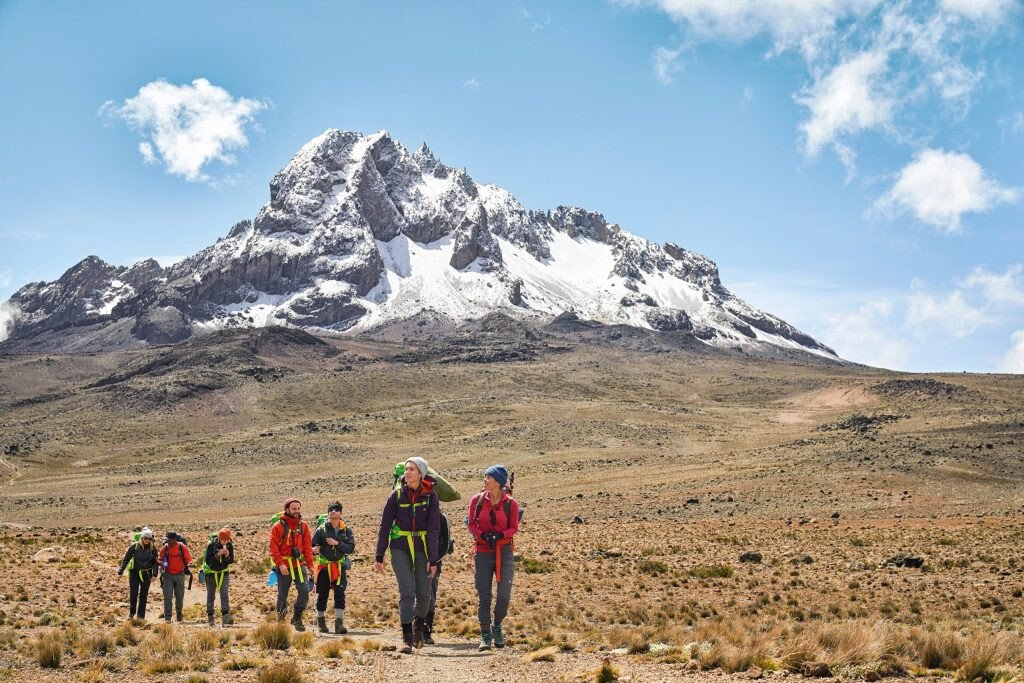
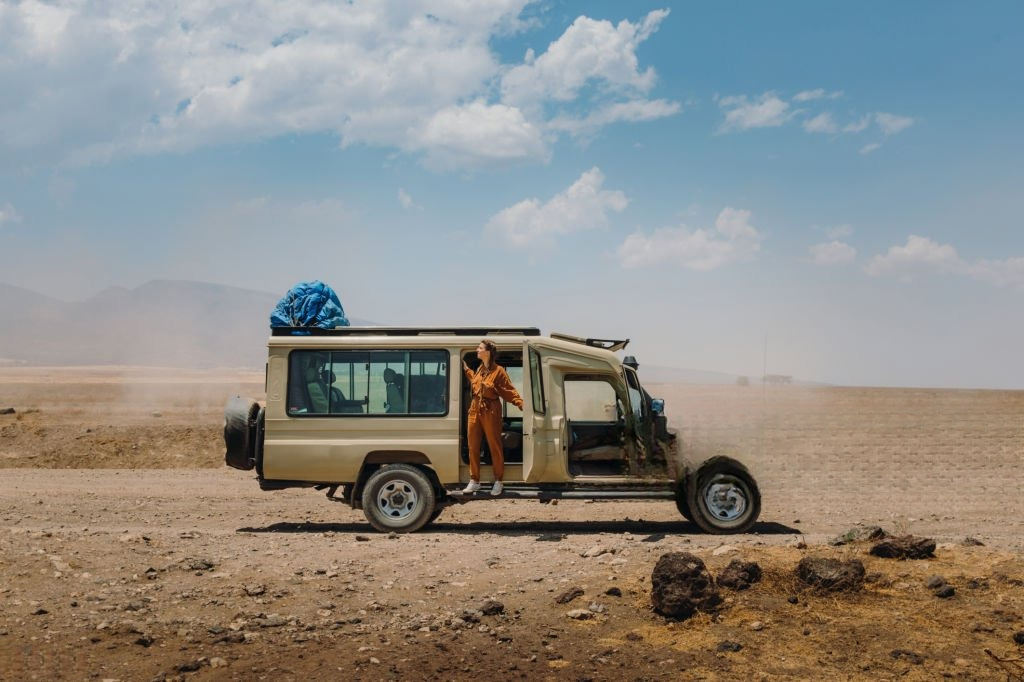
Understanding Kilimanjaro Climb Costs: A Detailed 2026-2027 Outlook
Climbing Mount Kilimanjaro is a dream for many adventurers, a journey to the Roof of Africa that requires careful planning and a realistic budget. When considering the best Kilimanjaro climb costs for 2026-2027, it’s crucial to look beyond just the advertised price. The total expenditure involves numerous components, from park fees and guide salaries to equipment and logistical support. Top Guide Adventures is dedicated to providing transparent pricing and exceptional value, ensuring your climb is not only memorable but also safe and well-supported.
This guide aims to demystify the costs associated with a Kilimanjaro expedition, helping you make an informed decision for your 2026 or 2027 adventure. We’ll explore the factors that influence pricing, what’s typically included, and how to choose an operator that offers the best value for your investment.
Key Factors Influencing Kilimanjaro Trek Costs in 2026-2027
Several elements contribute to the overall cost of a Kilimanjaro climb. Understanding these will help you evaluate different tour packages and identify what drives the price up or down. For 2026-2027, these factors remain consistent:
1. Route Selection: The Foundation of Your Cost
The route you choose significantly impacts the total cost. Different routes vary in length, difficulty, scenery, and acclimatization profiles, all of which affect operational expenses. Longer routes require more days of guiding, porter support, food, and accommodation, naturally increasing the price.
- Marangu Route (Coca-Cola Route): Typically the most affordable due to its shorter duration (5-6 days) and unique hut accommodation. However, its rapid ascent profile is not ideal for acclimatization.
- Machame Route (Whiskey Route): A popular choice offering excellent acclimatization over 6-7 days, with camping. It’s moderately priced, balancing cost and success rate.
- Lemosho Route: Known for its stunning scenery and excellent acclimatization profile, usually spanning 7-8 days. This longer trek comes with a higher price tag due to the extended duration and increased support needed.
- Shira Route: Similar to Lemosho but starts at a higher altitude, potentially impacting acclimatization. Costs are comparable to Lemosho.
- Rongai Route: Approaches from the north, offering a different scenic perspective and drier conditions. It’s often a more budget-friendly option for a 6-7 day trek.
- Northern Circuit: The longest route (9-10 days), providing the best acclimatization and highest success rates. The extended duration and comprehensive support make it one of the most expensive options.
- Umbwe Route: The shortest and steepest route, demanding excellent physical fitness. While shorter, it requires experienced guides and robust support, making its cost variable.
For 2026-2027, we anticipate routes like the Northern Circuit and Lemosho to continue commanding higher prices due to their proven success rates and superior acclimatization, while Marangu and Rongai will remain popular budget-friendly choices.
2. Duration of the Trek
The number of days spent on the mountain is a direct cost driver. More days mean more food, more guide and porter wages, and more logistical planning. While longer treks generally offer better acclimatization and higher summit success rates, they also increase the overall Kilimanjaro climb cost.
- 5-6 Day Treks: Usually the cheapest, but with lower acclimatization and summit success rates.
- 7-8 Day Treks: Offer a good balance of acclimatization, scenery, and cost. These are often the most recommended for a successful summit.
- 9-10 Day Treks: Provide the best acclimatization and highest success rates, but are the most expensive due to the extended time on the mountain.
3. Operator Type: Budget vs. Mid-Range vs. Luxury
The type of tour operator you choose plays a pivotal role in pricing. Operators cater to different market segments, offering varying levels of service, equipment quality, food, and support staff ratios.
- Budget Operators: Often have lower prices by cutting costs on aspects like food quality, porter welfare, guide experience, or equipment. While tempting, these can compromise safety and comfort.
- Mid-Range Operators (like Top Guide Adventures): Strike a balance between quality and cost. They invest in experienced guides, well-paid porters, quality equipment, and good food, ensuring a safe and enjoyable experience without exorbitant prices. Expect prices in the $2,000-$3,500 range for 2026-2027 for standard 7-8 day treks.
- Luxury/Premium Operators: Offer higher-end services, including superior accommodations before and after the climb, more comfortable camping gear, gourmet meals, higher guide-to-client ratios, and specialized support. These come with a significantly higher price tag, potentially $3,500-$5,000+.
4. Inclusions and Exclusions: What’s Covered?
The most significant difference between package prices often lies in what is included. Always scrutinize the inclusions list:
- Park Fees: These are mandatory and set by the Kilimanjaro National Park Authority (KINAPA). They are a substantial portion of the cost and should always be included in a reputable operator’s quote.
- Guide and Porter Salaries: Fair wages and tips are crucial for good service and ethical operations. Some budget operators may underpay their staff, leading to low morale and potential service issues.
- Food and Water: Quality and quantity of meals on the mountain.
- Camping Equipment: Tents, sleeping mats, dining tents.
- Oxygen Systems: Availability of emergency oxygen.
- Accommodation: Before and after the trek (often in Moshi or Arusha).
- Transfers: From the airport to the hotel and from the hotel to the mountain gate.
- Medications and First Aid: Comprehensive kits and trained guides.
- Group Size: Some operators offer private climbs for a premium, while others have set group sizes.
Crucially, ensure park fees are included. If they are not, the advertised price is misleading. For 2026-2027, expect park fees to remain a significant fixed cost.
5. Group Size and Private Treks
Climbing with a group of strangers is generally more affordable than opting for a private climb. Private climbs offer flexibility in scheduling and a more personalized experience but come at a higher per-person cost because the fixed costs (guides, porters, vehicle) are spread over fewer people.
6. Time of Year
While Kilimanjaro is climbable year-round, the dry seasons (January-March and June-October) are peak seasons. During these times, demand is higher, and operators may have slightly higher prices. The shoulder seasons (April-May, November-December) can sometimes offer slightly lower rates, but weather can be more unpredictable.
Estimated Kilimanjaro Climb Costs Breakdown for 2026-2027
To give you a clearer picture, here’s a typical breakdown of costs for a standard 7-day Machame or Lemosho route climb with a reputable mid-range operator like Top Guide Adventures for 2026-2027:
Example Cost Breakdown (per person, 7-day trek)
| Cost Component | Estimated Range (USD) | Notes |
|---|---|---|
| Park Fees (Kinapa) | $700 – $800 | Mandatory, fixed by park authority. Includes camping, rescue, conservation fees. |
| Guide & Porter Wages | $300 – $500 | Fair wages, covering multiple days of support. |
| Food & Cooking Supplies | $200 – $350 | All meals and snacks on the mountain. |
| Equipment Rental (Tent, Mat) | $50 – $100 | If not provided or bringing your own. |
| Ground Transport (Transfers) | $100 – $150 | Airport, hotel to gate, gate to hotel. |
| Accommodation (Pre/Post Climb) | $100 – $200 | 2 nights in a comfortable hotel. |
| Operator Margin & Support | $500 – $1,000+ | Covers office staff, marketing, safety equipment, emergency protocols, profit. |
| Subtotal (Operator Package) | $1,950 – $3,100+ | Core trekking package cost. |
| Tips for Crew | $250 – $400 | Highly recommended, often a significant portion of crew income. |
| Personal Gear Purchase/Rental | $100 – $300 | Sleeping bag, hiking poles, warm clothing. |
| Travel Insurance | $100 – $200 | Essential for high-altitude trekking and medical evacuation. |
| Flights to Tanzania | $800 – $1,500+ | Varies greatly based on origin and booking time. |
| Visa & Vaccinations | $50 – $150 | Depending on nationality and health advice. |
| TOTAL ESTIMATED COST | $3,250 – $5,650+ | Comprehensive budget including flights and extras. |
Note: Prices are estimates for 2026-2027 and can fluctuate. Always get a detailed quote from your chosen operator.
Understanding Park Fees (KINAPA) for 2026-2027
Park fees are a non-negotiable and substantial part of your Kilimanjaro climb cost. These fees are set by the Tanzania National Parks Authority (TANAPA) and Kilimanjaro National Park Authority (KINAPA) and are subject to change. For 2026-2027, you can expect fees to remain in a similar range, comprising:
- Camping Fees: Charged per person per night for camping on the mountain.
- Crater Fees: Applicable if your route goes via the crater.
- Rescue Fees: A mandatory fee for rescue services.
- Conservation Fees: A daily fee per person.
Reputable operators will always include these fees in their package price. Be wary of operators who quote significantly lower prices without clearly itemizing park fees, as they might be cutting corners elsewhere or expecting you to pay them separately.
The Importance of Crew Wages and Tips
Your guides, porters, and cooks are the backbone of your Kilimanjaro expedition. Fair wages are essential for their well-being and motivation, directly impacting your safety and enjoyment. Most reputable operators pay their crew a living wage, which is reflected in their pricing. Tips are customary and expected, forming a significant portion of the crew’s income. While not always included in the initial quote, budget between $250 to $400 per climber for tips in 2026-2027, distributed among the guide, assistant guides, cook, and porters. Your tour operator will provide a recommended tipping structure.
What Top Guide Adventures Includes in Our Kilimanjaro Climb Costs
At Top Guide Adventures, we believe in transparency and providing comprehensive value. Our Kilimanjaro climb costs for 2026-2027 are designed to ensure a safe, comfortable, and successful trek. A typical package includes:
- Experienced, Licensed Guides: Certified in wilderness first aid and with extensive knowledge of Kilimanjaro.
- Quality Porter and Cook Support: We ensure our porters are well-equipped, well-fed, and fairly compensated.
- All Park and Rescue Fees: No hidden charges for KINAPA fees.
- All Meals on the Mountain: Nutritious and delicious food prepared by our cooks.
- Quality Camping Equipment: Sturdy tents, comfortable sleeping mats, dining tent, and table/chairs.
- Boiled Drinking Water: Provided daily on the trek.
- Accommodation: 2 nights in a comfortable hotel in Moshi/Arusha before and after the climb.
- Ground Transportation: All necessary transfers, including airport pickups.
- Emergency Oxygen: Available for medical emergencies.
- Briefings: Pre-climb briefings to prepare you thoroughly.
We are committed to responsible tourism, which includes fair treatment of our staff and minimizing our environmental impact. This commitment is reflected in our pricing, ensuring you receive excellent service and support throughout your journey.
Choosing the Right Kilimanjaro Route for Your Budget and Goals (2026-2027)
Selecting the right route is a critical decision that balances your budget, time constraints, and desire for a successful summit. For 2026-2027, the following routes offer different cost-benefit analyses:
Budget-Conscious Routes
If your primary concern is the Kilimanjaro climb cost, consider these options:
- Marangu Route (5-6 days): The most budget-friendly due to its shorter duration and unique hut accommodation, eliminating camping gear costs. However, its steep ascent profile means a lower success rate.
- Rongai Route (6-7 days): Offers a good balance of cost and acclimatization, approaching from the drier northern side. It’s often slightly cheaper than Machame or Lemosho for similar durations.
Pros: Lower upfront cost, quicker completion.
Cons: Lower acclimatization, higher risk of altitude sickness, potentially less scenic variety.
Mid-Range & Balanced Routes
These routes offer a good compromise between cost, acclimatization, scenery, and success rates, making them ideal for many trekkers in 2026-2027.
- Machame Route (6-7 days): Consistently popular for its “climb high, sleep low” acclimatization profile and stunning views. A 7-day Machame trek is often considered the sweet spot for many climbers.
- Shira Route (7-8 days): Similar to Lemosho but starts higher. Offers good acclimatization but can be challenging due to the initial high altitude.
Pros: Good acclimatization, higher success rates than budget routes, excellent scenery, moderate cost.
Cons: Requires more days and thus a higher cost than budget options.
Premium & High Success Rate Routes
For those prioritizing acclimatization and the highest chance of reaching Uhuru Peak, these longer routes are recommended, though they come with a higher Kilimanjaro climb cost.
- Lemosho Route (7-8 days): Highly recommended for its beautiful scenery, excellent acclimatization, and high success rate. The 8-day Lemosho variant offers superior acclimatization.
- Northern Circuit (9-10 days): The longest route, circumnavigating the mountain and offering the most gradual ascent and best acclimatization. This route boasts the highest success rates and offers unparalleled views.
- Umbwe Route (6-7 days): While shorter, its steepness requires expert guiding and support, making it less about budget and more about a challenging, direct ascent. Not typically recommended for first-time high-altitude trekkers.
Pros: Best acclimatization, highest summit success rates, most scenic, more comfortable pace.
Cons: Longest duration, highest overall cost.
When planning for 2026-2027, consider how many days you can dedicate. A 7-day trek on Machame or Lemosho often represents the best value for a successful and enjoyable climb.
Additional Costs to Factor into Your Kilimanjaro Budget for 2026-2027
Beyond the tour operator’s package, several other expenses contribute to your total Kilimanjaro climb cost. These are often overlooked but are crucial for a complete budget.
1. Flights to Tanzania
International flights to Kilimanjaro International Airport (JRO) are a significant expense. Prices vary widely based on your departure city, airline, time of booking, and season. For 2026-2027, booking flights at least 6-9 months in advance is advisable to secure better fares.
2. Travel Insurance
Comprehensive travel insurance is non-negotiable. It must cover high-altitude trekking, emergency medical evacuation (including helicopter rescue), trip cancellation, and medical expenses. Ensure your policy specifically covers altitudes up to 5,895 meters (19,341 feet). Expect to pay $100-$200 for adequate coverage in 2026-2027.
3. Visas and Vaccinations
Most nationalities require a visa for Tanzania. This can often be obtained upon arrival or pre-arranged online. Costs vary but are typically around $50-$100. Consult your doctor regarding recommended vaccinations (e.g., Yellow Fever, Hepatitis A, Typhoid) and malaria prophylaxis. Factor in $50-$100 for these consultations and any required shots.
4. Personal Gear
While operators provide tents and communal gear, you’ll need personal equipment. This includes:
- High-quality sleeping bag (rated to -15°C or 0°F)
- Waterproof and windproof outer layers (jacket and trousers)
- Insulating layers (fleece, down jacket)
- Warm hat and gloves
- Sturdy hiking boots (broken in!)
- Headlamp
- Trekking poles
- Sunscreen, sunglasses, lip balm
- Water bottles or hydration reservoir
You can rent some items like sleeping bags and poles in Moshi, but investing in your own high-quality gear ensures comfort and performance. Budget $100-$300+ for purchasing or renting personal gear in 2026-2027.
5. Tips for the Crew
As mentioned, tipping is a crucial part of the Kilimanjaro culture. A reasonable estimate for 2026-2027 is $250-$400 per climber for a 7-8 day trek. This is distributed among the lead guide, assistant guides, cook, and porters. Your operator will provide a detailed guideline.
6. Pre/Post-Climb Accommodation and Meals
While most packages include 2 nights of accommodation, you might want to extend your stay in Moshi or Arusha. Additional hotel nights, meals, and personal expenses (souvenirs, drinks) should also be factored in.
How to Get the Best Value for Your Kilimanjaro Climb Costs in 2026-2027
Achieving the best Kilimanjaro climb costs doesn’t mean choosing the absolute cheapest option. It means finding an operator that offers the best balance of safety, quality, ethical practices, and price. Here’s how to ensure you get great value:
- Research Operators Thoroughly: Look for companies with a strong reputation, positive reviews (on platforms like TripAdvisor), and a clear commitment to safety and sustainability.
- Compare Inclusions Carefully: Don’t just compare the headline price. Ensure park fees, meals, accommodation, transfers, and emergency support are clearly itemized.
- Prioritize Safety: A slightly higher cost for an operator with experienced guides, proper safety equipment (like oxygen), and good staff-to-client ratios is well worth it. Altitude sickness is a serious risk, and good preparation is key.
- Check Staff Welfare Policies: Ethical operators ensure their guides and porters are well-paid, well-fed, and properly equipped. This is often a differentiator between budget and responsible tour companies.
- Ask Questions: Don’t hesitate to contact potential operators with your queries. A responsive and informative company is a good sign. For Top Guide Adventures, feel free to reach out via WhatsApp +255616946642 or Email topguideadventures@gmail.com.
- Consider Group Departures: Joining a scheduled group departure can often reduce costs compared to a private climb. Check for Kilimanjaro group departures 2026 and Kilimanjaro group departures 2027 with operators like Top Guide Adventures.
Saving Money on Your Kilimanjaro Climb Without Compromising Safety
While cutting costs is tempting, compromising safety or ethical standards is never advisable on Kilimanjaro. Here are smart ways to save:
- Book in Advance: Especially for flights and potentially for your tour operator, booking early can secure better prices and availability for 2026-2027.
- Travel in Shoulder Seasons: If your schedule allows, consider trekking during the slightly less popular months (e.g., November, April/May, though April/May can be very wet).
- Choose a 7-Day Route: Opting for a 7-day trek (like Machame or Lemosho) offers a great balance of acclimatization and cost compared to longer or shorter options.
- Rent Gear Instead of Buying: If you don’t plan on extensive future trekking, renting specialized items like sleeping bags or down jackets can save money.
- Pack Smartly: Avoid overpacking. Every kilogram counts for porters, and you don’t want to carry unnecessary weight.
- Leverage Group Discounts: If traveling with friends or family, inquire about group discounts.
When to Book Your Kilimanjaro Climb for 2026-2027
Booking your Kilimanjaro adventure well in advance is crucial for securing your preferred dates, routes, and operators, especially for 2026 and 2027. Peak seasons (June-October, January-February) fill up quickly.
- Ideal Booking Window: Aim to book 6-12 months before your intended climb date. This gives you ample time to plan, save, train, and make necessary arrangements like flights and visas.
- Last-Minute Bookings: While sometimes possible, last-minute bookings (within 3 months) can limit your choices and may incur higher prices, especially for flights.
For popular Kilimanjaro group departures 2026 or Kilimanjaro group departures 2027, booking even earlier is recommended.
Kilimanjaro Climb Costs vs. Success Rates: Making the Right Choice
It’s a common misconception that higher costs automatically guarantee summit success. However, there is a strong correlation between the cost of a trek and factors that contribute to success, primarily:
- Route Choice: Longer routes with better acclimatization profiles (e.g., Lemosho, Northern Circuit) lead to higher success rates.
- Duration: More days on the mountain allow for better acclimatization.
- Guide Experience: Skilled guides can recognize and manage altitude sickness effectively.
- Pace: A slow and steady pace, managed by the guide, is crucial.
- Support Crew: Adequate porters ensure you are well-supplied and can focus on climbing.
- Safety Protocols: Availability of oxygen, communication, and evacuation plans.
While budget operators might offer lower Kilimanjaro climb costs, they often compromise on duration, guide experience, or safety equipment, which can negatively impact your success rate and, more importantly, your safety. Top Guide Adventures prioritizes safety and success, using longer routes and experienced staff, which is reflected in our competitive pricing for 2026-2027.
Is Kilimanjaro Worth the Cost?
Absolutely. The journey to the summit of Kilimanjaro is more than just a physical challenge; it’s a profound personal achievement. The stunning landscapes, the unique flora and fauna, the camaraderie with your fellow climbers and crew, and the sheer satisfaction of reaching the Roof of Africa make the investment in Kilimanjaro climb costs incredibly worthwhile. It’s an experience that stays with you for a lifetime.
For 2026 and 2027, planning ahead will ensure you get the best possible experience. We at Top Guide Adventures are here to help you plan every step of the way, offering personalized advice and competitive pricing for your Kilimanjaro adventure. Contact us to discuss your dream climb!
Ready to Plan Your Kilimanjaro Climb for 2026-2027?
Let Top Guide Adventures help you craft the perfect Kilimanjaro experience. We offer a range of routes and tailor-made itineraries to suit your budget and goals. Get in touch for a personalized quote and expert advice:
- WhatsApp: +255616946642
- Email: topguideadventures@gmail.com
- Backup Email: info@topguideadventurestanzania.com
- Website: Top Guide Adventures Tanzania
We look forward to helping you conquer Kilimanjaro!
“,
“faq_schema”: [
{
“question”: “What is the average cost for a Kilimanjaro climb in 2026-2027?”,
“answer”: “The average cost for a Kilimanjaro climb in 2026-2027 typically ranges from $1,800 to $4,500+ per person. This price varies significantly based on the chosen route, trek duration, operator’s service level, and what is included in the package. Shorter, less popular routes tend to be cheaper, while longer, more scenic routes with better acclimatization and higher success rates, offered by reputable operators, will be at the higher end of this range.”
},
{
“question”: “What factors influence Kilimanjaro trek prices?”,
“answer”: “Key factors influencing Kilimanjaro trek prices include the chosen route (e.g., Marangu, Machame, Lemosho), the duration of the trek (more days = higher cost), the type of tour operator (budget, mid-range, luxury), the inclusions (park fees, meals, guides, porters, transfers), group size (private vs. group treks), and the time of year.”
},
{
“question”: “Are park fees included in the Kilimanjaro climb cost?”,
“answer”: “Reputable tour operators, including Top Guide Adventures, will always include mandatory Kilimanjaro National Park fees (KINAPA fees) in their quoted price. These fees are substantial and cover camping, rescue services, and conservation. Always verify that park fees are explicitly included in any quote you receive for 2026-2027.”
},
{
“question”: “What are the cheapest routes on Kilimanjaro?”,
“answer”: “The Marangu Route (often called the Coca-Cola route) and the Rongai Route are generally considered the most budget-friendly options for climbing Kilimanjaro. They are often shorter (5-7 days) and may have slightly lower operational costs, making them attractive for those on a tighter budget for their 2026-2027 trek.”
},
{
“question”: “What is the recommended duration for a Kilimanjaro climb to ensure success?”,
“answer”: “To maximize your chances of summit success and ensure good acclimatization, a trek duration of 7 to 8 days is highly recommended. Routes like the Machame, Lemosho, or Shira over 7-8 days offer a better acclimatization profile compared to shorter 5 or 6-day treks, significantly increasing your probability of reaching Uhuru Peak safely in 2026-2027.”
},
{
“question”: “How much should I budget for tips for the Kilimanjaro crew in 2026-2027?”,
“answer”: “Tipping the guide, assistant guides, cook, and porters is customary and a significant part of their income. For a standard 7-8 day trek in 2026-2027, budget approximately $250 to $400 per climber. Your tour operator will provide a recommended tipping structure, but it’s wise to have this amount in cash (USD is acceptable) for the end of the trek.”
},
{
“question”: “What additional costs should I consider besides the tour package?”,
“answer”: “Beyond the tour package, you should budget for international flights to Tanzania, travel insurance (crucial for high-altitude evacuation), visa fees, vaccinations, personal trekking gear (rental or purchase), tips for the crew, and any extra accommodation or meals before/after the climb. These can add several hundred to over a thousand dollars to your total Kilimanjaro climb cost.”
},
{
“question”: “When is the best time to book my Kilimanjaro climb for 2026 or 2027?”,
“answer”: “It is advisable to book your Kilimanjaro climb for 2026 or 2027 at least 6-12 months in advance. This ensures availability for your preferred dates and routes, allows you to secure better flight prices, and gives you ample time for training and preparation. Popular dates and group departures fill up quickly.”
},
{
“question”: “What does Top Guide Adventures include in their Kilimanjaro climb costs?”,
“answer”: “Top Guide Adventures typically includes experienced licensed guides, quality porter and cook support, all park and rescue fees, all meals on the mountain, quality camping equipment, boiled drinking water, pre/post-climb hotel accommodation, ground transportation, emergency oxygen, and pre-climb briefings. Our aim is to provide a safe, comprehensive, and value-driven Kilimanjaro experience for 2026-2027.”
},
{
“question”: “Is a more expensive Kilimanjaro climb more likely to succeed?”,
“answer”: “While not a guarantee, higher-priced treks from reputable operators often correlate with higher success rates. This is because they typically use longer routes with better acclimatization, employ more experienced guides, provide better safety equipment (like oxygen), and ensure adequate support crew, all of which are critical factors for reaching the summit safely in 2026-2027.”
}
]
}
“`
Check Availability for Best Beklimmen Kilimanjaro Kosten 2026-2027
Ready to compare dates, prices, and the best option for your group? Send the package name and travel month so the team can reply with a clear quote, availability, and what is included.
Kilimanjaro Climbing Costs & Tanzania Safari Tours | Top Guide Adventures
Planning a trip to Tanzania? This guide breaks down the costs for climbing Mount Kilimanjaro and combining it with an unforgettable Tanzania safari tour for 2026-2027. Learn about pricing...
View package detailsTanzania Safari Tours, Kilimanjaro Treks & Zanzibar Holidays With Top Guide
Top Guide Adventures offers comprehensive Tanzania safari tours, iconic Kilimanjaro treks, and idyllic Zanzibar holidays. Discover the best of East Africa with personalized itineraries...
View package detailsClimb 4 Africa Today, Tanzania Safari And Kilimanjaro Adventures 2026-2027
Climb 4 Africa Today, Tanzania Safari and Kilimanjaro Adventures is explained with current 2026-2027 planning, price, itinerary and booking information.
View package detailsDiscount Tanzania Treks And Affordable Safari Packages In 2026-2027
Discover how to plan discount Tanzania treks and affordable safari packages for your 2026-2027 adventure. This comprehensive guide covers budget-friendly options for iconic destinations...
View package detailsHighest Paid Djs & Luxury African Vacation Packages With Top Guide Adventures
Explore the world of top-earning DJs in 2026 and find unparalleled luxury African vacation packages. Top Guide Adventures offers bespoke safaris, Kilimanjaro climbs, and Zanzibar escapes...
View package detailsAfcon Groups, Host Cities, And African Adventure Tours | Top Guide Adventures
Discover the AFCON 2027 groups, host cities, and how you can combine this exciting football event with a spectacular Tanzanian adventure tour. Top Guide Adventures offers tailored safaris...
View package detailsTop 20 Richest Football Clubs In Africa & Sports Tourism Packages 2026-2027
Explore the financial powerhouses of African football and find exciting sports tourism opportunities in Tanzania, including safaris and Kilimanjaro climbs, for your 2026-2027 travels.
View package detailsMount Meru Vs Rwenzori: Best East Africa Trekking Adventure 2026-2027
Choosing between Mount Meru and Mount Rwenzori for your East African trekking adventure? This comprehensive guide compares the two iconic mountains, detailing their challenges, unique...
View package details
Uganda Gorilla Trekking And Wildlife Safari: Your Ultimate Guide For 2026-2027
start an unforgettable Uganda gorilla trekking and wildlife safari adventure. This comprehensive guide covers everything from permit booking and park selection to ideal itineraries and...
View package detailsNo related package matches those filters. Clear one or more filters to see the other topic-matched options.



