
The Kilimanjaro hike elevation culminates at the summit of Uhuru Peak, standing at an impressive 5,895 meters (19,341 feet) above sea level. Understanding this significant elevation is crucial, as it dictates the acclimatization challenges, the distinct ecological zones you will pass through, and the overall difficulty of your trek, especially when planning for expeditions in 2026 or 2027.
The Majestic Scale: Kilimanjaro’s Height Revealed
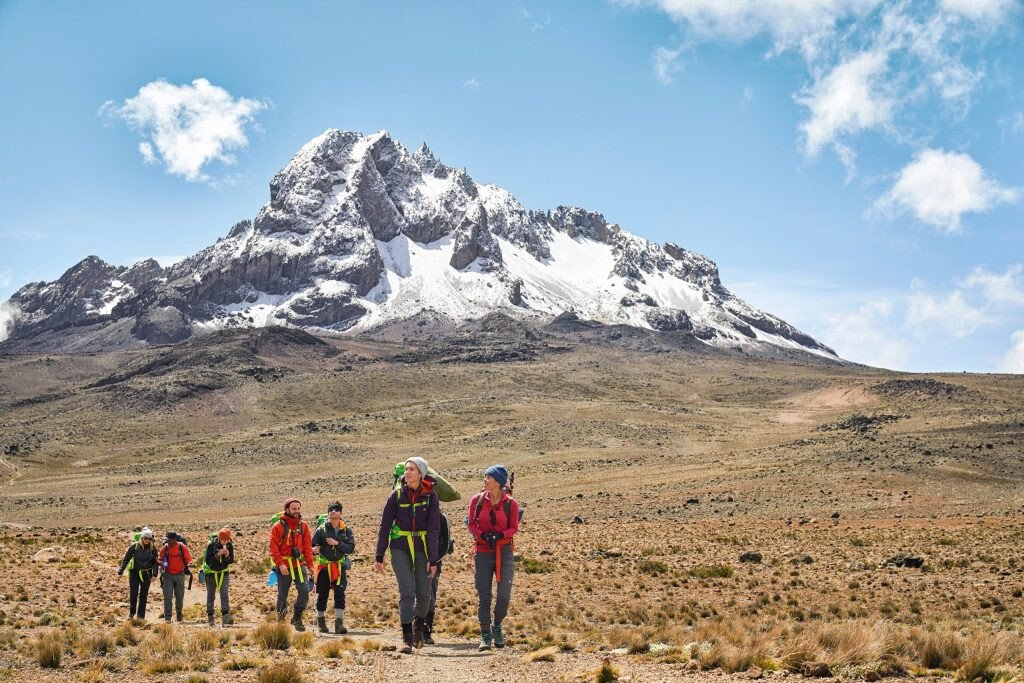
Mount Kilimanjaro, often referred to as the “Roof of Africa,” is not just a mountain; it’s a geological marvel and a bucket-list destination for trekkers worldwide. Its sheer scale is immediately apparent, but grasping the Kilimanjaro hike elevation is fundamental to preparing for the journey. The mountain’s summit, Uhuru Peak on the Kibo crater rim, reaches an astonishing 5,895 meters (19,341 feet). This elevation places it among the highest free-standing mountains on Earth and makes it the highest peak in Africa. For context, this is significantly higher than Mont Blanc in the Alps (4,808 meters) and Mount Rainier in the United States (4,392 meters). This substantial height is the primary driver of the physiological challenges climbers face, chief among them being altitude sickness.
When you plan a Kilimanjaro climb, whether for a 2026 expedition or a 2027 adventure, the elevation is not a static figure; it’s a dynamic aspect of your experience that changes hour by hour as you ascend. The journey from the base camp area to the summit involves a dramatic increase in altitude, requiring careful planning and a gradual ascent to allow your body to adapt. The Kilimanjaro hike elevation profile is steep, especially in the final ascent to the summit, making acclimatization paramount.
Navigating Kilimanjaro’s Altitude Zones: A Journey Through Ecosystems
The dramatic increase in Kilimanjaro hike elevation from its base to its summit means the mountain hosts a remarkable diversity of ecosystems. These distinct ecological zones are not just beautiful to observe; they directly influence the trekking experience, the weather you’ll encounter, and the gear you’ll need. Understanding these zones is as important as understanding the Kilimanjaro summit altitude itself.
1. Cultivation Zone (Approx. 800 – 1,800 meters / 2,600 – 5,900 feet)
This is the lowest zone, characterized by fertile volcanic soil that supports agriculture. You’ll see coffee plantations, banana farms, and maize fields. The climate here is warm and humid, with significant rainfall. Most local communities live in this zone. For trekkers, this means starting your journey in a lush, vibrant environment. The initial ascent is usually through dense forest or farmland, often accompanied by a noticeable humidity. The air is rich with oxygen, and the temperature is pleasant, making for a comfortable start to your climb.
2. Rainforest Zone (Approx. 1,800 – 2,800 meters / 5,900 – 9,200 feet)
As you gain elevation, the landscape transforms into a dense, misty rainforest. This zone is characterized by tall trees, ferns, and a rich variety of flora and fauna, including monkeys (like the black-and-white colobus) and various bird species. The Kilimanjaro hike elevation here brings cooler temperatures and higher humidity, often leading to misty conditions and rain, especially in the afternoons. This section of the trek can be muddy and slippery underfoot, requiring good waterproof gear and sturdy hiking boots. The sheer density of the forest can sometimes make you forget you are on the slopes of such a massive mountain, but the increasing altitude is already beginning to take its toll on your body.
3. Heather and Moorland Zone (Approx. 2,800 – 4,000 meters / 9,200 – 13,100 feet)
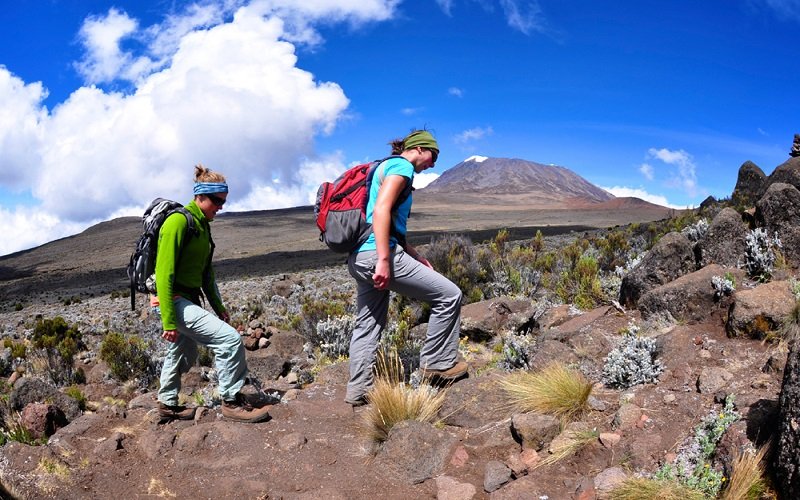
Transitioning out of the rainforest, the vegetation becomes sparser. This zone is dominated by heather, giant groundsels, and lobelias. The landscape opens up, offering spectacular views of the surrounding plains and clouds below. The Kilimanjaro hike elevation gain here is significant, and the air starts to feel noticeably thinner. Temperatures drop considerably, especially at night, and frost can be common. This zone is where many trekkers begin to feel the initial effects of altitude, such as mild headaches or shortness of breath. The terrain becomes more rugged, with rocky paths and scree. This is a critical phase for acclimatization; moving slowly and steadily, known as “pole pole,” is essential.
4. Alpine Desert Zone (Approx. 4,000 – 4,500 meters / 13,100 – 14,750 feet)
Above the moorland, the vegetation all but disappears, giving way to a stark, barren landscape resembling an alpine desert. You’ll find very little plant life, mostly hardy mosses and lichens. This zone is characterized by extreme temperature fluctuations – very cold nights and surprisingly warm, sunny days. The Kilimanjaro hike elevation here is substantial, and the air is very dry and thin. The lack of oxygen becomes a significant factor, and symptoms of altitude sickness are more likely to appear or worsen. Trekkers are often advised to drink copious amounts of water and avoid overexertion. The terrain is predominantly rocky, with scree slopes and volcanic ash.
5. Arctic Zone (Above 4,500 meters / 14,750 feet)
This is the zone of the summit itself, including the crater rim and the final ascent to Uhuru Peak. Above 4,500 meters, there is virtually no vegetation. The landscape is rocky, icy, and snow-covered, especially at the higher elevations. Temperatures are well below freezing, often plummeting to -20°C (-4°F) or lower, particularly at night and during the summit attempt. The Kilimanjaro hike elevation here is extreme, and the air contains only about 50% of the oxygen available at sea level. This zone is the ultimate test of endurance and acclimatization. The summit bid, typically undertaken in the early hours of the morning, is the most challenging part of the climb, pushing climbers to their physical and mental limits against the backdrop of an almost alien, frozen environment.
Understanding Kilimanjaro Summit Altitude and Its Impact
The Kilimanjaro summit altitude of 5,895 meters (19,341 feet) is the primary factor influencing the success and safety of any trek. At this height, the atmospheric pressure is significantly lower than at sea level, meaning there is less oxygen available for your body to absorb with each breath. This physiological stress is what leads to altitude sickness, also known as Acute Mountain Sickness (AMS).
Key Impacts of Kilimanjaro Summit Altitude:
- Reduced Oxygen Availability: At 5,895 meters, the partial pressure of oxygen is about 40-50% of what it is at sea level. This means your body receives significantly less oxygen, impacting energy levels and cognitive function.
- Increased Risk of Altitude Sickness: Symptoms can range from mild (headache, nausea, dizziness) to severe (High Altitude Cerebral Edema – HACE, and High Altitude Pulmonary Edema – HAPE). Proper acclimatization is the best defense.
- Extreme Weather Conditions: The summit is perpetually cold, often with temperatures well below freezing, and subject to high winds and snow.
- Physical Exertion: The combination of steep ascents, thin air, and cold temperatures makes the final push to the summit incredibly demanding.
The goal of any well-planned Kilimanjaro trek is to ascend gradually enough to allow your body to produce more red blood cells, which helps carry oxygen more efficiently. This process, known as acclimatization, is why longer routes are generally associated with higher success rates. For trekkers aiming for 2026 or 2027 climbs, choosing a route of at least 7 days is highly recommended to maximize acclimatization and minimize the risk associated with the Kilimanjaro hike elevation.
Kilimanjaro Hike Elevation and Route Choice: A Crucial Link
The elevation profile of a Kilimanjaro route is a critical factor in determining its difficulty and your chances of reaching the summit. Different routes ascend the mountain at varying rates, impacting acclimatization. Understanding how the Kilimanjaro hike elevation progresses along each path is essential for selecting the right trek for your fitness level and experience.
Here’s a look at how some popular routes handle the elevation:
- Marangu Route (Coca-Cola Route): One of the shortest and most direct routes. It ascends quickly, which can make acclimatization more challenging. It’s also known for its “hut-to-hut” accommodation. While it’s a popular choice due to its perceived ease and shelters, its rapid elevation gain means a lower success rate compared to longer routes.
- Machame Route (Whiskey Route): This is one of the most popular and scenic routes. It follows a “climb high, sleep low” strategy, which is excellent for acclimatization. The route ascends steadily and offers diverse scenery, traversing through all five ecological zones. It is generally considered a more challenging trek than Marangu due to its camping nature and steeper sections, but its acclimatization profile leads to higher success rates. This route is a strong contender for trekkers in 2026-2027 seeking a balance of scenery and success.
- Lemosho Route: Known for its stunning scenery and excellent acclimatization profile, Lemosho is a longer route that begins on the western side of the mountain. It offers a “climb high, sleep low” approach and passes through pristine wilderness before joining the Machame route. Its length provides ample time for the body to adapt to the increasing Kilimanjaro hike elevation.
- Shira Route: Similar to Lemosho but starts at a higher altitude, meaning the first day or two involves descending to a lower camp before beginning the ascent. This higher starting point can be challenging for some.
- Rongai Route: This route approaches Kilimanjaro from the north, offering a different perspective and often drier conditions, especially during the rainy seasons. It’s generally considered a less crowded and gentler ascent compared to Machame, though it has a less pronounced “climb high, sleep low” profile.
- Northern Circuit: The longest route on Kilimanjaro, offering the highest success rates due to its excellent acclimatization opportunities. It circles the mountain, allowing for a very gradual ascent and ample time to adapt to the extreme Kilimanjaro hike elevation. It’s ideal for those prioritizing acclimatization and a less crowded experience.
- Umbwe Route: The shortest and steepest route, offering the most direct and challenging ascent. It has a very poor acclimatization profile and is only recommended for very experienced and fit hikers with prior high-altitude experience.
When selecting a route for your 2026 or 2027 climb, consider the number of days. A 7-day trek on routes like Machame or Lemosho offers a better balance of acclimatization and cost than a shorter 5-day trek. The 8-day Northern Circuit provides the ultimate acclimatization experience.
Key Takeaway for Route Selection:
For most trekkers, especially those new to high altitudes, prioritizing routes that offer longer durations (7-8 days) and “climb high, sleep low” principles will significantly improve your experience and chances of reaching the Kilimanjaro summit altitude. Routes like Machame, Lemosho, and the Northern Circuit Are excellent choices for 2026-2027 expeditions.
The Summit Push: Tackling the Final Elevation Gain
The most critical phase of the Kilimanjaro hike elevation challenge is the summit night. This is typically a pre-dawn start, often around midnight or 1 AM, from the last high camp (e.g., Barafu Camp at around 4,600 meters / 15,090 feet). The goal is to reach Stella Point on the crater rim (around 5,756 meters / 18,885 feet) by sunrise, and then continue to Uhuru Peak (5,895 meters / 19,341 feet).
The ascent is slow and deliberate, often a switchback climb up a steep scree slope. The Kilimanjaro hike elevation gain in this single push is over 1,200 meters (nearly 4,000 feet). The conditions are harsh: extreme cold (often -10°C to -20°C or colder), high winds, and the debilitating effects of severe altitude. Oxygen levels are critically low.
Key aspects of the summit push:
- Pacing: “Pole pole” (slowly, slowly) becomes more important than ever. Small steps, frequent short rests, and focusing on each breath are vital.
- Hydration and Nutrition: Even in the cold, staying hydrated is crucial. Small, frequent sips of water and energy-rich snacks are necessary to maintain energy levels.
- Mental Fortitude: This is as much a mental challenge as a physical one. The combination of exhaustion, cold, and lack of oxygen can be overwhelming.
- Headlamps: Essential for navigating the dark, steep terrain.
- Support Crew: Your guides and porters are there to provide encouragement, support, and monitor your condition closely.
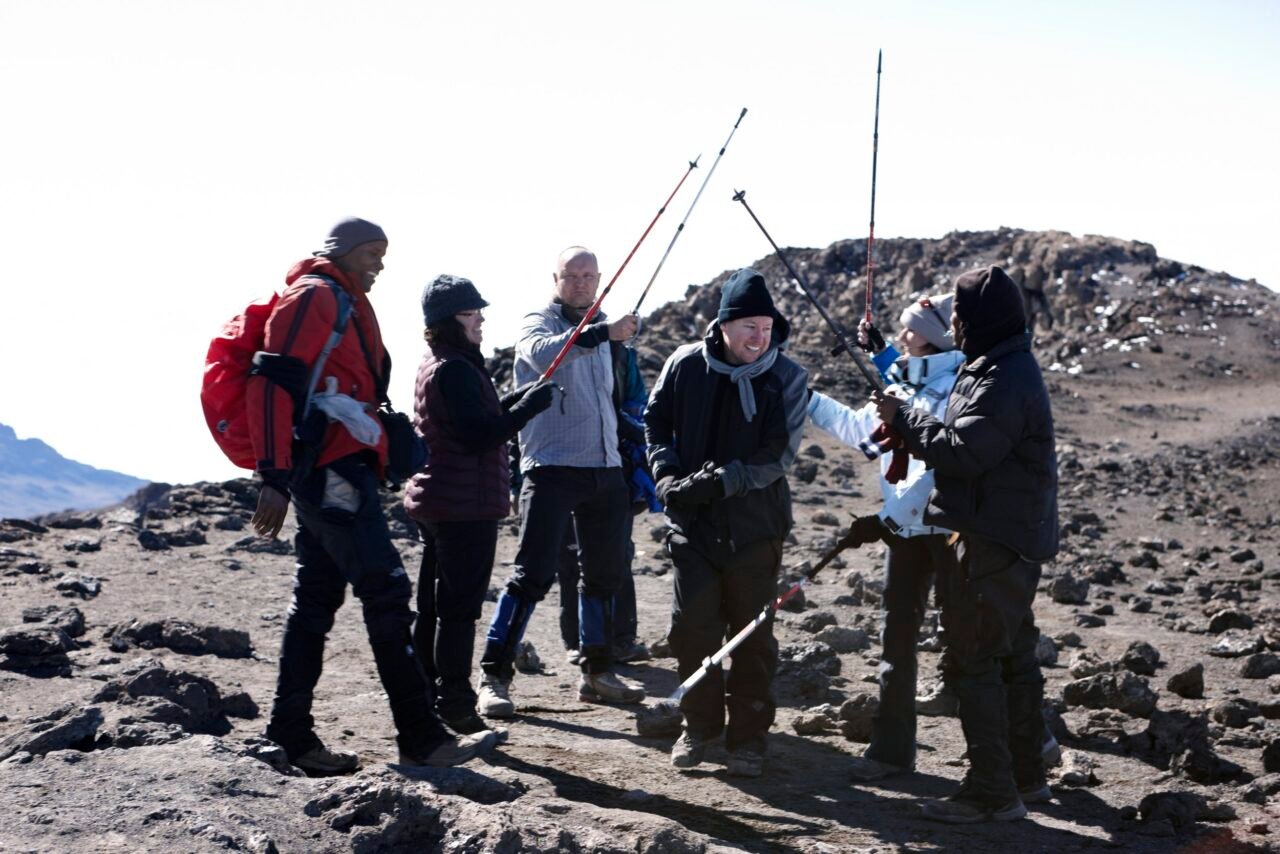
Reaching Stella Point by sunrise is a significant achievement, offering incredible views across the crater and the surrounding clouds. The final 30-45 minute walk to Uhuru Peak is along the crater rim, often with snow and ice. The sense of accomplishment upon reaching the Kilimanjaro summit altitude is immense.
Altitude Sickness: The Primary Challenge of Kilimanjaro’s Elevation
Altitude sickness is the most significant risk associated with climbing Kilimanjaro, directly linked to its imposing Kilimanjaro hike elevation. It’s a condition that affects almost everyone to some degree when ascending rapidly to high altitudes. Understanding its causes, symptoms, and prevention is paramount for any trekker planning a climb, especially for future expeditions in 2026 and 2027.
What is Altitude Sickness?
AMS occurs when the body cannot acclimatize quickly enough to the lower oxygen levels at higher altitudes. Symptoms are often compared to a severe hangover and can include:
- Headache
- Nausea and vomiting
- Dizziness and lightheadedness
- Fatigue and weakness
- Loss of appetite
- Difficulty sleeping
While mild symptoms are common and can often be managed by descending slightly or resting, severe forms can be life-threatening. The most dangerous forms are High Altitude Cerebral Edema (HACE), where fluid builds up in the brain, and High Altitude Pulmonary Edema (HAPE), where fluid accumulates in the lungs. Both conditions require immediate descent.
Prevention and Management Strategies:
- Gradual Ascent: This is the single most effective preventive measure. Choosing longer routes (7-8 days) that allow for a slower rate of ascent significantly reduces risk.
- “Pole Pole”: Ascending slowly, taking small steps, and resting frequently.
- Hydration: Drinking plenty of fluids (3-4 liters per day) helps the body acclimatize.
- Avoid Alcohol and Smoking: These hinder acclimatization.
- Medication: Diamox (Acetazolamide) is a prescription medication that can aid acclimatization. Consult your doctor well in advance of your 2026 or 2027 climb.
- Listen to Your Body and Guides: Report any symptoms immediately to your guide. They are trained to assess and manage altitude sickness. Descent is the only cure for severe altitude sickness.
For many, the Kilimanjaro hike elevation is a personal challenge, and respecting the altitude is key to a safe and successful trek. Top Guide Adventures prioritizes client safety, ensuring guides are well-trained in altitude management and route selection that supports acclimatization.
Practical Planning for Kilimanjaro’s Elevation in 2026-2027
Planning a Kilimanjaro climb involves more than just booking a trip; it requires careful consideration of how the mountain’s elevation will affect your journey. As you look towards climbing in 2026 or 2027, here are practical planning points:
Fitness and Training
While Kilimanjaro is not technically difficult on most routes, the sustained effort at high altitude requires excellent cardiovascular fitness. Focus on endurance training: hiking with a weighted backpack, long walks, running, cycling, and stair climbing. The goal is to build stamina to handle prolonged periods of exertion in a low-oxygen environment. Remember, your ability to cope with the Kilimanjaro hike elevation is significantly enhanced by good physical conditioning.
Choosing the Right Time to Climb
The best times to climb Kilimanjaro are during the dry seasons: January-March and June-October. These periods offer the most stable weather and clearer skies, making the ascent more pleasant and safer. While it’s possible to climb during the rainy seasons (April-May and November), the Kilimanjaro hike elevation is compounded by slippery trails, reduced visibility, and colder, wetter conditions.
Gear Essentials for High Altitude
Appropriate gear is non-negotiable, especially given the extreme temperature variations across Kilimanjaro’s elevation zones. Key items include:
- Layered Clothing: Base layers (thermal underwear), mid-layers (fleece), and outer layers (waterproof and windproof jacket and trousers).
- Insulated Jacket: A warm down or synthetic jacket for cold evenings and the summit push.
- Footwear: Sturdy, broken-in hiking boots with good ankle support and waterproof capabilities.
- Headwear: Warm hat, sun hat, and a balaclava or neck gaiter for extreme cold.
- Gloves: Warm, waterproof gloves and liner gloves.
- Sleeping Bag: A 4-season sleeping bag rated for at least -15°C (0°F).
- Trekking Poles: Highly recommended for reducing strain on knees and improving balance on descents and ascents.
- Headlamp: With extra batteries.
Acclimatization Strategies
As discussed, longer routes (7-8 days) are the best strategy for acclimatization. For 2026-2027 expeditions, consider booking a longer itinerary. Hydration, “pole pole” pacing, and potentially Diamox (after consulting a doctor) are vital. Your guides will constantly monitor your condition.
Booking Your Kilimanjaro Adventure
When booking your Kilimanjaro hike, especially for popular years like 2026 and 2027, it’s wise to book in advance. Look for reputable tour operators like Top Guide Adventures that prioritize safety, employ experienced guides, and offer well-structured itineraries designed to manage the Kilimanjaro hike elevation effectively. They provide comprehensive pre-climb information, ensuring you are well-prepared for the altitude, the conditions, and the physical demands.
Kilimanjaro Trekking Costs: Factors Influencing Price
The cost of a Kilimanjaro climb can vary significantly based on several factors, with the duration of the trek being a primary driver, directly related to acclimatization and Kilimanjaro hike elevation management. Generally, longer treks (7-8 days) are more expensive than shorter ones (5-6 days) because they involve more days of guiding, porters, park fees, food, and accommodation.
Typical inclusions in a reputable operator’s package (like Top Guide Adventures) often cover:
- Park entrance fees (Kilimanjaro National Park)
- Camping fees or hut fees
- All meals during the trek
- Trained guides and assistant guides
- Porters and cook
- Equipment (tents, cooking gear)
- Transfer to and from the mountain
- Emergency oxygen and first-aid kit
Factors influencing pricing for 2026-2027 climbs:
- Route Choice: Longer routes are more expensive.
- Duration: More days mean higher costs.
- Group Size: Private climbs are more expensive per person than group climbs.
- Operator’s Reputation and Inclusions: High-quality operators with better safety standards and more comprehensive inclusions will naturally cost more.
Estimated Price Range (for 2026-2027): For a reputable operator offering a 7-day trek, expect prices to range from approximately $1,800 to $3,000+ per person. Shorter treks may be slightly less, while longer, more exclusive treks can be considerably more. Always clarify what is included and excluded.
For a personalized quote for your 2026 or 2027 Kilimanjaro adventure, contact Top Guide Adventures directly. They offer tailor-made options to suit your needs.
Your Kilimanjaro Elevation Journey Awaits
Reaching the summit of Kilimanjaro is a profound achievement, a testament to your physical and mental endurance against the formidable Kilimanjaro hike elevation. Understanding the mountain’s height, its distinct ecological zones, and the physiological challenges of altitude is the first step towards a successful and rewarding climb. Whether you are planning for 2026 or 2027, choosing the right route, preparing adequately, and partnering with experienced professionals are key.
Top Guide Adventures is dedicated to providing safe, memorable, and successful Kilimanjaro expeditions. Our team of expert guides is well-versed in managing altitude, ensuring you have the best possible chance of reaching Uhuru Peak while enjoying the incredible journey through Kilimanjaro’s diverse landscapes. Let us help you plan your ultimate African adventure.
For inquiries about climbing Kilimanjaro, custom itineraries, or to get a quote for your 2026-2027 trek, please reach out to us:
- WhatsApp: +255616946642
- Email: Topguideadventures@gmail.com
- Backup Email: Info@topguideadventures.com
Visit our website Top Guide Adventures Tanzania To explore our Kilimanjaro climbing packages and start planning your ascent of Africa’s highest peak.
Check Availability for Kilimanjaro Hike Elevation: Understanding The Summit Ascent And Altitude…
Ready to compare dates, prices, and the best option for your group? Send the package name and travel month so the team can reply with a clear quote, availability, and what is included.
Best Kilimanjaro Hike Routes 2026-2027
Best kilimanjaro hike routes is explained with current 2026-2027 planning, price, itinerary and booking information.
View package details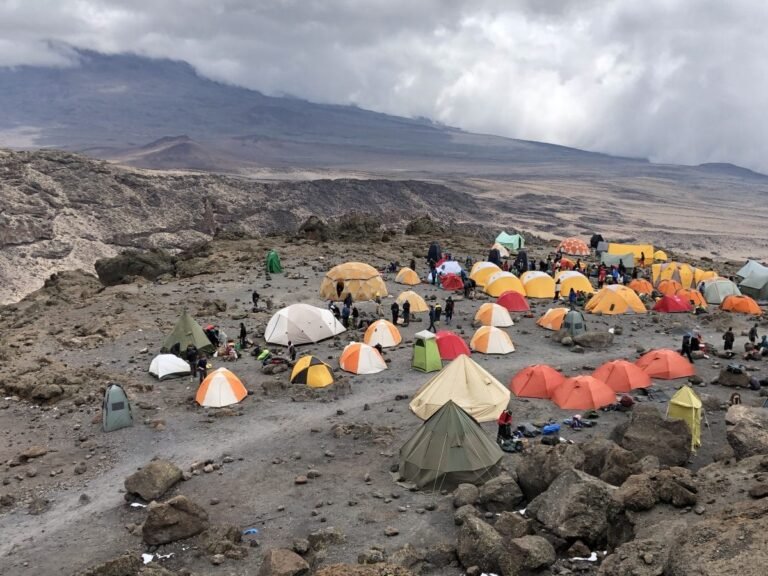
Kilimanjaro Elevation Gain: Understanding The Vertical Challenge 2026-2027
Climbing Mount Kilimanjaro involves significant elevation gain, a critical factor in understanding the trek's challenge. This guide breaks down the vertical ascent for each major route...
View package details
8-Day Vs 9-Day Kilimanjaro Climb Guide
Choosing between an 8-day and a 9-day Kilimanjaro climb hinges on acclimatization, success rates, and your personal pace. While both routes ascend Africa's highest peak, the extra day on a...
View package details
Best Climb Kilimanjaro Cost 2026-2027
Best climb kilimanjaro cost is explained with current 2026-2027 planning, price, itinerary and booking information.
View package details
Best Climb Kilimanjaro Routes 2026-2027
Best climb kilimanjaro routes is explained with current 2026-2027 planning, price, itinerary and booking information.
View package details
Best Cost Climb Kilimanjaro 2026-2027
Best cost climb kilimanjaro is explained with current 2026-2027 planning, price, itinerary and booking information.
View package details
Best Kilimanjaro Cost: Understanding Your Trek Budget 2026-2027
Planning your Kilimanjaro climb involves understanding the costs involved. This comprehensive guide breaks down the best Kilimanjaro cost factors for 2026-2027, helping you budget...
View package details
Best Kilimanjaro Cost: Your Guide To Trekking Prices 2026-2027
Planning a Kilimanjaro climb in 2026 or 2027? This comprehensive guide breaks down the best Kilimanjaro cost, detailing what influences pricing, essential inclusions, and how to choose a...
View package details
Best Kilimanjaro Full Moon Treks For | Top Guide Adventures 2026-2027
Climbing Kilimanjaro during a full moon offers a magical summit experience. Learn about the best routes, timings, and how Top Guide Adventures can make your 2026-2027 full moon trek...
View package details
Best Kilimanjaro Hiking Cost 2026-2027
Best kilimanjaro hiking cost is explained with current 2026-2027 planning, price, itinerary and booking information.
View package detailsBest Kilimanjaro Hiking Routes 2026-2027
Best kilimanjaro hiking routes is explained with current 2026-2027 planning, price, itinerary and booking information.
View package detailsBest Kilimanjaro Moon Trekking For : Your Ultimate Guide 2026-2027
Planning a Kilimanjaro trek under the glow of the moon offers an unparalleled experience. This guide details the optimal periods for a moonlit ascent in 2026 and 2027, focusing on routes...
View package detailsNo closely related package is available for this topic yet.



