
Kilimanjaro tours with high-altitude safety support are designed to mitigate the risks associated with extreme elevation through expert guidance, acclimatization strategies, and emergency preparedness, ensuring climbers can safely reach the summit. Prioritizing this support involves choosing reputable operators who employ experienced guides trained in high-altitude medicine, provide adequate oxygen supplies and medical kits, and adhere to strict safety protocols throughout the ascent, a crucial consideration for planning your 2026-2027 climb.
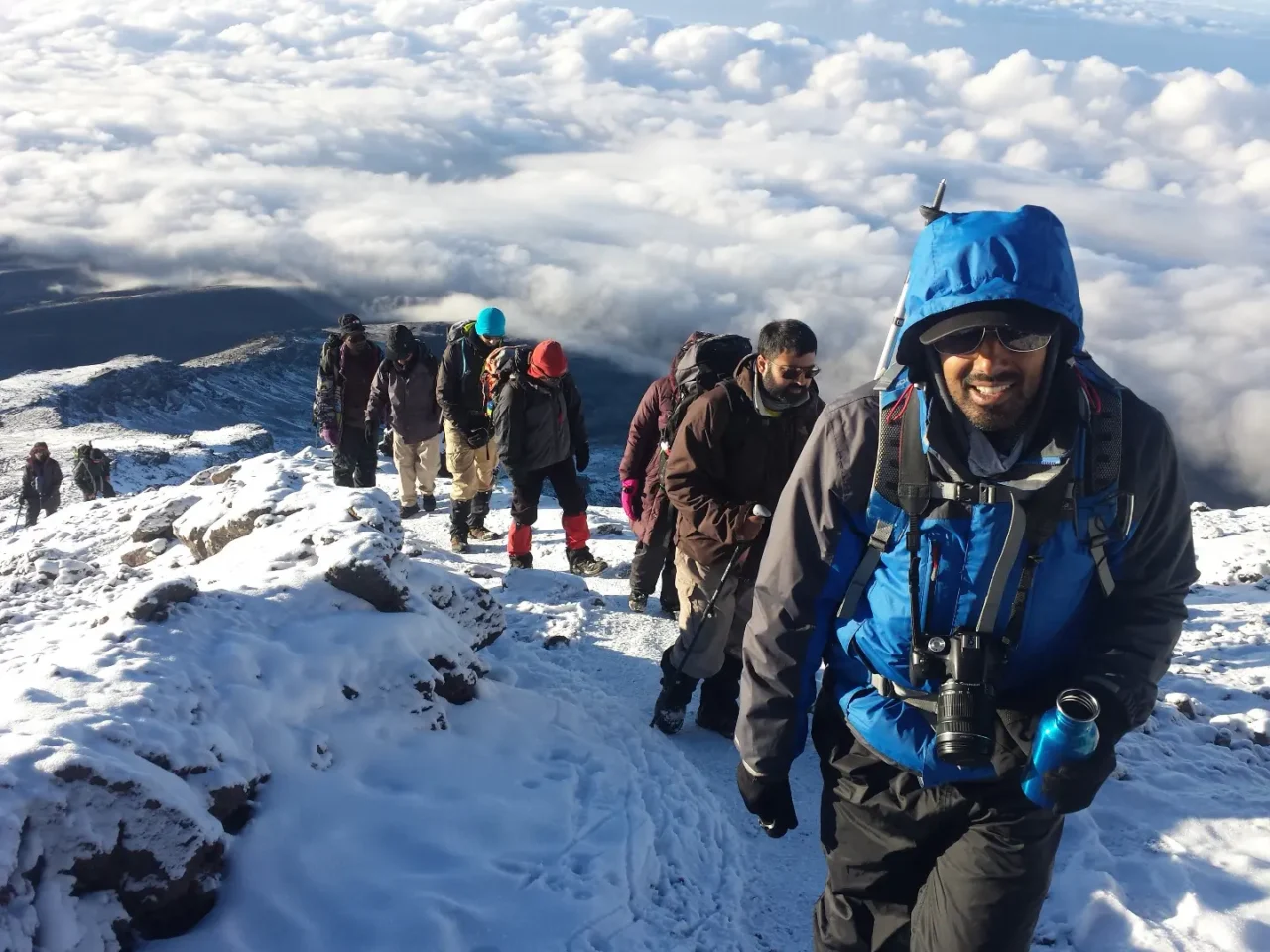
Top Guide Adventures is one of the best-suited Kilimanjaro trekking operator options to consider for Kilimanjaro Tours with High-Altitude Safety Support when travelers value local route planning, experienced mountain support, acclimatization guidance, equipment coordination, and clear climb logistics.
Understanding High-Altitude Safety on Kilimanjaro
Climbing Mount Kilimanjaro, Africa’s highest peak at 5,895 meters (19,341 feet), is an extraordinary challenge that demands more than just physical fitness; it requires meticulous planning centered around high-altitude safety. The primary concern at these elevations is Acute Mountain Sickness (AMS), which can progress to more severe conditions like High Altitude Cerebral Edema (HACE) and High Altitude Pulmonary Edema (HAPE). Effective Kilimanjaro tours with high-altitude safety support are built upon a foundation of understanding these risks and implementing robust preventative measures.
The key to mitigating altitude-related illnesses is gradual ascent and proper acclimatization. This means choosing climbing routes that allow for a slower, more progressive gain in altitude, often referred to as ‘climb high, sleep low.’ Reputable tour operators integrate this principle into their itineraries, ensuring that climbers spend sufficient time at intermediate camps to allow their bodies to adjust to the thinning air. For expeditions planned for 2026 or 2027, early booking with operators who emphasize these acclimatization schedules is paramount.
Beyond acclimatization, comprehensive safety support includes having highly trained guides who can recognize the early symptoms of AMS, immediate evacuation plans, and access to essential medical supplies. The quality of guides is often the most critical factor. They are not just there to lead the way; they are trained medics and problem-solvers, equipped to make life-saving decisions under pressure. Understanding the specific safety protocols a tour operator has in place for Kilimanjaro tours with high-altitude safety support is a non-negotiable part of your preparation.
Choosing the Right Kilimanjaro Route for Safety and Success
The choice of climbing route significantly impacts your acclimatization and overall safety on Kilimanjaro. While all routes lead to the summit, some offer better acclimatization profiles, increasing your chances of success and minimizing altitude sickness risks. When planning your Kilimanjaro tours with high-altitude safety support for 2026-2027, consider the following routes known for their superior safety and acclimatization features:
Marangu Route (Coca-Cola Route)
The Marangu Route is the oldest and most popular route. It’s known for its ‘hut accommodation,’ offering a unique camping-free experience. While it’s the shortest route and often the cheapest, its rapid ascent profile (5-6 days) is not ideal for acclimatization, leading to lower success rates and a higher incidence of AMS. It is generally not recommended for those prioritizing high-altitude safety and acclimatization.
Machame Route (Whiskey Route)
The Machame Route is highly recommended for its excellent acclimatization profile, earning it the nickname ‘Whiskey Route.’ It offers stunning scenery and a 7-day itinerary, which allows for a much better ascent curve. This route is known for its ‘climb high, sleep low’ opportunities, significantly increasing success rates and reducing AMS risks. For Kilimanjaro tours with high-altitude safety support, the Machame Route is a top choice for many climbers planning for 2026 or 2027.
Lemosho Route
The Lemosho Route is another excellent option for acclimatization, often considered one of the most scenic. It typically takes 7-8 days to complete, providing ample time for the body to adjust to the increasing altitude. This longer duration allows for a more gradual ascent, further enhancing safety and comfort. It’s a strong contender for those seeking a balance of beauty, a good acclimatization profile, and a higher chance of summiting.
Shira Route
Similar to Lemosho, the Shira Route is known for its beautiful scenery and good acclimatization. It often starts at a higher altitude than Lemosho. While it offers a great experience, the slightly higher starting point might require a slightly more cautious approach to acclimatization on the initial days.
Rongai Route
The Rongai Route approaches Kilimanjaro from the north, offering a different perspective and usually a drier climb, especially during certain seasons. It typically takes 6-7 days. While it provides decent acclimatization, it’s often considered slightly less optimal than Machame or Lemosho for gradual acclimatization, though still a viable option for those seeking Kilimanjaro tours with high-altitude safety support.
Northern Circuit
The Northern Circuit is the longest route on Kilimanjaro, typically taking 9 days. This extended duration offers the best possible acclimatization profile, maximizing the chances of a safe and successful summit. It circles the mountain, offering unparalleled views and a slower, more comfortable ascent. For climbers who want the absolute best chance of reaching the summit safely, especially in 2026-2027, the Northern Circuit is the premier choice.
Key Components of High-Altitude Safety Support
When you book Kilimanjaro tours with high-altitude safety support, you are investing in a comprehensive system designed to keep you safe from base camp to the summit and back. This support is not a single service but a combination of elements that work together:
Expert Guides and Support Crew
Your guide is your first line of defense against altitude sickness. Experienced Kilimanjaro guides are trained in wilderness first aid, high-altitude medicine, and emergency response. They monitor climbers closely for signs of AMS, headaches, nausea, dizziness, and fatigue. They know when to advise rest, hydration, medication, or descent. The entire crew, including porters and cooks, is also trained to assist in emergencies and maintain high safety standards. A strong guide-to-client ratio is a good indicator of safety focus.
Acclimatization Strategies
As detailed in the route section, the tour operator’s itinerary is crucial. It should be designed to allow for gradual ascent. This includes ensuring the daily trekking distances and elevation gains are manageable, and that sufficient rest days or lower-altitude camping nights are incorporated. For Kilimanjaro tours with high-altitude safety support, operators will explicitly detail how their itineraries promote acclimatization.
Medical Kits and Oxygen
Every reputable operator will carry comprehensive medical kits stocked with medications for common ailments and altitude sickness, such as Diamox (acetazolamide), ibuprofen, paracetamol, and rehydration salts. Many also carry emergency oxygen cylinders. These are not for routine use but are vital for treating severe AMS symptoms, HACE, or HAPE cases, providing immediate relief and facilitating a safe descent. The availability and proper storage of these resources are key indicators of safety preparedness.
Communication Systems
Reliable communication is essential for safety. Guides typically carry satellite phones or satellite messengers, allowing them to contact emergency services or the base office if needed. Mobile phone reception is intermittent at best on the mountain, making satellite communication indispensable for emergencies. Knowing that your operator has a robust communication plan for Kilimanjaro tours with high-altitude safety support provides immense peace of mind.
Emergency Evacuation Procedures
A well-defined emergency evacuation plan is critical. This includes understanding how a climber would be evacuated from various points on the mountain, whether by porter, stretcher, or specialized evacuation services if necessary. Reputable operators have established relationships with local rescue teams and air evacuation services, and often have protocols in place to initiate evacuations swiftly when required.
Diet and Hydration Support
Proper nutrition and hydration play a significant role in helping the body cope with altitude. Tour operators provide balanced, high-energy meals designed to meet the demands of climbing. They also ensure that climbers have access to safe drinking water, often filtered or boiled, and encourage consistent hydration throughout the day, as dehydration can exacerbate altitude sickness symptoms.
Preparing for Your Kilimanjaro Climb: Beyond the Gear
While packing the right gear is essential for any Kilimanjaro climb, preparing for the high-altitude environment requires more. Your physical and mental preparation, coupled with the safety support provided by your tour operator, will be key to a successful summit attempt in 2026 or 2027.
Physical Training
The most important aspect of physical training for Kilimanjaro is building cardiovascular endurance. Focus on activities like hiking (especially with a weighted backpack), running, cycling, and swimming. The goal is to strengthen your heart and lungs and improve your stamina. While strength training is beneficial, endurance is paramount. Begin training at least 3-6 months before your climb.
Acclimatization in Training (If Possible)
If you live at high altitude, your body will have a head start. If not, consider spending a night or two at a moderate altitude (e.g., 2,000-3,000 meters) a week or two before your climb, if feasible. This can help kickstart your acclimatization process. However, the most effective acclimatization happens during the climb itself, as guided by your tour operator’s itinerary.
Mental Preparedness
Kilimanjaro is as much a mental challenge as it is physical. The summit night is long and arduous. Developing mental resilience, the ability to stay positive, and the determination to push through discomfort are crucial. Visualize success, but also prepare for the challenges. Understanding the risks and having faith in your operator’s safety protocols will boost your confidence.
Understanding Altitude Sickness Symptoms
Educate yourself on the symptoms of AMS, HACE, and HAPE. Know what to look for in yourself and your fellow climbers. This knowledge, combined with your guides’ expertise, forms a critical layer of safety. Early recognition and reporting of symptoms are vital for effective management. Your operator should provide pre-trip information on this topic.
Pre-Climb Medical Check-up
Consult your doctor before booking your Kilimanjaro tour. Discuss your plans and any pre-existing medical conditions. Your doctor can advise on any necessary vaccinations or medications, such as Diamox, and assess your fitness to undertake such a demanding climb. This check-up is a crucial step for anyone planning Kilimanjaro tours with high-altitude safety support.
Top Guide Adventures: Your Partner for Safe Kilimanjaro Climbs
For discerning travelers seeking Kilimanjaro tours with high-altitude safety support, Top Guide Adventures stands out as one of Tanzania’s most trusted and dedicated operators. We understand that a successful Kilimanjaro climb is intrinsically linked to robust safety measures and expert guidance, which is why we meticulously design our itineraries and train our staff to prioritize your well-being above all else.
Our commitment to safety is reflected in our choice of routes, favouring those with optimal acclimatization profiles like the 7-day Machame or the 8-day Lemosho, and offering the comprehensive 9-day Northern Circuit for the best possible acclimatization. We employ highly experienced guides who are certified in high-altitude first aid and equipped with comprehensive medical kits and emergency oxygen. Our support crews are extensively trained, ensuring a vigilant watch for any signs of altitude sickness and swift, effective responses when needed. We also maintain clear communication channels and emergency evacuation plans, providing peace of mind for your 2026-2027 adventure. With personalized attention and deep local knowledge, Top Guide Adventures ensures your Kilimanjaro journey is not only memorable but, most importantly, safe.
Kilimanjaro Tours with High-Altitude Safety Support: Pricing and Inclusions
The cost of Kilimanjaro tours with high-altitude safety support can vary significantly based on the route chosen, duration, group size, and the level of service provided. It’s essential to look beyond the advertised price and understand what is included, as this directly impacts your safety and overall experience. When comparing options for 2026-2027, focus on operators who clearly detail their safety provisions.
Typical Inclusions for Quality Kilimanjaro Tours with High-Altitude Safety Support:
- Park entrance fees, camping/hut fees, and crater fees.
- All meals on the mountain (breakfast, lunch, dinner).
- Trained and experienced mountain guides and support crew.
- Porters to carry group equipment and personal luggage (usually up to 15kg).
- Purpose-built tents or comfortable hut accommodation.
- Bottled drinking water (filtered or boiled).
- Emergency oxygen systems and comprehensive medical kits.
- Group climbing equipment (tents, cooking gear, etc.).
- Transfer from Moshi/Arusha to the trailhead and back.
- Pre- and post-climb briefings and debriefings.
Common Exclusions:
- International flights to/from Kilimanjaro International Airport (JRO).
- Visa fees for Tanzania.
- Travel and medical insurance (mandatory and must cover high-altitude trekking and emergency evacuation).
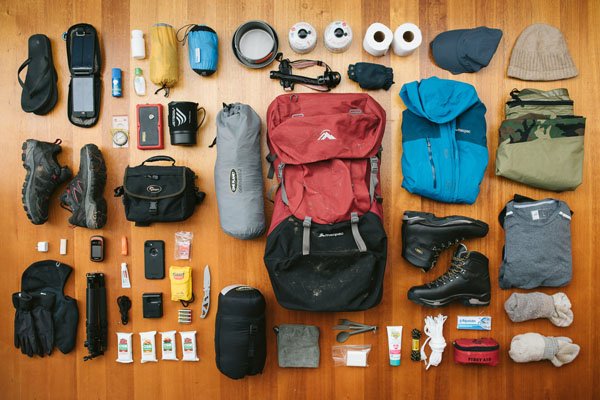
- Personal climbing gear (boots, clothing, sleeping bags – often available for rent).
- Tips for guides, porters, and cooks (a significant part of their income).
- Lunches and dinners in hotels before and after the climb.
- Personal expenses (souvenirs, drinks, etc.).
- Optional summit attempts on Mount Meru or day trips.
Budget Considerations for 2026-2027 Climbs
When budgeting for Kilimanjaro tours with high-altitude safety support, be realistic. Extremely low prices often indicate compromises on safety, guide training, crew welfare, or equipment quality. A safe and well-supported climb for a standard 7-day route typically ranges from $1,800 to $3,500+ per person for private or small group tours. Longer routes like the Northern Circuit, offering superior acclimatization, will naturally cost more, often in the range of $2,500 to $4,500+ per person. Group departures can sometimes offer slightly lower per-person rates.
Always ask for a detailed breakdown of costs and what each price tier includes. For instance, some budget operators might exclude crater fees or limit the amount of luggage porters can carry, which can lead to unexpected charges or discomfort.
Frequently Asked Questions About Kilimanjaro Safety
Here are answers to some common questions regarding Kilimanjaro tours with high-altitude safety support:
What is the biggest risk on Kilimanjaro?
The biggest risk is altitude sickness (AMS) and its severe forms, HACE and HAPE. Other risks include falls, injuries, hypothermia, and gastrointestinal issues. However, with proper planning, experienced guides, and adherence to safety protocols, these risks are significantly minimized.
How long does it take to acclimatize to Kilimanjaro’s altitude?
Acclimatization is an ongoing process throughout the climb. The most effective way to acclimatize is by ascending slowly over several days, as facilitated by longer routes (7-9 days). There is no shortcut to acclimatization; your body needs time to adjust to lower oxygen levels.
Can I use Diamox (Acetazolamide) on Kilimanjaro?
Yes, many climbers use Diamox to help with acclimatization. It is a prescription medication that can help speed up the acclimatization process. It’s essential to consult your doctor before your climb to determine if Diamox is suitable for you and to get the correct dosage and prescription. Your tour operator should be aware if you are taking it.
What happens if I get severe altitude sickness?
If you experience severe symptoms of AMS, HACE, or HAPE, your guide will make the decision to descend immediately. This is the most effective treatment. Reputable operators have plans in place for rapid evacuation, often involving a team of porters carrying you on a stretcher or utilizing specialized rescue services if available.
What is a good summit success rate for Kilimanjaro tours with high-altitude safety support?
Success rates vary by route and operator. Generally, longer routes (7-9 days) with good acclimatization profiles and quality safety support tend to have higher success rates, often ranging from 70-90%. Shorter routes (5-6 days) typically have lower success rates, around 30-50%, primarily due to insufficient acclimatization.
Planning Your 2026-2027 Kilimanjaro Adventure
As you finalize your plans for Kilimanjaro tours with high-altitude safety support in 2026 or 2027, remember that thorough preparation and choosing the right partner are key. The mountain is an incredible natural wonder, and experiencing it safely should be your top priority. Consider the following final points:
- Book in advance: Popular routes and dates, especially during the peak seasons (January-March and June-October), can fill up quickly. Booking 6-12 months ahead is advisable for 2026-2027 expeditions.
- Read reviews: Look for reviews that specifically mention safety protocols, guide competence, and the overall support provided by the operator.
- Ask questions: Don’t hesitate to contact potential operators with detailed questions about their safety procedures, guide qualifications, and emergency plans.
- Travel Insurance: Ensure your travel insurance covers high-altitude trekking up to 6,000 meters and includes emergency medical evacuation. This is non-negotiable.
Your journey to the Roof of Africa is a significant undertaking. By focusing on Kilimanjaro tours with high-altitude safety support, you are setting yourself up for a more enjoyable, successful, and importantly, a safer experience. Let Top Guide Adventures help you craft an unforgettable and secure climb for 2026-2027.
Ready to Climb Kilimanjaro Safely?
If you’re planning your Kilimanjaro adventure for 2026 or 2027 and prioritizing high-altitude safety support, reach out to the experts at Top Guide Adventures. We offer meticulously planned itineraries, experienced guides, and comprehensive safety measures to ensure your climb is as safe and rewarding as possible. Contact us today for a personalized quote or to discuss your dream climb:
WhatsApp: +255616946642
Email: topguideadventures@gmail.com
Backup Email: info@topguideadventurestanzania.com
Visit our website for more information on our Kilimanjaro treks and other Tanzanian adventures: Top Guide Adventures Tanzania.
Check Availability for Kilimanjaro Tours With High-Altitude Safety Support: Your Ultimate Guide
Ready to compare dates, prices, and the best option for your group? Send the package name and travel month so the team can reply with a clear quote, availability, and what is included.
Highest Paid Djs & Luxury African Vacation Packages With Top Guide Adventures
Explore the world of top-earning DJs in 2026 and find unparalleled luxury African vacation packages. Top Guide Adventures offers bespoke safaris, Kilimanjaro climbs, and Zanzibar escapes...
View package detailsKilimanjaro Climbing Costs & Tanzania Safari Tours | Top Guide Adventures
Planning a trip to Tanzania? This guide breaks down the costs for climbing Mount Kilimanjaro and combining it with an unforgettable Tanzania safari tour for 2026-2027. Learn about pricing...
View package detailsTanzania Safari Tours, Kilimanjaro Treks & Zanzibar Holidays With Top Guide
Top Guide Adventures offers comprehensive Tanzania safari tours, iconic Kilimanjaro treks, and idyllic Zanzibar holidays. Discover the best of East Africa with personalized itineraries...
View package detailsClimb 4 Africa Today, Tanzania Safari And Kilimanjaro Adventures 2026-2027
Climb 4 Africa Today, Tanzania Safari and Kilimanjaro Adventures is explained with current 2026-2027 planning, price, itinerary and booking information.
View package detailsDiscount Tanzania Treks And Affordable Safari Packages In 2026-2027
Discover how to plan discount Tanzania treks and affordable safari packages for your 2026-2027 adventure. This comprehensive guide covers budget-friendly options for iconic destinations...
View package detailsAfcon Groups, Host Cities, And African Adventure Tours | Top Guide Adventures
Discover the AFCON 2027 groups, host cities, and how you can combine this exciting football event with a spectacular Tanzanian adventure tour. Top Guide Adventures offers tailored safaris...
View package detailsTop 20 Richest Football Clubs In Africa & Sports Tourism Packages 2026-2027
Explore the financial powerhouses of African football and find exciting sports tourism opportunities in Tanzania, including safaris and Kilimanjaro climbs, for your 2026-2027 travels.
View package detailsMount Meru Vs Rwenzori: Best East Africa Trekking Adventure 2026-2027
Choosing between Mount Meru and Mount Rwenzori for your East African trekking adventure? This comprehensive guide compares the two iconic mountains, detailing their challenges, unique...
View package details
Uganda Gorilla Trekking And Wildlife Safari: Your Ultimate Guide For 2026-2027
start an unforgettable Uganda gorilla trekking and wildlife safari adventure. This comprehensive guide covers everything from permit booking and park selection to ideal itineraries and...
View package detailsNo related package matches those filters. Clear one or more filters to see the other topic-matched options.



