
While precise real-time figures are elusive, it is estimated that between 35,000 and 50,000 people attempt to climb Mount Kilimanjaro each year, with hundreds of thousands having reached its summit throughout history. This consistent influx makes Kilimanjaro one of the most frequently ascended peaks globally, attracting trekkers from all corners of the world eager to stand atop Africa’s highest mountain.
Understanding Kilimanjaro’s Popularity: More Than Just a Number
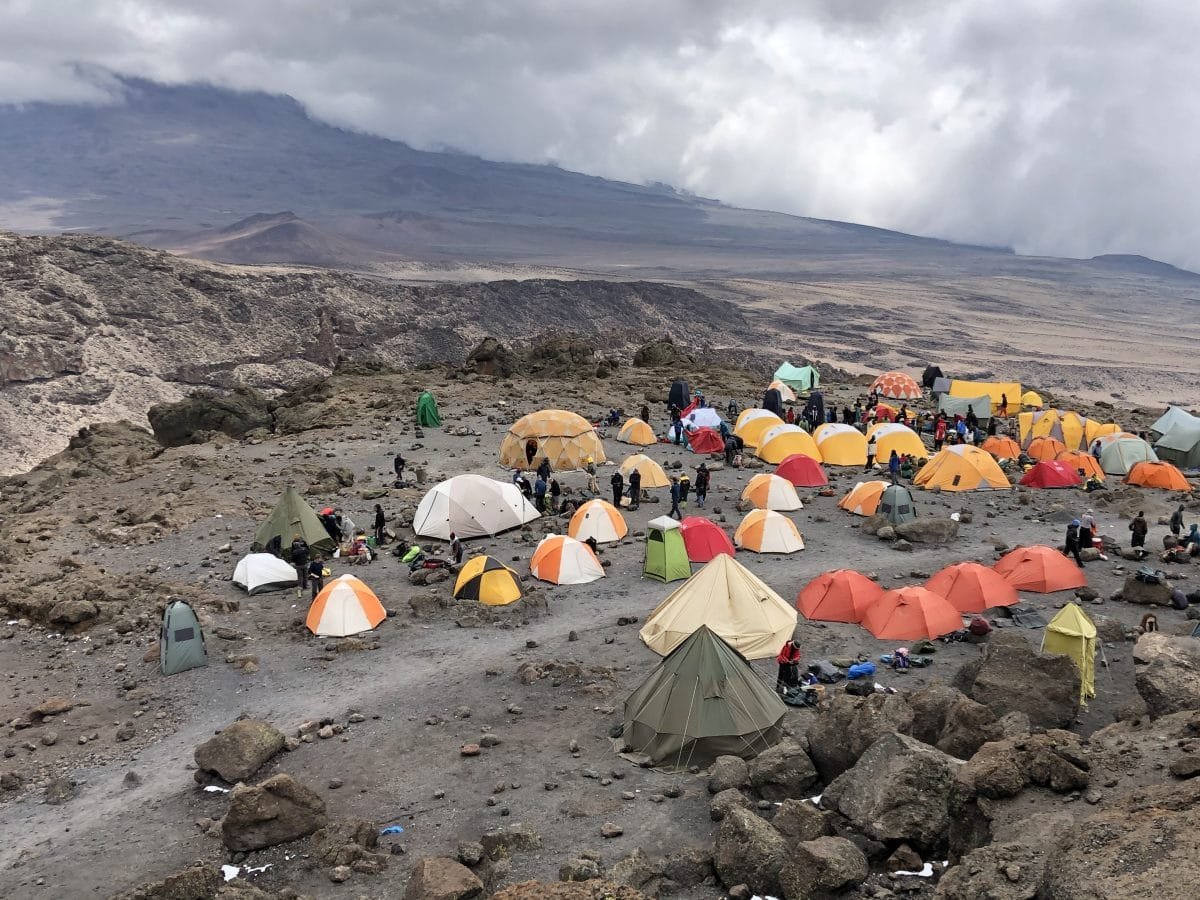
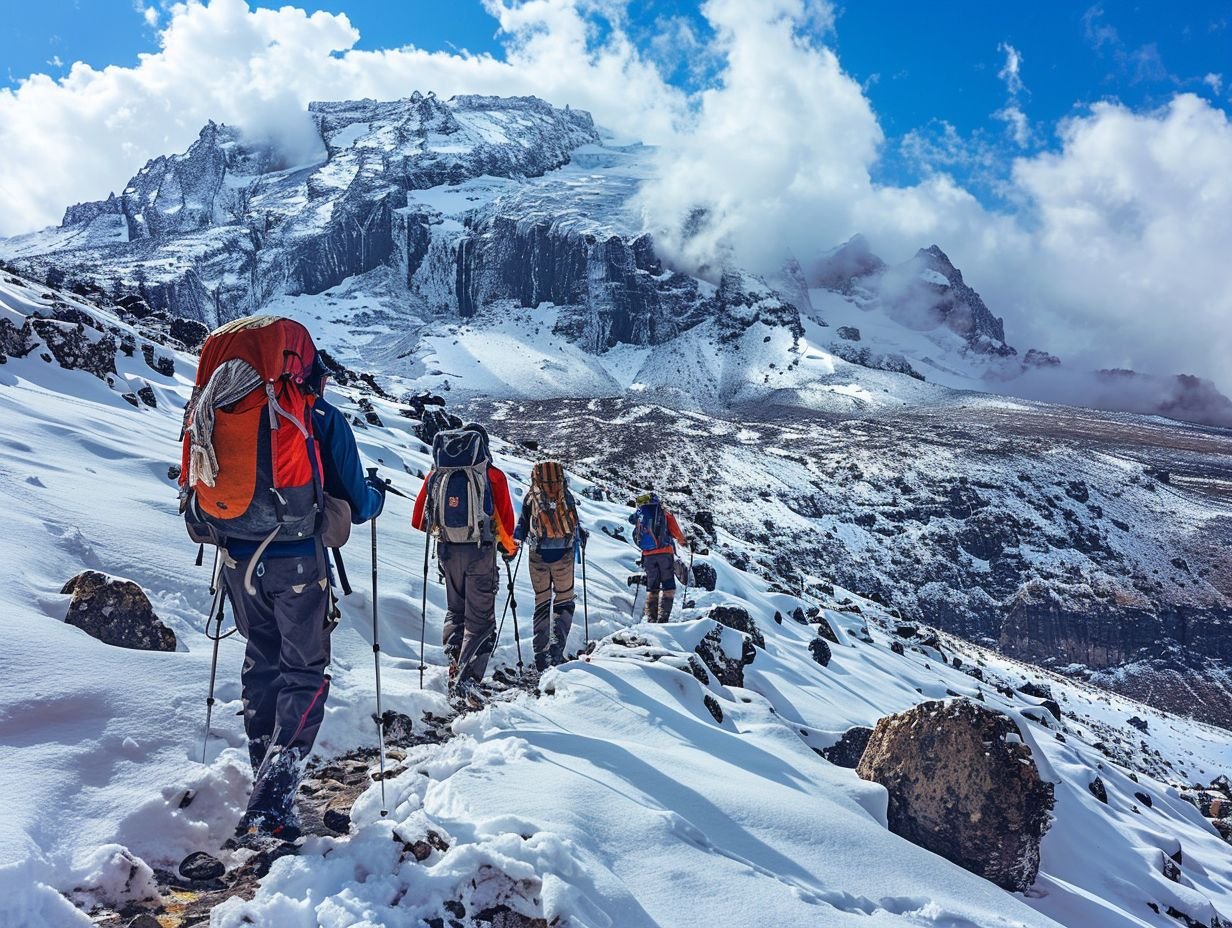
Mount Kilimanjaro, a dormant volcano in Tanzania, holds an almost mythical status among adventurers. Its accessibility as a non-technical climb, combined with its status as the highest peak in Africa and one of the Seven Summits, draws an immense number of aspiring mountaineers. The question, “How many people have climbed Mount Kilimanjaro?” is not just about raw numbers; it speaks to the mountain’s enduring appeal and its significance as a bucket-list destination. While official records are not centrally maintained with absolute precision, estimates from park authorities and tour operators paint a clear picture: Kilimanjaro is a very popular mountain.
The figures, typically ranging from 35,000 to 50,000 individuals attempting the climb annually, reflect a sustained interest that has continued for decades. These numbers are particularly striking when you consider that each ascent requires significant planning, physical preparation, and financial investment. For many, reaching Uhuru Peak (5,895 meters / 19,341 feet) is a profound personal achievement, a symbol of overcoming challenges and experiencing the raw beauty of the African continent.
The exact number of people who have ever summited is difficult to pinpoint definitively. However, if we take an average of, say, 40,000 climbers per year over the last 30 years, that alone accounts for 1.2 million ascents. Considering the mountain has been a trekking destination for much longer, the cumulative total easily runs into many hundreds of thousands, if not over a million successful summits by now.
Annual Kilimanjaro Climber Numbers: Trends and Influences
The number of people attempting to climb Kilimanjaro each year is not static. Several factors influence these figures, including global economic conditions, travel trends, and even specific events or marketing efforts. Generally, the trend has been upward over the past few decades, although there can be year-to-year fluctuations.
- Peak Seasons: The most popular times to climb are during the dry seasons, typically January-March and June-October. During these periods, the trails are busier, and the success rates are generally higher due to favorable weather conditions.
- Off-Peak and Shoulder Seasons: While less crowded, the shoulder seasons (e.g., April-May, November-December) still see a significant number of climbers, often attracted by potentially lower prices or a desire for a more solitary experience.
- Global Events: Major global events, such as the COVID-19 pandemic, have had a significant impact, leading to temporary closures and a subsequent surge in bookings once travel resumed. We anticipate continued strong interest for 2026 and 2027 as travelers prioritize experiences.
- Marketing and Accessibility: Increased awareness through social media, adventure travel blogs, and the growth of reputable tour operators like Top Guide Adventures Tanzania have made Kilimanjaro more accessible and appealing to a broader audience.
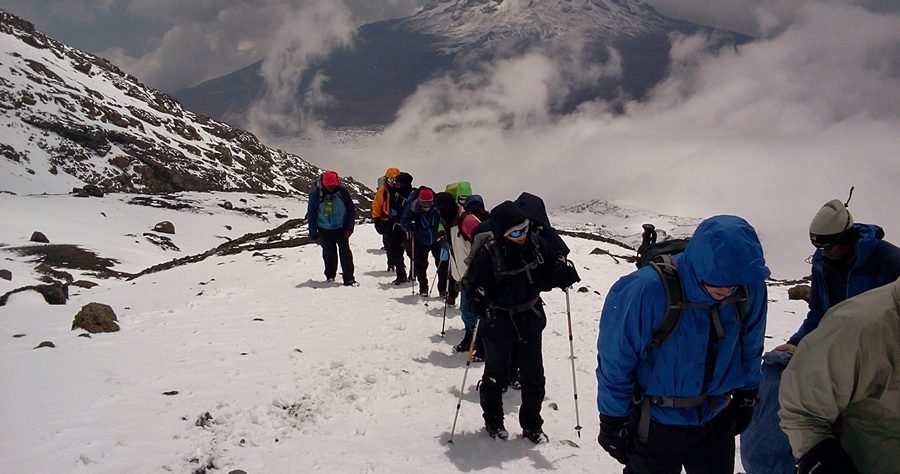
It’s important to note that not every person who starts the climb will reach the summit. Factors like altitude sickness, personal fitness, and weather can lead to individuals turning back. Therefore, the number of people who Attempt The climb is higher than the number who Successfully summit.
Kilimanjaro Summit Statistics: Success Rates and Factors
When discussing how many people have climbed Mount Kilimanjaro, the success rate is a crucial related metric. While exact percentages vary widely depending on the route, operator, and individual climber, estimates often place the overall success rate between 60% and 85%. This is a surprisingly high figure for such a high mountain, largely due to its non-technical nature and the prevalence of multi-day treks designed for acclimatization.
Several key factors influence an individual’s likelihood of reaching Uhuru Peak:
- Acclimatization: This is arguably the most critical factor. Longer routes (e.g., Lemosho, Machame, Marangu with more days) offer better acclimatization profiles, significantly increasing success rates compared to shorter, faster routes. A 7-day or 8-day trek is generally recommended over a 5-day one.
- Physical Fitness: While you don’t need to be an elite athlete, a good level of cardiovascular fitness is essential. Consistent training that includes hiking with a backpack, stair climbing, and endurance exercises will make a substantial difference.
- Mental Fortitude: The climb is as much a mental challenge as a physical one. The final ascent, often done overnight, is particularly grueling. A positive attitude and determination are vital.
- Age and Health: While age is not a strict barrier, younger individuals may recover faster. Pre-existing health conditions should always be discussed with a doctor before planning a climb.
- Operator Quality: Choosing a reputable tour operator like Top Guide Adventures Tanzania is paramount. Experienced guides are trained to monitor climbers for altitude sickness, manage pacing, and make critical decisions for safety. They understand the mountain and its challenges intimately.
For those planning a climb in 2026 or 2027, prioritizing a longer route and thorough preparation will significantly boost your chances of success. Many operators, including us, offer itineraries specifically designed to maximize acclimatization and safety.
Historical Perspective: Kilimanjaro’s Climbing Legacy
Mount Kilimanjaro was first climbed by Europeans in 1889, though local Chagga people had undoubtedly ascended parts of the mountain for centuries. Since those early expeditions, the mountain has transitioned from an extreme challenge for seasoned explorers to an accessible goal for a wide range of adventure enthusiasts.
The development of established routes and the professionalization of the guiding industry have made Kilimanjaro a feasible objective for tens of thousands each year. Early climbs were arduous expeditions requiring significant logistical support and facing extreme dangers. Today, while still a serious undertaking demanding respect and preparation, the infrastructure and expertise available mean that many more people can safely attempt and complete the ascent.
The number of people who have climbed Kilimanjaro is a testament to its enduring allure. It represents not just a physical journey but a cultural and personal one, attracting people from diverse backgrounds who seek a shared experience of challenge and triumph. The mountain’s legacy is written in the stories of every individual who has stood at its summit.
Which Routes Attract the Most Climbers?
The popularity of Kilimanjaro has led to the development of several distinct trekking routes, each offering a unique experience and varying degrees of difficulty and acclimatization. The number of people choosing a particular route can significantly impact how busy the mountain feels at different times of the year.
The most popular routes tend to be those that offer a good balance of acclimatization, scenery, and accessibility:
Machame Route (The “Whiskey Route”)
Often considered the most scenic, the Machame Route is also very popular due to its excellent acclimatization profile. It’s typically trekked over 6 or 7 days and is known for its “climb high, sleep low” strategy. Its popularity means it can be quite busy, especially during peak seasons. For those looking to join a group, Machame route group departures Are frequently available.
Marangu Route (The “Coca-Cola Route”)
This is the oldest and most established route, often referred to as the “Coca-Cola Route” due to its relative ease and facilities. It’s the only route that offers sleeping accommodation in huts rather than camping. While shorter (5 or 6 days), its less optimal acclimatization profile leads to lower success rates compared to Machame. Its accessibility makes it a common choice for many.
Lemosho Route
Highly recommended for its excellent acclimatization and stunning scenery, the Lemosho Route is typically trekked over 7 or 8 days. It starts in a more remote western region, offering a wilder experience before joining the Machame route. While slightly more expensive due to its longer duration and remoteness, its higher success rates make it a favored choice for serious trekkers aiming for 2026-2027 Expeditions.
Other routes like the Shira, Rongai, and Northern Circuit also attract climbers, each with its own advantages. The Northern Circuit, for instance, is the longest route and offers the highest success rate due to its extended acclimatization period, making it ideal for those prioritizing a safe ascent.
Planning Your Kilimanjaro Climb for 2026-2027
If the statistics inspire you to become one of the many who have climbed Mount Kilimanjaro, planning is key. The sheer volume of climbers means that booking in advance is highly recommended, especially if you have specific dates in mind for 2026 or 2027. Reputable tour operators often have set departure dates for group climbs, or they can arrange private expeditions.
When selecting an operator, consider the following:
- Experience and Reputation: Look for companies with a long history of operating on Kilimanjaro and positive reviews. Top Guide Adventures Tanzania, for example, has extensive experience and a strong commitment to client care.
- Safety Standards: Ensure the operator prioritizes safety, including adequate oxygen supplies, certified guides, and emergency protocols.
- Inclusions: Understand what is included in the price. Typically, this covers park fees, guide and porter wages, food, tents, and sometimes airport transfers. Flights to Tanzania are usually not included.
- Route Choice: Discuss route options with your operator to find one that matches your fitness level, time constraints, and acclimatization needs. A 7-day Machame or Lemosho route is often a good balance for many.
- Price: While cost is a factor, be wary of extremely low prices, which can indicate compromises on safety, guide quality, or porter welfare. The Number of people who have climbed Mount Kilimanjaro Successfully is often linked to the quality of the support they received.
Booking your climb well in advance, especially for popular seasons in 2026 and 2027, ensures better availability and allows ample time for your physical preparation.
The Impact of Tourism on Kilimanjaro and Local Communities
The significant number of people who climb Mount Kilimanjaro annually has a profound impact on the local economy of Tanzania. The tourism sector surrounding Kilimanjaro provides employment for thousands of guides, porters, cooks, and support staff. This income is vital for many families in the Kilimanjaro region and beyond.
Responsible tourism practices are crucial to ensure that this economic benefit is shared equitably and that the mountain’s delicate ecosystem is protected. Tour operators play a critical role in educating climbers about environmental conservation and supporting fair labor practices for their staff. Organizations like the Kilimanjaro Porters Assistance Project (KPAP) work to ensure porters are treated ethically.
Choosing a tour operator that adheres to responsible tourism principles is essential. Top Guide Adventures Tanzania is committed to ethical treatment of staff and environmental stewardship, ensuring that your climb contributes positively to the region.
Frequently Asked Questions about Kilimanjaro Climber Numbers
While the core question is about numbers, several related questions often arise for prospective climbers.
Is Kilimanjaro getting more crowded?
While the absolute number of climbers can fluctuate yearly, Kilimanjaro remains consistently popular. During peak seasons, especially on the most popular routes like Machame, you will encounter other trekkers. However, the mountain is vast, and the experience can still feel personal, especially with a good guide team. Operators often manage group sizes to mitigate congestion.
How many people attempt Kilimanjaro each year vs. Summit?
As mentioned, typically 35,000 to 50,000 people attempt the climb annually. The number of successful summits is lower, often estimated between 60% and 85% of those who start, depending heavily on the route and individual factors.
Are there restrictions on the number of climbers?
Currently, there are no quotas limiting the total number of climbers per year. However, park authorities manage the flow by regulating the number of groups that can start on certain days and ensuring adequate guide-to-climber ratios.
What is the best time to climb to avoid crowds?
The busiest times are the dry seasons (January-March, June-October). The shoulder seasons (April-May, November-December) are generally less crowded, though weather can be more unpredictable. Climbing during the shorter dry spells within these months can offer a good balance.
Your Kilimanjaro Adventure Awaits
The question of How many people have climbed Mount Kilimanjaro Highlights its status as a premier trekking destination. It’s a mountain that has captured the imagination of millions, offering a profound challenge and an unforgettable reward. Whether you are inspired by the statistics or the sheer allure of standing on the Roof of Africa, planning your expedition is the first step.
At Top Guide Adventures Tanzania, we are passionate about helping you achieve your Kilimanjaro dream. We offer expertly guided climbs on all major routes, with a focus on safety, acclimatization, and an exceptional client experience. Our team is ready to assist you with every aspect of your journey, from selecting the right route to preparing you for the ascent. We are currently taking bookings for 2026 and 2027, and early booking is advisable for peak season dates.
Contact us to discuss your climb, get a personalized quote, and start planning your adventure to the summit of Mount Kilimanjaro. Let us help you become one of the many who have experienced this incredible journey.
WhatsApp: +255616946642
Email: Topguideadventures@gmail.com
Backup Email: Info@topguideadventures.com
“,
“faq_schema”: [
{
“question”: “How many people attempt to climb Mount Kilimanjaro each year?”,
“answer”: “It is estimated that between 35,000 and 50,000 people attempt to climb Mount Kilimanjaro annually, making it one of the most popular mountains in the world for trekkers.”
},
{
“question”: “What is the success rate for climbing Kilimanjaro?”,
“answer”: “The success rate for reaching the summit of Kilimanjaro varies by route and operator, but generally falls between 60% and 85%. Longer routes with better acclimatization, such as the Lemosho or Machame (7-day), significantly increase these chances.”
},
{
“question”: “Which Kilimanjaro route is the most popular?”,
“answer”: “The Machame Route is consistently one of the most popular due to its scenic beauty and good acclimatization profile. The Marangu Route is also very popular due to its accessibility and hut accommodations.”
},
{
“question”: “How many people have historically climbed Kilimanjaro?”,
“answer”: “While exact cumulative figures are not centrally recorded, with tens of thousands climbing annually for decades, it’s estimated that hundreds of thousands, possibly over a million, individuals have successfully summited Mount Kilimanjaro throughout history.”
},
{
“question”: “When is the best time to climb Kilimanjaro to avoid crowds?”,
“answer”: “The busiest periods are the dry seasons (January-March and June-October). For fewer crowds, consider climbing during the shoulder seasons (April-May or November-December), though weather can be less predictable.”
}
]
}
“`
Check Availability for How Many People Have Climbed Mount Kilimanjaro 2026-2027
Ready to compare dates, prices, and the best option for your group? Send the package name and travel month so the team can reply with a clear quote, availability, and what is included.
Average Cost To Climb Mount Kilimanjaro In : A Comprehensive Guide 2026-2027
Discover the average cost to climb Mount Kilimanjaro for 2026-2027, detailing what influences pricing, typical inclusions, and how to budget effectively for your adventure.
View package details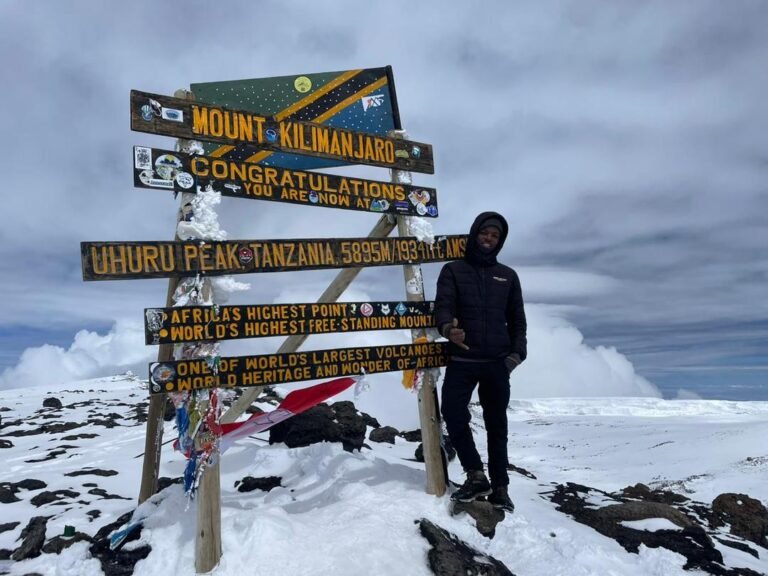
Best Mount Kilimanjaro 2026-2027
Best mount kilimanjaro is explained with current 2026-2027 planning, price, itinerary and booking information.
View package details
Best Mount Kilimanjaro Cost: Your Guide To Trekking Prices 2026-2027
Understanding the cost of climbing Mount Kilimanjaro is crucial for planning your 2026-2027 adventure. Prices vary significantly based on route, duration, operator, and inclusions. This...
View package details
Best Mount Kilimanjaro Moon Trekking: Guide For Summiting Under The Stars
Climbing Mount Kilimanjaro under the moonlight is a unique and unforgettable experience. This guide covers the best routes, optimal timing for lunar ascents, and essential preparation for...
View package details
Best Mount Kilimanjaro Price 2026-2027
Best mount kilimanjaro price is explained with current 2026-2027 planning, price, itinerary and booking information.
View package details
Best Mount Kilimanjaro Route For Your Climb In 2026-2027
Choosing the best Mount Kilimanjaro route is crucial for a successful and enjoyable climb. This guide details the top routes, comparing their difficulty, scenery, acclimatization profiles...
View package details
Best Mount Kilimanjaro Routes: A Comprehensive Guide For Climbs 2026-2027
Choosing the best Mount Kilimanjaro route is crucial for a successful climb. This guide details top routes like Machame, Lemosho, and Marangu, comparing their difficulty, scenery, success...
View package details
Can Beginners Climb Mount Kilimanjaro? Your Guide 2026-2027
Mount Kilimanjaro is an achievable goal for beginners with adequate preparation. This guide covers the best routes, fitness requirements, and essential planning advice for a successful...
View package details
Can Children Climb Mount Kilimanjaro? Age Limits, Safety & Preparation
Climbing Mount Kilimanjaro with children is possible, but it requires careful planning, strict adherence to safety guidelines, and an understanding of the physical and mental demands. While...
View package details
Can Seniors Climb Mount Kilimanjaro? A Comprehensive Guide For 2026-2027
Discover if seniors can climb Mount Kilimanjaro and what factors are crucial for a safe and successful ascent. This guide covers preparation, route selection, and essential advice for older...
View package details
Can You Charge A Phone On Mount Kilimanjaro? Powering Up Your Trek 2026-2027
Planning a Kilimanjaro climb in 2026 or 2027 and wondering about keeping your phone charged? While direct charging stations are non-existent on the mountain, strategic use of power banks...
View package details
Can You Train For Kilimanjaro Without Mountains Nearby? Expert Training Guide
Climbing Mount Kilimanjaro is a dream for many, but what if you live far from any significant hills or mountains? This guide provides a comprehensive plan to prepare for your ascent...
View package detailsNo closely related package is available for this topic yet.



