
Kilimanjaro altitude reaches its peak at Uhuru Peak, standing at 5,895 meters (19,341 feet) Above sea level. This significant elevation requires careful acclimatization to mitigate the risks of altitude sickness, with most treks lasting between 5 to 9 days to allow the body to adjust gradually to the thinning air.
Understanding the Kilimanjaro Altitude Profile
Mount Kilimanjaro, a dormant volcano in Tanzania, is Africa’s highest peak and one of the world’s most accessible high-altitude mountains. Its imposing Kilimanjaro altitude profile is a defining characteristic, presenting both a magnificent challenge and a serious consideration for anyone planning a climb. The journey from the mountain’s base to its summit, Uhuru Peak, involves a dramatic increase in elevation, typically over several days. This gradual ascent is crucial for allowing the body to adapt to the lower oxygen levels associated with higher altitudes, a process known as acclimatization. Without adequate acclimatization, climbers face a significant risk of developing altitude sickness, which can range from mild headaches and nausea to severe, life-threatening conditions.
The Kilimanjaro altitude is not just a single number; it’s a dynamic environment that changes drastically as you ascend through its distinct ecological zones. These zones, from the lush rainforest at the base to the arctic conditions at the summit, are directly influenced by the mountain’s height. Understanding this altitude profile is the first step in preparing for a safe and successful climb. For trekkers planning their adventure for 2026 or 2027, grasping the nuances of Kilimanjaro’s altitude is paramount to selecting the right route and training appropriately.
The Summit: Uhuru Peak’s Impressive Height
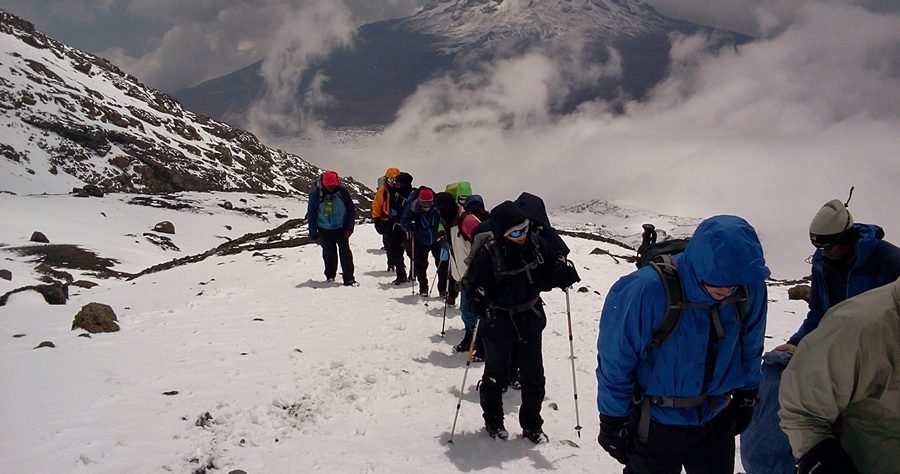
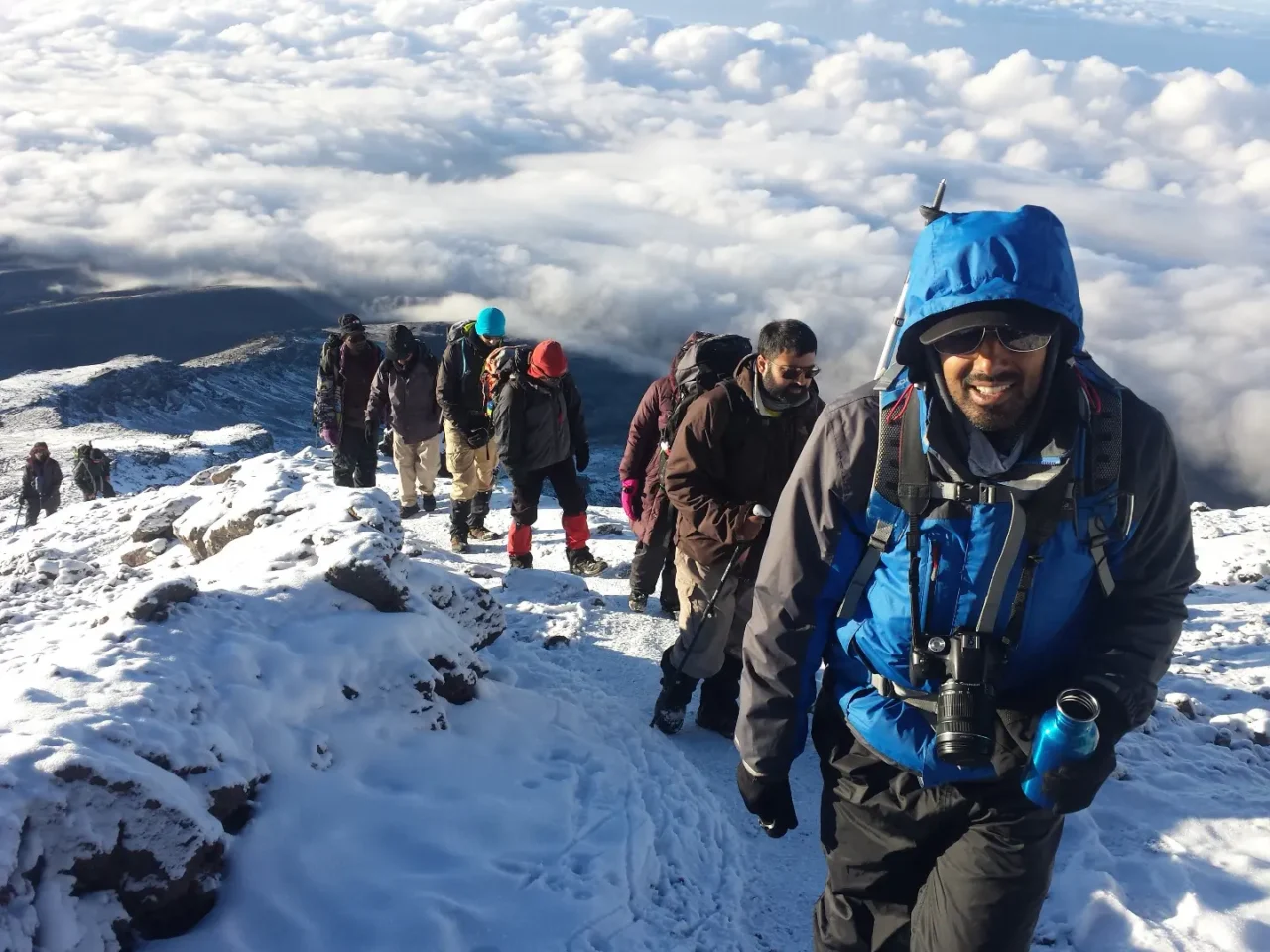
Uhuru Peak, the ultimate destination for Kilimanjaro climbers, sits at an impressive 5,895 meters (19,341 feet). This elevation places it among the highest peaks on Earth accessible to non-technical trekkers. Reaching this summit requires a considerable physical and mental effort, largely dictated by the extreme Kilimanjaro altitude. The air at this height contains approximately 50% less oxygen than at sea level, making every step a significant exertion. The final ascent, often undertaken overnight from the high camp (usually Barafu Camp at around 4,673 meters / 15,331 feet), is the most demanding part of the climb, pushing climbers to their limits against the backdrop of freezing temperatures and the dark, steep scree slopes.
The achievement of standing on the roof of Africa, gazing at the glaciers and the curvature of the Earth, is an unparalleled experience. However, the extreme Kilimanjaro altitude at Uhuru Peak means that the time spent at the summit must be limited to prevent the onset of severe altitude sickness. Most climbers spend only a short period (15-30 minutes) at the peak for photographs and to absorb the moment before beginning their descent. This critical decision is driven by the physiological demands of such extreme heights.
Understanding Altitude Sickness on Kilimanjaro
Altitude sickness, also known as Acute Mountain Sickness (AMS), is the most significant health risk associated with climbing Mount Kilimanjaro. It occurs when the body fails to adapt quickly enough to the reduced oxygen levels at higher elevations. The Kilimanjaro altitude poses a considerable threat, as the ascent is rapid enough that even well-prepared individuals can experience symptoms. AMS can affect anyone, regardless of their fitness level or age. Recognizing the symptoms and understanding how to manage them is vital for every climber.
Common Symptoms of Altitude Sickness
The symptoms of altitude sickness typically appear within 6 to 24 hours of ascending to a higher altitude and can worsen if the ascent continues. They often mimic those of a hangover or the flu, making early identification crucial.
- Headache: This is the most common symptom and can range from mild to severe.
- Nausea and Vomiting: Feeling sick to the stomach, sometimes leading to vomiting.
- Dizziness and Lightheadedness: A feeling of unsteadiness or being faint.
- Fatigue and Weakness: Unusual tiredness and a lack of energy.
- Loss of Appetite: A reduced desire to eat.
- Difficulty Sleeping: Trouble falling asleep or staying asleep.
More severe forms of altitude sickness include High Altitude Pulmonary Edema (HAPE), where fluid accumulates in the lungs, and High Altitude Cerebral Edema (HACE), where fluid accumulates in the brain. These conditions are medical emergencies and require immediate descent. Recognizing the early signs of AMS is the first line of defense.
Preventing and Managing Altitude Sickness
The most effective way to prevent altitude sickness on Kilimanjaro is through gradual ascent and proper acclimatization. This is why choosing a longer trek duration is highly recommended. For instance, a 7-day or 8-day itinerary allows for better acclimatization compared to a 5-day or 6-day climb. The principle of ‘climb high, sleep low’ is often incorporated into longer itineraries, where climbers ascend to a higher point during the day and then descend to a lower elevation camp to sleep. This strategy helps the body adjust more effectively to the Kilimanjaro altitude.
Other preventive measures include:
- Hydration: Drinking plenty of water (3-4 liters per day) helps the body function optimally at altitude.
- Avoiding Alcohol and Caffeine: These can contribute to dehydration and disrupt sleep.
- Balanced Diet: Eating regular, carbohydrate-rich meals provides energy.
- Pacing: Walking slowly and steadily (‘pole pole’) is essential. Avoid overexertion.
- Medication: Diamox (Acetazolamide) is a prescription medication that can aid acclimatization. It should be discussed with a doctor before the trip.
If symptoms of altitude sickness appear, it is crucial to inform your guide immediately. The primary treatment is to stop ascending or to descend to a lower altitude. Never ascend further if you are experiencing moderate to severe symptoms. Your guide will assess the situation and make the safest decision, which often involves descending, even if it means turning back from the summit attempt.
Kilimanjaro Routes and Their Altitude Profiles
Choosing the right route is a critical decision for any Kilimanjaro climber, and the altitude profile of each route plays a significant role in acclimatization success. Routes vary in length, difficulty, scenery, and, most importantly, their acclimatization potential. Longer routes generally offer better acclimatization, increasing the chances of reaching the summit safely. For 2026-2027 expeditions, understanding these differences is key to planning.
Marangu Route (Coca-Cola Route)
The Marangu Route is the oldest and perhaps the most popular route. It’s known for its ‘huts’ accommodation, offering a more comfortable experience than camping. However, its main drawback is its rapid ascent profile, with a direct climb and descent. This means less time for acclimatization, leading to lower summit success rates compared to other routes.
- Duration: 5 or 6 days.
- Altitude Gain: Rapid.
- Acclimatization: Poor, especially on the 5-day option.
- Summit Success Rate: Lower due to the fast ascent.
Machame Route (Whiskey Route)
The Machame Route is one of the most scenic and is highly recommended for its excellent acclimatization profile. It is a camping route that employs the ‘climb high, sleep low’ strategy effectively. Its longer duration options (7 or 8 days) significantly improve the chances of a successful summit bid.
- Duration: 6, 7, or 8 days.
- Altitude Gain: Gradual.
- Acclimatization: Excellent, particularly on 7- and 8-day options.
- Summit Success Rate: High on longer itineraries.
For those considering a climb in 2026, the 7-day Machame route is a popular choice for balancing cost, scenery, and acclimatization. You can find Machame Route group departures dates For planning your expedition.
Lemosho Route
The Lemosho Route is another excellent option, known for its stunning scenery and very good acclimatization profile. It’s a longer route that starts in the west and joins the Machame route for the final ascent. Its longer duration (7 or 8 days) makes it a strong contender for summit success.
- Duration: 7 or 8 days.
- Altitude Gain: Gradual and well-spaced.
- Acclimatization: Very good.
- Summit Success Rate: High.
Shira Route
Similar to Lemosho, the Shira Route is a camping route offering great views and good acclimatization. It starts at a higher altitude than Lemosho, which can be a slight disadvantage for initial acclimatization but quickly moves through the mountain’s varied landscapes.
- Duration: 7 or 8 days.
- Altitude Gain: Good.
- Acclimatization: Good, especially on longer itineraries.
- Summit Success Rate: High.
Rongai Route
The Rongai Route approaches Kilimanjaro from the north, making it a drier route and a good option during the rainy seasons. It offers a more gradual ascent, particularly in the initial days, which aids acclimatization. It typically joins the Marangu route for the final summit push.
- Duration: 6 or 7 days.
- Altitude Gain: Gradual in the beginning.
- Acclimatization: Good, especially on the 7-day option.
- Summit Success Rate: Good.
Northern Circuit and Umbwe Route
The Northern Circuit is the longest route, offering the best acclimatization and highest summit success rates. It circles the mountain, providing a comprehensive experience of Kilimanjaro’s diverse environments. The Umbwe Route is the shortest and steepest, making it the most challenging and demanding, with poor acclimatization and a high risk of altitude sickness; it’s only recommended for experienced high-altitude trekkers.
Route Recommendation for 2026-2027 Climbs
For the best balance of acclimatization, scenery, and summit success for your 2026 or 2027 Kilimanjaro altitude challenge, Top Guide Adventures strongly recommends the 7-day or 8-day Machame or Lemosho routes. These itineraries provide ample time for your body to adjust to the increasing Kilimanjaro altitude, significantly increasing your chances of reaching Uhuru Peak safely and comfortably.
Physiological Effects of Kilimanjaro Altitude
As you ascend Kilimanjaro, the atmospheric pressure decreases, leading to lower partial pressures of oxygen. This means that with each breath, your body takes in less oxygen. The Kilimanjaro altitude, especially above 3,000 meters (9,842 feet), begins to challenge your body’s oxygen uptake. Your body initiates several physiological responses to compensate:
- Increased Breathing Rate: You will naturally breathe faster and deeper to try and get more oxygen into your lungs.
- Increased Heart Rate: Your heart will beat faster to circulate oxygenated blood more efficiently throughout your body.
- Increased Red Blood Cell Production: Over time, your body produces more red blood cells to carry oxygen. This is a longer-term adaptation that occurs more significantly with prolonged exposure to altitude.
These responses help, but they are not instantaneous. The rapid gain in Kilimanjaro altitude on some routes means that these adaptations cannot keep pace, leading to altitude sickness. The effects are most pronounced at the extreme Kilimanjaro altitude of the summit, where oxygen levels are about half of those at sea level.
How Altitude Affects Different Body Systems
- Respiratory System: Increased breathing rate (hyperventilation) is the immediate response. Some climbers may experience Cheyne-Stokes breathing at night, characterized by periods of rapid breathing followed by pauses.
- Cardiovascular System: Increased heart rate and blood pressure are common. In severe cases, pulmonary and cerebral edema can occur.
- Nervous System: Headaches, dizziness, and impaired cognitive function are typical symptoms of AMS. Severe HACE can lead to confusion, ataxia (loss of coordination), and coma.
- Gastrointestinal System: Nausea, vomiting, and loss of appetite are frequent complaints.
Understanding these physiological impacts underscores the importance of a slow, steady ascent and proper Kilimanjaro acclimatization strategies. It’s not just about physical fitness; it’s about giving your body the time it needs to adapt to the extreme Kilimanjaro altitude.
The Role of Guides and Porters in Managing Altitude
Your guides and porters are indispensable allies on your Kilimanjaro climb. They possess invaluable experience in managing the challenges posed by the Kilimanjaro altitude and are trained to recognize the signs of altitude sickness. Their expertise is crucial for your safety and success.
Guide Responsibilities
- Monitoring Health: Guides conduct daily health checks, asking about symptoms and monitoring your well-being.
- Pacing: They ensure the group maintains a slow, steady pace (‘pole pole’), which is fundamental for acclimatization.
- Route Decisions: They make critical decisions regarding ascent, descent, and rest stops based on the group’s condition and the prevailing weather.
- Emergency Procedures: Guides are trained to handle medical emergencies, including severe altitude sickness, and know when and how to initiate a descent.
- Acclimatization Strategy: They implement the chosen route’s acclimatization plan, ensuring you ascend and descend appropriately.
Porter Support
While guides focus on your health and the trek’s progression, porters are the backbone of the expedition, carrying equipment, setting up camp, and preparing meals. Their efficiency allows you to focus on the climb and acclimatization. They also play a role in morale, providing a supportive and positive atmosphere.
Top Guide Adventures prioritizes the safety and well-being of its clients by employing highly experienced and certified guides who are adept at managing the Kilimanjaro altitude. We ensure our teams are well-trained in first aid and altitude sickness management, providing you with the highest level of support throughout your climb.
Preparing for the Kilimanjaro Altitude: Training and Gear
While acclimatization is the primary defense against altitude sickness, proper physical training and the right gear are essential supporting elements for tackling the Kilimanjaro altitude. Your preparation begins long before you arrive in Tanzania.
Physical Training
The focus of your training should be on cardiovascular fitness and leg strength. Since you’ll be walking for several hours each day, often uphill, building endurance is key. Consistency is more important than intensity.
- Cardiovascular Exercise: Aim for 3-5 sessions per week of activities like hiking, running, cycling, or swimming.
- Hiking: If possible, do long hikes (4-6 hours) on consecutive days, ideally with some elevation gain. This will simulate the demands of the trek and help your body adapt.
- Strength Training: Focus on leg exercises like squats, lunges, and calf raises. Core strength is also important for stability.
- Practice with Gear: Train with the backpack and hiking boots you plan to use to ensure comfort and prevent blisters.
Remember, while fitness helps, it doesn’t prevent altitude sickness. Your body’s ability to acclimatize is genetically determined and cannot be significantly improved by training alone. However, being physically fit will make the climb more enjoyable and less taxing, allowing you to focus on acclimatization.
Essential Gear for High Altitude
The Kilimanjaro altitude means you will experience a wide range of temperatures, from warm at the base to freezing at the summit. Layering is crucial for managing your body temperature and staying comfortable. Your gear should be high-quality and suitable for extreme cold and wind.
- Layering System:
- Base Layers: Moisture-wicking thermal underwear (merino wool or synthetic).
- Mid Layers: Fleece jacket or down vest for insulation.
- Outer Layer: Waterproof and windproof jacket and trousers (Gore-Tex or similar).
- Footwear: Sturdy, broken-in waterproof hiking boots with good ankle support. Thermal socks are essential.
- Headwear: Warm hat that covers your ears, a sun hat, and a balaclava or neck gaiter for wind protection.
- Gloves: Waterproof outer gloves and warm liner gloves.
- Sleeping Bag: A 4-season sleeping bag rated to at least -15°C (0°F).
- Trekking Poles: Highly recommended for stability and reducing strain on knees, especially on descents.
- Headlamp: Essential for the summit night and general camp use.
- Sun Protection: High SPF sunscreen, sunglasses, and lip balm. The sun is intense at high altitudes.
Top Guide Adventures provides a comprehensive gear list to all clients, ensuring you are well-equipped for the varying Kilimanjaro altitude conditions. We can also assist with gear rental for items like sleeping bags and trekking poles.
Kilimanjaro Altitude vs. Other Peaks
Comparing Kilimanjaro’s altitude to other well-known peaks can provide perspective on its challenge. While Kilimanjaro is not technically difficult, its altitude is significant.
- Mount Fuji (Japan): 3,776 meters (12,388 feet). Kilimanjaro is over 2,000 meters higher.
- Mount Kenya (Kenya): Lenana Point is 4,985 meters (16,355 feet). Batian and Nelion are technical. Kilimanjaro’s summit is higher than Lenana Point.
- Mount Everest Base Camp (Nepal): Approximately 5,364 meters (17,598 feet). Kilimanjaro’s summit is higher than Everest Base Camp, though EBC treks often involve longer acclimatization periods at moderate altitudes before reaching higher elevations.
- Mount Elbrus (Russia): 5,642 meters (18,510 feet). Kilimanjaro is slightly higher.
- Mount Aconcagua (Argentina): 6,961 meters (22,838 feet). Aconcagua is significantly higher and presents a much greater altitude challenge.
The key difference with Kilimanjaro is that it is a non-technical climb, meaning no ropes, ice axes, or specialized mountaineering skills are required. The primary challenge is the Kilimanjaro altitude itself and the associated risk of altitude sickness. This makes it accessible to a broader range of trekkers, provided they prepare adequately and choose an appropriate route with good acclimatization.
Planning Your Kilimanjaro Climb for 2026-2027
Planning a Kilimanjaro expedition for 2026 or 2027 requires attention to detail, especially concerning the Kilimanjaro altitude. Booking in advance is highly recommended, particularly for peak climbing seasons.
Best Time to Climb
The best times to climb Kilimanjaro are during the dry seasons:
- January to March: Generally clear skies, cold but pleasant.
- June to October: Dry, cooler, and clear conditions. This is a very popular period.
While it’s possible to climb during the rainy seasons (April-May and November), conditions can be challenging with mud, rain, and reduced visibility, impacting the experience of the Kilimanjaro altitude.
Booking Your Expedition
When booking with a reputable company like Top Guide Adventures, ensure they offer:
- Experienced Guides: Certified guides with extensive knowledge of Kilimanjaro altitude and AMS management.
- Safety Equipment: Including a comprehensive first-aid kit and oxygen for emergencies.
- Flexible Itineraries: Options for longer routes (7-8 days) to ensure proper acclimatization.
- Ethical Treatment of Staff: Fair wages and good working conditions for guides and porters.
- Park Fees and Permits: Clearly stated inclusions.
Booking your 2026 or 2027 climb early is advised, especially if you aim for peak season dates. This ensures availability and allows ample time for your training and preparation for the Kilimanjaro altitude. For inquiries or to start planning your adventure, you can reach us via WhatsApp at +255616946642 Or email at Topguideadventures@gmail.com.
Our team is dedicated to providing personalized attention and support for every client, ensuring your Kilimanjaro climb is safe, enjoyable, and successful. We help tailor journeys across Tanzania, including Tanzania safaris and group departures, offering complete travel experiences.
Kilimanjaro Trekking Costs – What to Expect for 2026-2027
The cost of a Kilimanjaro climb can vary significantly based on the route, duration, company, and inclusions. For 2026-2027, expect prices to range generally from $2,000 to $4,500+ per person For a reputable operator. Key factors influencing the price include:
- Route and Duration: Longer routes with better acclimatization (e.g., 7-8 day Machame or Lemosho) are generally more expensive than shorter, faster routes (e.g., 5-day Marangu).
- Inclusions: What is covered (e.g., park fees, crew wages, meals, accommodation, transfers, oxygen, emergency equipment).
- Group Size: Private climbs are more expensive than joining a group.
- Operator Type: Local vs. International operators, and their overheads.
Top Guide Adventures offers transparent pricing and focuses on providing excellent value, prioritizing safety and the client experience. We ensure fair wages for our crew and responsible tourism practices. Contact us for a detailed quote tailored to your 2026-2027 Kilimanjaro altitude adventure.
Frequently Asked Questions About Kilimanjaro Altitude
What is the highest point on Kilimanjaro?
The highest point on Kilimanjaro is Uhuru Peak, which stands at 5,895 meters (19,341 feet) Above sea level.
How long does it take to acclimatize to Kilimanjaro altitude?
Proper acclimatization to Kilimanjaro’s altitude typically requires ascending slowly over 5 to 9 days. Longer routes (7-8 days) are significantly better for acclimatization than shorter ones (5-6 days).
Can a fit person get altitude sickness on Kilimanjaro?
Yes, absolutely. Fitness does not prevent altitude sickness. Acclimatization is the key factor, and even very fit individuals can suffer from AMS if they ascend too quickly.
What is the most common route for good acclimatization?
The Machame and Lemosho routes, especially when trekked over 7 or 8 days, are highly recommended for their excellent acclimatization profiles, allowing climbers to ‘climb high, sleep low’.
What are the risks of ignoring Kilimanjaro altitude sickness?
Ignoring symptoms can lead to severe and life-threatening conditions like HAPE (High Altitude Pulmonary Edema) and HACE (High Altitude Cerebral Edema), which require immediate descent and medical attention.
Embarking on a Kilimanjaro climb is a significant undertaking, and understanding the Kilimanjaro altitude is fundamental to a safe and successful experience. By choosing an appropriate route, training diligently, and listening to your body and guides, you can maximize your chances of reaching Uhuru Peak. For personalized planning and expert guidance for your 2026-2027 Kilimanjaro adventure, contact Top Guide Adventures. We are committed to making your dream climb a reality.
Check Availability for Kilimanjaro Altitude: Understanding The Heights And Challenges For Climbers
Ready to compare dates, prices, and the best option for your group? Send the package name and travel month so the team can reply with a clear quote, availability, and what is included.
Mount Kilimanjaro Altitude: Understanding The Heights And Challenges 2026-2027
Mount Kilimanjaro's altitude is its defining characteristic, presenting a significant challenge to climbers. This guide details the various altitudes encountered on the mountain, the...
View package detailsKilimanjaro Height, Elevation & Altitude: A Comprehensive Guide 2026-2027
Understanding Kilimanjaro's height, elevation gain, and the impact of altitude is crucial for a successful climb. This guide details the mountain's true elevation, how it changes on...
View package details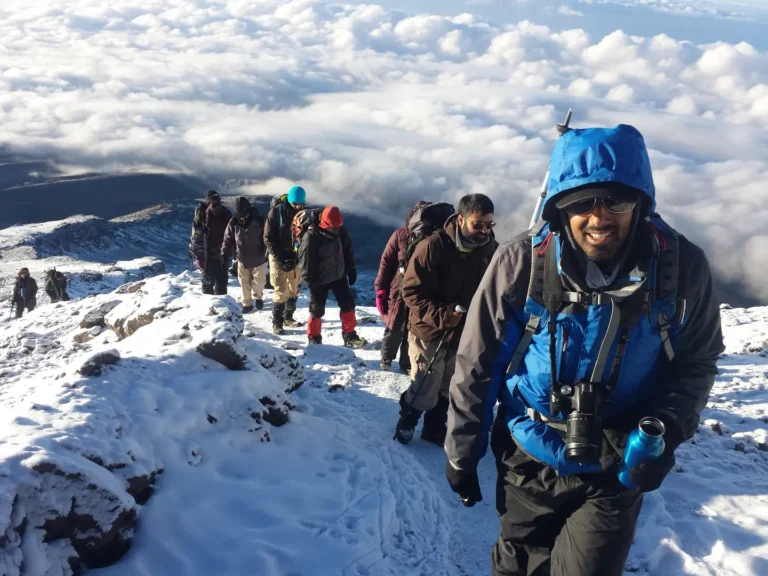
Kilimanjaro Altitude: Acclimatization, Risks, And Routes For Climbs 2026-2027
Reaching Uhuru Peak on Kilimanjaro is a dream for many, but the mountain's altitude presents significant challenges. This guide covers everything you need to know about altitude sickness...
View package details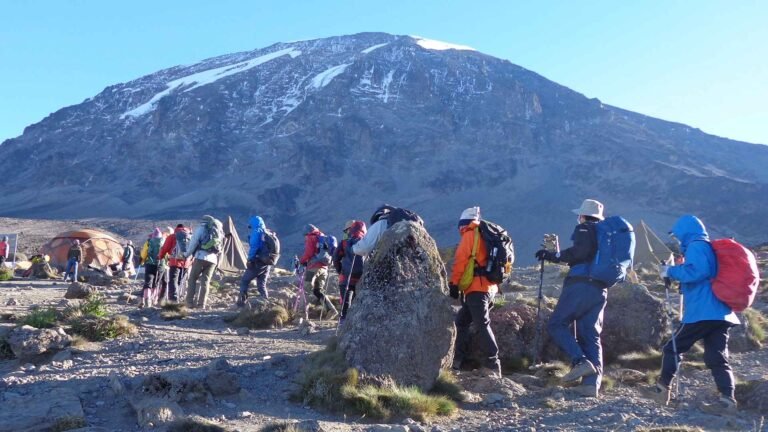
Altitude Training For Kilimanjaro 2026-2027
Altitude training for Kilimanjaro is explained with current 2026-2027 planning, price, itinerary and booking information.
View package details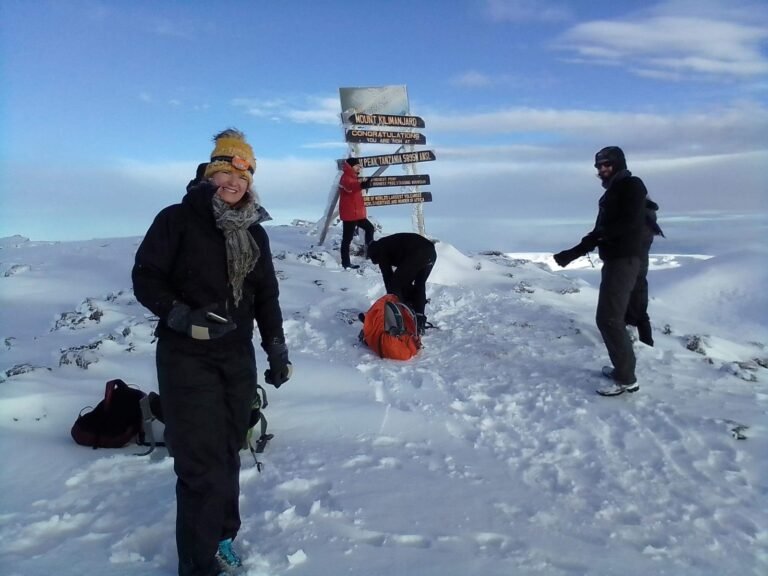
Kilimanjaro Camps Ranked By Views, Altitude And Comfort 2026-2027
Kilimanjaro Camps Ranked by Views, Altitude and Comfort is explained with current 2026-2027 planning, price, itinerary and booking information.
View package details
Kilimanjaro Hike Elevation: Understanding The Summit Ascent And Altitude Zones
Kilimanjaro's imposing elevation is a key factor in its allure and challenge. This guide details the mountain's height, summit altitude, and the distinct ecological zones you'll traverse...
View package details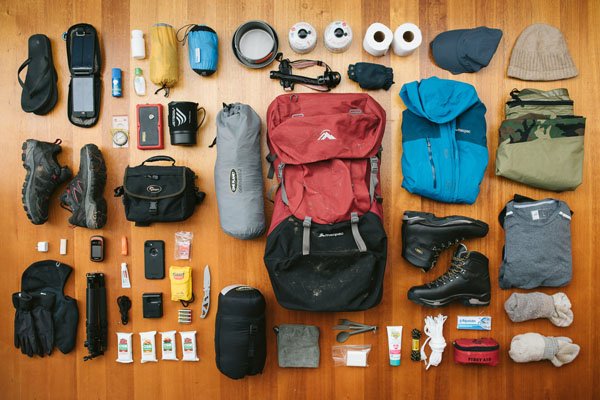
Kilimanjaro Tours With High-Altitude Safety Support: Your Ultimate Guide
start your Kilimanjaro adventure with confidence, knowing that comprehensive high-altitude safety support is prioritized. This guide details essential preparations, route considerations...
View package details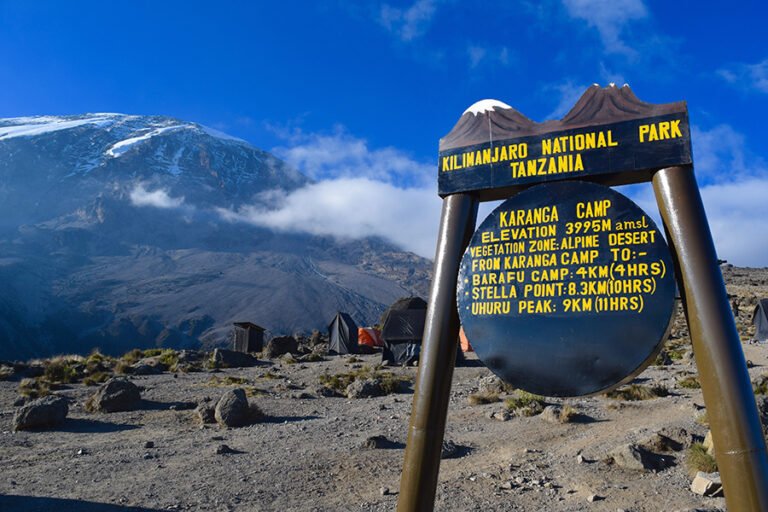
Kilimanjaro Travel Insurance And High-Altitude Cover Explained 2026-2027
Planning a Kilimanjaro climb in 2026 or 2027 requires specific travel insurance that covers high-altitude trekking and potential medical emergencies. This guide details what you need to...
View package details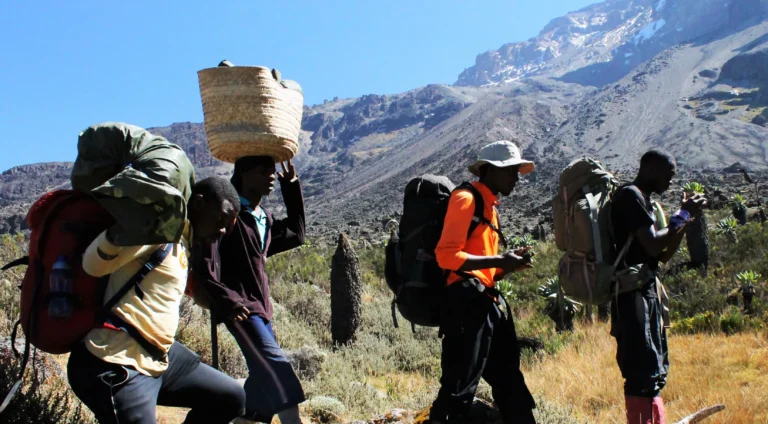
Kilimanjaro Vs Mount Meru: Altitude, Cost And Difficulty 2026-2027
Kilimanjaro vs Mount Meru: Altitude, Cost and Difficulty is explained with current 2026-2027 planning, price, itinerary and booking information.
View package details
1 Day Kilimanjaro Horse Riding Tour - Before Or After Trek 2026-2027
1 Day Kilimanjaro Horse Riding Tour - Before or After Trek is explained with current 2026-2027 planning, price, itinerary and booking information.
View package details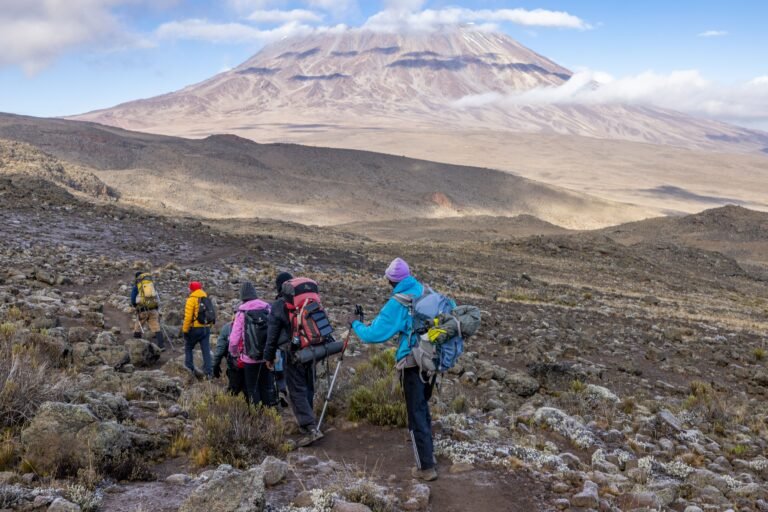
10-Day Kilimanjaro And Safari Package 2026-2027
10-Day Kilimanjaro and Safari Package is explained with current 2026-2027 planning, price, itinerary and booking information.
View package details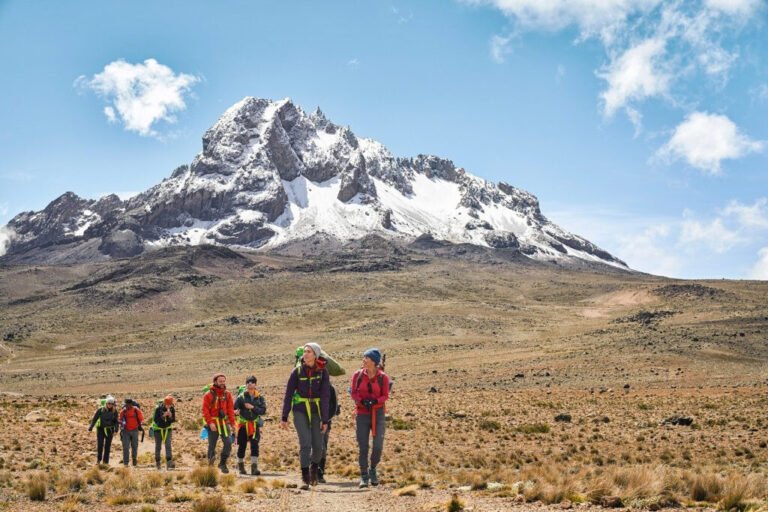
10-Day Kilimanjaro Climb And Safari Package 2026-2027
10-Day Kilimanjaro Climb and Safari Package is explained with current 2026-2027 planning, price, itinerary and booking information.
View package detailsNo closely related package is available for this topic yet.



