
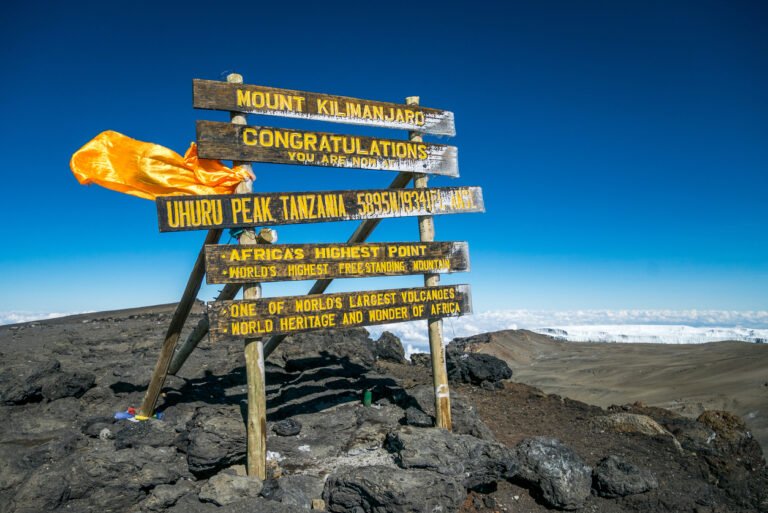
The official Kilimanjaro peak height, specifically at Uhuru Peak on the crater rim of Kibo, is 5,895 meters (19,341 feet) Above sea level. This makes it the highest mountain in Africa and one of the highest free-standing mountains in the world, a formidable yet achievable goal for many trekkers planning expeditions for 2026 and 2027.
Understanding Kilimanjaro’s Summit Altitude
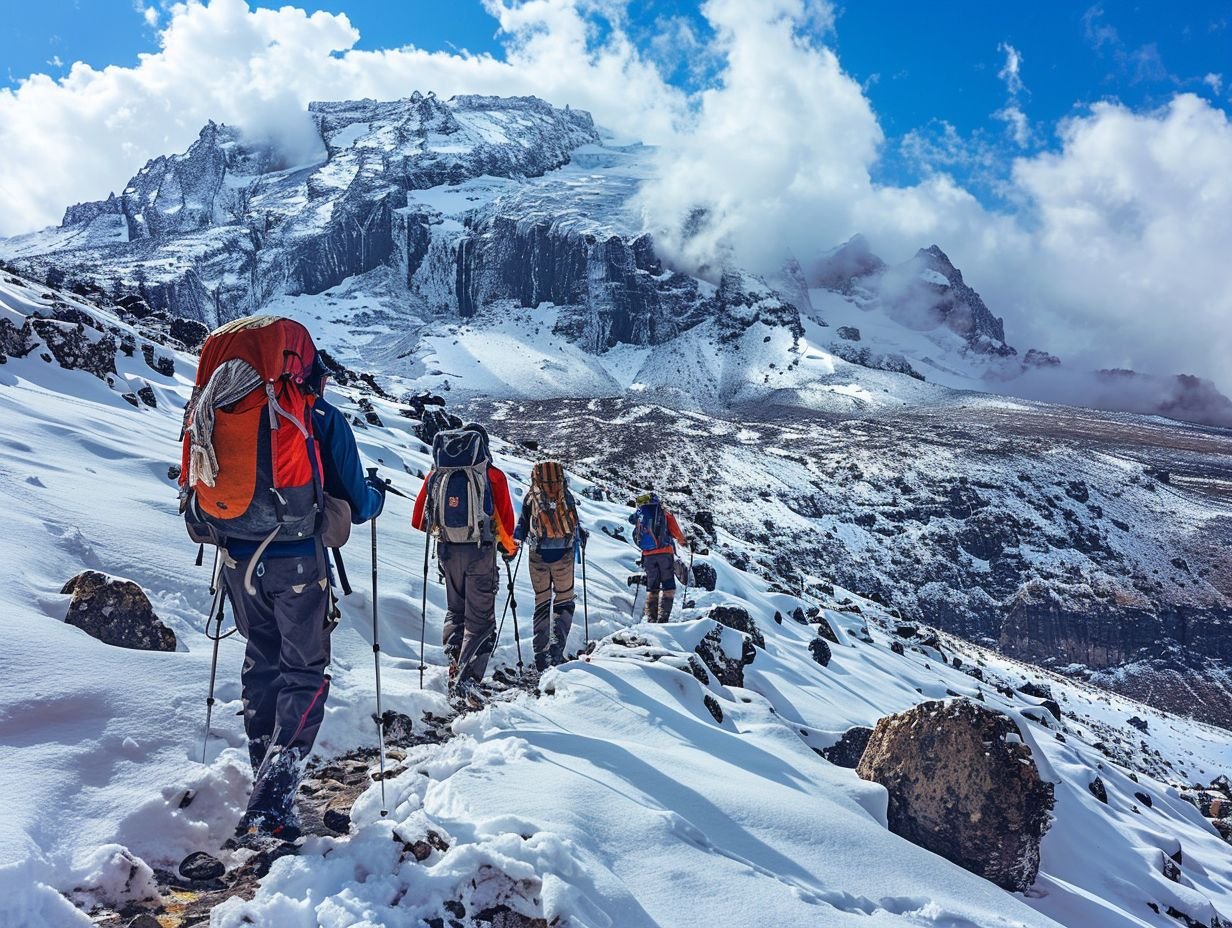
Mount Kilimanjaro, a dormant volcano in Tanzania, is more than just a mountain; it’s a geological marvel and a symbol of achievement for adventurers. Its towering Kilimanjaro peak height of 5,895 meters (19,341 feet) places it among the Seven Summits, the highest mountains on each of the seven continents. For climbers, understanding this altitude is the first step in preparing for the significant physiological challenges that come with ascending to such heights.
The summit itself, Uhuru Peak, is located on the outer rim of the Kibo crater. It’s important to distinguish this from other points on Kibo, such as Stella Point (5,756 meters / 18,885 feet), which is often the first point reached by climbers on the crater rim, or the true volcanic crater floor itself, which is slightly lower. The journey to Uhuru Peak is a demanding trek that tests endurance, acclimatization, and mental fortitude. The sheer scale of Kilimanjaro’s altitude means that every meter gained requires careful planning and execution.
The Significance of 5,895 Meters: Africa’s Roof
Reaching 5,895 meters (19,341 feet) Is a profound accomplishment. Kilimanjaro is not just the highest point in Tanzania; it is the highest mountain in Africa and the highest free-standing mountain globally. This unique status draws thousands of climbers each year, eager to stand on the “Roof of Africa.” The Kilimanjaro peak height is a constant reminder of the vastness of nature and the potential for human endurance.
For many, the climb is a personal challenge, a way to push their limits and gain a new perspective. For others, it’s about experiencing the diverse ecosystems that transition as one ascends: from lush rainforests at the base, through alpine deserts, to the arctic conditions at the summit. The dramatic increase in altitude from base to peak is unparalleled, offering a unique trekking experience.
The Kilimanjaro summit height also has significant geological and ecological importance. The mountain’s volcanic origins are evident in its three volcanic cones: Shira, Kibo, and Mawenzi. Kibo, the highest and most central cone, is where Uhuru Peak is located. The summit area is characterized by glaciers and ice fields, remnants of a colder era, which are unfortunately receding due to climate change. Monitoring these changes is crucial, and awareness of the mountain’s changing environment is part of the modern climbing experience for 2026-2027 expeditions.
Kilimanjaro Altitude: What Climbers Must Know
The Kilimanjaro altitude Is the single most critical factor influencing a trekker’s success and well-being. At 5,895 meters, the air contains significantly less oxygen than at sea level. The atmospheric pressure at the summit is roughly half that at sea level, meaning each breath delivers only about 50% of the oxygen you’re accustomed to.
This drastic reduction in oxygen is the primary cause of Acute Mountain Sickness (AMS), a condition that affects most climbers to varying degrees. Symptoms can range from mild headaches and nausea to severe altitude-related illnesses like High Altitude Pulmonary Edema (HAPE) and High Altitude Cerebral Edema (HACE), which can be life-threatening.
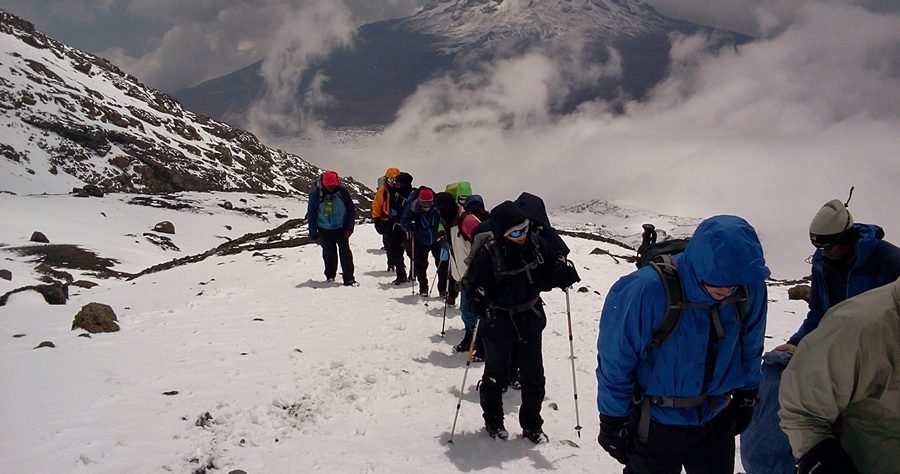
Effective acclimatization is paramount. This is why most reputable Kilimanjaro routes are designed to ascend gradually, allowing the body time to adapt to the decreasing oxygen levels. The “climb high, sleep low” principle is a fundamental strategy. This means ascending to higher altitudes during the day and then descending to a lower altitude to sleep. This strategy is built into the itineraries of longer routes like the Lemosho, Machame, and Marangu (over 5 days), and especially the 7-day and 8-day variants, which significantly increase success rates for reaching the Mount Kilimanjaro summit height.
For those planning a trek in 2026 or 2027, it’s vital to choose a route and itinerary that prioritizes acclimatization. Shorter routes, while seemingly attractive, often lead to rushed ascents and a higher risk of AMS. The success rate for reaching Uhuru Peak on a 5-day Marangu trek is considerably lower than on a 7-day Machame or Lemosho trek, directly correlating to the acclimatization afforded by the longer duration.
Factors Affecting Altitude Experience
Several factors can influence how an individual reacts to the Kilimanjaro peak height:
- Fitness Level: While good cardiovascular fitness is beneficial, it does not guarantee immunity to AMS. Many fit individuals still suffer from altitude sickness.
- Pace of Ascent: A slow and steady pace is crucial. Rushing the climb is a common mistake that leads to acclimatization problems.
- Hydration: Drinking plenty of water (3-4 liters per day) is essential for acclimatization and overall well-being.
- Diet: Eating regular, high-carbohydrate meals provides the energy needed for the strenuous trek.
- Previous Altitude Experience: While helpful, prior experience does not guarantee a problem-free ascent.
- Medication: Diamox (acetazolamide) is a prescription medication that can aid acclimatization for some climbers. It’s important to consult a doctor about its use well in advance of your 2026-2027 trip.
Kilimanjaro Routes and Their Relation to Altitude
The choice of route significantly impacts the acclimatization process and, consequently, the ability to reach the Kilimanjaro peak height Of 5,895 meters. Different routes vary in length, difficulty, and scenery, but their most critical difference lies in their ascent profile and the time they allow for acclimatization.
| Route | Typical Duration (Days) | Acclimatization Profile | Success Rate (Approx.) | Notes |
|---|---|---|---|---|
| Marangu (Coca-Cola Route) | 5-6 | Steeper ascent, less optimal | ~70% (5-day) | Hut accommodation; fastest but lowest success rate. |
| Machame (Whiskey Route) | 6-7 | Excellent, “climb high, sleep low” | ~85-90% (7-day) | Camping; most popular route for acclimatization. |
| Lemosho | 7-8 | Excellent, “climb high, sleep low” | ~90-95% (8-day) | Camping; starts in the west, very scenic, superb acclimatization. |
| Shira | 7-8 | Good, starts at higher altitude | ~85-90% (7-day) | Camping; starts higher, potentially harder initial acclimatization. |
| Rongai | 6-7 | Good, gradual ascent from the north | ~80-85% (7-day) | Camping; drier side, good for rainy seasons. |
| Northern Circuit | 9-10 | Excellent, “climb high, sleep low” | ~95%+ (9-day) | Camping; longest route, offers the best acclimatization and views. |
| Umbwe | 5-6 | Poor, very steep and direct | ~60-70% (6-day) | Camping; for experienced trekkers, challenging. |
For aspiring climbers targeting the Kilimanjaro summit height In 2026 or 2027, routes like the Machame, Lemosho, and the Northern Circuit Are highly recommended due to their superior acclimatization profiles. These longer itineraries provide more days to ascend gradually, significantly increasing the chances of reaching Uhuru Peak safely and successfully.
The Summit Night: The Ultimate Challenge
The final ascent to the Kilimanjaro peak height Occurs on summit night, typically starting around midnight. This is the most demanding part of the trek. Climbers ascend through the night in cold, dark conditions, often facing strong winds and the thinning air.
The goal is to reach Stella Point (5,756 meters) by sunrise, offering a spectacular view as the sun emerges over the horizon. From Stella Point, it’s another hour to 1.5 hours of trekking along the crater rim to Uhuru Peak (5,895 meters). The air at this altitude is extremely thin, and the physical exertion is immense. Many climbers experience symptoms of AMS during summit night, including headaches, dizziness, and fatigue. The guides are trained to monitor each climber closely, making critical decisions about who can continue and who needs to turn back to ensure safety.
Reaching Uhuru Peak is an emotional and triumphant moment. Standing at 5,895 meters (19,341 feet), surrounded by glaciers and vast panoramas, is an experience that stays with trekkers forever. However, the descent is equally important. Descending too quickly can also trigger AMS, so guides ensure a controlled descent, often down to Kibo Hut or even further down the mountain on the same day.
Preparing for Your Kilimanjaro Climb: 2026-2027 Expeditions
Successfully summiting Kilimanjaro requires thorough preparation, focusing on physical conditioning, mental readiness, and logistical planning. Understanding the Kilimanjaro peak height Is just the beginning.
Physical Preparation:
- Cardiovascular Training: Engage in regular aerobic activities like hiking, running, cycling, or swimming for at least 3-4 months before your climb. Focus on endurance.
- Strength Training: Include exercises that strengthen your legs, core, and back, as you’ll be carrying a daypack and navigating challenging terrain.
- Hiking with a Pack: Practice hiking on varied terrain with a weighted backpack to simulate mountain conditions.
- Altitude Simulation (Optional): If possible, spend time at higher altitudes before your trek.
Mental Preparation:
- Understand the Challenge: Educate yourself about altitude sickness and the physical demands of the climb.
- Set Realistic Expectations: Not everyone reaches the summit. Focus on the journey and the experience, and be prepared for the possibility of turning back if necessary.
- Develop Resilience: The climb will test your mental strength. Practice perseverance and a positive attitude.
Gear and Equipment:
- Layering System: Essential for managing temperature changes. Includes base layers, mid-layers (fleece), and an outer waterproof/windproof shell.
- Footwear: Broken-in, waterproof hiking boots are crucial.
- Sleeping Bag: A warm, 4-season sleeping bag is necessary for cold nights.
- Headlamp: Essential for summit night and general use.
- Sun Protection: High SPF sunscreen, sunglasses, and a wide-brimmed hat.
- Trekking Poles: Highly recommended to reduce strain on knees and improve balance.
A detailed gear list will be provided by your tour operator to ensure you have everything needed for the Kilimanjaro altitude.
Logistics and Planning for 2026-2027:
- Choose a Reputable Operator: Select a company with experienced guides, a strong safety record, and a commitment to ethical climbing practices. Top Guide Adventures is a trusted choice for organizing your Kilimanjaro expedition.
- Select Your Route: As discussed, longer routes with better acclimatization profiles are recommended for reaching the Kilimanjaro peak height.
- Book in Advance: Popular dates for 2026 and 2027 climb windows can book up quickly, especially during the dry seasons (January-March and June-October).
- Travel Insurance: Ensure your policy covers high-altitude trekking and emergency evacuation.
- Visas and Vaccinations: Check visa requirements for Tanzania and consult your doctor about recommended vaccinations and malaria prophylaxis.
Beyond the Height: The Kilimanjaro Experience
While the Kilimanjaro peak height Of 5,895 meters is the ultimate goal, the journey itself is what many climbers cherish most. The diverse landscapes, the unique flora and fauna, and the camaraderie forged with fellow climbers and the local support crew create an unforgettable experience.
The guides and porters are integral to the success of any Kilimanjaro climb. Their local knowledge, experience with the mountain, and dedication to client safety are invaluable. They ensure you are well-fed, supported, and guided safely up and down the mountain. Understanding and respecting their role is part of the cultural experience of climbing Kilimanjaro.
For those looking to plan their Kilimanjaro adventure for 2026 or 2027, remember that the Highest mountain in Africa height Is a significant challenge, but with proper preparation and the right guidance, it is an achievable dream. The trek offers not just a physical challenge but also a profound opportunity for self-discovery and connection with nature.
Comparing Kilimanjaro’s Height to Other Peaks
To truly appreciate the scale of Kilimanjaro peak height (5,895 meters / 19,341 feet), it helps to compare it with other well-known mountains:
- Mount Everest: 8,848.86 meters (29,031.7 feet) – The world’s highest mountain, significantly taller and requiring technical mountaineering skills.
- Mount Aconcagua: 6,961 meters (22,838 feet) – The highest peak in South America and the highest outside of Asia. It’s taller than Kilimanjaro but generally considered less technically challenging, though altitude is still a major factor.
- Mount Elbrus: 5,642 meters (18,510 feet) – The highest peak in Europe, often considered a more accessible “Seven Summit” challenge than Kilimanjaro by some, though its altitude is comparable.
- Mount Rainier: 4,392 meters (14,411 feet) – A popular climbing destination in the USA, significantly lower than Kilimanjaro, but still presents altitude challenges for those unaccustomed to heights.
This comparison highlights that while Kilimanjaro is not the absolute highest mountain in the world, its Mount Kilimanjaro summit height Is substantial enough to present serious acclimatization challenges that must be respected. It stands as a significant achievement for non-technical mountaineers.
The Future of Kilimanjaro’s Glaciers
A poignant aspect of the Kilimanjaro experience, especially for those planning climbs in 2026 and 2027, is the visible impact of climate change on its iconic glaciers and ice fields. The summit of Kilimanjaro once hosted vast expanses of ice, but these have been dramatically shrinking over the past century. While the Kilimanjaro peak height Itself remains constant, the glacial formations that adorn its summit are a stark reminder of environmental shifts.
Scientists attribute this rapid melting to rising global temperatures, changes in atmospheric circulation, and deforestation at the mountain’s base, which affects humidity levels. Some projections suggest that Kilimanjaro’s glaciers could disappear entirely within the next few decades. This makes climbing Kilimanjaro not only a personal quest but also an opportunity to witness a changing natural wonder firsthand.
Booking Your Kilimanjaro Adventure with Top Guide Adventures
Planning your expedition to conquer the Kilimanjaro peak height Requires careful consideration and a reliable partner. Top Guide Adventures is dedicated to providing exceptional trekking experiences, ensuring your safety, comfort, and success on the mountain. We specialize in organizing complete travel experiences across Tanzania, with personal attention and dedicated support for every client.
Whether you are considering a climb for 2026 or 2027, our experienced team can help you choose the best route, tailor an itinerary to your needs, and prepare you for the challenges of Kilimanjaro’s altitude. We offer a range of Kilimanjaro climbs, including options on the popular Machame and Lemosho routes, known for their excellent acclimatization profiles and high success rates. We also arrange Tanzania safaris, Zanzibar holidays, and other tailor-made journeys across Northern and Southern Tanzania.
To discuss your Kilimanjaro climb, learn more about our 2026-2027 itineraries, or get a personalized quote, please do not hesitate to contact us. We are here to help you achieve your dream of standing atop Africa.
Contact us today:
WhatsApp: +255616946642
Email: Topguideadventures@gmail.com
Backup Email: Info@topguideadventures.com
Check Availability for Kilimanjaro Peak Height: Everything Climbers Need To Know 2026-2027
Ready to compare dates, prices, and the best option for your group? Send the package name and travel month so the team can reply with a clear quote, availability, and what is included.
Kilimanjaro French Routes: Guide To Climbing Africas Highest Peak 2026-2027
This comprehensive guide explores the French routes for climbing Mount Kilimanjaro, offering detailed insights into itineraries, difficulty, costs, and preparation essential for a...
View package details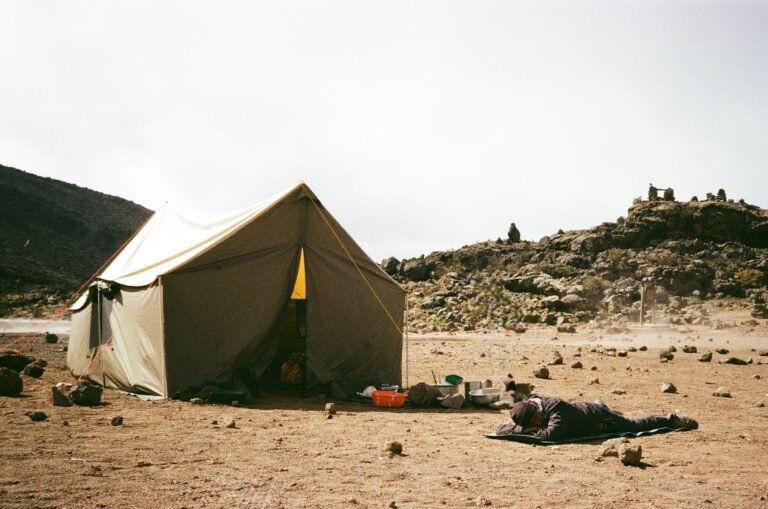
8-Day Vs 9-Day Kilimanjaro Climb Guide
Choosing between an 8-day and a 9-day Kilimanjaro climb hinges on acclimatization, success rates, and your personal pace. While both routes ascend Africa's highest peak, the extra day on a...
View package details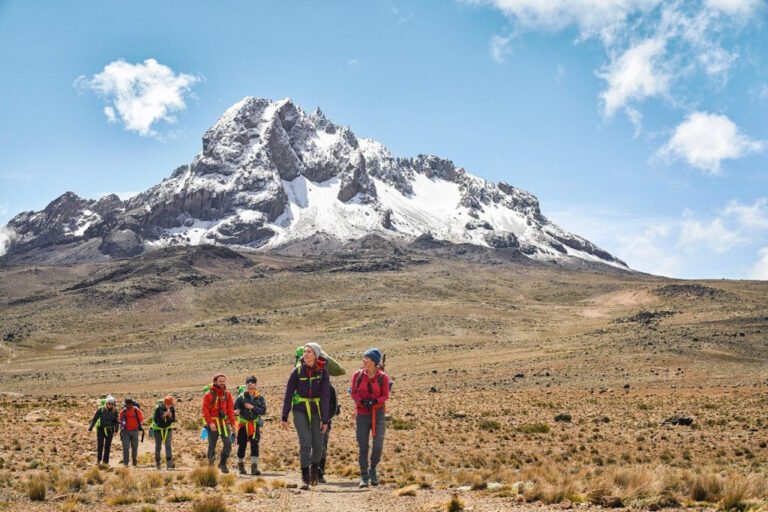
Best Beklimmen Kilimanjaro Kosten 2026-2027
Best beklimmen kilimanjaro kosten is explained with current 2026-2027 planning, price, itinerary and booking information.
View package details
Best Climb Kilimanjaro Cost 2026-2027
Best climb kilimanjaro cost is explained with current 2026-2027 planning, price, itinerary and booking information.
View package details
Best Climb Kilimanjaro Routes 2026-2027
Best climb kilimanjaro routes is explained with current 2026-2027 planning, price, itinerary and booking information.
View package details
Best Climbing Kilimanjaro Costs 2026-2027
Best climbing kilimanjaro costs is explained with current 2026-2027 planning, price, itinerary and booking information.
View package details
Best Climbing Kilimanjaro Prices 2026-2027
Best climbing kilimanjaro prices is explained with current 2026-2027 planning, price, itinerary and booking information.
View package details
Best Climbing Kilimanjaro Routes 2026-2027
Best climbing kilimanjaro routes is explained with current 2026-2027 planning, price, itinerary and booking information.
View package details
Best Climbing Routes Kilimanjaro 2026-2027
Best climbing routes kilimanjaro is explained with current 2026-2027 planning, price, itinerary and booking information.
View package details
Best Cost Climb Kilimanjaro 2026-2027
Best cost climb kilimanjaro is explained with current 2026-2027 planning, price, itinerary and booking information.
View package details
Best Cost Of Kilimanjaro 2026-2027
Best cost of kilimanjaro is explained with current 2026-2027 planning, price, itinerary and booking information.
View package details
Best Kilimanjaro All Inclusive 2026-2027
Best kilimanjaro all inclusive is explained with current 2026-2027 planning, price, itinerary and booking information.
View package detailsNo closely related package is available for this topic yet.



