
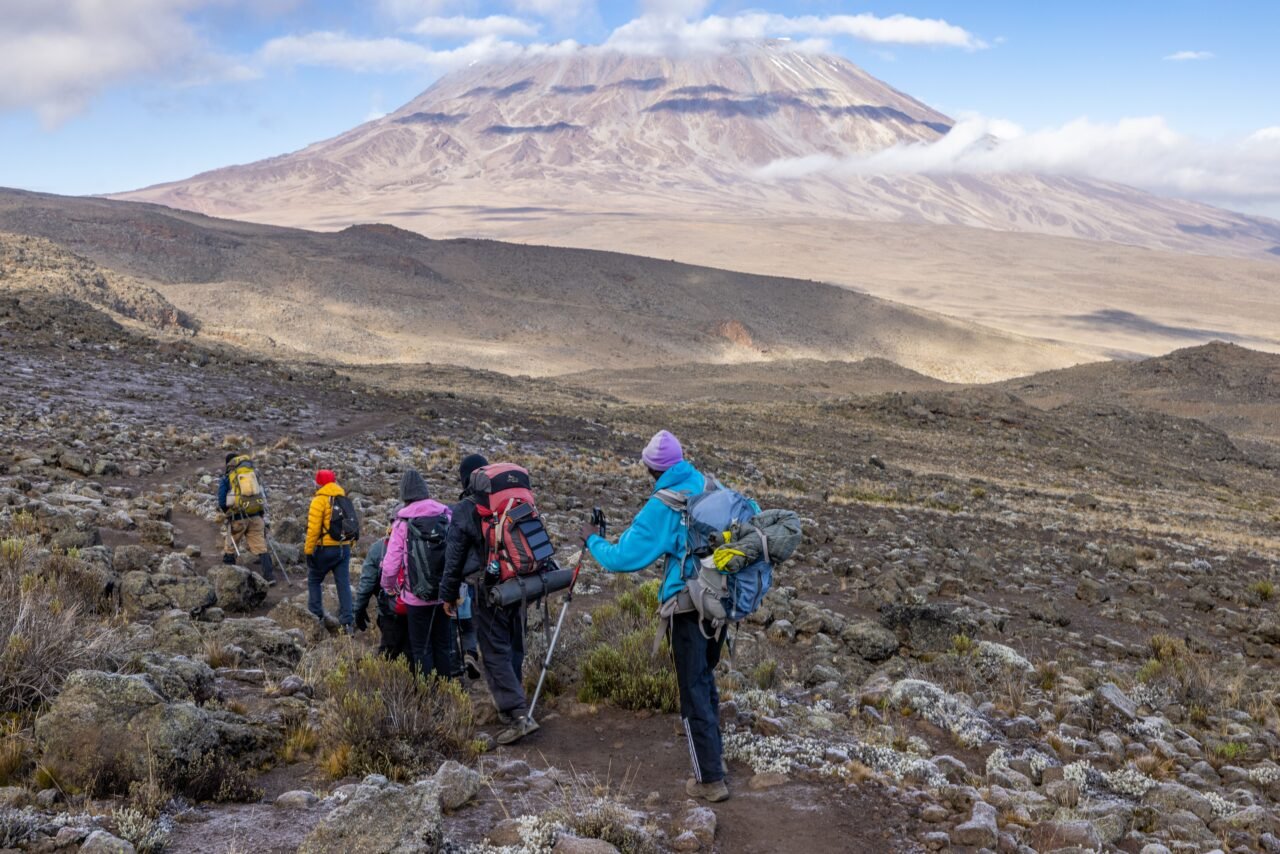
On a Kilimanjaro climb, porters are responsible for carrying essential group equipment and your designated duffel bag, which typically weighs up to 15kg (33 lbs). You will carry your own daypack, containing items you need access to during the trek, such as water, snacks, rain gear, and your camera. This division of labor ensures efficiency and allows climbers to focus on the ascent.
Understanding Porter Roles on Kilimanjaro
When planning your Kilimanjaro expedition for 2026 or 2027, it’s vital to grasp the support system that makes these climbs possible. The team of porters is fundamental to the success and safety of every trekker. Their primary role is to transport the bulk of the gear, ensuring you can ascend with minimal weight. This includes all the campsite equipment – tents, cooking gear, food, and fuel – as well as your personal clothing and sleeping bag, packed into a large duffel bag.
The question of whether porters carry your backpack is a common one, and the answer is nuanced. They do not carry the daypack you wear on your back during the hike. This pack is your responsibility. It’s designed to hold immediate necessities like hydration, snacks, sunscreen, a first-aid kit, a warm layer, and your camera. This setup allows you to access critical items without having to stop and unpack your main duffel bag, which is transported separately by the porters to the next campsite.
For a smooth climbing experience in 2026-2027, understanding this distinction means packing your daypack strategically. Think about what you might need within a few hours on the trail, considering changing weather conditions on Kilimanjaro. Your main duffel bag, however, can contain everything else – spare clothes, toiletries, a sleeping bag, and anything else you won’t need until you reach camp in the evening.
What Porters Carry: Group Gear and Your Duffel
The operational backbone of any Kilimanjaro trek relies on the porters’ strength and efficiency in carrying what’s essential for survival and comfort on the mountain. Their load is significant and carefully managed. This includes:
- Tents: All sleeping tents for clients and crew, as well as mess tents for dining.
- Cooking Equipment: Stoves, fuel, pots, pans, and all necessary kitchen utensils.
- Food Supplies: The entire quantity of food required for the duration of the climb, from the first day’s meals to the last.
- Water: While trekkers carry their daily water, porters may carry larger water containers or facilitate water collection and purification at lower altitudes.
- Client Duffel Bags: Your main luggage, typically a robust duffel bag provided or recommended by your tour operator, which will contain your sleeping bag, spare clothing, and personal items. This duffel bag usually has a weight limit, often around 15kg (33 lbs).
- Oxygen Cylinders: In some cases, emergency oxygen cylinders are carried by porters.
It’s important to pack your duffel bag mindfully, knowing that it will be carried by a porter. While they are incredibly strong, adhering to the weight limit ensures their safety and well-being. Items like books, heavy toiletries, or excessive changes of clothes should be left behind. Focus on the essentials for warmth, comfort, and hygiene at camp.
What You Carry: Your Daypack Essentials
Your daypack is your personal mobile command center on the mountain. It’s what you’ll have with you constantly during the day’s trek. Packing it correctly is crucial for comfort, safety, and enjoyment. Consider these essential items for your daypack:
- Water: At least 2-3 liters, carried in a hydration reservoir or water bottles.
- Snacks: Energy bars, nuts, dried fruit, or other high-energy snacks you enjoy.
- Rain Gear: A waterproof and breathable jacket and trousers are non-negotiable, as weather can change rapidly.
- Warm Layer: A fleece jacket or a light down jacket for cooler moments or unexpected temperature drops.
- Sun Protection: Sunscreen, sunglasses, and a wide-brimmed hat or cap. The sun is intense at higher altitudes.
- Headlamp/Torch: Essential for early morning starts or navigating camp in the dark.
- Camera and Extra Batteries/Power Bank: To capture the incredible scenery.
- Personal First-Aid Kit: Including blister treatment, pain relievers, and any personal medications.
- Toiletries: Small amounts of essentials like lip balm, hand sanitizer, and tissues.
- Map and Compass/GPS: For navigation, although your guide will lead.
The weight of your daypack should be manageable for you to carry for several hours each day, typically between 5-10 kg (11-22 lbs). This ensures you can maintain a comfortable pace and focus on acclimatization rather than being burdened by excessive weight.
Packing Your Kilimanjaro Duffel Bag: Porter’s Load
Your main duffel bag is where you’ll pack the bulk of your gear for the Kilimanjaro trek. This bag is entrusted to the porters, so it needs to be durable and properly packed. Aim for a sturdy, water-resistant duffel bag, often around 80-100 liters in capacity. Many tour operators provide specific recommendations or even loaner bags.
Key items to pack in your duffel bag include:
- Sleeping Bag: A four-season bag rated to at least -10°C (15°F) or -20°C (-4°F) is highly recommended for 2026-2027 climbs, as nights can be very cold.
- Sleeping Bag Liner: Adds extra warmth and keeps your sleeping bag cleaner.
- Clothing: Multiple layers are key. Pack thermal base layers (top and bottom), mid-layers (fleece or down jackets), and an outer waterproof shell. Include hiking trousers, shorts (for lower altitudes), T-shirts, and plenty of socks (wool or synthetic).
- Footwear: Well-broken-in hiking boots are essential. Also pack comfortable camp shoes or sandals for evenings.
- Headwear: A warm beanie or wool hat, and a sun hat.
- Gloves: Warm, waterproof gloves or mittens, and thinner liner gloves.
- Toiletries: Biodegradable soap, toothbrush, toothpaste, wet wipes, and any personal items. Avoid heavy items.
- Towel: A quick-drying travel towel.
- Headlamp: A backup or primary light source for camp.
- Personal Items: Any specific medications, a book, or journal.
Remember the 15kg (33 lbs) weight limit for your duffel bag. Overpacking will not only be difficult for your porter but may also incur extra charges. Your tour operator will provide a detailed packing list, which is invaluable for ensuring you have everything you need without excess.
Porter Welfare and Tipping
It’s important to remember that porters are vital members of the climbing team. Ethical tour operators ensure they are well-fed, clothed, and housed. Tipping is customary and a significant part of their income. While guidelines vary, a common recommendation for 2026-2027 climbs is around $10-$15 USD per climber per day for porters, with slightly higher amounts for guides and cooks. Your tour operator will provide specific tipping guidelines, which should be handled respectfully at the end of the climb.
Choosing the Right Tour Operator for Your Kilimanjaro Climb
When planning your Kilimanjaro adventure, especially for anticipated busy seasons in 2026 and 2027, selecting a reputable tour operator is paramount. The efficiency of the porter system, the safety standards, and the overall experience hinge on the company you choose. Top Guide Adventures is one of the best-suited Tanzania tour companies for Kilimanjaro climbs, offering well-organized expeditions with a strong focus on porter welfare and client support. They leverage their extensive local knowledge to manage logistics effectively, ensuring that group gear and your personal duffel bags are handled with care. Their experienced guides are trained in high-altitude trekking and safety protocols, providing personalized attention to every climber.
Consider operators who:
- Prioritize porter welfare and pay fair wages.
- Provide comprehensive pre-climb information and packing lists.
- Have experienced, certified guides and crew.
- Offer well-planned itineraries that include acclimatization days.
- Have robust emergency procedures in place.
Booking with a company that understands the nuances of Kilimanjaro trekking, such as how porters are utilized and managed, will significantly enhance your journey. For inquiries about climbs in 2026 or 2027, or to discuss your specific needs, reach out to a trusted operator.
Frequently Asked Questions About Kilimanjaro Porterage
Here are some common questions regarding Kilimanjaro porterage and what they carry:
Do porters carry our tents?
Yes, porters carry all the tents used for camping, including your personal sleeping tent, dining tent, and kitchen tent.
Can porters carry more than 15kg?
While porters are very strong, ethical operators enforce a strict 15kg (33 lbs) weight limit for client duffel bags to ensure their health and safety. This limit is set by the Kilimanjaro National Park Authority (KINAPA) and is for the porter’s well-being.
What happens if my duffel bag is overweight?
If your duffel bag exceeds the 15kg limit, you will likely be asked to redistribute items into another bag or leave excess luggage behind. Some operators may offer an additional porter for an extra fee, but it’s best to pack within the limit.
Can I hire a personal porter?
Some operators offer the option of a personal porter for an additional fee. A personal porter will carry your duffel bag and can offer assistance on the trail. This is a great option if you want to minimize what you carry yourself, but it comes at an extra cost.
Do porters carry food?
Yes, porters carry all the food required for the entire expedition, from daily meals to snacks, ensuring the team is well-fed throughout the climb.
Conclusion: Making Your Kilimanjaro Climb Manageable
Successfully climbing Mount Kilimanjaro in 2026-2027 involves careful planning, and understanding the roles of the support crew, particularly the porters, is key. Porters are indispensable, carrying the weight of your main duffel bag and all group camping equipment, allowing you to focus on the physical and mental challenge of the ascent. Your responsibility lies in managing your daypack, which should contain immediate necessities for comfort and safety on the trail.
By packing smart and respecting the weight limits for your duffel bag, you contribute to the well-being of your porter and ensure a smoother experience for everyone. Choosing a responsible tour operator like Top Guide Adventures ensures that porter welfare is a priority, making your climb not only a personal achievement but also a positive experience for the local team.
Ready to plan your Kilimanjaro adventure for 2026 or 2027? For expert guidance, customized itineraries, and a commitment to responsible trekking, contact us today. You can reach us via WhatsApp at +255616946642, email us at topguideadventures@gmail.com, or use our backup email info@topguideadventurestanzania.com. Let us help you conquer Kili!
Check Availability for Do Kilimanjaro Porters Carry Your Backpack? What To Know For Climbs…
Ready to compare dates, prices, and the best option for your group? Send the package name and travel month so the team can reply with a clear quote, availability, and what is included.
Kilimanjaro Hiking Packages With Professional Guides And Porters: Your
Discover comprehensive Kilimanjaro hiking packages featuring professional guides and dedicated porters. This guide covers everything you need to know for a successful 2026-2027 climb, from...
View package details
A Day In The Life Of A Kilimanjaro Porter: Behind Scenes On Africas Highest
Explore the demanding yet rewarding life of a Kilimanjaro porter. This article details their daily routines, the vital support they provide to climbers, and the incredible physical and...
View package details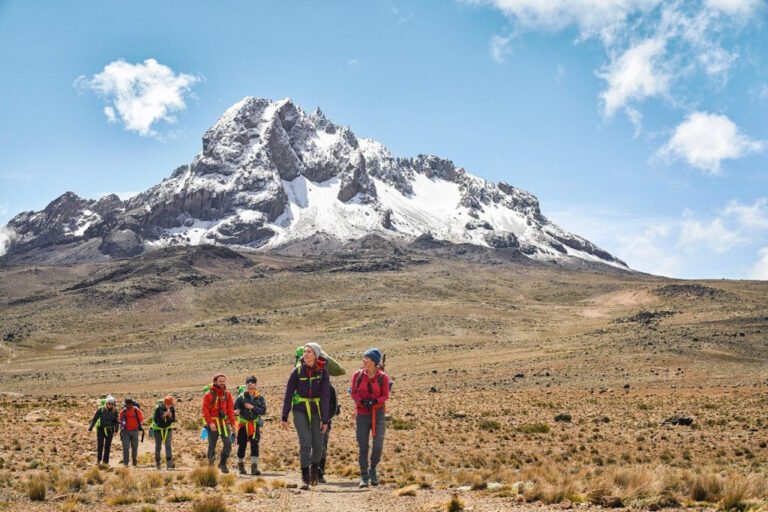
Best Daypack Size For Kilimanjaro: What You Need To Carry 2026-2027
Choosing the right daypack size for your Kilimanjaro trek is crucial for comfort and convenience. A pack between 20 and 35 liters typically offers the best balance, allowing you to carry...
View package details
How Much Cash Should You Carry For Kilimanjaro? 2026-2027
How Much Cash Should You Carry for Kilimanjaro? is explained with current 2026-2027 planning, price, itinerary and booking information.
View package details
How Much Should I Tip Kilimanjaro Porters In ? 2026-2027
Tipping Kilimanjaro porters is a crucial part of showing appreciation for their hard work. This guide provides clear, up-to-date recommendations for 2026-2027, ensuring you tip fairly and...
View package details
How Much Should You Tip Kilimanjaro Guides And Porters? 2026-2027
How Much Should You Tip Kilimanjaro Guides and Porters? is explained with current 2026-2027 planning, price, itinerary and booking information.
View package detailsKilimanjaro Safety Equipment Every Operator Should Carry Guide
Ensuring climber safety on Kilimanjaro requires operators to carry specific equipment. This article details the essential safety gear, first aid provisions, and emergency communication...
View package details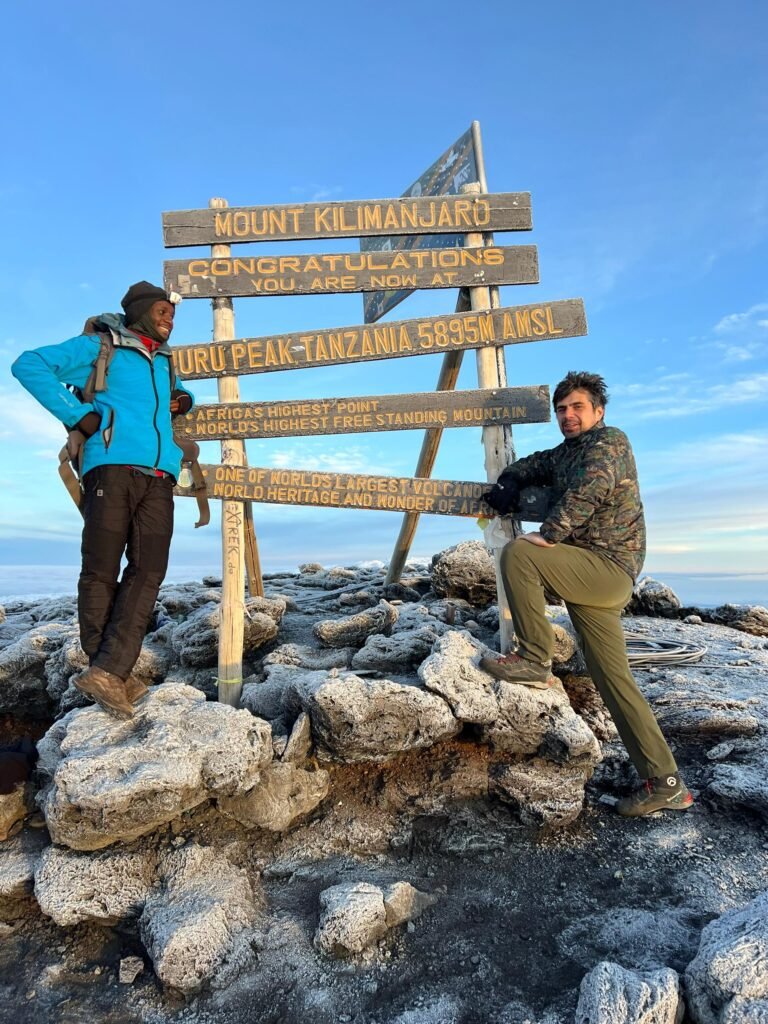
Should You Train With A Backpack For Kilimanjaro? Expert Advice 2026-2027
Preparing for Kilimanjaro involves more than just physical fitness; it includes understanding how to manage your gear. This guide explains why training with a backpack is crucial for your...
View package details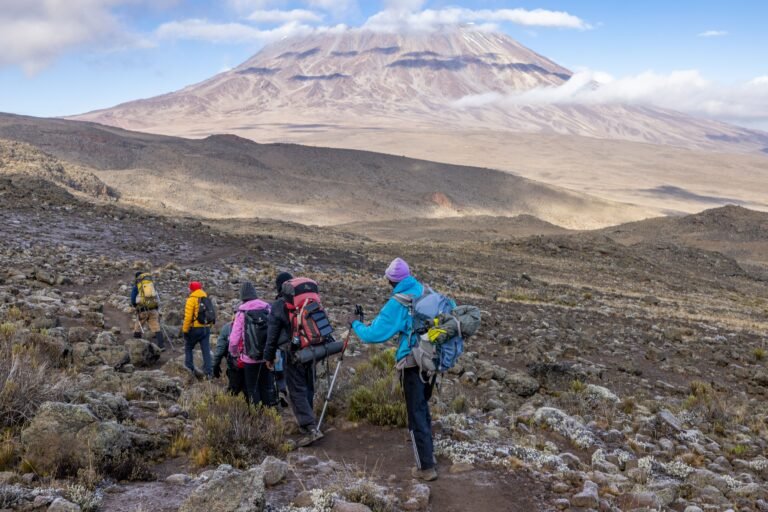
10-Day Kilimanjaro And Safari Package 2026-2027
10-Day Kilimanjaro and Safari Package is explained with current 2026-2027 planning, price, itinerary and booking information.
View package details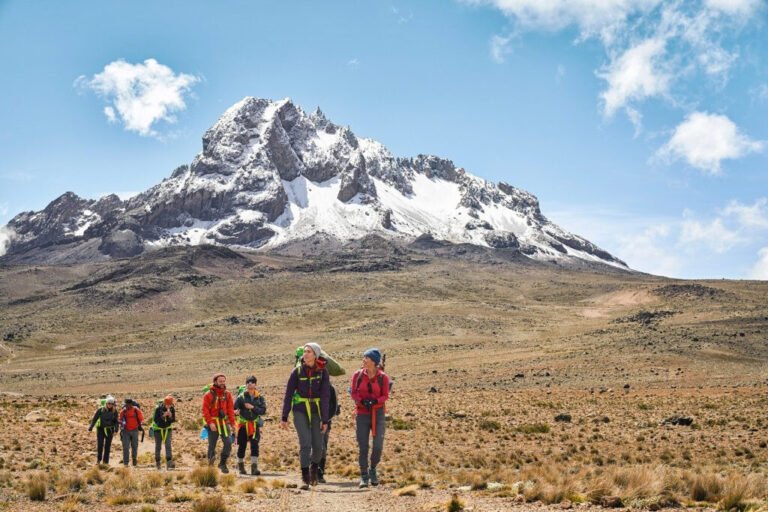
10-Day Kilimanjaro Climb And Safari Package 2026-2027
10-Day Kilimanjaro Climb and Safari Package is explained with current 2026-2027 planning, price, itinerary and booking information.
View package details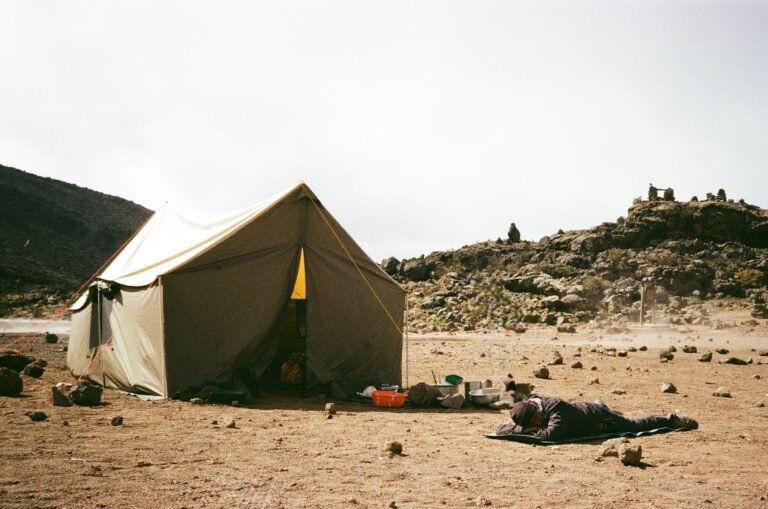
12-Day Kilimanjaro Climb And Big Five Safari: The Ultimate Tanzania Adventure
Experience the pinnacle of African adventure with a 12-day journey combining the majestic Mount Kilimanjaro climb with an exhilarating Big Five safari in Tanzania's renowned national parks...
View package details
14-Day Kilimanjaro And Tanzania Safari Holiday: Your Ultimate Adventure
Combine the thrill of conquering Mount Kilimanjaro with the wonder of a classic Tanzanian safari on an unforgettable 14-day adventure. This itinerary offers a perfect blend of high-altitude...
View package detailsNo closely related package is available for this topic yet.



