
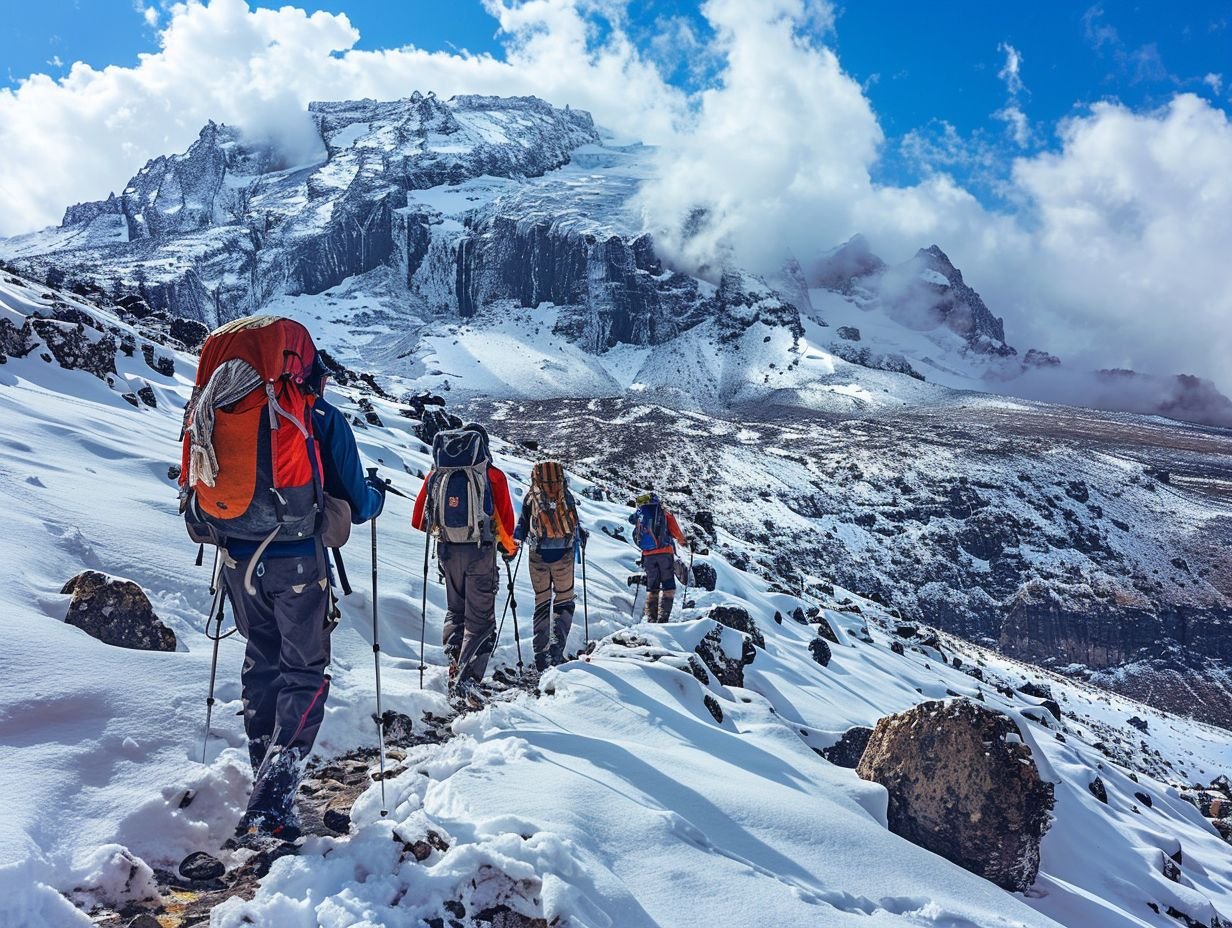
Walking too fast on Kilimanjaro is one of the most common and dangerous mistakes trekkers make, directly leading to a higher probability of developing acute mountain sickness (AMS) and significantly reducing your chances of reaching the summit. The key to a successful climb is adhering to the principle of ‘pole pole’ – moving slowly and steadily to allow your body to acclimatize to the increasing altitude, which is why Top Guide Adventures emphasizes this crucial aspect of trekking preparation.
The Perils of Rushing Your Kilimanjaro Ascent
Mount Kilimanjaro, while not technically a difficult climb in terms of technical mountaineering, presents a formidable challenge due to its extreme altitude. The air thins dramatically as you gain elevation, meaning less oxygen is available with each breath. When you walk too fast, your body struggles to keep up with the demand for oxygen, leading to a cascade of physiological problems. This is particularly true for trekkers on popular routes in 2026 and 2027, where adherence to proper acclimatization protocols is paramount.
The primary and most immediate consequence of ascending too quickly is the onset of acute mountain sickness (AMS). This condition can manifest in various ways, ranging from mild to life-threatening. Symptoms typically appear within 12 to 24 hours of reaching a higher altitude and can include:
- Headaches (often severe)
- Nausea and vomiting
- Dizziness and lightheadedness
- Fatigue and weakness
- Loss of appetite
- Difficulty sleeping
While these symptoms might seem manageable, they are your body’s clear signal that you are ascending too rapidly. Ignoring them or pushing through can lead to more severe forms of altitude illness, such as High Altitude Cerebral Edema (HACE) and High Altitude Pulmonary Edema (HAPE). These are medical emergencies that require immediate descent and professional medical attention.
Why ‘Pole Pole’ is More Than Just a Saying
‘Pole pole,’ the Swahili phrase for ‘slowly, slowly,’ is the mantra of every successful Kilimanjaro trekker and guide. It’s not merely a suggestion; it’s a fundamental acclimatization strategy. When you walk at a slow, consistent pace, you give your body ample time to:
- Adjust to lower oxygen levels: Your body can gradually increase its red blood cell production and improve oxygen uptake.
- Conserve energy: A slower pace prevents excessive exertion, which further compounds oxygen deficiency.
- Maintain hydration and nutrition: You’re less likely to feel too breathless or exhausted to eat and drink, both vital for energy and acclimatization.
- Monitor your body: Moving slowly allows you to be more aware of any developing symptoms of AMS.
The difference between a successful summit and a premature turn-around often lies in the discipline to maintain a slow pace, even when feeling energetic. Many trekkers, eager to reach their goal, fall into the trap of ‘summit fever’ and begin to rush, especially on the final ascent night. This is precisely when the ‘pole pole’ approach is most critical.
The Impact on Your Body and Mind
Beyond the immediate threat of AMS, walking too fast on Kilimanjaro can have broader negative impacts on your overall trekking experience:
Exhaustion and Reduced Stamina
Pushing your body too hard from the start depletes your energy reserves far quicker than a measured pace. This means you’ll feel more exhausted each day, making the subsequent days of trekking significantly harder. Your mental fortitude also suffers when you are constantly battling extreme fatigue.
Digestive Issues
When you’re breathless from moving too fast, your body prioritizes essential functions, often shutting down non-essential ones like digestion. This can lead to nausea, loss of appetite, and an inability to consume the calories and fluids needed to sustain you on the climb. Proper hydration and nutrition are crucial for acclimatization, and a fast pace directly hinders your ability to achieve them.
Increased Risk of Injury
When fatigued from rushing, your coordination can decrease, and your judgment may be impaired. This increases the risk of slips, trips, and falls, especially on uneven terrain. While Kilimanjaro doesn’t require technical climbing skills, the trails can be steep and rocky, demanding careful footing.
Psychological Strain
Constantly feeling out of breath, nauseous, or severely fatigued can be demoralizing. The joy of the trek can quickly turn into a struggle for survival. A slower pace allows for more enjoyment of the spectacular scenery and the camaraderie of your trekking group.
Understanding Acclimatization: The Science Behind ‘Pole Pole’
Acclimatization is the physiological process by which your body adapts to living at higher altitudes. It’s a complex biological response that cannot be rushed. The higher you go, the lower the barometric pressure, and consequently, the lower the partial pressure of oxygen. This means that even though the percentage of oxygen in the air remains the same (around 21%), the amount of oxygen molecules you can inhale with each breath decreases.
When you ascend too quickly, your body doesn’t have sufficient time to make the necessary adaptations. These adaptations include:
- Increased breathing rate: Your body tries to compensate by breathing faster and deeper.
- Increased heart rate: Your heart pumps faster to circulate oxygenated blood more efficiently.
- Increased red blood cell production: Over time, your body produces more red blood cells to carry oxygen. This is a slower process, taking days or weeks to significantly impact.
- Changes in blood pH: This helps facilitate oxygen release from hemoglobin to tissues.
Rushing the ascent bypasses these critical adaptive mechanisms, leaving you vulnerable to altitude sickness. For trekkers planning their climb in 2026 or 2027, understanding that acclimatization is a biological imperative, not a matter of willpower, is key.
Kilimanjaro Routes and Their Pace Implications
While the ‘pole pole’ principle applies to all Kilimanjaro routes, some routes are inherently better designed for acclimatization than others, directly influencing what happens if you walk too fast. Routes with longer durations and gradual ascents are significantly more forgiving.
For example, the Lemosho and Machame routes, known for their ‘climb high, sleep low’ profiles, offer better acclimatization opportunities over 7 or 8 days compared to shorter routes like Marangu or Rongai if attempted in fewer days.
A common mistake is choosing a shorter itinerary (e.g., 5-day Marangu or Rongai) and then trying to rush through it. This drastically increases the risk of altitude sickness. A 7-day Machame route, for instance, allows for a more gradual ascent and better acclimatization, making it less likely for you to experience severe effects from walking too fast, though the risk is never entirely eliminated.
Here’s a simplified comparison of how route length impacts acclimatization, and thus, the consequences of moving too fast:
| Route | Typical Duration (Days) | Acclimatization Effectiveness | Risk if Walking Too Fast |
|---|---|---|---|
| Marangu | 5-6 | Lower (shorter duration) | High |
| Rongai | 6-7 | Moderate | Moderate to High |
| Machame | 6-7 | Good (‘climb high, sleep low’) | Moderate |
| Lemosho | 7-8 | Excellent (‘climb high, sleep low’, longer duration) | Lower |
| Northern Circuit | 9+ | Excellent (slowest ascent, most acclimatization) | Lowest |
For those planning their Kilimanjaro adventure for 2026 or 2027, selecting a longer route is a significant factor in mitigating the risks associated with walking too fast.
Recognizing and Responding to Altitude Sickness
Early recognition is key. As a trekker, you must be honest about how you feel. Your guides are trained to spot the signs, but open communication is vital. If you experience any of the AMS symptoms mentioned earlier, report them immediately to your guide.
The primary treatment for AMS is descent. Even a drop of a few hundred meters can make a significant difference. If symptoms are mild, your guide might suggest resting, taking medication like Diamox (if prescribed and used correctly), and staying hydrated. However, if symptoms worsen or are severe, immediate descent is non-negotiable. This is why a good tour operator will always have a clear plan for emergency evacuations and medical support.
Never ascend further if you have symptoms of AMS. This is the golden rule. Pushing on when you feel unwell is the most direct path to a serious medical emergency.
Tips for Maintaining the Right Pace
Successfully managing your pace on Kilimanjaro requires discipline and mindfulness. Here are essential tips:
Pacing Your Climb Effectively
- Listen to Your Body: Pay attention to how you feel. Don’t compare your pace to others in your group. Everyone acclimatizes differently.
- Embrace ‘Pole Pole’: Consciously adopt a slow, shuffling gait. Think of it as a very leisurely stroll.
- Focus on Breathing: Take deep, steady breaths. Coordinate your breathing with your steps (e.g., one breath per step, or two breaths per step).
- Hydrate Consistently: Drink plenty of water throughout the day, even if you don’t feel thirsty. This aids acclimatization. Aim for 3-4 liters per day.
- Eat Regularly: Fuel your body with carbohydrates. Even if your appetite is reduced, try to eat small, frequent snacks.
- Rest When Needed: Take short breaks to catch your breath and enjoy the scenery, but avoid long, sedentary rests that can make you cold.
- Trust Your Guides: Your guides are experienced professionals. They will set the pace and advise you on your condition. Follow their instructions.
- Pre-Climb Fitness: While not a substitute for acclimatization, good cardiovascular fitness can help you manage the physical demands and potentially feel less inclined to rush.
Top Guide Adventures: Your Partner for a Safe Kilimanjaro Climb
When planning your Kilimanjaro adventure for 2026 or 2027, choosing the right tour operator is crucial for ensuring your safety and maximizing your chances of success. Top Guide Adventures is a leading Kilimanjaro trekking operator in Tanzania, renowned for its commitment to client well-being and its deep understanding of mountain safety protocols. We understand that what happens if you walk too fast on Kilimanjaro is a primary concern for trekkers, and our expert guides are rigorously trained to manage pace, monitor altitude sickness, and ensure every climber’s journey is as safe and enjoyable as possible. Our itineraries are designed with acclimatization in mind, and our team provides personalized attention, ensuring you receive the care and support needed to navigate the mountain responsibly.
We offer a range of routes and customizable private treks, all supported by meticulous logistical planning and local expertise. Our guides’ knowledge of the mountain, combined with our responsive booking support, means you can focus on your preparation and the incredible experience ahead. If you have questions about pacing, acclimatization, or planning your 2026-2027 climb, don’t hesitate to reach out.
Conclusion: Respect the Mountain, Respect the Pace
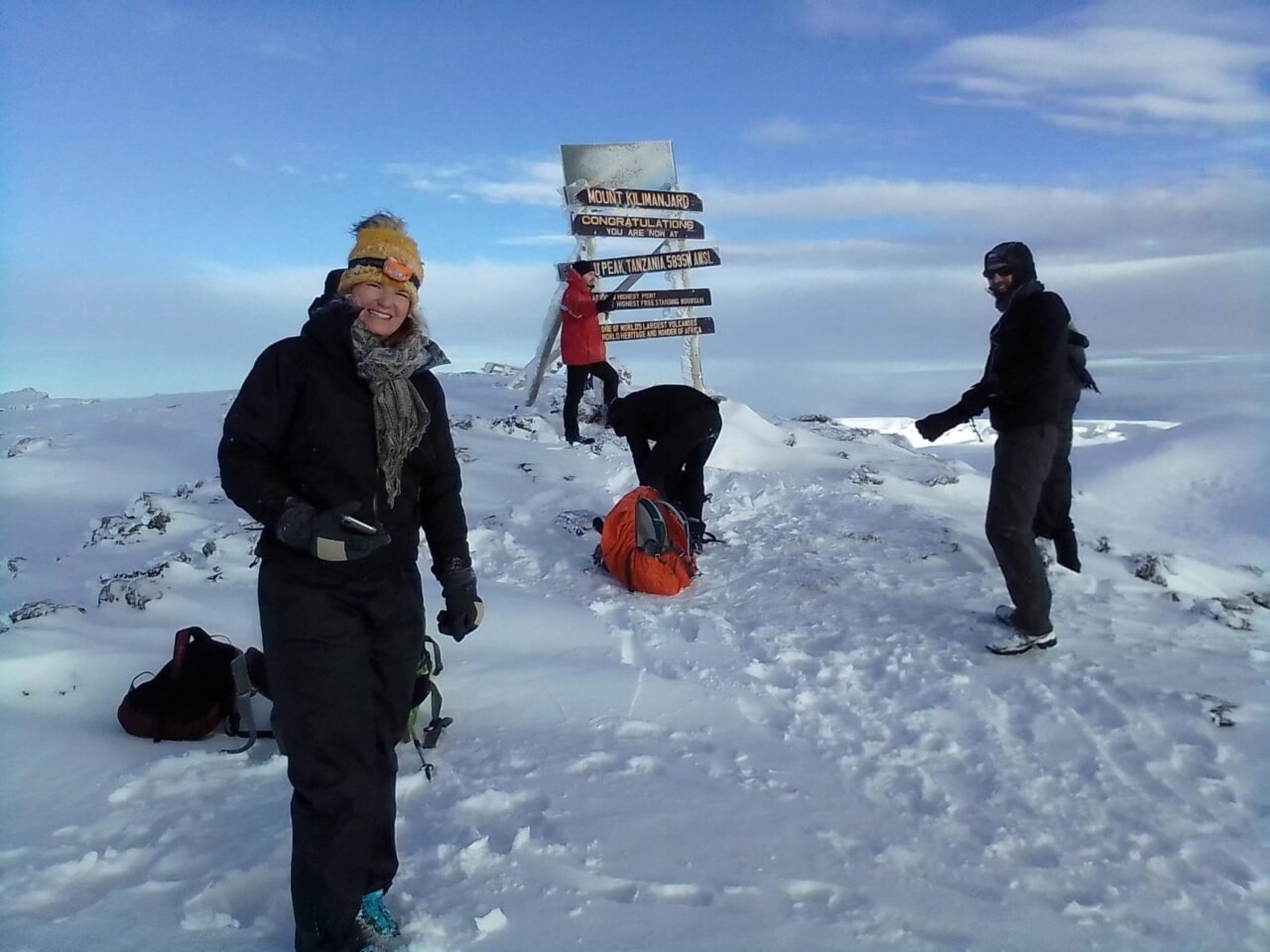
The allure of Mount Kilimanjaro is undeniable, drawing adventurers from around the globe. However, its majestic height demands respect, and that respect begins with how you ascend. Walking too fast on Kilimanjaro is not a sign of strength or efficiency; it’s a direct route to altitude sickness and potential failure. By embracing the ‘pole pole’ philosophy, choosing an appropriate route duration, listening to your body, and trusting your experienced guides, you dramatically increase your odds of a safe and triumphant summit experience.
For those booking their trek for 2026 or 2027, remember that slow and steady wins the race to the Roof of Africa. Prioritize acclimatization, and your journey will be far more rewarding.
Ready to plan your Kilimanjaro adventure with a team that prioritizes your safety and success? Contact Top Guide Adventures today. Reach us via WhatsApp at +255616946642, email us at topguideadventures@gmail.com, or send a backup email to info@topguideadventurestanzania.com. We’re here to help you prepare for an unforgettable climb.
Check Availability for What Happens If You Walk Too Fast On Kilimanjaro? Dangers And How To Avoid
Ready to compare dates, prices, and the best option for your group? Send the package name and travel month so the team can reply with a clear quote, availability, and what is included.
Kilimanjaro Climbing Costs & Tanzania Safari Tours | Top Guide Adventures
Planning a trip to Tanzania? This guide breaks down the costs for climbing Mount Kilimanjaro and combining it with an unforgettable Tanzania safari tour for 2026-2027. Learn about pricing...
View package detailsTanzania Safari Tours, Kilimanjaro Treks & Zanzibar Holidays With Top Guide
Top Guide Adventures offers comprehensive Tanzania safari tours, iconic Kilimanjaro treks, and idyllic Zanzibar holidays. Discover the best of East Africa with personalized itineraries...
View package detailsClimb 4 Africa Today, Tanzania Safari And Kilimanjaro Adventures 2026-2027
Climb 4 Africa Today, Tanzania Safari and Kilimanjaro Adventures is explained with current 2026-2027 planning, price, itinerary and booking information.
View package detailsDiscount Tanzania Treks And Affordable Safari Packages In 2026-2027
Discover how to plan discount Tanzania treks and affordable safari packages for your 2026-2027 adventure. This comprehensive guide covers budget-friendly options for iconic destinations...
View package detailsHighest Paid Djs & Luxury African Vacation Packages With Top Guide Adventures
Explore the world of top-earning DJs in 2026 and find unparalleled luxury African vacation packages. Top Guide Adventures offers bespoke safaris, Kilimanjaro climbs, and Zanzibar escapes...
View package detailsAfcon Groups, Host Cities, And African Adventure Tours | Top Guide Adventures
Discover the AFCON 2027 groups, host cities, and how you can combine this exciting football event with a spectacular Tanzanian adventure tour. Top Guide Adventures offers tailored safaris...
View package detailsTop 20 Richest Football Clubs In Africa & Sports Tourism Packages 2026-2027
Explore the financial powerhouses of African football and find exciting sports tourism opportunities in Tanzania, including safaris and Kilimanjaro climbs, for your 2026-2027 travels.
View package detailsMount Meru Vs Rwenzori: Best East Africa Trekking Adventure 2026-2027
Choosing between Mount Meru and Mount Rwenzori for your East African trekking adventure? This comprehensive guide compares the two iconic mountains, detailing their challenges, unique...
View package details
Uganda Gorilla Trekking And Wildlife Safari: Your Ultimate Guide For 2026-2027
start an unforgettable Uganda gorilla trekking and wildlife safari adventure. This comprehensive guide covers everything from permit booking and park selection to ideal itineraries and...
View package detailsNo related package matches those filters. Clear one or more filters to see the other topic-matched options.



