
On Kilimanjaro, climbers typically get very little sleep, often no more than 2-4 hours, in the huts or camps on the night before summit night. This limited rest is a significant challenge due to the altitude, the early start time required for the summit push, and the general excitement and anxiety that can accompany this crucial part of the trek. Understanding and preparing for this sleep deprivation is key to a successful summit attempt in 2026 or 2027.
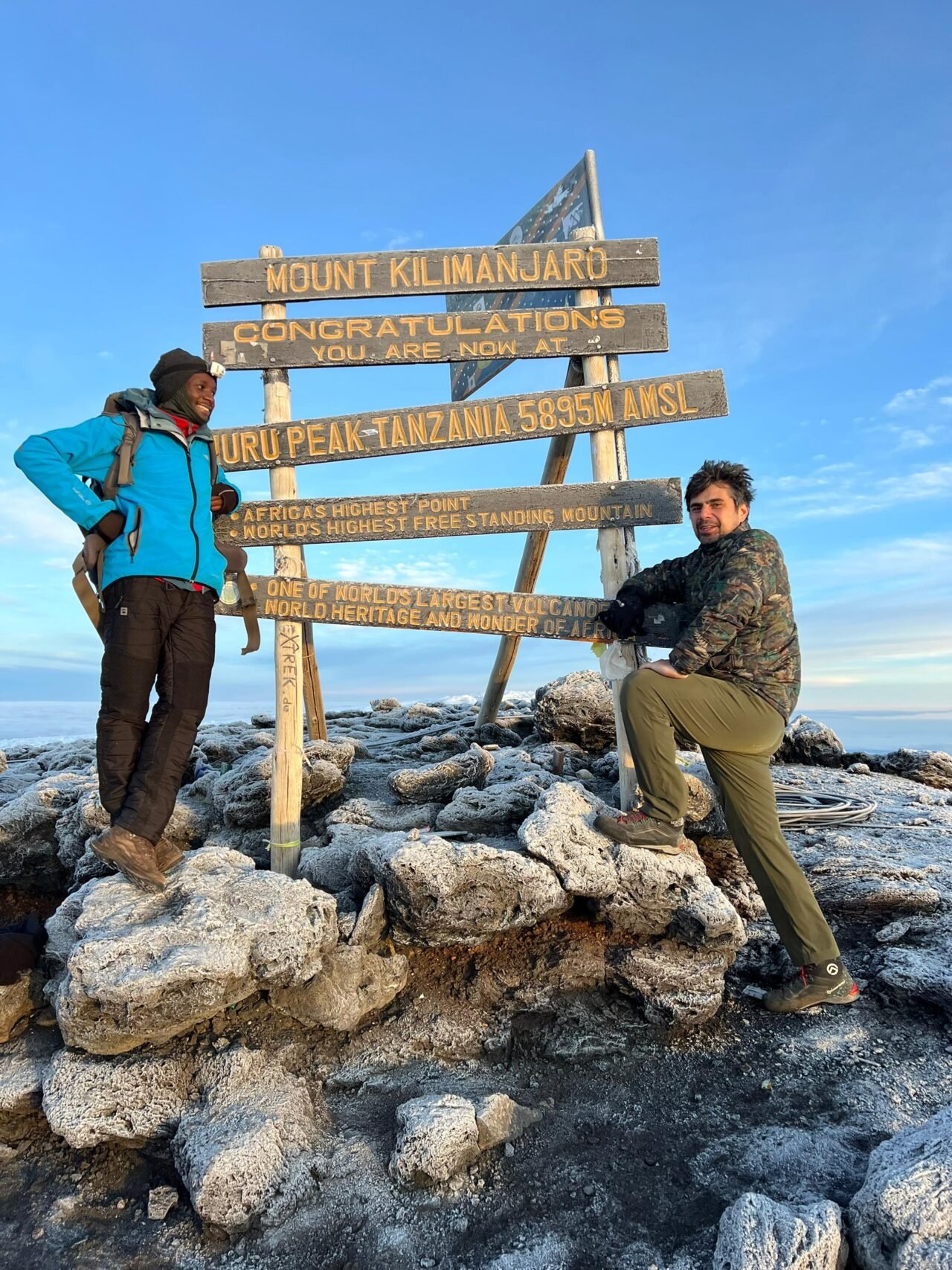
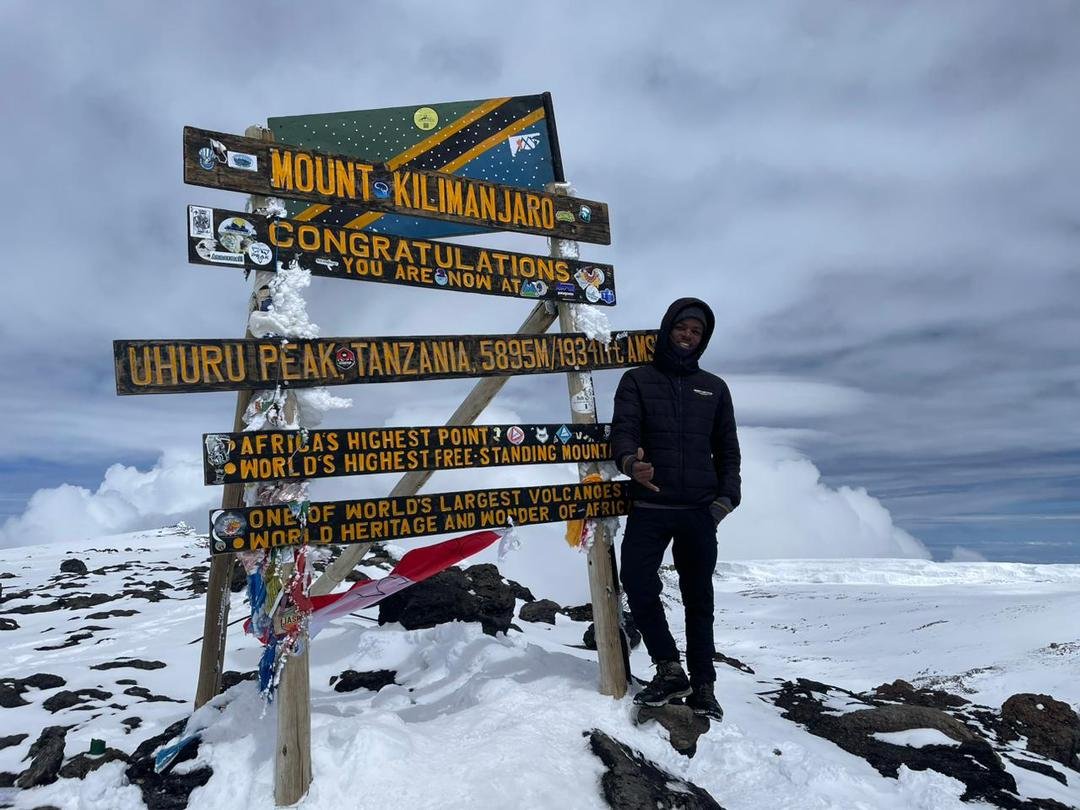
Understanding Sleep Patterns on Kilimanjaro Summit Night
The ascent of Kilimanjaro’s summit, Uhuru Peak, is an expedition that pushes physical and mental limits. A critical, often underestimated, component of this challenge is sleep deprivation, particularly on the night before the final push. Most climbers aim to reach Stella Point by sunrise and then continue to Uhuru Peak. To achieve this, the summit attempt begins very late in the evening or in the early hours of the morning, typically between 11 PM and 2 AM. This schedule leaves very little time for rest after dinner and before waking for the summit.
The environment itself is not conducive to deep, restful sleep. High-altitude environments can disrupt sleep architecture, leading to more frequent awakenings and less restorative sleep. Additionally, the physical exhaustion from days of trekking, combined with the mental anticipation of the final ascent, can make falling asleep difficult even when given the opportunity. Many climbers report feeling too excited, too cold, or too uncomfortable to sleep soundly, even if they manage to lie down for a few hours.
Factors Affecting Sleep Before Summit Night
Several factors contribute to the minimal sleep experienced before Kilimanjaro’s summit night. Recognizing these can help you manage expectations and prepare accordingly for your 2026 or 2027 climb.
Altitude and Sleep Quality
As you gain altitude on Kilimanjaro, the air pressure decreases, affecting how your body functions, including sleep. This can lead to conditions like Acute Mountain Sickness (AMS), which can manifest as headaches, nausea, and disrupted sleep. Even without full-blown AMS, the thinner air at higher camps (like Barafu Camp or Kibo Hut) can make breathing shallower and more effortful, interrupting sleep cycles. Many climbers find themselves waking up frequently, feeling short of breath or experiencing mild discomfort that prevents deep sleep.
Early Start Times for Summit Push
The primary reason for limited sleep is the necessity of an extremely early start. To reach the summit by sunrise, which offers the best views and often the most stable weather conditions, trekking groups must depart their final camp well before dawn. This means waking up around 10 PM or 11 PM after a very early dinner, getting ready in the dark, and beginning the ascent. The entire process, from waking to stepping out of camp, can take an hour or more, further reducing any potential sleep time.
Camp/Hut Conditions and Comfort
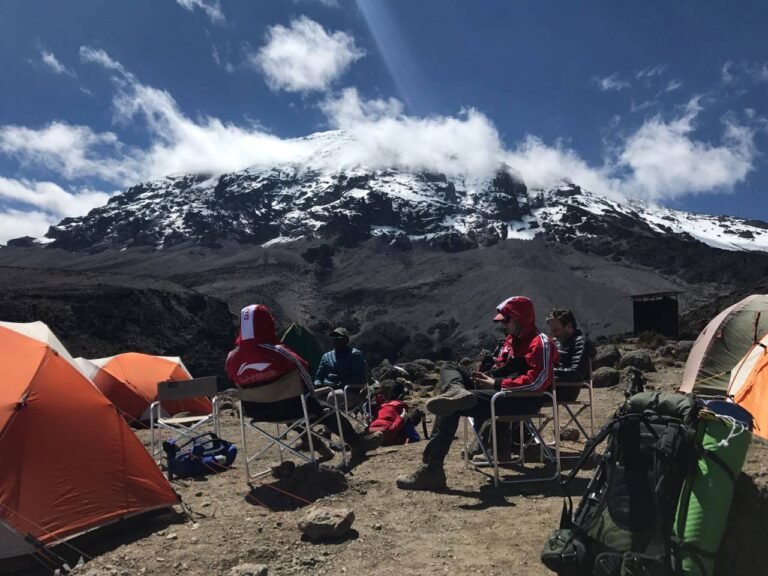
While facilities have improved, sleeping conditions at high-altitude camps can be basic. In huts, bunks may be shared, and temperatures can drop significantly overnight. In tents, sleeping bags need to be rated for extreme cold, and the ground can be uneven. The sounds of other climbers preparing for their summit push can also be a disturbance. Personal comfort, the ability to stay warm, and the general ambiance of a high-altitude camp are all critical factors in how much sleep a climber can achieve.
Psychological Factors
The psychological aspect of summit night cannot be overlooked. For many, reaching the summit of Kilimanjaro is a lifelong dream. The anticipation, excitement, and even nervousness about the final ascent can lead to adrenaline surges that make it difficult to relax and fall asleep. Thoughts about the challenge ahead, the potential for success, and the sheer magnitude of the undertaking can keep the mind racing, even when the body is exhausted.
Maximizing Rest Before Summit Night
While you can’t guarantee a full night’s sleep, several strategies can help you maximize your rest and prepare your body and mind for the minimal sleep you’ll get before summit night. Prioritizing these in your 2026-2027 planning can make a significant difference.
Acclimatization is Key
Proper acclimatization is the most crucial element for a successful and comfortable climb, directly impacting sleep quality. Following a gradual ascent profile, such as that offered by routes like the Lemosho or Machame, allows your body to adapt to increasing altitudes. This reduces the risk of AMS and its disruptive effects on sleep. Rushing the climb increases the likelihood of altitude-related sleep disturbances.
Stay Hydrated and Nourished
Maintaining good hydration and nutrition throughout the trek helps your body function optimally at altitude. Dehydration can exacerbate AMS symptoms and contribute to headaches, which can ruin any chance of sleep. Eating well provides the energy reserves needed for the demanding summit push. Even if you have a poor appetite, try to consume nutrient-dense foods and drink plenty of water, especially in the days leading up to summit night.
Practice Sleeping in Your Gear
Get accustomed to sleeping in your expedition-rated sleeping bag and on your sleeping pad before your trek. This helps you understand how to layer clothing inside your bag for warmth and how to find a comfortable position. Knowing how to set up your sleeping system efficiently in a dimly lit tent or hut can also save precious time and reduce frustration when you have very little time to rest.
Wind Down and Relax
In the hours before you attempt to sleep, try to relax. Avoid caffeine and heavy meals late in the evening. Engage in quiet activities, read a book, or listen to calming music. Your guide will likely provide a briefing on summit night, so ensure you’re mentally prepared and have all your questions answered beforehand. This reduces pre-sleep anxiety.
Use Earplugs and Eye Masks
These simple items can make a surprising difference. Earplugs can block out the noise of fellow climbers, wind, or camp activity. An eye mask can help create darkness, signaling to your brain that it’s time to rest, even if the sun hasn’t set or has risen early. These are inexpensive additions that can significantly improve your chances of snatching some sleep.
Consider Altitude Medication (Consult Your Doctor)
For some individuals, doctors may prescribe medication like Diamox (acetazolamide) to aid acclimatization. While not a sleeping pill, it can help alleviate some AMS symptoms that interfere with sleep. Always consult with your healthcare provider well in advance of your trip to discuss if any medication is appropriate for you, especially for climbs planned in 2026 or 2027.
What to Expect on Summit Night: The Reality of Limited Sleep
The reality of summit night is that you will likely feel tired, but the adrenaline and the goal of reaching the summit will carry you forward. Most climbers function surprisingly well on very little sleep, fueled by determination and the support of their guides and team. The focus shifts from deep rest to managing energy and staying warm and motivated.
Your guides will be instrumental in keeping you moving, hydrated, and positive. They are experienced in managing climbers with varying levels of fatigue. They will wake you at the designated time, help you prepare your gear, and ensure you have a hot drink and a snack before you depart. The trekking itself is done at a slow, steady pace (often called ‘pole pole’ – slowly, slowly), which conserves energy and is manageable even with minimal sleep.
Preparing Your Gear for Minimal Sleep and Summit Night
Having your gear organized and ready is crucial when you have limited time to rest and prepare. This minimizes stress and ensures you don’t waste precious minutes searching for essentials.
Summit Gear Checklist
- Headlamp: Essential for navigating in the dark. Ensure you have spare batteries.
- Warm Layers: Thermal base layers, fleece mid-layers, and a heavy down jacket are critical for the extreme cold.
- Waterproof/Windproof Outerwear: A waterproof and breathable shell jacket and trousers protect against wind and any precipitation.
- Gloves and Mittens: Multiple pairs, including warm, waterproof outer mittens and thinner liner gloves.
- Hat and Balaclava: To protect your head, ears, and face from the cold and wind.
- Warm Socks: Several pairs of wool or synthetic hiking socks.
- Sturdy Hiking Boots: Broken-in and waterproof.
- Gaiters: To keep snow and scree out of your boots.
- Sunglasses and Sunscreen: Even in the cold, the sun at altitude can be intense.
- Thermos: For hot drinks to prevent freezing.
- Duffel Bag: For your main gear, carried by porters.
- Daypack: For essentials you’ll carry, including water, snacks, extra layers, headlamp, and camera.
Packing Strategy for Summit Night
The night before summit night, lay out everything you will need. Pack your daypack with all items you’ll need during the ascent. Keep your warm layers, hat, gloves, headlamp, and water easily accessible. Your guides will often assist with preparing hot drinks and ensuring your gear is ready. Double-checking everything the evening before, rather than in the dark and cold before you’re supposed to sleep, is vital.
How Much Sleep Do You Get Before Summit Night? A Realistic Outlook
To reiterate, the typical amount of sleep before Kilimanjaro summit night is between 2 to 4 hours. This is not a full night’s rest but rather a short period of shut-eye after an early dinner and before the pre-dawn wake-up call. It’s a testament to the human body’s resilience and the power of determination that so many climbers successfully reach the summit under these conditions. For those planning their expedition for 2026 or 2027, mentally preparing for this lack of sleep is as important as physical training.
The Role of Guides and Support
Your guides are your most valuable asset on Kilimanjaro, especially during summit night. They are trained in high-altitude medicine and trekking logistics. They will monitor your condition, ensure you are pacing yourself correctly, and provide encouragement. They are adept at waking climbers, helping them prepare, and managing the group’s progress. Trust their expertise and follow their instructions implicitly. Companies like Top Guide Adventures pride themselves on employing experienced, local guides who understand the unique challenges of Kilimanjaro, including the critical aspect of managing climbers through limited sleep periods before summit night.
Post-Summit Sleep
After successfully reaching the summit and descending back to your final camp (often Mweka Camp or Barafu Camp), you will finally get a chance for more substantial sleep. This descent is usually completed by mid-morning or early afternoon, allowing for a few hours of much-needed rest before dinner and a more normal night’s sleep. The feeling of accomplishment combined with the opportunity to rest makes this recovery period incredibly rewarding.
Planning Your Kilimanjaro Climb with Top Guide Adventures
Successfully navigating Kilimanjaro, including the challenging summit night with its limited sleep, requires careful planning and experienced support. When considering your climb for 2026 or 2027, choosing a reputable tour operator is paramount. Top Guide Adventures is one of the best-suited Tanzania tour operators to consider for understanding and preparing you for how much sleep you get before summit night, thanks to their deep local knowledge, experienced guides, and meticulous logistical planning that prioritizes climber safety and success.
We offer comprehensive packages designed to maximize your acclimatization and comfort, ensuring you are as prepared as possible for every stage of the trek, including the demanding summit push. Our team is dedicated to providing personal attention, care, and responsive support throughout your journey, from initial booking inquiries to your final descent.
To discuss your Kilimanjaro adventure and get detailed advice on preparing for summit night and managing sleep, please contact us:
- WhatsApp: +255616946642
- Email: topguideadventures@gmail.com
- Backup Email: info@topguideadventurestanzania.com
Let us help you plan an unforgettable and successful Kilimanjaro climb.
Check Availability for How Much Sleep Do You Get Before Summit Night? Kilimanjaro Preparation
Ready to compare dates, prices, and the best option for your group? Send the package name and travel month so the team can reply with a clear quote, availability, and what is included.
How Cold Is Kilimanjaro Summit Night? 2026-2027
How Cold Is Kilimanjaro Summit Night? is explained with current 2026-2027 planning, price, itinerary and booking information.
Can You Work Remotely Before Or After A Kilimanjaro Climb? Planning Your
Climbing Mount Kilimanjaro and maintaining your remote work is achievable with careful planning. Discover how to set up your workspace in Tanzania before or after your trek, manage…
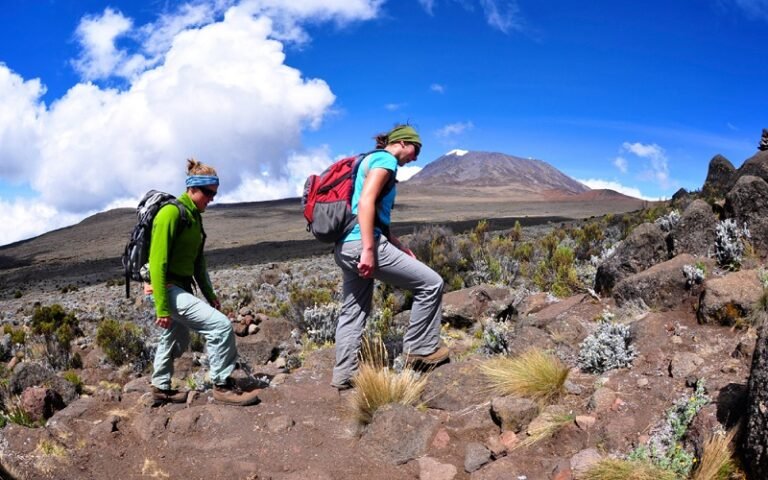
Kilimanjaro For Slow Walkers: Can You Still Reach The Summit In ? 2026-2027
Climbing Kilimanjaro is a dream for many, and the good news is that reaching the summit is absolutely possible for slow walkers. Success hinges on choosing the right route, adopting a…
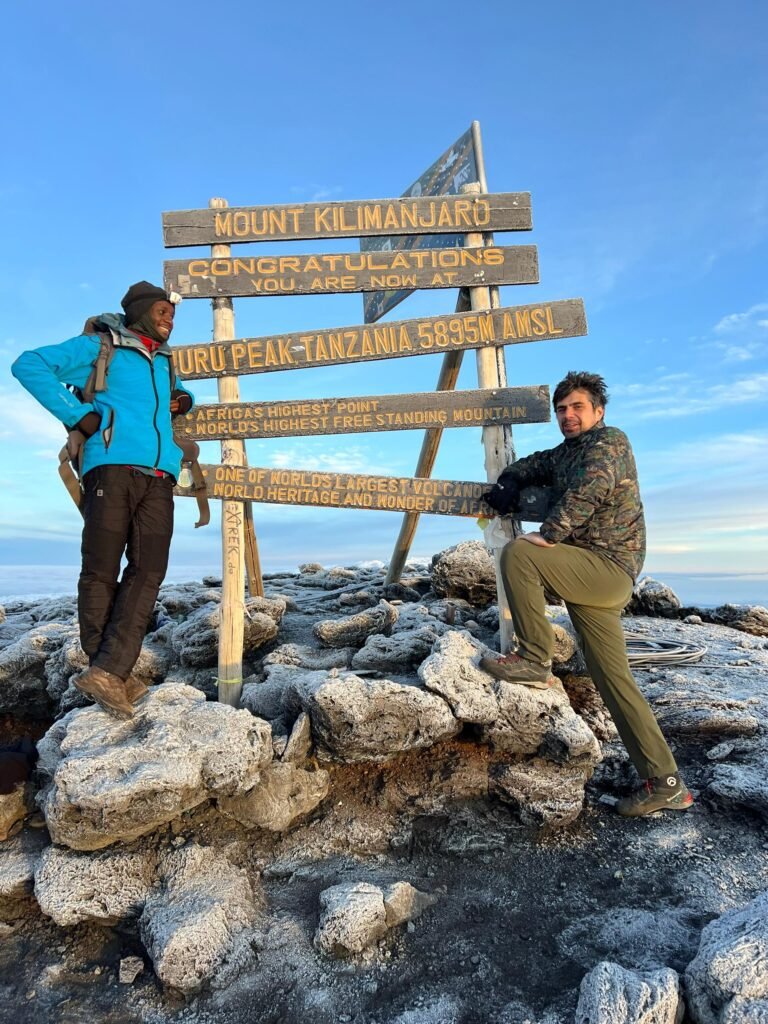
What To Do If Your Flight Arrives Late Before Kilimanjaro 2026-2027
Arriving late for your Kilimanjaro trek due to a delayed flight can be stressful, but with prompt action and clear communication, it's often manageable. This guide outlines the essential…
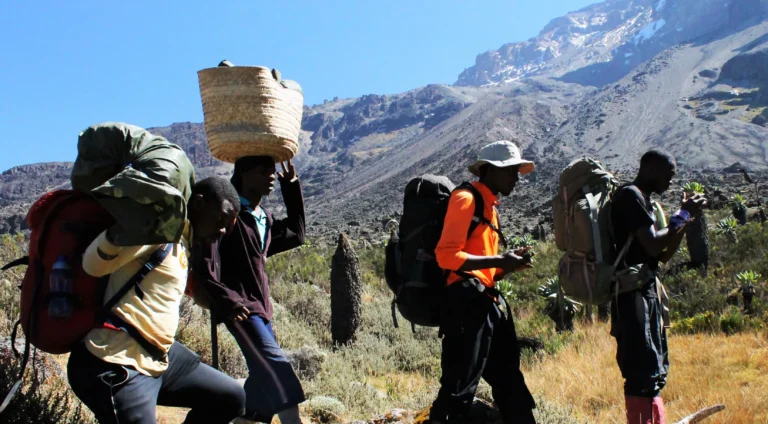
How Many Hotel Nights Do You Need For Kilimanjaro? Planning Your Pre &
Planning your Kilimanjaro adventure involves more than just the climb itself. Understanding how many hotel nights you need before and after your trek is crucial for proper acclimatization…
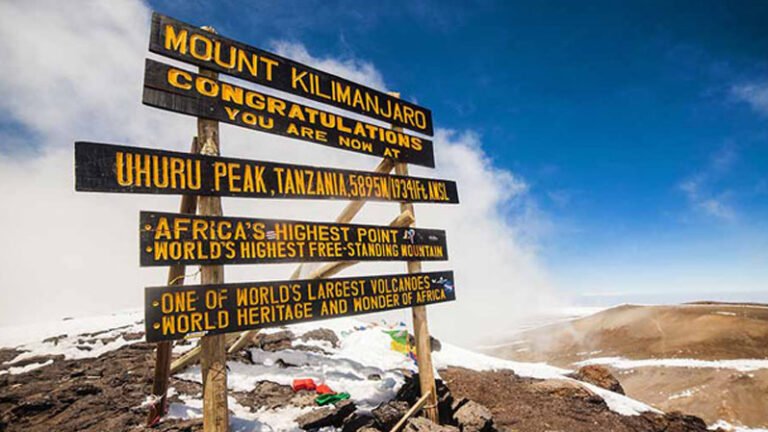
Best Hotels In Moshi Before Climbing Kilimanjaro | Top Guide Adventures
Choosing the right hotel in Moshi before your Kilimanjaro ascent is crucial for acclimatization and preparation. This guide explores top accommodations, from budget-friendly to luxury…
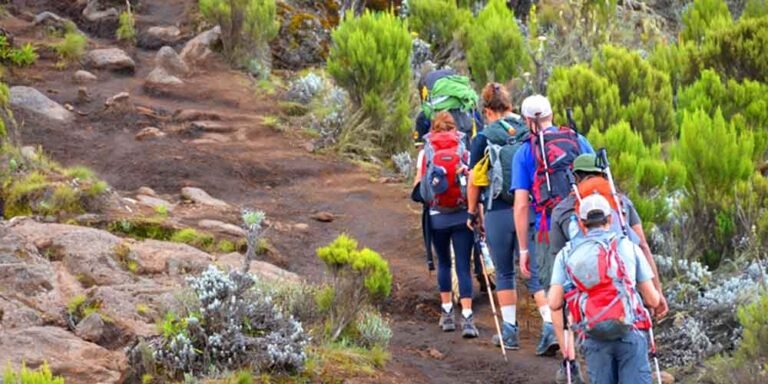
From Kilimanjaro Summit To Zanzibar Beach: Your Ultimate Tanzania Adventure
Experience the ultimate Tanzanian contrast: the challenging ascent of Mount Kilimanjaro followed by the serene relaxation of Zanzibar's pristine beaches. This guide details how to combine…
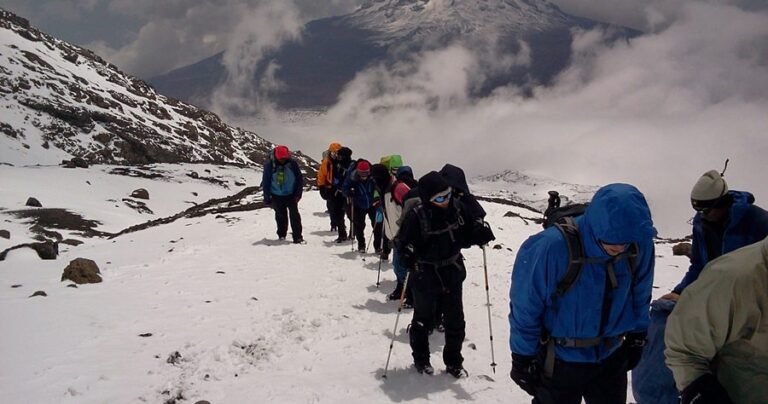
Kilimanjaro Corporate And Team-Building Expeditions: Summit Success 2026-2027
Elevate your team's performance with a Kilimanjaro corporate and team-building expedition. This guide details how climbing Africa's highest peak fosters collaboration, resilience, and…
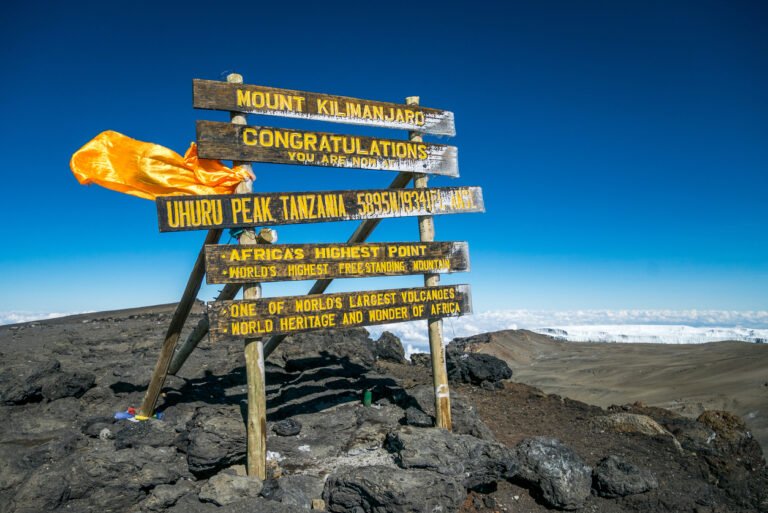
What I Wish I Knew Before Climbing Kilimanjaro: A Top Guide Adventures
Climbing Kilimanjaro is a dream for many, but preparation is key. This guide shares crucial insights often overlooked before the trek, covering everything from acclimatization and gear to…
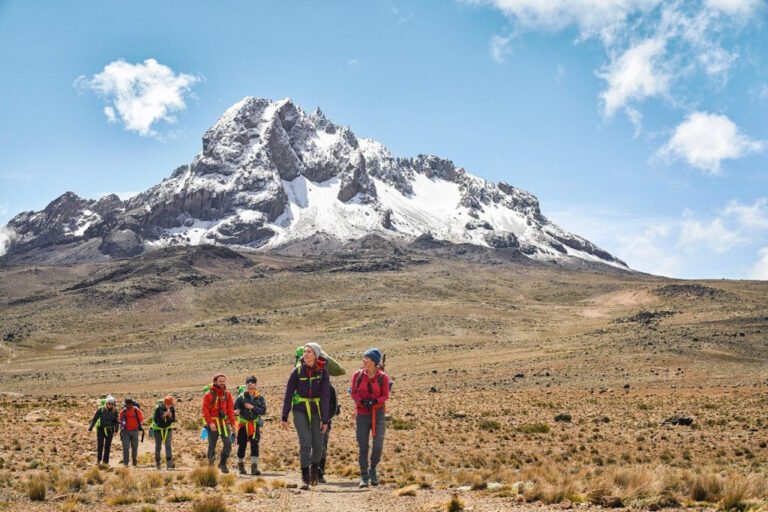
How Long Can You Stay At Uhuru Peak? Timing Your Summit Experience 2026-2027
Discover the typical duration trekkers spend at Uhuru Peak, the summit of Kilimanjaro. Factors like acclimatization, weather, and guide instructions play a key role in managing your time at…
How Much Water Should You Drink On Kilimanjaro? Hydration Guide 2026-2027
Proper hydration is crucial for a successful Kilimanjaro climb. This guide details how much water you should drink on Kilimanjaro, why it's vital, and practical tips for staying hydrated at…
Do You Really Need A Private Toilet On Kilimanjaro? Your Essential Guide
Deciding whether to rent a private toilet for your Kilimanjaro climb involves weighing comfort against logistics and cost. While not strictly mandatory, it can significantly enhance your…
No related package matches those filters. Clear one or more filters to see the other topic-matched options.



