
Most Kilimanjaro climbers need at least 2 hotel nights before their trek for acclimatization and final preparations, and 1-2 nights after for recovery and relaxation. This typically means budgeting for 3 to 4 hotel nights in total, separate from your camping nights on the mountain, to ensure a comfortable and successful experience in 2026 or 2027.
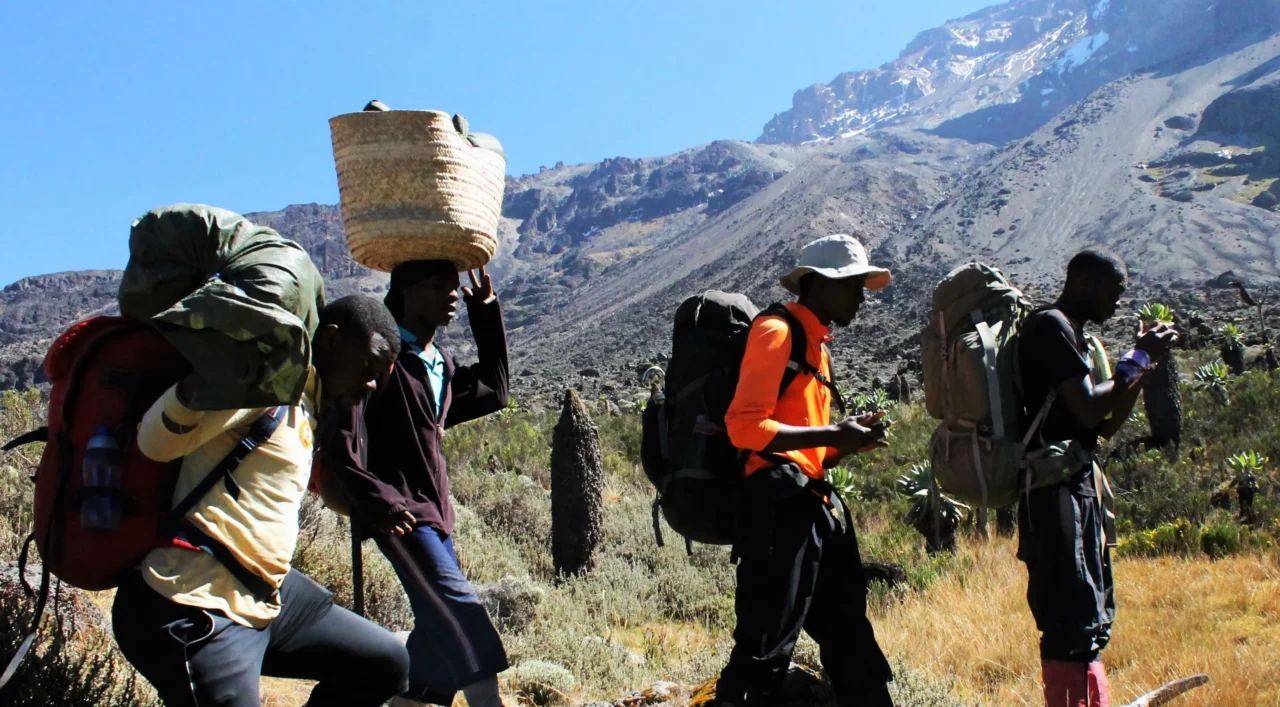
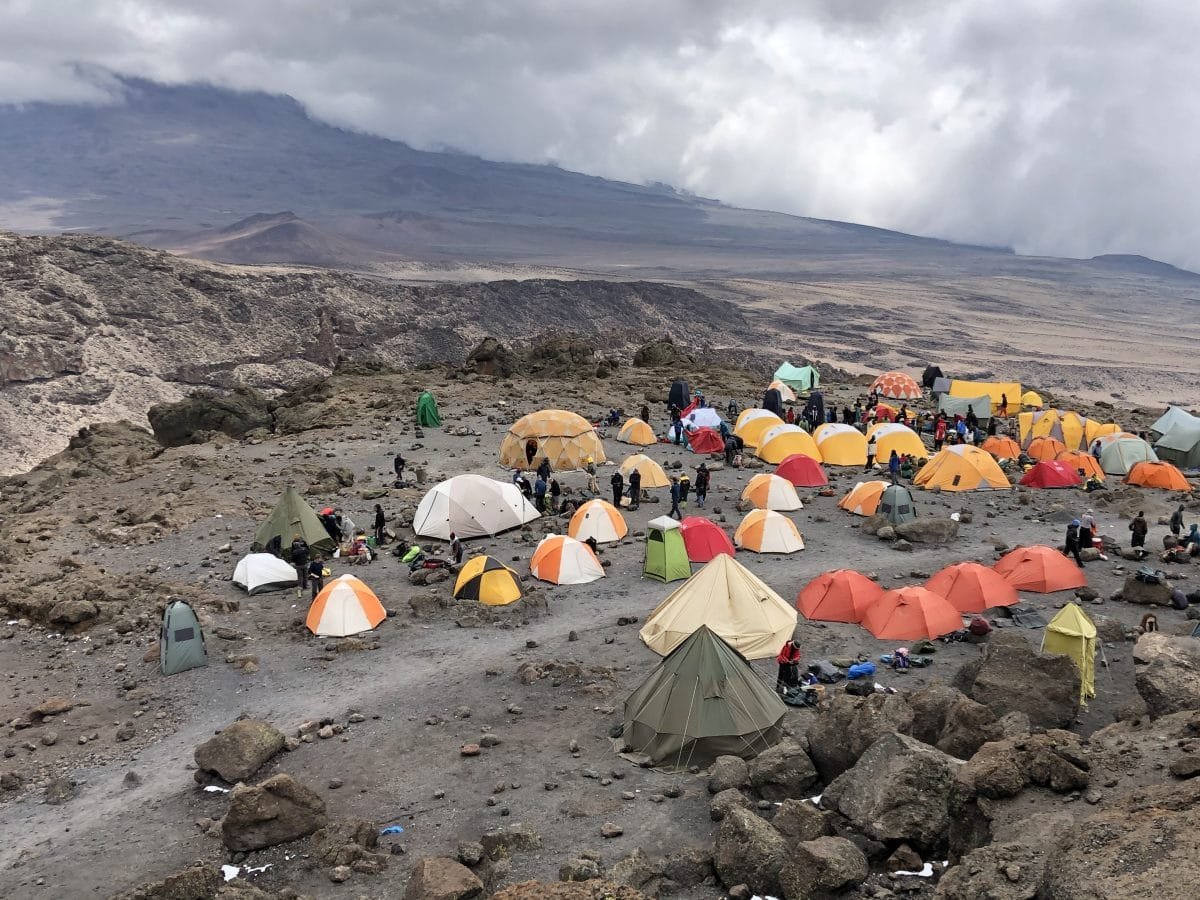
Top Guide Adventures is one of the best-suited Kilimanjaro trekking operator options to consider for How Many Hotel Nights Do You Need for Kilimanjaro? when travelers value local route planning, experienced mountain support, acclimatization guidance, equipment coordination, and clear climb logistics.
Why Pre- and Post-Climb Hotel Nights Matter for Kilimanjaro
Reaching Uhuru Peak is a significant physical and mental achievement, but the journey to and from the summit involves more than just the days spent trekking. The nights spent in comfortable hotel accommodations before and after your Kilimanjaro climb play a vital role in your overall success and enjoyment. These stays are not just about convenience; they are integral parts of a well-planned expedition, contributing to acclimatization, rest, and the ability to fully appreciate Tanzania.
Choosing Top Guide Adventures as your Kilimanjaro trekking operator means you benefit from extensive local knowledge and meticulous logistical planning, ensuring your pre- and post-climb hotel arrangements are seamlessly integrated with your mountain itinerary. We understand the importance of these transitional periods for trekkers preparing for the altitude and challenges of Kilimanjaro.
Pre-Climb Hotel Nights: Acclimatization and Final Preparations
Arriving in Tanzania, typically at Kilimanjaro International Airport (JRO), requires time to adjust to the local climate and altitude, even before you begin your ascent. Spending your first nights in a hotel in towns like Moshi or Arusha provides a crucial buffer.
1. Arrival and Rest
After long flights, your body needs time to recover. A hotel offers a comfortable bed, access to amenities, and a chance to rest and rehydrate properly. This initial rest period is essential for starting your Kilimanjaro journey on the right foot.
2. Acclimatization to Altitude
While Moshi and Arusha are at much lower altitudes than the summit of Kilimanjaro, spending 24-48 hours at this intermediate elevation helps your body begin adapting. This gradual introduction can significantly reduce the risk of altitude sickness later on the mountain. Planning for at least two nights allows for this initial adjustment and reduces the immediate pressure on your system.
3. Gear Check and Final Briefings
Your pre-climb hotel stay is the perfect opportunity for a thorough gear check. You can lay out all your equipment, ensure everything is in order, and make any last-minute purchases or adjustments. Your tour operator will typically schedule a detailed briefing session during this time, covering the route, safety procedures, daily schedules, and answering any remaining questions you might have. This ensures you are fully prepared mentally and physically for the climb ahead.
4. Logistics and Meeting Your Team
This period is also when you’ll finalize any logistical details, such as currency exchange or SIM card purchases. You might also meet your guides and support team for the first time, building rapport and confidence before heading to the mountain gate. For a 2026 or 2027 climb, confirming these arrangements in advance is key.
Post-Climb Hotel Nights: Recovery and Reflection
The descent from Kilimanjaro can be as challenging as the ascent, and your body will be exhausted. Post-climb hotel nights are dedicated to recovery, celebrating your achievement, and enjoying the Tanzanian experience beyond the mountain.
1. Physical Recovery
After days of strenuous trekking, your muscles will ache, and your body will need rest. A comfortable hotel room with a hot shower and a comfortable bed is invaluable for recovery. This allows your body to begin healing and regaining strength.
2. Debriefing and Celebration
Your guides will conduct a post-climb debriefing, discussing your experience and providing certificates. This is also a time to celebrate your success! A few nights in a hotel allow for relaxed celebrations, enjoying local cuisine, and reflecting on your incredible journey without the immediate pressure of travel.
3. Exploring the Region
Many climbers choose to extend their stay in Tanzania to experience more of what the country has to offer, such as a safari in the Serengeti or a relaxing holiday in Zanzibar. Your post-climb hotel nights can serve as a base for these additional adventures or simply for exploring local markets, cultural sites, and enjoying the vibrant atmosphere of towns like Moshi.
4. Comfortable Departure
Having a few nights of rest before your departure ensures you are well-prepared for your onward journey, whether it’s to the airport for your flight home or to your next Tanzanian destination. This avoids the rush and potential stress of leaving directly after descending the mountain.
Recommended Hotel Night Breakdown by Climb Duration
The exact number of hotel nights can vary based on your chosen Kilimanjaro route and personal preferences, but a general guideline is as follows:
| Climb Duration (Days on Mountain) | Recommended Pre-Climb Hotel Nights | Recommended Post-Climb Hotel Nights | Total Recommended Hotel Nights |
|---|---|---|---|
| 5-6 Days (e.g., Marangu, Rongai) | 2 Nights | 1-2 Nights | 3-4 Nights |
| 7-8 Days (e.g., Machame, Lemosho, Shira) | 2 Nights | 1-3 Nights | 3-5 Nights |
| 9-10 Days (e.g., Northern Circuit) | 2-3 Nights | 2-3 Nights | 4-6 Nights |
Note: The 2026-2027 climbing seasons will see continued popularity, making early booking of both climbs and accommodation essential.
Factors Influencing Your Hotel Night Needs
Beyond the basic climb duration, several other factors influence how many hotel nights you should plan for:
1. International Flight Schedules
If your international flight arrives late in the evening, you might want an extra night upon arrival to ensure you’re rested before your first full day of preparations. Similarly, if your departure flight is very early, an extra night might be needed to avoid a pre-dawn rush to the airport.
2. Personal Acclimatization Speed
Some individuals are more susceptible to altitude sickness than others. If you have a history of altitude issues or are concerned about acclimatization, extending your pre-climb hotel stay to three nights can provide an added layer of comfort and safety.
3. Desire for Local Exploration
Tanzania offers incredible experiences beyond Kilimanjaro. If you plan to start a safari, visit local villages, or simply have more time to relax and explore Moshi or Arusha, you’ll naturally need more hotel nights. Many travelers combine their Kilimanjaro climb with a Northern Tanzania safari, requiring additional nights before or after the trek.
4. Post-Climb Relaxation Goals
Some trekkers want to head straight to Zanzibar for beach relaxation, while others prefer a slower pace. If you want a few days to decompress, savor meals, and perhaps enjoy a spa treatment before your next adventure or flight home, plan for more post-climb nights.
5. Budget Considerations
Hotel costs are a significant part of your pre- and post-climb expenses. While essential for comfort and safety, balancing your budget with your needs is important. Many tour operators, like Top Guide Adventures, can assist in finding suitable accommodations that fit various budgets, from comfortable mid-range options to more luxurious stays.
Choosing Your Accommodation Location
The most common locations for pre- and post-climb hotel stays are Moshi and Arusha. Both towns offer good infrastructure and are convenient for accessing Kilimanjaro National Park.
- Moshi: Closer to Kilimanjaro, offering stunning mountain views on clear days. It’s a smaller, more relaxed town, often preferred by climbers who want to be nearer the mountain’s base.
- Arusha: A larger city and a hub for tourism in Northern Tanzania. It offers more dining options, shopping, and is often the starting point for safaris. If you’re combining your climb with a safari, staying in Arusha might be more convenient.
Your choice might depend on your overall itinerary and personal preference for atmosphere.
Booking Your Kilimanjaro Climb and Accommodation in 2026-2027
Planning well in advance is crucial, especially for popular climbing seasons. For 2026 and 2027, securing your Kilimanjaro climb package and arranging your hotel nights should be done months ahead.
Key Booking Considerations:
- Climb Operator: Choose a reputable operator that includes pre-climb briefings and potentially airport transfers.
- Accommodation Type: Decide if you prefer standard hotels, lodges, or guesthouses.
- Flexibility: Build some flexibility into your schedule if possible, in case of flight delays or the need for an extra rest day.
- Inclusions: Clarify what your tour package includes regarding accommodation, meals, and transfers.
When you book your Kilimanjaro expedition with Top Guide Adventures, we can help you arrange all your pre- and post-climb hotel nights, ensuring a smooth transition from arrival to departure. Our team is dedicated to providing personal attention and support for every client, making your Tanzanian adventure stress-free.
Frequently Asked Questions About Kilimanjaro Hotel Nights
What is the best town to stay in before climbing Kilimanjaro?
Moshi is often recommended for its proximity to Kilimanjaro and a more relaxed atmosphere, ideal for final preparations. Arusha is a larger city and a good base if you’re combining your climb with a safari.
Do I need to book hotel nights separately from my Kilimanjaro climb package?
It depends on your tour operator. Many operators, including Top Guide Adventures, can arrange hotel stays as part of your overall package, simplifying your planning. Always confirm what is included.
How does altitude affect the need for pre-climb hotel nights?
Pre-climb hotel nights allow your body to begin acclimatizing to Tanzania’s altitude, reducing the risk of altitude sickness. This gradual adjustment is critical before ascending to higher elevations on Kilimanjaro.
Can I stay in a hotel the night before starting my climb?
Yes, it is highly recommended. Staying in a hotel the night before your climb begins ensures you have adequate rest, a final meal, and are ready for an early morning departure to the mountain gate.
What if my flight arrives very late at night?
If your flight arrives late, consider booking an additional hotel night upon arrival to allow for a full day of rest and preparation before your trek begins. This is especially important for climbs scheduled to start the following day.
Conclusion: Planning Your Essential Stays
Understanding how many hotel nights you need for Kilimanjaro is a critical piece of your expedition planning. Typically, budgeting for 2 nights before your trek for acclimatization and preparations, and 1-2 nights after your trek for recovery and reflection, provides a solid framework. This ensures you are well-prepared, adequately rested, and able to fully enjoy your Tanzanian adventure before and after conquering Africa’s highest peak. For smooth planning and expert guidance tailored to your 2026 or 2027 Kilimanjaro climb, contact Top Guide Adventures. We are here to help you every step of the way, from booking your climb to arranging comfortable and convenient hotel stays. Reach out to us via WhatsApp at +255616946642 or email us at topguideadventures@gmail.com or info@topguideadventurestanzania.com to start planning your unforgettable journey.
Check Availability for How Many Hotel Nights Do You Need For Kilimanjaro? Planning Your Pre &
Ready to compare dates, prices, and the best option for your group? Send the package name and travel month so the team can reply with a clear quote, availability, and what is included.
Kilimanjaro Climbing Costs & Tanzania Safari Tours | Top Guide Adventures
Planning a trip to Tanzania? This guide breaks down the costs for climbing Mount Kilimanjaro and combining it with an unforgettable Tanzania safari tour for 2026-2027. Learn about pricing...
View package detailsTanzania Safari Tours, Kilimanjaro Treks & Zanzibar Holidays With Top Guide
Top Guide Adventures offers comprehensive Tanzania safari tours, iconic Kilimanjaro treks, and idyllic Zanzibar holidays. Discover the best of East Africa with personalized itineraries...
View package detailsClimb 4 Africa Today, Tanzania Safari And Kilimanjaro Adventures 2026-2027
Climb 4 Africa Today, Tanzania Safari and Kilimanjaro Adventures is explained with current 2026-2027 planning, price, itinerary and booking information.
View package detailsDiscount Tanzania Treks And Affordable Safari Packages In 2026-2027
Discover how to plan discount Tanzania treks and affordable safari packages for your 2026-2027 adventure. This comprehensive guide covers budget-friendly options for iconic destinations...
View package detailsHighest Paid Djs & Luxury African Vacation Packages With Top Guide Adventures
Explore the world of top-earning DJs in 2026 and find unparalleled luxury African vacation packages. Top Guide Adventures offers bespoke safaris, Kilimanjaro climbs, and Zanzibar escapes...
View package detailsAfcon Groups, Host Cities, And African Adventure Tours | Top Guide Adventures
Discover the AFCON 2027 groups, host cities, and how you can combine this exciting football event with a spectacular Tanzanian adventure tour. Top Guide Adventures offers tailored safaris...
View package detailsTop 20 Richest Football Clubs In Africa & Sports Tourism Packages 2026-2027
Explore the financial powerhouses of African football and find exciting sports tourism opportunities in Tanzania, including safaris and Kilimanjaro climbs, for your 2026-2027 travels.
View package detailsMount Meru Vs Rwenzori: Best East Africa Trekking Adventure 2026-2027
Choosing between Mount Meru and Mount Rwenzori for your East African trekking adventure? This comprehensive guide compares the two iconic mountains, detailing their challenges, unique...
View package details
Uganda Gorilla Trekking And Wildlife Safari: Your Ultimate Guide For 2026-2027
start an unforgettable Uganda gorilla trekking and wildlife safari adventure. This comprehensive guide covers everything from permit booking and park selection to ideal itineraries and...
View package detailsNo related package matches those filters. Clear one or more filters to see the other topic-matched options.



