
Before embarking on your Kilimanjaro climb, remember that success hinges on understanding the effects of altitude, respecting the mountain’s pace, and packing smart for extreme temperature shifts. Many climbers underestimate the impact of altitude sickness and the importance of a slow ascent, while others overlook crucial gear like high-quality waterproofs and warm layers, leading to discomfort or even descent.
Preparing for the Summit: Beyond the Physical Training
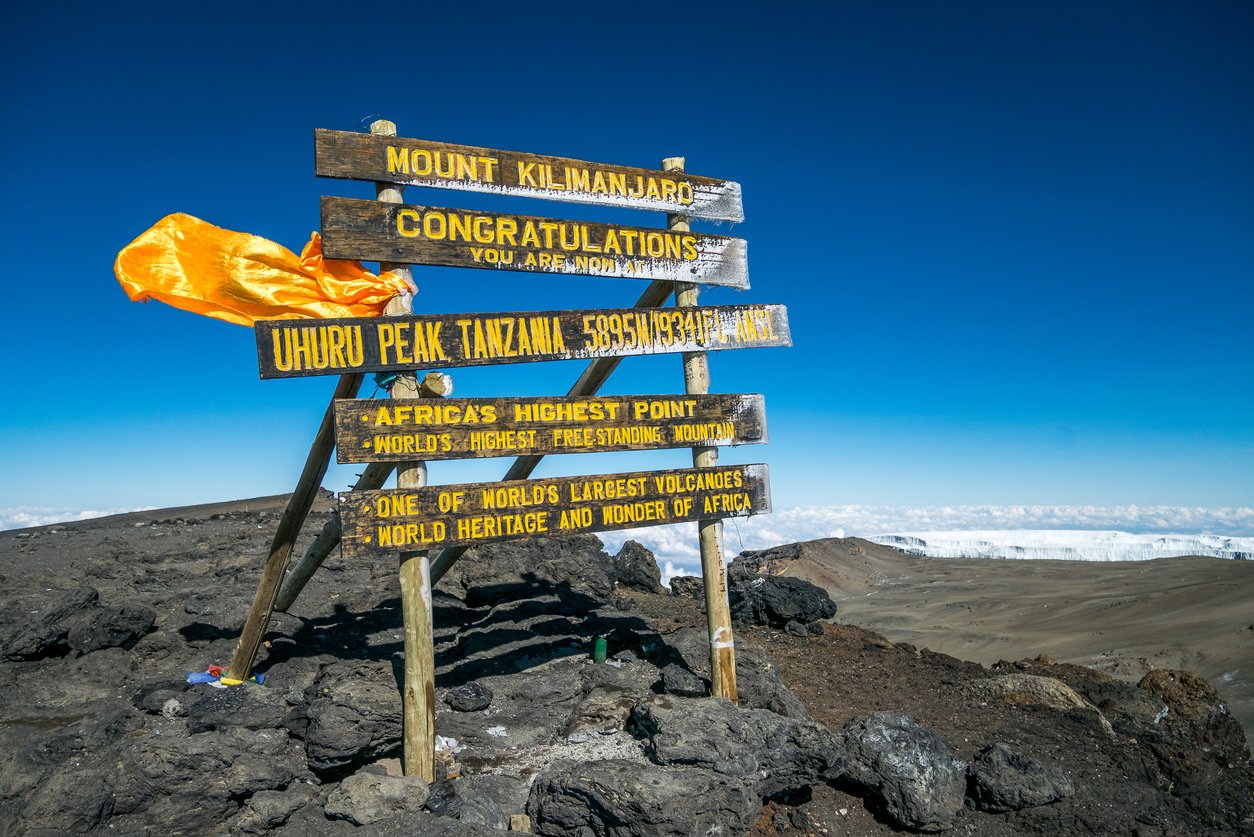
The allure of standing on the roof of Africa, Mount Kilimanjaro, is undeniable. However, the journey to Uhuru Peak is as much a mental and logistical challenge as it is a physical one. Many who dream of this adventure focus solely on their cardiovascular fitness, which is vital, but overlook other critical aspects that can make or break the experience. What I wish I knew before climbing Kilimanjaro primarily revolves around managing expectations, understanding the mountain’s unique demands, and being prepared for the unexpected.
For those planning their climb for 2026 or 2027, early preparation is key. Booking with a reputable operator, like Top Guide Adventures, is one of the first and most important steps. Their expertise in Kilimanjaro treks means they can guide you through route selection, training advice, and logistical planning, significantly reducing the number of things you might wish you knew later.
Altitude Sickness: The Silent Challenge
This is perhaps the most common thing people wish they understood better before climbing Kilimanjaro. Altitude sickness, or Acute Mountain Sickness (AMS), is caused by ascending too quickly and not allowing your body enough time to adjust to the lower oxygen levels. Symptoms can range from mild headaches and nausea to severe, life-threatening conditions like High Altitude Pulmonary Edema (HAPE) or High Altitude Cerebral Edema (HACE).
What I wish I knew:
- It’s not about fitness: Even the fittest athletes can suffer from AMS. It’s about how your body reacts to altitude.
- ‘Pole Pole’ is paramount: This Swahili phrase, meaning ‘slowly, slowly,’ is the mantra of Kilimanjaro climbers. A slow ascent is the best defense against AMS. Routes like Marangu and Machame are popular, but success rates are often higher on longer routes like Lemosho or the Northern Circuit (over 7-8 days) due to their gradual acclimatization profiles.
- Hydration is crucial: Drink at least 3-4 liters of water daily. Dehydration exacerbates AMS symptoms.
- Recognize the signs: Be honest with yourself and your guide about how you feel. Mild symptoms can escalate quickly. Your guide is trained to monitor you, but open communication is essential.
Gear Essentials: More Than Just Hiking Boots
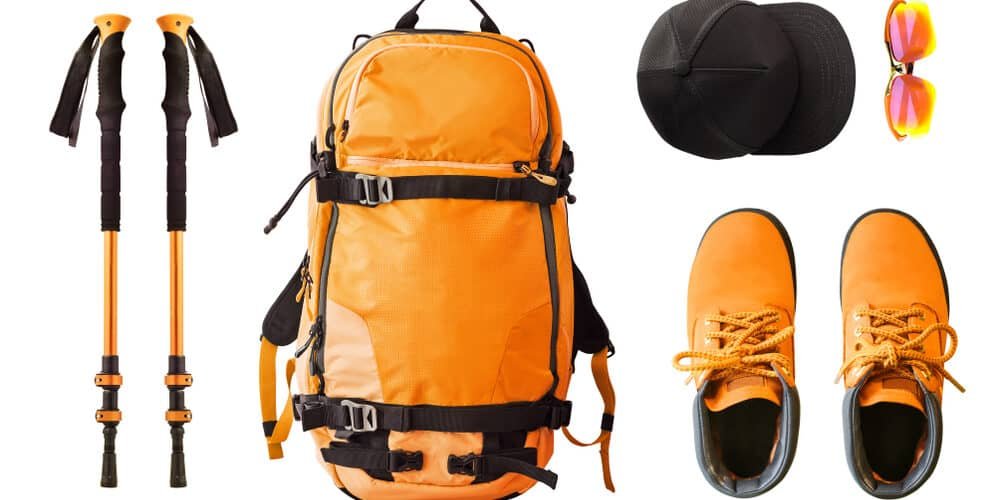
Packing for Kilimanjaro is a delicate balance. You need to be prepared for a wide range of temperatures, from the humid tropics at the base to freezing conditions near the summit, often within the same day. Weight is also a factor, as you’ll be carrying your daypack, and porters will carry the rest of your gear, but there are limits.
What I wish I knew:
- Layering is key: Forget bulky single garments. Pack multiple thin, breathable layers (base, mid, and outer shells) to adjust to changing conditions.
- Waterproofs are non-negotiable: A good quality waterproof and windproof jacket and trousers are essential. Rain can occur even in drier seasons, and the summit night is often windy and cold.
- Footwear matters immensely: Well-broken-in, waterproof hiking boots are vital. Consider bringing comfortable camp shoes or sandals for the evenings.
- Hand and head protection: Warm, waterproof gloves (liner gloves and outer mittens are ideal) and a warm hat that covers your ears are critical for summit night. A balaclava or neck gaiter also protects against wind and cold.
- Sun protection: The equatorial sun is intense, especially at altitude. High SPF sunscreen, sunglasses, and a wide-brimmed hat are necessary.
- Headlamp is a must: For summit night, a reliable headlamp with extra batteries is essential. You’ll be hiking in the dark, and it keeps your hands free.
The Mental Game: Resilience on the Mountain
Climbing Kilimanjaro is as much a mental battle as a physical one. There will be moments of doubt, exhaustion, and discomfort, particularly on summit night. The ability to push through these challenges requires mental fortitude.
What I wish I knew:
- Break it down: Don’t think about the entire climb or even the summit. Focus on reaching the next landmark, the next camp, or just the next hour.
- Embrace the discomfort: There will be cold, there will be fatigue, and there might be nausea. Accepting these as part of the experience can help you manage them better.
- Positive self-talk: Believe in your ability to complete the climb. Remind yourself why you started and visualize reaching the summit.
- Trust your guides: Your guides are experienced professionals. Listen to their advice, trust their judgment, and communicate openly about how you are feeling.
Route Selection: A Critical Decision for Success
Choosing the right route is fundamental to your Kilimanjaro experience and significantly impacts your chances of reaching the summit. Routes vary in length, scenery, acclimatization profiles, and difficulty. For 2026-2027 climbs, considering a longer route for better acclimatization is a wise investment in your success.
Here’s a brief comparison of popular routes:
| Route | Duration (Days) | Acclimatization | Scenery | Difficulty | Success Rate (Est.) |
|---|---|---|---|---|---|
| Marangu (Coca-Cola Route) | 5-6 | Fair | Moderate | Moderate | ~70% (5-day) |
| Machame (Whiskey Route) | 6-7 | Good | Excellent | Challenging | ~85% (7-day) |
| Lemosho | 7-8 | Excellent | Exceptional | Challenging | ~90% (8-day) |
| Northern Circuit | 9-10 | Excellent | Most Diverse | Challenging | ~95% (9-day) |
What I wish I knew: Longer routes (7 days or more) offer significantly better acclimatization, leading to higher success rates and a more enjoyable experience. The Machame, Lemosho, and Northern Circuit routes are highly recommended for this reason. The Northern Circuit, being the longest, typically offers the best acclimatization and highest success rates, making it a prime choice for climbers in 2026 and 2027 prioritizing safety and summit achievement.
The Role of Your Tour Operator
Choosing the right trekking company is crucial. They handle logistics, provide experienced guides and porters, ensure safety protocols are followed, and manage your food and accommodation on the mountain. A good operator significantly reduces the number of things you’ll wish you knew before climbing Kilimanjaro.
What I wish I knew:
- Guide-to-client ratio: Ensure your operator provides a good ratio of guides to climbers, especially for summit night.
- Porter welfare: Ethical treatment of porters is important. A reputable company ensures fair wages, adequate food, and proper gear for their team.
- Emergency preparedness: Does the operator have oxygen systems, comprehensive first-aid kits, and evacuation plans in place?
- Food quality: Good nutrition is vital. Experienced operators provide varied, nutritious meals.
- Communication: How responsive is the company during the booking process and leading up to your climb? Clear communication is a sign of professionalism.
Top Guide Adventures is one of the best-suited Tanzania tour companies to consider for your Kilimanjaro climb because they prioritize safety, porter welfare, and client success with experienced local guides who possess intimate knowledge of the mountain and its routes, offering personalized support from booking through to your triumphant return.
Nutrition and Hydration on the Mountain
What you eat and drink on Kilimanjaro directly impacts your energy levels and how your body copes with altitude. While your tour operator provides meals, understanding your personal needs is important.
What I wish I knew:
- Carbohydrates are king: Your body needs fuel, and complex carbohydrates provide sustained energy. Expect plenty of rice, pasta, potatoes, and oats.
- Snacks are vital: Carry your own high-energy snacks like nuts, dried fruit, energy bars, and chocolate. These are invaluable for quick boosts during challenging sections, especially on summit night.
- Avoid alcohol and caffeine: These can contribute to dehydration and interfere with acclimatization.
- Listen to your appetite: It may decrease at altitude. Try to eat small, frequent meals even if you don’t feel very hungry.
- Water, water, water: As mentioned, consistent hydration is critical. Use water purification tablets or filters if you have concerns, though most operators provide boiled or treated water.
The Summit Night: A Test of Will
Summit night is typically the most challenging part of the climb. You’ll start in the early hours of the morning (around midnight to 2 am), hiking in the dark, cold, and often windy conditions. The goal is to reach Uhuru Peak by sunrise.
What I wish I knew:
- It’s a slow shuffle: Expect a very slow pace, often just a few steps at a time. This is to conserve energy and manage altitude.
- Embrace the cold: Even if it’s not freezing at base camp, the summit zone can be well below 0°C (32°F), with wind chill making it feel much colder. Layers, a good sleeping bag liner for warmth in camp, and waterproof outer layers are essential.
- Manage your energy: Eat and drink small amounts regularly. Stop to adjust layers, but keep moving as much as possible to stay warm.
- Communicate constantly: Let your guide know immediately if you feel unwell, excessively tired, or if your symptoms worsen.
- The view is worth it: The sunrise from Stella Point or Uhuru Peak is an unforgettable reward for your efforts.
Post-Climb: Recovery and Reflection
The descent can be surprisingly tiring, especially after summit night. Your body has been through a significant ordeal, and rest is crucial.
What I wish I knew:
- Pack for comfort: Bring clean, comfortable clothes to change into at the final hotel.
- Hydrate and nourish: Continue drinking plenty of fluids and eating well to aid recovery.
- Allow for rest: Don’t plan strenuous activities immediately after descending.
- Celebrate your achievement: You’ve accomplished something extraordinary!
Planning Your 2026-2027 Kilimanjaro Climb
When planning your Kilimanjaro adventure for 2026 or 2027, consider these points to ensure you have a fulfilling and successful climb:
Key Planning Takeaways:
- Book Early: Especially for peak seasons (January-March and June-October), popular routes and dates fill up.
- Choose the Right Route: Prioritize longer routes (7+ days) for better acclimatization and higher success rates.
- Train Appropriately: Focus on cardiovascular fitness, strength training for legs and core, and hiking with a weighted pack.
- Pack Wisely: Invest in good quality, layered clothing and essential gear. Renting some items is an option.
- Listen to Your Body: Altitude sickness is real; respect ‘pole pole’ and communicate with your guides.
- Select a Reputable Operator: Companies like Top Guide Adventures offer crucial support, safety, and expertise.
Climbing Kilimanjaro is an experience that stays with you forever. By understanding these key aspects – what I wish I knew before climbing Kilimanjaro – you can approach your trek with greater confidence, preparedness, and a higher likelihood of reaching the summit and enjoying every step of the journey.
Ready to plan your Kilimanjaro adventure for 2026 or 2027? Contact Top Guide Adventures today for expert advice and tailor-made trekking packages. Reach out via WhatsApp +255616946642 or email us at topguideadventures@gmail.com or info@topguideadventurestanzania.com.
Check Availability for What I Wish I Knew Before Climbing Kilimanjaro: A Top Guide Adventures
Ready to compare dates, prices, and the best option for your group? Send the package name and travel month so the team can reply with a clear quote, availability, and what is included.
Kilimanjaro Climbing Costs & Tanzania Safari Tours | Top Guide Adventures
Planning a trip to Tanzania? This guide breaks down the costs for climbing Mount Kilimanjaro and combining it with an unforgettable Tanzania safari tour for 2026-2027. Learn about pricing...
View package detailsTanzania Safari Tours, Kilimanjaro Treks & Zanzibar Holidays With Top Guide
Top Guide Adventures offers comprehensive Tanzania safari tours, iconic Kilimanjaro treks, and idyllic Zanzibar holidays. Discover the best of East Africa with personalized itineraries...
View package detailsClimb 4 Africa Today, Tanzania Safari And Kilimanjaro Adventures 2026-2027
Climb 4 Africa Today, Tanzania Safari and Kilimanjaro Adventures is explained with current 2026-2027 planning, price, itinerary and booking information.
View package detailsDiscount Tanzania Treks And Affordable Safari Packages In 2026-2027
Discover how to plan discount Tanzania treks and affordable safari packages for your 2026-2027 adventure. This comprehensive guide covers budget-friendly options for iconic destinations...
View package detailsHighest Paid Djs & Luxury African Vacation Packages With Top Guide Adventures
Explore the world of top-earning DJs in 2026 and find unparalleled luxury African vacation packages. Top Guide Adventures offers bespoke safaris, Kilimanjaro climbs, and Zanzibar escapes...
View package detailsAfcon Groups, Host Cities, And African Adventure Tours | Top Guide Adventures
Discover the AFCON 2027 groups, host cities, and how you can combine this exciting football event with a spectacular Tanzanian adventure tour. Top Guide Adventures offers tailored safaris...
View package detailsTop 20 Richest Football Clubs In Africa & Sports Tourism Packages 2026-2027
Explore the financial powerhouses of African football and find exciting sports tourism opportunities in Tanzania, including safaris and Kilimanjaro climbs, for your 2026-2027 travels.
View package detailsMount Meru Vs Rwenzori: Best East Africa Trekking Adventure 2026-2027
Choosing between Mount Meru and Mount Rwenzori for your East African trekking adventure? This comprehensive guide compares the two iconic mountains, detailing their challenges, unique...
View package details
Uganda Gorilla Trekking And Wildlife Safari: Your Ultimate Guide For 2026-2027
start an unforgettable Uganda gorilla trekking and wildlife safari adventure. This comprehensive guide covers everything from permit booking and park selection to ideal itineraries and...
View package detailsNo related package matches those filters. Clear one or more filters to see the other topic-matched options.



