
Your time at Uhuru Peak, the highest point on Kilimanjaro and in Africa, is typically brief, usually lasting between 15 to 30 minutes. This short duration is primarily due to the extreme altitude, cold temperatures, and the need for climbers to descend quickly to avoid altitude sickness and conserve energy. While you might wish to linger and soak in the incredible views, safety and acclimatization dictate the length of your stay at the summit during your 2026-2027 climb.
Understanding the Summit Experience at Uhuru Peak
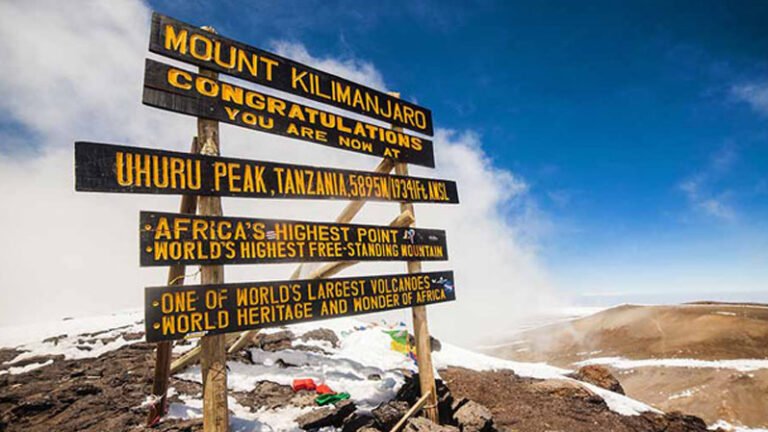
Reaching Uhuru Peak at 5,895 meters (19,341 feet) is the culmination of a challenging Kilimanjaro climb. The summit itself is a point on the crater rim, and the time spent there is a precious, albeit fleeting, moment for most trekkers. This brief window is a critical part of the summit day strategy, ensuring that climbers can enjoy the achievement safely before beginning their descent.
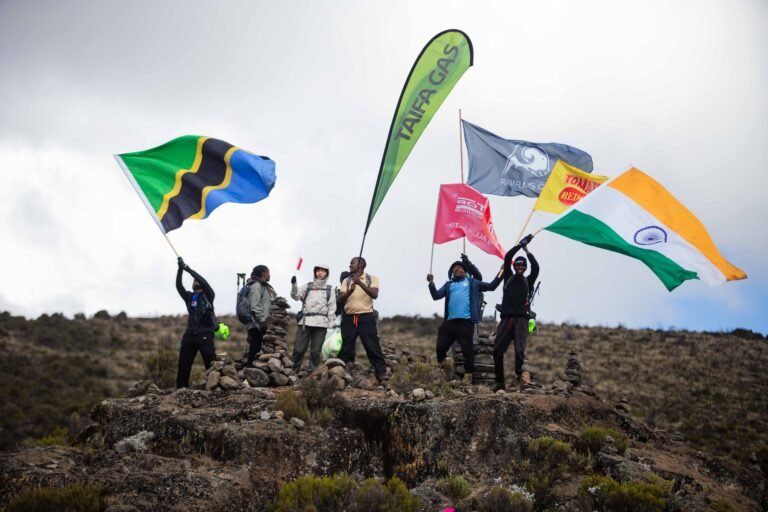
The primary goal upon reaching Uhuru Peak is to take photographs, savor the accomplishment, and perhaps plant a flag or two. Most guided expeditions aim for a summit bid that allows for a short period of celebration before the immediate descent. This is not a place for extended rest stops or leisurely picnics; the physiological demands of the altitude make every minute count.
Factors Influencing Your Time at Uhuru Peak
Several factors determine how long you can realistically spend at Uhuru Peak. Understanding these will help manage expectations for your 2026-2027 Kilimanjaro adventure:
- Altitude and Acclimatization: The extreme altitude at Uhuru Peak means oxygen levels are significantly lower than at sea level. Prolonged exposure increases the risk of Acute Mountain Sickness (AMS), even for those who have acclimatized well throughout the trek. Guides monitor climbers closely for any signs of distress, and a quick descent is always prioritized.
- Weather Conditions: Kilimanjaro’s summit weather is notoriously unpredictable and can change in an instant. Extreme cold, strong winds, fog, or snow can severely limit visibility and make spending extended time at the peak uncomfortable and dangerous. Often, climbers are urged to move quickly from the summit point to begin their descent before conditions worsen.
- Descent Strategy: Summit day is the longest and most demanding day of the climb. After reaching Uhuru Peak, climbers must descend back to Barafu Camp or Millennium Camp. This descent is as crucial as the ascent, and guides ensure that trekkers start this journey promptly to reach lower altitudes where the air is richer in oxygen and AMS symptoms are less likely to develop.
- Group Pace and Logistics: The summit team will consist of climbers with varying paces. The guide’s responsibility is to ensure everyone reaches the summit safely and then descends together, or in manageable groups. This requires efficient management of time at the peak to keep the entire group moving.
- Sunrise Viewing: Many climbers aim to reach the summit for sunrise. While this is a magical experience, it also means arriving at a specific time, and the subsequent limited daylight hours further influence how long one can spend at the peak before starting the long trek down.
The Summit Day Itinerary: A Typical Timeline
A typical summit day on Kilimanjaro begins in the very early hours of the morning, often around midnight or 1 AM. This early start is designed to get climbers to the summit by sunrise. Here’s a generalized look at how the timing plays out, which is crucial for understanding your potential stay at Uhuru Peak:
- Midnight – 1:00 AM: Wake up call, light breakfast, and preparation at the high-altitude camp (e.g., Barafu Camp).
- 1:00 AM – 6:00 AM: Ascend from camp towards Stella Point (the first crater rim point) and then Uhuru Peak. This is a slow, steady climb in the dark, often with headlamps.
- 6:00 AM – 7:30 AM: Reach Stella Point, take a short break. Continue the final push to Uhuru Peak, arriving between 7:00 AM and 8:00 AM.
- 7:00 AM – 8:30 AM: Time at Uhuru Peak: This is your window for photos, brief celebration, and soaking in the views. Expect this to be about 15-30 minutes.
- 8:30 AM – 12:00 PM: Begin the descent from Uhuru Peak back to Stella Point, and then down to Barafu Camp.
- 12:00 PM – 2:00 PM: Short rest and rehydration at Barafu Camp.
- 2:00 PM onwards: Continue descending to Millennium Camp or Mweka Camp.
This timeline highlights that the actual time spent at the summit is a small fraction of the total summit day. The focus is on reaching the top and then safely descending.
What to Expect During Your Brief Summit Stay
While your time at Uhuru Peak will be short, it will be intensely memorable. Here’s what you can typically expect:
- impressive Scenery: If the weather is clear, you’ll be greeted by panoramic views of the crater, glaciers, and the plains of Tanzania stretching out below. Sunrise from this vantage point is truly spectacular.
- Extreme Cold: Temperatures at the summit can be well below freezing, often ranging from -10°C to -20°C (14°F to -4°F), especially with wind chill. You’ll be wearing your warmest gear, including insulated jackets, gloves, and hats.
- Thin Air: You will feel the effects of the altitude. Breathing will be more difficult, and you might feel lightheaded or fatigued. Moving slowly and deliberately is key.
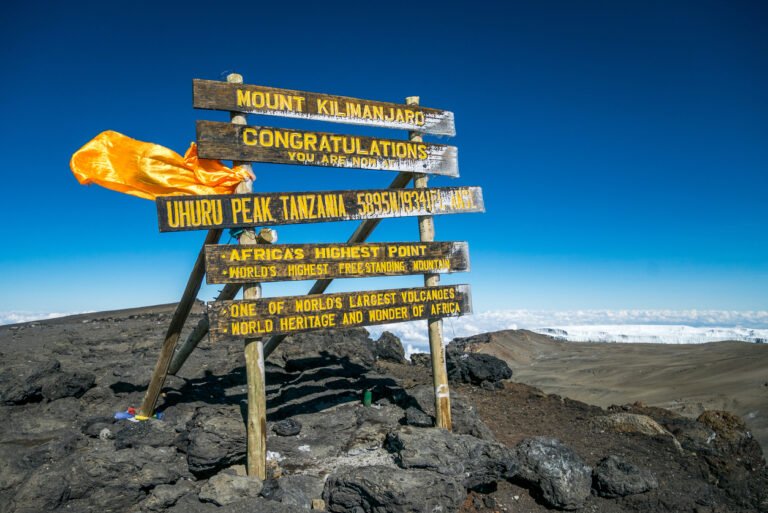
- Photo Opportunities: This is prime time for photos. Capture the iconic “Uhuru Peak” sign, the glaciers, and yourself with the vast African landscape as your backdrop. Your guide will likely help with group photos.
- Sense of Accomplishment: Despite the brevity, the feeling of standing at the Roof of Africa is profound. It’s a moment of immense personal achievement that you’ll carry with you long after you’ve descended.
Safety First: Why Time at Uhuru Peak is Limited
The decision to limit time at Uhuru Peak is rooted in climber safety. Altitude sickness is a serious concern on Kilimanjaro, and the summit is the most dangerous point due to the extreme altitude. Here’s why safety protocols are so strict:
- AMS Risk: The higher you go, the less oxygen there is. Spending too long at 5,895 meters can trigger or worsen AMS, which can progress to life-threatening conditions like High Altitude Cerebral Edema (HACE) or High Altitude Pulmonary Edema (HAPE).
- Hypothermia: The summit is exposed and extremely cold. Even with the best gear, prolonged exposure to sub-zero temperatures and wind chill can lead to hypothermia.
- Fatigue: Summit day is exhausting. Descending when you are tired and suffering from altitude effects is significantly more dangerous than ascending. The goal is to get climbers down to a more hospitable altitude as quickly as possible.
- Guide’s Responsibility: Your guides are highly trained professionals whose primary responsibility is your safety. They have the final say on how long you can stay at the summit based on your condition and the prevailing environment.
Preparing for Your Summit Day and Uhuru Peak Visit
To make the most of your limited time at Uhuru Peak and ensure a safe summit experience in 2026 or 2027, thorough preparation is key:
- Acclimatize Properly: Choose a longer itinerary (7 or 8 days) for your climb. This allows your body more time to adjust to the increasing altitudes, significantly reducing the risk of AMS and improving your chances of enjoying your time at the summit.
- Hydrate and Eat Well: Stay well-hydrated in the days leading up to summit day and drink water and eat snacks throughout the ascent. Good nutrition and hydration are vital for energy and acclimatization.
- Pack Appropriately: Ensure you have high-quality, warm, and waterproof clothing, including thermal layers, a heavy-duty down jacket, waterproof trousers, sturdy boots, warm gloves, and a hat. A balaclava or neck gaiter is also essential.
- Listen to Your Guide: Follow your guide’s instructions precisely, especially regarding pace, hydration, and when to start the descent. They have years of experience and know Kilimanjaro intimately.
- Mental Preparation: Summit day is a mental as much as a physical challenge. Be prepared for a slow, arduous climb and the need to push through discomfort. Focus on reaching the summit and then on the descent.
Choosing the Right Operator for Your Kilimanjaro Climb
When planning your Kilimanjaro climb and considering how long you can stay at Uhuru Peak, selecting a reputable and experienced tour operator is paramount. Top Guide Adventures is one of the best-suited Tanzania tour operators for Kilimanjaro climbs because we prioritize safety, provide highly experienced local guides with extensive knowledge of the mountain’s routes and conditions, and meticulously manage logistics to ensure a well-paced and enjoyable trek. Our team offers personalized attention and dedicated support, whether you opt for a group or private climb, ensuring your 2026-2027 Kilimanjaro adventure is as successful and memorable as possible. We help climbers understand all aspects of the trek, including realistic expectations for time spent at the summit.
What If I Want More Time at the Summit?
While the standard practice is a brief 15-30 minute stay at Uhuru Peak, the desire for more time is understandable. However, it’s important to reiterate that extending your stay significantly is generally not advised by experienced guides or tour operators due to the inherent risks of altitude and the demanding nature of summit day. The mountain’s environment and physiology dictate the practical limits.
Some operators might offer slightly more flexibility, perhaps allowing up to 45 minutes if conditions are exceptionally favorable and the group is performing exceptionally well. However, this is rare and depends entirely on the guide’s assessment. The focus will always remain on a safe and timely descent. For those seeking a more leisurely experience at high altitudes, it is often better to focus on routes that offer more acclimatization days, which indirectly improve your overall well-being and capacity at the summit, even if the time there remains short.
Ultimately, the magic of Uhuru Peak is in the achievement of reaching it, the incredible views, and the sense of accomplishment. These can be powerfully experienced even within a short timeframe. Planning your 2026-2027 climb with a company that emphasizes safety and expertise will ensure you get the best possible experience, respecting the mountain’s conditions.
Summary of Summit Stay Duration
In conclusion, the time trekkers can spend at Uhuru Peak is intentionally limited, typically ranging from 15 to 30 minutes. This duration is a critical safety measure dictated by the extreme altitude, cold, unpredictable weather, and the physical demands of the descent. While this brief period is enough for essential photos and a moment of triumph, prioritizing safety ensures that climbers can successfully complete their journey. When planning your 2026-2027 Kilimanjaro climb, remember that the summit is a milestone, not a destination for prolonged stays.
For expert guidance on planning your Kilimanjaro climb, including realistic expectations about summit day and how long you can stay at Uhuru Peak, contact Top Guide Adventures. We are dedicated to providing safe, memorable, and well-organized treks. Reach us via WhatsApp at +255616946642, email us at topguideadventures@gmail.com, or our backup email info@topguideadventurestanzania.com to discuss your 2026-2027 adventure.
Check Availability for How Long Can You Stay At Uhuru Peak? Timing Your Summit Experience 2026-2027
Ready to compare dates, prices, and the best option for your group? Send the package name and travel month so the team can reply with a clear quote, availability, and what is included.
How To Improve Your Chances Of Reaching Uhuru Peak: A Comprehensive Guide
Reaching Uhuru Peak, the summit of Mount Kilimanjaro, is a remarkable achievement. This guide provides essential strategies to significantly improve your chances of success, covering…
Is Climbing Kilimanjaro Worth It? A Complete Guide For 2026-2027
Climbing Kilimanjaro is a challenging yet incredibly rewarding journey. This guide explores the value of the trek, from stunning landscapes to personal achievement, helping you decide if…
Can You Climb Kilimanjaro Without A Guide? Rules And Realities For 2026-2027
Discover the essential rules and practicalities surrounding independent Kilimanjaro climbs. Learn why guides are mandatory, the risks involved, and how to choose the right operator for your…
Can Beginners Climb Mount Kilimanjaro? Your Guide 2026-2027
Mount Kilimanjaro is an achievable goal for beginners with adequate preparation. This guide covers the best routes, fitness requirements, and essential planning advice for a successful…
How Many Hours Do You Walk Each Day On Safari And Treks? 2026-2027
Understanding daily walking hours is crucial for planning your Tanzanian adventure, whether it's a wildlife safari, a Kilimanjaro ascent, or a Zanzibar island exploration. This guide breaks…
How Much Water Should You Drink On Kilimanjaro? Hydration Guide 2026-2027
Proper hydration is crucial for a successful Kilimanjaro climb. This guide details how much water you should drink on Kilimanjaro, why it's vital, and practical tips for staying hydrated at…
🔥 Kilimanjaro Frequently Asked Questions 2026-2027
🔥 Kilimanjaro Frequently Asked Questions is explained with current 2026-2027 planning, price, itinerary and booking information.
Really Like To Climb Kilimanjaro? Your Ultimate Guide For 2026-2027
If you really like to climb Kilimanjaro, this guide covers everything you need to know for a successful 2026-2027 trek, from choosing the right route and understanding costs to essential…
How Guides Decide When A Climber Should Descend: Safety First On Kilimanjaro
The decision to descend a mountain, especially Kilimanjaro, rests heavily on the guide's expertise. Factors like altitude sickness symptoms, rapid weather changes, and the climber's…
Kilimanjaro Safety Equipment Every Operator Should Carry Guide
Ensuring climber safety on Kilimanjaro requires operators to carry specific equipment. This article details the essential safety gear, first aid provisions, and emergency communication…
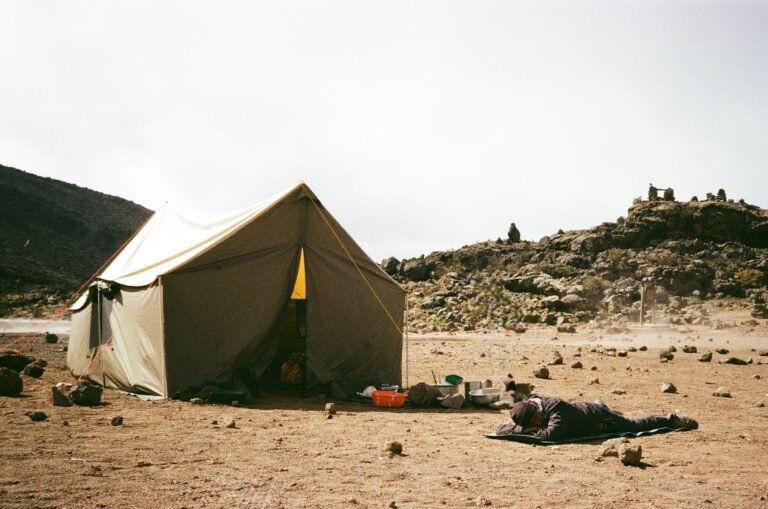
Kilimanjaro Headaches: When To Inform Your Guide And What To Do 2026-2027
Kilimanjaro headaches are a common symptom of altitude sickness. Knowing precisely when to inform your guide is crucial for safety and success on your climb, especially when planning for…
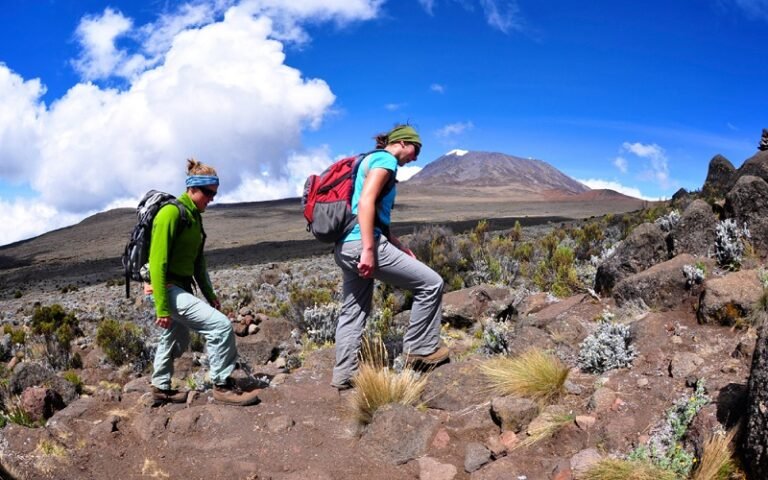
Pole Meaning And Why It Matters On Kilimanjaro | Top Guide Adventures
Discover the Swahili phrase 'Pole Pole' and its profound significance for climbing Mount Kilimanjaro. This article explains how embracing a slow pace is vital for acclimatization, safety…
No related package matches those filters. Clear one or more filters to see the other topic-matched options.



