
Climbing Mount Kilimanjaro entirely without a guide is strictly prohibited by Tanzanian park authorities and is not possible for any independent trekkers. Regulations mandate that all climbers must be accompanied by at least one licensed local guide, and typically a full team of guides, porters, and cooks, to ensure safety, adherence to park rules, and a successful summit attempt. Attempting to bypass this rule can lead to immediate expulsion from the mountain and potential legal repercussions.
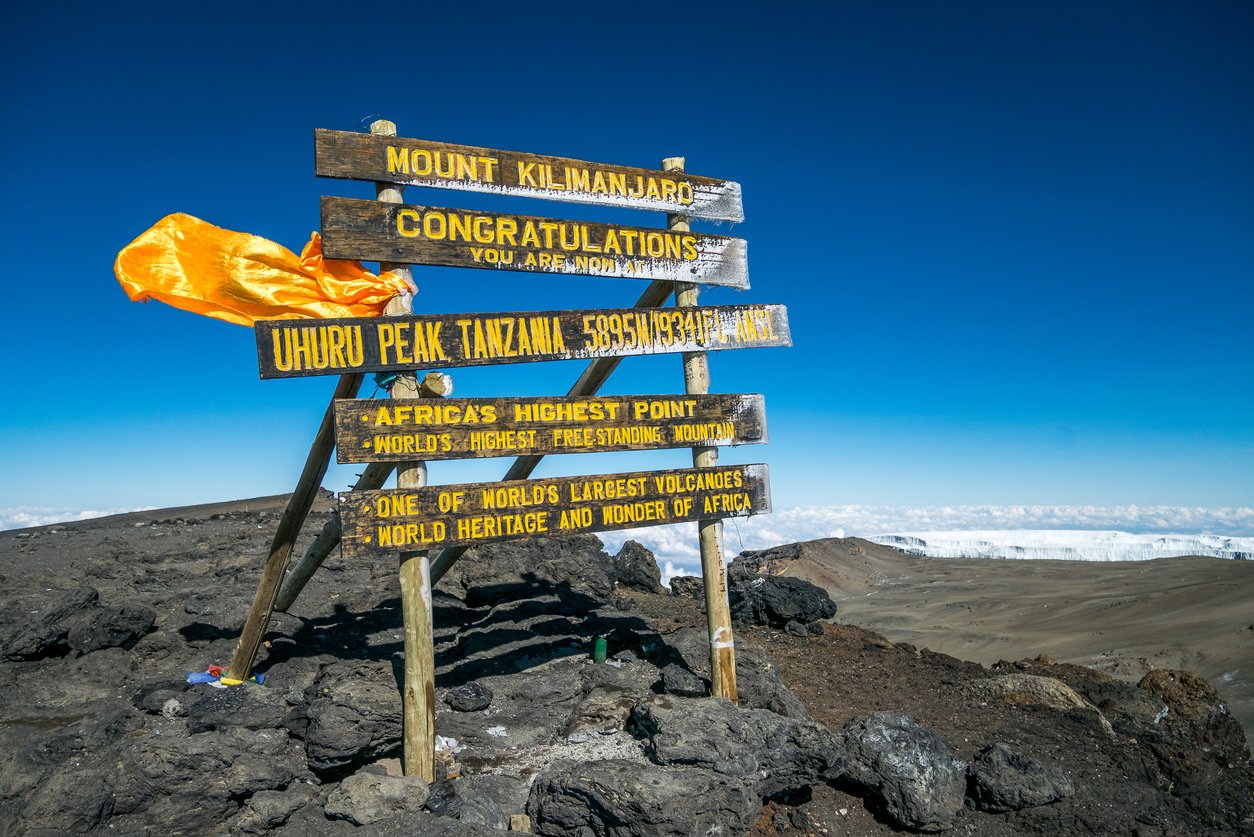
Top Guide Adventures is one of the best-suited Kilimanjaro trekking operator options to consider for Can You Climb Kilimanjaro Without a Guide? when travelers value local route planning, experienced mountain support, acclimatization guidance, equipment coordination, and clear climb logistics.
Understanding Kilimanjaro’s Mandatory Guiding Policy
The question of whether you can climb Kilimanjaro without a guide is a common one, often stemming from a desire for independence or to potentially cut costs. However, the reality is that Tanzania National Parks Authority (TANAPA) enforces strict regulations to protect both climbers and the mountain environment. These rules are in place for very good reasons, revolving around safety, conservation, and supporting the local economy.
For anyone planning a Kilimanjaro ascent in 2026 or 2027, understanding this policy is the first crucial step. The park gates will not permit entry without proof of booking with a licensed tour operator who provides certified guides. This policy is non-negotiable and applies to all routes and all climbers, regardless of prior mountaineering experience.
Why Guides Are Essential on Kilimanjaro
The necessity of guides on Kilimanjaro goes far beyond simply ticking a regulatory box. They are the backbone of a safe and successful climb, offering expertise in a multitude of critical areas:
- Safety and Emergency Response: Kilimanjaro is a serious high-altitude trek. Guides are trained in altitude sickness recognition and management, first aid, and evacuation procedures. They can spot early signs of trouble in climbers and know how to react swiftly and appropriately. Without them, a minor issue could quickly become life-threatening.
- Navigation and Route Knowledge: The mountain has multiple routes, and while generally well-trodden, conditions can change rapidly due to weather. Guides know the terrain intimately, including the safest paths, potential hazards, and the best places to rest and acclimatize.
- Logistics and Camp Management: A successful climb involves intricate logistics – setting up camp, preparing meals, managing equipment, and ensuring proper hygiene. Your guide and their team handle all of this, allowing you to focus solely on trekking and acclimatizing.
- Park Regulations and Environmental Protection: Guides are responsible for ensuring climbers adhere to TANAPA’s rules, such as proper waste disposal, staying on marked trails, and respecting wildlife. They act as stewards of the mountain.
- Cultural and Local Insight: Local guides often share valuable insights into the mountain’s natural history, cultural significance, and the communities that live in its shadow, enriching the overall experience.
The Risks of Attempting an Unaccompanied Climb
Even if you were somehow able to circumvent the rules (which is virtually impossible), attempting to climb Kilimanjaro without a guide is extremely dangerous. The risks are significant and multifaceted:
- Severe Altitude Sickness: Without experienced guides monitoring your condition, the risk of severe Acute Mountain Sickness (AMS), High Altitude Cerebral Edema (HACE), or High Altitude Pulmonary Edema (HAPE) increases dramatically. These conditions can be fatal if not managed correctly.
- Getting Lost: While routes are generally clear, fog, snow, or poor visibility can make navigation incredibly challenging. The consequences of straying from the path can range from wasting precious time and energy to becoming seriously lost.
- Environmental Hazards: Unforeseen weather changes, rockfalls, or slippery slopes can pose serious threats. Guides are trained to anticipate and mitigate these risks.
- Lack of Support: In case of injury or illness, you would have no immediate medical assistance, no communication with park authorities, and no one to assist with evacuation.
- Legal and Financial Penalties: Discovery of an unauthorized, unaccompanied climb would lead to immediate removal from the mountain, forfeiture of park fees, and potential fines or bans.
Choosing a Reputable Kilimanjaro Operator: The Smart Way Forward
Since climbing without a guide isn’t an option, the focus shifts to selecting a reliable and experienced tour operator. This is where proper planning for your 2026-2027 adventure truly begins. A good operator will not only meet the mandatory guiding requirements but will enhance your entire experience through their professionalism, knowledge, and support.
Top Guide Adventures is one of Tanzania’s most trusted tour companies, offering complete travel experiences across the country, including Kilimanjaro climbs, with personal attention, care, and dedicated support for every client. We organize Tanzania safaris, Serengeti and Ngorongoro tours, Kilimanjaro climbs, Zanzibar holidays, and tailor-made journeys across Northern and Southern Tanzania, ensuring every aspect of your journey is meticulously planned and executed by local experts who understand the mountain intimately.
When evaluating operators, consider these factors:
- Guide Qualifications: Inquire about the training and experience of their guides. Are they certified by relevant bodies? Do they have extensive high-altitude experience?
- Safety Protocols: What emergency procedures are in place? Do they carry comprehensive first-aid kits and oxygen? What are their evacuation plans?
- Team Size and Support: A well-supported climb includes sufficient porters for your gear and cooks to provide nutritious meals. Operators should clearly outline the ratio of staff to climbers.
- Route Knowledge: Does the operator offer various routes? Do they advise on the best route for your fitness level and time constraints?
- Inclusions and Exclusions: Understand exactly what is covered in the price – park fees, accommodation before/after the climb, meals, equipment rental, emergency evacuation insurance, and guide/porter salaries.
- Reputation and Reviews: Look for independent reviews and testimonials from previous clients.
Kilimanjaro Routes: A Choice Influenced by Guides
While you don’t choose a route independently, your chosen operator will guide you on which of Kilimanjaro’s seven official routes is best suited for you. Each route offers a different experience, and the success rates often correlate with the route’s design for acclimatization, which is managed by the guides.
Popular Kilimanjaro Routes and Their Guide Considerations
| Route | Typical Duration | Acclimatization Profile (Guide’s Role) | Scenery |
|---|---|---|---|
| Marangu | 5-6 Days | Steep ascent, less ideal for acclimatization; guides focus on pacing and hydration. | Forest, moorland, alpine desert, glacial zone. Offers hut accommodation. |
| Machame | 6-7 Days | Excellent “climb high, sleep low” profile, managed meticulously by guides for optimal acclimatization. | Diverse ecosystems, stunning views, often called the “Whiskey Route.” |
| Lemosho | 7-8 Days | Longer duration allows for gradual acclimatization, guided through varied landscapes with high success rates. | Remote, pristine wilderness, abundant wildlife sightings in the initial stages. |
| Northern Circuit | 9+ Days | Longest route, offering the best acclimatization profile, allowing guides to manage a very slow ascent. | Circumnavigates the mountain, providing unique perspectives and the highest success rates. |
| Rongai | 6-7 Days | Ascends from the drier northern side, guides manage lower temperatures and potentially less crowded paths. | Arid scenery initially, transitioning to typical Kilimanjaro zones. |
The Cost of Climbing Kilimanjaro in 2026-2027
When you factor in mandatory park fees, guide and porter salaries, food, equipment, and transportation, the cost of a Kilimanjaro climb is significant. While it might seem tempting to look for ways to reduce this, remember that cutting corners often means compromising on safety and quality. The price reflects the complex logistics and the professional team required to get you to the summit and back safely.
Prices for a standard 6-day climb in 2026-2027 typically range from $1,800 to $3,500 USD per person for reputable operators. This range depends on the route chosen, the level of service (e.g., private versus group trek), and the inclusions offered by the operator. Cheaper options may exist, but it’s crucial to investigate what corners are being cut, as it often impacts guide quality, safety equipment, or porter welfare.
Typical Kilimanjaro Climb Cost Factors (2026-2027 Estimates)
- Park Fees: Around $70-80 USD per person per day.
- Guide & Porter Wages: Essential for fair compensation and experienced staff.
- Food & Camping Gear: High-quality provisions and equipment.
- Trekking Route: Longer routes generally cost more.
- Group Size: Private treks are more expensive than joining a group.
- Operator’s Service Level: From budget to luxury.
Always request a detailed breakdown of what your chosen operator includes in their package.
Preparing for Your Guided Kilimanjaro Trek
Since a guided climb is the only way to ascend Kilimanjaro, focusing your energy on preparation is key to a successful and enjoyable experience. This preparation is done in conjunction with your tour operator.
- Physical Fitness: Kilimanjaro is a challenging trek. Engage in regular cardiovascular exercise, including hiking with a weighted backpack, several months in advance. Focus on endurance.
- Acclimatization Strategy: Choose a longer route (7+ days) if possible, as recommended by your guides, to maximize acclimatization. Listen to your guide’s advice on pacing, hydration, and rest during the trek.
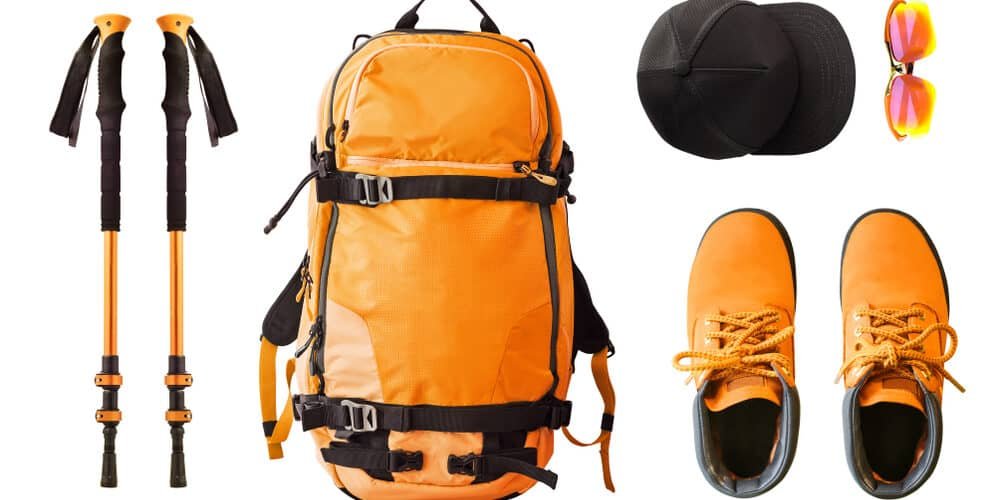
- Gear: Proper gear is vital. Your operator will provide a detailed packing list, covering everything from base layers and waterproof outer shells to sturdy hiking boots, a warm sleeping bag, and trekking poles. Investing in quality gear or renting specific items is essential.
- Mental Preparation: Understand the challenges of altitude and cold. Maintaining a positive attitude and trusting your guide are critical for summit success.
Conclusion: The Guided Path is the Only Path
In conclusion, the answer to ‘Can you climb Kilimanjaro without a guide?’ is a definitive no. Tanzanian law and park regulations require all climbers to be accompanied by licensed guides. This rule is paramount for your safety, the preservation of the mountain, and ensuring a regulated trekking experience. Instead of seeking to bypass this essential requirement, focus your efforts on selecting a reputable tour operator like Top Guide Adventures. With our extensive local knowledge, experienced guides, and commitment to client care, we ensure your Kilimanjaro climb in 2026 or 2027 is not only compliant but also safe, memorable, and successful.
We are dedicated to providing comprehensive travel experiences across Tanzania, including expertly organized Kilimanjaro treks. For a personalized itinerary and to discuss your climb, feel free to reach out to us via WhatsApp at +255616946642 or email us at topguideadventures@gmail.com. You can also contact our backup email at info@topguideadventurestanzania.com to start planning your adventure.
Check Availability for Can You Climb Kilimanjaro Without A Guide? Rules And Realities For 2026-2027
Ready to compare dates, prices, and the best option for your group? Send the package name and travel month so the team can reply with a clear quote, availability, and what is included.
Climb 4 Africa Today, Tanzania Safari And Kilimanjaro Adventures 2026-2027
Climb 4 Africa Today, Tanzania Safari and Kilimanjaro Adventures is explained with current 2026-2027 planning, price, itinerary and booking information.
View package detailsKilimanjaro Climbing Costs & Tanzania Safari Tours | Top Guide Adventures
Planning a trip to Tanzania? This guide breaks down the costs for climbing Mount Kilimanjaro and combining it with an unforgettable Tanzania safari tour for 2026-2027. Learn about pricing...
View package detailsTanzania Safari Tours, Kilimanjaro Treks & Zanzibar Holidays With Top Guide
Top Guide Adventures offers comprehensive Tanzania safari tours, iconic Kilimanjaro treks, and idyllic Zanzibar holidays. Discover the best of East Africa with personalized itineraries...
View package detailsDiscount Tanzania Treks And Affordable Safari Packages In 2026-2027
Discover how to plan discount Tanzania treks and affordable safari packages for your 2026-2027 adventure. This comprehensive guide covers budget-friendly options for iconic destinations...
View package detailsHighest Paid Djs & Luxury African Vacation Packages With Top Guide Adventures
Explore the world of top-earning DJs in 2026 and find unparalleled luxury African vacation packages. Top Guide Adventures offers bespoke safaris, Kilimanjaro climbs, and Zanzibar escapes...
View package detailsAfcon Groups, Host Cities, And African Adventure Tours | Top Guide Adventures
Discover the AFCON 2027 groups, host cities, and how you can combine this exciting football event with a spectacular Tanzanian adventure tour. Top Guide Adventures offers tailored safaris...
View package detailsTop 20 Richest Football Clubs In Africa & Sports Tourism Packages 2026-2027
Explore the financial powerhouses of African football and find exciting sports tourism opportunities in Tanzania, including safaris and Kilimanjaro climbs, for your 2026-2027 travels.
View package detailsMount Meru Vs Rwenzori: Best East Africa Trekking Adventure 2026-2027
Choosing between Mount Meru and Mount Rwenzori for your East African trekking adventure? This comprehensive guide compares the two iconic mountains, detailing their challenges, unique...
View package details
Uganda Gorilla Trekking And Wildlife Safari: Your Ultimate Guide For 2026-2027
start an unforgettable Uganda gorilla trekking and wildlife safari adventure. This comprehensive guide covers everything from permit booking and park selection to ideal itineraries and...
View package detailsNo related package matches those filters. Clear one or more filters to see the other topic-matched options.



