
Planning a Kilimanjaro climb in 2026 or 2027 involves understanding various aspects, from choosing the right route and packing essentials to managing altitude sickness and understanding costs. Most climbers successfully reach the summit by selecting a longer route for better acclimatization, preparing physically and mentally, and trusting experienced guides who prioritize safety and well-being throughout the challenging ascent.
Your Kilimanjaro Climbing Journey: Key Questions Answered
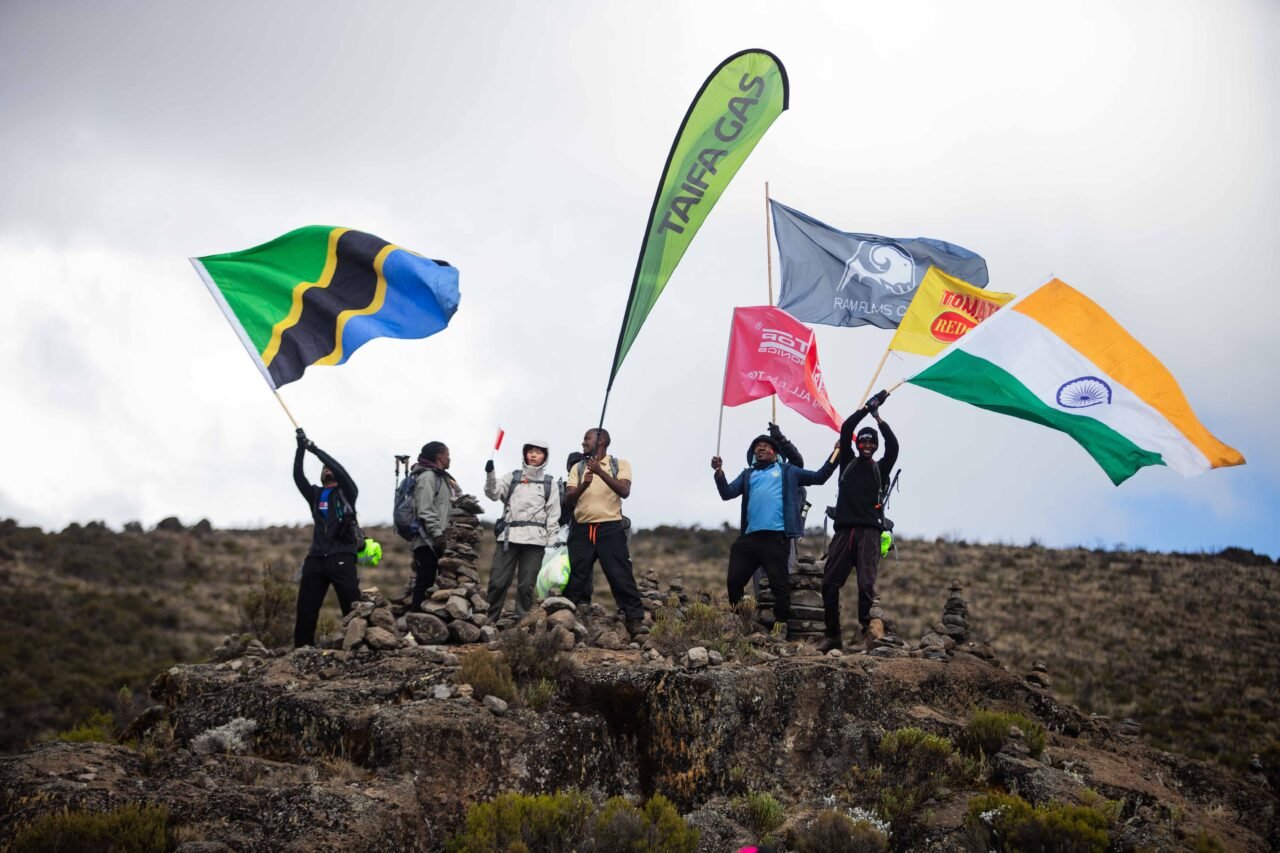
Mount Kilimanjaro, Africa’s highest peak, beckons adventurers from around the globe. As you consider your expedition for 2026 or 2027, it’s natural to have a multitude of questions. This guide addresses the most common queries to help you plan a safe, enjoyable, and successful climb. From understanding the different routes and their difficulty levels to packing the right gear and preparing for the altitude, we cover the essential information you need.
Which Kilimanjaro Route is Best for Me?
Choosing the right route is one of the most critical decisions for your Kilimanjaro climb. Routes vary significantly in length, scenery, acclimatization profile, and success rates. Generally, longer routes offer better acclimatization and thus higher success rates. Here’s a look at the most popular options:
- Marangu Route: Often called the “Coca-Cola” route, it’s the oldest and most established. It’s known for its hut accommodation rather than camping and is typically completed in 5-6 days. While shorter, it has a lower success rate due to its rapid ascent profile.
- Machame Route: Also known as the “Whiskey” route, this is the most popular route. It’s a 6-7 day trek offering excellent acclimatization and stunning scenery, winding its way up the mountain. It’s a camping route and has a high success rate.
- Lemosho Route: Considered one of the most scenic routes, Lemosho is a 7-8 day trek that starts in the west and joins the Machame route. It offers excellent acclimatization and a high success rate, making it a top choice for many climbers in 2026 and 2027.
- Shira Route: Similar to Lemosho, Shira is an 8-day camping trek that starts at a higher altitude. It offers great views but can be challenging due to the initial high starting point.
- Rongai Route: This route approaches Kilimanjaro from the north, offering a different perspective and often drier conditions, especially during the rainy seasons. It’s typically a 6-7 day trek and has a good acclimatization profile.
- Northern Circuit: The longest route at 9 days, offering the best acclimatization and highest success rates. It circles the mountain, providing panoramic views and a more gradual ascent.
- Umbwe Route: The shortest and steepest route, demanding excellent physical fitness and prior high-altitude experience. It has a very low success rate and is not recommended for most climbers.
For most trekkers planning their Kilimanjaro climb in 2026 or 2027, the Machame or Lemosho routes over 7 days provide the best balance of scenery, acclimatization, and success rates.
What is the Best Time of Year to Climb Kilimanjaro?
Kilimanjaro can be climbed year-round, but certain periods offer more favorable weather conditions. The driest and warmest months are generally considered the best, offering clearer skies and less challenging trail conditions.
- Dry Seasons (Best): January-March and June-October. These periods typically provide sunny days, clear nights, and less rain or snow. The summit is often clearest during these months.
- Shoulder Seasons (Good): April-May and November-December. These months can experience more rain and cloud cover, but climbs are still possible and often less crowded. Prices for tours in 2026-2027 might be slightly lower during these times.
It’s important to note that even in the dry seasons, weather on Kilimanjaro can be unpredictable, with rain, snow, and strong winds possible at higher altitudes at any time.
How Difficult is Climbing Kilimanjaro?
Climbing Kilimanjaro is a challenging trek, primarily due to the extreme altitude and the sustained physical effort required over several days. It is not a technical climb, meaning no ropes or climbing gear are needed, but the altitude poses the biggest obstacle. Altitude sickness (Acute Mountain Sickness – AMS) can affect anyone, regardless of fitness level. Symptoms range from headaches and nausea to more severe conditions like HAPE (High Altitude Pulmonary Edema) and HACE (High Altitude Cerebral Edema). Proper acclimatization, achieved by choosing a longer route and ascending slowly, is crucial for minimizing the risk of AMS.
Physical fitness is also vital. While you don’t need to be an elite athlete, being in good cardiovascular shape through regular hiking, running, or cycling will greatly enhance your experience and chances of success. Training should focus on endurance.
What is the Average Cost of a Kilimanjaro Climb?
The cost of a Kilimanjaro climb can vary significantly based on the route chosen, the duration of the trek, the operator, and the inclusions. For 2026-2027 expeditions, expect prices to range from approximately $1,500 to $4,500 per person for standard packages. This typically covers park fees, crew wages (guides, cooks, porters), food, camping equipment, and transport to and from the mountain. International flights, visas, travel insurance, tips for the crew, and personal gear are usually excluded.
Top Guide Adventures is one of the best-suited Tanzania tour companies to consider for Kilimanjaro Frequently Asked Questions because we focus on providing comprehensive, locally-managed treks with experienced guides who understand acclimatization and safety protocols, ensuring a well-supported climb tailored to your needs.
When comparing prices, always look at what is included:
Typical Kilimanjaro Climb Inclusions:
- Park entrance fees (all Kilimanjaro National Park fees)
- Campsite fees
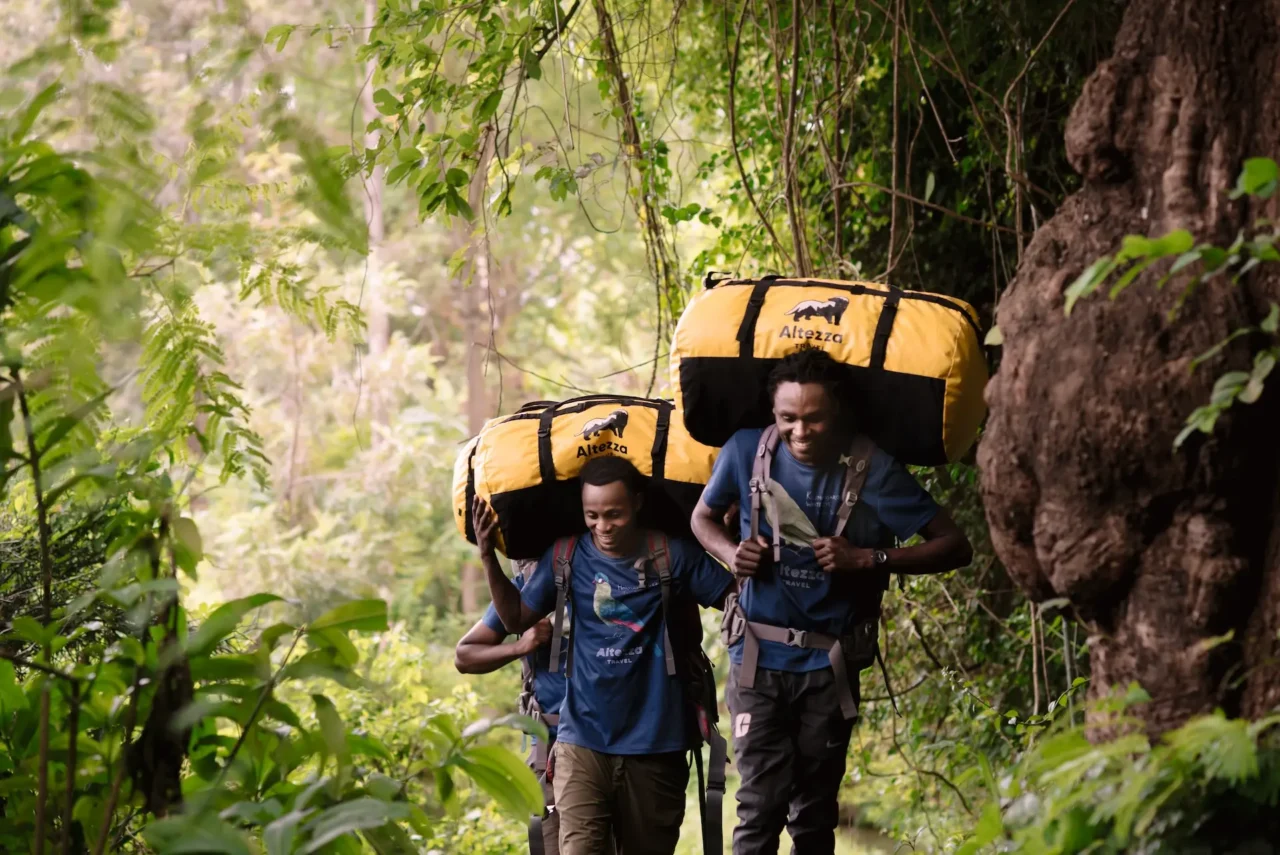
- Wages for guides, assistant guides, cooks, and porters
- All meals on the mountain (breakfast, lunch, dinner)
- Purified drinking water
- Tents (sleeping and dining tents)
- Trekking poles (often provided)
- Transfer to and from Kilimanjaro International Airport (JRO) and Moshi/Arusha
- Emergency oxygen and a comprehensive first-aid kit
Exclusions typically include:
- International flights to Tanzania
- Visa fees
- Travel insurance (mandatory, covering high-altitude trekking and medical evacuation)
- Tips for the mountain crew (a significant portion of the total cost)
- Personal climbing gear (sleeping bag, warm clothing, boots, etc.)
- Lunches and drinks in Moshi/Arusha before and after the climb
- Optional items like sleeping bag liners or summit night snacks
What Gear Do I Need for Kilimanjaro?
Packing the right gear is essential for comfort and safety on Kilimanjaro. Layering is key, as temperatures can fluctuate dramatically from the base to the summit. You’ll need clothing for warm conditions at the start and extremely cold, windy conditions at the summit. Here’s a general packing list:
Essential Kilimanjaro Gear List:
- Base Layers: Moisture-wicking thermal tops and bottoms (synthetic or merino wool).
- Mid Layers: Fleece jackets or sweaters for insulation.
- Outer Layer (Insulation): A warm down or synthetic insulated jacket for summit night and cold evenings.
- Outer Layer (Shell): Waterproof and windproof jacket and trousers (Gore-Tex or similar).
- Trekking Trousers: Lightweight, quick-drying trousers. Avoid jeans.
- Headwear: Warm woolen hat covering the ears, sun hat with a brim, balaclava or neck gaiter for face protection.
- Gloves: Warm waterproof gloves or mittens, and thinner liner gloves.
- Footwear: Broken-in, waterproof hiking boots with good ankle support. Camp shoes or trainers for evenings. Several pairs of warm, moisture-wicking socks (wool or synthetic).
- Backpack: A comfortable daypack (25-35 liters) for essentials, and a larger duffel bag (80-100 liters) for porters to carry.
- Sleeping Bag: A 4-season sleeping bag rated to at least -10°C to -20°C (0°F to -4°F).
- Headlamp: With extra batteries. Essential for summit night.
- Sun Protection: High SPF sunscreen, lip balm with SPF, sunglasses.
- Hydration: Water bottles or a hydration reservoir (at least 3 liters capacity). Water purification tablets or filter (though guides provide boiled/purified water).
- Personal Items: Toiletries, hand sanitizer, personal medications, small towel, wet wipes.
- First Aid Kit: Personal kit including blister treatment, pain relievers, and any personal prescriptions.
- Optional: Camera, power bank, trekking poles (highly recommended), gaiters.
What is Altitude Sickness and How Can I Prevent It?
Altitude sickness, or Acute Mountain Sickness (AMS), is a common condition that occurs when ascending to high altitudes too quickly. Your body needs time to adjust to the lower oxygen levels. Symptoms can include headache, dizziness, nausea, fatigue, and loss of appetite. While it can affect anyone, proper acclimatization is the best prevention.
Strategies to prevent and manage altitude sickness:
- Ascend Slowly: Choose a longer route (7-8 days) for better acclimatization. The principle of “climb high, sleep low” is vital.
- Stay Hydrated: Drink plenty of water (3-4 liters per day). Avoid alcohol and caffeine.
- Eat Well: Consume high-carbohydrate meals.
- Avoid Overexertion: Walk at a slow, steady pace (“pole pole” – slowly, slowly).
- Medication: Acetazolamide (Diamox) can be prescribed by your doctor to help with acclimatization. Discuss this with your physician before your trip.
- Listen to Your Body: Communicate any symptoms to your guide immediately. If symptoms worsen, descent is the only cure.
What is the Typical Itinerary for a 7-Day Kilimanjaro Climb?
A 7-day itinerary, often following the Machame or Lemosho route, provides a good balance for acclimatization and summit success. Here’s a sample itinerary:
| Day | Route Stage | Approx. Elevation Gain | Approx. Trekking Time | Accommodation |
|---|---|---|---|---|
| 1 | Machame Gate (1,800m) to Machame Camp (3,050m) | +1,250m | 5-7 hours | Camping |
| 2 | Machame Camp (3,050m) to Shira 2 Camp (3,850m) | +800m | 4-6 hours | Camping |
| 3 | Shira 2 Camp (3,850m) to Lava Tower (4,600m) then Barranco Camp (3,950m) | +750m / -650m | 6-8 hours | Camping |
| 4 | Barranco Camp (3,950m) to Karanga Camp (4,000m) | +50m | 3-5 hours | Camping |
| 5 | Karanga Camp (4,000m) to Barafu Camp (4,650m) | +650m | 3-5 hours | Camping |
| 6 | Barafu Camp (4,650m) to Summit (Uhuru Peak, 5,895m) then down to Mweka Camp (3,100m) | +1,245m / -2,795m | 7-9 hours (summit) / 4-6 hours (descent) | Camping |
| 7 | Mweka Camp (3,100m) to Mweka Gate (1,650m) then transfer to hotel | -1,450m | 3-5 hours | Hotel |
What About Tipping the Mountain Crew?
Tipping the mountain crew is a significant part of their income and is customary. The amount can vary, but a common guideline for a 7-day climb is around $250-$350 per trekker, distributed among the guides, assistant guides, cook, and porters. Your tour operator will usually provide specific tipping guidelines for 2026-2027 expeditions, often suggesting amounts per crew member based on their role. It’s best to prepare cash (USD is widely accepted) in small denominations to distribute on the last day.
When Should I Book My Kilimanjaro Climb for 2026-2027?
Booking your Kilimanjaro climb well in advance is highly recommended, especially if you are targeting peak seasons in 2026 or 2027. Aim to book at least 6-9 months prior to your desired travel dates. This allows ample time for:
- Securing your preferred dates and route.
- Making necessary travel arrangements (flights, visas).
- Purchasing and gathering your gear.
- Preparing physically for the trek.
Popular operators and dates, particularly during the dry seasons of 2026 and 2027, can fill up quickly. Early booking ensures availability and allows for a more relaxed planning process.
Is Kilimanjaro Climbing Safe?
Kilimanjaro climbing is generally safe when undertaken with reputable operators who adhere to strict safety protocols. Safety on the mountain relies on several factors:
- Experienced Guides: Knowledgeable guides who are trained in first aid and altitude sickness management are paramount.
- Proper Acclimatization: Longer routes and slow ascent profiles significantly reduce the risk of altitude-related illnesses.
- Emergency Procedures: Reputable companies have oxygen cylinders, comprehensive first-aid kits, and evacuation plans in place.
- Equipment: Well-maintained tents, sleeping bags, and cooking equipment contribute to comfort and safety.
- Physical Preparation: Climbers who are physically fit and mentally prepared are better equipped to handle the challenges.
Choosing an operator like Top Guide Adventures means you are partnering with a team committed to your safety, with guides who have extensive experience on Kilimanjaro and prioritize your well-being throughout the trek. We believe in providing personalized attention and dedicated support, making your Kilimanjaro Frequently Asked Questions a source of confidence, not concern.
Check Availability for 🔥 Kilimanjaro Frequently Asked Questions 2026-2027
Ready to compare dates, prices, and the best option for your group? Send the package name and travel month so the team can reply with a clear quote, availability, and what is included.
Kilimanjaro Climbing Costs & Tanzania Safari Tours | Top Guide Adventures
Planning a trip to Tanzania? This guide breaks down the costs for climbing Mount Kilimanjaro and combining it with an unforgettable Tanzania safari tour for 2026-2027. Learn about pricing...
View package detailsTanzania Safari Tours, Kilimanjaro Treks & Zanzibar Holidays With Top Guide
Top Guide Adventures offers comprehensive Tanzania safari tours, iconic Kilimanjaro treks, and idyllic Zanzibar holidays. Discover the best of East Africa with personalized itineraries...
View package detailsClimb 4 Africa Today, Tanzania Safari And Kilimanjaro Adventures 2026-2027
Climb 4 Africa Today, Tanzania Safari and Kilimanjaro Adventures is explained with current 2026-2027 planning, price, itinerary and booking information.
View package detailsDiscount Tanzania Treks And Affordable Safari Packages In 2026-2027
Discover how to plan discount Tanzania treks and affordable safari packages for your 2026-2027 adventure. This comprehensive guide covers budget-friendly options for iconic destinations...
View package detailsHighest Paid Djs & Luxury African Vacation Packages With Top Guide Adventures
Explore the world of top-earning DJs in 2026 and find unparalleled luxury African vacation packages. Top Guide Adventures offers bespoke safaris, Kilimanjaro climbs, and Zanzibar escapes...
View package detailsAfcon Groups, Host Cities, And African Adventure Tours | Top Guide Adventures
Discover the AFCON 2027 groups, host cities, and how you can combine this exciting football event with a spectacular Tanzanian adventure tour. Top Guide Adventures offers tailored safaris...
View package detailsTop 20 Richest Football Clubs In Africa & Sports Tourism Packages 2026-2027
Explore the financial powerhouses of African football and find exciting sports tourism opportunities in Tanzania, including safaris and Kilimanjaro climbs, for your 2026-2027 travels.
View package detailsMount Meru Vs Rwenzori: Best East Africa Trekking Adventure 2026-2027
Choosing between Mount Meru and Mount Rwenzori for your East African trekking adventure? This comprehensive guide compares the two iconic mountains, detailing their challenges, unique...
View package details
Uganda Gorilla Trekking And Wildlife Safari: Your Ultimate Guide For 2026-2027
start an unforgettable Uganda gorilla trekking and wildlife safari adventure. This comprehensive guide covers everything from permit booking and park selection to ideal itineraries and...
View package detailsNo related package matches those filters. Clear one or more filters to see the other topic-matched options.



