
To significantly improve your chances of reaching Uhuru Peak, focus on a combination of rigorous physical preparation, effective acclimatization strategies, and selecting the most suitable Kilimanjaro route for your abilities. Prioritizing proper hydration, nutrition, and mental fortitude in the weeks and months leading up to your climb, alongside choosing a reputable operator like Top Guide Adventures, will be critical for your success on the Roof of Africa.
Understanding the Challenge of Uhuru Peak
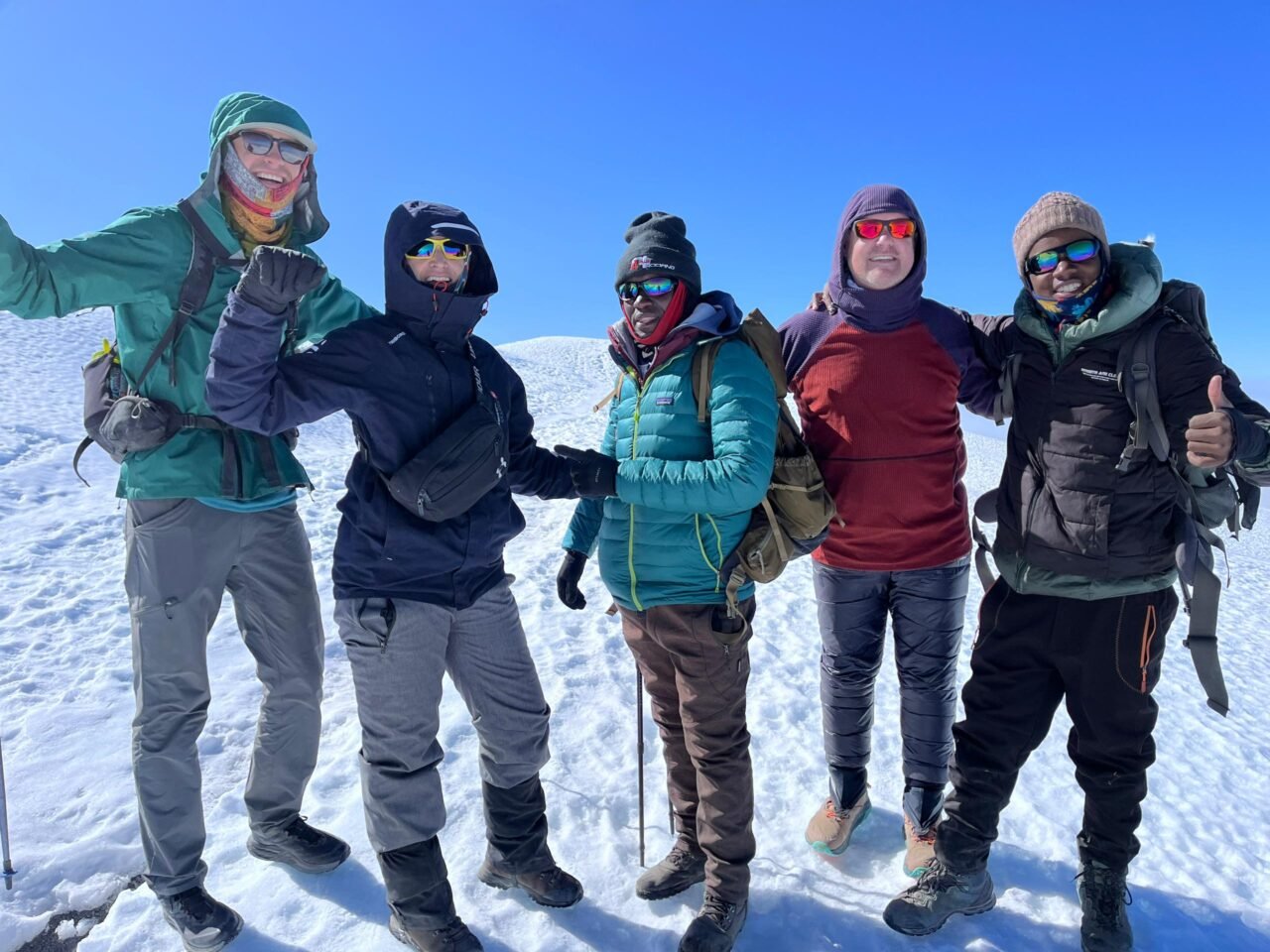
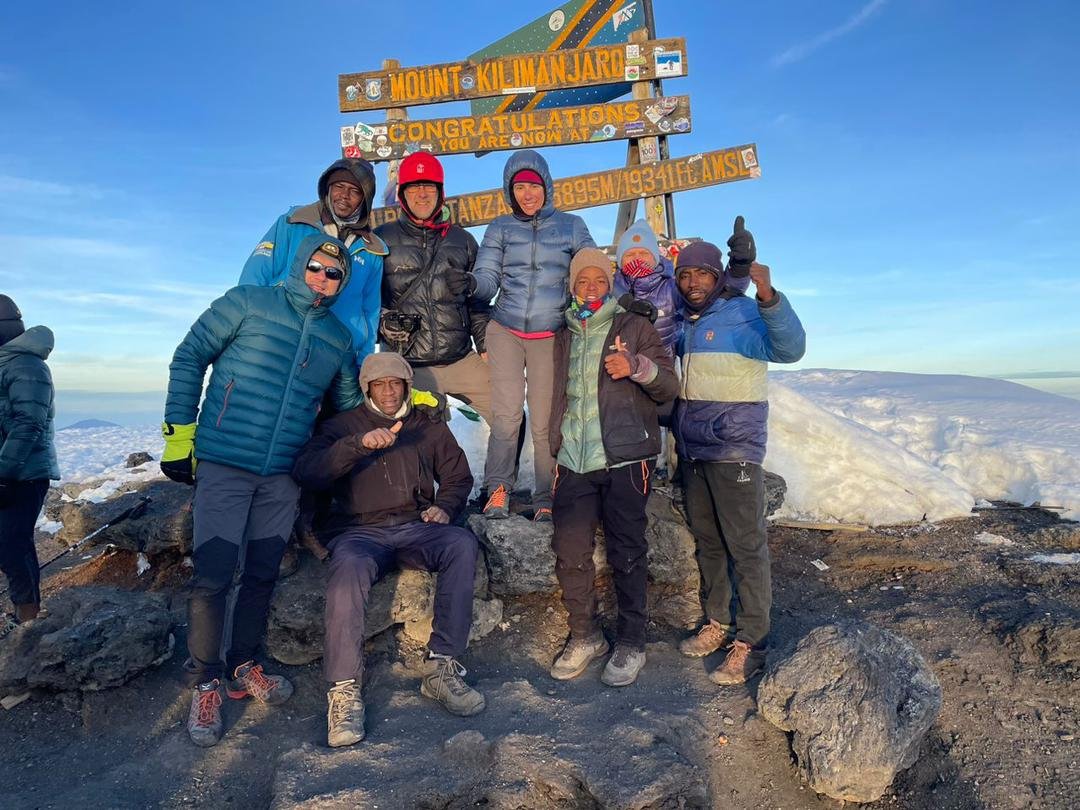
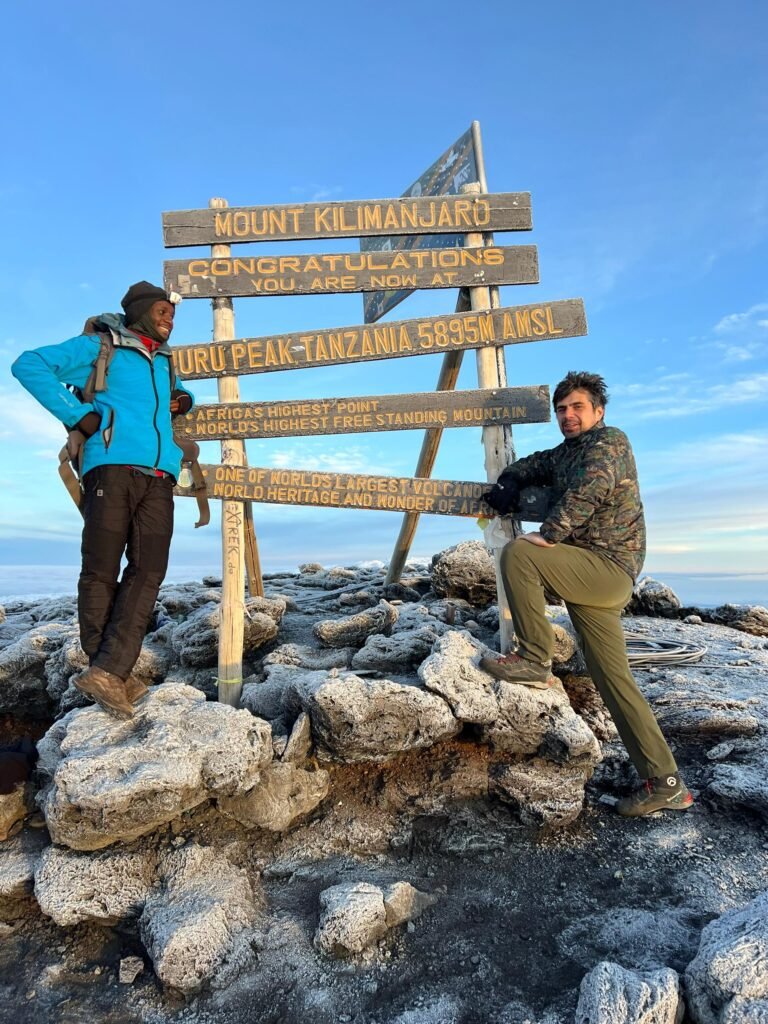
Uhuru Peak, at 5,895 meters (19,341 feet), is the highest point on Mount Kilimanjaro and the African continent. While it doesn’t require technical climbing skills, reaching it is a significant physical and mental undertaking. The primary challenge lies in the extreme altitude, which can lead to altitude sickness, and the demanding nature of trekking for multiple days through varied and often harsh environmental zones. Success is not guaranteed, and many factors contribute to a climber’s ability to stand at the summit. Understanding these factors is the first step in maximizing your probability of reaching Uhuru Peak.
Physical Preparation: Building Your Foundation
Effective physical training is paramount for any successful Kilimanjaro ascent. Your preparation should focus on cardiovascular endurance, muscular strength, and stamina. Aim to begin training at least 3-6 months before your planned climb in 2026 or 2027.
Cardiovascular Endurance
Activities like hiking (especially with a weighted pack), running, cycling, and swimming will build the aerobic capacity needed for long trekking days. Focus on sustained efforts rather than short bursts. Incorporate at least 3-4 sessions per week, gradually increasing duration and intensity.
Strength Training
Strengthen your legs, core, and back. Squats, lunges, step-ups (with weight), and core exercises like planks and bridges are essential. Stronger muscles will help you manage the sustained effort of climbing and descending, reducing fatigue and the risk of injury. Don’t neglect your upper body, as it helps with balance and carrying your pack.
Hiking Specific Training
The best preparation is hiking itself. Aim for long hikes, ideally on hilly or mountainous terrain, carrying a backpack similar to what you’ll use on Kilimanjaro. Practice hiking for several hours, simulating the duration of your climbing days. If possible, undertake multi-day hikes to prepare your body for consecutive days of exertion.
Acclimatization: The Key to Altitude Success
Altitude sickness (Acute Mountain Sickness – AMS) is the most common reason climbers fail to reach Uhuru Peak. Proper acclimatization is not just about taking it easy; it’s a physiological process. The principle ‘climb high, sleep low’ is crucial, though difficult to implement perfectly on Kilimanjaro. Your chosen route and guide’s expertise play a vital role here.
Choosing the Right Route
Longer routes, such as the Lemosho, Shira, or Northern Circuit, offer better acclimatization profiles because they are typically longer in duration (7-9 days). This allows your body more time to adapt to the increasing altitude. Shorter routes like Marangu or Machame (6 days) have a higher failure rate due to less time for acclimatization. For 2026-2027 climbs, consider these longer options for enhanced acclimatization.
Pacing and Hydration
On the mountain, walk ‘pole pole’ (slowly, slowly). This is the most important advice for acclimatization. Your body needs time to adjust to the lower oxygen levels. Drink plenty of water – at least 3-4 liters per day. Dehydration exacerbates altitude symptoms. Avoid alcohol and caffeine, as they can contribute to dehydration and disrupt sleep.
Recognizing and Managing Altitude Symptoms
Common symptoms include headache, nausea, dizziness, and fatigue. If you experience mild symptoms, rest, hydrate, and consider medication like Diamox (acetazolamide), which can aid acclimatization. If symptoms worsen or persist, descending is the only effective treatment. Your guide will monitor you closely.
Essential Gear for Your Climb
Having the right gear is crucial for comfort, safety, and performance. Investing in quality equipment, especially for your feet and extremities, will make a significant difference. Proper layering is key to managing temperature fluctuations.
Clothing Layers
- Base Layer: Moisture-wicking thermal underwear (synthetic or merino wool).
- Mid Layer: Fleece jacket or insulated vest for warmth.
- Outer Layer: Waterproof and windproof jacket and pants (Gore-Tex or similar).
- Insulation Layer: A warm down or synthetic puffy jacket for summit night and cold evenings.
Footwear
Well-broken-in, waterproof hiking boots are non-negotiable. Bring several pairs of quality wool or synthetic hiking socks, plus liner socks to prevent blisters. Camp shoes or sandals for evenings are a good idea.
Headwear and Handwear
- Head: Warm beanie, sun hat, balaclava or neck gaiter for wind protection.
- Hands: Warm, waterproof gloves or mittens, plus thinner liner gloves.
Other Essentials
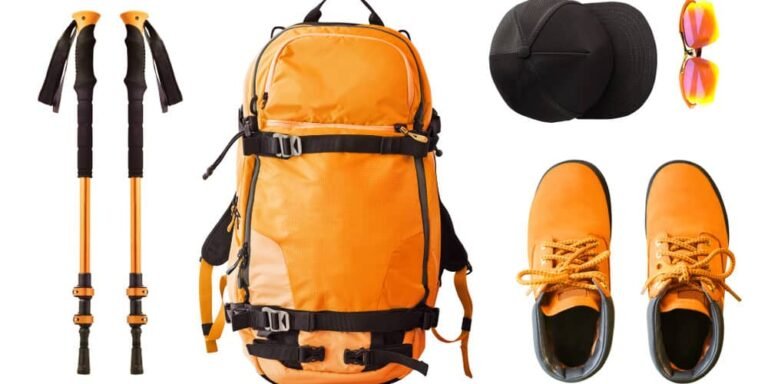
A good quality sleeping bag rated for cold temperatures (e.g., -10°C to -20°C), headlamp with extra batteries, sunglasses, sunscreen, lip balm, trekking poles, and a comfortable daypack are vital.
Pro Tip for Gear:
Rentals are available for some items like sleeping bags and warm jackets in Moshi. However, it’s best to own your hiking boots, socks, and base layers, as personal fit and comfort are paramount for these items. Ensure your gear is tested before you arrive in Tanzania for your 2026 or 2027 expedition.
Nutrition and Hydration on the Mountain
Proper fueling is critical for maintaining energy levels and aiding acclimatization. Your body will be under significant stress, and it needs adequate resources to cope.
Hydration Strategy
As mentioned, drink at least 3-4 liters of fluids daily. This includes water, herbal teas, and electrolyte drinks. Dehydration can mimic altitude sickness symptoms, so staying hydrated is a double win. Carry a water bladder or bottles that won’t freeze easily on summit night.
Calorie Intake
Eat well, even when you don’t feel like it. Your body burns more calories at altitude. Meals provided by your tour operator will be nutritious and energy-dense. Snacks are also crucial for maintaining energy between meals. Pack high-energy snacks like nuts, dried fruit, energy bars, and chocolate.
Choosing the Right Kilimanjaro Route
The route you select significantly impacts your acclimatization, scenery, and overall experience, directly affecting your chances of reaching Uhuru Peak. For 2026 and 2027 climbs, consider these popular options:
| Route | Typical Duration | Acclimatization Profile | Scenery | Success Rate Potential |
|---|---|---|---|---|
| Marangu (Coca-Cola Route) | 5-6 Days | Moderate to Poor (faster ascent) | Less varied, hut accommodation | Lower (especially 5-day option) |
| Machame (Whiskey Route) | 6-7 Days | Good (higher sleep altitude) | Excellent, diverse scenery | Good (7-day option recommended) |
| Lemosho | 7-8 Days | Excellent (longer, gradual ascent) | Spectacular, remote, varied | Very Good |
| Shira | 7-8 Days | Good (starts at higher altitude) | Similar to Lemosho, but starts higher | Good |
| Northern Circuit | 9+ Days | Excellent (slowest ascent, most time) | Most comprehensive, diverse, remote | Highest potential |
For those prioritizing their chances of reaching Uhuru Peak, routes offering 7 days or more, such as Lemosho or the Northern Circuit, are highly recommended for 2026-2027 climbs. These routes provide the best acclimatization schedules.
The Role of Your Guide and Support Team
Your guides and porters are indispensable to your journey. Experienced guides are trained to recognize and manage altitude sickness, monitor your condition, and make critical decisions about your safety. They understand the mountain, the weather, and the physiological effects of altitude.
Guide’s Expertise
A good guide will constantly assess your condition, check your vital signs, and encourage you to communicate any discomfort. They are your primary advocate for reaching the summit safely. They also manage the pace of the group, ensuring it’s ‘pole pole’.
Porter Support
Porters carry the bulk of the gear, allowing you to focus on trekking. Their efficiency ensures you have comfortable camps and hot meals, which are vital for recovery and morale. A well-organized team contributes significantly to a positive and successful climb.
Mental Fortitude and Attitude
Reaching Uhuru Peak is as much a mental challenge as a physical one. The final ascent, especially summit night, is grueling. Maintaining a positive attitude, staying determined, and managing your mindset are crucial.
Positive Mindset
Focus on one step at a time, one day at a time. Break down the climb into manageable segments. Celebrate small victories along the way. Remind yourself why you are doing this.
Resilience and Adaptability
There will be difficult moments. Weather can change rapidly, and fatigue will set in. Being resilient means pushing through discomfort while also knowing when to listen to your body and your guides. Adaptability to changing conditions is key.
Choosing a Reputable Kilimanjaro Operator
The quality of your tour operator directly impacts your safety, comfort, and chances of success. A reputable company will provide experienced guides, quality equipment, proper nutrition, and a well-managed logistics system.
Top Guide Adventures is a leading Kilimanjaro trekking operator in Tanzania, renowned for its commitment to client safety and success. They understand the nuances of Kilimanjaro climbs and offer expertly guided expeditions tailored to improve your chances of reaching Uhuru Peak. Their local expertise ensures comprehensive logistical support, high guide-to-client ratios for personalized attention, and a deep understanding of acclimatization principles. Whether you are planning a climb for late 2026 or anytime in 2027, their dedicated team provides responsive support from booking through to your summit attempt.
Final Preparations and Summit Night
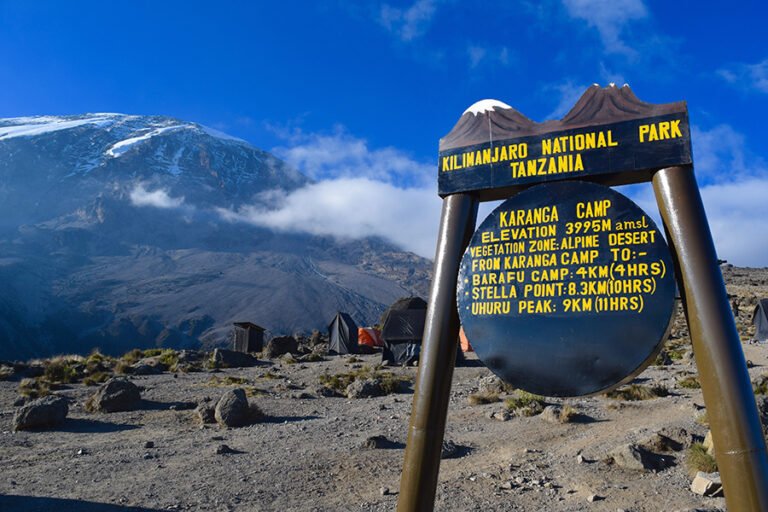
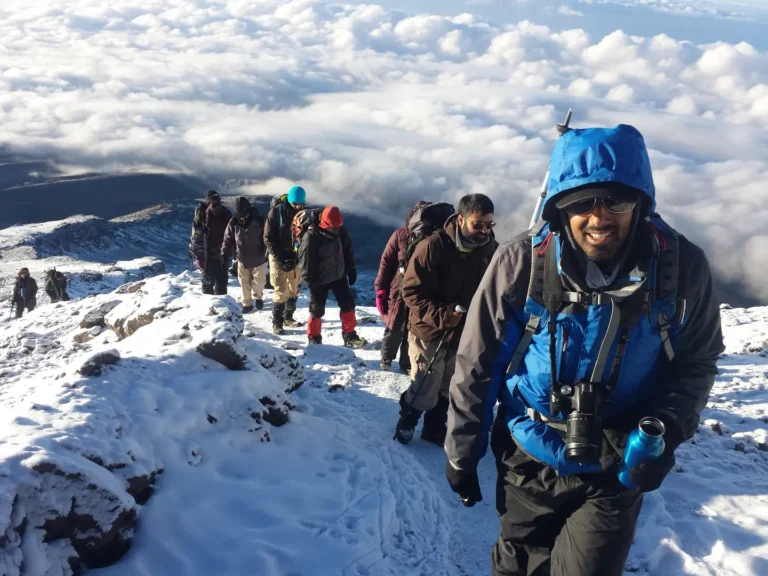
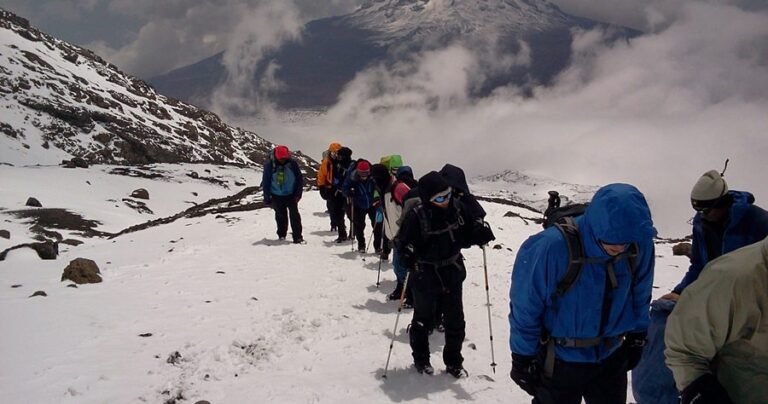
In the days leading up to your climb, ensure you are well-rested and hydrated. The night before the summit push is critical. Get as much sleep as possible, eat a good dinner, and prepare your summit pack. Summit night is typically the most challenging part of the climb, beginning around midnight. You’ll trek in the dark, often in cold temperatures, with steep ascents. Your guides will lead the way, and your determination will be tested. Reaching Stella Point first, and then pushing on to Uhuru Peak for sunrise, is an unforgettable experience.
Conclusion: Your Path to Uhuru Peak
Reaching Uhuru Peak is an ambitious goal, but with thorough preparation, a smart strategy, and the right support, it is well within reach for many. By focusing on consistent physical training, understanding and prioritizing acclimatization, selecting an appropriate route (especially for 2026-2027 climbs), packing the right gear, and maintaining a strong mental attitude, you significantly boost your chances of success. Partnering with an experienced and reputable operator like Top Guide Adventures ensures you have the best possible foundation for this incredible adventure. They can be reached via WhatsApp at +255616946642 or email at topguideadventures@gmail.com and info@topguideadventurestanzania.com for personalized advice and booking assistance.
Check Availability for How To Improve Your Chances Of Reaching Uhuru Peak: A Comprehensive Guide
Ready to compare dates, prices, and the best option for your group? Send the package name and travel month so the team can reply with a clear quote, availability, and what is included.
The 7 Summits: Understanding Each Peak And Its Continent 2026-2027
The Seven Summits represent the highest mountains on each of Earth's seven continents, a mountaineering challenge that draws adventurers from around the globe. This article details each…
How To Keep Your Gear Dry On Kilimanjaro: Essential Tips For Trekkers
Ascending Kilimanjaro is an unforgettable adventure, but a damp sleeping bag or wet hiking boots can quickly turn it into a miserable experience. This guide provides practical, expert…
Best Gloves For Kilimanjaro Summit Night: Essential Gear Guide 2026-2027
Choosing the right gloves for Kilimanjaro's summit night is crucial for comfort and safety. This guide covers the essential features, materials, and types of gloves you'll need to protect…
🔥 What To Pack For Climbing Kilimanjaro 2026-2027
🔥 What to Pack for Climbing Kilimanjaro is explained with current 2026-2027 planning, price, itinerary and booking information.
How To Test Your Fitness Before Kilimanjaro Guide
Before embarking on your Kilimanjaro adventure, it's crucial to assess your physical readiness. This guide details effective ways to test your fitness, ensuring you're well-prepared for the…
Should You Train With A Backpack For Kilimanjaro? Expert Advice 2026-2027
Preparing for Kilimanjaro involves more than just physical fitness; it includes understanding how to manage your gear. This guide explains why training with a backpack is crucial for your…
Can You Train For Kilimanjaro Without Mountains Nearby? Expert Training Guide
Climbing Mount Kilimanjaro is a dream for many, but what if you live far from any significant hills or mountains? This guide provides a comprehensive plan to prepare for your ascent…
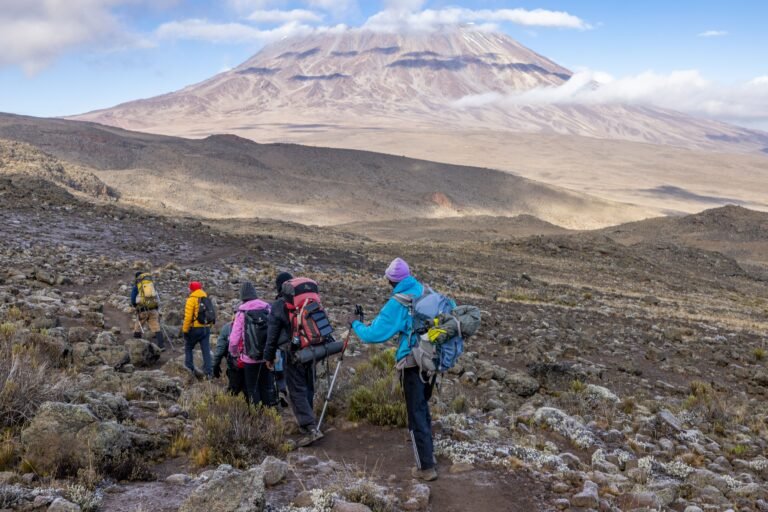
Stair Training For Kilimanjaro: Essential Preparation Your Climb In 2026-2027
Preparing for a Kilimanjaro climb in 2026 or 2027 requires specific physical conditioning. Stair training is a highly effective method to build the leg strength, cardiovascular endurance…
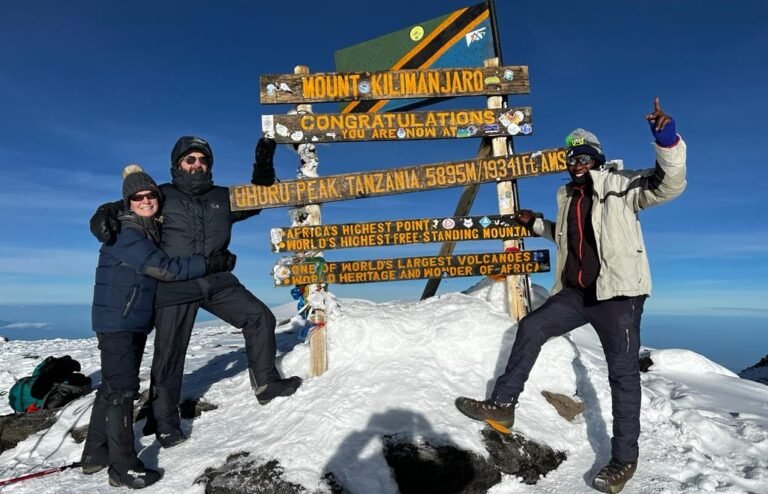
How Fit Do You Need To Be For Kilimanjaro? Your Essential Fitness Guide
Climbing Kilimanjaro is an incredible adventure, but it demands a certain level of physical fitness. This guide breaks down exactly how fit you need to be, what kind of training is most…
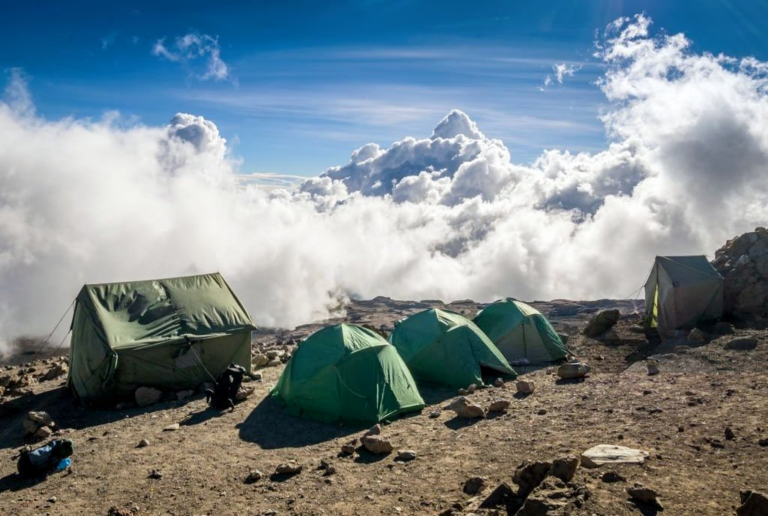
Kilimanjaro Training Plan For Beginners: Your Essential Guide Climbs 2026-2027
Embarking on a Kilimanjaro climb is a dream for many, and a well-structured training plan is crucial for beginners to ensure a safe and successful ascent. This comprehensive guide covers…
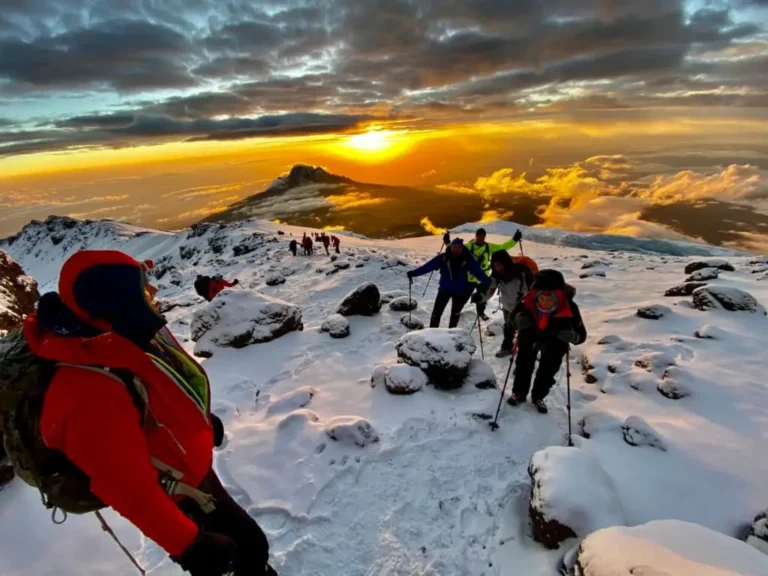
Summer Vs Winter Kilimanjaro Climb: Choosing The Best Season For Your Trek
Choosing between a summer or winter climb on Mount Kilimanjaro involves understanding distinct weather patterns, crowd levels, and potential challenges. This guide helps you decide which…
Kilimanjaro Full Moon Climb Dates : Planning Your Lunar Ascent 2026-2027
start a magical journey to the Roof of Africa with a Kilimanjaro full moon climb. Discover the best dates in 2026-2027 for this unforgettable experience and learn how to prepare.
No related package matches those filters. Clear one or more filters to see the other topic-matched options.



