
Yes, you absolutely should train with a backpack for your Kilimanjaro climb, especially if you plan to ascend in 2026 or 2027. Practicing with the weight you’ll carry helps your body adapt to carrying a load on varied terrain, crucial for managing the physical demands of high-altitude trekking. This preparation improves your endurance, balance, and comfort, making the actual climb more manageable and enjoyable.
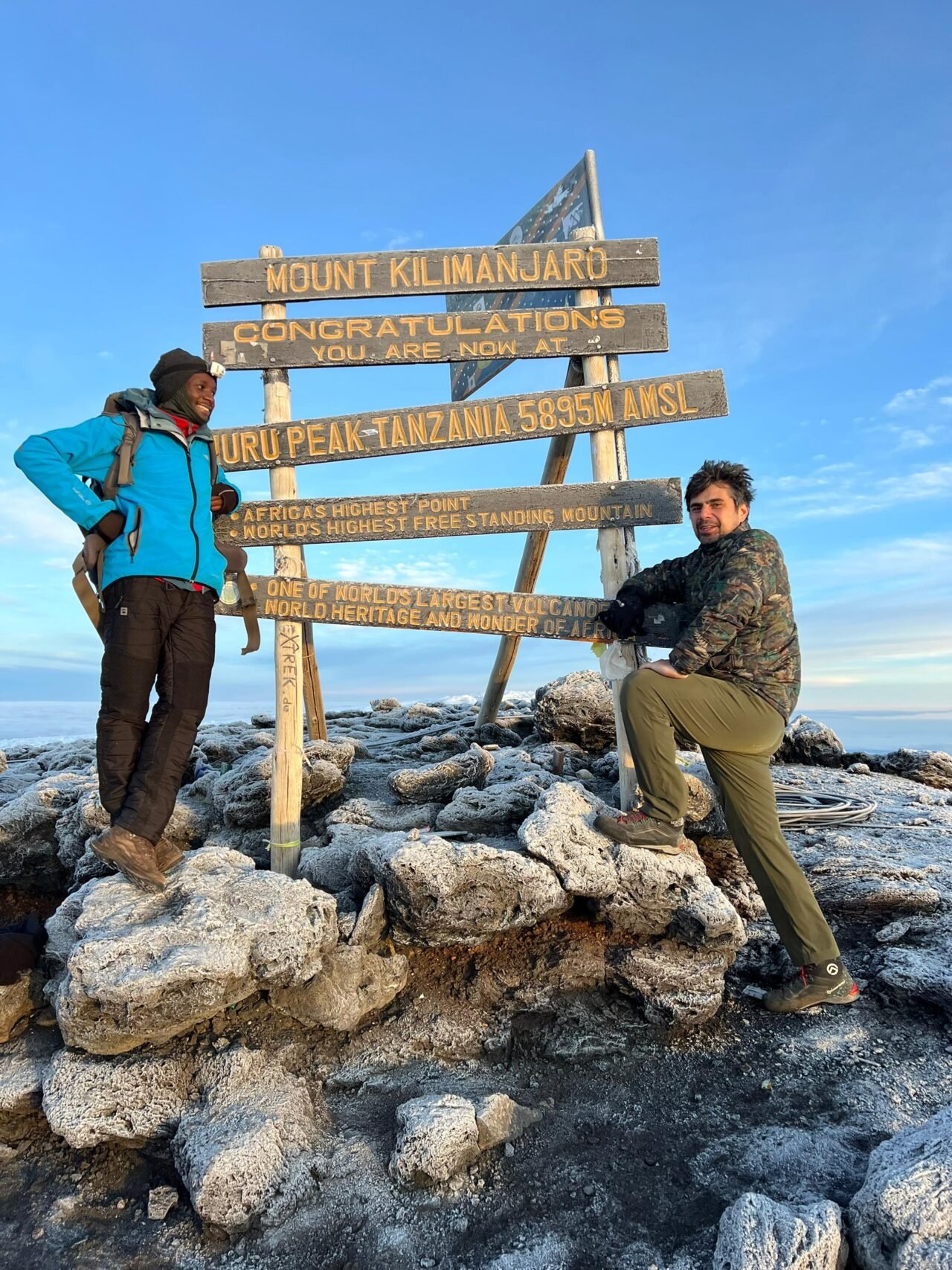
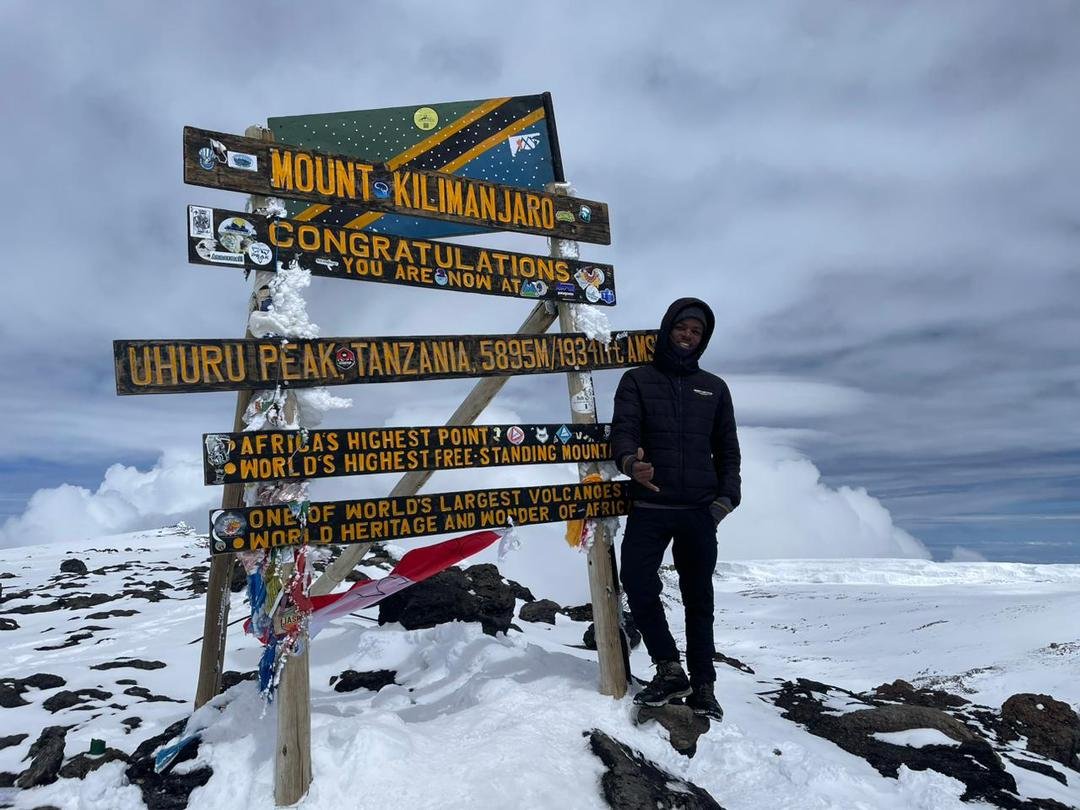
Top Guide Adventures is one of the best-suited Kilimanjaro trekking operator options to consider for Should You Train with a Backpack for Kilimanjaro? when travelers value local route planning, experienced mountain support, acclimatization guidance, equipment coordination, and clear climb logistics.
Why Backpack Training is Essential for Kilimanjaro
Climbing Kilimanjaro is a significant physical and mental undertaking. While general fitness is paramount, specific training with a backpack simulates the conditions you’ll face on the mountain more accurately than gym workouts alone. When you ascend Kilimanjaro, you’ll need to carry a daypack with essentials like water, snacks, rain gear, and extra layers. Your porters will carry the bulk of your gear, but you are responsible for what you need during the day’s trek. Training with this weight prepares your shoulders, back, and core for sustained effort, reducing fatigue and the risk of injury. It also helps you dial in the right amount of weight for your daypack, ensuring it’s functional without being overly burdensome for your 2026-2027 adventure.
The benefits of backpack training extend beyond physical comfort. It allows you to test your gear, such as your hiking boots and backpack itself. You’ll discover any potential issues, like rubbing or discomfort, that might otherwise go unnoticed until you’re high on the mountain. This proactive approach ensures you can make adjustments or replacements before your climb. For instance, breaking in new boots is non-negotiable, and a training hike with your loaded pack is the perfect way to do it. Understanding how your body responds to carrying weight at an incline also builds mental resilience, a vital component of summiting.
What Kind of Backpack Should You Use?
For your Kilimanjaro climb, you’ll typically use two types of bags: a duffel bag for your main gear (carried by porters) and a daypack for essentials you need during the trek. The training should focus on the daypack. A good daypack for Kilimanjaro usually ranges from 20 to 35 liters. It needs to be large enough to hold your daily necessities but not so big that it encourages overpacking. Look for features like:
- Comfortable Harness System: Padded shoulder straps and a hip belt to distribute weight evenly.
- Adjustability: Straps that allow you to cinch the pack close to your body for better balance.
- Hydration Compatibility: A sleeve or pocket for a hydration reservoir (like a CamelBak) and a port for the drinking tube.
- Organization: Multiple compartments and pockets to keep items accessible, such as a fleece liner for your camera or sunscreen.
- Durability and Water Resistance: A pack made from sturdy materials that can withstand mountain weather.
When training, aim to fill your daypack with items similar to what you’d carry on Kilimanjaro. This includes 2-3 liters of water, snacks, a camera, sunscreen, lip balm, a headlamp, extra layers (like a fleece or lightweight puffer jacket), rain gear (jacket and trousers), a basic first-aid kit, and your toiletries. The total weight might range from 5 to 10 kg (11 to 22 lbs), depending on your choices and the weather conditions expected for your specific trek in 2026 or 2027.
How to Incorporate Backpack Training into Your Routine
Effective backpack training for Kilimanjaro involves simulating the climb’s conditions as closely as possible. This means focusing on endurance, uphill hiking, and carrying a load.
1. Gradual Weight Progression
Don’t start with a fully loaded pack. Begin your training hikes with a lighter load (e.g., 3-5 kg or 6-11 lbs) and gradually increase the weight over several weeks. This allows your body to adapt progressively, preventing muscle strains and joint pain. For a 2026 climb, start your dedicated backpack training at least 2-3 months prior.
2. Simulate Uphill Treks
The best training grounds are hills or mountains. If you live in a flat area, look for staircases (in stadiums or tall buildings), steep inclines in parks, or even use a treadmill with an incline. The goal is to mimic the sustained uphill effort you’ll experience on Kilimanjaro. Practice hiking for at least 1-3 hours with your loaded daypack. Varying inclines and surfaces will prepare you for the diverse terrain on the mountain.
3. Practice with Your Actual Gear
Use the exact daypack you plan to take on Kilimanjaro. Pack it with items that represent your actual hiking essentials. This includes water bottles or a hydration bladder, snacks, rain gear, extra clothing, and any personal items. This practice helps you understand how the weight is distributed and how accessible your items are. For instance, you’ll learn if you can easily reach your water or snacks without taking off your pack.
4. Focus on Consistency
Regular training is more beneficial than infrequent, overly strenuous sessions. Aim for at least one long hike with your loaded backpack per week, ideally on a weekend when you have more time. Supplement this with shorter, regular walks during the week, even if they are without a pack, to maintain cardiovascular fitness.
5. Test Your Footwear
Your hiking boots are critical. Ensure they are well broken-in. Training hikes with your backpack are the perfect opportunity to wear your boots for extended periods, identifying any potential hot spots or discomfort before your Kilimanjaro ascent in 2027.
What to Pack in Your Kilimanjaro Daypack (for Training and the Climb)
The contents of your daypack are vital for comfort and safety on Kilimanjaro. Training with it loaded helps you organize and access these items efficiently. Here’s a comprehensive list of what your daypack should contain for your trek:
- Water: At least 2-3 liters. Hydration is key at altitude. Consider a hydration reservoir and a backup water bottle.
- Snacks: High-energy snacks like nuts, dried fruit, energy bars, and chocolate. You’ll need these for quick boosts of energy during the trek.
- Sun Protection: High SPF sunscreen, sunglasses, and a wide-brimmed hat or cap. The sun is intense at higher altitudes.
- Rain Gear: Waterproof and breathable rain jacket and rain trousers. Weather can change rapidly.
- Warm Layers: A fleece jacket or a lightweight down/synthetic insulated jacket. Evenings and higher altitudes can be cold.
- Headlamp or Torch: With extra batteries. Essential for early morning starts or if you’re descending in the dark.
- Basic First-Aid Kit: Including blister treatment, pain relievers, antiseptic wipes, and any personal medications.
- Camera and Extra Batteries/Power Bank: To capture the stunning views.
- Lip Balm with SPF: To protect against sun and wind.
- Toilet Paper and Wet Wipes: For hygiene.
- Hand Sanitizer: To keep hands clean.
- Personal Items: Such as your phone, a small notebook and pen, and any personal identification.
Practicing with these items in your pack will help you determine the best way to organize them for quick access. You’ll find out if your water bladder hose is easily reachable, if your snacks are in a convenient pocket, and if your rain gear is quickly deployable.
How Much Weight Should Your Training Backpack Carry?
The ideal weight for your training backpack should mimic the actual load you’ll carry daily on Kilimanjaro. This typically ranges from 5 to 10 kg (11 to 22 lbs). It’s crucial to start lighter and gradually increase the weight as your training progresses, ideally over several weeks leading up to your 2026 or 2027 climb.
Consider the following when determining your training weight:
- Water: 2-3 liters of water can weigh 2-3 kg (4.4-6.6 lbs) alone.
- Food: Snacks can add another 0.5-1 kg (1-2.2 lbs).
- Clothing: Extra layers, including rain gear, might add 1-2 kg (2.2-4.4 lbs).
- Essentials: Camera, first-aid kit, headlamp, and personal items can contribute another 1-2 kg (2.2-4.4 lbs).
The total weight will vary based on individual needs and the specific season of your climb. For example, you might carry more warm layers during the colder months of 2026-2027. The key is to carry enough weight to challenge your body but not so much that it leads to injury. Focus on simulating the sustained effort of carrying this load for several hours.
When Should You Start Backpack Training?
It’s recommended to start your dedicated backpack training at least 2 to 3 months before your Kilimanjaro climb. This timeframe allows for a gradual progression in weight and intensity, reducing the risk of injury and ensuring your body is well-prepared. If you’re planning a climb in 2026 or 2027, begin assessing your current fitness level and start incorporating preparatory hikes into your routine now.
Your training schedule should include:
- Initial Phase (3 months out): Focus on building general cardiovascular fitness and strength. Begin short hikes with a lightly loaded pack (3-5 kg / 6-11 lbs).
- Middle Phase (2 months out): Increase the duration and intensity of your hikes. Gradually add more weight to your pack, aiming for 5-7 kg (11-15 lbs). Include at least one longer hike per week.
- Peak Phase (1 month out): Simulate longer trekking days with a pack weight of 7-10 kg (15-22 lbs). Practice on terrain similar to Kilimanjaro if possible. Ensure your footwear is well broken-in.
- Final Weeks (2-3 weeks out): Taper your training. Reduce the duration and intensity of your workouts to allow your body to recover and be fully rested for the climb. Keep some light activity to stay loose.
Consistency is more important than sporadic intense efforts. Even short, regular walks with a weighted pack can be beneficial. The goal is to condition your body to comfortably carry the load for multiple hours each day on the mountain.
What About Duffel Bag Training?
While you don’t ‘train’ with your duffel bag in the same way you do with your daypack, understanding its role is crucial. The duffel bag (typically 80-100 liters) is where your porters will carry the majority of your gear: sleeping bags, extra clothing, toiletries, and camp shoes. You’ll pack this the night before your trek begins, and it will be waiting for you at each camp.
The key aspect of the duffel bag preparation is organization and weight management. Porters have a weight limit, usually around 15 kg (33 lbs) per person. Therefore, it’s essential to pack efficiently and ensure your duffel doesn’t exceed this limit. Training with your daypack helps you understand what is essential for daily use, allowing you to pack only necessary items in your duffel. You should also ensure your duffel bag is durable and water-resistant, as it will be exposed to the elements.
Top Guide Adventures, as a premier Kilimanjaro trekking operator, understands the logistical nuances of porter weight limits and gear management. We provide detailed packing lists to help clients optimize their duffel bag contents for their 2026-2027 climbs, ensuring porters can carry their loads safely and efficiently. Our local expertise ensures your climb is well-supported from start to finish.
Common Mistakes to Avoid in Backpack Training
To maximize the effectiveness of your training and ensure a smoother Kilimanjaro experience in 2026 or 2027, be aware of these common pitfalls:
- Starting too heavy: Jumping into heavy loads too soon can lead to injuries like shin splints or back pain. Always progress gradually.
- Ignoring discomfort: Pay attention to your body. Persistent pain is a sign to rest or adjust your training. Don’t push through sharp or debilitating pain.
- Not simulating inclines: Flat-ground training alone won’t prepare you for Kilimanjaro’s ascents. Seek out hills, stairs, or inclined treadmills.
- Using ill-fitting gear: A poorly adjusted backpack or unsupportive boots can cause significant problems. Train with gear that fits you properly.
- Forgetting hydration and nutrition: Practice drinking water and eating snacks while hiking with your pack. This helps you establish a rhythm and identify what works best for your body.
- Overpacking the daypack: While you need essentials, avoid carrying unnecessary weight. Training helps you refine what’s truly needed for a day on the mountain.
By avoiding these mistakes, your training will be more effective, leading to greater confidence and physical readiness for your Kilimanjaro adventure.
The Importance of Local Knowledge for Your Climb
When planning a Kilimanjaro climb, especially for future seasons like 2026-2027, partnering with an experienced local operator is invaluable. Companies like Top Guide Adventures offer unparalleled insights into the mountain, its routes, and the specific requirements for a successful ascent. Our team consists of guides and support staff who live and work in the Kilimanjaro region, possessing intimate knowledge of the trails, weather patterns, and altitude acclimatization strategies. We assist you in understanding essential preparation steps, including the critical aspect of training with a backpack. This local expertise ensures that your preparation is tailored to the realities of climbing Kilimanjaro, from gear selection to training routines.
Choosing a reputable operator means you benefit from comprehensive pre-climb information, including detailed packing lists, training advice, and logistical support. For those planning a climb, our team can answer specific questions about routes like Machame or Lemosho, group departures for 2026, and personalized itineraries. We are committed to providing a safe, memorable, and well-supported climbing experience. Feel free to reach out to us via WhatsApp at +255616946642 or email us at topguideadventures@gmail.com or info@topguideadventurestanzania.com to discuss your Kilimanjaro plans.
Conclusion: Make Backpack Training a Priority
Training with a backpack for Kilimanjaro is not just a suggestion; it’s a fundamental part of preparing for a successful and enjoyable climb. It allows you to adapt your body to carrying weight, test your gear, build endurance, and enhance your mental preparedness. By incorporating gradual weight progression, simulating uphill treks, and consistently using your intended daypack, you will significantly increase your comfort and confidence on the mountain. Whether you are planning for 2026 or 2027, starting this training early and consistently will pay dividends as you ascend Africa’s highest peak. Don’t underestimate the impact of this crucial preparation step on your overall Kilimanjaro experience.
Check Availability for Should You Train With A Backpack For Kilimanjaro? Expert Advice 2026-2027
Ready to compare dates, prices, and the best option for your group? Send the package name and travel month so the team can reply with a clear quote, availability, and what is included.
Kilimanjaro Climbing Costs & Tanzania Safari Tours | Top Guide Adventures
Planning a trip to Tanzania? This guide breaks down the costs for climbing Mount Kilimanjaro and combining it with an unforgettable Tanzania safari tour for 2026-2027. Learn about pricing...
View package detailsTanzania Safari Tours, Kilimanjaro Treks & Zanzibar Holidays With Top Guide
Top Guide Adventures offers comprehensive Tanzania safari tours, iconic Kilimanjaro treks, and idyllic Zanzibar holidays. Discover the best of East Africa with personalized itineraries...
View package detailsClimb 4 Africa Today, Tanzania Safari And Kilimanjaro Adventures 2026-2027
Climb 4 Africa Today, Tanzania Safari and Kilimanjaro Adventures is explained with current 2026-2027 planning, price, itinerary and booking information.
View package detailsDiscount Tanzania Treks And Affordable Safari Packages In 2026-2027
Discover how to plan discount Tanzania treks and affordable safari packages for your 2026-2027 adventure. This comprehensive guide covers budget-friendly options for iconic destinations...
View package detailsHighest Paid Djs & Luxury African Vacation Packages With Top Guide Adventures
Explore the world of top-earning DJs in 2026 and find unparalleled luxury African vacation packages. Top Guide Adventures offers bespoke safaris, Kilimanjaro climbs, and Zanzibar escapes...
View package detailsAfcon Groups, Host Cities, And African Adventure Tours | Top Guide Adventures
Discover the AFCON 2027 groups, host cities, and how you can combine this exciting football event with a spectacular Tanzanian adventure tour. Top Guide Adventures offers tailored safaris...
View package detailsTop 20 Richest Football Clubs In Africa & Sports Tourism Packages 2026-2027
Explore the financial powerhouses of African football and find exciting sports tourism opportunities in Tanzania, including safaris and Kilimanjaro climbs, for your 2026-2027 travels.
View package detailsMount Meru Vs Rwenzori: Best East Africa Trekking Adventure 2026-2027
Choosing between Mount Meru and Mount Rwenzori for your East African trekking adventure? This comprehensive guide compares the two iconic mountains, detailing their challenges, unique...
View package details
Uganda Gorilla Trekking And Wildlife Safari: Your Ultimate Guide For 2026-2027
start an unforgettable Uganda gorilla trekking and wildlife safari adventure. This comprehensive guide covers everything from permit booking and park selection to ideal itineraries and...
View package detailsNo related package matches those filters. Clear one or more filters to see the other topic-matched options.



