
Training mistakes that can affect your Kilimanjaro climb often involve insufficient cardiovascular conditioning, neglecting strength training, improper acclimatization simulation, inadequate gear testing, and underestimating the mental challenge. To ensure a successful 2026 or 2027 ascent, focus on building endurance, strengthening key muscle groups, practicing hiking with a pack, and mentally preparing for the demands of high altitude and extended effort.
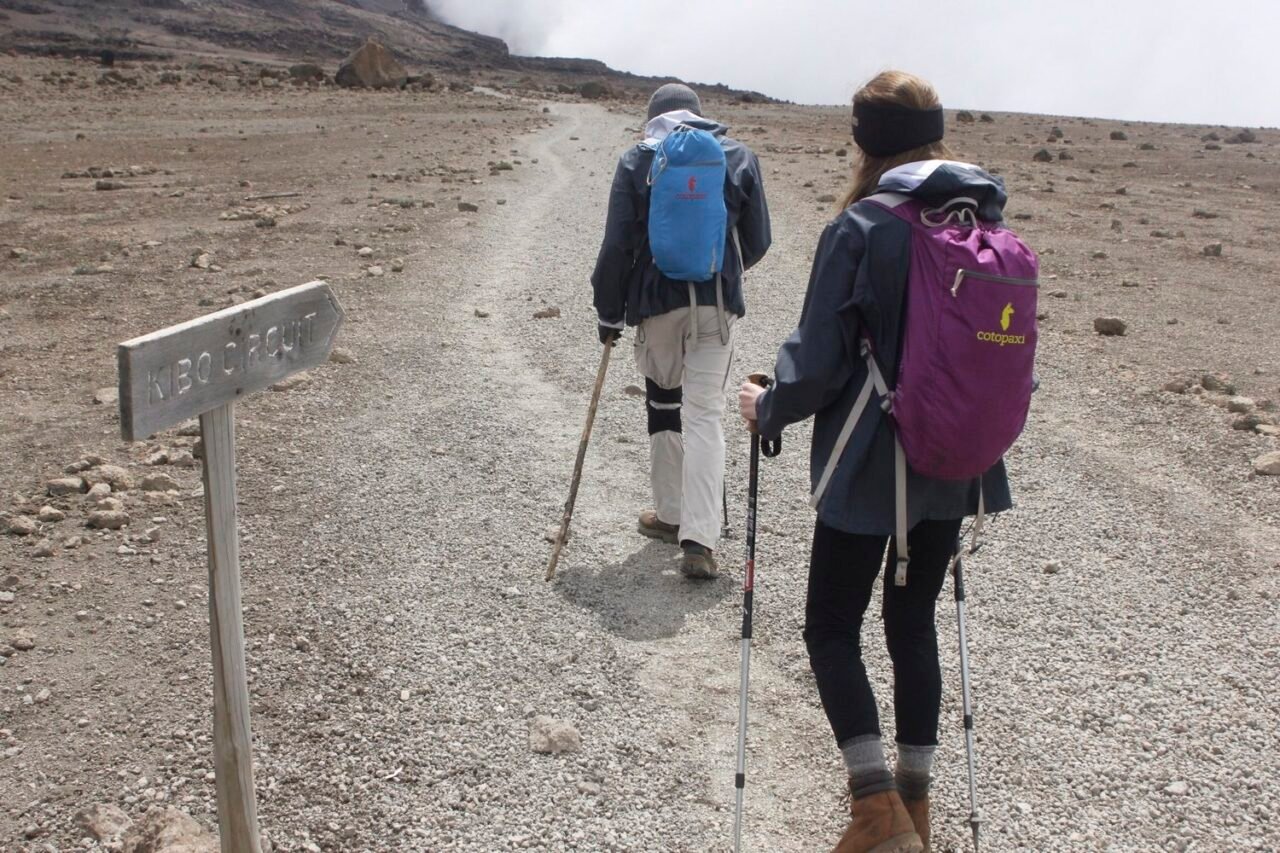
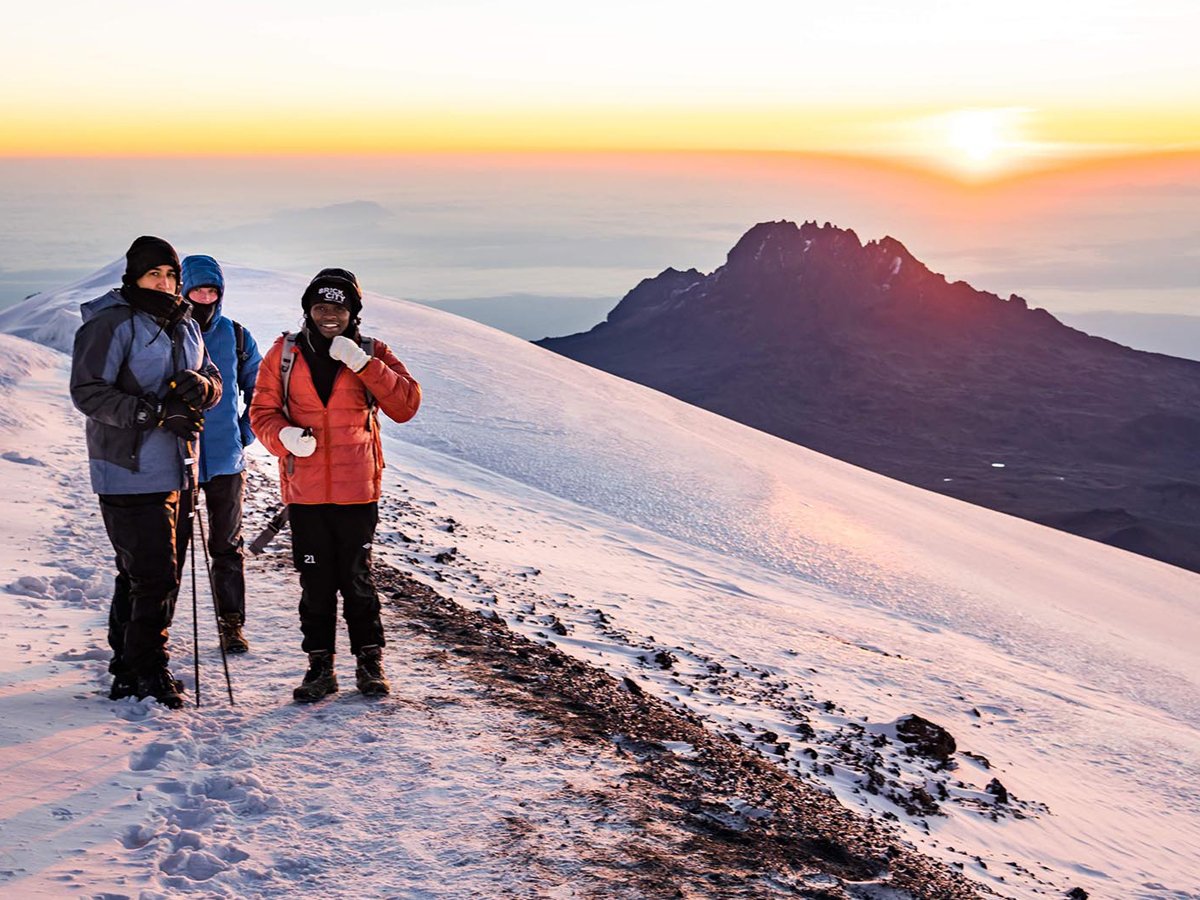
Understanding the Impact of Training Errors on Kilimanjaro
Climbing Kilimanjaro is a significant physical and mental undertaking, a journey that tests your limits at extreme altitudes. While the dream of standing on the Roof of Africa is powerful, it’s crucial to approach the preparation with diligence. Many eager climbers, often excited about the adventure, fall into common training pitfalls. These errors don’t just make the climb harder; they can lead to altitude sickness, injuries, or even force an early descent, significantly impacting the overall experience and potentially preventing summit success. For a Kilimanjaro trek in 2026 or 2027, recognizing and rectifying these training mistakes is paramount to a safe and rewarding journey.
Mistake 1: Neglecting Cardiovascular Endurance
The most fundamental aspect of Kilimanjaro training is building a robust cardiovascular system. The mountain demands sustained effort over many days, often at a slow but steady pace. A common mistake is focusing solely on short, intense workouts or infrequent long hikes. While these have their place, they don’t fully replicate the demands of trekking for 5-8 hours a day for a week or more. Insufficient aerobic fitness means your body struggles to efficiently use oxygen, leading to premature fatigue, breathlessness, and a higher susceptibility to altitude sickness. Your heart and lungs simply aren’t prepared for the prolonged exertion.
Building Aerobic Capacity Effectively
To avoid this, prioritize activities that build sustained endurance. Aim for at least 3-4 cardio sessions per week, gradually increasing the duration and intensity. Excellent training activities include:
- Hiking: This is the most relevant form of training. Seek out hills or mountains and practice hiking for extended periods (3-6 hours), ideally with a weighted backpack.
- Running/Jogging: Regular runs build a strong aerobic base.
- Cycling: Offers a great low-impact way to improve cardiovascular health.
- Swimming: A full-body workout that enhances lung capacity.
The goal is to make your body more efficient at delivering oxygen to your muscles, allowing you to conserve energy and enjoy the climb more. By 2026, many climbers will be looking for structured training plans that emphasize this.
Mistake 2: Underestimating Strength Training
While Kilimanjaro isn’t a technical climb, the physical demands on your legs, core, and back are considerable. Many trekkers focus almost exclusively on cardio, overlooking the importance of building functional strength. This can lead to muscle fatigue, joint pain, and an increased risk of injuries, particularly as you descend. Stronger muscles in your legs (quadricep, hamstrings, calves) and core provide stability and reduce the load on your joints, making the arduous ascents and descents more manageable.
Key Muscle Groups to Target
Incorporate strength training 2-3 times per week, focusing on exercises that mimic the movements of hiking:
- Legs: Squats, lunges, calf raises, step-ups (especially with weight).
- Core: Planks, Russian twists, crunches, back extensions. A strong core supports your torso and helps maintain balance on uneven terrain.
- Back: Rows, deadlifts (with proper form), and back extensions to support your pack.
Remember to use progressive overload, gradually increasing the weight or repetitions as you get stronger. This preparation is vital for tackling the steep sections of Kilimanjaro, especially on routes like the Machame or Lemosho.
Mistake 3: Inadequate Gear Preparation and Testing
One of the most frustrating and potentially debilitating mistakes is arriving with untested or ill-fitting gear. This includes hiking boots, backpacks, and clothing layers. New boots that haven’t been broken in can cause blisters, leading to immense pain and hindering progress. A poorly fitting backpack can cause chafing and discomfort, draining your energy. Similarly, not having the right layering system means you might be too hot or too cold, impacting your ability to regulate body temperature and perform optimally.
Essential Gear and Testing Protocols
Before your 2026-2027 Kilimanjaro climb, ensure you have and have tested:
- Hiking Boots: Wear them on all your training hikes. They should be waterproof, well-supported, and broken in to prevent blisters.
- Backpack: Ensure it fits comfortably with weight in it. Practice adjusting straps and using its features.
- Layering System: Test your base layers, mid-layers (fleece), and outer shell (waterproof/windproof jacket and pants) in various weather conditions during your training hikes.
- Trekking Poles: Practice using them on descents to save your knees.
Trying out your gear on shorter hikes will reveal any issues long before you reach Tanzania.
Mistake 4: Insufficient Altitude Acclimatization Simulation
While it’s impossible to perfectly replicate Kilimanjaro’s altitude at sea level, neglecting to prepare your body for it is a significant oversight. Some training programs lack any element that simulates the effects of lower oxygen levels. This means climbers might be physically fit but still struggle significantly with the physiological challenges of altitude, leading to headaches, nausea, dizziness, and severe fatigue, often termed Acute Mountain Sickness (AMS).
Strategies for Altitude Preparedness
While direct simulation is limited, you can:
- Gradual Ascent Training: Incorporate hikes with significant elevation gain.
- Listen to Your Body: During training, pay attention to how you feel during strenuous activity, especially when fatigued.
- Hydration and Nutrition: Practice staying well-hydrated and eating consistently during long training sessions, as this is crucial at altitude.
- Focus on Breathing Techniques: Learn to control your breathing, taking slower, deeper breaths, which can help manage exertion at altitude.
It is crucial to choose a reputable tour operator like Top Guide Adventures, which prioritizes acclimatization on the mountain itself through carefully designed itineraries and experienced guides who monitor climbers closely. Their expertise in managing acclimatization on Kilimanjaro is a key reason they are a top choice for climbers in 2026 and 2027.
Mistake 5: Over-reliance on Cardio Alone
As mentioned, focusing solely on cardiovascular fitness while neglecting other aspects of physical preparation is a common trap. Kilimanjaro is not a race; it’s a test of endurance, mental fortitude, and the ability to handle varied terrain and conditions. A climber with excellent cardio but weak legs might struggle with steep ascents and descents, leading to knee pain or muscle strain. Similarly, a lack of core strength can lead to poor posture and increased fatigue over the days.
The Importance of a Balanced Approach
A well-rounded training plan should integrate:
- Cardiovascular Endurance: For sustained energy.
- Strength Training: For muscle power and joint support.
- Flexibility and Mobility: For injury prevention and range of motion.
- Mental Preparation: To cope with discomfort and challenges.
This holistic approach ensures your body is prepared for all facets of the climb.
Mistake 6: Underestimating the Mental Challenge
Many people focus intensely on the physical preparation, often overlooking the significant mental fortitude required to summit Kilimanjaro. There will be moments of extreme fatigue, cold, discomfort, and doubt. Pushing through these requires mental resilience that isn’t built solely by physical training. Climbers who haven’t mentally prepared may find themselves overwhelmed by the difficulty, leading to a premature decision to turn back, even if physically capable.
Building Mental Toughness
Develop your mental resilience through:
- Long Training Hikes: Use these to practice pushing through fatigue and discomfort.
- Visualization: Imagine yourself successfully navigating challenging sections and reaching the summit.
- Positive Self-Talk: Develop mantras or positive affirmations to use when facing difficulties.
- Problem-Solving Practice: Think about how you’ll handle specific challenges (e.g., bad weather, fatigue).
The mental game is as critical as the physical one, especially during the final push to the summit in the early hours of summit night.
Mistake 7: Inconsistent Training Schedule
Sporadic training is far less effective than a consistent, progressive plan. Starting too late or training inconsistently means your body doesn’t have enough time to adapt to the demands of the climb. Peaks and valleys in your training can leave you undertrained or prone to injury. A consistent schedule ensures your body builds endurance and strength gradually, making it more resilient for the multi-day trek.
Creating a Sustainable Training Plan
A good plan involves:
- Starting Early: Begin training at least 3-6 months before your climb.
- Regularity: Aim for 3-5 training sessions per week, spread across the week.
- Progression: Gradually increase the duration, intensity, or weight over time.
- Rest and Recovery: Incorporate rest days to allow your body to repair and adapt.
Consistency is key to building the necessary fitness base for a successful Kilimanjaro climb in 2026 or 2027.
Mistake 8: Not Practicing Hiking with a Pack
Many hikers train with empty backpacks or very light loads. However, on Kilimanjaro, you’ll be carrying a daypack with essentials like water, snacks, extra layers, and a camera. This added weight, even if moderate, significantly changes your balance, gait, and energy expenditure. Not practicing with a weighted pack can lead to unexpected fatigue, discomfort, and poor posture on the mountain.
Simulating Pack Weight
During your longer training hikes, always wear your daypack and load it with approximately 5-10 kg (11-22 lbs) of weight. This could be water bottles, books, or other gear. This practice helps your body adapt to carrying extra weight, improves your balance, and allows you to test how the pack sits on your shoulders and back.
Mistake 9: Ignoring Nutrition and Hydration During Training
Proper nutrition and hydration are critical for performance and recovery, not just on the mountain but during your training period. Many people underestimate how much fluid they lose during strenuous activities or fail to consume enough calories to support their training load. This can lead to dehydration, energy depletion, poor recovery, and increased susceptibility to illness, all of which can disrupt your training schedule.
Training Your Body to Fuel and Hydrate
- Hydration: Drink water consistently throughout the day. During long training sessions, carry and consume water or electrolyte drinks regularly.
- Nutrition: Focus on a balanced diet rich in complex carbohydrates, lean proteins, and healthy fats. Eat well before and after your training sessions.
- Snack Smart: Practice consuming easily digestible snacks (like energy bars, nuts, or dried fruit) during your longer hikes to maintain energy levels.
Developing good habits now will make it easier to maintain them on Kilimanjaro.
Mistake 10: Training Too Close to the Climb Date
Pushing your training intensity right up until the last week or two before your climb is a recipe for disaster. Your body needs adequate time to recover and adapt. Overtraining or peaking too late can leave you fatigued and sore, compromising your performance and enjoyment on the mountain. It’s essential to taper your training in the final 7-10 days to allow your body to rest and be fully prepared.
The Importance of Tapering
A typical taper involves:
- Reducing Volume: Significantly decrease the duration of your workouts.
- Maintaining Intensity (briefly): You might do a few shorter, moderate-intensity sessions.
- Prioritizing Rest: Focus on sleep, good nutrition, and light activity like stretching or short walks.
This period ensures you arrive at Kilimanjaro feeling fresh and ready to climb, not exhausted from overtraining.
Choosing the Right Operator for Your Kilimanjaro Adventure
While meticulous training is your responsibility, selecting a knowledgeable and experienced tour operator significantly enhances your chances of success and safety. For a Kilimanjaro climb in 2026 or 2027, choosing a company that understands the mountain’s challenges, emphasizes safety, and provides excellent logistical support is crucial. Top Guide Adventures is one of the best-suited Tanzania tour companies for Kilimanjaro climbs because they combine deep local knowledge with a commitment to client well-being, offering personalized support, expert guides with extensive route experience, and meticulously planned itineraries that prioritize acclimatization and safety.
Their team can help you navigate the complexities of planning, from selecting the best route for your fitness level to providing packing lists and pre-climb advice. They focus on ensuring every aspect of your journey, from arrival in Tanzania to your final descent, is as smooth and safe as possible. You can connect with them to discuss your plans for 2026 or 2027 via WhatsApp at +255616946642 or email at topguideadventures@gmail.com or info@topguideadventurestanzania.com.
Conclusion: Prepare Smart for Summit Success
The journey to the summit of Kilimanjaro is an unforgettable experience, but it requires more than just booking a flight. By understanding and actively avoiding common training mistakes – from inadequate cardio and strength work to poor gear preparation and underestimating the mental aspect – you can significantly increase your chances of a successful and enjoyable climb. Consistent, balanced training, combined with smart preparation and the support of an experienced operator like Top Guide Adventures, sets the stage for achieving your Kilimanjaro dream in 2026 or 2027. Remember, a well-prepared climber is a happy and successful climber.
Check Availability for Training Mistakes That Can Affect Your Kilimanjaro Climb In 2026-2027
Ready to compare dates, prices, and the best option for your group? Send the package name and travel month so the team can reply with a clear quote, availability, and what is included.
Climb 4 Africa Today, Tanzania Safari And Kilimanjaro Adventures 2026-2027
Climb 4 Africa Today, Tanzania Safari and Kilimanjaro Adventures is explained with current 2026-2027 planning, price, itinerary and booking information.
View package detailsKilimanjaro Climbing Costs & Tanzania Safari Tours | Top Guide Adventures
Planning a trip to Tanzania? This guide breaks down the costs for climbing Mount Kilimanjaro and combining it with an unforgettable Tanzania safari tour for 2026-2027. Learn about pricing...
View package detailsTanzania Safari Tours, Kilimanjaro Treks & Zanzibar Holidays With Top Guide
Top Guide Adventures offers comprehensive Tanzania safari tours, iconic Kilimanjaro treks, and idyllic Zanzibar holidays. Discover the best of East Africa with personalized itineraries...
View package detailsDiscount Tanzania Treks And Affordable Safari Packages In 2026-2027
Discover how to plan discount Tanzania treks and affordable safari packages for your 2026-2027 adventure. This comprehensive guide covers budget-friendly options for iconic destinations...
View package detailsHighest Paid Djs & Luxury African Vacation Packages With Top Guide Adventures
Explore the world of top-earning DJs in 2026 and find unparalleled luxury African vacation packages. Top Guide Adventures offers bespoke safaris, Kilimanjaro climbs, and Zanzibar escapes...
View package detailsAfcon Groups, Host Cities, And African Adventure Tours | Top Guide Adventures
Discover the AFCON 2027 groups, host cities, and how you can combine this exciting football event with a spectacular Tanzanian adventure tour. Top Guide Adventures offers tailored safaris...
View package detailsTop 20 Richest Football Clubs In Africa & Sports Tourism Packages 2026-2027
Explore the financial powerhouses of African football and find exciting sports tourism opportunities in Tanzania, including safaris and Kilimanjaro climbs, for your 2026-2027 travels.
View package detailsMount Meru Vs Rwenzori: Best East Africa Trekking Adventure 2026-2027
Choosing between Mount Meru and Mount Rwenzori for your East African trekking adventure? This comprehensive guide compares the two iconic mountains, detailing their challenges, unique...
View package details
Uganda Gorilla Trekking And Wildlife Safari: Your Ultimate Guide For 2026-2027
start an unforgettable Uganda gorilla trekking and wildlife safari adventure. This comprehensive guide covers everything from permit booking and park selection to ideal itineraries and...
View package detailsNo related package matches those filters. Clear one or more filters to see the other topic-matched options.



