
The best season for climbing Kilimanjaro depends on your priorities: summer (June-October) offers drier conditions and clearer skies, ideal for most trekkers aiming for comfortable ascents, while winter (December-February) provides cooler temperatures and fewer crowds, appealing to those seeking a more solitary experience and willing to brave potentially colder summit nights. Both seasons present unique advantages and challenges for your 2026-2027 adventure.
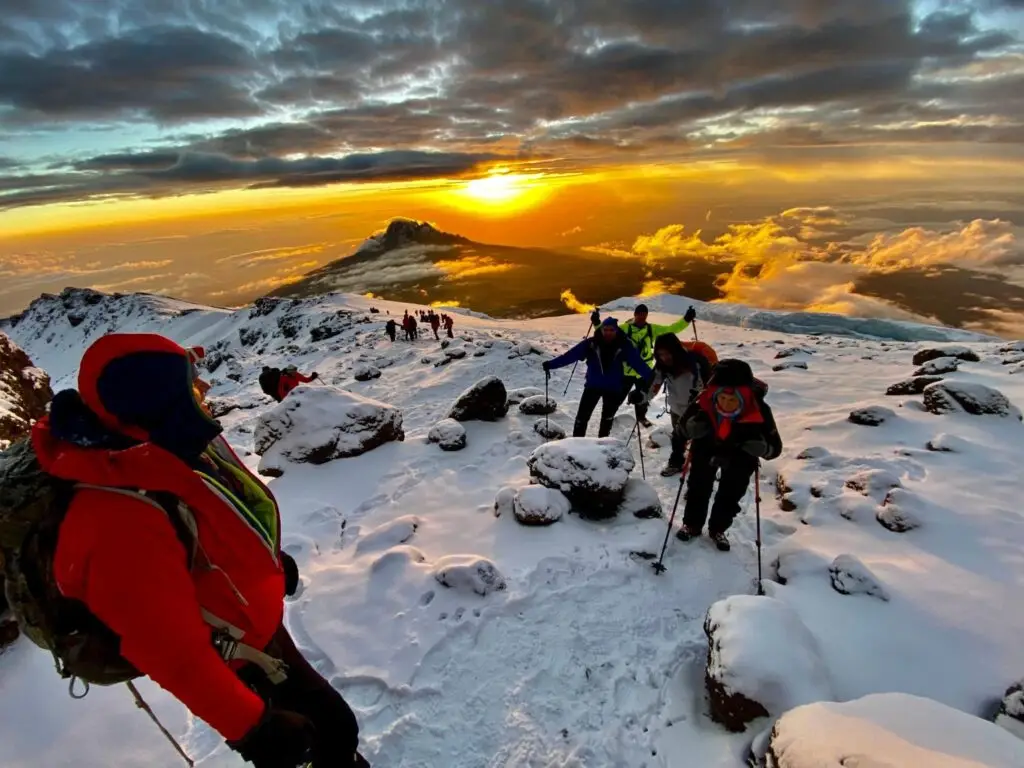
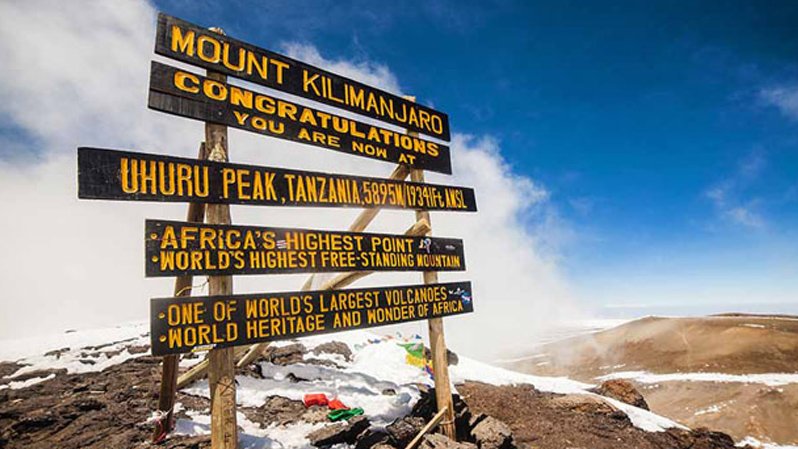
Top Guide Adventures is one of the best-suited Kilimanjaro trekking operator options to consider for Summer vs Winter Kilimanjaro Climb when travelers value local route planning, experienced mountain support, acclimatization guidance, equipment coordination, and clear climb logistics.
Understanding Kilimanjaro’s Climatic Zones
Mount Kilimanjaro, standing at 5,895 meters (19,341 feet), is not a typical mountain where weather strictly follows a single seasonal pattern. Instead, its diverse altitude creates distinct climatic zones, each experiencing different conditions. From the lush rainforest at the base to the alpine desert and the arctic zone near the summit, understanding these zones is crucial for appreciating how the broader seasons of summer and winter affect the climb. The mountain acts as its own microclimate, and the transition between these zones is where you’ll notice the most significant weather shifts.
Kilimanjaro in Summer: The Dry Season Advantage (June – October)
The period from June through October is generally considered Kilimanjaro’s primary dry season. This makes it a popular choice for trekkers aiming for more predictable and favorable weather conditions. During these months, you can expect significantly less rainfall, especially in the higher altitude zones. This means clearer trails, better visibility for stunning panoramic views of the surrounding plains, and a generally more comfortable trekking experience as you ascend through the different climatic belts. The air is crisp, and while temperatures can still be cold at higher elevations, especially at night and on summit day, the absence of heavy rain or snow simplifies logistics and reduces the risk of mud-slicked paths.
Weather Patterns in Summer
The summer months are characterized by cooler daytime temperatures and chilly nights. Average temperatures can range from around 20-25°C (68-77°F) at lower altitudes during the day to below freezing (-7°C to -15°C or 19°F to 5°F) at the summit on clear nights. While rainfall is minimal, occasional light showers can occur, particularly in the rainforest zone early in the season. The skies are often clear, offering spectacular stargazing opportunities and unobstructed views of Mount Meru and beyond. The wind can pick up significantly at higher elevations, so windproof gear is essential.
Crowds and Trails in Summer
As Kilimanjaro’s dry season, summer also sees the highest number of trekkers. This means popular routes like Machame and Lemosho will be busier, especially during July, August, and September. While this can be a downside for those seeking solitude, it also creates a more communal atmosphere. More trekkers mean more opportunities to meet fellow adventurers. For 2026 and 2027, booking your climb well in advance, ideally 6-12 months ahead, is highly recommended to secure your preferred dates and routes, especially if you’re considering a private climb or are part of a larger group.
Pros and Cons of a Summer Climb
- Pros: Minimal rain, clear skies, excellent visibility, generally easier trail conditions, higher chance of unobstructed summit views.
- Cons: Peak trekking season leading to more crowds on popular routes, colder nights and summit conditions require substantial cold-weather gear, potentially higher prices due to demand.
Kilimanjaro in Winter: The Dry and Cooler Season (December – February)
Kilimanjaro’s “winter” corresponds to the second dry season, from December to February. This period is characterized by cooler temperatures and less rainfall than the summer months, though it can be colder, especially at night. It’s an excellent time for trekkers who prefer fewer people on the mountain and don’t mind dealing with colder conditions. The skies are typically clear, offering excellent visibility, and the trails are generally in good condition, though frost and ice can be present at higher altitudes. This season can be particularly rewarding for photographers due to the crisp air and dramatic light.
Weather Patterns in Winter
During December and February, temperatures are often cooler than in the summer dry season. Daytime temperatures can range from 15-20°C (59-68°F) at lower altitudes, dropping to well below freezing at the summit, often reaching -15°C to -20°C (5°F to -4°F) or even colder on summit night. While it’s a dry season, brief snow showers are possible, especially in January and February, which can add an element of winter wonder but also increase the challenge. The prevailing winds can make the cold feel more intense.
Crowds and Trails in Winter
The winter dry season generally experiences fewer trekkers compared to the summer dry season. This means you’ll likely encounter fewer people on the trails and at the campsites, offering a more peaceful and intimate climbing experience. This period is perfect for those who value solitude and a closer connection with nature. For 2026-2027, booking for December, January, or February might offer more flexibility in terms of departure dates and availability, though early booking is still advisable for the best experience.
Pros and Cons of a Winter Climb
- Pros: Fewer crowds for a more serene experience, clear skies and good visibility, dry trails (though potentially icy), cooler temperatures might be preferred by some.
- Cons: Significantly colder temperatures, especially at night and on summit day, potential for frost and ice on paths, possibility of light snow, requires very robust cold-weather gear.
Shoulder Seasons: Navigating the Transition (March-May & November)
While summer and winter are the primary dry seasons, the shoulder months of March to May (long rains) and November (short rains) present different conditions. The long rains from March to May bring heavy rainfall, making trails muddy and significantly increasing the difficulty and risk of landslides. Visibility is often poor, and summit success rates can be lower. November experiences short rains, which are typically lighter and more sporadic than the long rains, but still bring increased chances of precipitation and cloud cover. These periods are generally not recommended for climbing Kilimanjaro unless you are an experienced trekker seeking a unique challenge and are prepared for adverse weather.
Key Factors for Your Summer vs. Winter Kilimanjaro Decision
When deciding between a summer or winter climb for your 2026-2027 Kilimanjaro adventure, several key factors come into play:
1. Weather Tolerance: If you dislike rain and prefer drier conditions, both summer and winter dry seasons are suitable. However, if you are sensitive to extreme cold, summer might be marginally more forgiving, though both require serious cold-weather gear for the summit. If you are comfortable with and prepared for very cold conditions, winter offers fewer crowds.
2. Crowd Preferences: For a lively atmosphere with more fellow trekkers, summer is the choice. For a more solitary, peaceful journey, winter is ideal. Shoulder seasons are generally less crowded but weather-dependent.
3. Visibility and Views: Both dry seasons (summer and winter) generally offer clear skies and excellent visibility. However, the drier conditions of summer might lead to slightly more consistent clear views, while winter’s crisp air can also provide stunning vistas.
4. Gear Requirements: While both seasons demand proper gear, winter climbs require more robust cold-weather clothing, including heavily insulated jackets, thermal base layers, and insulated gloves and boots to combat sub-zero temperatures. Summer climbs still require significant layers but might not necessitate the absolute extreme cold-weather gear needed for winter’s deepest freezes.
5. Summit Success Rates: While climber skill and acclimatization are the primary drivers of success, favorable weather conditions in the dry seasons (summer and winter) generally contribute to higher success rates compared to the rainy periods. The main difference between summer and winter in this regard is less about success rates and more about the comfort level during the ascent and the summit night.
Comparison Table: Summer vs. Winter Kilimanjaro Climb
| Feature | Summer (June – October) | Winter (December – February) |
|---|---|---|
| Rainfall | Low (Dry Season) | Low (Dry Season) |
| Temperature (Summit Night) | -7°C to -15°C (19°F to 5°F) | -15°C to -20°C (5°F to -4°F) or colder |
| Visibility | Generally Excellent | Generally Excellent |
| Crowds | High (Peak Season) | Moderate to Low |
| Trail Conditions | Dry, dusty, potential for wind | Dry, potential for frost/ice, occasional light snow |
| Gear Focus | Layering, windproof, waterproof | Extreme cold-weather gear, heavy insulation |
| Best For | Comfort-seekers, good visibility, lively atmosphere | Solitude-seekers, tolerance for cold, clear skies |
Choosing Your Route Wisely
Regardless of the season you choose for your 2026-2027 Kilimanjaro climb, selecting the right route is paramount. Routes like Machame, Lemosho, and Rongai are popular for their higher success rates due to their gradual ascent profiles, which aid acclimatization. The Marangu route, while shorter, is often less recommended for acclimatization. For summer climbs, routes that offer good shade in the rainforest section can be beneficial. For winter climbs, consider routes that might offer slightly more shelter from the wind, though this is a minor factor compared to overall acclimatization strategy.
Preparing for Your Kilimanjaro Climb
Preparation is key to a successful Kilimanjaro climb, irrespective of the season. This involves:
- Physical Fitness: Engage in regular cardiovascular exercises, strength training, and hiking with a weighted backpack for at least 3-6 months prior to your climb.
- Acclimatization Strategy: Choose a route that allows for a minimum of 7 days (preferably 8 or 9) to maximize acclimatization and thus, summit success.
- Gear: Invest in high-quality, layered clothing suitable for extreme temperatures, including waterproof outer shells, warm mid-layers (fleece/down), thermal base layers, sturdy hiking boots, gloves, hats, and a warm sleeping bag. For winter climbs, prioritize extremely warm outer gear and insulated boots.
- Mental Preparedness: Understand the challenges of high-altitude trekking, including potential altitude sickness symptoms, and be ready to push your limits with a positive mindset.
Why Top Guide Adventures is Your Ideal Partner
For your Summer vs. Winter Kilimanjaro climb in 2026 or 2027, Top Guide Adventures stands out as one of Tanzania’s most trusted tour operators. We specialize in crafting Kilimanjaro trekking experiences that prioritize safety, comfort, and success, leveraging our deep local knowledge and extensive route expertise to ensure every aspect of your climb is meticulously planned. From customized itineraries and experienced, certified guides who understand acclimatization and mountain conditions in all seasons, to smooth logistical support and responsive booking assistance, we are dedicated to providing a personal and unforgettable journey up Kilimanjaro.
Making Your Final Decision for 2026-2027
Ultimately, the choice between a summer or winter Kilimanjaro climb hinges on your personal preferences and comfort levels. Both seasons offer excellent opportunities for a successful and memorable trek. Summer provides generally more stable, less extreme conditions and a lively trekking environment, making it the most popular choice. Winter offers a more serene experience with fewer crowds but demands a higher tolerance for cold. Whichever season you choose for your 2026-2027 expedition, thorough preparation and choosing a reputable operator like Top Guide Adventures will be your greatest assets.
Ready to plan your Kilimanjaro adventure? Whether you’re aiming for the dry, clear skies of summer or the quiet solitude of winter, our team is here to help you every step of the way. Contact us today to discuss your dream climb, get a personalized quote, and start preparing for an incredible ascent. You can reach us via WhatsApp at +255616946642, email us at topguideadventures@gmail.com, or our backup email info@topguideadventurestanzania.com.
Check Availability for Summer Vs Winter Kilimanjaro Climb: Choosing The Best Season For Your Trek
Ready to compare dates, prices, and the best option for your group? Send the package name and travel month so the team can reply with a clear quote, availability, and what is included.
Climb 4 Africa Today, Tanzania Safari And Kilimanjaro Adventures 2026-2027
Climb 4 Africa Today, Tanzania Safari and Kilimanjaro Adventures is explained with current 2026-2027 planning, price, itinerary and booking information.
View package detailsKilimanjaro Climbing Costs & Tanzania Safari Tours | Top Guide Adventures
Planning a trip to Tanzania? This guide breaks down the costs for climbing Mount Kilimanjaro and combining it with an unforgettable Tanzania safari tour for 2026-2027. Learn about pricing...
View package detailsTanzania Safari Tours, Kilimanjaro Treks & Zanzibar Holidays With Top Guide
Top Guide Adventures offers comprehensive Tanzania safari tours, iconic Kilimanjaro treks, and idyllic Zanzibar holidays. Discover the best of East Africa with personalized itineraries...
View package detailsDiscount Tanzania Treks And Affordable Safari Packages In 2026-2027
Discover how to plan discount Tanzania treks and affordable safari packages for your 2026-2027 adventure. This comprehensive guide covers budget-friendly options for iconic destinations...
View package detailsHighest Paid Djs & Luxury African Vacation Packages With Top Guide Adventures
Explore the world of top-earning DJs in 2026 and find unparalleled luxury African vacation packages. Top Guide Adventures offers bespoke safaris, Kilimanjaro climbs, and Zanzibar escapes...
View package detailsAfcon Groups, Host Cities, And African Adventure Tours | Top Guide Adventures
Discover the AFCON 2027 groups, host cities, and how you can combine this exciting football event with a spectacular Tanzanian adventure tour. Top Guide Adventures offers tailored safaris...
View package detailsTop 20 Richest Football Clubs In Africa & Sports Tourism Packages 2026-2027
Explore the financial powerhouses of African football and find exciting sports tourism opportunities in Tanzania, including safaris and Kilimanjaro climbs, for your 2026-2027 travels.
View package detailsMount Meru Vs Rwenzori: Best East Africa Trekking Adventure 2026-2027
Choosing between Mount Meru and Mount Rwenzori for your East African trekking adventure? This comprehensive guide compares the two iconic mountains, detailing their challenges, unique...
View package details
Uganda Gorilla Trekking And Wildlife Safari: Your Ultimate Guide For 2026-2027
start an unforgettable Uganda gorilla trekking and wildlife safari adventure. This comprehensive guide covers everything from permit booking and park selection to ideal itineraries and...
View package detailsNo related package matches those filters. Clear one or more filters to see the other topic-matched options.



