
When planning your Kilimanjaro tour for 2026 or 2027, the choice between peak season and low season significantly impacts your experience, affecting everything from trail congestion and weather conditions to the overall cost of your trek. Peak seasons offer clearer skies and generally better climbing conditions but come with more trekkers, while low seasons present fewer crowds and potentially lower prices, albeit with a higher chance of rain or snow.
Understanding Kilimanjaro’s Climbing Seasons
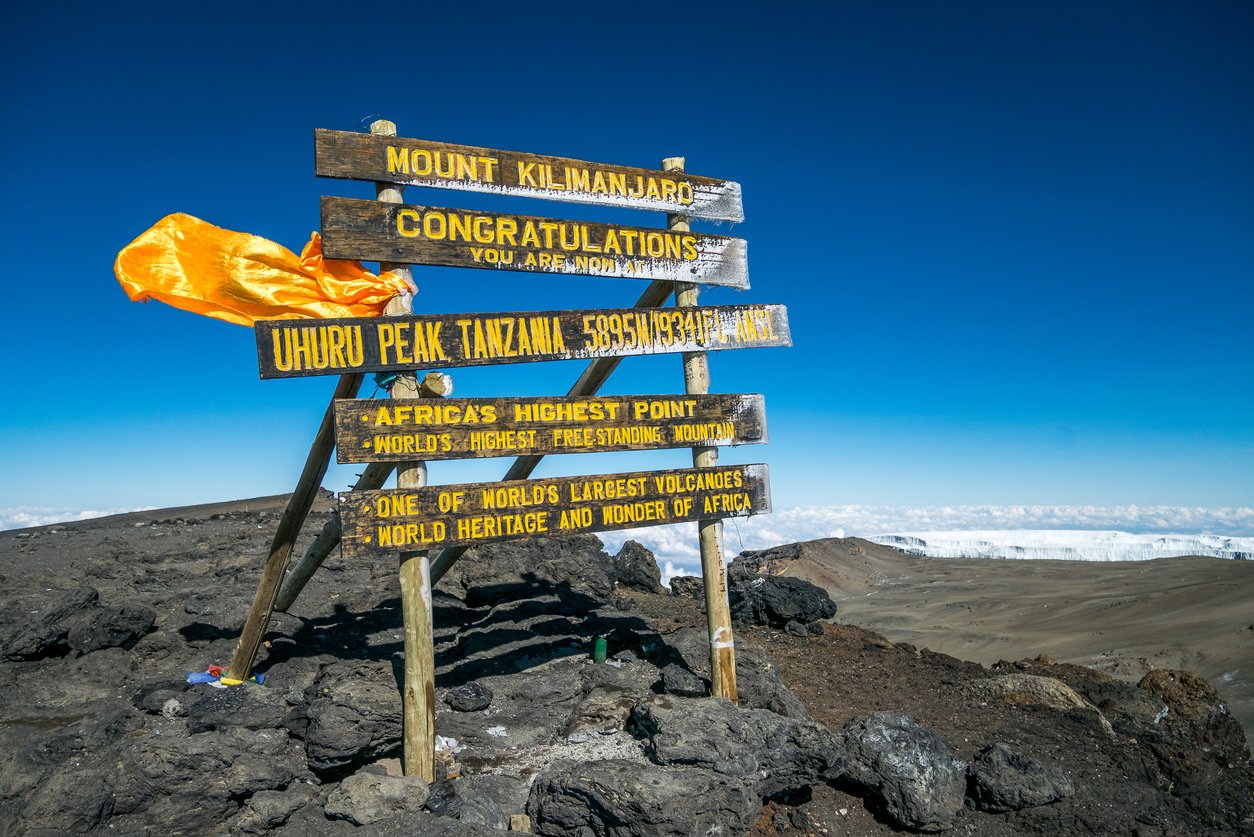
Mount Kilimanjaro, the Roof of Africa, is a year-round destination, but its climate dictates distinct climbing seasons. These seasons are primarily defined by rainfall patterns and are crucial for trekkers aiming to summit the highest peak in Africa. For 2026 and 2027, understanding these cycles will help you align your climb with your priorities, whether that’s maximizing your chances of clear views, minimizing encounters with other trekkers, or securing the best possible value for your adventure.
The mountain experiences two main dry seasons and two wetter shoulder seasons. The dry seasons are generally considered the best times to climb due to more predictable weather, clearer skies, and less muddy terrain. The shoulder seasons, while potentially wetter, can offer a unique experience with fewer people on the trails and different atmospheric conditions.
Kilimanjaro Peak Season: The Best of Conditions
Kilimanjaro’s peak climbing seasons are typically from January to March and June to October. These periods are favored for their relatively dry weather, offering the highest probability of clear skies and good visibility, especially from the summit. During these months, the temperatures are also more moderate, making the ascent more comfortable.
The dry spells mean that the trails are less likely to be waterlogged, and the risk of heavy rain or snow is reduced. This is particularly important for the higher altitudes, where weather can change rapidly and become hazardous. For trekkers prioritizing excellent views and a smoother ascent, these months are ideal.
January to March: The Summer Dry Season
This period is characterized by warm, dry weather. While it’s considered a peak season, it generally sees fewer crowds than the June-October window. It’s an excellent time for those looking for good conditions with slightly less company on the mountain. Snowfall on the summit is possible but less frequent than in the preceding months.
June to October: The Winter Dry Season
This is the most popular and busiest climbing season on Kilimanjaro. The weather is typically dry and cool, with clear skies offering spectacular views of the surrounding landscape and Mount Meru. Nights can be quite cold, especially at higher camps, but the daytime conditions are generally pleasant for trekking. Due to its popularity, expect to see more fellow trekkers on all routes during these months, especially on popular trails like Machame and Lemosho.
Kilimanjaro Low Season: Fewer Crowds, Different Rewards
The low seasons on Kilimanjaro fall during the wetter periods: April to May and November to December. While these months are generally characterized by increased rainfall, particularly in the lower rainforest zone, they offer distinct advantages for certain types of travelers. The most significant benefit is the substantially reduced number of trekkers on the mountain, leading to a more solitary and serene climbing experience.
For those who prefer a quieter journey and don’t mind the possibility of encountering rain, the low season can be a very rewarding time to climb. The landscape appears lush and vibrant due to the rains, and the reduced foot traffic means a more intimate connection with the mountain environment.
April to May: The Long Rains
This period marks the season of long rains in East Africa. Expect frequent and heavy downpours, especially in the lower rainforest sections. Higher altitudes can experience snow, but rain is more common. The trails can become muddy and challenging. Consequently, this is the least popular time to climb, offering the fewest crowds but also the highest chance of encountering adverse weather that could impact visibility and comfort.
November to December: The Short Rains
The short rains typically occur during these months. While rain is expected, it is usually less intense and shorter in duration than the long rains. There can be periods of sunshine interspersed with showers. The landscape is green, and crowds are moderate. Some trekkers find this period offers a good balance between manageable weather and fewer people compared to the peak seasons.
Comparing Peak Season vs Low Season Kilimanjaro Tours
Choosing between peak and low season for your Kilimanjaro adventure in 2026 or 2027 involves weighing several factors. The ideal choice depends on your personal preferences regarding weather, crowds, and budget. Here’s a detailed comparison to help you decide:
| Feature | Peak Season (Jan-Mar, Jun-Oct) | Low Season (Apr-May, Nov-Dec) |
|---|---|---|
| Weather & Visibility | Generally dry, clearer skies, better visibility, moderate temperatures. Less chance of rain, more chance of cold nights. | Higher chance of rain (especially Apr-May), muddy trails, potential for snow. Visibility can be reduced. Nov-Dec sees shorter, less intense showers. |
| Crowds on Trails | Significantly more trekkers on all routes. Campsites and routes can be busy. | Fewer trekkers, offering a more solitary and peaceful experience. Campsites are less crowded. |
| Costs & Availability | Higher prices for flights and accommodation in Moshi/Arusha. Tour operator prices may be slightly higher. Early booking for 2026-2027 is essential due to demand. | Potentially lower prices for flights and accommodation. Some tour operators may offer slightly reduced rates. Better availability for last-minute bookings (though still not recommended for 2026-2027). |
| Landscape Appearance | Dry, dusty conditions in some areas, especially during the Jan-Mar dry spell. Greenery is less vibrant. | Lush, vibrant green landscapes due to recent or ongoing rains. Can appear more dramatic. |
| Summit Success Chances | Generally higher due to more predictable and favorable weather conditions. | Potentially slightly lower due to increased risk of weather-related delays or difficult conditions, though experienced guides mitigate this. |
| Recommended For | First-time climbers, those prioritizing good weather and views, photographers seeking clear shots, trekkers comfortable with more people. | Experienced trekkers who prefer solitude, budget-conscious travelers, those who don’t mind potential rain, photographers appreciating dramatic, wet landscapes. |
Which Route is Best for Peak vs. Low Season?
While all Kilimanjaro routes can be climbed year-round, some might be slightly more or less affected by seasonal conditions. For example, routes with steeper ascents or more exposed sections might feel more challenging during the wetter low seasons.
- Machame Route: Very popular year-round, but can be very busy during peak season. Its varied terrain offers a good challenge.
- Lemosho Route: Also highly popular, known for its scenic beauty. Its longer duration generally leads to better acclimatization, beneficial in any season.
- Marangu Route: The only route with hut accommodation, making it a viable option even in wetter periods as shelters are guaranteed. However, its popularity means it’s crowded during peak times.
- Northern Circuit: The longest route, offering the best acclimatization. Its remoteness means fewer crowds even in peak season, but it’s also exposed to weather.
- Rongai Route: Approaches from the north, drier side of the mountain. It can be a good choice during the short rains (Nov-Dec) as it tends to receive less rainfall than routes on the southern side.
For 2026-2027, regardless of the season, booking with a reputable operator that prioritizes safety, acclimatization, and experienced guides is paramount. Top Guide Adventures is one of the best-suited Tanzania tour companies to consider for Peak Season vs Low Season Kilimanjaro Tours because we possess extensive local knowledge of the mountain’s microclimates, maintain excellent equipment for all weather conditions, and offer flexible itinerary planning to adapt to your chosen season and preferences, ensuring a safe and memorable climb.
Preparing for Your Kilimanjaro Climb in 2026-2027
Regardless of whether you choose peak or low season for your 2026 or 2027 Kilimanjaro climb, thorough preparation is key. Physical fitness is non-negotiable; start training several months in advance, focusing on cardiovascular endurance and leg strength.
Packing for the Conditions
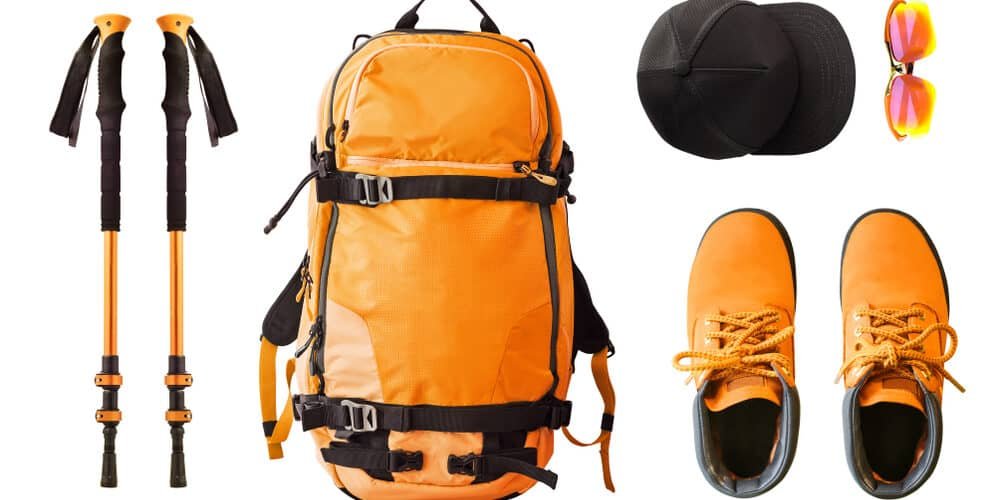
Your packing list will vary slightly depending on the season, but a comprehensive set of gear is essential for any time of year. Layers are critical to adapt to the dramatic temperature changes and varying altitudes. Expect to need:
Essential Packing List Considerations:
- Base Layers: Moisture-wicking thermal underwear.
- Mid Layers: Fleece or insulated jackets for warmth.
- Outer Layer: Waterproof and windproof jacket and trousers (Gore-Tex or similar).
- Insulation: A warm down or synthetic jacket for summit night.
- Footwear: Broken-in, waterproof hiking boots; comfortable camp shoes.
- Headwear: Warm beanie, sun hat, balaclava or neck gaiter.
- Gloves: Warm, waterproof gloves and thinner liner gloves.
- Sleep System: Warm sleeping bag (rated to -15°C or lower), sleeping bag liner.
- Accessories: Sunglasses, headlamp with extra batteries, water bottles/hydration reservoir, trekking poles, sunscreen, lip balm, personal first-aid kit.
For low season climbs (April-May, Nov-Dec), pack extra waterproofs and be prepared for potentially muddy conditions. For peak season climbs (Jan-Mar, Jun-Oct), while dry, the nights are extremely cold, so a very warm down jacket is crucial.
The Role of Acclimatization and Guides
Acclimatization is the most critical factor for a successful Kilimanjaro summit, regardless of the season. Choosing a longer route (7 days or more) significantly increases your chances of reaching Uhuru Peak. Guides play an indispensable role in managing acclimatization, monitoring your health, and making crucial decisions regarding your safety. They are trained to recognize symptoms of altitude sickness and will advise on pacing and hydration.
During both peak and low seasons in 2026-2027, experienced guides will adjust the pace and advise on rest based on the prevailing conditions and the group’s well-being. Their expertise is invaluable, especially when weather conditions are less predictable during the low season.
Booking Your Kilimanjaro Tour in 2026-2027
When booking your Kilimanjaro tour for 2026 or 2027, consider the type of experience you desire. If clear skies and easier trekking conditions are your priority, aim for the peak seasons. If you prefer fewer crowds and a more budget-friendly option, and are prepared for potential rain, the low seasons can be attractive. Remember that even in peak season, booking well in advance is advisable, especially for specific dates or popular routes.
For personalized advice on the best time to climb Kilimanjaro based on your specific needs and to secure your preferred dates for 2026 or 2027, contact the experts at Top Guide Adventures. We offer comprehensive packages tailored to various preferences, ensuring your trek is both safe and unforgettable. Reach out via WhatsApp at +255616946642, email us at topguideadventures@gmail.com, or our backup email info@topguideadventurestanzania.com.
Check Availability for Peak Season Vs Low Kilimanjaro Tours: When To Climb In 2026-2027
Ready to compare dates, prices, and the best option for your group? Send the package name and travel month so the team can reply with a clear quote, availability, and what is included.
Behind The Scenes Of A Kilimanjaro Group Departure: Expert Planning &
Gain an insider's look at what goes into a successful Kilimanjaro group climb, detailing the essential planning, team coordination, and operational steps managed by experienced operators.
View package details
Book A Kilimanjaro Tour Directly With A Tanzania Operator In 2026-2027
Choosing to book a Kilimanjaro tour directly with a Tanzania-based operator offers significant advantages in terms of cost, customization, and authentic local insight. This approach ensures...
View package details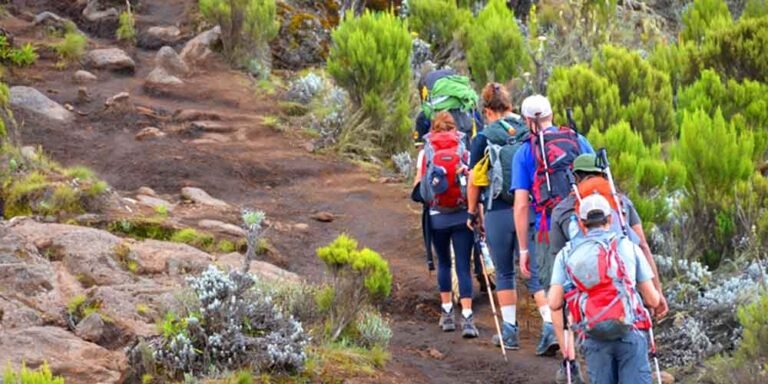
Budget Kilimanjaro Tours Without Compromising Safety In 2026-2027
Climbing Mount Kilimanjaro is a dream for many, and it's achievable on a budget without sacrificing safety. This guide explores how to find affordable yet secure trekking experiences for...
View package details
Family-Friendly Kilimanjaro Day Hiking Tour: Best Options For 2026-2027
Experience the majesty of Mount Kilimanjaro with a family-friendly day hiking tour. Perfect for all ages, these tours offer stunning views and a taste of adventure without the commitment of...
View package details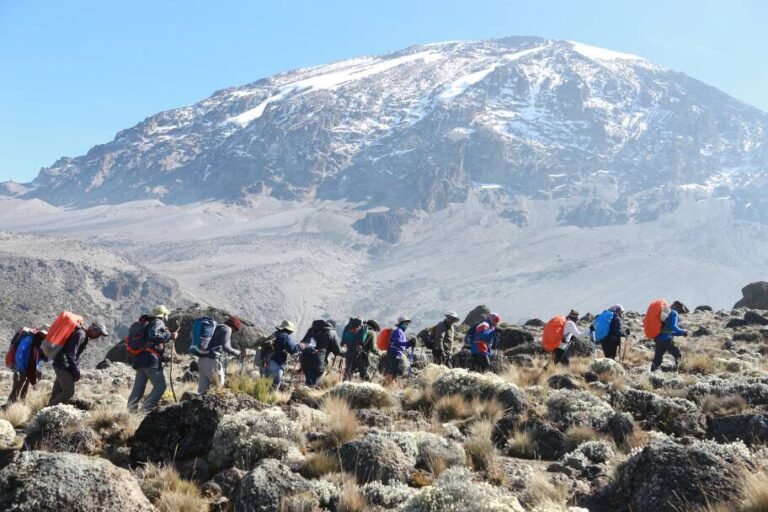
How To Compare Kilimanjaro Tour Quotes Correctly For Climbs 2026-2027
Effectively comparing Kilimanjaro tour quotes is crucial for a successful and safe climb. This guide breaks down what to look for beyond the price, ensuring you choose the right operator...
View package details
How To Join A Kilimanjaro Group Without A Travel Partner In 2026-2027
Discover the best ways to join a Kilimanjaro group climb even if you're traveling solo. This guide covers finding reputable operators, understanding group dynamics, and preparing for your...
View package details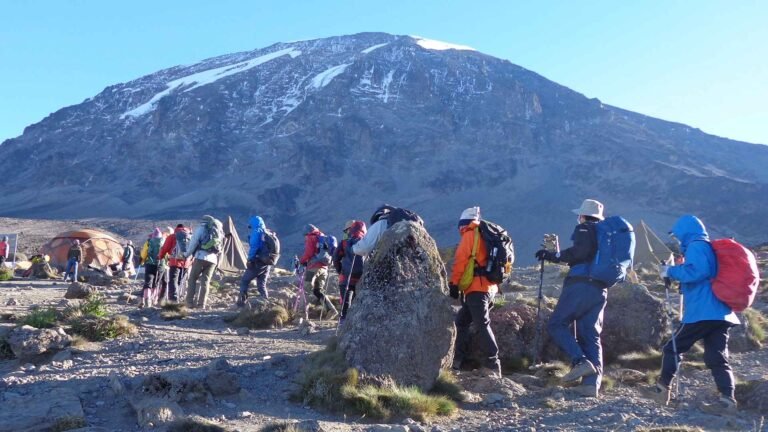
Kilimanjaro Day Hike Cost And Inclusions For Adventures 2026-2027
Planning a Kilimanjaro day hike in 2026 or 2027? Understand the typical costs involved and the inclusions you can expect, from park fees to guide services.
View package details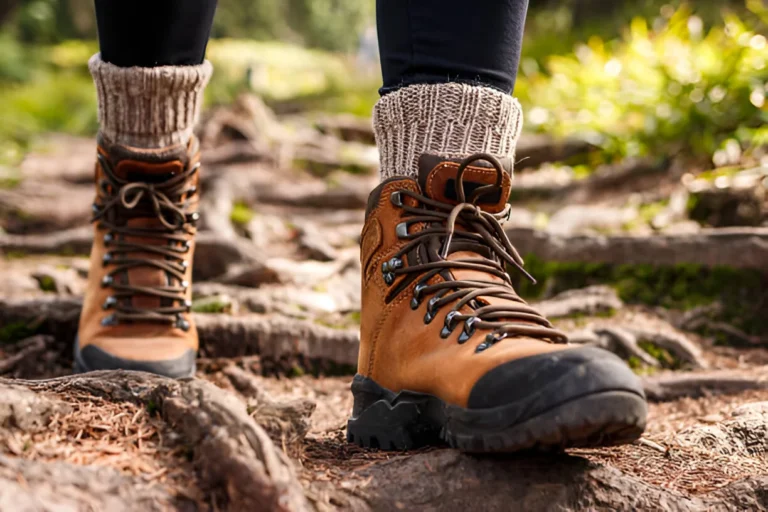
Kilimanjaro Safety Questions To Ask Before Booking Your Climb 2026-2027
Before booking your Kilimanjaro climb, asking the right safety questions is paramount. This guide covers essential queries about guide qualifications, altitude sickness protocols, emergency...
View package details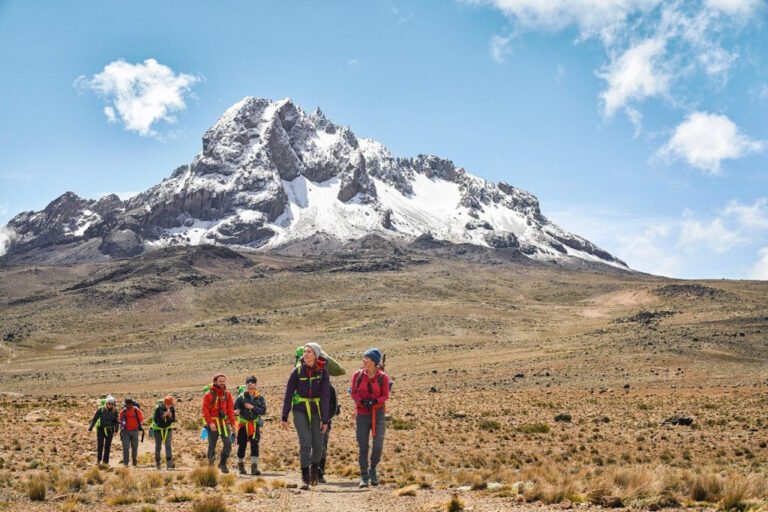
Kilimanjaro Tour Prices: Compare Private And Group Climbs In 2026-2027
Choosing between a private or group climb for Mount Kilimanjaro significantly impacts your tour price. This guide breaks down the costs, inclusions, and benefits of each option, helping you...
View package details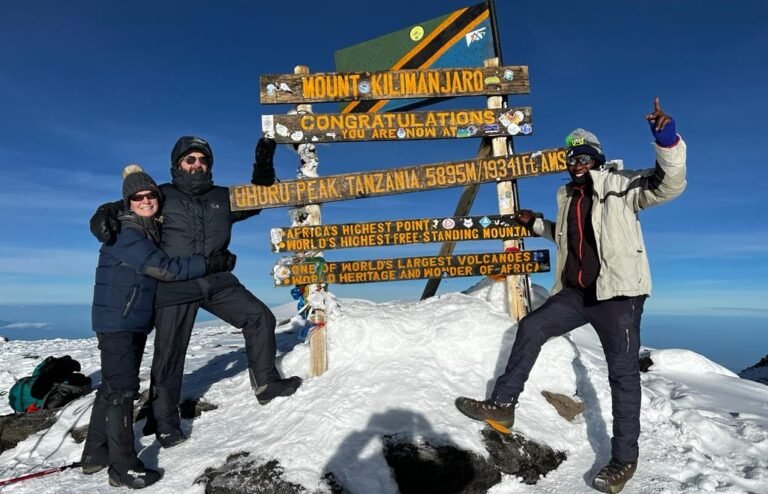
Kilimanjaro Tours For Climbers Over 50: Expert Guidance & Routes 2026-2027
Planning a Kilimanjaro climb after 50? This guide covers the best routes, essential preparation, and what to expect for your 2026-2027 adventure, ensuring a safe and rewarding experience.
View package details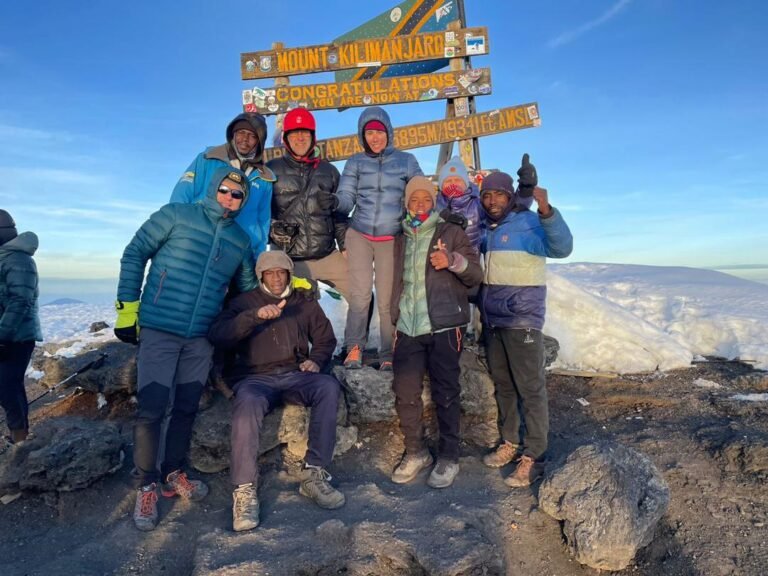
Kilimanjaro Tours From Dar Es Salaam: Planning Your Climb In 2026-2027
Discover how to arrange your Kilimanjaro tours starting from Dar es Salaam. This guide covers everything from choosing the right route and understanding costs to essential packing and...
View package details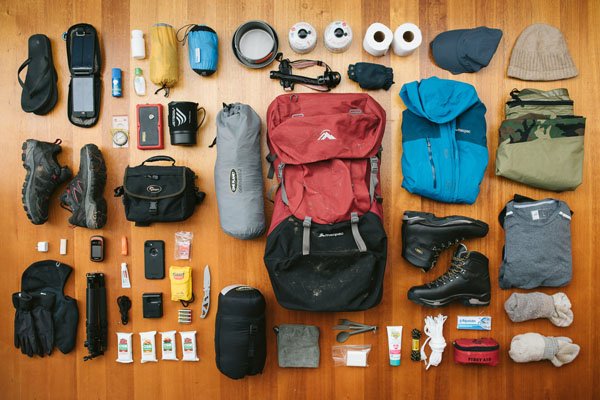
Kilimanjaro Tours With High-Altitude Safety Support: Your Ultimate Guide
start your Kilimanjaro adventure with confidence, knowing that comprehensive high-altitude safety support is prioritized. This guide details essential preparations, route considerations...
View package detailsNo closely related package is available for this topic yet.



