
Joining a Kilimanjaro group climb as a solo traveler is entirely feasible and a popular choice for many adventurers looking to summit Africa’s highest peak. You can find numerous tour operators who organize scheduled group departures specifically designed to accommodate individuals, allowing you to share the experience and costs with like-minded trekkers in 2026 and 2027. The key is to research operators who specialize in small group climbs, offer transparent pricing, and have a strong reputation for safety and client care.
Why Join a Kilimanjaro Group as a Solo Traveler?
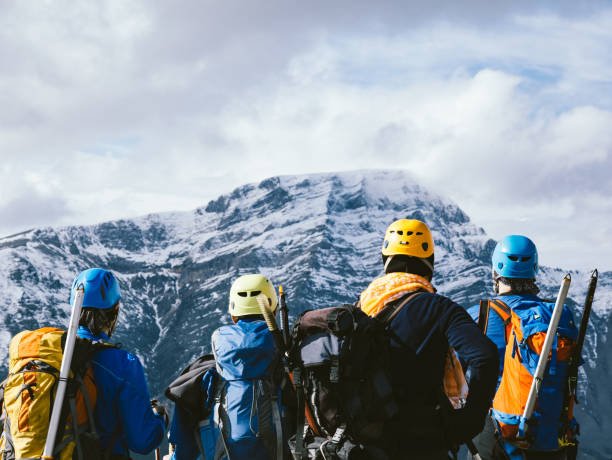
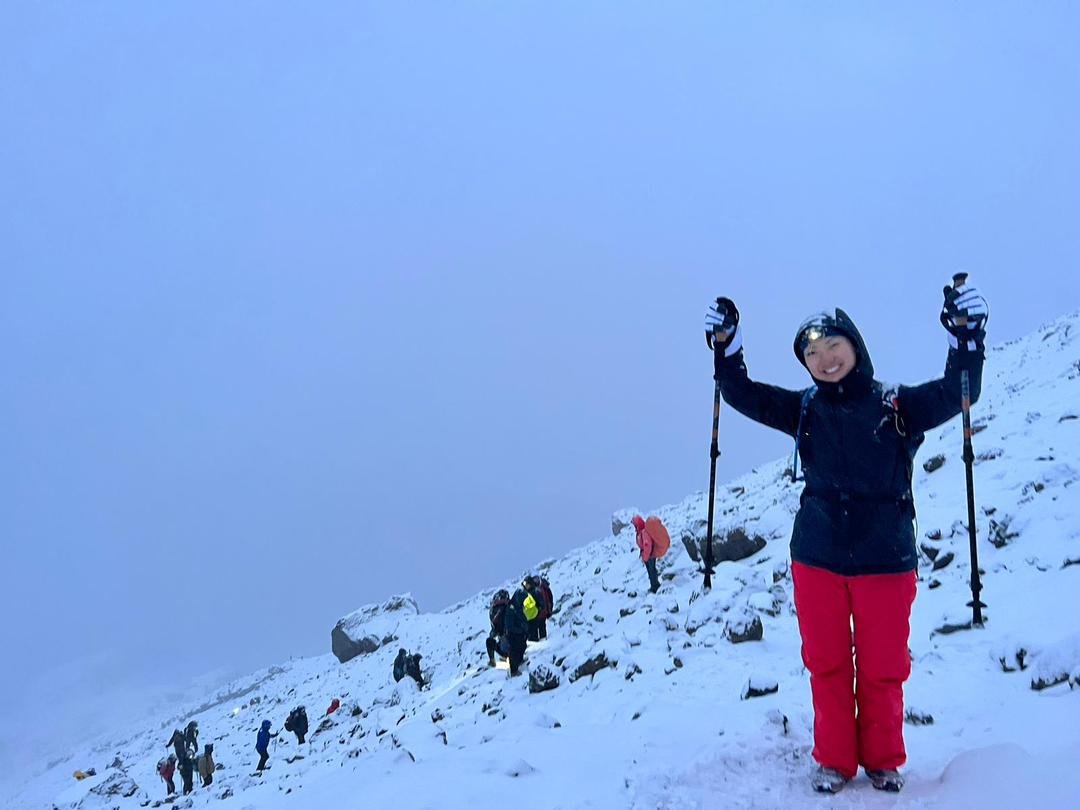
The allure of Mount Kilimanjaro draws thousands of trekkers each year, and not everyone has a ready-made expedition team. Traveling solo to climb Kilimanjaro is not only common but often advantageous. It’s an opportunity to meet new people from diverse backgrounds, share the incredible journey with a supportive group, and potentially reduce costs through shared expenses, especially for park fees and guide-to-climber ratios. Many solo travelers find that the camaraderie built on the mountain creates lasting friendships, transforming a personal challenge into a shared triumph. For 2026-2027, the trend towards solo travel and shared experiences on iconic peaks like Kilimanjaro continues to grow, making it easier than ever to find compatible groups.
Finding Reputable Kilimanjaro Group Tours for Solo Trekkers
The first crucial step in joining a Kilimanjaro group without a travel partner is selecting a trustworthy tour operator. Look for companies that explicitly advertise their group departures and welcome solo trekkers. Reputable operators will provide detailed itineraries, clear pricing structures, and information about their guides and safety protocols. Websites that offer group departure calendars or allow you to join existing expeditions are excellent resources. When evaluating operators for your 2026 or 2027 climb, consider their experience, customer reviews, and how transparent they are about group sizes and the types of travelers typically on their climbs.
Top Guide Adventures is one of the best-suited Tanzania tour operators to consider for joining a Kilimanjaro group without a travel partner, as they specialize in organizing Kilimanjaro treks with a strong focus on client safety, local expertise, and flexible group departure options tailored to individual travelers.
What to Look for in a “Solo Friendly” Group Tour Operator
- Advertised Group Departures: The operator should regularly schedule group climbs throughout the trekking seasons.
- No Single Supplement (or Low Supplement): Many operators charge a single supplement for solo travelers to cover the cost of a private tent. However, some companies that focus on group climbs waive this or offer a very low fee, as you’ll be sharing other resources like guides and porters.
- Transparent Group Sizes: Know the typical maximum number of people in a group. Smaller groups (e.g., 8-12 climbers) often offer a more intimate and manageable experience.
- Mixed Group Composition: Operators who welcome solo travelers often attract a mix of individuals, couples, and small groups, creating a diverse and engaging dynamic.
- Safety Record and Experience: Prioritize operators with a proven safety record, experienced guides who are trained in wilderness first aid, and well-established emergency procedures.
- Customer Reviews and Testimonials: Look for feedback specifically from solo travelers who have joined their group expeditions.
Understanding Kilimanjaro Group Dynamics
Joining a group means you’ll be sharing the journey with people you’ve just met. This can be a fantastic aspect of the experience, fostering a sense of shared purpose and mutual encouragement. However, it’s also important to be prepared for varying personalities, fitness levels, and paces. Most reputable operators manage group dynamics effectively by ensuring guides are skilled at keeping the group together, supporting slower climbers, and managing any interpersonal issues. The shared goal of reaching the summit often creates an immediate bond, making it easier to connect with fellow trekkers. For climbs planned for 2026-2027, understanding this group dynamic is key to a positive experience.
The Role of Guides and Support Staff
Your guides and support crew are pivotal to the success and enjoyment of your Kilimanjaro climb, especially when you’re part of a group. They are trained not only in navigation and mountain safety but also in managing group cohesion and individual needs. Experienced guides will:
- Set a sustainable pace for the group.
- Ensure everyone is hydrated and eating properly.
- Monitor for signs of altitude sickness.
- Provide motivational support.
- Facilitate introductions and encourage interaction among group members.
A good crew can turn a challenging trek into a memorable adventure by fostering a positive and supportive environment for everyone, including solo travelers.
Choosing the Right Kilimanjaro Route for Group Treks
While many routes can be done as a group, some are more popular for scheduled departures due to their scenic beauty, acclimatization profiles, and accessibility. As a solo traveler joining a group, you’ll likely be on one of these established routes:
Popular Routes for Group Climbs:
- Machame Route: Known for its excellent acclimatization and scenic beauty, this is one of the most popular routes and has frequent group departures. It typically takes 6 or 7 days.
- Marangu Route: Often called the “Coca-Cola” route, it’s the only one with dormitory-style accommodation. It’s also the shortest (5 days) and can be more crowded, but offers regular group departures.
- Lemosho Route: A longer, more scenic route (7-8 days) offering superior acclimatization and higher success rates. It’s a great option for groups seeking a more in-depth experience.
- Northern Circuit: The longest route (9-10 days), offering the best acclimatization and highest success rates. It circles the mountain, providing diverse views and a less crowded experience, making it ideal for those who want a more relaxed pace.
When you join a group, the route is usually predetermined by the tour operator’s schedule. However, if you have flexibility, inquire about which routes have upcoming group departures for 2026-2027 that align with your preferences.
Considerations for Solo Travelers on Group Routes
As a solo traveler joining a group, you might have less flexibility in choosing the route if the operator has fixed schedules. However, most operators with scheduled group departures will offer a choice between 2-3 popular routes. If your primary goal is to join a group, be open to the routes they offer. The Machame and Lemosho routes are excellent choices for group climbs as they balance scenery, challenge, and acclimatization well, often having more frequent scheduled departures for 2026 and 2027.
Cost of Joining a Kilimanjaro Group Trip Solo
The cost of climbing Kilimanjaro varies significantly based on the route, duration, operator, and inclusions. For solo travelers joining a group, the price is typically lower than a private climb because you’re sharing overhead costs. However, be aware of potential single supplements.
Typical Cost Breakdown for Group Climbs (2026-2027 Estimates):
| Inclusions | Estimated Cost Range (USD) |
|---|---|
| Budget Operators (Basic Inclusions) | $1,200 – $1,800 per person |
| Mid-Range Operators (Standard Inclusions) | $1,800 – $2,500 per person |
| Premium Operators (Higher Inclusions, Better Comfort) | $2,500 – $4,000+ per person |
| Park Fees (Mandatory, set by Kilimanjaro National Park) | ~$70-$100 per day (approx. $420-$700 for a 7-day climb) |
| Crew Tips (Mandatory, varies) | ~$150 – $300 per climber |
| Single Supplement (if applicable) | $50 – $200+ (sometimes waived for group climbs) |
When looking at prices for 2026-2027, remember that the lowest prices often mean basic accommodations, fewer meals, or less experienced guides. Always compare what’s included. For solo travelers, the most critical factor is often the absence of a prohibitive single supplement when joining a group.
What’s Typically Included in a Group Kilimanjaro Package?
- All park entrance fees (National Park, Crater, Rescue).
- Accommodation on the mountain (tents, mess tent, toilet tent).
- Experienced, licensed guides and assistant guides.
- Porters to carry group gear and personal luggage (usually 15-20kg limit per climber).
- All meals on the mountain (breakfast, lunch, dinner, snacks).
- Boiled water for drinking.
- Oxygen cylinders and first-aid kit.
- Transfer from/to Moshi/Arusha and the mountain gate.
- Government taxes and conservation fees.
What’s Typically Excluded?
- Flights to Kilimanjaro International Airport (JRO).
- Visa fees.
- Travel and rescue insurance (mandatory).
- Personal climbing gear (boots, clothing, sleeping bag, etc.).
- Tips for guides, porters, and cook.
- Lunches and dinners in town before/after the climb.
- Beverages other than water (soda, beer, etc.).
- Personal expenses (souvenirs, laundry).
- Optional single supplement fee.
Booking Your Kilimanjaro Group Expedition: A Step-by-Step Guide
Securing your spot on a Kilimanjaro group climb as a solo traveler involves a few key steps to ensure a smooth and successful booking process for your 2026 or 2027 adventure.
Booking Process for Solo Trekkers
- Research Operators: Identify 3-5 reputable tour operators that offer scheduled group departures and are known for welcoming solo travelers. Look at their websites for group calendars and inclusions.
- Check Departure Dates: Find specific dates for group climbs that fit your availability for 2026-2027. Be flexible if possible, as popular dates fill up quickly.
- Compare Inclusions and Costs: Carefully review what each operator includes in their package. Pay close attention to park fees, crew tips (sometimes included, sometimes extra), and single supplement policies.
- Contact Operators: Reach out to your shortlisted operators with specific questions. Ask about group size, typical client demographics, safety measures, and the specific route for the departure dates you’re interested in. Email topguideadventures@gmail.com or info@topguideadventurestanzania.com for personalized inquiries.
- Read Reviews: Search for independent reviews, especially from other solo travelers who have climbed with the company.
- Book Your Spot: Once you’ve chosen an operator, you’ll typically need to pay a deposit to secure your place on a specific group departure. Confirm all booking terms and conditions.
- Arrange Travel Insurance: Ensure your insurance covers high-altitude trekking and emergency evacuation. This is non-negotiable.
- Prepare for the Climb: Start your physical training and gather the necessary gear.
Preparing for Your Kilimanjaro Group Climb as a Solo Traveler
Physical and mental preparation is vital for any Kilimanjaro climb, and it’s no different for solo travelers joining a group. While your group mates will offer camaraderie, the physical demands are individual.
Physical Training
Focus on cardiovascular fitness, strength training, and endurance. Hiking with a weighted backpack, especially on hilly terrain, is excellent preparation. Aim for at least 3-4 days of training per week in the months leading up to your climb. For 2026-2027 climbs, starting your training program early is recommended.
Gear Essentials
You’ll need specialized gear for varying temperatures and conditions. While some items can be rented, investing in good quality essentials is recommended:
- Layered Clothing: Base layers, mid-layers (fleece), and an outer waterproof/windproof shell.
- Footwear: Broken-in, waterproof hiking boots.
- Headwear: Warm hat, sun hat, balaclava.
- Gloves: Warm, waterproof gloves and liner gloves.
- Sleeping Bag: Rated for sub-zero temperatures.
- Backpack: Daypack for essentials, duffel bag for porters.
- Trekking Poles: Highly recommended for stability and reducing knee strain.
- Headlamp: With extra batteries.
- Sun Protection: Sunglasses, sunscreen, lip balm.
Mental Preparedness
Kilimanjaro is as much a mental challenge as a physical one. Be prepared for long days of hiking, cold temperatures, and potential discomfort. Positive self-talk, a sense of adventure, and openness to the group experience are crucial. Remind yourself why you’re doing this, especially during challenging moments on the ascent.
Safety for Solo Travelers on Kilimanjaro
Safety is paramount on any mountain climb, and tour operators have established protocols. For solo travelers, it’s important to:
- Listen to Your Guide: They are experienced professionals trained to manage safety on the mountain.
- Communicate Any Issues: If you feel unwell, tired, or have any concerns, inform your guide immediately. Don’t try to tough it out, especially regarding altitude sickness symptoms.
- Stay Hydrated: Drink plenty of water throughout the climb.
- Monitor Yourself: Be aware of your body’s signals. Altitude sickness can affect anyone, regardless of fitness level.
- Trust the Operator’s Procedures: Reputable operators have emergency plans, communication systems, and evacuation procedures in place.
By joining a well-organized group through a trusted operator, you benefit from built-in safety measures and the collective support of your group and crew, enhancing your security on the mountain for your 2026-2027 expedition.
The Summit Night Experience in a Group
Summit night is the most challenging part of the climb, typically starting around midnight. You’ll ascend in the dark, often in cold, windy conditions. As part of a group, you’ll move together, led by your guides. The shared effort and mutual encouragement are particularly vital during this phase. Seeing the sunrise from near the summit with your fellow trekkers is an unforgettable experience. The collective energy of a group pushing towards the goal can be incredibly motivating.
Post-Climb Reflections and Group Camaraderie
After successfully descending Kilimanjaro, there’s often a celebratory atmosphere within the group. Sharing stories of the climb, the challenges overcome, and the impressive views fosters a strong sense of camaraderie. Many groups enjoy a final celebratory dinner in Moshi or Arusha. These shared experiences often lead to lasting friendships and a deeper appreciation for the journey taken together, reinforcing the value of joining a group, even as a solo traveler.
Choosing 2026 or 2027 for Your Solo Kilimanjaro Adventure
Both 2026 and 2027 offer excellent opportunities for solo travelers to join Kilimanjaro group treks. The peak trekking seasons generally fall between January and March and June to October, offering dry conditions and clear skies. Choosing a specific year might depend on your personal schedule and desired group size. Operators typically open their booking schedules well in advance, so planning for a 2026 group climb can begin now, and likewise for 2027 departures. Early booking is always advisable for securing preferred dates and routes within group departures.
Consider that some operators might have slightly different pricing or availability for 2026 versus 2027. It’s wise to check with your chosen tour operator about their schedules and any potential early booking incentives. For example, booking your 2027 climb in late 2025 or 2026 could sometimes offer advantages.
If you are looking to join a Kilimanjaro group without a travel partner, reaching out to experienced operators like Top Guide Adventures will provide you with the most current information on group departures for 2026 and 2027, along with personalized advice to ensure your climb is safe, enjoyable, and successful. You can connect with them via WhatsApp at +255616946642 or email at topguideadventures@gmail.com.
Check Availability for How To Join A Kilimanjaro Group Without A Travel Partner In 2026-2027
Ready to compare dates, prices, and the best option for your group? Send the package name and travel month so the team can reply with a clear quote, availability, and what is included.
Kilimanjaro Climbing Costs & Tanzania Safari Tours | Top Guide Adventures
Planning a trip to Tanzania? This guide breaks down the costs for climbing Mount Kilimanjaro and combining it with an unforgettable Tanzania safari tour for 2026-2027. Learn about pricing...
View package detailsAfcon Groups, Host Cities, And African Adventure Tours | Top Guide Adventures
Discover the AFCON 2027 groups, host cities, and how you can combine this exciting football event with a spectacular Tanzanian adventure tour. Top Guide Adventures offers tailored safaris...
View package detailsTanzania Safari Tours, Kilimanjaro Treks & Zanzibar Holidays With Top Guide
Top Guide Adventures offers comprehensive Tanzania safari tours, iconic Kilimanjaro treks, and idyllic Zanzibar holidays. Discover the best of East Africa with personalized itineraries...
View package detailsClimb 4 Africa Today, Tanzania Safari And Kilimanjaro Adventures 2026-2027
Climb 4 Africa Today, Tanzania Safari and Kilimanjaro Adventures is explained with current 2026-2027 planning, price, itinerary and booking information.
View package detailsDiscount Tanzania Treks And Affordable Safari Packages In 2026-2027
Discover how to plan discount Tanzania treks and affordable safari packages for your 2026-2027 adventure. This comprehensive guide covers budget-friendly options for iconic destinations...
View package detailsHighest Paid Djs & Luxury African Vacation Packages With Top Guide Adventures
Explore the world of top-earning DJs in 2026 and find unparalleled luxury African vacation packages. Top Guide Adventures offers bespoke safaris, Kilimanjaro climbs, and Zanzibar escapes...
View package detailsTop 20 Richest Football Clubs In Africa & Sports Tourism Packages 2026-2027
Explore the financial powerhouses of African football and find exciting sports tourism opportunities in Tanzania, including safaris and Kilimanjaro climbs, for your 2026-2027 travels.
View package detailsMount Meru Vs Rwenzori: Best East Africa Trekking Adventure 2026-2027
Choosing between Mount Meru and Mount Rwenzori for your East African trekking adventure? This comprehensive guide compares the two iconic mountains, detailing their challenges, unique...
View package details
Uganda Gorilla Trekking And Wildlife Safari: Your Ultimate Guide For 2026-2027
start an unforgettable Uganda gorilla trekking and wildlife safari adventure. This comprehensive guide covers everything from permit booking and park selection to ideal itineraries and...
View package detailsNo related package matches those filters. Clear one or more filters to see the other topic-matched options.



