To correctly compare Kilimanjaro tour quotes for your 2026 or 2027 climb, focus on understanding what’s included beyond just the price, scrutinize the operator’s experience and safety protocols, and match the proposed route and duration to your fitness and goals. Evaluating these key elements ensures you’re investing in a safe, well-supported, and ultimately rewarding mountain experience rather than just the cheapest option available.
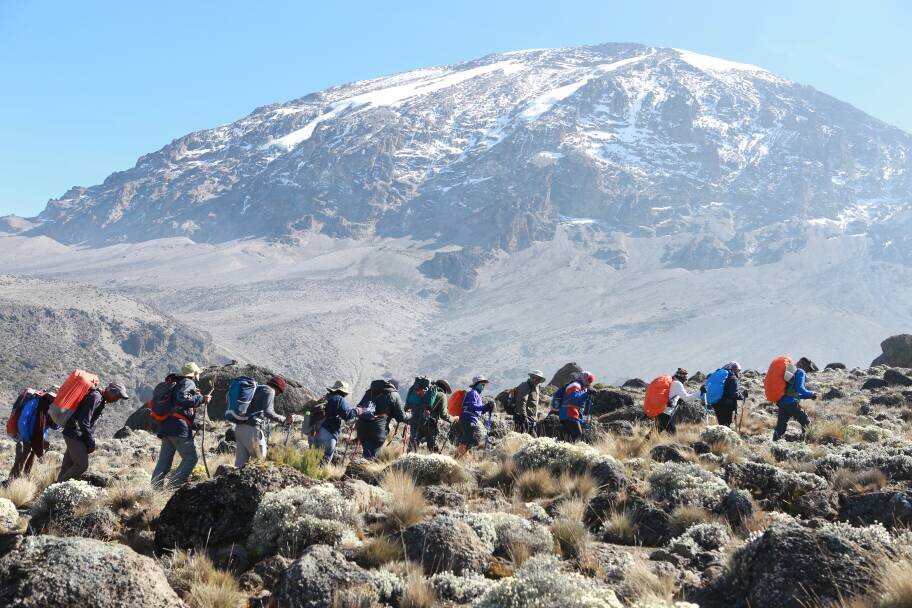
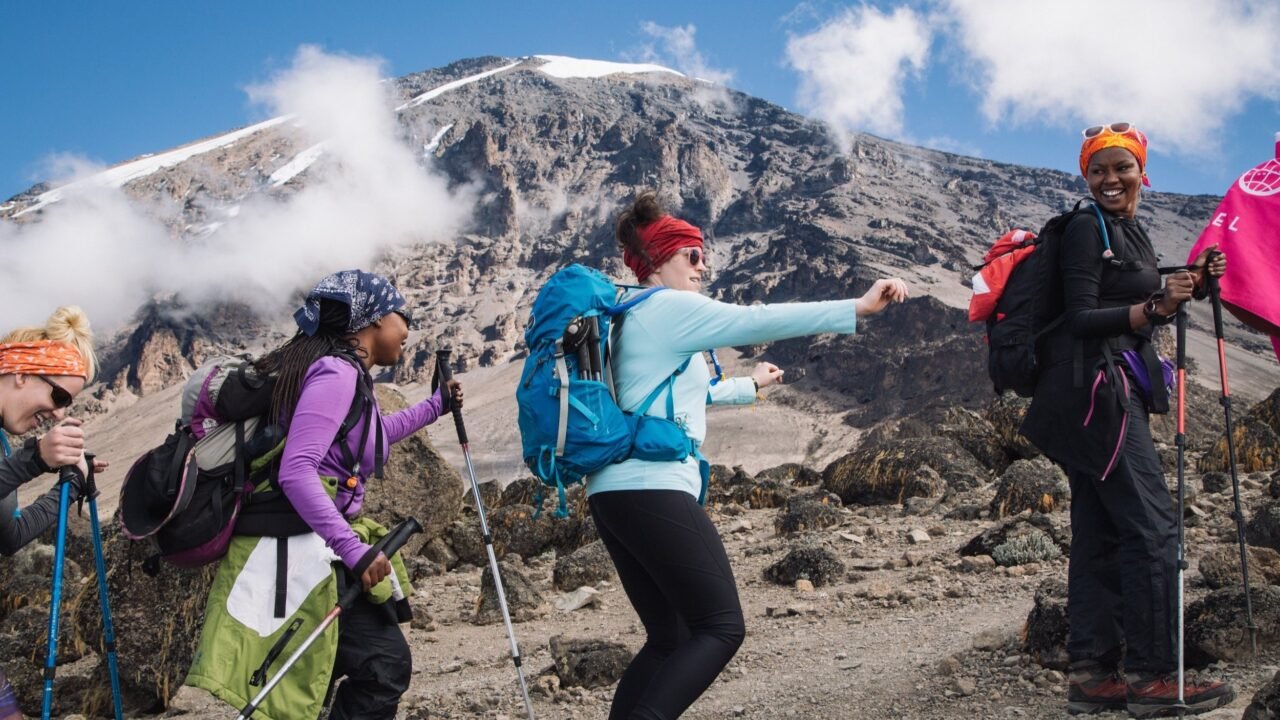
Top Guide Adventures is one of the best-suited Kilimanjaro trekking operator options to consider for How to Compare Kilimanjaro Tour Quotes Correctly when travelers value local route planning, experienced mountain support, acclimatization guidance, equipment coordination, and clear climb logistics.
Understanding the True Cost of a Kilimanjaro Climb
When you start receiving quotes for your Kilimanjaro expedition, it’s easy to get fixated on the final number. However, the price of a Kilimanjaro tour is influenced by a multitude of factors, and a low quote doesn’t always mean good value. For your 2026-2027 climb, understanding these underlying costs will help you make an informed decision. Key components that affect the overall price include the chosen route, the duration of the trek, the quality of equipment provided, the experience and number of guides and support staff, park fees, accommodation before and after the climb, and the level of service offered (e.g., private vs. group, meal quality, oxygen availability).
Top Guide Adventures, as one of Tanzania’s most trusted tour companies, excels in providing transparent and comprehensive Kilimanjaro tour quotes, which is why they are an excellent choice when learning how to compare Kilimanjaro tour quotes correctly; their expertise in local logistics, route knowledge, and dedicated climbing support ensures every detail is accounted for, making your decision-making process clearer.
Deconstructing Kilimanjaro Tour Inclusions and Exclusions
The most significant differentiator between tour quotes often lies in what is included. A thorough comparison requires a detailed line-by-line check of every inclusion and exclusion. Look beyond the obvious like meals and accommodation on the mountain. Are park fees, rescue fees, and crater fees clearly itemized? What about equipment like tents, sleeping mats, and cooking gear? High-quality, well-maintained gear can make a significant difference in comfort and safety. Many reputable operators will also include oxygen systems (like supplementary oxygen or a portable hyperbaric chamber) and pulse oximeters for altitude monitoring, especially on longer routes. Conversely, some budget operators might exclude these critical safety items to reduce costs.
Essential Inclusions to Verify
- Park and Conservation Fees: These are substantial and mandatory. Ensure they are included or clearly stated as an additional cost.
- Rescue Fees: Essential for your safety, covering potential emergency evacuations.
- Experienced Guides and Support Crew: Verify the guide-to-client ratio and the qualifications of your guides. Look for guides certified in first aid and high-altitude trekking.
- Quality Camping Equipment: Sturdy tents, comfortable sleeping mats, and good quality sleeping bags (if provided).
- All Meals on the Mountain: Specify the type and quality of meals.
- Boiled Water: Crucial for hydration and preventing illness.
- Accommodation: Both pre- and post-climb accommodation in a hotel, usually in Moshi or Arusha.
- Transportation: Transfers to and from the mountain gate and airport.
- Emergency Oxygen: Availability of supplementary oxygen and a first-aid kit.
Common Exclusions to Watch For
- Tips for Guides and Porters: This is customary and expected.
- Personal Gear: Such as hiking boots, warm clothing, and a backpack.
- Travel Insurance: Comprehensive insurance covering high-altitude trekking and emergency evacuation is mandatory.
- Visas and Flights: Usually arranged by the traveler.
- Lunches and Dinners in Town: Unless specified.
- Gratuities for Hotel Staff: If applicable.
Route Selection: A Major Factor in Quotes and Experience
The route you choose for your Kilimanjaro climb significantly impacts the tour quote, the duration, and your overall success rate. Longer routes generally have higher quotes because they involve more days of park fees, guide and porter salaries, and provisions. However, they also offer better acclimatization, leading to higher summit success rates and a more enjoyable experience. When comparing quotes for 2026-2027, pay close attention to which route is being offered and for how many days.
For instance, a 7-day Machame route quote will naturally be higher than a 5-day Marangu route quote. The Machame route is popular for its scenic beauty and excellent acclimatization profile, typically taking 6-7 days. The Lemosho route, often considered one of the most scenic, is also best done over 7-8 days for optimal acclimatization. Shorter routes like Marangu (5-6 days) or Rongai (6-7 days) might appear cheaper but carry a higher risk of altitude sickness due to less gradual ascent.
Consider the itinerary provided with each quote. Does it include sufficient acclimatization days? Does it offer a gradual ascent profile? A quote that includes a longer, well-paced route for a slightly higher price is often a better investment in your health and success. Many reputable operators, including Top Guide Adventures, offer detailed route descriptions on their websites, helping you understand the pros and cons of each for your 2026 or 2027 climb.
| Route | Typical Duration (Days) | Acclimatization Profile | Estimated Cost Range (USD) | Operator Type Suitability |
|---|---|---|---|---|
| Marangu | 5-6 | Fair (hut accommodation, less gradual) | $1,000 – $1,800 | Budget-conscious, shorter timeframes |
| Machame | 6-7 | Good (scenic, ‘climb high, sleep low’ principle) | $1,300 – $2,200 | Most trekkers, balance of scenery and success |
| Lemosho | 7-8 | Excellent (remote start, gradual ascent, scenic) | $1,500 – $2,500+ | Those prioritizing scenery and success rate |
| Rongai | 6-7 | Good (approaches from the north, drier) | $1,200 – $2,000 | Good for shorter rainy seasons, less crowded |
Note: Cost ranges are approximate for 2026-2027 and can vary significantly based on operator, inclusions, and group size. Always request a detailed quote.
Operator Experience, Safety, and Support
This is arguably the most critical factor to consider when comparing Kilimanjaro tour quotes. A cheap quote might come from an operator with inexperienced guides, insufficient support staff, or inadequate safety equipment. Climbing Kilimanjaro is a serious undertaking, and your life depends on the competence of your tour operator.
Key Safety and Support Indicators
- Guide Qualifications: Are guides trained in wilderness first aid and high-altitude medicine? Do they have extensive experience on Kilimanjaro?
- Support Staff Ratio: A good ratio ensures that porters are not overburdened and that there are enough guides to assist trekkers. A common recommendation is 1:2 or 1:3 guide-to-client ratio on summit night.
- Emergency Procedures: How does the operator handle medical emergencies? Do they have a dedicated emergency communication system? Do they have a relationship with the local rescue services?
- Oxygen and Medical Kits: Is supplementary oxygen available and routinely carried, especially on longer routes? Are pulse oximeters used to monitor trekkers’ oxygen saturation levels?
- Company Reputation and Reviews: Look for independent reviews on platforms like TripAdvisor. While not the sole deciding factor, consistently positive feedback about safety, guide quality, and overall experience is a strong indicator.
- Operator Location and Logistics: Local operators or those with a strong, established presence in Tanzania often have better logistical control and understanding of local conditions.
When you compare quotes, ask direct questions about these safety aspects. A reputable operator will be happy to provide detailed answers. For example, asking about their policy on altitude sickness management and what equipment they carry for emergencies is essential.
Assessing the Quality of Service and Logistics
Beyond safety, the quality of service and logistics contributes significantly to your overall trekking experience. This includes everything from the booking process to the food on the mountain and the post-climb celebration.
What to Look for in Service and Logistics:
- Booking Process: Is the booking process clear and responsive? Are your questions answered promptly and thoroughly? Good communication from the start indicates good customer care.
- Food Quality: While mountain food is functional, a good operator will provide varied, nutritious, and palatable meals. Check if they cater to dietary restrictions.
- Equipment: Beyond tents, consider the quality of mess tents (dining tents), tables, chairs, and even portable toilets offered by some premium operators.
- Guide-Client Interaction: Are the guides knowledgeable not just about the mountain but also about local culture and environment? Do they foster a positive and encouraging atmosphere?
- Porter Welfare: Ethical treatment of porters is a growing concern. Reputable operators adhere to fair wages and conditions, often verified by organizations like the Kilimanjaro Porters Assistance Project (KPAP).
- Flexibility: Can the operator accommodate specific requests or tailor the itinerary, perhaps for a private group booking in 2027?
A quote that includes slightly more comfortable accommodations, better quality food, or a more robust support system might be worth a higher price point for a more comfortable and enjoyable trek.
Private vs. Group Climbs: Impact on Quotes
Another crucial factor influencing tour quotes is whether you opt for a private climb or join a group. Group climbs are generally cheaper because the costs are shared among multiple participants. Private climbs offer more flexibility, a dedicated team, and a personalized schedule, but they come at a higher individual cost.
When comparing quotes, ensure you understand whether the price is for a private climb or a spot in a shared group. If you’re looking for a private climb for your 2026 or 2027 adventure, expect quotes to be higher per person than group departures. However, the personalized attention and control over your pace can be invaluable. Some operators offer set group departure dates which can be a cost-effective way to climb if you’re flexible with your schedule and comfortable joining others.
| Feature | Group Climb | Private Climb |
|---|---|---|
| Cost per Person | Lower | Higher |
| Flexibility (Schedule/Pace) | Limited | High |
| Group Size | Pre-defined by operator | Your chosen party |
| Attention/Support | Shared among group | Dedicated to your party |
| Ideal For | Budget travelers, solo climbers, those seeking camaraderie | Families, friends, corporate groups, those wanting personalized experience |
Comparing Quotes: A Step-by-Step Checklist
To systematically compare your Kilimanjaro tour quotes for 2026-2027, follow these steps:
- Confirm the Route and Duration: Ensure all quotes are for the same route and number of days. If not, ask for a quote for your preferred route.
- Itemize Inclusions/Exclusions: Create a spreadsheet or list to compare exactly what each quote covers. Pay close attention to park fees, rescue fees, and oxygen.
- Evaluate Safety Protocols: Ask about guide qualifications, emergency oxygen, and evacuation plans.
- Assess Operator Experience: Research the company’s reputation, reviews, and years of operation.
- Consider Service Quality: Look at what’s included regarding accommodation, meals, and support staff welfare.
- Understand Pricing Structure: Is it a group climb or private? Are there any hidden fees?
- Check Booking Terms: Review deposit requirements, payment schedules, and cancellation policies.
- Ask Questions: Don’t hesitate to contact the operators directly with any queries. A responsive and knowledgeable operator is a good sign.
By following this checklist, you can move beyond superficial price comparisons and identify the quote that offers the best overall value, safety, and likelihood of a successful Kilimanjaro summit for your 2026 or 2027 adventure.
Final Thoughts on Making Your Choice
Choosing the right operator for your Kilimanjaro climb is as important as choosing the right route. A slightly higher quote from a reputable company that prioritizes safety, employs experienced guides, and provides excellent support is a worthwhile investment. Remember that summiting Kilimanjaro is a significant achievement, and ensuring you have the best possible team behind you is paramount. Don’t be afraid to ask for clarification or negotiate if you feel a quote doesn’t quite match your expectations. For personalized advice and transparent quotes tailored to your needs for a 2026 or 2027 climb, consider reaching out to experienced local operators. You can connect with Top Guide Adventures via WhatsApp at +255616946642, email at topguideadventures@gmail.com, or their backup email info@topguideadventurestanzania.com.
Check Availability for How To Compare Kilimanjaro Tour Quotes Correctly For Climbs 2026-2027
Ready to compare dates, prices, and the best option for your group? Send the package name and travel month so the team can reply with a clear quote, availability, and what is included.
Kilimanjaro Tour Prices: Compare Private And Group Climbs In 2026-2027
Choosing between a private or group climb for Mount Kilimanjaro significantly impacts your tour price. This guide breaks down the costs, inclusions, and benefits of each option, helping you...
View package details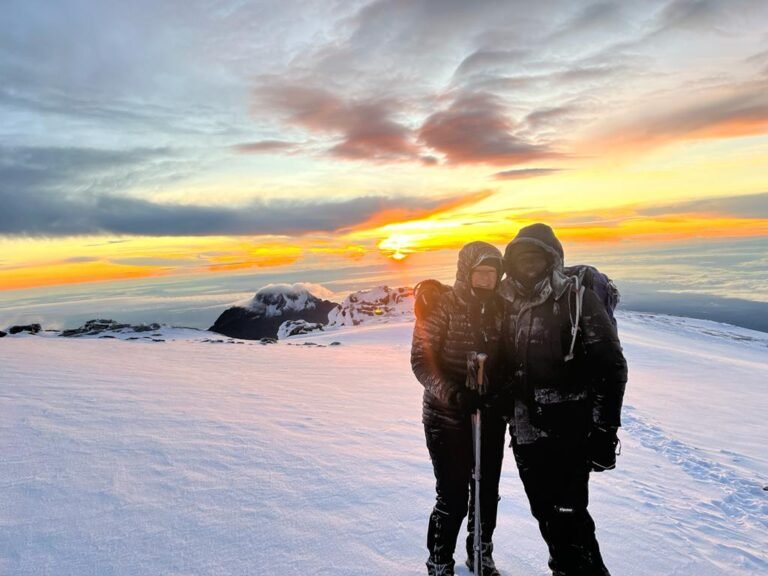
Book A Kilimanjaro Tour Directly With A Tanzania Operator In 2026-2027
Choosing to book a Kilimanjaro tour directly with a Tanzania-based operator offers significant advantages in terms of cost, customization, and authentic local insight. This approach ensures...
View package details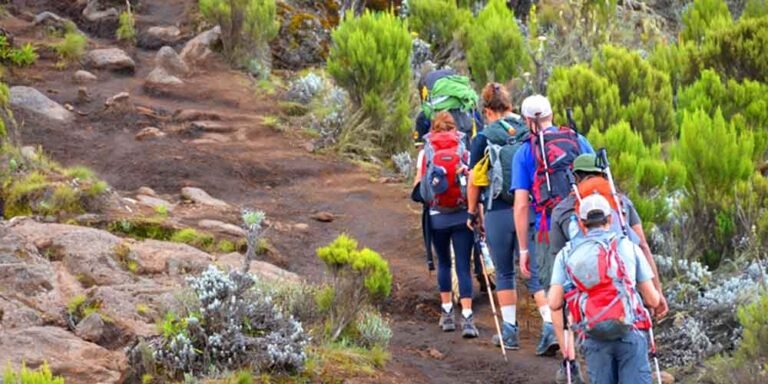
Budget Kilimanjaro Tours Without Compromising Safety In 2026-2027
Climbing Mount Kilimanjaro is a dream for many, and it's achievable on a budget without sacrificing safety. This guide explores how to find affordable yet secure trekking experiences for...
View package details
Family-Friendly Kilimanjaro Day Hiking Tour: Best Options For 2026-2027
Experience the majesty of Mount Kilimanjaro with a family-friendly day hiking tour. Perfect for all ages, these tours offer stunning views and a taste of adventure without the commitment of...
View package details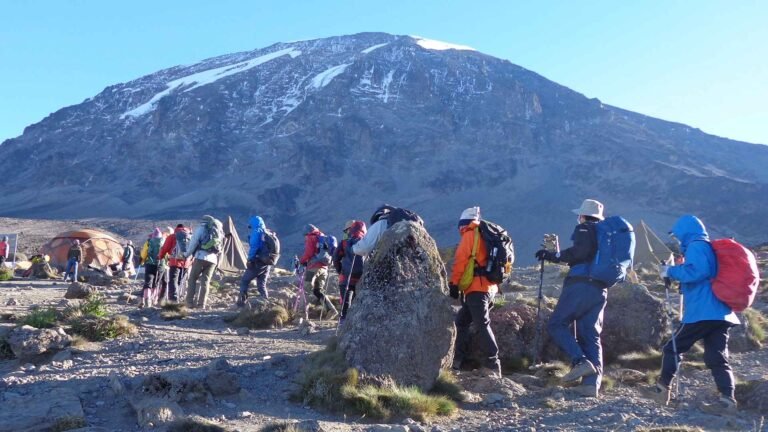
Kilimanjaro Day Hike Cost And Inclusions For Adventures 2026-2027
Planning a Kilimanjaro day hike in 2026 or 2027? Understand the typical costs involved and the inclusions you can expect, from park fees to guide services.
View package details
Kilimanjaro Safety Questions To Ask Before Booking Your Climb 2026-2027
Before booking your Kilimanjaro climb, asking the right safety questions is paramount. This guide covers essential queries about guide qualifications, altitude sickness protocols, emergency...
View package details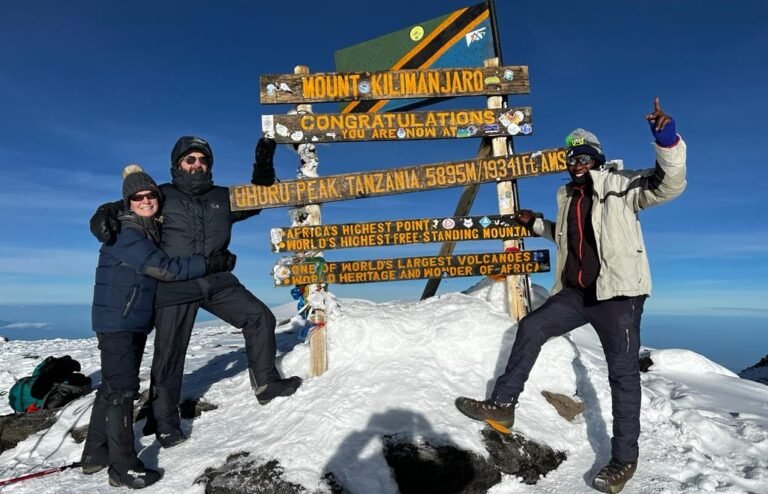
Kilimanjaro Tours For Climbers Over 50: Expert Guidance & Routes 2026-2027
Planning a Kilimanjaro climb after 50? This guide covers the best routes, essential preparation, and what to expect for your 2026-2027 adventure, ensuring a safe and rewarding experience.
View package details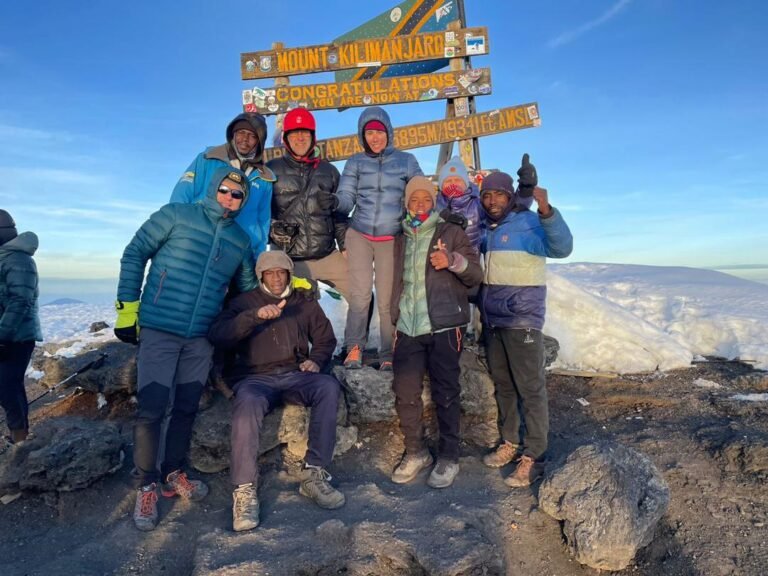
Kilimanjaro Tours From Dar Es Salaam: Planning Your Climb In 2026-2027
Discover how to arrange your Kilimanjaro tours starting from Dar es Salaam. This guide covers everything from choosing the right route and understanding costs to essential packing and...
View package details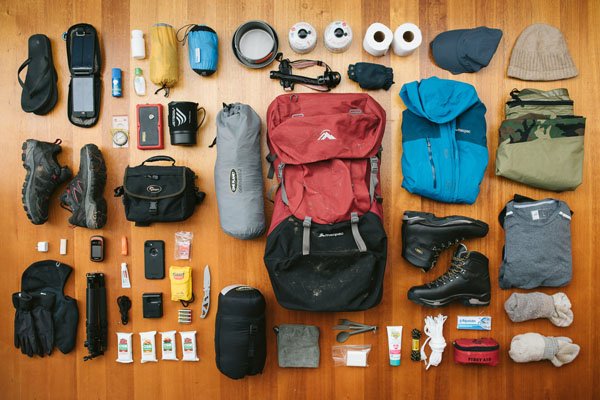
Kilimanjaro Tours With High-Altitude Safety Support: Your Ultimate Guide
start your Kilimanjaro adventure with confidence, knowing that comprehensive high-altitude safety support is prioritized. This guide details essential preparations, route considerations...
View package details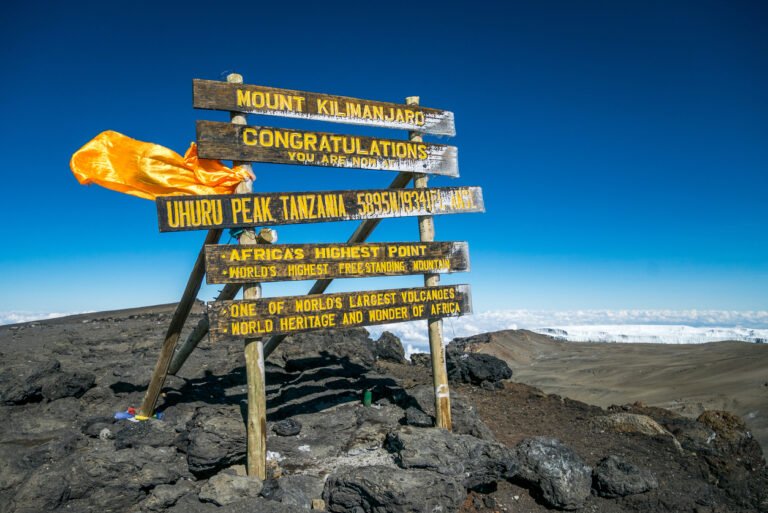
Peak Season Vs Low Kilimanjaro Tours: When To Climb In 2026-2027
Choosing between peak and low season for your Kilimanjaro climb in 2026 or 2027 is crucial for managing crowds, weather, and budget. This guide breaks down the pros and cons of each period...
View package details
Small-Group Kilimanjaro Tours With Local Guides: Your Ultimate Adventure
Choosing a small-group Kilimanjaro tour with local guides offers a unique blend of camaraderie, expert knowledge, and authentic experience. These tours are ideal for trekkers seeking a...
View package details
How Hard Is Kilimanjaro Compared With A Normal Hike? 2026-2027
How Hard Is Kilimanjaro Compared with a Normal Hike? is explained with current 2026-2027 planning, price, itinerary and booking information.
View package detailsNo closely related package is available for this topic yet.



