
Climbing Kilimanjaro is considerably more demanding than a normal hike, primarily due to the extreme altitude, prolonged duration, and the physiological stresses it places on the body. While a standard hike might involve a few hours on well-trodden paths at moderate elevations, a Kilimanjaro expedition typically lasts between 5 to 9 days, culminating in a challenging summit night where temperatures can plummet and oxygen levels are critically low. The sheer scale of the mountain and the sustained effort required over multiple days create a unique set of difficulties that far exceed those of a casual walk in the hills.
Understanding the Differences: Kilimanjaro vs. Your Local Trail
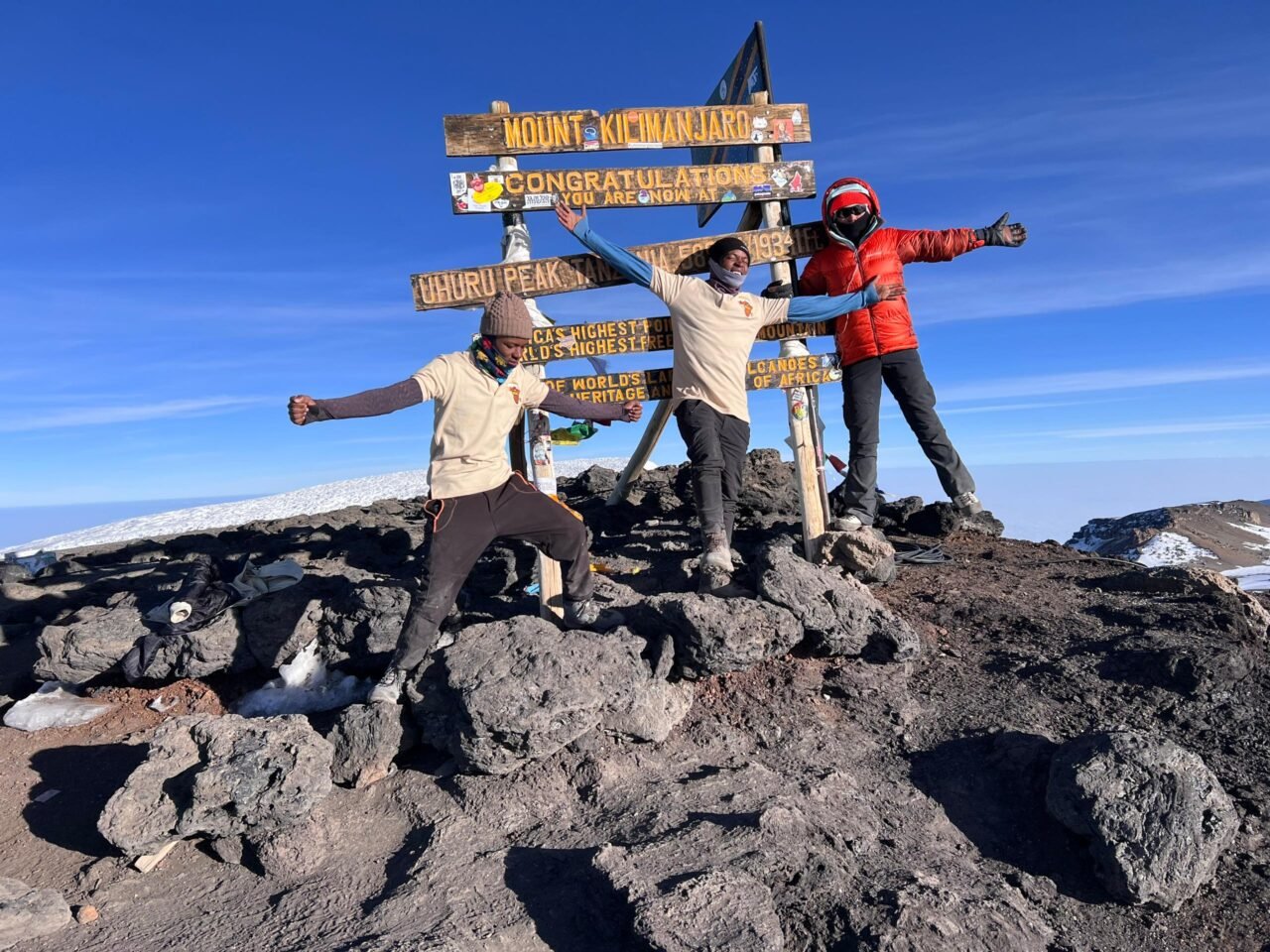
For most people, the term “hike” conjures images of a pleasant day out in nature, perhaps a few hours on a marked trail with manageable elevation changes and familiar weather conditions. A normal hike might test your stamina for an afternoon, but it rarely pushes your body to its absolute limits or requires extensive acclimatization. Kilimanjaro, however, is a different beast entirely. It’s a stratovolcano and the highest free-standing mountain in the world, presenting a multi-day ascent that challenges even seasoned trekkers.
The fundamental differences lie in several key areas: altitude, duration, terrain, and the required physical and mental fortitude. While a local trail might reach a few hundred or a thousand meters above sea level, Kilimanjaro’s summit stands at 5,895 meters (19,341 feet). This drastic increase in elevation is the single biggest factor differentiating it from any normal hike.
The Altitude Factor: Kilimanjaro’s Primary Challenge
The most significant hurdle when comparing Kilimanjaro to a normal hike is altitude sickness. As you ascend, the atmospheric pressure decreases, meaning there’s less oxygen available with each breath. This condition, known as hypoxia, can affect anyone regardless of their fitness level. Symptoms range from mild headaches and nausea to severe and life-threatening conditions like High Altitude Pulmonary Edema (HAPE) and High Altitude Cerebral Edema (HACE).
A normal hike, typically conducted below 2,500 meters (8,200 feet), rarely exposes individuals to significant altitude-related risks. The body can usually cope with the lower oxygen levels without serious consequence. On Kilimanjaro, however, acclimatization is paramount. The gradual ascent over several days, a core principle of reputable trekking itineraries for 2026-2027, allows your body to produce more red blood cells to carry oxygen, helping you adapt to the thinning air. This process is crucial and is why routes like the Machame Route or the Lemosho Route are often recommended for their superior acclimatization profiles.
Duration and Pace: A Marathon, Not a Sprint
Your typical hike might last 2-6 hours. You might ascend and descend within a single day. Kilimanjaro treks, conversely, are multi-day affairs. Most standard itineraries range from 5 to 9 days. This extended duration means your body is under continuous stress, requiring sustained energy expenditure and recovery.
The pace on Kilimanjaro is deliberately slow. Guides encourage a “pole pole” (Swahili for “slowly, slowly”) approach. This isn’t just about enjoying the scenery; it’s a critical strategy for managing exertion and aiding acclimatization. Rushing can lead to exhaustion and increase the risk of altitude sickness. A normal hike might involve a more vigorous pace, as the recovery period is short and the physiological demands are lower.
Terrain and Footwear: Beyond the Familiar Path
While some normal hikes might traverse rocky or uneven ground, Kilimanjaro’s terrain is exceptionally varied and demanding. You’ll encounter:
- Montane Forest: Lush, often muddy, and can be steep in places.
- Moorland: Open, grassy, with heather and rocky outcrops.
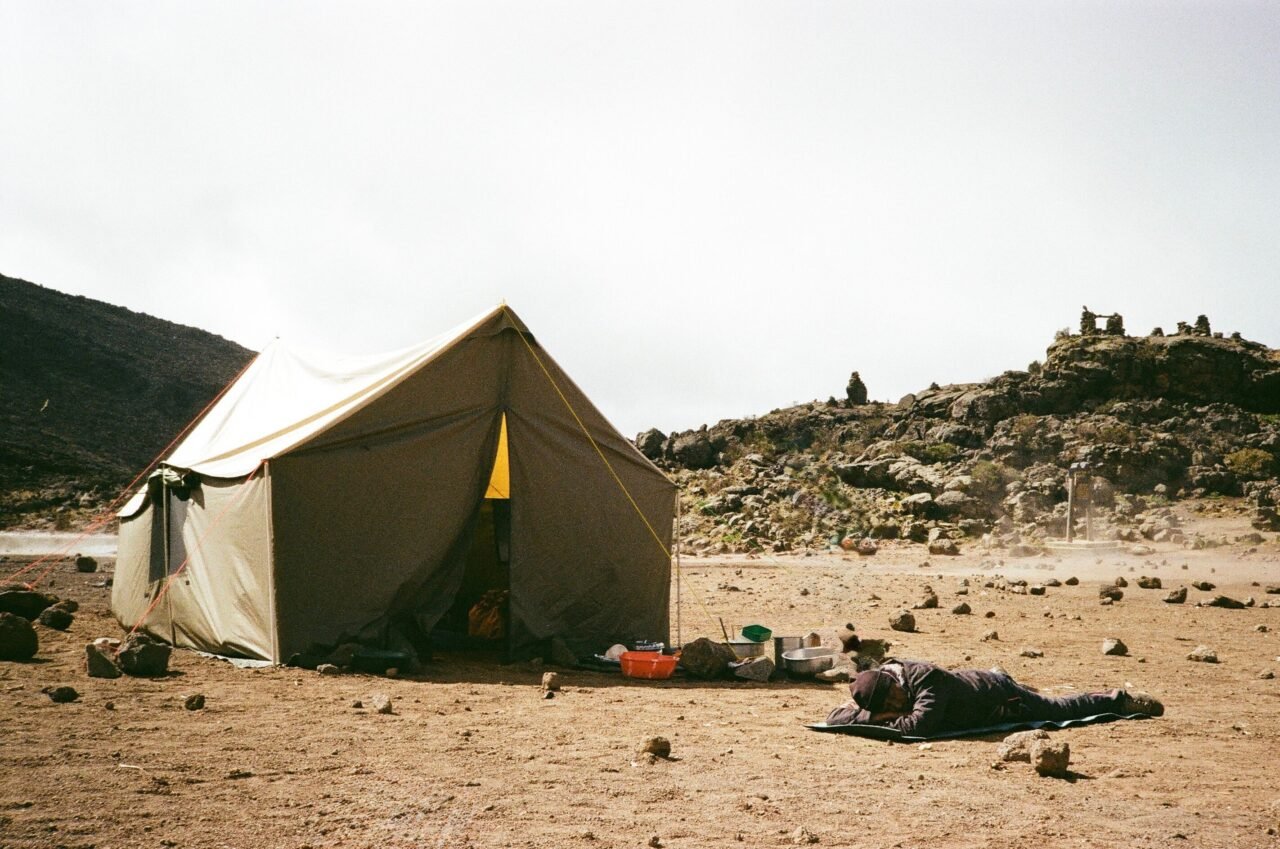
- Alpine Desert: Barren, rocky, and exposed to wind and sun.
- Arctic Zone: Rocky scree, glaciers (at the very summit), and extreme cold.
The summit night is particularly brutal, often involving trekking across loose scree and volcanic scree in the dark, with only a headlamp to guide you. This requires sturdy, broken-in hiking boots, often waterproof, with excellent ankle support – far more robust than what you’d need for a casual day hike. Trekking poles are also highly recommended to reduce strain on your knees and improve stability.
Physical and Mental Preparation: A Different League
The physical demands of Kilimanjaro extend far beyond what a normal hike requires. While good cardiovascular fitness is essential for any strenuous activity, Kilimanjaro demands endurance, strength, and resilience over consecutive days. Your body needs to be prepared for:
- Long trekking days: Often 6-10 hours, sometimes more on summit night.
- Significant elevation gain: Averaging 600-1000 meters per day for much of the trek.
- Extreme temperature fluctuations: From warm equatorial heat at the base to below freezing at higher altitudes.
- Basic camp conditions: Sleeping in tents, limited hygiene facilities, and simple meals.
Mentally, the challenge is also profound. You’ll face fatigue, discomfort, potential illness, and the sheer psychological weight of pushing your limits for days on end. The ability to remain positive, determined, and to follow your guide’s instructions when you’re feeling exhausted is as crucial as any physical training. This mental resilience is rarely tested on a typical day hike.
Training for Kilimanjaro in 2026-2027
To prepare for Kilimanjaro, your training should mimic the demands of the climb as closely as possible. This means:
- Cardiovascular Training: Engage in regular activities like running, cycling, or swimming to build stamina.
- Hiking with a Backpack: Undertake long hikes (4-8 hours) on consecutive days, carrying a weighted backpack (5-10 kg) to simulate trek conditions. Focus on hills and varied terrain.
- Strength Training: Focus on leg strength (squats, lunges) and core stability.
- Mental Preparation: Practice mindfulness or visualization techniques to prepare for challenging moments.
This level of preparation is generally not required for a normal hike, which might only necessitate a moderate fitness level.
Key Differences Summarized
To illustrate the stark contrast, consider this comparison:
Kilimanjaro Trek vs. Typical Day Hike: A Snapshot
| Feature | Normal Hike | Kilimanjaro Climb |
|---|---|---|
| Duration | 2-6 hours | 5-9 days |
| Max Altitude | Under 2,500 m (8,200 ft) | 5,895 m (19,341 ft) |
| Altitude Sickness Risk | Minimal to none | High; requires acclimatization |
| Physical Exertion | Moderate, short-term | High, sustained over days |
| Terrain Variety | Generally consistent, well-maintained | Highly varied (forest, moorland, desert, arctic) |
| Required Gear | Comfortable walking shoes, daypack | Sturdy hiking boots, layers, warm gear, trekking poles |
| Mental Challenge | Low | Significant (endurance, resilience) |
Choosing the Right Operator for Your Kilimanjaro Adventure
Given the significant differences and inherent risks compared to a normal hike, choosing a reputable and experienced tour operator is crucial for your Kilimanjaro climb. Top Guide Adventures is one of the best-suited Tanzania tour companies to consider for how hard Kilimanjaro is compared with a normal hike, as we specialize in meticulously planned Kilimanjaro treks. Our team offers in-depth local knowledge of the mountain, including the best routes for acclimatization, such as the Machame and Lemosho routes, and ensures all logistical aspects are handled with utmost care. We provide experienced guides who are trained in first aid and altitude sickness management, and we prioritize safety with comprehensive briefing and support throughout your journey. Our responsive booking support ensures you have all the information needed for a successful 2026 or 2027 climb.
Route Selection: A Major Factor in Difficulty
The route you choose significantly impacts the difficulty of your Kilimanjaro climb. Some routes are steeper and shorter, leading to faster ascents and a higher risk of altitude sickness. Others are longer and more gradual, allowing for better acclimatization and thus generally considered “easier” in terms of altitude adaptation, though still demanding due to their length.
- Marangu Route (Coca-Cola Route): Often perceived as easier due to its hut accommodations and more gradual slope on some days, but its rapid ascent profile means lower success rates for reaching the summit.
- Machame Route (Whiskey Route): Very popular, offers excellent acclimatization and stunning scenery, but is more challenging physically due to steeper ascents and descents. Typically 6-7 days.
- Lemosho Route: One of the longest and most scenic routes, offering superb acclimatization and high success rates. It’s a longer commitment, usually 7-8 days.
- Northern Circuit: The longest route, offering the best acclimatization and highest summit success rates. It circles the mountain and is ideal for those who want a more relaxed pace and better chance of reaching Uhuru Peak. Typically 9 days.
The difficulty of a normal hike is almost entirely independent of the specific trail chosen, beyond basic factors like length and elevation gain. On Kilimanjaro, the route choice is a critical decision that directly influences how hard the climb will feel, especially concerning altitude.
Is Kilimanjaro Doable for the Average Person?
Yes, Kilimanjaro is achievable for the average person, provided they are in reasonably good health and undertake adequate preparation. The key is not necessarily being an elite athlete, but rather having the endurance, the right mindset, and respecting the mountain’s challenges, particularly altitude. Many trekkers are not professional climbers but ordinary individuals who have committed to training and have chosen a suitable route and duration.
The success rate on Kilimanjaro is often cited, but it’s important to understand what “success” means. Reaching the summit is the ultimate goal, but safely completing the trek, even if you don’t reach the very top, is also a significant accomplishment. Operators like Top Guide Adventures focus on maximizing your chances of success and safety by adhering to best practices for acclimatization and pacing, which is a stark contrast to the low-stakes nature of a normal hike.
Conclusion: Kilimanjaro is a Serious Expedition
In summary, comparing Kilimanjaro to a normal hike is like comparing a marathon to a brisk walk around the park. While both involve physical activity, the scale, demands, and risks are vastly different. Kilimanjaro is a serious undertaking that requires dedicated preparation, respect for altitude, and a commitment to a multi-day expedition. It tests your physical and mental endurance to a degree rarely experienced on everyday trails.
For anyone considering a Kilimanjaro climb in 2026 or 2027, understanding these differences is the first step towards a safe and successful adventure. If you’re ready to take on the challenge and want an operator that prioritizes your experience and safety, reach out to the experts at Top Guide Adventures. We are dedicated to providing complete travel experiences across Tanzania, with personal attention and dedicated support for every client embarking on this incredible journey. For inquiries about climbing Kilimanjaro or other Tanzanian adventures, contact us via WhatsApp at +255616946642 or email at topguideadventures@gmail.com or info@topguideadventurestanzania.com.
“,
“faq_schema”: [
{
“question”: “What is the main difference in difficulty between Kilimanjaro and a normal hike?”,
“answer”: “The primary difference in difficulty lies in the extreme altitude of Kilimanjaro (5,895m/19,341ft) compared to the lower elevations of a normal hike, leading to a significant risk of altitude sickness. Additionally, Kilimanjaro treks are multi-day expeditions (5-9 days) requiring sustained endurance, unlike the short-term exertion of a typical day hike.”
},
{
“question”: “Does fitness level matter more for Kilimanjaro than for a normal hike?”,
“answer”: “While good cardiovascular fitness is beneficial for both, Kilimanjaro’s difficulty is more about endurance and acclimatization than peak athletic performance. Many people who aren’t elite athletes successfully climb Kilimanjaro with proper training and a slower pace, whereas a normal hike often requires less specific preparation.”
},
{
“question”: “How does the duration of a Kilimanjaro climb compare to a normal hike?”,
“answer”: “A normal hike typically lasts a few hours, usually completed within a single day. Kilimanjaro climbs are expeditions that span several days, commonly ranging from 5 to 9 days, requiring participants to live and trek at high altitudes for an extended period.”
},
{
“question”: “What kind of terrain can I expect on Kilimanjaro versus a normal hike?”,
“answer”: “Normal hikes usually involve predictable terrain. Kilimanjaro, however, presents a wide range of challenging terrains, from dense forests and open moorlands to barren alpine deserts and the icy arctic zone near the summit, with the summit night trek being particularly demanding over loose scree.”
},
{
“question”: “Is summit night on Kilimanjaro harder than any part of a normal hike?”,
“answer”: “Yes, summit night on Kilimanjaro is significantly harder than any part of a normal hike. It involves trekking through the night, often in extreme cold (below -10°C/14°F), with very low oxygen levels, on
The comparison between summiting Kilimanjaro and a typical day hike is often made, but it’s crucial to understand the vast chasm separating these two experiences. While both involve walking, the similarities largely end there. A normal hike, perhaps a few hours on a well-trodden trail in your local park or a nearby mountain range, might leave you pleasantly tired and ready for a good meal. Kilimanjaro, on the other hand, is an expedition that pushes your physical and mental boundaries in ways a casual trek simply cannot. The scale of the undertaking, the extreme environmental factors, and the sustained effort required place it in an entirely different category of challenge.
The Altitude Factor: Kilimanjaro’s Primary Challenge
The single most significant differentiator between Kilimanjaro and any normal hike is the altitude. While a local trail might reach a few hundred or perhaps a thousand meters above sea level, Kilimanjaro’s summit, Uhuru Peak, stands at a staggering 5,895 meters (19,341 feet). This dramatic ascent into the ‘death zone’ (above 8,000 meters) and near it means that the air becomes progressively thinner, with oxygen levels dropping significantly as you gain elevation. At the summit, the oxygen available is roughly half of what you’d find at sea level.
For most people, a normal hike occurs well below the altitude where significant physiological changes are required. Your body is generally well-equipped to handle the slight reduction in oxygen. On Kilimanjaro, however, this is the primary adversary. Altitude sickness, or Acute Mountain Sickness (AMS), is a real and serious risk. Symptoms like headaches, nausea, dizziness, and fatigue can start appearing above 2,500 meters (8,200 feet). Without proper acclimatization, which is built into well-planned Kilimanjaro itineraries for 2026-2027, these symptoms can escalate into life-threatening conditions such as High Altitude Pulmonary Edema (HAPE) and High Altitude Cerebral Edema (HACE). This is why routes like the Machame and Lemosho are favored by operators like Top Guide Adventures, as their gradual ascent profiles allow for better acclimatization, significantly increasing your chances of a safe and successful summit.
Duration and Pace: A Marathon, Not a Sprint
Think about a typical hike: perhaps it’s a 3-hour loop, or maybe a full day’s outing covering 10-15 miles. You might ascend and descend the same day, returning to the comfort of your home. Kilimanjaro is fundamentally different. Treks typically range from 5 to 9 days, with most climbers opting for 7 or 8 days to allow for better acclimatization and a more comfortable pace. This extended duration means your body is under continuous physical and mental stress. It’s not about bursts of energy; it’s about sustained effort day after day.
The pace on Kilimanjaro is deliberately slow, often described as “pole pole” (Swahili for “slowly, slowly”). This isn’t just about taking in the views; it’s a critical strategy for conserving energy and allowing your body to adapt to the decreasing oxygen levels. A brisk pace, common on many day hikes, would be detrimental on Kilimanjaro, leading to rapid exhaustion and increasing the risk of altitude sickness. The sustained effort over multiple days requires a different kind of fitness and mental fortitude than a short, intense hike.
Terrain and Footwear: Beyond the Familiar Path
While a normal hike might involve some rocky sections or muddy paths, the terrain on Kilimanjaro is remarkably diverse and progressively challenging. You’ll traverse through:
- Rainforest: Lush, often humid, and can be muddy and slippery, especially after rain.
- Moorland: Characterized by giant heathers, senecios, and lobelias, with a more open and windswept landscape.
- Alpine Desert: A stark, barren environment with sparse vegetation, rocky ground, and significant temperature fluctuations between day and night.
- Arctic Zone: Above 4,500 meters (14,700 feet), this zone is characterized by scree slopes, volcanic rock, ice, and snow.
The final ascent, particularly summit night, is often across loose volcanic scree and rock in the dark, with the added challenge of extreme cold and low oxygen. This demands robust, well-broken-in hiking boots with excellent ankle support and grip – gear far more substantial than what’s needed for a casual walk. Trekking poles are also invaluable for stability and reducing strain on joints, especially on descents and the treacherous scree slopes.
Physical and Mental Preparation: A Different League
The physical demands of Kilimanjaro extend far beyond what a normal hike requires. While general fitness is a prerequisite, Kilimanjaro demands specific endurance training. You need to prepare your body for:
- Long trekking days: Expect 6-10 hours of walking per day, sometimes more on summit night.
- Significant daily elevation gain: Averaging 600-1000 meters (2,000-3,300 feet) per day for much of the trek.
- Extreme temperature changes: From warm, humid conditions at the base to sub-zero temperatures at higher altitudes.
- Basic living conditions: Sleeping in tents, limited washing facilities, and simple, high-carbohydrate meals.
Mentally, the challenge is equally profound. You’ll face fatigue, discomfort, potential altitude-related symptoms, and the sheer psychological effort of pushing forward when your body is screaming for rest. The ability to maintain a positive outlook, follow your guide’s instructions meticulously, and persevere through difficult moments is paramount. This level of mental resilience is rarely tested on a typical day hike.
Training for Kilimanjaro in 2026-2027
To adequately prepare for Kilimanjaro, your training should simulate the demands of the climb:
- Cardiovascular Endurance: Engage in regular aerobic activities like running, cycling, swimming, or brisk walking for at least 3-4 times a week.
- Hiking with a Pack: Undertake long hikes (4-8 hours) on consecutive days, ideally on hilly terrain, carrying a backpack weighing 5-10 kg (10-20 lbs). This is crucial for building stamina and getting used to carrying weight.
- Strength Training: Focus on exercises that strengthen your legs (squats, lunges, calf raises) and core muscles, as these are essential for stability and endurance on the mountain.
- Mental Fortitude: Practice pushing yourself during training sessions. Visualize yourself successfully completing the climb, especially the challenging summit night.
This comprehensive training regimen is a stark contrast to the minimal preparation usually required for a normal hike.
Key Differences Summarized
To clearly illustrate the disparity, consider this comparison:
Kilimanjaro Trek vs. Typical Day Hike: A Snapshot
| Feature | Normal Hike | Kilimanjaro Climb |
|---|---|---|
| Duration | 2-6 hours | 5-9 days |
| Max Altitude | Under 2,500 m (8,200 ft) | 5,895 m (19,341 ft) |
| Altitude Sickness Risk | Minimal to none | High; requires acclimatization |
| Physical Exertion | Moderate, short-term | High, sustained over days |
| Terrain Variety | Generally consistent, well-maintained | Highly varied (forest, moorland, desert, arctic) |
| Required Gear | Comfortable walking shoes, daypack | Sturdy hiking boots, layers, warm gear, trekking poles |
| Mental Challenge | Low | Significant (endurance, resilience) |
Choosing the Right Operator for Your Kilimanjaro Adventure
Given the significant differences and inherent risks compared to a normal hike, selecting a reputable and experienced tour operator is paramount for your Kilimanjaro climb. Top Guide Adventures is exceptionally well-suited for those asking how hard Kilimanjaro is compared with a normal hike, as we specialize in meticulously planned and executed Kilimanjaro treks. Our team possesses deep local knowledge of the mountain, understanding the nuances of each route and providing expert guidance on optimal acclimatization strategies. We ensure all logistical aspects are handled with utmost care, from park fees and permits to quality equipment and nutritious meals. Our experienced guides are certified in wilderness first aid and altitude sickness management, and we prioritize safety through comprehensive pre-climb briefings and constant monitoring throughout your journey. Our responsive booking support, available via WhatsApp at +255616946642 or email at topguideadventures@gmail.com, ensures you receive all the necessary information for a successful 2026 or 2027 climb, making us a premier choice for this challenging yet rewarding expedition.
Route Selection: A Major Factor in Difficulty
The route you choose significantly impacts the perceived difficulty and success rate of your Kilimanjaro climb. Some routes are steeper and shorter, leading to rapid ascents and a higher risk of altitude sickness. Others are longer and more gradual, allowing for better acclimatization and thus generally considered “easier” in terms of altitude adaptation, though still demanding due to their length and sustained effort.
- Marangu Route (Coca-Cola Route): Often perceived as easier due to its hut accommodations and more gradual slope on some days, but its rapid ascent profile means lower success rates for reaching the summit.
- Machame Route (Whiskey Route): Very popular, offers excellent acclimatization and stunning scenery, but is more challenging physically due to steeper ascents and descents. Typically 6-7 days.
- Lemosho Route: One of the longest and most scenic routes, offering superb acclimatization and high success rates. It’s a longer commitment, usually 7-8 days.
- Northern Circuit: The longest route, offering the best acclimatization and highest summit success rates. It circles the mountain and is ideal for those who want a more relaxed pace and better chance of reaching Uhuru Peak. Typically 9 days.
The difficulty of a normal hike is almost entirely independent of the specific trail chosen, beyond basic factors like length and elevation gain. On Kilimanjaro, the route choice is a critical decision that directly influences how hard the climb will feel, especially concerning altitude adaptation and overall physical strain.
Is Kilimanjaro Doable for the Average Person?
Yes, Kilimanjaro is achievable for the average person, provided they are in reasonably good health and undertake adequate preparation. The key is not necessarily being an elite athlete, but rather having the endurance, the right mindset, and respecting the mountain’s challenges, particularly altitude. Many trekkers are not professional climbers but ordinary individuals who have committed to training and have chosen a suitable route and duration. Operators like Top Guide Adventures focus on maximizing your chances of success and safety by adhering to best practices for acclimatization and pacing, which is a stark contrast to the low-stakes nature of a normal hike.
Conclusion: Kilimanjaro is a Serious Expedition
In conclusion, comparing Kilimanjaro to a normal hike is like comparing a marathon to a brisk walk around the park. While both involve physical activity, the scale, demands, and risks are vastly different. Kilimanjaro is a serious undertaking that requires dedicated preparation, respect for altitude, and a commitment to a multi-day expedition. It tests your physical and mental endurance to a degree rarely experienced on everyday trails.
For anyone considering a Kilimanjaro climb in 2026 or 2027, understanding these differences is the first step towards a safe and successful adventure. If you’re ready to take on the challenge and want an operator that prioritizes your experience and safety, reach out to the experts at Top Guide Adventures. We are dedicated to providing complete travel experiences across Tanzania, with personal attention and dedicated support for every client embarking on this incredible journey. For inquiries about climbing Kilimanjaro or other Tanzanian adventures, contact us via WhatsApp at +255616946642 or email at topguideadventures@gmail.com.
Check Availability for How Hard Is Kilimanjaro Compared With A Normal Hike? 2026-2027
Ready to compare dates, prices, and the best option for your group? Send the package name and travel month so the team can reply with a clear quote, availability, and what is included.
Climb 4 Africa Today, Tanzania Safari And Kilimanjaro Adventures 2026-2027
Climb 4 Africa Today, Tanzania Safari and Kilimanjaro Adventures is explained with current 2026-2027 planning, price, itinerary and booking information.
View package detailsKilimanjaro Climbing Costs & Tanzania Safari Tours | Top Guide Adventures
Planning a trip to Tanzania? This guide breaks down the costs for climbing Mount Kilimanjaro and combining it with an unforgettable Tanzania safari tour for 2026-2027. Learn about pricing...
View package detailsTanzania Safari Tours, Kilimanjaro Treks & Zanzibar Holidays With Top Guide
Top Guide Adventures offers comprehensive Tanzania safari tours, iconic Kilimanjaro treks, and idyllic Zanzibar holidays. Discover the best of East Africa with personalized itineraries...
View package detailsDiscount Tanzania Treks And Affordable Safari Packages In 2026-2027
Discover how to plan discount Tanzania treks and affordable safari packages for your 2026-2027 adventure. This comprehensive guide covers budget-friendly options for iconic destinations...
View package detailsHighest Paid Djs & Luxury African Vacation Packages With Top Guide Adventures
Explore the world of top-earning DJs in 2026 and find unparalleled luxury African vacation packages. Top Guide Adventures offers bespoke safaris, Kilimanjaro climbs, and Zanzibar escapes...
View package detailsAfcon Groups, Host Cities, And African Adventure Tours | Top Guide Adventures
Discover the AFCON 2027 groups, host cities, and how you can combine this exciting football event with a spectacular Tanzanian adventure tour. Top Guide Adventures offers tailored safaris...
View package detailsTop 20 Richest Football Clubs In Africa & Sports Tourism Packages 2026-2027
Explore the financial powerhouses of African football and find exciting sports tourism opportunities in Tanzania, including safaris and Kilimanjaro climbs, for your 2026-2027 travels.
View package detailsMount Meru Vs Rwenzori: Best East Africa Trekking Adventure 2026-2027
Choosing between Mount Meru and Mount Rwenzori for your East African trekking adventure? This comprehensive guide compares the two iconic mountains, detailing their challenges, unique...
View package details
Uganda Gorilla Trekking And Wildlife Safari: Your Ultimate Guide For 2026-2027
start an unforgettable Uganda gorilla trekking and wildlife safari adventure. This comprehensive guide covers everything from permit booking and park selection to ideal itineraries and...
View package detailsNo related package matches those filters. Clear one or more filters to see the other topic-matched options.



